
🧬 What’s Your PCOS Type? Take the Quiz →

Skincare Routine For PCOS Facial Hair: How to Treat Your Hirsutism Inside and Out

If you have polycystic ovarian syndrome (PCOS), you know that this hormonal disorder does more than cause cysts on the ovaries. There are a ton of PCOS symptoms from weight gain and irregular menstrual cycles to mood swings and excessive hair growth. Tackling the long list of side effects of this condition can feel completely overwhelming, which is one of the big reasons I started my blog and podcast to take Cysters like you step-by-step through the natural healing process. 

One of the symptoms that can really be frustrating is excessive facial hair growth. For many women, the dark, coarse facial hair that often comes with PCOS is annoying, time-consuming, and can be embarrassing. And, beyond its appearance, this type of facial hair in women often signals an underlying condition that contributes to many other common PCOS symptoms.

Thankfully, there is a way to get rid of PCOS facial hair naturally by treating the root cause. That’s what I’m going to be discussing today! 

Skincare Routine For PCOS Facial Hair: How to Treat Your Hirsutism Inside and Out

Skincare Routine For PCOS Facial Hair: How to Treat Your Hirsutism Inside and Out 

In this post, I’ll explain what PCOS facial hair is, what it looks like, and the options you have to treat it! Of course, I’ll also get into a solid skincare routine for managing day-to-day PCOS facial hair. Let’s get into it:

What Is PCOS Facial Hair?

Hirsutism is a condition where women grow excessive, coarse, and dark hair in areas where it typically appears on men like the chin, upper lip, sideburns, and beard area (and sometimes the body, too).

It’s especially common in people with PCOS, because it’s linked to elevated levels of androgens (male hormones like testosterone). Since one of the root issues in PCOS is a hormonal imbalance, hirsutism ends up being a pretty common symptom.

What Does PCOS Facial Hair Look Like?

PCOS facial hair is usually wiry, dark, and thick—nothing like peach fuzz that’s barely visible and hardly has any texture. It’s usually longer, coarser, and more noticeable. And, if that wasn’t frustrating enough, PCOS facial hair also grows back fast even after shaving, plucking, or waxing, which can make it feel like a constant battle.

So, do you just have to accept a daily date with a razor and the bathroom mirror? No! There are lots of ways to get rid of PCOS facial hair. Here are some things you can try!

Why Does PCOS Cause Facial Hair?

High levels of androgens actually stimulate hair follicles on certain areas of the body. The hormones bond to receptors in the hair follicles and tell them to produce thicker, darker, more coarse hair. This mimics male-pattern hair growth—even in women! 

How to Stop Facial Hair Growth Due to PCOS?

Focus on blood sugar balance. 

If you want to reduce facial hair, you have to stabilize your blood sugar. Why? Because high insulin leads to high androgens. To keep blood sugar levels in check, build meals with protein, healthy fats, and fiber. It’s also best to avoid long gaps between meals and limit refined carbs, sugar, alcohol, and processed foods. 

Build a hormone-supportive routine. 

Unwanted hair growth comes from irregular hormone levels. So, it’s essential that you adopt daily habits to support a more hormone-friendly environment. Prioritize consistent sleep, do daily slow-weighted exercises, and practice good stress management techniques. 

Use supplements that target the root causes.

Food is important, but it can’t meet every nutritional need. Take supplements like inositol, berberine, omega-3s, zinc, vitamin D, and magnesium for the best support! (All available at Ovafit’s shop.) These vitamins and minerals can lower insulin levels, reduce inflammation, and support healthier androgen levels over time. 

Support detox and hormone clearance. 

Your body needs to properly process and eliminate excess hormones, including androgens. If this system isn’t working well, those hormones can build up and worsen symptoms. You can support this process by staying hydrated, eating fiber-rich foods, supporting gut health, and minimizing exposure to endocrine disruptors in your environment.

Pair internal healing with external care.

While you work on internal balance, use external methods to manage symptoms in the short term. Gentle shaving, dermaplaning, or laser treatments are all viable hair removal options for PCOS. However, remember results aren’t permanent until you address the root cause. 

Stay consistent long enough to see results. 

Facial hair growth doesn’t change overnight. Hair cycles take time, and your hormones need time to rebalance. Stay consistent with your habits, even when progress feels slow. Over time, as insulin levels improve and androgens decrease, you’ll start to notice slower growth, finer hair, and fewer new hairs forming.

Reconsider prescription medications. 

Often, doctors will suggest hormonal birth control pills or anti-androgen medications to manage unwanted hair, oily skin, and acne. These medications can seem like a quick-fix on the surface, but they only mask the problem—and usually come with their own list of side effects. When it comes time to wean off the medications, facial and body hair and all the other high androgen symptoms will probably come back. (And

Why Do Women Get Facial Hair​ Outside of PCOS?

PCOS isn’t the only reason women develop facial hair. In many cases, it still comes down to hormones—specifically androgen levels—but there are several other factors that can play a role.

Hormonal Changes

Natural shifts in hormones can increase facial hair growth, especially during puberty, pregnancy, or menopause. As estrogen levels drop and androgens become more dominant, hair can grow thicker and darker.

Genetics

For some women, facial hair is simply genetic. If the women in your family tend to have more body or facial hair, you may experience the same pattern regardless of hormone conditions.

Insulin Resistance

Even without a PCOS diagnosis, insulin resistance can still raise androgen levels. This can trigger similar symptoms, including unwanted facial hair growth.

Thyroid Disorders

An underactive or overactive thyroid can disrupt hormone balance, which may contribute to changes in hair growth patterns.

Medications

Certain medications can increase androgen levels or affect how your body responds to hormones. These may include steroids, some fertility treatments, or medications that impact hormone regulation.

Adrenal Gland Issues

Your adrenal glands also produce androgens. Conditions that affect adrenal function can lead to excess androgen production and increased facial hair.

What Helps With PCOS Facial Hair?

Increase insulin sensitivity.

When managing PCOS facial hair, it’s important to get to the root causes of this symptom. One of the main culprits is insulin resistance, which is where your body isn’t able to process glucose properly, raising your insulin levels. However, it doesn’t just throw off insulin; it sends other hormones out of balance, too. 

These shifts contribute to PCOS facial hair and other skin issues like skin tags and acanthosis nigricans (skin darkening). Luckily, you can increase insulin sensitivity and improve these symptoms with an anti-inflammatory, gluten- and dairy-free diet, regular slow-weighted workouts, and supplements like Inositol and berberine

Lower androgen levels. 

As mentioned, another core issue leading to facial hair in women with PCOS is high androgen levels. Androgens are male sex hormones, and when they’re high in women, they lead to male-pattern facial hair growth as well as hormonal acne, head hair thinning, and other PCOS symptoms. 

Insulin resistance is actually part of the reason Cysters have high androgens, so addressing that will help with androgen levels, too. Other things you can do is manage stress levels, get high-quality sleep, remove endocrine disruptors, and drink Testosterone Relief Tea. The supplement Inositol will also really help with elevated androgens, but so do zinc, omega-3, and vitamin D. 

Reduce inflammation. 

Chronic inflammation interrupts normal hormone signaling, sending plenty of hormones out of whack, including insulin, cortisol, and androgens. Inflammation basically means your body is in constant survival mode, prioritizing only the essential processes and ignoring things like hormone regulation and metabolic function. 

A gluten- and dairy-free diet, the slow weighted exercise, managing stress, and good sleep can be a big help! You also want to ensure you’re staying hydrated and taking omega-3 fatty acids, curcumin, magnesium, vitamin D, and zinc! (You can find all of these in Ovafit’s Metabolism Plus bundle.) 

Address nutrient deficiencies. 

Any time we’re low on essential vitamins and minerals, it can disrupt normal bodily functions. So, consider getting labs done to identify potential nutrient deficiencies to set yourself up for success! Addressing inflammation, insulin resistance, and hormone imbalance is much easier with the right support in place. You can likely address most of your nutrient gaps by taking what’s included in our Metabolism Plus bundle along with Inositol Complete 4:1 and Berberine Advanced

Improve gut health. 

Poor gut health can trigger chronic inflammation, worsen insulin resistance, and make it harder for your body to detox excess androgens so it needs to be addressed to get rid of PCOS facial hair! To support the gut, consider taking a probiotic and adding fermented foods to your diet, as well as implementing the lifestyle changes already mentioned above. 

how to manage pcos facial hair with skincare

How To Manage PCOS Facial Hair With Skincare

Remember that skin health starts within. 

Though you maybe came here for a good skincare routine, remember that the root of all good skincare starts within! You can find resources including PCOS-friendly recipes and workout guides on The Cysterhood app that can help you make the lifestyle changes needed to get to the root of your PCOS facial hair. 

Use products that are strategic and gentle. 

Skincare products are packed with various active ingredients that address different skin concerns. If you’re dealing with PCOS facial hair, it’s important to choose products that not only soothe the skin after hair removal but also help balance the effects of excess oil (that clogs pores) and inflammation caused by high androgen levels. Look for ingredients that gently support skin recovery, prevent breakouts, and keep your skin hydrated and calm.

Here are ingredients to look for:

  • Niacinamide: balances oil production, calms inflammation, and supports skin barrier
  • Salicylic acid: unclogs pores, prevents clogging, and helps prevent acne 
  • Azelaic acid: reduces redness, evens skin tone, and may help with post-shave bumps
  • Benzoyl Peroxide: targets acne-causing bacteria and reduces breakouts, especially around shaved or waxed areas
  • Retinols: boost cell turnover, prevent clogged pores, and fade dark spots from repeated hair removal
  • Squalane: lightweight, non-comedogenic hydrator that helps support the skin barrier

Establish a sustainable, intentional routine. 

If you really want your skincare to have an effect, it’s important that you have a solid skincare routine that you do every day. Not only should your routine address PCOS facial hair, but other PCOS skin issues, too!

Example PCOS Morning Skincare Routine:
  • Step 1: Gentle Cleanser – Use a non-foaming, hydrating formula with salicylic acid or azelaic acid to balance oil and prevent breakouts.
  • Step 2: Toner – Choose one with niacinamide or green tea extract. This will soothe and prep the skin.
  • Step 3: Serum – Apply a niacinamide (5–10%) serum to reduce oil, calm inflammation, and minimize pores; add azelaic acid for bumps or redness.
  • Step 4: Moisturizer – Go for a lightweight, non-comedogenic cream with ceramides or squalane. The purpose here is to hydrate and support the skin barrier.
  • Step 5: Sunscreen – Use SPF 30+, preferably mineral-based (zinc oxide or titanium dioxide) to protect from sun damage and post-shave sensitivity.
Example PCOS Evening Skincare Routine:
  • Step 1: Cleanser – Repeat your gentle cleanser or switch to a richer one if your skin feels dry or tight.
  • Step 2: Treatment (rotate every other night) – Use retinol, salicylic acid, or benzoyl peroxide depending on your skin’s needs. (Avoid on freshly shaved skin).
  • Step 3: Soothing Serum – Apply one with Centella Asiatica, panthenol, or licorice root to calm and heal irritated areas or dry skin.
  • Step 4: Moisturizer – Use a richer non-comedogenic moisturizer to lock in hydration and repair overnight.

Don’t feel shame about shaving!

You should never feel shame about shaving if you have PCOS facial hair. It’s a completely normal way to manage unwanted hair, and contrary to old myths, shaving doesn’t make hair grow back darker, thicker, or faster.

In fact, shaving gently exfoliates the skin by removing dead skin cells, which can help brighten your complexion and prevent clogged pores. It may also support lymphatic drainage by stimulating circulation, promoting healthier, glowing skin. Plus, a smooth surface lets your skincare products absorb better, making your routine more effective. So, don’t stress—shave away!

Remember: laser hair removal works best with hormonal support!

Laser hair removal can be a helpful tool for managing facial hair with PCOS—it can lighten the hair, reduce coarseness, and slow regrowth. However, because PCOS is driven by hormonal imbalances, new hair may continue to grow unless the root cause is addressed. That’s why combining laser treatments with a holistic approach to managing your hormones can lead to better, longer-lasting results. If you’re looking for a natural way to support your body and tackle hirsutism from within, check out my essential guide to managing PCOS naturally and how to stop facial hair growth due to PCOS naturally!

You don’t have to live with PCOS facial hair, reverse it naturally!

Dealing with PCOS facial hair can feel frustrating, but remember: it’s more than just a cosmetic issue. It’s a sign of deeper hormonal imbalances that you can work on naturally. By focusing on your overall health and reversing PCOS, nourishing your skin with gentle, targeted products, and building a consistent routine, you’re giving yourself the best chance to feel confident and comfortable in your own skin. 

It can be a long process, but it’s absolutely worth it to feel better and reverse your PCOS symptoms for good! Find more Cysters going through the same healing journey (and lots of support and resources) on The Cysterhood app! We can’t wait to see you there. 

GLP-1 for PCOS: Is It the Right Choice?

Polycystic ovary syndrome (PCOS) is a chronic condition that affects a woman’s hormones and metabolism in a big way. This is why the symptoms of PCOS include things that are driving by hormonal imbalances like mood swings, irregular menstrual cycles, acne, and weight gain. That last one is a common struggle for women with PCOS, because it can feel like no matter how hard you work to lose weight, those pounds just won’t come off! 

This stubborn weight loss is likely due to insulin resistance, and as of the last few years, quite a few medications have come out with the purpose of boosting insulin sensitivity. These prescriptions are called GLP-1 medications, and they’ve become really popular.

Like a lot of women with PCOS, you might be amazed by the results of GLP-1 medications… but is it too good to be true? And, are GLP-1 medications right for you? These are all valid questions I want to answer today in this post. I’ll help you decide if GLP-1 for PCOS is something you’d like to talk about with your doctor!

glp-1 for pcos is it the right choice

GLP-1 for PCOS: Is It the Right Choice?

Though the results of GLP-1 medications may look like the holy grail of weight loss for a woman with PCOS, it’s so important you know the facts before making any decisions. So, in the rest of this post, I’m going to explain what GLP-1 medications are, how they work, and whether they’re a good choice for women with PCOS. 

Here’s what you need to know: 

What Are GLP-1 Medications?

Glucagon-like peptide-1 receptor agonists (GLP-1RAs) are prescription drugs that mimic or boost the effects of the glucagon-like peptide-1 (GLP-1), which is a hormone released in response to eating. GLP-1 receptor agonist meds help regulate blood glucose by stimulating insulin secretion when blood sugar levels are high and reducing glucagon release to prevent spikes. It also slows digestion to help you feel full longer and suppresses appetite by signaling the brain that you’re full. All this promotes weight loss and improved metabolic functioning. 

Some common GLP-1 medications are Semaglutide (Ozempic, Wegovy, and Rybelsus), Exenatide (Bydureon and Byetta), Liraglutide (Victoza and Saxenda), Trizepatide (Mounjaro), and Dulaglutide (Trulicity.) 

If you’re interested in learning more about Ozempic or Wegovy, the most popular GLP-1 medications, check out these posts:

how do glp-1 drugs work for pcos

How Do GLP-1 Drugs Work For PCOS?

GLP-1 medications are not officially FDA-approved for the treatment of PCOS, but they’re sometimes used off-label for PCOS, because of their effect on insulin resistance! Insulin resistance is a core problem with PCOS that is the cause of more than just weight gain. Insulin resistance is also responsible for fatigue, brain fog, skin tags, skin darkening, and more. Plus, it can contribute to hormonal imbalances and inflammation! This is why getting insulin resistance under control (whether it be through lifestyle changes or other methods) is so important for your PCOS healing goals! 

GLP-1 medications are seen as a potentially effective treatment option for PCOS because of their impact on metabolism and insulin resistance. The drug enhances the body’s natural ability to regulate blood sugar. It also lowers your fasting insulin levels by ensuring your body ONLY produces insulin when needed, rather than overproducing it. In clinical trials, the increased insulin sensitivity improved weight loss, ovulation, menstrual regularity, and even androgen levels, all important for managing PCOS symptoms. However, we will talk about the side effects to be aware of in a bit.

Does Insurance Cover GLP-1 For PCOS?

No. GLP-1 medications are usually not covered for patients with PCOS, because the prescription is not FDA-approved for that condition. These drugs are primarily approved for treating type 2 diabetes, so coverage is usually only available if a patient with PCOS also has type 2 diabetes or obesity as a related condition. For more information, read our post, “Will Insurance Cover Ozempic for PCOS? Costs and Options.”

Which GLP-1 Is Best For PCOS, If Any?

GLP-1 medications have become a popular topic in the PCOS space, and it’s easy to see why. These drugs can support weight loss and improve insulin sensitivity, which are two big challenges for many Cysters.

But here’s the thing: while they can offer short-term relief, they don’t address the root causes of PCOS. Once you stop taking them, symptoms like insulin resistance and weight gain often come back. That’s why we believe every medication should come with an exit plan, and for many, GLP-1s don’t provide one.

Plus, side effects like nausea, bloating, fatigue, and GI issues can make the experience challenging for some. And more serious risks (like kidney problems or pancreatitis) are worth discussing with a provider you trust.

If you’re currently on a GLP-1 and it’s helping you, that’s totally valid, and there’s no shame in seeking relief that you know works for you. But if you’re looking for a more sustainable and root-cause approach, you’re in the right place. Our goal is to help you understand your body, balance your hormones naturally, and feel empowered, not dependent.

how to increase GLP-1 naturally

How To Increase GLP-1 Naturally

If you’re feeling defeated, I’m here to remind you that you no longer have to! Just because GLP-1 medications aren’t the best choice for PCOS doesn’t mean you’re stuck with your symptoms and weight gain. There are actually SO MANY lifestyle interventions that can not only naturally increase your GLP-1, but do so without side effects. And, the best part? The improvements you make naturally can become a permanent lifestyle. As long as you maintain your positive lifestyle changes, you can heal your metabolism and reverse your PCOS. 

Here are some ways you can do just that:

Eat more protein, fiber, healthy fats, and fermented foods. 

Diet is so important when trying to naturally manage insulin resistance and increase GP1-1! The right foods can stabilize blood sugar and reduce the body’s demand for insulin over time. Plus, nutrient-dense food can provide your body with the vitamins and minerals necessary for carrying out healthy metabolic functions!

These are some of the types of food you should be prioritizing to naturally raise GLP-1:

  • Protein: Protein from eggs, fish, and poultry can stimulate GLP-1 secretion from the gut by slowing digestion and prompt insulin release that doesn’t spike blood glucose levels. 
  • Fiber: Fibers from oats, legume, flaxseeds, and fruits and vegetables slow digestion and stabilize blood sugar, leading to a higher GLP-1 release. Plus, some of them have short-chain fatty acids (SCFAs) that stimulate the production of GLP-1!
  • Fermented Foods: Fermented foods like sauerkraut, kimchi, tempeh, and miso can improve gut health and boost the production of those SCFAs, too, boosting GLP-1 release. 
  • Healthy Fats: Avocados, olive oil, nuts, and fatty fish are all examples of healthy fats, and they trigger the release of GLP-1. They slow digestion and boost nutrient absorption too, which naturally increases GLP-1. 
Tallene sitting on her kitchen counter with a plate of buckwheat noodles

Watch out for excess sugars and refined carbs. 

If you’re trying to naturally boost GLP-1, cutting back on sugar and refined carbs can make a difference. Some examples are white bread, pastries, and sugar-sweetened beverages. These foods cause quick spikes and crashes in your blood sugar, which can mess with your hormones and slow down GLP-1 production over time. They also make your body more resistant to insulin and can increase inflammation, both of which get in the way of how well GLP-1 works.

Though it’s a good idea to pull back on sugars and refined carbs, your diet doesn’t need to be restrictive. Pairing these items with a protein or fat can also help slow down blood sugar rising! It’s all about choosing the right foods and recipes that support your body and your cravings. Download The Cysterhood app to find all my PCOS-friendly recipes and meal plans to help you boost GLP-1 and heal your body! (And, yes, these recipes include cookies, brownies, smoothies, and all the other good stuff, too!) 

And, for more on my recommended gluten- and dairy-free anti-inflammatory diet, check out on how to reverse PCOS with diet!

Tallene sitting with a plate of food, holding her hand in her left hand and a fork on the right hand.

Do low-impact, slow-weighted workouts. 

Low-impact, slow-weighted workouts help your muscles use blood sugar more efficiently, which encourages your body to release more GLP-1. Plus, they’re gentle on your hormones and don’t spike stress levels the way intense workouts can. Over time, this style of movement supports better insulin sensitivity, steadier energy, and fewer cravings without burning you out or putting extra strain on your body. It’s a kind, sustainable way to care for your metabolism and hormones.

If you want more information about how to strategically workout for PCOS, listen to this episode of A Cyster and Her Mister. And, don’t forget to download The Cysterhood app, which is where I keep all my PCOS-friendly workout routines!

Tallene doing a slow-weighted lunge in workout gear and weights while Sirak points to her ankle to show proper exercise form.

Get 7-10 hours of quality sleep. 

Sleep is one of the most underrated ways to improve our health. This is especially true for women with PCOS, because sleep is essential for metabolic hormone regulation. Bad sleep can actually increase insulin resistance and lower GLP-1 levels, increasing cravings, weight gain, and blood sugar levels.

On the flip side, great quality sleep helps your body respond better to insulin and supports healthy GLP-1 production! Plus, it can indirectly improve GLP-1 by reducing stress levels and inflammation. So, prioritize getting 7-10 hours of the best quality sleep possible! 

I know this can be hard with PCOS, since sleep disorders are more common in Cysters, but there are steps you can take to make getting good rest easier. Doing things like setting a consistent sleep/unwinding routine, practicing meditative exercises, limiting screens an hour before bed, getting some sunlight throughout the day, and more can have a big impact. Here’s more on how to get better sleep with PCOS

Find ways to reduce stress. 

Stress is harder on your body than we realize, especially when having PCOS means we have higher levels of cortisol. It doesn’t just make you feel anxious, but it actually impacts your hormones and metabolism! Chronically high levels of cortisol puts our bodies in fight or flight, increasing our insulin resistance and hindering GLP-1 production. Your body’s basically too busy “surviving” to focus on things like appetite and metabolism. 

To improve your blood sugar levels and increase GLP-1, focus on reducing stress levels! Cutting caffeine, drinking Testosterone Relief Tea, getting better sleep, taking walks or doing slow weighted workouts, spending time outside, and practicing self-care can all be effective ways of lowering stress levels. 

Take supplements that naturally increase GLP-1. 

One of the best things you can do for your metabolism and hormones? The right supplements. Just like food, they help fill in nutritional gaps and provide your body with key vitamins and minerals it needs to function at its best.

If you’re looking for a natural way to support GLP-1 without the side effects of medication, Berberine Advanced is one of my top recommendations for PCOS. Berberine is a plant compound that’s been shown to activate the same GLP-1 pathways as prescription weight loss medications, supporting appetite control, blood sugar regulation, and fat metabolism. It also improves insulin sensitivity, which is key for reversing PCOS symptoms like weight gain, cravings, fatigue, and irregular periods.

Our Berberine Advanced uses Berberine Phytosome™, a patented form that’s 10x more bioavailable than standard berberine, meaning your body can absorb and use it more effectively. It’s NSF-certified, free of fillers, and designed with PCOS in mind, making it a simple, powerful tool for your hormone-healing journey.

You can get all of this and other PCOS supplements through Ovafit! These high-quality NSF-certified supplements are made specifically to address the root issues of PCOS!

Berberine supplement bottles with flowers and pills spilled over
You can lose weight naturally without GLP-1 medications and their negative side effects!

At the end of the day, GLP-1 meds might offer quick results, but they’re not a long-term fix for PCOS. The good news? You can support your metabolism and boost GLP-1 naturally and permanently without the side effects. 

With the right lifestyle changes, real PCOS healing is possible. You don’t need a prescription to take control of your metabolism. Check out more of our blog posts to learn more about how you can reach your health goals and thrive with PCOS. You’ve got this, Cysters!

How To Stop Facial Hair Growth Due To PCOS: The Hirsutism and Hormone Connection

When you were first diagnosed with polycystic ovary syndrome (PCOS), a lot of things probably started to click—maybe the irregular periods, acne, fatigue, or stubborn weight gain suddenly made more sense. But some symptoms, like facial hair growth, can feel more confusing, frustrating, or even isolating.

Excess facial or body hair (called hirsutism) is a common but often under-discussed PCOS symptom. It’s linked to higher levels of androgens—aka male hormones—and it can impact your confidence, self-esteem, and how you feel in your body.

If you’re dealing with this, you’re not alone—and there are real, science-backed ways to address it. In this post, we’ll walk through what causes facial hair growth with PCOS, and the simple, sustainable changes you can make to support your hormones and feel more at home in your skin.

how to stop facial hair growth due to pcos

How To Stop Facial Hair Growth Due To PCOS: The Hirsutism and Hormone Connection

When we’re unhappy with the way we look, it can deeply affect our confidence and sense of self-worth. It’s more than just a surface-level concern; it can hold us back from showing up fully in our lives, making connections, and embracing new opportunities. In short, we start missing out on the joy and experiences we deserve.

The good news? Unwanted facial hair growth can be reversed. But before we dive into how to naturally reduce it, it’s important to understand what causes it in the first place.

why does pcos cause facial hair growth

Why Does PCOS Cause Facial Hair Growth?

Polycystic ovary syndrome (PCOS) is a hormonal condition. Hormone imbalance is one of the core issues that causes symptoms! But, which exact hormones are causing facial hair growth? Androgens. 

High androgen levels (male sex hormones like testosterone) aren’t natural for a female body. The ovaries are meant to produce it in small amounts, but with PCOS, the ovaries produce way too much! This excessive androgen production is the cause of irregular menstrual cycles, acne, infertility, weight gain, fatigue, skin darkening, head hair loss, and unwanted facial hair growth.

Elevated androgens can also lead to high blood sugar levels and insulin resistance, which prompts the ovaries to produce more testosterone. It’s all a cycle that can be difficult to break if you don’t know what’s going on or where to start! (That’s where I come in.) We’ll get to how you can naturally balance androgens and improve insulin sensitivity below.

What Does PCOS Facial Hair Look Like?

Remember, androgens are male sex hormones, so when they’re elevated, the hair growth that results tends to resemble male-pattern growth. This means thick, coarse, dark hair appearing on areas like the chin, upper lip, jawline, sideburns, neck, and even the cheeks. Unlike the soft, barely visible peach fuzz most women have in these areas, this hair is much more noticeable and defined.

Tallene staring at the mirrow with shaving cream on her upper lip and a shaving razor in her hand

Do All Women With PCOS Have Facial Hair?

Not exactly. Depending on the type of PCOS a person has, androgen levels may not be high enough to trigger hirsutism or other symptoms associated with elevated testosterone. You can get a good idea of what PCOS type you have by taking this quiz

how to stop facial hair growth with pcos

How To Stop Facial Hair Growth With PCOS

Take supplements that promote hormone balance and insulin sensitivity. 

One of the best natural treatments for hirsutism is a good supplement routine! High-quality, NSF-certified, research-backed supplements that support hormone balance and insulin sensitivity can give your body the support it needs to ditch the facial hair and heal. 

Here are my recommended supplements to stop hirsutism: 

  • Inositol Complete 40:1 – Inositol Complete is a combination of myo- and d-chiro-inositol in the ideal 40:1 ratio. It supports healthy insulin levels, which you now know is key since insulin resistance can drive up androgen production.
  • Berberine Advanced  – Berberine is a natural compound that activates AMPK, a key enzyme for metabolic health. It improves insulin sensitivity, reduces inflammation, and helps lower testosterone levels—all of which can contribute to less hair growth over time.
  • Zinc – Zinc is an essential mineral that helps regulate androgen levels and reduces the activity of 5-alpha-reductase, the enzyme that converts testosterone into its more potent form, DHT. This is one of the many important reasons we had to include it in our PCOS multivitamin, MetaMulti.
  • Vitamin D – Vitamin D deficiency is common in women with PCOS and has been linked to higher androgen levels. And just like zinc, it’s found in OvaFit’s MetaMulti multivitamin.
Metabolism Plus supplements

Drink hormone-balancing herbal tea blends like Testosterone Relief Tea. 

You’ll often hear herbal teas recommended to improve high androgens, like spearmint tea. After looking at the latest research, we found that there are multiple herbs that are beneficial for targeting hormonal imbalances in PCOS. So we suggest getting a tea blend that combines as many of them as possible to get even more power in your cup!

Ovafit’s Testosterone Relief Tea is exactly that. It’s curated specifically to help with PCOS hyperandrogenism. It combines spearmint, lemon balm, orange peel, chamomile, rosehip, peppermint, cinnamon, nettle, lavender, and calendula tea, all shown to help improve PCOS hormone balance when you have a consistent routine! I recommend drinking it 2- 3 times a day.

two glasses of Testosterone Relief tea

Try a gluten- and dairy-free anti-inflammatory diet. 

The foods we eat have a profound effect on our hormones and blood sugar levels, of course. I recommend trying a gluten- and dairy-free anti-inflammatory diet for 30 days because for many Cysters this has helped them to reduce inflammation, boost insulin sensitivity, and balance hormones, which all had an impact on improving PCOS symptoms

I know the word “diet” can be triggering, but I promise this diet isn’t restrictive. It’s just intentional! You’ll be surprised how easy it is to keep your favorite meals even just by swapping ingredients our that are typically inflammatory. Here’s more on how to reverse PCOS with diet, and don’t forget to download The Cysterhood app to get PCOS-friendly meal plans and recipes!

bowl of grilled chicken, blueberries, broccoli, and sliced almonds next to a phone showing the recipe

Do regular slow-weighted and meditative workouts. 

When we constantly push our bodies with high-intensity workouts like HIIT, our cortisol (stress hormone) levels spike, triggering a domino effect that can raise androgen levels even more. That means more breakouts, more hair loss on the scalp… and more unwanted hair in places it shouldn’t be.

That’s why slow-weighted workouts are one of our top recommendations for managing hirsutism with PCOS. These workouts help build lean muscle and improve insulin sensitivity, which are two powerful ways to naturally reduce testosterone levels. They’re low-intensity and don’t trigger that fight-or-flight stress response, making them a hormone-friendly way to support your body and feel more in control of your symptoms.

You can find guided slow-weighted workouts in The Cysterhood app, created specifically to help you reduce symptoms like hirsutism while supporting healthy weight loss and energy levels. Movement shouldn’t make your symptoms worse!

Tallene is doing a workout lunge with dumbbells and Sirak is showing her how to correct her form.

Reduce stress levels and adopt a healthier mindset. 

Lowering stress and adopting a healthier mindset can help reduce high androgens in PCOS by calming cortisol levels, which are linked to spikes in testosterone. Because many of us Cysters already have chronically high cortisol levels, stress management can help supports hormone balance, reduce inflammation, and create a more supportive environment for easing PCOS symptoms. So, practice better self-care to keep you calm and focused! 

Prioritize getting 7-10 hours of great quality sleep. 

We know getting quality sleep with PCOS isn’t always easy—between blood sugar crashes, stress, and hormonal imbalances, restful nights can feel rare. But if you’re struggling with hirsutism, prioritizing sleep might be more important than you think. Poor sleep can increase cortisol (your stress hormone), and chronic high cortisol can throw your other hormones off balance, especially insulin and testosterone. This hormonal storm can make symptoms like facial hair, acne, and scalp hair loss even more intense.

Sleep is one of your body’s best tools for regulating hormones naturally. During deep sleep, your body works to repair cells, reset your stress response, and balance key hormones like melatonin and insulin—all of which impact androgen levels. To support hormone health and reduce hirsutism, aim for 7–9 hours of consistent, quality sleep each night.

Some tips we recommend: get morning sunlight to reset your circadian rhythm, avoid screens an hour before bed, keep your room cool and dark, and try a calming nighttime routine.

Cut out common endocrine disruptors. 

Cutting out common endocrine disruptors like BPA, phthalates, and parabens is a gentle but powerful way to support your hormones, especially if you’re struggling with symptoms like breakouts, irregular cycles, or unwanted facial hair from elevated androgens. These chemicals are found in everyday items like plastic water bottles, non-stick cookware, scented lotions, perfumes, candles, cleaning supplies, and even some makeup and period products.

Over time, these compounds can mimic or interfere with your natural hormones, contributing to the hormonal imbalance behind PCOS and hirsutism. By slowly swapping them out for cleaner, low-tox alternatives, you’re giving your body the chance to rebalance naturally and feel more in sync. Think of it as a small step with big benefits.

If you’re not sure where to start, here’s how to remove endocrine disruptors

Try acupuncture, cold exposure, and/or castor oil packs!

Natural healing methods are finally getting the scientific recognition they deserve—and for Cysters struggling with hirsutism, these tools can offer additional support by improving hormone balance and insulin sensitivity:

  • Acupuncture – By calming the nervous system and lowering cortisol, acupuncture may indirectly help lower testosterone levels, which can ease symptoms like unwanted facial hair.
  • Cold Exposure – Regular cold exposure, like cold showers or short ice baths, may help reduce inflammation and improve insulin sensitivity. Since insulin resistance can trigger higher androgen levels (which leads to hirsutism), anything that helps regulate blood sugar can help minimize facial hair growth over time.
  • Castor Oil Packs – Applying castor oil packs to the lower abdomen can improve circulation, support liver detox, and reduce pelvic inflammation. A well-functioning liver is essential for processing excess androgens, which may help reduce symptoms like chin hair and acne.

While these may not be overnight fixes, adding one or two to your weekly routine may help support the deeper healing your body needs to reduce hirsutism from the inside out. Always listen to your body and track what works best for you!

Think twice before getting laser hair removal. 

I tried it in the past, but I don’t recommend trying this method of hair removal if you want something more sustainable or long term. The high androgens make the hair thicker and darker, growing from much deeper hair follicles. Because of this, this method may not remove hair as effectively as you hoped. Plus, if the underlying hormone issue isn’t fixed, the hair will likely grow back. However, if this method is helping you control the appearance on the outside while you continue working on balancing hormones on the inside, continue doing what works best for you!

Know the risks of oral contraceptives and other anti-androgen medications. 

Some women with PCOS may choose to manage hirsutism with birth control or anti-androgen medications, and if that’s working for you, that’s completely okay! We fully support your right to choose what’s best for your body. However, it’s important to know that these treatments often mask the symptoms rather than address the root causes, like hormone imbalances or insulin resistance. They can also come with side effects and aren’t always a long-term solution.

If you’ve been told birth control is your only option, we want you to know there are other ways. Natural healing strategies, like nourishing your body with the right foods, movement, supplements, and stress support, can gently help rebalance hormones and reduce hirsutism at the root. It takes time and consistency, but the results can be longer-lasting and empowering.

For more on the risks of birth control and other PCOS meds, listen to this episode of A Cyster and Her Mister.

Balance high androgens to stop unwanted PCOS facial hair!

In the end, dealing with facial hair from PCOS isn’t about quick fixes, it’s about addressing the root cause: your hormones. By embracing natural methods like the ones above and finding which ones can become a part of your lifestyle as a natural routine, you can start to tackle the issue at its source! 

It’s all about supporting your body in a way that’s gentle, sustainable, and long-term. It might take time, but with the right approach, you can reverse your PCOS, reverse your symptoms, and say goodbye to unwanted hair growth! 

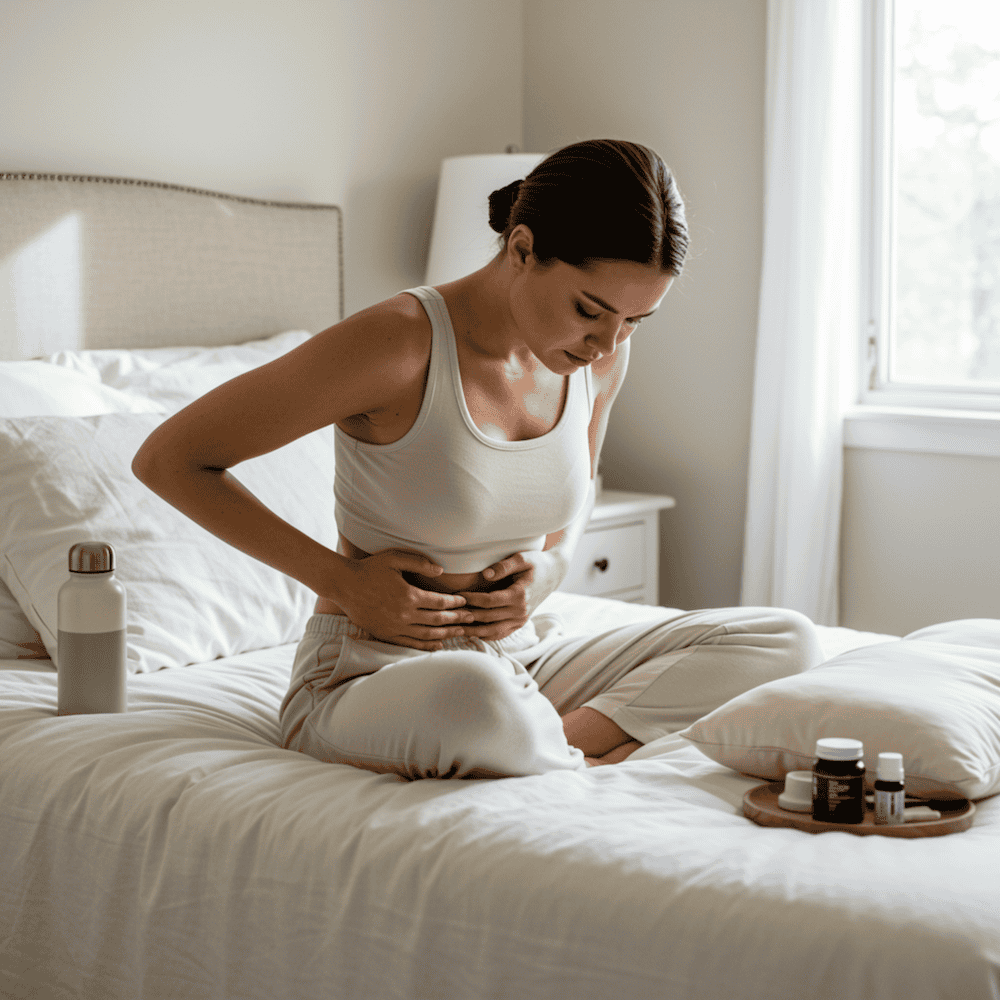
Abdominal Pain in PCOS (or PMOS): What’s Normal and When to Be Concerned

Polycystic ovary syndrome (PCOS) is a hormonal condition that affects women of reproductive age. Because it involves hormonal imbalances, PCOS can impact SO many systems in the body, triggering a long list of symptoms that can really decrease a Cyster’s quality of life. This is why many Cysters are searching for ways to manage common symptoms of PCOS including weight gain, irregular periods, excess hair growth, acne, mood swings, fatigue, and even abdominal pain. 

Are you surprised to hear abdominal pain or pelvic pain could be caused by PCOS? It’s true! There are a few ways PCOS can trigger abdominal pain, so today I’m going to talk about why it happens and what you can do about it. 

Note: Polycystic ovarian syndrome (PCOS) recently got a much-needed name change! It’s now called polyendocrine metabolic ovarian syndrome. This new name more accurately represents the condition, so you’ll see me use PMOS in newer posts and sometimes jump between the two names as we’re transitioning. I just wanted to update you all so you weren’t confused by the two different names! 

Abdominal Pain In PCOS

Abdominal Pain in PCOS (or PMOS): What’s Normal and When to Be Concerned

Though there’s no direct treatment for PCOS, you don’t need to jump straight to medications like metformin or hormonal birth control for your symptom management if you don’t want to (those aren’t your only options). There are so many ways to naturally ease symptoms like abdominal pain and even reverse your PCOS! 

Here’s what you need to know about this common PCOS symptom: 

how does pcos cause abdominal pain

How Does PCOS Cause Abdominal Pain?

There are lots of reasons women with PCOS may experience abdominal pain, but most of them trace back to the same root causes: inflammation, insulin resistance, and hormonal imbalances. These underlying issues are key to improving symptoms, but first, let’s break down the specific ways they can lead to abdominal pain:

Ovarian Cysts: 

Ovarian cysts are small, fluid-filled sacs that can form on or inside the ovaries. With PCOS, the body’s hormone levels, especially excessive androgens, can mess with ovulation. That means the follicles (which normally release an egg) don’t mature properly, so they just stick around on the ovary. While many cysts go away on their own, some can cause symptoms like bloating, pelvic pain, or cramping. (For more on cysts, listen to this episode of A Cyster and Her Mister.)

Period Pain: 

Periods aren’t just irregular with PCOS they can be super heavy and painful, too. That’s partly because sex hormone imbalances (like too much estrogen or not enough progesterone) can lead to a thicker buildup of the uterine lining. When your body finally sheds that lining, it can make cramps a lot more intense. Plus, PCOS is linked to higher levels of inflammation, which can amplify period discomfort and abdominal pain even more. (Here’s more on what periods are like with PCOS.)

Gut Issues: 

Hormonal imbalances, especially elevated androgen and insulin levels, can disrupt the gut microbiome (the balance of good and bad bacteria in your digestive system). PCOS is also linked to higher levels of inflammation, which can affect how your gut functions and lead to symptoms like bloating, gas, constipation, or diarrhea. All of this can make your digestive system more sensitive, causing pain or cramping in the lower abdomen. 

Endometriosis:

Endometriosis can cause abdominal pain because tissue similar to the uterine lining grows outside the uterus on places like the ovaries, fallopian tubes, or even the intestines. This tissue still responds to your monthly hormones, so it bleeds and gets inflamed during your cycle, but since it has nowhere to go, it can lead to swelling, scarring, and intense pain. 

PCOS and endometriosis are sometimes confused because both can cause irregular menstrual cycles, pelvic pain, and fertility issues, but they’re very different: PCOS is driven by hormonal imbalances and lack of ovulation, while displaced tissue and inflammation causes endometriosis. Some people even have both, which can make getting an accurate diagnosis and a good treatment plan super difficult, so it’s important to get checked if you’re dealing with ongoing pain. Here’s more on PCOS vs. endometriosis.

Can PCOS Cause Cramping During Periods?

Yes. PMOS can cause cramping. High androgen levels in a Cyster’s body can disrupt ovulation in a big way. Those high levels of male sex hormones can cause multiple small, immature follicles to develop in the ovaries instead of allowing one dominant egg. As a result, ovulation may happen late or not happen at all.

Here’s the problem: The whole time your body is waiting to ovulate, estrogen keeps building the uterine lining in preparation for a possible pregnancy. The longer that delay lasts, the thicker the lining can become. Eventually, you ovulate, the hormone levels shift, and your body sheds that lining through menstruation. Since there’s a lot more tissue to get rid of, periods can be much heavier and a lot more painful. Cue the cramps! 

PMOS or PCOS Pelvic Pain During Ovulation

If you’re feeling lower abdominal pain outside of your period, PMOS or PCOS could still play a role. Remember all those immature follicles I mentioned? When lots of them build up, the ovaries can become enlarged. That enlargement can create different types of pain like pressure, aching, heaviness, or general discomfort in the lower abdomen. And if you do eventually ovulate after a delay, that process can sometimes trigger lower abdominal pain or cramping around ovulation. Some people feel pain as a sharp twinge, while others notice more of a dull ache or lingering discomfort.

PMOS and PCOS Lower Abdomen Pain Causes

  • Hormonal fluctuations: Shifts in estrogen and progesterone throughout irregular cycles can sometimes trigger cramping or pelvic discomfort outside of your period.
  • Enlarged ovaries: The buildup of multiple immature follicles can cause the ovaries to enlarge, creating feelings of pressure, aching, heaviness, or lower abdominal discomfort.
  • Bloating and fluid retention: Hormonal changes can lead to bloating, which may make your lower abdomen feel tender, tight, or uncomfortable.
  • Delayed or irregular ovulation: Long or unpredictable cycles can sometimes cause cramping and pelvic discomfort at unexpected times throughout the month.
  • Inflammation: PCOS is associated with low-grade inflammation in some people, which may increase sensitivity and contribute to pelvic discomfort.
  • Ovarian cysts: Cysters can develop cysts on the ovaries when follicles keep growing instead of releasing as an egg. If a cyst grows larger, it can put pressure on surrounding tissue and cause lower abdominal pain.

Related: What to Do About PCOS Bloating During Ovulation

how to manage abdominal pain in pcos

How To Manage Abdominal Pain In PCOS or PMOS

Try an anti-inflammatory gluten- and dairy-free diet. 

Diets aren’t just about weight loss—they’re about giving your body the tools it needs to function and heal. For many women with PCOS, abdominal pain can be triggered by underlying inflammation, gut imbalances, and hormone fluctuations. That’s why I recommend trying a gluten- and dairy-free anti-inflammatory diet.

This approach has helped many Cysters reduce inflammation, improve insulin resistance, and bring hormones into better balance—all key factors that contribute to bloating, cramping, and pelvic pain. As your gut and metabolism begin to heal, you might be surprised at how much better your body feels. Real food, real relief.

If you’re ready to manage PCOS symptoms naturally through diet, download The Cysterhood app. It’s full of PCOS-friendly recipes and meal plans you’ll love what you’re eating and how you’re feeling! 

Tallene and Sirak sitting across each other talking at the table with plates with food in their hands

Take Ovasitol.

There are so many supplements that can kick-start your journey to reversing PCOS by providing tons of extra support with essential vitamins and minerals. Specifically for abdominal pain with PCOS, I recommend taking Ovasitol.

Ovasitol is a high-quality inositol supplement made with a 40:1 ratio of myo- and d-chiro-inositol, which mirrors the ratio naturally found in the body. This combo is especially helpful for improving insulin sensitivity, promoting regular ovulation, and supporting hormone balance, three key factors that can reduce the formation of painful cysts. When insulin and androgen levels start to stabilize, your cycles become more regular and your ovaries are less likely to develop those fluid-filled cysts that can trigger cramping and discomfort. Here’s more about cramps and PCOS.

I recommend taking Ovasitol twice a day with meals for consistent support, and it’s one of the simplest, most effective ways to start managing PCOS from the root.

Getting these specifically from OvaFit ensures that you get NSF-certified and high-quality supplements at the carefully selected dosages suggested by research on women with PCOS. Talk to your doctor before starting any new supplements to make sure they’re right for you. 

Do regular slow-weighted workouts. 

Exercise can also make a big difference when it comes to the root issues of PCOS! But I completely understand if those crunches and sit-ups you thought you needed to do to lose belly fat are causing more discomfort than progress (and PSA, there are more effective ways to target PCOS belly). Slow, weighted workouts help reduce inflammation, improve insulin sensitivity, balance hormones, support digestion, and relieve stress, all of which give your dysregulated body the support it needs. As these areas improve, there’s a good chance you’ll notice your abdominal pain improving, too. You’ll find slow-weighted workout routines on the app along with those PCOS-friendly recipes!

Tallene doing a slow-weighted lunge in workout gear and weights while Sirak points to her ankle to show proper exercise form.

Use heating pads or take a warm bath. 

While you work on addressing the root causes of your abdominal pain to get lasting relief, heat therapy can be a great way to temporarily reduce pain while you work on the root causes. A heating pad or warm bath can help relax muscles, boost circulation, calm nerve sensitivity, support digestion, and reduce stress, making it easier to cope when the pain flares up.

Practice stress management. 

Stress management is another important step for relieving abdominal pain with PCOS because stress increases inflammation, disrupts hormone balance, and can cause muscles in the abdomen and pelvis to tense up leading to more pain. It also affects digestion and makes your body more sensitive to discomfort. 

So, try calming your mind and body with things like yoga, meditation, nature walks, journaling, better sleep, or your favorite hobbies. You’ll not only feel mentally better, but physically too. 

Stay hydrated. 

Want a really easy way to ease abdominal pain? Drink more water! Proper hydration helps flush out toxins, reduce bloating, support digestion, and lower inflammation, all of which can contribute to less cramping and discomfort. Water also keeps your hormones and metabolism functioning more smoothly, giving your body the support it needs to manage pain more effectively.

I also recommend drinking Testosterone Relief Tea. Elevated androgens can contribute to inflammation, irregular ovulation, and ovarian cyst formation…all of which may lead to cramping, bloating, or discomfort in your lower belly. I created this science-backed herbal blend in this tea to help naturally lower testosterone levels and support hormonal balance. Ingredients like spearmint, chamomile, and nettle are known for their anti-inflammatory and hormone-regulating properties, making this tea a gentle but effective option for supporting pain relief and easing uncomfortable symptoms tied to PCOS.

It’s not just soothing to sip…it’s part of a consistent routine that supports your healing from the inside out. Many Cysters find that enjoying the tea once or twice a day helps reduce bloating, lessen pelvic pain, and promote more regular cycles over time.

Testosterone Relief Tea

Relieve pressure by resting in the fetal position. 

Here’s another one that won’t cure abdominal pain, but can help you get through it as you work through healing! Try sleeping in the fetal position, which can relax the abdominal muscles to reduce cramping and tension. For some, it even has a bonus relaxing effect! 

Consider acupuncture. 

Acupuncture for PCOS works by stimulating specific points on the body to promote better blood flow, reduce inflammation, and calm the nervous system. This means it’s great for easing pain! Acupuncture may also support hormone regulation and improve insulin sensitivity, making it a holistic option for addressing both the pain and the underlying causes of PCOS. Many Cysters find it especially helpful during painful flare-ups or as part of an ongoing healing plan!

Try a TENS (Transcutaneous Electrical Nerve Stimulation) machine. 

For people really struggling with chronic pain, TENS machines can be a natural, drug-free way to get some temporary, but immediate relief. While others have reported it doesn’t stop the pain completely, they also say it can take the edge off while you figure out other ways to target the root cause. The machine sends mild electrical impulses through the skin to stimulate the nerves, blocking pain signals from reaching the brain. You can find discrete options like Livia that allow you to go about your day even while dealing with your abdominal or pelvic pain. 

Get a consultation with a pelvic floor physical therapist. 

Ongoing abdominal or pelvic pain is not uncommon, but it doesn’t have to be your “normal.” If you’re doing what I’ve recommended on this list and just aren’t seeing relief (or not enough relief), get a consultation with a pelvic floor physical therapist. There could be an undiagnosed injury or other problem that a specialized healthcare provider could help address. It never hurts to dig deeper, you deserve the full picture when it comes to your pelvic health!

Get to the root of your chronic pain to find long-term PCOS healing! 

It’s true that PCOS doesn’t have a “cure,” but that does NOT mean you’re just stuck with your symptoms. No way! A holistic, natural approach to PCOS management can actually get to the root of your body’s dysfunction to reverse the condition, allowing you to finally live symptom-free! 

For more on how to tackle polycystic ovarian syndrome, browse the PCOS Weight Loss blog and tune in weekly to the A Cyster and Her Mister podcast! It’s time to say goodbye to pain and difficult PCOS symptoms with a lifestyle that allows you to thrive with PCOS. 

Holistic Treatment For PCOS: Heal Your Mind, Body, and Soul

Living with Polycystic ovary syndrome (PCOS) can feel like a constant battle of symptoms and confusion. From irregular periods, infertility, hirsutism, acne, weight gain, fatigue, mood swings, pelvic pain, and plenty more—being a Cyster is no small feat. And with no official “cure” for PCOS, so many of us are left to manage symptoms with medications that often come with their own side effects… or worse, no relief at all.

But here’s the good news: reversing PCOS symptoms naturally is possible—and it starts with getting to the root causes of our symptoms, not just covering them up. That’s where a holistic approach comes in. By targeting hormonal imbalances, insulin resistance, and chronic inflammation through small, intentional lifestyle shifts, you can find real, lasting relief.

I know this journey can feel overwhelming at first (especially if your to-do list starts looking more like a scroll), but don’t worry—you’re not alone. Healing starts with just one step at a time. In this post, I’ll walk you through how to support your body, mind, and soul with holistic strategies that actually work for women with PCOS. Let’s get into it, Cyster!

Holistic Treatment For PCOS: Heal Your Mind, Body, and Soul

Holistic Treatment For PCOS: Heal Your Mind, Body, and Soul

In this post, I’ll offer an overview of some lifestyle changes you might like to try to help your mind, body, and soul support your PCOS journey. If you want to get a deeper understanding of any of these topics, you can find in-depth breakdowns of most of these tips on the PCOS Weight Loss blog and on A Cyster and Her Mister Podcast!

What Are Holistic Treatments?

Holistic treatments are approaches to health and wellness that take the “whole person” into account. Rather than just masking surface-level symptoms, holistic treatments identify and target underlying issues that are causing those side effects. Basically, holistic healing methods address everything to restore full balance to your life . . . without unnecessary drugs or surgeries. Instead, lifestyle changes are the most important tools in a holistic treatment toolbox! 

Why is this a good approach for women with PCOS? Well, if you are a Cyster like me, you know that the condition doesn’t just impact your weight and fertility. It affects EVERYTHING. Chronic symptoms can weigh you down, not only physically, but mentally, emotionally, and spiritually, too. Because of this, it’s so important to consider all of you when treating PCOS. Think sustainable results vs. short-term/temporary results. 

Additionally, the core issues of PCOS can be complex. It’s not just one thing triggering all of your problems, but instead, it’s the vicious cycle between hormonal imbalances, chronic inflammation, and insulin resistance. When you take a targeted approach that addresses all these problems holistically, reversing your PCOS symptoms becomes not just a dream, but a reality you’re empowered to achieve with consistency and patience.

Here are my recommended lifestyle changes for holistic PCOS treatment:

what are the most recommended pcos holistic treatments

What Are The Most Recommended PCOS Holistic Treatments?

Treat the Body

Establish a good healthcare team. 

Here’s the thing: not all doctors are well-versed in PCOS and natural treatment methods. A lot of them will recommend hormonal birth control and “eating less, working out more”, but won’t have much guidance beyond that. It’s important to get a team of doctors around you that understand natural treatments for PCOS. 

Don’t give up on finding good OBGYN, endocrinologist, dietitian, etc. that align with your goals and your approach to healing. It takes a little time, but having a solid healthcare team around you can make a big difference!  

Try a gluten- and dairy-free anti-inflammatory diet. 

Try going gluten- and dairy-free for 30 days and see how your body responds—seriously, it can be a game-changer. While no single diet works for everyone, many women with PCOS notice major improvements in symptoms like bloating, acne, fatigue, and weight gain after removing inflammatory foods from their routine.

I typically recommend a high-protein, low-sugar, anti-inflammatory approach that’s gluten- and dairy-free—at least to start. Why? Because gluten and dairy can trigger inflammation, disrupt gut health, and contribute to hormone imbalances—especially for women with insulin resistance (which, let’s be real, is most of us Cysters).

This isn’t about cutting foods forever. It’s about giving your body a chance to reset. Try it for 30 days, track how you feel, and go from there. We also have recipes and meal plans in The Cysterhood app to help you get started and stay on top of it!

Tallene sitting on her kitchen counter with a plate of buckwheat noodles
Skip the alcohol. 

While not all alcohol is loaded with carbs, it can still mess with blood sugar levels and insulin sensitivity—two major factors in managing PCOS. Plus, alcohol puts extra stress on your liver, which is already working hard to process hormones and keep things in balance.

Since one of our main goals with PCOS is restoring hormonal balance and improving metabolic health, skipping alcohol (or keeping it super occasional) can be a powerful way to support your progress. And hey—there are so many fun mocktail recipes out there now (I also put them in The Cysterhood app), you won’t even feel like you’re missing out.

Cut caffeine. 

Let’s talk about caffeine and PCOS—especially if you’re running on iced coffee throughout the day. One of the main hormonal imbalances we deal with as Cysters is elevated cortisol, also known as the stress hormone. High cortisol doesn’t just affect your mood—it can worsen insulin resistance, increase inflammation, throw off your cycle, and even contribute to stubborn weight gain.

Caffeine is a stimulant that naturally raises cortisol levels—even more so if your stress hormones are already out of whack (which they often are with PCOS). While it might give you a quick energy boost, it’s often followed by a crash, leaving you more fatigued and wired-but-tired.

That’s why I recommend reducing or eliminating caffeine—especially coffee—as part of your PCOS healing journey. Going caffeine-free might sound intimidating, but so many Cysters feel more energized and less anxious when they make the switch. Try replacing it with herbal tea like spearmint tea (we’ll talk about that next!)

Drink Testosterone Relief Tea. 

With PCOS, it’s super common to have imbalances in sex hormones like estrogen, progesterone, and androgens (aka male hormones like testosterone). And when testosterone levels are higher than they should be, they can show up as some of the most frustrating symptoms—like acne, hair loss, irregular periods, and weight gain.

But here’s the good news: certain herbs have been shown to naturally support hormone balance, especially when it comes to androgens. That’s exactly why I created Testosterone Relief Tea—a refreshing, soothing blend of science-backed ingredients like spearmint, nettle, cinnamon, chamomile, and more designed specifically for women with PCOS.

Sipping on this tea once or twice a day can be a simple but powerful step in your daily routine to help support healthy testosterone levels and improve symptoms over time. Plus it tastes amazing!

two glasses of Testosterone Relief tea
Use slow-weighted, meditative workouts. 

The right exercises can not only help you build muscle and lose weight, but several studieshelp increase insulin sensitivity, lower inflammation, and balance several hormones! The best workouts for our PCOS bodies? Slow-weighted exercises are some of the most effective in the management of PCOS. Here’s more on how to workout for PCOS

Tallene doing a slow-weighted lunge in workout gear and weights while Sirak points to her ankle to show proper exercise form.
Improve sleep hygiene.

Sleep actually plays a big role in our body’s ability to regulate hormones and insulin levels. Because of this, prioritizing getting the best 7-10 hours of sleep possible can be game changing for PCOS healing. However, I understand that as women with PCOS, falling asleep and actually staying asleep can be two big struggles. I find that creating a nighttime, wind-down routine really helps!

Stay hydrated. 

Hydration might seem basic—but it’s actually one of the most powerful ways to support your body. Every system in your body relies on water to function properly, including hormone balance, digestion, and metabolism. So if you’re looking for an easy first step in your PCOS journey, start by drinking more water—it’s a small habit with a big impact!

Remove endocrine disruptors.  

Chemicals we encounter in everyday products can have a big impact on our hormone balance. This is why it’s so important to take inventory of your household products and remove common endocrine disruptors. Things like cosmetics, soaps, candles, and plastics can be FULL of hormone-disrupting chemicals, so remove potentially harmful products to help hormone balance long-term. Here’s more on how to remove PCOS endocrine disruptors

Track your cycle. 

We know tracking your cycle with PCOS can feel like a guessing game—but don’t let that stop you! Even if your periods are irregular, learning about the phases of your cycle and tracking your symptoms as best as you can is one of the most powerful ways to tune into your body. It helps you notice patterns, track improvements, and feel more in control of your PCOS journey.

Need help getting started? We’ve got a step-by-step guide on how to track your cycle even with irregular periods—so you don’t have to do it alone.

Try acupuncture. 

Acupuncture has been shown to help regulate hormones, improve insulin sensitivity, reduce stress, and more. There are so many acupuncture benefits for PCOS! Every couple months I’ll set up an appointment for myself, too.

Take strategic supplements. 

Nutrition is one of the most powerful tools we have for supporting PCOS symptom relief. But even with a balanced, intentional diet, it can be tough to meet all your daily nutrient needs—especially when PCOS increases your risk of certain deficiencies.

That’s where high-quality, NSF-certified supplements can really make a difference. They help fill in those nutritional gaps that might be holding you back from progress—and many Cysters find they experience noticeable symptom relief with consistent use (and without harsh side effects).

Below are some of the thoughtfully selected supplements we offer through Ovafit, designed to support hormone balance, insulin sensitivity, and overall metabolic health. Here are some supplements you should consider:

You can find most of these supplements specially formulated for PCOS from Ovafit, my line of NSF-certified vitamins and minerals made just for Cysters!

4 supplement bottles next to 4 different dishes with the pills in them.

Treat the Mind

Reduce stress. 

High cortisol (your body’s main stress hormone) is one of the biggest drivers of PCOS symptoms—and it’s often overlooked. When we stay in “fight or flight” mode too long, our hormones can fall further out of balance, inflammation flares up, insulin resistance worsens, and everything from cravings to fatigue gets harder to manage.

But here’s the empowering part: You can take small, intentional steps to calm your nervous system and lower cortisol throughout the day.

This doesn’t have to mean booking a spa day (although, yes please!). Stress relief can look like deep belly breathing, saying “no” to things that drain you, stepping outside for sunshine and fresh air, or journaling a few lines of gratitude. Even switching your workout from high-intensity to a slow weighted session can help lower stress hormones and support healing.

Stress management is one of the most underrated tools in your PCOS toolkit—and your future self will thank you for making it a priority.

Holistic Treatment For PCOS
Practice self-care. 

Speaking of stress reduction, self-care is a big part of that! Taking better care of your mind can have a whole-body healing effect that’s crucial to holistic healing. If you’re not sure what self-care steps to take, here are my ideas and recommendations.

Try meditation and breathwork. 

Meditation and breathwork can be powerful (and free!) tools for managing PCOS. Just a few minutes a day can ease stress, improve sleep, regulate moods, boost mental clarity, and even help you feel more connected to your body.

That last part is so important. When you’re on a healing journey with PCOS, it’s easy to miss subtle changes—like better digestion, more stable energy, or fewer cravings. But mindfulness helps you tune in and celebrate those wins! It doesn’t have to be fancy to be effective. Just start where you are, even if that’s one mindful breath at a time.

Journal daily. 

Journaling isn’t just for venting (though that helps too!)—it can actually be a powerful tool for your PCOS journey. Writing things down can help you track what’s working—like new supplements, changes in your meals, or habits you’re trying—so you can better understand what’s supporting your body and what’s not. This makes it easier to build a sustainable plan that actually works for your unique PCOS type and symptoms.

Plus, it’s a great way to celebrate wins (even small ones!) and process frustrations with more self-compassion. Healing can be emotional, and journaling gives you space to reflect, reset, and stay connected to your goals—especially on hard days.

You don’t need to write a novel! Just a few notes a day can be enough to help you stay motivated and in tune with your body.

Be mindful of your goals. 

I see so many Cysters whose goal is to see a certain number on the scale—but there is so much more to PCOS healing than weight loss! Consider setting goals that take the whole body into account. Some of our symptoms tend to reverse first before we see movement on the scale, however these are still signs that you are on the right track of targetting your root causes.

Meet with a mindset coach. 

PCOS can really drag you down, killing your mood and motivation. If you feel like you can’t make progress because you can’t stay focused on your goals, consider finding a mindset coach to support you through the process! 

Treat the Spirit 

Get to the core of your “why.”

Understanding your why is essential to holistic treatment of PCOS. When you know why you want something, staying committed to the process is a whole lot easier. So, ask yourself, why do you want to get better? Keep that why close to your heart all the time. 

Create daily routines to feel grounded. 

When you have PCOS, you can feel totally out of control. Your body is constantly dysregulated, causing stress on the mind and spirit too, right? This is why I recommend establishing daily routines to help you feel grounded and in command of your body. I have a strict morning routine and evening routine that remind me I am empowered to heal on my own. You have this power too, so use your own routines to remind yourself you can do this! 

Get out in nature. 

Nature is healing. Of course, it’s been proven that getting outside can help with hormone balance and other aspects of physical health, but we all know how the sun can also help restore our mind and spirit! An easy eay to implement this is by taking 10 minute walks outside after your meals. It’s great for insulin sensitivity and our minds– a double win!

Say or write positive affirmations. 

Keep yourself grounded and grateful with positive affirmations. They can be really helpful in reminding you of everything that’s going well in your treatment process. 

Consider therapy. 

PCOS can take a serious toll on your mental health. Not only are hormonal imbalances directly dragging down your mood, but the physical, mental, and emotional toll of all the symptoms can be devastating to your spirit. There’s no shame in seeing a therapist! They’ll be able to support your mental well-being while you work on the physical. 

Find a strong support group. 

It’s so important to remember you’re not alone as you’re not alone as you embark on holistic healing. Luckily, there are hundreds of women like you ready to root for you, educate you, and encourage you right now on The Cysterhood app. It’s a digital space for women with PCOS to find support, while also getting essential resources like PCOS-friendly workouts, meal plans, and more! Plus you get to chat with me and other Cysters as we go through our PCOS journeys! Join us and we can help you every step of the way! 

Three women with in yoga clothes holding yoga mats
One way to reverse PCOS is with a holistic approach that targets the mind, body, and soul. 

You’re more than your physical well-being. True wellness takes everything into account, including the mind and spirit. 

We already know how mental and emotional states of stress or despair can actually have an impact on the physical body, which is why it just makes sense that PCOS treatment of any kind should involve a whole-body approach. With these holistic lifestyle changes, you can heal and finally live symptom-free with PCOS. Be sure to check out the rest of our blogs for more guidance on your PCOS journey!

How To Increase Milk Supply With PCOS

Polycystic ovarian syndrome (PCOS) is a common hormonal condition that’s best known for its impact on the female reproductive system. Initially, cysts on the ovaries and irregular periods were some of the only symptoms attributed to this disorder. However, after years of additional research and investigating, we’ve realized PCOS affects a lot more than just our menstrual cycles, and not everyone with PCOS develops cysts. 

All that being said, PCOS does have a significant impact on our reproductive health! Getting pregnant with PCOS can be difficult, but it’s not at all impossible (especially when you’re healing your PCOS naturally). Once a woman with PCOS conceives, there are still challenges they may face during pregnancy, including high blood pressure, gestational diabetes, large birth weight, premature birth, and problems breastfeeding. 

You can read more about PCOS and pregnancy here, but in this post, I’m going to focus specifically on PCOS and breastfeeding! If you’re a Cyster and plan to breastfeed your baby, this post is a must-read to help you stay well-informed on keeping your chances of success high and those early weeks as stress-free as possible. 

how to increase milk supply with pcos

How To Increase Milk Supply With PCOS

Women of all ages and sizes can face challenges with pregnancy and breastfeeding! However, it can be particularly challenging for women with PCOS. But, what is the connection between lactation struggles and polycystic ovary syndrome (PCOS)? That’s what I’ll get into next:

does pcos affect breastmilk supply

Does PCOS Affect Breast Milk Supply?

It can! Not every woman with PCOS will experience breast milk supply issues, depending on the type of PCOS you have, but lactation problems aren’t uncommon. The issues stem from two main root causes associated with PCOS: insulin resistance and high androgens. 

Insulin Resistance and Milk Supply

Insulin resistance is when your body doesn’t correctly process glucose. Instead of transforming sugar into energy, it stores it as fat and absorbs it into the bloodstream. Up to 80% of women with PCOS have insulin resistance and it causes a lot of chronic symptoms including fatigue, cravings, and weight gain. It can also cause lactation issues. 

Insulin is a hormone, so when your insulin levels are high, it can domino into other problematic hormonal imbalances too. High insulin levels can disrupt the synthesis of prolactin and oxytocin, which are essential for milk production. Milk production can also be delayed or negatively impacted by the reduction of glandular tissue in the breasts due to high insulin levels. Lastly, insulin resistance can lead to a delay in the onset of lactogenesis II (activation secretion), which is the transition from colostrum production to the production of mature breast milk a few days after birth. 

High Androgens and Milk Supply

Another thing many women with PCOS deal with is high androgen levels (male sex hormones). When androgens like testosterone are elevated in a woman, it can result in symptoms like infertility, menstrual irregularity, acne, hirsutism, hair loss, mood issues, and more. It can also cause problems with the production of milk. 

This is because high androgens stunt breast growth and the development of mammary glands, which is important for milk production, of course! Like high insulin levels, high androgens also reduce prolactin levels and impair lactogenesis II. These two common underlying issues of PCOS, insulin resistance and high androgens, are both problematic for successful lactation. 

To learn more, read “PMOS (PCOS) And Breastfeeding.”

How To Increase Breast Milk Supply With PCOS

Balanced PCOS Diet

To help improve your milk supply, you need to focus on regulating your hormones (specifically, lowering testosterone) and increasing your insulin sensitivity. The best way to do that naturally is by being intentional about what you eat. I recommend an anti-inflammatory gluten- and dairy-free diet to balance hormones and control our insulin levels. For meal plans and PCOS-friendly recipes that’ll help you conquer your goals, download The Cysterhood app! 

plate with noodles, salmon, and mushrooms

Stress Reduction 

Stress in our bodies manifests as the hormone cortisol! When we get stressed, our cortisol levels rise, putting our body into emergency mode. It triggers insulin resistance and other hormonal imbalances like high androgens that can have a big impact on your ability to produce milk. Try reducing stress by getting out in nature, meditating, exercising, improving your sleep routine, and more!

Slow-Weighted Exercise

Exercise is another way you can naturally lower your insulin resistance! However, you want to do the right kind of exercises. High-intensity workouts can raise your heart rate and cortisol levels, taking you right back to elevated insulin and androgen levels. I recommend slow-weighted workouts that you can find on The Cysterhood app! Another bonus tip is to take 1-minute breaks in between your sets to help balance out your cortisol levels.

How to Workout for PCOS Weight Loss

Hydration 

Staying hydrated is essential to produce milk, PERIOD. However, it’s especially important for women with PCOS! It helps increase energy levels, support hormone function, and increase blood volume, all of which are important for a breastfeeding mother. Carry a BPA-free, glass, or stainless-steel reusable water bottle to avoid hormone-disrupting toxins, and remind yourself to stay hydrated throughout the day. Hydration also supports hormone regulation, reduces cravings, and improves energy levels for PCOS management!

Improved Sleep 

Sleep and hormone balance go hand-in-hand. When we don’t get enough sleep, our body doesn’t carry out hormone synthesis correctly. You’ll wake up with elevated cortisol, testosterone, and insulin none of which is good for breast tissue development or milk production. Here’s how to get better sleep with PCOS

Supplements 

Taking supplements that target insulin resistance is another way to target one of the root causes of low milk production. Some of the best supplements for that include:

You can get all of these in a formula specialized for PCOS from Ovafit

PCOS Supplements

Herbal Tea

Herbs have been thought to be helpful for medicine for centuries . . . and now we have research to back it up! Herbs like spearmint, lemon balm, orange peel, chamomile, rosehip, peppermint, cinnamon, nettle, lavender, and calendula have all been shown to help lower androgen levels, which in turn can help with milk production. Rather than drinking a dozen different herbal teas, get them all in this PCOS-friendly blend called Testosterone Relief Tea

Skin-to-skin contact and Frequent Nursing

If your baby is already here and you want to increase milk supply, skin-to-skin contact and frequent nursing/pumping have also been shown to trigger more milk production! 

how to increase milk supply with pcos

Regular Breast Massage

Doing regular breast massages can be a great natural way of increasing milk supply when done in conjunction with these other tips! They can stimulate milk flow, increase blood circulation, prevent blockage, reduce stress, and promote the release of milk-producing hormones like oxytocin. 

Lactation Consultant 

If you’re still having issues producing milk, don’t hesitate to see a lactation consultant. We all know that the longer we go without producing, the harder it will be to up the volume again. These lactation consultants will have invaluable insight to help you reach your goals. Plus, many have support groups and other resources for new moms! 

To increase milk supply with PCOS, focus on reducing insulin resistance and androgen levels! 

PCOS can cause a lot of difficult symptoms, especially for moms trying to breastfeed. If you’re experiencing a low milk supply, try these tips to stimulate production and increase your chances of breastfeeding successfully.

For more PCOS healing tips and insight, browse the PCOS Weight Loss blog and listen to the A Cyster and Her Mister Podcast. With the right know-how, we can reverse your PCOS and help you live symptom-free!