
What To Do About PCOS Pain in Lower Abdomen?
Polycystic ovary syndrome (PCOS) is a hormonal disorder that can cause a variety of symptoms. Some of the common symptoms of PCOS are things like weight gain, menstrual irregularity, fatigue, hirsutism, hair loss, and acne. However, there are lots of other symptoms of PCOS you don’t often hear about! Hormonal imbalances can impact pretty much every system in the body, from our metabolism to our brain. (Here are some of those unusual symptoms of PCOS.) So, many chronic symptoms can be due to PCOS.
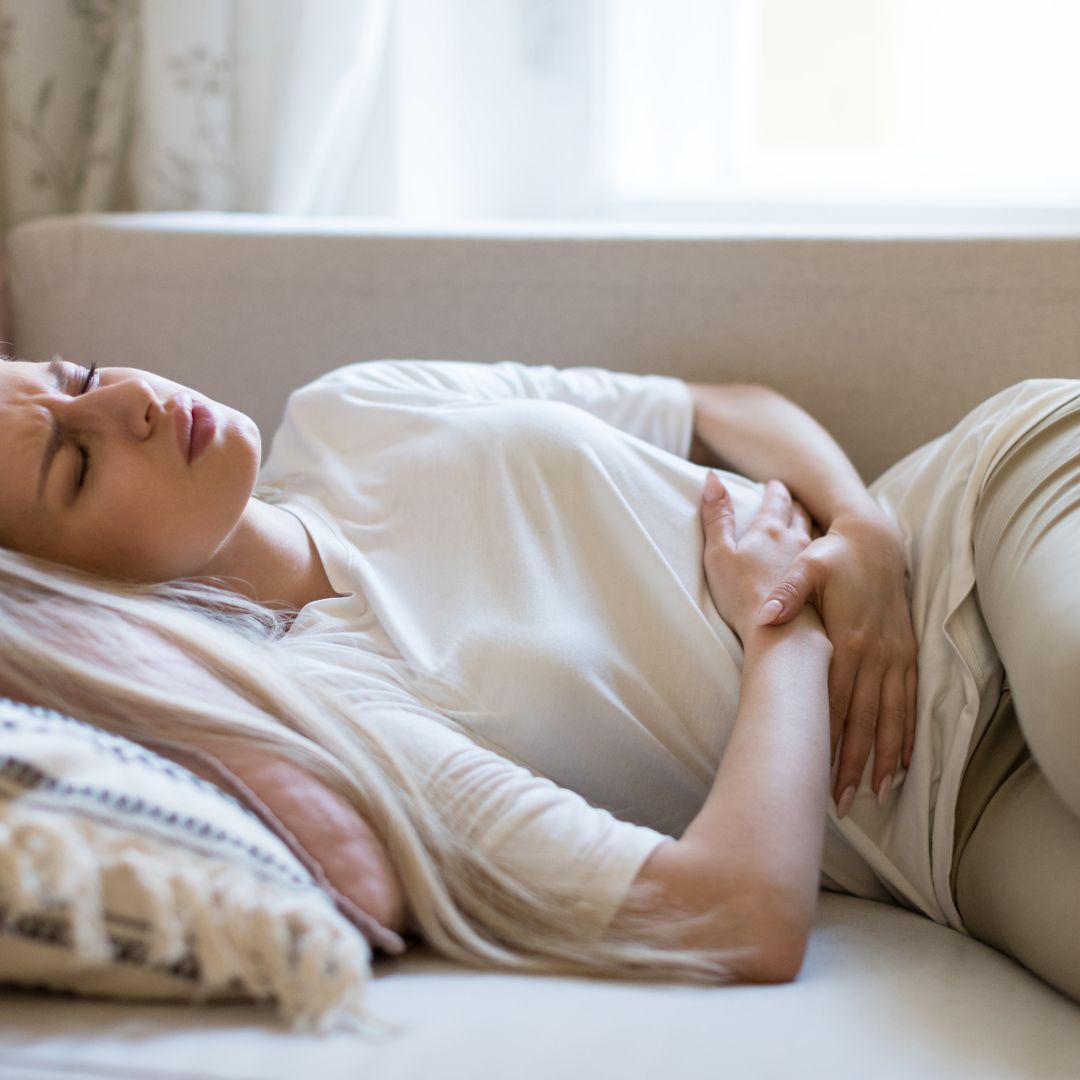
The symptoms we’re going to talk about today are abdominal pain! PCOS can cause lots of aches and pains, but pain in the lower abdomen can be sourced to specific root issues caused by PCOS. So, today, we’re going to discuss why women with PCOS have lower abdominal pain and what you Cysters can do about it!

What To Do About PCOS Pain in Lower Abdomen?
So, we all know about menstrual cramps, but what about when the lower abdominal pain stretches beyond the period window? What could that be about? That’s what we’re going to look into. There are actually a few reasons you could be experiencing PCOS pelvic pain or lower abdominal pain!

Does PCOS Cause Pain in Lower Abdomen?
Polycystic ovarian syndrome (PCOS) can be a cause of lower abdominal pain. It could also be related to a similar condition. Here are some common reasons for pain in the lower abdomen with PCOS:
Ovarian Cysts
One of the most common reasons for lower abdominal pain is ovarian cysts. Cysts are fluid-filled sacs that form on the ovaries. Often they disappear on their own without treatment and you may never know they were there to begin with. However, in some cases, they grow larger and rupture, causing abdominal pain, bloating, nausea, and pain during sex and bowel movements.
Ovarian cysts can happen due to problems with the menstrual cycle that we Cysters often face! High levels of androgens (male sex hormones) and other sex hormone imbalances can prevent our bodies from properly ovulating. When this happens, eggs aren’t released and the follicles stay in the ovaries and potentially grow into cysts. So, if you have irregular periods (more than 35 days apart) cysts could be the cause of your pain!
GI Issues
Another reason you may feel lower abdominal pain is gut issues! GI problems are super common with women with PCOS because of inflammation and insulin resistance. Insulin resistance is when your body doesn’t correctly process glucose. Instead of converting the sugar to energy, it stores it as fat and the excess is absorbed into your bloodstream. When this happens, it worsens hormonal balance and inflammation as your body tries to produce enough insulin to get your levels back down. All of this causes a mess for your gut!
When your gut bacteria are imbalanced because of insulin resistance and inflammation, it can cause headaches, joint pain, weight gain, fatigue, food sensitivities, digestive issues, and even lower abdominal pain. If you have these other symptoms of GI issues, your poor gut health may be to blame for your lower abdominal pain! Here’s more on gut issues and PCOS.
Endometriosis
Endometriosis and PCOS aren’t the same, and one doesn’t cause the other. However, sometimes the symptoms can be confused, so it’s a good idea to understand the difference to ensure you have the right diagnosis! Here’s my full post on endometriosis vs. PCOS, but essentially endometriosis is more of a physical condition whereas PCOS is hormonal.
Women with endometriosis experience a lot of pelvic pain because endometrial tissue grows outside the uterus and binds organs and pelvis tissue together. Of course, this creates lots of inflammation and pain! It can also cause ovarian cycles, chronic lower back pain, painful periods, heavy periods, pain during sex, pain during bowel movements and urination, infertility, fatigue, and nausea. If your lower abdominal pain is severe, it may be a good idea to reassess your PCOS diagnosis and ensure that you don’t actually have endometriosis!

Treatments for PCOS Pain in Lower Abdomen
Stay hydrated.
Of course, we all know that staying hydrated is important for overall health! However, it’s specifically helpful for abdominal pain, because hydration can help improve gut health. It helps maintain proper digestion, increase nutrient absorption, and balance the bacteria to prevent inflammation. Staying hydrated can also help potentially with ovarian cysts by helping keep your hormones balanced and immune health optimized!
Try heat therapy or warm baths.
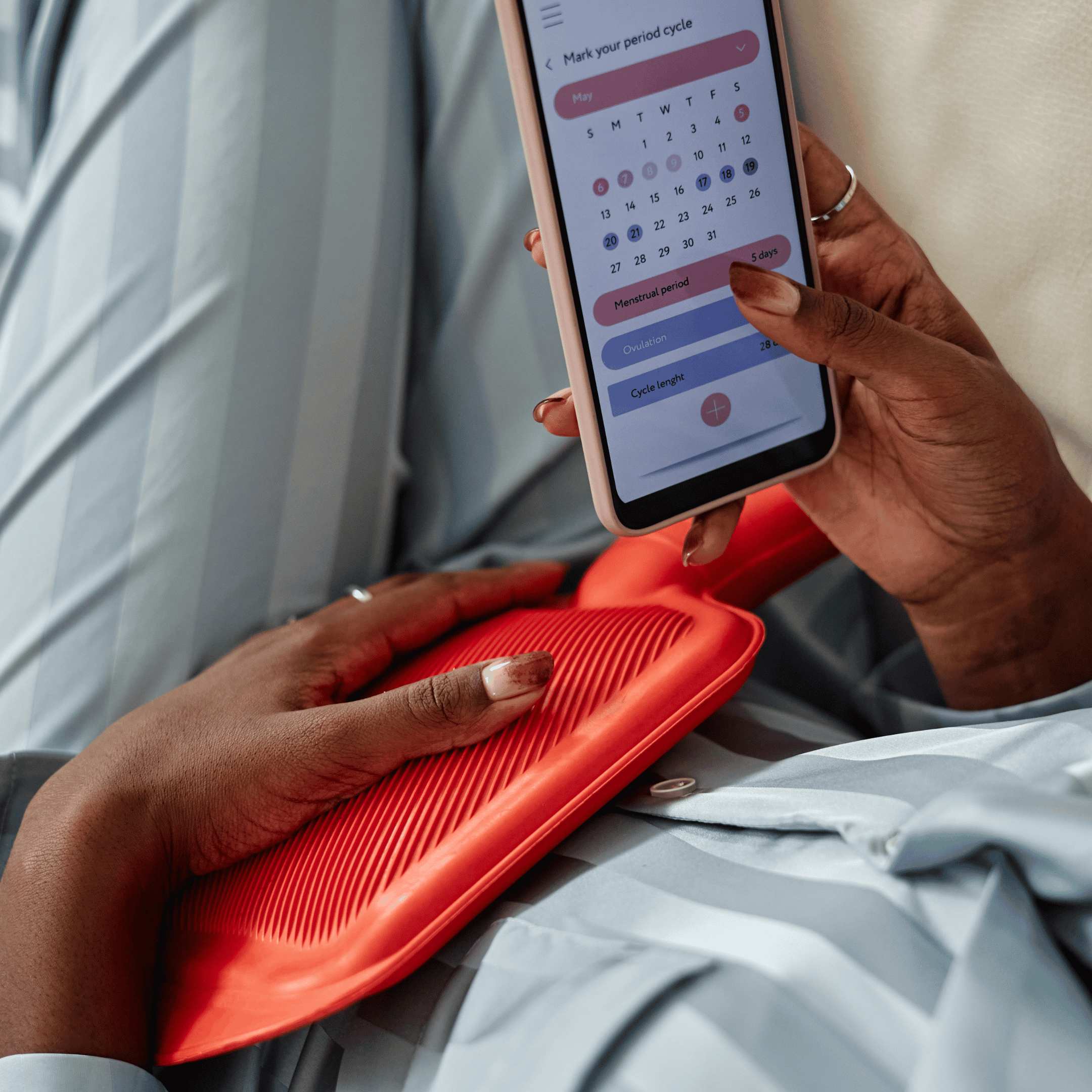
Heat can help relax your muscles to ease abdominal pain from any source. So, try drawing a warm bath for yourself or using a heating pad. If you’re taking a bath, I also recommend adding a few drops of essential oils that are known for easing pain, like clary sage, lavender, or sandalwood. Here’s more on how to use essential oils with PCOS.
Eat a balanced diet.
The right foods can make all the difference when it comes to insulin resistance and inflammation—two of the primary causes of PCOS abdominal pain! Your diet doesn’t need to be restrictive, just intentional. I recommend a gluten- and dairy-free anti-inflammatory diet that centers on nutrient-dense and DELICIOUS foods! You can find meal plans full of tasty meal options that’ll support your healing goals on The Cysterhood app.

Do slow-weighted exercises 3-4x a week.
Exercise is also great for reducing insulin resistance and inflammation that could be contributing to your pelvic pain. However, focus on meditative exercises like slow-weighted workouts that won’t elevate your adrenaline and cortisol levels that could potentially worsen insulin resistance. Here’s more on the dos and don’ts of PCOS exercise, but you can find plenty of workout plans on the app!
Exercise can not only help your overall wellness, it can have direct pain relieving benefits by releasing endorphins and enkephalins that naturally block pain signals and alleviate anxiety and depression. Pretty amazing what a little physical activity can do!
Practice good stress management techniques.
Stress can be a big contributor to high insulin resistance. So, reducing your stress levels is critical to relieving pain that comes from PCOS! You can do this by practicing self-care, mediating, getting out in nature, and just making overall positive lifestyle changes that make you happier and more relaxed!
Try castor oil packs.
If ovarian cysts are your problem, many Cyster feel relief with castor oil packs! They’re thought to reduce inflammation, promote good circulation, soften the cysts, and boost your overall immune response. Here’s how you make a castor oil pack for ovarian cysts.
Take the right supplements.
Cysters who want to heal their PCOS need to give their body the right support to keep insulin resistance low, inflammation managed, and hormone balance regulated. One way to do this is by taking intentional supplements! First of all, a quality probiotic can help with the gut health side of things, keeping inflammation and GI issues at bay.
Additionally, I recommend a good multivitamin, curcumin, omega-3, and Ovasitol. A multivitamin will give you whole-body support while curcumin and omega-3 can help a ton with inflammation. Lastly, Ovasitol can help with all three major issues with PCOS: inflammation, hormone balance, and insulin resistance. You can find all these on Ovafit, the supplement line made specifically for women with PCOS.
PCOS can contribute to pain in the lower abdomen, but there are things that can help!
PCOS can come with a lot of unpleasant symptoms to say the least. However, these chronic symptoms don’t have to be your every day. With the right healing strategy, you can live totally symptom-free with PCOS. You can find all the best ways to reverse your symptoms and heal on the PCOS Weight Loss blog and on the A Cyster and Her Mister podcast! We can’t wait for you to join us!
Feeling lost with PCOS?
Find out your PCOS type and get your next steps in under 2 minutes.
Find My PCOS Type →