

Premenstrual syndrome (PMS) can bring difficult symptoms every single month. Mood swings, fatigue, brain fog, cravings, bloating, acne, and digestive issues are frustrating enough on their own. But for some women, periods become especially difficult because of two symptoms in particular: severe cramps and period pain.
Not every woman experiences intense cramps during her menstrual cycle, but it’s pretty common in PMOS. (Here’s more on what periods are like with PMOS.) The extra pain is often due to hormonal imbalances and chronic inflammation that come with the condition. So, it can feel totally out of your control!
Thankfully, there are ways to support more normal periods and ease pain. Targeted supplements like magnesium are among the most popular options because they work with your body, potentially addressing underlying factors contributing to painful periods. In fact, research suggests magnesium may support muscle relaxation and help regulate inflammation and pain signaling involved in menstrual cramps. In other words, it may be a simple way to support healthier periods and finally get some relief.
Ready to build on your supplement routine? Here’s what you need to know about magnesium and PMOS.
Note: PCOS recently had a name change! Polycystic ovarian syndrome (PCOS) is now called Polyendocrine metabolic ovarian syndrome (PMOS). The name more accurately represents the condition, so I’ll be using it going forward!

Does Magnesium Help With Menstrual Cramps and Period Pain?
PMOS comes with a long list of difficult symptoms like irregular periods, weight gain, low energy, hirsutism, anxiety, sleep issues, and painful periods. When it feels like there’s so much going on at once, it can be intimidating for Cysters to know where to start. But the good news? Many PMOS symptoms are connected and often trace back to the same underlying imbalances. Menstrual cramp pain included.
Insulin resistance, inflammation, and hormonal imbalances are often some of the biggest drivers. By supporting these underlying issues through strategic lifestyle changes and a strong supplement routine, Cysters may not only improve menstrual pain . . . but support many of their other PMOS symptoms, too.
In this post, I’m specifically discussing the role of magnesium. But if you want a more comprehensive list of lifestyle changes for managing PMOS symptoms, check out my post “The Essential Guide to Managing PCOS Naturally.” For now, let’s get into magnesium for menstrual cramps:

What Causes Menstrual Cramps with PMOS?
Prostaglandin Production and Uterine Muscle Contractions
Before and during menstruation, our bodies release compounds called prostaglandins. As estrogen and progesterone levels drop leading into your period, this signals the body to increase prostaglandin production.
Prostaglandins then act like hormones, telling your uterus to contract to shed the uterine lining. The right levels of prostaglandins help support normal menstruation without too much discomfort. However, higher levels can cause more intense uterine contractions, possibly triggering intense menstrual cramps and period pain.
Women with PMOS sometimes have naturally higher prostaglandin production. Those elevated levels are a result of the extra uterine lining build-up that can happen when you ovulate irregularly or don’t ovulate at all. On top of that, chronic inflammation (which is also common with PMOS) may also influence prostaglandin pathways.
Together, these factors can contribute to stronger uterine contractions, potentially leading to more severe cramps and painful periods.
Chronic Inflammation
Inflammation in the body can make your uterus and pelvic tissues more sensitive to pressure and pain. When inflammation becomes chronic, it can release compounds like prostaglandins, cytokines, and other signaling molecules. These can lower the pain receptors’ activation threshold.
That means your nerves react more strongly to sensations than they normally would. Prostaglandins are also the compounds that trigger uterine contractions, so higher prostaglandin activity means stronger contractions. This can increase soreness, heighten pain sensitivity, and potentially worsen menstrual cramps.
Pelvic Floor Dysfunction
Pelvic floor dysfunction occurs when the muscles that support your bladder, uterus, bowel, and pelvis are too tight or weak. It can happen after pregnancy, injury, digestive issues, overexercising, and even stress. When these muscles are already holding excess tension, uterine contractions during menstruation can place even more strain on the area. This may increase pressure, heighten discomfort, and make menstrual cramps feel more intense.
Though magnesium can support healing, it can’t completely ease period pain without addressing the pelvic floor issue. Often, this requires pelvic floor physical therapy (but don’t do Kegels without the direction of a PT!). To understand how to best manage dysfunction, read our post on PCOS pelvic pain and talk to your doctor about a PT referral.
Underlying Health Conditions
Several health conditions can worsen menstrual cramps. If you have any of these health problems in addition to PMOS, these could be why you’re feeling more intense pain during your periods than other women:
Health Conditions That Can Cause Severe Period Cramps
- Endometriosis: Tissue similar to the uterine lining grows outside the uterus, which can trigger inflammation, irritation, and significant menstrual pain. For more info, read our post on endometriosis vs. PMOS.
- Adenomyosis: Tissue that normally lines the uterus grows into the uterine muscle, which may lead to heavier periods and more intense cramping.
- Uterine Fibroids: Noncancerous growths in or around the uterus that may contribute to pressure, heavier bleeding, and painful periods. Here’s additional information on uterine fibroids and PMOS.
- Pelvic Inflammatory Disease: Infection and inflammation in the reproductive organs may increase pelvic pain and discomfort during menstruation.
- Ovarian Cysts: Some types of ovarian cysts can create pelvic discomfort that becomes more noticeable around menstruation.
- Irritable Bowel Syndrome: Digestive symptoms and pelvic sensitivity sometimes worsen around the menstrual cycle and may feel similar to period cramps. Want to know more? Read “PMOS and IBS: Understanding the Gut-Hormone Connection.”
- Thyroid Disease: Thyroid hormone changes can influence menstrual cycles and, in some cases, contribute to heavier or more uncomfortable periods.
What Is Magnesium?
Magnesium is an essential mineral for our health. More specifically, it’s involved in hundreds of processes throughout every system in our body. Some of the biggest effects of magnesium include regulating muscle and nerve function, supporting energy production, balancing blood sugar, improving sleep quality, and regulating hormone signaling.
As you can imagine, a lot of these are beneficial for supporting a healthy menstrual cycle. Here’s how magnesium can specifically help with your period:

How Does Magnesium Help Menstrual Cramps?
Supports Uterine Muscle Relaxation
There are intricate calcium transport networks throughout your muscular system that help control muscle contractions. These pathways require magnesium to be available inside cells to properly regulate how muscles respond to calcium. So, magnesium in your body is one of the most important nutrients for reducing muscle pain and supporting healthier recovery.
Reduces Prostaglandin Production
Multiple clinical trials show that magnesium appears to affect prostaglandin levels. This is the compound that triggers muscle contractions to shed the uterine lining. And, as we touched on earlier, too much of it can cause increased pain and cramping.
Magnesium seems to help by ensuring cells have enough calcium, which reduces muscle activation and inflammation. This may help prevent prostaglandin synthesis, leading to milder muscle contractions and less cramping.
Regulates Pain Signaling
Your nerves use specialized signaling pathways to send pain signals to your brain. One key player in this process is the NMDA receptor. When these receptors become sensitive and are frequently activated, pain signals can become stronger.
According to several medically reviewed studies, magnesium seems to help by dampening this receptor activity. Essentially, magnesium can make your body less reactive to pain signals!
Reduces Inflammation
Magnesium has natural anti-inflammatory properties. It inhibits inflammatory signaling molecules, like cytokines, while regulating calcium activity. This puts less stress on your body and allows it to work more efficiently.
Rather than feeling like it’s constantly running in emergency mode, magnesium helps the body maintain a more balanced inflammatory response. As a result, this may help reduce pain sensitivity and potentially ease menstrual cramps.
Which Magnesium Is Best for Menstrual Cramps?
You’ll realize there are multiple types of magnesium supplements. That’s because magnesium has to attach to another compound to be absorbed and used by our bodies. So, magnesium is the active ingredient, and the other compound acts as the delivery vehicle. Each combination has different properties, which means some forms may work better for certain goals than others.
Here are the best forms of magnesium for period cramps:
Magnesium Citrate
Magnesium citrate is magnesium attached to citric acid. It’s another form that your body absorbs relatively well, and research suggests it may help relieve cramps. This option can also be helpful if you struggle with constipation or bloating because it has a mild laxative effect. It’s great for supporting regular digestion while potentially helping keep period discomfort more manageable.
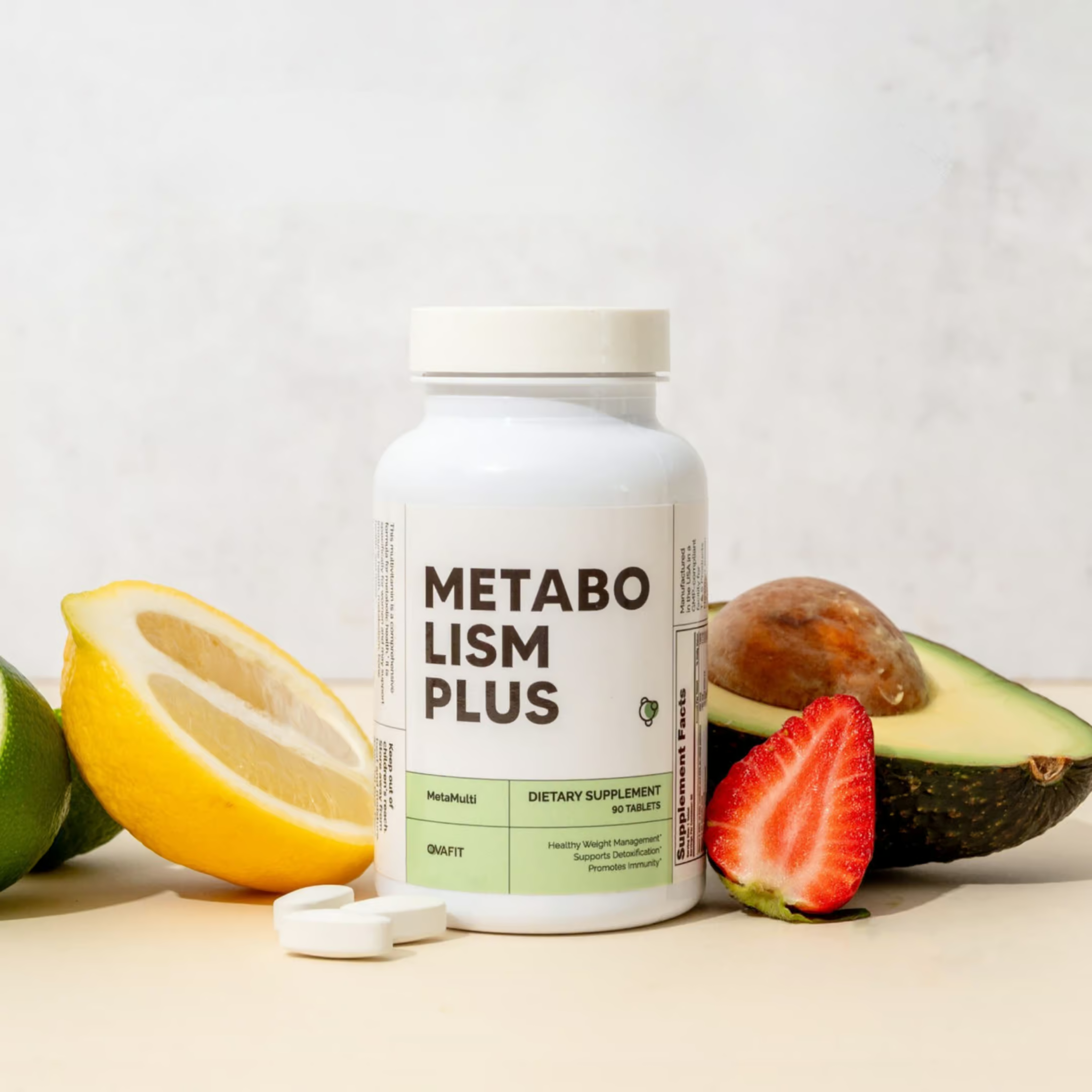
This type of magnesium supplement is effective and compact, so it’s often in high-quality multivitamins like Ovafit’s MetaMulti. Not only does this help you streamline your supplement routine, but it also supports your magnesium intake and delivers a variety of other important nutrients. And you can do that all without needing a separate magnesium supplement!
Magnesium Glycinate
Magnesium glycinate is magnesium attached to the amino acid glycine. Glycine is important for relaxation and nervous system function. It’s a great option for period cramps because it’s easily absorbed by the body, may help support muscle relaxation, and tends to be gentle on digestion. Research also suggests it may support sleep and stress management, which can be especially helpful for PMOS.
Generally, you probably won’t find this type of magnesium in a multivitamin. Instead, you’ll have to invest in a standalone magnesium glycinate supplement. Make sure when you’re choosing a brand, you find one that’s NSF-certified.
Magnesium Malate
Magnesium malate is a compound in which magnesium is bound to malic acid, a compound involved in energy production. People who experience muscle discomfort, low energy, or fatigue often choose this form. While it’s not as commonly recommended specifically for period cramps as glycinate, it can still help support normal muscle function and relaxation.
If your periods leave you feeling exhausted or run down, magnesium malate may offer some added support beyond cramp relief. This one’s also rarely included multivitamins; it would be another one you’d need to invest in separately.
How Much Magnesium for Menstrual Cramps?
You should always discuss supplement dosage with your doctor. However, a common clinical range for magnesium supplementation in research is around 250 mg to 350 mg per day. Make sure you also consider other nutrients that may be helpful for PMOS-related period pain. That way, you can support your body from multiple angles and potentially improve your chances of reaching your goals.
Talk to your doctor about taking magnesium, plus:
- Vitamin B6: Supports nervous system function and hormone metabolism, which may help support PMS symptoms and overall menstrual comfort
- Omega-3 Fatty Acids: Help support a healthy inflammatory response and may influence prostaglandin pathways involved in cramping
- Vitamin D: Supports muscle function, immune health, and hormone signaling
- Calcium: Works alongside magnesium to regulate muscle contractions by helping muscles contract, while magnesium helps them relax
- Zinc: Supports healthy inflammatory responses and may help regulate prostaglandin activity involved in cramping
- Curcumin: The active compound in turmeric that may help support a balanced inflammatory response and reduce menstrual discomfort
- Inositol: Supports insulin sensitivity and hormone balance, which may help address underlying PMOS-related cycle irregularities over time
Magnesium can help with PMOS menstrual cramps and period pain.
Period cramps can feel impossible to escape, especially when you’re already dealing with all the other symptoms of PMOS. But severe period pain isn’t something you should just accept as normal!
Magnesium may help support muscle relaxation, reduce inflammation, modulate prostaglandin activity, and regulate pain signaling, making periods feel a little more manageable. Pair it with strategic lifestyle changes, mindful daily activities, and a strong supplement routine, and you may not just improve cramps . . . but start reducing PMOS symptoms as a whole!