
🧬 What’s Your PCOS Type? Take the Quiz →

Does PCOS Cause Low Sex Drive?

Polycystic ovary syndrome (PCOS) seems to find a way to impact pretty much every aspect of a Cyster’s life. If you’ve been in the thick of your PCOS journey like me, this isn’t news to you! PCOS is a hormonal condition that affects women of reproductive age, and since the core issues of PCOS are inflammation, hormonal imbalance, and insulin resistance (depending on your PCOS type), PCOS finds a way to affect pretty much every system of the body. 

Yep . . . you heard that right. The circulatory system, digestive system, immune system, and reproductive system can all be impacted by PCOS. Many women with PCOS find themselves wondering if PCOS also affects sexual desire. Unsurprisingly, it does! However, if you’re looking for solutions on how to support your health and heal your symptoms, you’re in the right place.

Today, we’re going to break down how PCOS can influence libido and what you can do to reverse this difficult-to-deal-with symptom naturally! 

Does PCOS Cause Low Sex Drive?

Does PCOS Cause Low Sex Drive?

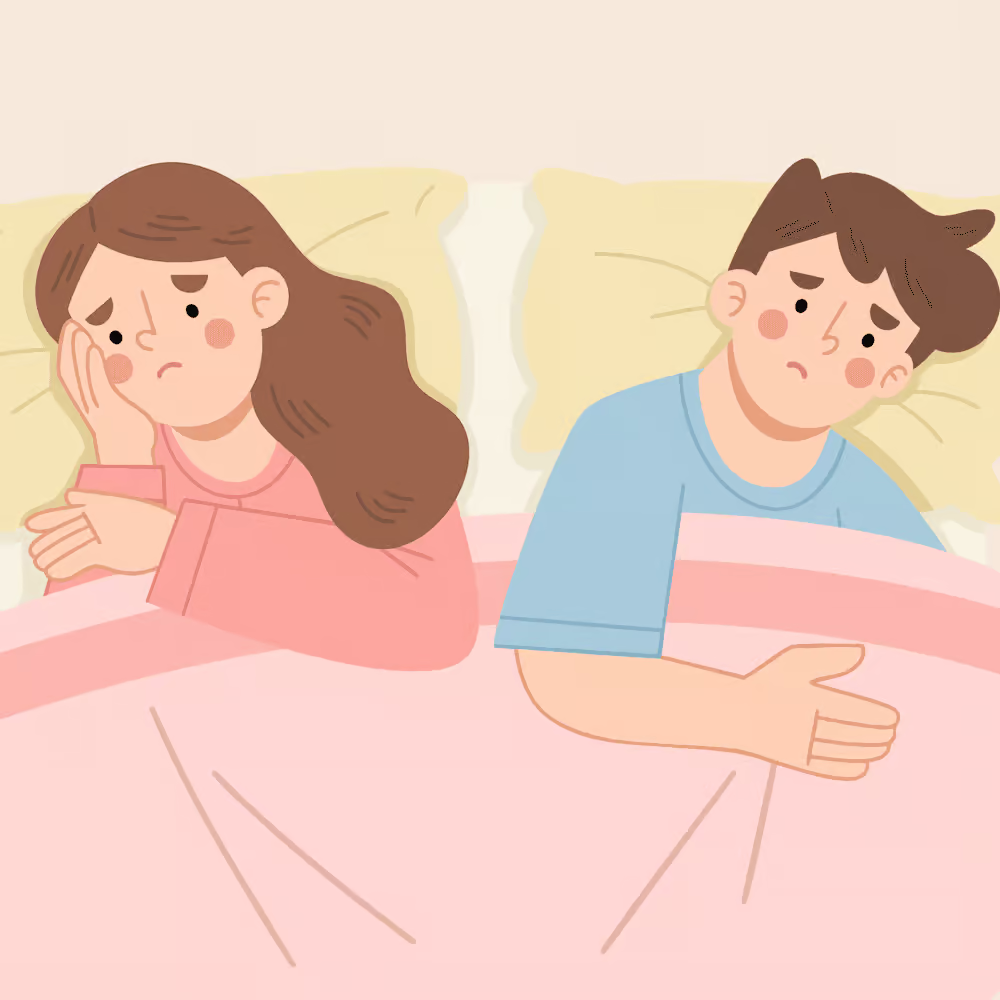
Yes! PCOS can cause low sex drive. In fact, research shows around 60% of women with PCOS/PMOS experience sexual dysfunction like low sex drive. One of the main ways PCOS influences your libido is via elevated androgens (AKA male sex hormones), which disrupts your other sex hormones, too. The extra testosterone can result in low sex drive, difficulty achieving arousal, and vaginal dryness. These symptoms can actually cause sex to feel painful. Plus, ovarian cysts, pelvic pain, and inflammation from PCOS can also make intercourse difficult and uncomfortable. 

Those are the direct effects of PCOS on sexual desire, but it can go deeper than that. Mental health is also a common struggle with this condition. Not only do elevated cortisol levels (which are stress hormones) and other hormonal dysregulation increase your chances of experiencing depression and anxiety, but there are other emotional factors of PCOS, too. 

Often, Cysters experience low self-esteem and reduced libido because of the symptoms of PCOS that change their appearance. Things like male pattern baldness, excess facial hair growth (hirsutism), acne, weight gain, and skin darkening can all make a Cyster feel less than desirable. (Which breaks my heart, because this is 100% not your fault and there is a way to reverse all of that!)

Note: PCOS recently had a name change! It’s now called polyendocrine metabolic ovarian syndrome (PMOS.) This change is long overdue and much more accurately represents the condition. I am slowly transitioning to using the term more and more, so you’ll see me use both below!

is low sex drive a symptom of pcos

Is Low Sex Drive A Symptom of PCOS?

A lack of desire for sex can definitely stem from PCOS. Between both physical and mental difficulties, maintaining sexual desire and enjoying sex can be a big challenge for us Cysters! I understand that this doesn’t only impact you but your partner as well. Luckily, there are lots of ways you can fix the core issues of your PCOS and relieve all your symptoms including improved sex drive! 

As Dr. Jolene Brighten shared on our podcast, A Cyster and Her Mister, libido is influenced by so much more than hormones alone. Stress, blood sugar balance, inflammation, nervous system health, and relationship dynamics all play a role. If you want to dive deeper into this topic, listen to our episode, “Is This Normal? Sex, Libido, and PCOS with Dr. Jolene Brighten.” 

Does Metformin Affect Sex Drive?

Yes, metformin can affect libido, but probably not in the way you think. Research shows many women with PMOS actually find that as their insulin resistance improves with metformin, it indirectly improves their sex drive too. As a woman’s metabolism regulates, they tend to feel more energy and have a better overall mood. Plus, keeping insulin levels in check can lower androgen levels, which are male sex hormones that can get in the way of normal reproductive function. Reducing androgens and insulin together can definitely give that sex drive a bump. 

That said, not every woman has this experience. No prescription is without side effects, and metformin is no exception. Some women notice a temporary decrease in their sex drive, particularly during the first few weeks as their body adjusts to the medication. This is often linked to side effects like nausea, stomach upset, or fatigue rather than the metformin itself. 

If your libido changes significantly or doesn’t improve over time, it’s definitely worth bringing up with your doctor!

Can Birth Control Affect Sex Drive?

Yes, it can. Hormonal birth control works by changing your body’s natural hormone levels, so it’s not surprising that some women notice changes in their libido. For some, birth control improves their sex drive by regulating periods, reducing pain, and easing PMOS symptoms. 

For others, it may lower libido by reducing testosterone levels or causing side effects like vaginal dryness. Every woman responds differently, so if you notice a significant change after starting a new contraceptive, talk with your doctor.

Does PCOS Make Sex Painful?

Yes, it can. Painful sex, also known as dyspareunia, isn’t uncommon with PMOS/PCOS. Reproductive hormones like estrogen, progesterone, and testosterone are essential for producing cervical mucus and supporting healthy pelvic floor function. When these hormones are out of balance, vaginal dryness and discomfort during sex can become more common. Inflammation associated with PMOS can also contribute to pelvic floor dysfunction, making intercourse even more painful. 

That said, don’t let anyone convince you pain during sex is normal. With the right treatment and lifestyle changes, it’s often possible to improve lubrication, reduce discomfort, and enjoy a healthier, more satisfying sex life.

How To Increase Sex Drive With PCOS

Maintain a balanced diet. 

Nutrition is so powerful! It can improve all the root issues of PCOS including hormonal dysregulation, insulin resistance, and inflammation that could be leading to your low sex drive. As you regulate sex hormones, you’ll likely see your periods regulate, your mood improve, and your sex life begin to flourish! Vaginal dryness, pelvic pain, and low libido can all be reduced, too, using an intentional PCOS-friendly meal plan. 

I recommend a gluten- and dairy-free anti-inflammatory diet that’ll target the core issues of your PCOS. Try it for 30 days and see how you feel! You can find recipes and meal plans on The Cysterhood app to get you started! 

The Cysterhood app

Do regular slow-weighted workouts.

Exercise is huge for your sex life! The right workouts can directly benefit your sex life by enhancing your mood, reducing stress, increasing your energy levels, and boosting your libido. Plus, exercising and improving your health and weight can have a positive impact on your self-esteem, too!

For PCOS, I recommend slow-weighted workouts that won’t elevate your heart rate and pump you full of stress hormones. Doing high-intensity workouts or running for hours may actually be contributing to your other PCOS symptoms too. Instead, low-intensity workouts like yoga, pilates, or weight lifting can be supportive for your PCOS while helping you reach your health goals. Here’s more on the dos and don’ts of working out with PCOS, but you can also find full PCOS workout videos on The Cysterhood app. 

slow weighted workout

Reduce your stress levels. 

When you’re stressed, your sex drive tanks. However, women with PCOS naturally run with more stress as their bodies produce excess cortisol. This is one of the main contributors to poor mental health, inflammation, and fatigue in women with PCOS. 

So, to develop a natural desire for sexual activity again, it’s important to get your stress under control. Exercise and diet are a good start, but also consider things like meditation, getting out in nature, practicing self-care, and more to help you alleviate stress and hopefully reclaim your sex life with improved mental health! 

Get plenty of sleep at night. 

Sleep is essential for proper hormone regulation. There are important routine processes our bodies undergo while we sleep that regulate sex hormones, stress hormones, and even insulin. So, when we don’t sleep well, we’re depriving our bodies of incomplete processes that maintain our health! In addition, worsened sleep directly results in impaired sexual desire.

To support your body, try to get at least 8 hours of good quality sleep a night. It can be hard to get a good night’s sleep with PCOS, but improved sleep hygiene (such as by creating an unwinding routine) can improve a lot of our symptoms.

Stay hydrated with water and herbal tea.

Hydration is key to any healthy body. However, it can specifically help with PCOS low sex drive by increasing blood flow for better arousal and lubrication, improving hormone regulation, boosting energy levels, and enhancing mood! Plus, staying hydrated supports many of the systems in our bodies, which can help enhance our diet and exercise to make our goals easier to achieve.

If you want some variety, herbal tea is also great for supporting hormones and relieving PCOS symptoms. For improving libido, I recommend Ovafit’s Testosterone Relief Tea which is a strategic blend of herbal teas to lower high androgen levels and support hormones overall! 

testosterone relief tea

Limit your caffeine and alcohol intake.  

Speaking of drinking, here are two beverages you might want to limit. Caffeine is basically liquid stress. In your bloodstream, caffeine elevates your cortisol levels, which remember, are already too high in many women with PCOS! Not only can this spiral into other hormonal imbalances and make you feel wired and anxious, but demanding your body to produce so much cortisol actually makes you feel more tired due to adrenal fatigue.

Alcohol is also not ideal if you want to increase your sex drive. Though “loosening up” with a few drinks might seem like a good idea, it’s not great for your short-term or long-term health goals. Alcohol can disrupt sex hormone levels, worsen insulin resistance, worsen inflammation, and reduce liver function, which is essential for healthy hormone regulation. 

This doesn’t mean you can never have a glass of wine, but just be mindful of how regular caffeine or alcohol routines could be working against you. But also remember that we should never strive for being 100% perfect all the time (it’s just not sustainable!) There is room for moderation and “living life” while having healthy PCOS journeys.

how to increase sex drive with pcos

Take the right PCOS-friendly supplements. 

Supplements can make a huge difference when it comes to managing PMOS symptoms, including low libido. The right supplements help give your body the nutrients it needs to support hormone balance, healthy insulin levels, energy production, and so many of the other processes that tend to struggle with PMOS. Just remember, not all supplements are created equal. Look for products that are third-party tested, backed by research, and specifically formulated for women with PMOS, like the Ovafit line.

Below, I’ll share a few of my favorite supplements for supporting hormone health and a healthier sex drive, along with why I recommend each one.

Best Supplements for PCOS and Low Sex Drive

1: Inositol Complete 40:1

Inositol Complete 40:1 supports healthy insulin sensitivity and hormone balance, which may indirectly help women with PCOS and low libido. By improving metabolic health and helping reduce excess androgen levels, it can support more regular ovulation, better energy, and overall reproductive function.

2: Omega-3 FIsh Oil

Omega-3 fatty acids help reduce inflammation and support healthy hormone production. Omega-3s also play a role in mood, circulation, and reproductive health, all of which can contribute to a healthier sex drive.

3: PMOS Multivitamin

A PMOS-specific multivitamin helps fill common nutrient gaps that can interfere with hormone balance and overall reproductive health. While it won’t directly increase libido, providing your body with the nutrients it needs to function optimally may help improve energy levels and support a healthier sex drive.

3: CoQ10

CoQ10 helps your cells produce energy more efficiently and supports healthy mitochondrial function. For women with PMOS, it may also promote healthy insulin sensitivity and reproductive health. More energy and better metabolic function can make it easier to feel your best, which may indirectly support a healthier sex drive.

4 supplement bottles next to 4 different dishes with the pills in them.

Try out acupuncture. 

Acupuncture has been shown in recent studies to have lots of real health benefits, especially for reversing our PCOS symptoms! Particularly, acupuncture can regulate hormone levels, help to reduce stress, and improve blood flow…which are all connected to improved libido. Here’s more on how acupuncture can help with PCOS. It’s worth a try!  

Get a consultation with a pelvic floor physical therapist. 

Physical pain during sex could be due to vaginal dryness, but it could also be due to an issue with the pelvic floor (which is a group of muscles around our pelvis). If you are having a lot of pain, it’s worth getting a consultation with a pelvic floor physical therapist (PT) who may be able to relieve pelvic pain and heal the pelvic floor for a better sex life! These PTs can be a game changer when it comes to sexual function in women, and visiting one can provide you a holistic approach to your healing process.

P.S. Commonly misunderstood on the internet, pelvic floor therapy and kegels are not the same things. Please, don’t do any pelvic floor exercises without the direction of a professional.

Prioritize self-care. 

Your mental health, self-esteem, and body image can all be so important to your sex life. Don’t underestimate the power of simply taking care of yourself. This looks different for everyone, but take some inventory of your life and see how you can practice self-love, self-compassion, and self-care. You deserve to feel positive, confident, and whole! 

Communicate openly with your partner. 

The first step to sexual satisfaction in any relationship is open communication. Talk to your partner about your struggles, expectations, and PCOS journey. And, let them discuss their challenges and expectations, too! This can help you to relieve pressure, plan for special encounters, and embark on the healing journey together! As your sex drive improves, this open communication will be key to increasing sexual activity and getting back in the game. If you are sharing about your PCOS for the first time with your partner, feel free to use our blogs, posts, and podcast episodes as tools to help you!

Tallene and Sirak sitting across each other talking at the table with plates with food in their hands
PCOS can cause low sex drive, but there are natural ways to improve your symptoms! 

A healthy sex life is no small thing, and you shouldn’t struggle with it forever just because of PMOS. You deserve the best quality of life, and a healthy libido is part of that! To improve your sex drive, it takes understanding your body and knowing what options you have to help you to the root cause of your PCOS symptoms. For a deeper dive on PCOS low sex drive, read this post.

Try these lifestyle changes to reverse your PCOS and reclaim your sex life! And, for more natural healing methods, check out the PCOS Weight Loss blog

Does Zinc Boost Testosterone?

Testosterone is one of our primary sex hormones and it plays an important role in fertility for both male and female bodies. However, women with polycystic ovarian syndrome (PCOS) often experience elevated testosterone levels, and since this is an androgen (male sex hormone), it may cause a number of negative symptoms. 

Side effects from elevated testosterone may include excess body hair, balding, acne, irregular menstrual cycles, mood swings, infertility, and obesity. Additionally, long-term testosterone imbalances can increase a woman’s chance of developing cancer, type 2 diabetes, or metabolic disease. With that being said, finding ways to lower and balance your testosterone levels may be necessary if you have PCOS. 

If you’ve been looking for a testosterone fix for a while, you may have seen zinc listed as a possible remedy for high testosterone. However, there’s been some confusion on whether or not it lowers or raises your androgen levels. So, today, I’ve dedicated this post to answering if zinc will help with elevated levels of testosterone.  

Does Zinc Boost Testosterone? 

After a little internet research, you’ll find sources that say zinc raises testosterone and other sources that say it lowers it. So, which is it? The answer is: both! 

Zinc actually helps regulate your body’s hormone levels, that means whether your testosterone is low or high, zinc will help get you to the appropriate levels. So, if you’re a woman with PCOS worried about high testosterone levels and the related symptoms, a zinc supplement may be a good thing to consider! 

Healthy amount of zinc from proper diet or zinc supplement helps your body:

What Is Zinc?

Zinc is considered a “trace mineral,” which means we only need low levels of zinc for healthy human body function. (You just need about 8 milligrams of zinc). However, zinc is an essential mineral responsible for nearly 100 biological chemical reactions! This means a zinc deficiency could easily lead to a number of negative side effects. However, a healthy amount of zinc from a proper diet or zinc supplement helps your body

  • Develop a strong immune system
  • Regulate hormones 
  • Manage blood sugar
  • Maintain a healthy thyroid

Because zinc does so much, you can see improvements in a number of PCOS symptoms when you’re getting the recommended amount of zinc. Here are some ways you could see your PCOS symptoms improve with zinc:

zinc effects on testosterone

Zinc Effects on Testosterone 

Does Zinc Increase Testosterone In Females?

Though zinc can increase testosterone in men, it does not increase testosterone in females! That’s because rather than simply raising or lowering testosterone in the body, zinc actually seeks to regulate it. So, regardless of what your body needs as far as androgenes go, zinc can help you get to a healthier balance. That means it’s great for both female and male fertility!

With the right balance of androgens, you could see improvements in many symptoms. Studies show zinc can help regulate your menstrual cycle, promote healthy ovulation, reduce inflammation, and balance other hormones too, including stress and thyroid hormones. All of this makes zinc one of the best supplements for PCOS, since hormone balance is prevalent in almost every type of polycystic ovarian syndrome

Before taking zinc, consult your doctor to determine the right dosage. Below, I’ll list some of my top zinc supplements. However, you could also take a multivitamin that includes zinc like Metabolism Plus from Ovafit, which includes other helpful supplements or PCOS like circumin, CoQ10, and omega-3

What Type of Zinc for Testosterone?

Zinc bisglycinate chelate (especially in the TRAACS® form) is one of the best types of zinc because your body can actually absorb and use it well! Plus, it’s much easier on your stomach than other forms. It’s bound to the amino acid glycine, which helps it move smoothly through your digestive system. That way, more of it makes it into your bloodstream. That’s important for testosterone support, since zinc plays a key role in hormone production and balance!

Some forms of zinc can be harsh or poorly absorbed, which makes them harder to take consistently. This one checks all the boxes. It’s effective, gentle, and reliable, making it a great choice for supporting your zinc levels and overall hormone health. It’s also the one included in Ovafit’s Meta Multivitamin. 

Does Zinc Help Sex Drive​?

Yes! As I’ve mentioned, zinc is super beneficial for balancing out testosterone. And testosterone is one of the main drivers of libido in both men and women. When zinc is too low or too high, you could lose your sex drive. So, regulating your testosterone (and other sex hormones) is an essential step in improving libido and overall reproductive health. Proper zinc levels can be a great way to support that balance! 

Testosterone isn’t the only reason you may have low libido. To learn more, read my post, “Does PCOS Cause Low Sex Drive?

Benefits of Zinc Sexually for Woman

Supports a Healthy Libido

Zinc helps regulate hormones, including estrogen, progesterone, and testosterone. When you balance all these hormones, you’ll likely experience a more natural desire for stress. 

Supports Ovulation and Cycle Regularity

Zinc plays a role in egg development and ovulation, helping regular menstrual cycles. And a more regular cycle usually positively impacts sex drive!

Improves Mood and Energy

Low energy, stress, and mood swings can all lower sex drive. Zinc supports brain function and helps regulate stress hormones, which can indirectly improve libido.

Supports Vaginal and Reproductive Health

Zinc helps with tissue repair, immune function, and overall reproductive health. All of which are important for comfort and sexual wellness.

best zinc supplements for PCOS

Best Zinc Supplements For PCOS

Testosterone Relief Tea

The best testosterone-balancing supplement for women with PCOS is Ovafit’s Testosterone Relief Tea. This unique blend combines 10 herbal teas known for their anti-androgenic properties. Together, they help lower testosterone and promote overall hormonal balance. Each herb works in a slightly different way to calm excess androgens, which makes this formula especially effective. Specifically, chamomile, nettle leaf, and peppermint tea in the blend provide zinc-driven anti-androgenic benefits. Testosterone Relief Tea is natural, super effective, and easy to add to your routine!

Pure Encapsulations Zinc 30

Aside from our personal Ovafit supplements, Pure Encapsulations vitamins and minerals are my first recommendation! Each capsule, as the name suggests, only includes the necessary ingredients and nothing extra. There’s no wheat, eggs, tree nuts, peanuts, gluten, artificial colors, flavors, sweeteners, coating, shellacs, GMOs, or other unnecessary binders, fillers, and preservatives. Just one capsule a day gets you your daily zinc requirements! 

NOW Zinc Gluconate

NOW Foods also makes high quality vitamins that are vegan, soy-free, Kosher, non-GMO, Halal, and sugar-free. They come at a great price too! Every bottle is GMP quality assured as A-rated, which basically just means the capsules have been checked for quality in every step of the manufacturing process. Additionally, these zinc supplements are packaged by a family owned business in the U.S. 

Garden of Life Vitamin Code Raw Zinc

This zinc supplement has more than your daily dose of zinc, it also includes vitamin C and probiotics. All included vitamins are made from whole foods and are organic, certified vegan, non-GMO, NSF gluten-free, Star K Kosher, and carbonfree. There are also no synthetic binders, additives, and fillers or artificial flavors, sweeteners, or colors. Garden of Life truly uses just the best ingredients. 

Designs for Health Zinc Supreme

This is another vitamin blend dietary supplement. It includes zinc, molybdenum, vitamin B6, riboflavin, taurine, and malic acid. Designs for Health maintains top standard qualities and all ingredients are non-GMO, gluten-free, and vegetarian-friendly. Their supplements are made in the USA and come in premium glass packaging. This blend is a great source of zinc and other top quality vitamins! 

Zinc may help balance your testosterone & reduce PCOS symptoms.

Zinc plays an incredible role in a woman’s reproductive health—especially if you have PCOS. One of the best benefits is its androgen-balancing properties, which can help alleviate several PCOS symptoms like acne, hair loss, irregular periods, weight gain, and infertility. You can find more ways to lower testosterone and heal your PCOS symptoms naturally on the PCOS Weight Loss blog and the Cyster & Her Mister podcast.

What Are Periods Like With PCOS?

One of the most common symptoms of PCOS is irregular periods. Now, for someone without polycystic ovary syndrome (PCOS), an infrequent menstrual cycle might not sound half bad. But, we Cysters know that disruptions in our period means a whole lot more than a “month off” from bleeding and pain. 

The irregularity of a menstrual cycle is a major sign of our body’s hormonal turmoil. These issues with our endocrine system cause irregular menstrual cycles, fertility issues, and severe PMS symptoms when those periods DO finally come. 

Today, we’re exploring all things PCOS and periods. We’ll discuss what periods are like with PCOS, why they’re that way, and how you can get your cycle back on track. Cyster’s, let’s invite Aunt Flow back into our lives:

What Are Periods Like With PCOS?

So, when we say women with PCOS have “irregular menstrual cycles,” what does that mean? First of all, it means the frequency of the periods is unpredictable. Most women have a 28 day cycle, whereas a Cyster could be anywhere between 21-40 days or be missed altogether. 

When that period finally does arrive, they’re often extremely heavy. Most women bleed about 2-3 TB of blood during a cycle, but women with PCOS can have twice that and experience clotting. In addition to having a heavy flow, Cysters may also encounter severe period pains. 

This disrupts a Cyster’s life in so many ways! The harsh symptoms can significantly reduce a woman’s quality of life both during, after, and leading up to a period. And, the unpredictability can cause anxiety as well.

If all that wasn’t enough, no periods, means no ovulation. Irregular periods means irregular ovulation. So, the issues with the menstrual cycle can make it really difficult to get pregnant. If your cycle doesn’t happen like it’s supposed to, conceiving can be extremely difficult. 

But, why does this happen? What about PCOS triggers such a serious reaction from the body? Let’s discuss that next:

How does PCOS affect periods | What Are Periods Like With PCOS?

How Does PCOS Affect Periods?

Polycystic ovary syndrome (PCOS) isn’t kind on a woman’s body. First of all, many women with PCOS have high levels of androgens, which are male hormones. Excess androgens obviously don’t support healthy menstruation. 

Additionally, too much insulin will disrupt that cycle. And, 70-80% of women with PCOS have insulin resistance, causing high levels of insulin in the body, leading to high testosterone in the ovaries. This is not only a possible cause of weight gain and high blood pressure, but it may also cause irregular and heavy periods.

Reclaiming a regular period should be a priority, because menstruation is an integral part of our feminine health. Plus, these imbalances and concerns are most likely causing other symptoms of PCOS as well! So, you want to get it sorted out. Unfortunately, there’s no pill you can take to fix your insulin levels and hormones. (Nope, not even birth control.) 

The goal is to reverse symptoms of PCOS naturally, in a way that is sustainable, healthy, and actually effective. Here’s how you can start regulating your period:

Can PCOS Cause Painful Periods?

Yes! PCOS can cause painful periods. High androgen levels disrupt ovulation by growing lots of immature follicles or small cysts instead of one healthy egg. (This is what gives your ovaries that polycystic appearance.) Because there’s no fully matured egg, your reproductive system doesn’t receive the signal to ovulate when it’s supposed to. That delays ovulation or prevents it from happening at all. 

Here’s where it can cause pain: Leading up to ovulation, estrogen builds up the uterine line preparing for implantation. In a normal cycle, ovulation produces progesterone, which stops the growth of the uterine lining. Without ovulation, progesterone hormone levels stay low. The estrogen remains unopposed, so it keeps building up that uterine lining. 

When the body finally gets the go to ovulate, the body has a lot of excess tissue to shed and break down. This can lead to pelvic pain, cramping, heavy bleeding, and clotting. On top of all that, chronic inflammation can make the tissue around the ovaries and uterus tender and reactive, increasing the risk of pain during your period. 

Does PCOS Make Cramps Worse?

Yes! The combination of inflammation and hormone imbalance with PCOS can definitely make cramps feel more intense. When hormones like estrogen, progesterone, and androgens are out of balance, the uterine lining often becomes thicker than it should be. So when your period starts, your body has to work harder to shed that excess tissue. That means stronger, more frequent uterine contractions.

And, as I mentioned, inflammation can play a big part in your pain levels too. Higher levels of inflammatory compounds (like prostaglandins) can make those contractions more aggressive and painful. This can lead to sharper cramps, lower back pain, and that deep, aching pelvic pressure that feels harder to relieve.

PCOS and Spotting Between Periods

PCOS can also cause spotting between periods. When ovulation is irregular (or not happening at all), hormone levels fluctuate unpredictably. Estrogen may rise without the balancing effect of progesterone, which can make the uterine lining unstable. Instead of building up and shedding in one complete cycle, the lining may partially break down at random times. 

When this happens, you may see some light spotting or brown discharge between periods. While it’s usually not dangerous, frequent or persistent spotting is a sign that your hormones aren’t properly regulated and your cycle isn’t fully syncing the way it should.

Related: Why Is My Menstrual Cycle Getting Longer with PCOS?

How to Get Regular Periods with PCOS Naturally

Cut dairy and gluten.

Dairy and gluten can trigger the immune system to attack your tissue, causing inflammation. Then, inflammation causes insulin resistance. When you’re insulin resistant, your body produces androgens that disrupt your cycle. 

Whew. I know, that was a lot, but you can see how gluten and dairy can have profound effects on your body. You can learn more about the health benefits of cutting dairy here and the gluten here.

Drink spearmint tea. 

Spearmint tea has been shown to reduce testosterone in the body. Testosterone is a male hormone (androgen) that delays and suppresses the period, so a regular cup of spearmint tea can help support your cycle. 

Do the right exercises.

Regular exercise helps get your periods back on track in a number of ways. It increases insulin sensitivity, lowers cortisol levels (stress hormones), boosts metabolism, and reduces inflammation. Each of these contributes to period regulation. 

Of course, exercising can help you lose weight too! Just make sure you’re not pushing your heart rate too hard. Pumping up that heart rate can get your cortisol levels rising again. Slow weighted workouts, yoga, pilates, and light cardio are all great choices. You can read more about that here.

Eat your fiber. 

Fiber has been shown to help with painful periods by reducing estrogen levels. Estrogen is what causes cramps, and many Cysters struggle with estrogen dominance. You can add fiber to your diet through a variety of fruits and vegetables!

Drink water. 

Bloating is another unfortunate period symptom. It’s uncomfortable and sometimes painful, but drinking lots of water can help reduce bloating. Additionally, drinking warm or hot water has been shown to soothe tense muscles by increasing blood flow to all parts of your body! 

how to get regular periods with PCOS

Reduce alcohol consumption.

Alcohol works against you in several ways. It increases insulin resistance and it inhibits liver detox. It also makes your body release cortisol after a day of drinking. These contribute to exacerbating PCOS symptoms! The liver is essential for breaking down excess hormones. So, when it’s not working properly, it can’t contribute to regulating the endocrine system. 

Commit to three meals a day. 

Eating three meals a day is a fantastic diet practice! When you eat hearty meals using PCOS-friendly ingredients for breakfast, lunch, and dinner, you’ll snack less frequently. And when you eat right and keep snacking to a minimum, you’ll naturally increase insulin sensitivity

It’s not just about maintaining a healthy weight or managing periods, but eating right and increasing insulin sensitivity can even reduce your risk of type 2 diabetes and heart disease

As you can tell from this article, insulin resistance causes a lot of issues in many Cyster’s bodies, but it really depends on what type of PCOS you have. If you’re dealing with challenging periods it’s likely you have insulin resistant PCOS, but take the quiz anyway to find out for sure! 

Take helpful vitamins and supplements. 

Cysters, we tend to have several nutrient gaps. It’s not your fault! Even when you start eating PCOS friendly meals and snacking less, you’ll most likely still be lacking because inflammation alone makes it hard to absorb nutrients. These missing vitamins and minerals can help you regulate your period and keep them more mild. 

You can check out what vitamins and supplements you need by checking the links. But, Inositol, B12, zinc, magnesium, vitamin E, and biotin can all assist with PCOS symptoms, including (but definitely not limited to) cycle regulation and management! 

Practice self-care. 

Remember when I said cortisol (stress hormones) worsen your periods? It’s true! So, a good way of easing periods and increasing their regularity is by staying relaxed. I know, it’s easier said than done. But, doing things you love, journalling, crafting, reading, and exercising are all great self-care practices to reduce stress!

ways to get regular periods with PCOS

Where Can I Get More PCOS Period Help?

If you are looking for more resources, I’ve got them! Check out these episodes of our podcast A Cyster and Her Mister where we talk with the experts about period regulation:

Use these tips to help get your cycle back on track! 

I hope these tips help you to work with your body to better regulate your periods. Not just on a regular schedule, but when it comes to the more severe and uncomfortable side-effects as well. And remember, you don’t have to do this all on your own. We’re here for you and would love it if you kept us updated on your progress via social media or by sending in your story. 

Join The Cysterhood to get all the resources and access to our supportive community. And, follow our blog for all the PCOS management tips and tricks! Let’s do this together!

Cinnamon For PCOS

Cinnamon is a common spice made from tree bark that can be found in most family kitchens. It’s great for pies, bread, lattes, and plenty of other foods. It’s also been used for medical purposes for thousands of years. (Yes, thousands!) In modern medical research, the benefits of cinnamon have been studied and confirmed! 

Amazingly, they’ve found several awesome benefits of cinnamon for women with polycystic ovary syndrome. As someone dedicated to natural and holistic means of healing and reversing PCOS, I found this research super helpful!

So, today, I am dedicating this post to the PCOS benefits of cinnamon and why you should consider adding it to your plan for symptom management and improvement. This is what you need to know about cinnamon and PCOS:

Cinnamon For PCOS benefits

Cinnamon For PCOS

Cinnamon can be helpful for many women with PCOS! Specifically, cinnamon has healing properties for Cysters with the insulin resistant type of PCOS. (If you’re not sure of your type, take the quiz.) It has been shown to improve metabolic health and relieve some PCOS symptoms naturally. Here’s how cinnamon can help you with your PCOS healing journey:

benefits of cinnamon for pcos

Cinnamon Benefits For PCOS

Lowers blood sugar and insulin levels.

If you’re a Cyster with the insulin resistant type of PCOS, you know how difficult it is to get control your weight, blood sugars, and insulin levels. The insulin resistance can also cause plenty of unpleasant PCOS symptoms, so, for many of us, managing it is a high priority. 

Cinnamon has been shown in a few studies to help with lowering blood glucose levels and improving insulin sensitivity! In one study, women taking 1500 mg of cinnamon a day had significant reductions in fasting blood glucose, insulin, and insulin resistant status.

Another study investigated the effect of cinnamon supplementation in women with PCOS over 12 weeks. It found a significant decrease in markers of insulin resistance! Cinnamon’s therapeutic properties come from its ability to improve insulin receptor function, which increases glucose uptake.

The improved insulin levels in each of these studies helped with weight loss, sugar cravings, fatigue, and more! This makes cinnamon one of the best supplements to support a healthy metabolism. And since it’s natural and gentle, there are usually no side effects of taking cinnamon with PCOS.

Regulates cholesterol levels.

The same studies that found cinnamon improves insulin levels, also found that cinnamon helps balance cholesterol levels and improve your lipid profile. It lowered LDL cholesterol (bad cholesterol) and increased HDL cholesterol (good cholesterol) to help improve overall metabolic health.

Improves menstrual regularity. 

Studies suggest that cinnamon actually helps menstrual regularity! Research in one study showed that women taking 1.5 grams of cinnamon a day had more regular and frequent menstrual cycles than those in the placebo group who did not take it. This improved menstrual regularity is super helpful for women with PCOS who often struggle with unpredictable periods and infertility

Reduction of androgen levels.

Additional research on the insulin sensitivity benefits of cinnamon for PCOS finds that the metabolic benefits of cinnamon actually helps reduce androgen levels in Cysters, too. Androgens are male sex hormones like testosterone that can be the reason for lots of PCOS symptoms like acne, irregular menstrual cycles, mood swings, infertility, and obesity

The thing is, high insulin levels actually encourage your ovaries to produce more testosterone. So, studies found that as insulin levels went down with cinnamon supplements, so did testosterone levels! (Here are more ways to naturally lower testosterone with PCOS, if this is a struggle of yours.)

Fights free radicals. 

Free radicals are unstable molecules that are formed naturally in your metabolism, but they become a problem when your body creates excess in response to stress, alcohol, smoking, saturated fats, or environmental toxins. When there are too many free radicals, they can damage cells, accelerate aging, and cause disease and cancer. 

However, antioxidants fight free radicals. Vitamin C, vitamin E, selenium, manganese, zinc, and, of course, cinnamon are all antioxidants in nature and help lower the number of free radicals in the body. Here’s the study that discovered this with cinnamon.

Does Cinnamon Lower Testosterone?

Cinnamon can indirectly help lower testosterone by improving insulin resistance. This matters because high insulin levels signal the ovaries to produce more testosterone. By balancing blood sugar and insulin levels, cinnamon helps reduce the overproduction of testosterone and other androgens.

Cinnamon Tea Benefits for Female Fertility

Regulates Menstrual Cycles

Some research suggests cinnamon can support more regular menstrual cycles in women with PCOS. When you resolve hormone imbalances, your cycles become more predictable. Of course, this is key when trying to conceive.

Promotes Ovulation

Because cinnamon can influence insulin and hormone balance, it may indirectly support ovulation. Ovulation is one of the most important factors in fertility, so anything that helps the body ovulate more consistently can be beneficial!

Provides Antioxidant Support

Cinnamon contains powerful antioxidants, like polyphenols, that help reduce oxidative stress. High oxidative stress can negatively impact egg quality and overall reproductive health. Because of that, adding antioxidant-rich foods and drinks like cinnamon tea can be really beneficial. 

Reduces Inflammation

Cinnamon can fight chronic low-grade inflammation, which often contributes to fertility challenges. By calming inflammation, it helps support overall reproductive function—including menstruation, ovulation, egg quality, and more! 

Improves Circulation

Cinnamon can promote healthy blood flow, helping deliver nutrients and oxygen to reproductive organs. This supports overall fertility and reproductive health. It can help during early pregnancy, too! 

Benefits of Cinnamon With Chromium

Creates a More Efficient Metabolic Response

Cinnamon influences how your body processes carbohydrates, while chromium improves how your body uses insulin. Together, they help your metabolism respond more efficiently to meals instead of overproducing insulin. 

Cinnamon and chromium can not only help with your present symptoms, but they can help prevent long-term complications like type 2 diabetes. The combo is a mom anti-diabetic supplement that can be really helpful alongside other insulin sensitizing daily practices. 

Works Together to Improve Blood Sugar Control

Cinnamon can slow how quickly glucose enters the bloodstream, while chromium helps insulin move that glucose into your cells. Together, they target both sides of blood sugar control and keep levels more stable throughout the day. They can also improve insulin sensitivity over time! 

Reduces Blood Sugar Spikes and Crashes

Cinnamon and chromium can be super helpful in preventing post-meal blood sugar spikes. This dual action reduces sharp highs and lows that drive fatigue, irritability, and cravings.

Helps Curb Cravings Through Stability

Instead of masking cravings, this pairing addresses the root cause. Cinnamon and chromium stabilize blood sugar and reduce the peak-and-crash cycle that drives sugar and carb cravings.

Supports Hormone Balance Through Insulin Regulation

High insulin levels trigger excess androgen production. Cinnamon and chromium regulate insulin more efficiently and create a hormonal environment that supports regular cycles and overall balance.

How To Use Cinnamon For PCOS 

Drink cinnamon tea. 

The best part about cinnamon as a remedy is that you don’t have to get used to some unusual flavor. (Hello, turmeric.) Cinnamon is already naturally in our diets and most of us like it! So, to implement it into your diet is pretty easy. 

One of my favorite ways to integrate it into my day is through a strategic tea blend. Testosterone Relief Tea combines the therapeutic benefits of spearmint, lemon balm, orange peel, chamomile, rosehip, peppermint, nettle, lavender, calendula, and, of course, cinnamon. Together, they help lower androgen levels and help support improved insulin sensitivity.

cinnamon tea

Here are more of the best teas for PCOS

Add cinnamon to smoothies. 

You can also add cinnamon to your smoothies! Cinnamon compliments several common smoothie ingredients, like banana, peanut butter, blueberry, pumpkin, apple, strawberry, chocolate, and vanilla. I make pumpkin pie, blueberry pie, and peanut butter smoothies all the time and always add cinnamon to add flavor and extra PCOS benefits! (You can find all of my smoothie recipes on the app, too.)

Sprinkle it on your food. 

You could also add cinnamon to your food. Sprinkle it on or mix it into oatmeal, chia pudding, pancakes, waffles, baked fruit, toast, and more! Savory dishes can be complemented by cinnamon, too. Pork chops, chili, ham, and roasts are just a few flavors that could pair well with cinnamon. 

Take a cinnamon supplement. 

Adding cinnamon into your diet is a great way to take cinnamon, but it can be difficult to determine if you’re getting enough that way. One of the best ways to get the benefits of cinnamon is through a supplement. Below, I have some recommendations: 

cinnamon supplements for pcos

Cinnamon Supplements For PCOS

Pure Encapsulations: Cinnamon WS

Pure Encapsulations is a favorite supplement brand of mine, because I can have confidence it supports my PCOS diet goals. They’re free from wheat, eggs, tee nuts, peanuts, gluten , artificial colors, flavors, sweeteners, coatings, shellacs, and GMOs. Basically, the cinnamon capsule contains only what’s needed with no extras. This way, you know your supplements are doing the most for you! These capsules include 125 mg of cinnamon. 

NOW Supplements: Cinnamon Bark

NOW is another quality brand that’s free of a lot of the extras. There’s no yeast, wheat, gluten, soy, corn, milk, egg, fish, shellfish, tree nuts, artificial colors, or GMOs in their product. These cinnamon capsules are also GMP Certified and bump up the dosage size to 600 mg. So, if your doctor recommends a higher daily dose of cinnamon, this brand might be best! Luckily, it comes at a great price too. 

NutriFlair Organic Ceylon Cinnamon

Ceylon cinnamon is just another name for cinnamon bark, which is the cinnamon powder in these supplements. Like the others, NutriFlair is organic and free of gluten, GMOs, and other filler. Where NutriFlair differs is its dosing. It doubles the dosage from the NOW Supplements version and delivers 1200 mg of cinnamon. Again, consult with your doctor about dosage before choosing a supplements brand. 

Nature’s Bounty Cinnamon Plus Chromium

Nature’s Bounty mixes cinnamon and chromium into one supplement, which is honestly a great combo for managing PCOS insulin resistance through vitamins! This brand also doesn’t contain any GMOs, gluten, sugar, artificial flavors, or artificial sweeteners. It includes 400 mcg of chromium, 500 mg of cinnamon bark, and 375 mg of cinnamon extract. It’s one of the less expensive on the list as well. 

Clean Nutraceuticals Ceylon Cinnamon

This final brand is another combination supplement! It has cinnamon, apple cider vinegar, zinc, chromium, turmeric curcumin, berberine, and ginseng. In all of that, there is 300 total mg of cinnamon and plenty of other vitamins and minerals that are helpful to support a PCOS body. Clean Nutraceuticals, as the name suggests, is made with all natural ingredients and is GMP certified. They’re also formulated in the USA!

Cinnamon can help improve insulin resistance, cholesterol levels, and hormone balance!

The right foods and supplements are key to natural PCOS healing. You can find some of my most recommended PCOS supplements here, but you should consider adding cinnamon to that list too if insulin resistance is a struggle of yours. You can learn more about insulin resistance in this episode of the A Cyster and Her Mister podcast, and don’t forget to browse the blog for more must-have information on PCOS healing!

Magnesium for Pain and Inflammation

Our immune system is so important to our bodies! Of course, our overall health depends on the immune system doing its job and doing it well. However, many women with PCOS have immune systems that don’t work the way they should. PCOS can trigger chronic inflammation that causes side effects like bloating, migraines, joint pain, acne, difficult weight loss, and fatigue. (Here’s more on the signs of inflammation.)

How does this all happen? Well, inflammation at its core isn’t a bad thing. When your immune system detects a foreign or harmful substance in your body, it sends inflammatory cells to attack the toxin and heal your body. Once your immune system finishes “cleaning up,” the inflammation is supposed to go down. However, when you have chronic inflammation from PCOS or other diseases, your immune system attacks healthy cells and non-harmful substances and leaves you dealing with persistent inflammation symptoms.

Inflammatory PCOS is a difficult thing to navigate. The pain and discomfort from the inflammation can make life really challenging, so many Cysters find themselves depending on anti-inflammatory medication and painkillers to get through the day. Though medications are definitely necessary from time-to-time, we should all have an exit strategy for daily meds if possible! That way, we can avoid the long-term ill effects and actually focus on fixing the problem instead of covering it up. 

One natural supplement that has been amazing for many women like myself with inflammatory PCOS is magnesium! Magnesium is incredibly important for fighting inflammation and maintaining our overall health, yet 70% of the U.S. population has a magnesium deficiency. So, today, I’m dedicating this post to magnesium and how it can be helpful for a woman with inflammatory polycystic ovarian syndrome.  

Here’s what you need to know:

magnesium for pain and inflammation

Magnesium for Pain, Inflammation, & Other PCOS Symptoms

Magnesium is an essential mineral that helps our body manage muscle and nerve function, blood sugar levels, blood pressure, and protein production. To put it simply, magnesium helps raise insulin sensitivity, improve blood pressure, promote better sleep, and reduce inflammation and the pain and discomfort that comes with it! 

Plus, inflammation can cause your adrenal system to release more cortisol in response to all the extra stress on your body, which can throw off other hormone levels too. High stress can result in high testosterone levels that trigger even more annoying PCOS symptoms. This Cyster realized this when she started taking magnesium supplements and realized she was no longer growing extra facial hair: 

effects from taking magnesium

If that wasn’t enough, magnesium can also help lower the risk of common long-term complications of PCOS including type 2 diabetes and heart disease! This is because of magnesium’s effect on blood pressure, blood sugar, and insulin resistance. There are so many PCOS benefits of magnesium

Needless to say, finding a way to get adequate magnesium intake is so important for anyone’s health, but it’s especially important for a Cyster! You can hear more about why I’m all for magnesium supplementation in the episode of A Cyster and Her Mister called “What You Should Know About Magnesium & PCOS.”

Is Magnesium Good for Pain and Inflammation?

Magnesium is the ultimate anti-inflammatory supplement. With the proper magnesium levels, your inflammation goes down and you can find relief from inflammation-related pain. Plus, there’s another relationship between magnesium and pain relief! Magnesium prevents calcium ions from entering the cells, which has a natural pain-blocking effect. It’s pretty amazing!

So, if you’re a woman with PCOS who struggles a lot with chronic pain, magnesium can support you in more ways than one. Of course, talk to your doctor before taking a supplement, but magnesium supplementation should help bring some natural relief to your symptoms. 

Does Magnesium Help with Inflammation?

Studies suggest magnesium could play a role in controlling inflammatory pathways and immune responses. Why? Because when magnesium levels are low, researchers observe that the body tends to produce higher levels of inflammatory markers like C-reactive protein (CRP), interleukin-6 (IL-6), and tumor necrosis factor-alpha (TNF-α).

These compounds are signaling molecules the immune system releases during inflammation. When they remain elevated for long periods, they can contribute to chronic inflammation. Because of this, many healthcare professionals consider maintaining adequate magnesium levels a supportive treatment option for managing inflammation and related health conditions.

Note: High doses of magnesium may have an inverse effect on inflammation, so always talk with your doctor for proper dosing instructions before starting. 

Is Magnesium Good For Arthritis Pain?

Yes! Research shows that magnesium may help protect against and support the management of rheumatoid arthritis in women. Here are some of the ways it may be helpful:

Reduces Inflammation in the Joints

Magnesium helps regulate the body’s inflammatory response. When magnesium levels are low, the body may produce higher levels of inflammatory markers like C-reactive protein (CRP). For people with arthritis, this inflammation contributes to swelling, stiffness, and joint pain. The effect of magnesium on inflammatory pathways may help support better joint comfort over time.

Relaxes Muscles Around Stiff or Painful Joints

As a natural muscle relaxant, magnesium helps control calcium movement in muscle cells. Calcium triggers muscle contraction, while magnesium allows the muscles to relax afterward. When magnesium levels are low, muscles may stay tense or cramp more easily. Relaxed muscles can reduce pressure around painful joints and help ease discomfort.

Supports Bone and Cartilage Health

Healthy joints depend on strong bones and durable connective tissue. Magnesium helps regulate calcium and vitamin D, two nutrients that are essential for maintaining bone density and joint structure. By supporting proper mineral balance, it also helps the body build and maintain bone tissue and strengthens bones over time.

Regulates Nerve Signals That Affect Pain Perception

Proper nerve function plays an important role in how the body experiences pain. Magnesium helps regulate neurotransmitters and receptors in the brain and spinal cord that influence pain sensitivity. When these signals are balanced, the body may perceive joint discomfort less intensely.

May Improve Sleep and Overnight Recovery

Quality sleep is essential for tissue repair and recovery from inflammation. Magnesium helps calm the nervous system and supports melatonin production, the hormone that regulates sleep cycles. Better sleep can give the body more time to repair tissues overnight and may reduce next-day stiffness.

Does Magnesium Help With Swelling?

Yes. Magnesium supplementation may help reduce swelling and support the body’s natural fluid balance. Here’s exactly how it can be beneficial. 

Supports Healthy Fluid Balance in the Body

The body relies on minerals like magnesium to control how fluids move in and out of cells. When these levels are balanced, tissues are better able to maintain proper hydration without holding onto excess fluid. This balance may help reduce mild swelling that happens when fluid builds up in certain areas.

Helps Regulate Sodium and Potassium Levels

Electrolytes like sodium, potassium, and magnesium work together to control fluid balance throughout the body. When these minerals stay in the right range, cells can manage fluid levels more efficiently. Supporting this balance may help prevent fluid from accumulating in tissues.

Relaxes Blood Vessels to Improve Circulation

Healthy circulation plays a big role in preventing swelling. Magnesium helps relax the muscles in blood vessel walls, allowing them to widen and improve blood flow. When circulation improves, fluids are less likely to pool in the hands, feet, or other tissues.

May Reduce Water Retention in Tissues

Water retention can occur when the body struggles to regulate fluids properly. Magnesium supports kidney function and overall electrolyte balance, which helps the body release excess fluid more effectively. As a result, it may help reduce mild fluid retention and swelling.

Best Magnesium Supplement for Pain and Inflammation 

Best Magnesium Supplement for Pain and Inflammation 

If you’re looking to get more magnesium in your diet, that’s a great first step to reversing this common nutrient deficiency. Magnesium-rich foods include greens, nuts, seeds, dry beans, and whole grains. However, even with an intentional diet, it’s hard to get the recommended 360+ mg of magnesium per day.

As long as your doctor clears it, we recommend taking a high-quality, NSF-certified magnesium supplement. If you find yourself perplexed about selecting the right type of magnesium supplements, don’t dwell on it excessively. Magnesium aspartate, glycinate, citrate, lactate, malate, and chloride are all readily digestible forms of magnesium! Magnesium oxide and sulfate are the ones not fully absorbed by the body, but you probably won’t find those offered as the main magnesium source in a supplement anyway. 

Here are my recommend magnesium supplements:

Meta Multivitamin

Rather than taking individual supplements for each nutrient, I recommend choosing a comprehensive multivitamin. This way, you’re not juggling two dozen vitamin bottles or draining your bank account. It also helps ensure you’re getting a wider range of vitamins and minerals than you might from a few standalone supplements, giving your body more well-rounded nutritional support for managing PCOS symptoms.

Ovafit’s MetaMulti is NSF-certified, free of major allergens, and formulated specifically for a PCOS body, making it a great multivitamin option for Cysters. When it comes to magnesium, MetaMulti includes both magnesium oxide and magnesium citrate, providing 100 mg per serving to help support muscle function, energy production, and overall metabolic health.

Pure Encapsulations Magnesium Citrate

Magnesium Citrate is the most bioactive of all magnesium variations (that means it’s absorbed the best into the body). It’s combined with citric acid and its biggest benefits include improved bone health, digestive health, and cardiovascular function in addition to reduced inflammation and pain relief.

Pure Encapsulations is one of my favorite supplement brands, because they’re NSF-certified and are free from most allergens and unnecessary add-ins like GMOs, fillers, and artificial dyes. 

Pure Encapsulations Magnesium Glycinate

Magnesium Glycinate also includes the amino acid glycine. Glycine naturally abounds in fish, meat, and dairy. If you’ve eliminated dairy due to PCOS, incorporating these sources can provide an additional boost of glycine. Glycine is helpful for producing important proteins that support plenty of body functions. Whereas magnesium citrate has lots of digestive benefits, glycinate is best for sleep support, stress relief, and overall nervous system regulation. 

Again, all forms of magnesium are likely going to help all of these symptoms and improve your pain and inflammation. Each type of supplement just focuses on a certain pain point for added benefit. The Pure Encapsulations magnesium glycinate supplement, like the citrate variation, is NSF-certified, hypoallergenic, GMO-free, and contains no artificial ingredients. 

Garden of Life Dr. Formulated Whole Food Magnesium Powder

If capsules are a struggle for you, this magnesium powder is another smart option for Cysters! “Whole food” is another good phrase to find on supplement bottles, because it implies that the nutrients are all natural from real food, rather than artificially created. The Garden of Life brand is also non-GMO, vegan, NSF-certified, gluten-free, dairy-free, soy-free, sugar-free, and Kosher! 

The magnesium variation in the powder is magnesium citrate. That combined with the included probiotics makes this a great supplement to help with inflammation and pain, but also digestive health, which is another common side effect of chronic inflammation. Here’s more on probiotics for PCOS and more on PCOS gut health

MegaFood Magnesium Citrate, Malate, Glycinate 

This whole food NSF-certified supplement has both magnesium citrate and glycinate, plus another bioactive form called magnesium malate! Magnesium malate stands out as the optimal choice for alleviating inflammation, mitigating anxiety, and effectively managing pain. That means this may be the best supplement on the list for Cysters dealing with chronic pain as a result of chronic inflammation!

These are 300 mg capsules that come at a really great price for all they offer! They’re also non-GMO, gluten-free, and vegetarian. However, this one doesn’t seem to be dairy-free or soy-free if that’s something you’re looking for. 

Thorne Magnesium CitraMate

Thorne is another great choice! This one includes magnesium citrate and malate, so you have extra benefits for reduced inflammation and better digestion. These supplements are NSF-certified, gluten-free, dairy-free, soy-free, and contain no artificial flavors. They use top-quality ingredients, sustainable practices, and lots of extra testing to make sure their supplements are the best of the best. Even with all of that, Thorne Magnesium CitraMate comes at a reasonable price. 

Designs for Health Magnesium Glycinate 

Here’s another Magnesium Glycinate variation from a trusted company. Designs for Health is NSF-certified, GMP-certified, vegan, non-GMO, gluten-free, dairy-free, and soy-free. Remember, glycinate is great for sleep support and stress relief. 

If you have a sensitive stomach or don’t normally react well to magnesium supplements, this Designs for Health supplement might be best for you! This is because the bond between the two glycine molecules and the magnesium ions is more stable than other brands. It’s much less likely to cause the GI symptoms you may be used to from magnesium supplementation.

Magnesium can help with chronic PCOS inflammation and pain. 

You can reverse your PCOS and thrive symptom free. There is no magic pill to undo PCOS, but there are plenty of ways to naturally reverse your symptoms and thrive! Taking intentional research-backed supplements is one way you can get started on taking control of your PCOS symptoms.

For more on natural PCOS relief, head over to the PCOS Weight Loss blog and listen to the A Cyster and Her Mister podcast! Every week on both platforms, I break down some must-have PCOS info that’ll help you ease your symptoms and reach all your health goals. Plus, if you download The Cysterhood app, you can join a whole community of women going on the same journey as you. Whatever you need, I’m here to support you! 

10 PCOS Breakfast Ideas

As a Cyster, I’ve learned that making certain dietary and lifestyle changes is essential to managing PCOS symptoms and preventing future complications. The right PCOS-fighting foods combined with your unique carb tolerance can help improve insulin sensitivity, lower blood sugar, lower bad cholesterol, balance hormones, and more. Cysters can also benefit from an anti-inflammatory gluten-free and dairy-free diet. But if all that sounds like too much right now, don’t worry, let me assure you that even the smallest changes can make a HUGE difference! (And, it can be really delicious too!)

For example, eating meals with protein, low glycemic index carbs, and healthy fats in the morning can help improve PCOS symptoms, balance blood sugar levels, curb cravings, fight fatigue, and so on. However, a lot of women with PCOS tend to skip breakfast because they don’t have time or aren’t sure what to eat.

We all know the classic phrase, “breakfast is the most important meal of the day” and it’s true. Consuming a healthy PCOS-friendly breakfast can be helpful for fighting a variety of symptoms which will, in turn, set you up for diet success the rest of the day!

With this in mind, I’m sharing some of the best PCOS breakfasts to start your day off right. Many of the recipes I reference in this post are from The Cysterhood App, which is a place for Cysters to have community, cook up easy and delicious recipes, and try exercise routines curated specifically for PCOS. You can download The Cysterhood App here to get the full recipes!

Here are my top PCOS-friendly breakfast food ideas: 

PCOS Breakfast Ideas

10 PCOS Breakfast Ideas

Frittatas 

A frittata is like an open face omelet that you cook first in a skillet and then in the oven. Like an omelet, you can put lots of different toppings on it that suit your taste like ham, bacon, mushrooms, bell peppers, onions, and herbs. Spinach and sun-dried tomatoes are some of my favorite toppings! 

My personal recipe is on the app, but this ratatouille frittata is also delicious (and beautiful) for a nice weekend breakfast or brunch! 

Oatmeal

Oatmeal is one of the best breakfasts out there, if you ask me. You can make it ahead of time, which makes it great for meal prep and the perfect grab-and-go breakfast option. Plus, the flavor combinations are endless. Sometimes, I feel like I’m eating dessert for breakfast! 

Just ensure you use gluten-free rolled oats and plant-based milk when making your base oatmeal. Then, just add your toppings and mix-ins like cinnamon, nut butter, pecans, cocoa powder, vanilla, fruit, and our Crave Control Protein Powder!

I love oatmeal so much, I have a dozen oatmeal recipes on The Cysterhood App. Brownie Batter Oatmeal, Peanut Butter and Jelly Oatmeal, Peaches and Cream Oatmeal, Gingerbread Oatmeal, Lemon Poppy Seed Oatmeal, and more are available and they’re all PCOS-friendly! 

Oatmeal PCOS Breakfast Ideas

Chia Pudding

Chia pudding is a delicious, creamy breakfast, dessert, or snack that’s made with just chia seeds and your choice of dairy-free milk. (Here are my top dairy alternatives!) The chia seeds absorb the milk when mixed and left to sit for a few minutes, which creates the pudding texture.

Chia seeds are good for women with PCOS, because they’re full of omega-3 fatty acids and fiber!

Like oatmeal, you start with a chia pudding recipe and then add whatever toppings and mix-ins you like. Fruit, coconut, vanilla, cinnamon, and nut butter all taste great, but you can also add beneficial supplements like collagen powder, matcha powder, or Crave Control Protein Powder. On the app, you’ll find recipes for several chia puddings like Apple Pie Chia Pudding and Strawberry Lemonade Chia Pudding! YUM!

Waffles, Pancakes, and Crepes

If you thought going gluten- and dairy-free meant no starchy breakfasts, luckily you’re mistaken! There are lots of ways to make waffles, pancakes, and crepes to make them delicious and PCOS-friendly, like my Chocolate Waffles and Almond Joy Pancakes recipes you’ll find on the app. 

I use alternative ingredients like unsweetened coconut milk, vegan butter, gluten-free flour, coconut flour, and almond flour to make waffles, pancakes, and crepes. Here’s a great Homemade Gluten-Free Waffle recipe to get you started!

Pancakes PCOS Breakfast Ideas

Egg Bake

Eggs are a great source of protein, so having them as the main part of your breakfast is always a smart idea. You can always make scrambled eggs, but I like egg bakes because I can mix them up quickly, put them in the oven, and then continue with my morning routine without having to constantly scrape and stir my eggs.

To make an egg bake, you just whisk up eggs in a bowl and add in your desired vegetables and cooked proteins. Season it, pour it into a pan, and cook until the eggs are no longer liquid. This Chorizo Egg Bake is a good one to try, with or without the hashbrowns (depending on your unique dietary plan.) On the app, you’ll find recipes for Asparagus Egg Bake and Spinach, Mushroom, and Bacon Egg Bake. Breakfast isn’t sounding so boring anymore, is it?

PCOS Breakfast Ideas list

Yogurt Parfaits

Yogurt parfaits are simple. It’s just your favorite dairy-free yogurt with PCOS-friendly mix-ins and toppings much like oatmeal and chia pudding. Gluten-free granola, fruit, cocoa nibs, cinnamon, pistachios, and chia seeds are all tasty add-ons that keep it PCOS-friendly. (I use a lot of these in my Chocolate Raspberry Parfait on the app!) 

Some dairy-free yogurts you can use are almond milk yogurt, coconut yogurt, oat yogurt, and cashew yogurt. And, if you’re a Greek yogurt fan, there are dairy-free Greek yogurt options as well. I recommend trying a few of these yogurt varieties to find one you really like. Yogurt parfaits make eating a healthy breakfast super easy!

Social media post a cyster shared about her making the sweet potato avocado toast and steak chimichurri bowl

Toast

Gluten-free whole grain toast is another easy PCOS breakfast recipe idea. Pop the bread in the toaster, and then add nut butter, avocado, fruit, seeds, or eggs. I love avocados in the morning and have a Sweet Potato Avocado Toast recipe on the app that makes your toast feel gourmet! 
You’ll also find Everything Bagel Avocado Toast and Custard Toast recipes to make breakfast exciting and PCOS-friendly. (Here are some more avocado recipes for PCOS if you like them as much as I do!)

avocado recipes for PCOS

Breakfast Burritos

What I like about a lot of these breakfast options are their versatility. So, if you’re nervous about making changes to your normal diet, you can be comforted by the fact that you don’t have to add any ingredients to these PCOS breakfast recipes you don’t like! 

Like, my Everything Breakfast Burrito recipe has spinach, turkey sausage, and avocado. However, if you don’t like avocado, you could just as easily include green peppers, onions, and black beans instead like in this breakfast burrito recipe. As long as you’re intentional about your ingredients, you can make it your own!  

Salad

Salad for breakfast may sound strange, but the fresh ingredients are the perfect morning pick-me-up. In my breakfast salad recipe, I use leafy greens, sprouts, berries, quinoa, eggs, and avocados, and then make a homemade balsamic dressing. 

This Fall Harvest Breakfast Salad recipe uses similar ingredients but adds fall favorites like butternut squash, cinnamon, apples, red onions, and toasted walnuts. Of course, if you wanted a lighter breakfast, you could make a fruit salad with PCOS-friendly fruits

salad for PCOS

Smoothies

Here’s a healthy food breakfast favorite: smoothies! There are so many ways to make delicious smoothies suited to your taste that support your overall health goals. Of course, I have lots of smoothie recipes on the app, but here is a list of nutritious and tasty smoothie ingredients you can use to create your own morning concoctions! 

And, don’t forget your supplement mix-ins like collagen powder, Crave Control Protein Powder, Inositol Complete 40:1, and/or maca powder to make your smoothies extra beneficial!

more PCOS Breakfast Ideas

Breakfast Ideas for PCOS Using Crave Control Protein Powder: Smoothie Edition

We’ve talked about a lot of breakfast ideas that include Crave Control Protein Powder. But I wanted to take a deeper dive into some of my favorite smoothie recipes. Let’s be real—smoothies are pretty much everyone’s favorite way to get their daily scoop of protein powder in anyway, right?

Not only are they tasty and honestly fun to make, but they’re also super good for you. The right ingredients and protein content can help support hormone balance, regulate blood sugar balance, and keep you feeling fueled and focused. 

Inside the Cysterhood app, you’ll find over a dozen smoothie recipes, including the ones I’m sharing below:

Strawberry Colada Smoothie

A “colada” refers to a Spanish blended, tropical cocktail made with fruit and something creamy. This smoothie is just that! The fruit is frozen strawberries. The cream is coconut milk and yogurt. Then, Crave Protein Powder and Inositol Complete 40:1 make the smoothie not only delicious, but also super beneficial for all-day PCOS support. 

Green Goddess Smoothie

You’ve maybe heard of a Green Goddess salad—this is a smoothie version. Its vibrant color comes from fresh greens like spinach, mint, cucumber, fennel, green apple, and lime. Add a scoop of protein powder, and you’ve got the perfect nutrient-dense morning fuel.

Raspberry Rose Smoothie

The ingredients in this one might surprise you, but you should definitely try it out! It has raspberries in it, but it’s not traditionally fruity (perfect if you don’t like things that are overly sweet.) Additions of rose water and tahini give it floral and nutty notes. Then, inositol, protein powder, and chia seeds turn it into a blood-sugar-balancing, hormone-supportive smoothie that actually keeps you full.

Ferrero Rocher Protein Smoothie

Can’t deny that this one sounds delicious, can you? Hazelnuts, banana, cacao powder, and vanilla give it incredible flavor without adding too many calories. To keep it smooth and creamy, I recommend dairy-free milk in addition to ice. Of course, it’s the perfect base for your Crave Control Protein Powder which has a subtle vanilla flavor! Beneficial and delicious. 

Pumpkin Pie Protein Smoothie

Pumpkin spice fans, gather round. Keep your dairy-free milk out, but instead of the chocolaty delight of the Ferrero Rocher smoothie, combine pumpkin puree, almond butter, and pumpkin spice for your pie-flavored morning treat. Then let the chia seeds, inositol, and protein powder make it indulgent and functional—helping you manage symptoms all day. 

Apple Pie Protein Smoothie 

This smoothie has a base of dairy-free yogurt to make it extra creamy and give off that classic pie and ice cream vibe! (Make it Greek dairy-free yogurt for a protein bump.) To give it that iconic apple pie flavor, the recipe calls for apples, coconut milk, cinnamon, and nutmeg!

Blueberry Pie Smoothie

If you can tell, I like pie. But, I don’t like the high carb count and blood sugar spikes. Instead, I get my fill through protein-packed smoothies! This one is pretty simple. Frozen blueberries, dairy-free milk, almond butter, and lemon all combined with your Crave Control Protein Powder. It’s a high-protein breakfast that actually feels like dessert. 

High Protein Peanut Butter Smoothie

Peanut butter. Banana. Cinnamon. This classic, unbeatable flavor combination is the base of this high protein smoothie! Of course, the PB already has protein, but one serving of protein powder will bump up the protein content to 33 grams. Impressive, right?

Chocolate Cherry Smoothie

Cherries and chocolate are another combo everyone loves. Frozen cherries, almond butter, and cocoa powder with dairy-free milk give you an indulgent, rich morning smoothie. Then protein powder and inositol make sure it’s both tasty and actually nutritious. 

If any of these smoothies sounded appetizing to you, download The Cysterhood app for the recipes!

PCOS-Friendly Meal Prep Tips

Prioritize protein. 

Start every meal with protein. Prep a few staples at the beginning of the week like grilled chicken, baked salmon, hard-boiled eggs, or tofu. (No cottage cheese, sorry.) Aim for 25 to 35 grams per meal. Then, when it comes time to eat, build everything else around it. When protein is ready to go, balanced meals take minutes to assemble.

Batch cook your complex carbs. 

Choose fiber-rich carbs and cook them in bulk. I love sweet potatoes, quinoa, lentils, chickpeas, and even a little wild rice. Whatever you choose, store your cooked, prepped carbs in easy-access containers. At mealtimes, pair them with protein and healthy fats instead of eating them on their own.

Don’t skip healthy fats. 

Healthy fats are what make a meal feel complete. Keep simple options on hand like olive oil, tahini, nuts, and seeds so you can easily add them to bowls, salads, or snacks. You can also prep things like chia pudding or a homemade trail mix at the start of the week. When your meals include protein, fiber, and fat, they’re far more satisfying and keep you full longer.

Prep components, not meals. 

Instead of prepping full meals, prep components. Choose two proteins, one or two carbs, a few vegetables, and a fat source. Rotate combinations throughout the week so meals stay interesting while still structured.

Be ready when cravings hit. 

Cravings are usually a sign you waited too long to eat or didn’t get enough protein earlier in the day. Keep easy options on hand like hard-boiled eggs, protein bars, cut veggies with hummus, or frozen smoothie packs. Having quick, balanced choices available prevents last-minute drive-thru decisions. Preparation makes consistency much easier.

Use our handy meal planner. 

Planning removes decision fatigue and helps you fight the urge to grab quick, carb-heavy meals. Luckily, The Cysterhood app can help you with this! The app is full of nothing but PCOS-friendly meals. And the handy meal-planning feature allows you to simply drag and drop your recipe choices. It makes it much easier to cook balanced meals and maintain your diet!

These PCOS-friendly breakfast options are the perfect way to start your day! 

I hope these ideas opened your eyes to how incredible a PCOS diet can really be. Breakfasts (or any other meals, for that matter) don’t have to be boring. Plus, there are lots of ways an anti-inflammatory gluten- and dairy-free diet can be beneficial and totally appetizing if you’re ready to take the leap. (Here are some of my PCOS-diet pantry must-haves.) You can find more PCOS-diet tips on my blog and podcast. Healing is around the corner!

20+ Best Proteins For PCOS Women and Weight Loss

Let’s talk about protein. If you’ve looked into dieting, you’ve probably noticed that many of them recommend “high protein, low carb.” That’s because protein is a powerful nutrient that’s essential for helping you create muscle, which helps you lose weight (even after your workout.)

This is because protein helps you feel fuller longer to prevent you from overeating or having those crazy midday cravings! Digesting protein also burns more calories than other nutrients like carbs or fats. Plus, protein can help stabilize your blood sugar (even with insulin resistance) and boost your overall metabolic function. 

So, do I recommend a high protein diet for polycystic ovary syndrome (PCOS)? Yes! Ensuring you’re consuming the recommended amount of protein daily is a key tool to get rid of PCOS belly or any other weight loss goals. However, getting enough protein (and quality protein) can be difficult. So, today, I am sharing some of the best protein options for weight management with PCOS!

Here’s what you need to know:

20+ Best Proteins For Women and Weight Loss

There are lots of ways to get your daily protein intake. Of course, your first thought is probably meat like chicken or fish. However, you can get protein through plant-based sources, through protein powders, and even protein bars! 

But, are all protein sources made equal? No. If you want to build muscle, increase muscle recovery, and lose body fat, you need a good quality protein powder that fits into your PCOS diet! I like to keep my protein powder anti-inflammatory, gluten- and dairy-free, low in sugar, and made with only the best ingredients.

That’s why I formulated a protein powder specifically for PCOS called Crave Control Protein Powder! It’s the best protein powder out there, not just for weight loss, but managing PCOS symptoms as a whole—and reducing the risk of long-term complications of PCOS like type 2 diabetes and heart disease.

Daily Protein Intake For Women

There are two ways to calculate your daily protein intake. It’s either 25% of your daily calories or 0.54–0.82 grams per pound of your body weight. So, if you’re 160 lbs, a good starting place should be between 87-133 grams of protein. But, listen to your body and if you have digestive issues, bring that number down.

How Much Protein Should Women With PCOS Eat?

Regardless of your total grams of protein per day, I do recommend at least 30 grams of protein for breakfast for a woman with PCOS! This is a great way to break your natural nighttime fast in a way that will promote blood sugar balance, keep you full until lunch, and will fuel your body with the energy it needs to get through the day! 

Best Protein Powders for Women with PCOS

20+ Best Protein For Women’s Weight Loss

Best Protein Powders for Women with PCOS

Ovafit Crave Control Protein Powder

Choosing the right protein powder can be really hard. There’s so much out there that just doesn’t align with your goals and doesn’t provide the right support for your PCOS body. To help make things simple, I formulated a protein powder specifically for women with PCOS! It’s called Crave Control Protein Powder, and here’s why it’s the best protein powder on the market for women with polycystic ovary syndrome:

  • Clinically shown to boost GLP-1 by 61% for natural appetite control.
  • Targets insulin resistance with therapeutic chromium and cinnamon.
  • Dairy-free to avoid whey-related insulin spikes.
  • Triple plant protein blend supports hormones and digestion.
  • 20g protein with only 1g sugar per serving.
  • Research-backed ingredients support fat loss in 12 weeks.
  • No artificial sweeteners, fillers, soy, gluten, or dairy.
  • Tested for purity and safety.
  • Made in the USA in a cGMP-certified facility.
365 Whole Foods Market Organic Pea Protein Powder 

For a budget-friendly protein powder, it doesn’t get better than this Whole Foods brand! It’s a pea protein powder that’s sugar-free, unflavored, gluten-free, and dairy-free. It has 15 grams of protein, which is on the lower side of the list, but still plenty to supplement other protein sources. This protein powder also includes iron and calcium for added nutrient benefits.

However, be cautious of the iron. Some women with PCOS can have naturally higher ferritin levels because of insulin resistance. So, more iron could actually be hard on your liver and worsen inflammation.

Orgain Sport Organic Vegan Protein Powder with Prebiotics 

This high-protein option has prebiotics and fiber to ensure your protein powder does triple duty in your morning smoothie or afternoon snack. Orgain protein comes from peas, chia seeds, and brown rice, meaning it’s very PCOS-friendly. 

Garden of Life Organic Vegan Sport Protein Powder with Probiotics 

This high-quality protein powder is packed with 30 grams of protein. And, we know it’s a top quality protein powder, because it’s gone through third-party testing to get an NSF certification. Beyond 30 grams of plant protein, it also has gut-boosting probiotics, branched-chain amino acids (BCAAs), glutamine, and glutamic acid.

It’s a great protein powder, but it is higher calorie and 30 grams of protein could be excessive. This is especially true if your meal includes protein from other sources. If you don’t balance the protein with fat and fiber, it could have fewer metabolic benefits and even raise cortisol levels.

Nuzest Clean Lean Protein Powder for Digestive Health

You’ll see a lot of these protein powders have additional gut health support benefits. This is huge for PCOS, because poor gut health contributes to a lot of our weight gain problems. Bad gut health can feed chronic inflammation and hormone imbalances that make you pack on excess weight. 

This protein powder is no exception! It’s a plant-based protein source with amino acids and L-glutamine for gut bacteria balance. Each serving has 18-25 grams of protein, which is great to add to a meal that’s light on protein. However, it’s at a much higher price point than others on this list—and it’s not specifically designed for people with PCOS.

Sunwarrior Vegan Protein Powder 

This plant-based protein powder has 30 grams of protein per serving, and includes extra boosts for your digestive health with probiotics and BCAAs. Though I love the added benefits, it doesn’t have any ingredients that are specifically helpful for a Cyster’s unique hormone needs. But it is gluten-, dairy-, and soy-free!  

best protein bars for women with pcos

Best Protein Bars for Women with PCOS

I have lots of protein-rich snacks on The Cysterhood app including seed cycling brownie bites. However, if you don’t have a chance to meal prep your snack, you could grab a protein bar.

seed cycling brownies
GoRaw Organic Sprouted Pumpkin Seed Bars

These pumpkin seed bars are organic, non-GMO, gluten-free, dairy-free, nut-free, and include 12 grams of protein. It includes only 5 top-quality ingredients (which does not include any artificial sweeteners or additives!) The only downside is that the GoRaw bar has a lower amount of protein than some of the other bars on this list. Also, this is a better choice for people looking for a salty fix over a sweet fix.

Misfits Vegan Protein Bar

These are some of the tastiest protein bars out there, and they actually use xylitol as a sweetener! Fun fact, xylitol is the only type of sugar that’s actually good for you! (Some people don’t like sugar alcohols like xylitol because it can have a laxative, but in moderation you likely won’t have an issue.) 

Each one has 15 grams of protein and will work with your PCOS diet since it’s dairy- and gluten-free! They come in a ton of flavors like chocolate cookie butter and peanut butter fudge. Yum!

Orgain Organic Vegan Protein Bars

I like Orgain protein powder and protein bars! They’re one of the most affordable on this list and the flavor is fantastic! They’re dairy-, gluten-, and soy-free and include 10 grams of protein per bar. This is a bit lower than other bars on this list, but they’re also smaller than other bars, so maybe you can treat yourself to two?

Beyond protein, these bars also include prebiotics and fiber. However, these bars do have tree nuts and peanuts, so if you have an allergy to any of these, you’ll have to go with another protein bar. 

BHU Foods Organic Low Carb Protein Bars

If you love the texture of cookie dough, these protein bars can’t be beat! They’re made with pea protein powder and are sweetened with monk fruit. They’re dairy- and gluten-free without any artificial flavors at all! Each bar is between 8-15 grams of protein depending on the flavor. And, there is a lot of flavor variety from chocolate chip to caramel peanut! 

1st Phorm Vegan Power Pro Bar

This brand specifically made these protein bars for people with lactose intolerance or those following a vegan diet. That means you don’t have to worry about encountering any ingredient that isn’t compatible with your lifestyle. Of course, it’s also gluten-free, but it also includes a vitamin blend to give you a boost in things like iron, vitamin A, vitamin C, folate, and more! 

They have four fun flavors, including apple crisp, chocolate brownies, chocolate mint brownie, and double chocolate. They’re a little pricier than other protein bars, but they do have one of the higher protein content with 15 grams per bar! 

best animal-based protein for women with pcos

Best Animal-Based Protein for Women with PCOS

Oily Fish and White Fish

Oily fish and white fish are a great source of protein for PCOS weight loss, because it’s low-calorie and has lots of omega-3 fatty acids inside. Unlike some other protein options, fish is naturally anti-inflammatory, is good for your liver, and is good for regulating cholesterol! One The Cysterhood app you’ll find PCOS-friendly recipes for weight loss like fish taco bowls and garlic lemon tilapia.

Poultry

Poultry, like chicken and turkey, is great for weight loss with PCOS, because it keeps you fuller longer and helps you maintain blood sugar balance. That’s a win-win for weight loss! And, it doesn’t cause any inflammation and GI issues of other animal-based proteins, so it’s a smart choice for weight loss. Oh, and it’s also low calorie. You’ll find plenty of recipes on the app that include chicken! 

Eggs

It probably comes as no surprise that eggs are on this list! Eggs are considered a “complete protein” with essential amino acids for keeping your muscles, eyes, nerves, and tissue healthy. They’re also packed with other nutrients and are great for boosting insulin sensitivity and overall metabolic health. Does jalapeno popper deviled eggs and sun-dried tomato and spinach frittata sound good??? You’ll find the recipes on the app! Plus, here’s more on why eggs are good for PCOS

PCOS friendly egg recipe

Best Plant-Based Protein for Women with PCOS

Legumes

If you’re not a big meat eater or it’s difficult for you to eat enough to hit your protein goals, there are plenty of plant-based options to get your numbers up, too! Lentils, peas, black beans, and chickpeas are all great for protein intake, with chickpeas and black beans having the highest amount of protein per cup at 14.5 grams! 

Tofu

Tofu is another low calorie protein source made from soybeans that also includes fiber and anti-inflammatory properties! One cup is about 21.8 grams of protein, which is fantastic. Plus, tofu is super versatile and can be used in SO many dishes. If you’re new to tofu, you can jump on The Cysterhood app to find tofu recipes like my no cook tofu bowl and my cajun tofu bowl!

Nuts and Seeds

Nuts and seeds are a great snack option or meal companion for women with PCOS looking to lose weight because they’re rich in essential minerals, naturally anti-inflammatory, heart healthy, and a great source of protein for weight control! Hemp seeds, pumpkin seeds, almonds, sunflower seeds, flax seeds, chia seeds, and cashews are all good to add to your diet for a plant-based protein source! 

Whole Grains

Whole grains are awesome for weight management! They’re high in fiber, nutrient-dense, low calorie, and full of antioxidants. They help keep you feeling fuller longer and keep your blood sugar balanced to prevent overeating and intense cravings. On the app you’ll find recipes like chili lime shrimp wrap with avocado quinoa salad and brownie batter overnight oats that are great sources for whole grains. 

Lean Protein for PCOS: Best Sources Ranked

You probably hear people use the phrase “lean protein” a lot when discussing diets. I even recommend lean protein with a PCOS meal plan! But what does it actually mean? Lean protein sources are foods that are high in protein but low in fat. Basically, a strong protein hit without a ton of calories. 

Here are the best lean protein sources for women with PCOS:

  • Skinless Chicken Breast: ~21–25 grams of protein
  • White Fish (Cod/Tilapia/Halibut): ~20–23 grams of protein
  • Ground Turkey: ~20–22 grams of protein
  • Lean Beef: ~21–22 grams of protein
  • Salmon: ~19–22 grams of protein
  • Eggs: ~17–18 grams of protein 
  • Tempeh: ~15–16 grams of protein
  • Dairy-Free Plain Greek Yogurt: ~8–10 grams of protein 
  • Tofu: ~8–10 grams of protein

*These are the protein estimates per 3 oz

Are Beans Good For PCOS?

Yes! Beans are full of fiber, plant-based protein, and other nutrients that support blood sugar balance and gut health. That said, beans aren’t just protein. They’re also carbohydrates. So, while they’re a great addition to meals, a big bowl of rice and beans will likely raise your insulin levels more than you expect.

Instead, incorporate beans into meals that include other protein sources, healthy fats, and non-starchy vegetables. Or be mindful of portion sizes if they’re your primary carb source.

The best beans for people with PCOS include:

  • Black beans
  • Lentils
  • Chickpeas
  • Kidney beans
  • Pinto beans
Protein is a key nutrient for women with PCOS to lose weight! 

There are lots of reasons losing weight with PCOS can be difficult. One of the main issues is insulin resistance and elevated blood sugar levels that leave you feeling hungry and fatigued all the time. You can fight insulin resistance and high blood sugar with protein. If you need a meal plan with plenty of protein from all sources to help you reach your weight loss goals, just follow the one I’ve created in The Cysterhood app! I have SO many protein-rich recipes on there that are delicious and will keep you feeling full!

For more information on losing weight with PCOS, browse my blog and listen to the A Cyster and Her Mister podcast! Losing weight and managing your insulin resistance won’t only help you look the way you want, but feel the way you want! It’s the first step to naturally healing your PCOS and reversing your symptoms for good.

Let’s do this! 

What Can Be Mistaken for PCOS: Conditions with Similar Symptoms

There are a lot of medical conditions out there that are pretty clear-cut. They have a single cause, predictable symptoms, and direct, effective treatments. If you’re dealing with something like this, getting a diagnosis and finding relief is simple. 

However, there are other conditions out there, like polycystic ovarian syndrome (PCOS), that are a lot more complex. In reality, they make every part of the process, from diagnostics to treatment, really complicated. 

Because PCOS is multifaceted and presents a wide range of symptoms, it’s often mistaken for other conditions. Getting the wrong diagnosis can be a big deal—you’re unlikely to find a good treatment plan if the root cause isn’t identified correctly. Therefore, it’s useful to look at other conditions that can look or feel like PCOS. That way, you can be certain you’re taking the right action to reverse your condition and live symptom-free. 

Here are conditions with symptoms that overlap with PCOS:

what can be mistaken for pcos

What Can Be Mistaken for PCOS: Conditions with Similar Symptoms

The reason so many conditions get mistaken for PCOS is simple: polycystic ovary syndrome affects so many body functions that it creates a long list of symptoms. Naturally, other conditions can have overlapping signs, which leads to confusion.

I’m going to walk you through several conditions commonly confused with PCOS so you can feel confident about your diagnosis. But first, it’s helpful to know the key symptoms of PCOS. With this list, you can hopefully spot the distinct signs of other conditions that may point to a different underlying issue.

Common Symptoms of Polycystic Ovary Syndrome (PCOS) include:
  • Irregular periods
  • Absent periods
  • Heavy menstrual bleeding
  • Infertility
  • Difficulty ovulating
  • Pelvic pain
  • Enlarged ovaries or polycystic ovaries
  • Low libido
  • Acne
  • Darkened skin patches 
  • Oily skin
  • Skin tags
  • Excess facial hair
  • Excess body hair
  • Scalp hair thinning
  • Nail brittleness
  • Weight gain
  • Sugar cravings
  • Bloating
  • Swelling or water retention
  • Mood changes
  • Fatigue
  • Headaches

Hormonal/Endocrine Disorders

Though we’re not sure what triggers PCOS, there’s always a hormonal component. Usually, women with PCOS have imbalances of stress, thyroid, and reproductive hormones. In turn, this causes symptoms like irregular periods, excess hair growth on the face and body, weight gain, infertility, and mood problems. (Just to name a few.) 

Hypothyroidism

Hypothyroidism occurs when your thyroid gland is underactive. That means it doesn’t make enough thyroid hormones (T3 and T4) to regulate your metabolism, energy levels, body temperature, and other essential functions. 

It can be mistaken for PCOS because thyroid hormones are often out of balance in both conditions. The key difference is that PCOS involves imbalances in multiple hormones, not just thyroid levels. 

So, if your thyroid symptoms are the most prominent, you may receive a hypothyroidism diagnosis before your condition is recognized as PCOS. But even after correcting thyroid hormone levels, other imbalances (like high androgens, elevated cortisol, and low progesterone) still need to be addressed.

Here’s more on PCOS and hypothyroidism

Overlapping Symptoms of PCOS and Hypothyroidism:
  • Irregular menstrual cycles
  • Infertility 
  • Weight gain or difficulty losing weight
  • Fatigue
  • Depression or mood swings
  • Brain fog
  • Thinning hair or hair loss
  • Dry skin 
  • Acne 
Distinct Symptoms of Hypothyroidism:
  • Feeling unusually cold
  • Constipation
  • Hoarseness/deep voice
  • Carpal tunnel syndrome
  • Slow heart rate
Hyperprolactinemia

Hyperprolactinemia occurs when your body’s prolactin levels are too high. This is the hormone that helps with milk production after pregnancy. However, a pituitary gland tumor, thyroid issues, high stress, or even certain medications can elevate prolactin levels. This can happen even if you’re not nursing. 

Since PCOS affects the reproductive system, some symptoms can overlap, leading to a misdiagnosis. However, women with PCOS rarely have high prolactin levels. Their reproductive symptoms are instead due to high testosterone, low progesterone, and high estrogen. So, if you’re experiencing excessive milk production, you’re probably not dealing with PCOS. It’s more likely hyperprolactinemia. 

Overlapping Symptoms of PCOS and Hyperprolactinemia:
  • Irregular or absent periods
  • Infertility
  • Low libido
  • Vaginal dryness
  • Breast tenderness
  • Fatigue
  • Depression and mood swings
Distinct Symptoms of Hyperprolactinemia:
  • Galactorrhea (milk production when not pregnant or breastfeeding)
  • Vision changes 
Cushing’s Syndrome

Cushing’s syndrome occurs when your body has unusually high cortisol (stress hormone) levels over a long period. Certain medications that can trigger this, but it can also come from tumors on the adrenal or pituitary gland. 

It’s sometimes mistaken for PCOS because Cysters also have elevated cortisol levels. However, PCOS has other hormonal imbalances besides high cortisol levels. So, some symptoms will be overlapping, but you’ll likely have a longer list of symptoms with PCOS than you would with Cushing’s Syndrome. 

Overlapping Symptoms of PCOS and Cushing’s Syndrome:
  • Irregular or absent periods
  • Infertility
  • Weight gain
  • Excess facial or body hair 
  • Acne
  • Depression and mood swings
  • Fatigue
Distinct Symptoms of Cushing’s Syndrome:
  • Thin arms and legs
  • Purple stretch marks on the abdomen, thighs, or breasts
  • Easy bruising
  • Muscle weakness
  • Slow wound healing
  • Increased susceptibility to infections
Congenital Adrenal Hyperplasia (CAH)

Congenital Adrenal Hyperplasia (CAH) is a genetic disorder that affects the adrenal glands, leading to elevated androgen levels. Because PCOS involves high androgens, it’s easy to understand how the two conditions can become mixed up. However, since CAH is genetic, the symptoms show up at birth or early childhood. In contrast, PCOS doesn’t set in until puberty or early adulthood.

Overlapping Symptoms of PCOS and Congenital Adrenal Hyperplasia: 
  • Irregular or absent periods
  • Infertility
  • Excess facial or body hair 
  • Acne
  • Scalp hair thinning
  • Weight gain
Distinct Symptoms of Congenital Adrenal Hyperplasia: 
  • Early signs of androgen excess in childhood (ambiguous genitalia or early pubic/axillary hair)
  • Severe body odor 
  • Rapid growth in childhood but short adult stature (due to early bone maturation)
  • Salt-wasting 
Androgen-Secreting Tumors

These are rare, but sometimes tumors on the ovaries or adrenal glands can produce excess androgens. Since PCOS also involves high levels of androgens, these conditions can be confused. That said, PCOS hormonal imbalances are more gradual and chronic, whereas androgen-secreting tumors will suddenly spike those male hormones. So, if your symptoms are totally new and come about rapidly, it could be an androgen-secreting tumor rather than PCOS.

Overlapping Symptoms of PCOS and Androgen-Secreting Tumors:
  • Irregular or absent periods
  • Infertility
  • Hirsutism
  • Acne
  • Scalp hair thinning 
  • Weight gain 
Distinct Symptoms of Androgen-Secreting Tumors:
  • Rapid onset of severe hirsutism
  • Sudden male-pattern baldness
  • Deepened voice
  • Clitoral enlargement (virilization)
  • Extremely high androgen levels in blood tests

Reproductive System Conditions

A sex hormone imbalance is a core feature of PCOS and often drives its symptoms. That means many side effects of PCOS impact reproduction and menstruation. So, it’s not surprising to hear that polycystic ovary syndrome is sometimes mistaken for reproductive conditions that have similar symptoms (though different root issues). 

Endometriosis

Endometriosis occurs when uterine tissue grows outside the uterus, often on the ovaries, fallopian tubes, or pelvic lining. This can result from factors like retrograde menstruation or immune system dysfunction, but the condition is primarily a physical problem. All symptoms of endometriosis stem from excess tissue in the wrong places.

As you can imagine, endometriosis can be quite painful and may cause reproductive issues. Because women with PCOS also experience menstrual irregularities and reproductive symptoms—and sometimes pelvic discomfort or even ovarian cysts—endometriosis can be confused for PCOS. 

However, PCOS is a hormonal condition, and hormonal imbalances usually cause its symptoms, not physical tissue growth like in endometriosis. In cases of endometriosis, doctors usually won’t find significant hormonal imbalances. Instead, diagnosis often relies on a laparoscopy, a pelvic exam, or imaging tests to reveal the excess tissue.

Here’s more on PCOS and endometriosis

Overlapping Symptoms of PCOS and Endometriosis:
  • Irregular or absent periods
  • Severe menstrual cramps (less severe with PCOS)
  • Infertility
  • Fatigue
  • Pelvic discomfort 
Distinct Symptoms of Endometriosis:
  • Severe menstrual cramps 
  • Pain during sex
  • Severe pelvic pain
  • Pain with bowel movements or urination 
  • Scarring or adhesions
Uterine Fibroids

Polycystic ovary syndrome isn’t really named accurately—“polycystic ovaries” are just one symptom, and not every Cyster will have them. That said, ovarian cysts can be super annoying for some people. If pelvic pain, discomfort during sex, or bloating from cysts are your main symptoms, it can sometimes be mistaken for endometriosis or uterine fibroids.

Uterine fibroids are noncancerous growths within the uterine muscle, whereas ovarian cysts are fluid-filled sacs on the ovaries. The symptoms can be similar, but few women with PCOS experience only ovarian cysts. Usually, there’s a long list of other chronic symptoms. So if you have additional signs of hormonal imbalance beyond cysts, you’re more likely to have PCOS.

Overlapping Symptoms of PCOS and Uterine Fibroids:
  • Irregular or heavy periods
  • Infertility
  • Pelvic discomfort or bloating
  • Fatigue 
Distinct Symptoms of Uterine Fibroids:
  • Pelvic pressure or a sense of fullness
  • Enlarged uterus/visible abdominal bulge
  • Frequent urination or urinary urgency
  • Constipation or rectal pressure
  • Pain during sex
Premature Ovarian Insufficiency (POI)

Sometimes a woman’s ovaries can stop working normally before the typical age of menopause—usually before 40. This is called premature ovarian insufficiency (POI), and it’s often linked to autoimmune disorders, chemotherapy, or genetic factors. Because ovarian dysfunction affects reproduction, some symptoms can look a lot like PCOS.

The key difference? With PCOS, menstrual and reproductive issues usually start around puberty. If your reproductive symptoms appear later in your 30s, POI is more likely. POI also rarely affects male sex hormones, so signs of high androgens (like excess hair growth or acne) aren’t usually part of the picture.

Overlapping Symptoms of PCOS and Premature Ovarian Insufficiency:
  • Irregular or absent periods
  • Infertility
  • Depression and mood swings
  • Fatigue
  • Scalp hair thinning 
  • Sleep disturbances
Distinct Symptoms of Premature Ovarian Insufficiency:
  • Hot flashes and night sweats
  • Vaginal dryness
  • Low bone density
  • Low libido

Metabolic and Lifestyle-Related Issues

We’ve talked a lot about how hormonal imbalances are a core issue of PCOS, causing symptoms that overlap with many conditions. But there’s another root problem: insulin resistance. Up to 80% of women with PCOS have this metabolic issue, so it’s super common among Cysters.

Insulin resistance occurs when your body doesn’t convert glucose into energy properly. Instead, glucose stays in the bloodstream and gets stored as fat. This can lead to substantial metabolic dysfunction, which is why PCOS can sometimes be confused with other metabolic conditions.

Metabolic Syndrome

This one is particularly confusing because you can have metabolic syndrome with PCOS. That said, you can also have metabolic syndrome without PCOS. Metabolic syndrome is a cluster of conditions that affect your cardiovascular and metabolic systems. If a person has three of the following problems, they have metabolic syndrome: 

  • Obesity
  • High blood pressure
  • Insulin resistance
  • Bad cholesterol.

All of those are indeed possible with PCOS as a result of insulin resistance. The important thing to note is that metabolic syndrome won’t involve significant hormonal symptoms. So, if you have metabolic side effects, but no hormonal ones, you may have metabolic syndrome and not PCOS. On the other hand, if you’re experiencing side effects of each together, you could be dealing with both conditions. 

Overlapping Symptoms of PCOS and Metabolic Syndrome:
  • Weight gain, especially around the abdomen
  • Insulin resistance/high blood sugar
  • Fatigue
  • Irregular cholesterol levels (low HDL, high triglycerides)
  • High blood pressure 
Obesity-Related Issues

Obesity can cause a lot of problems in the body—and a lot of those issues look like PCOS! It can actually trigger all three of PCOS’s root issues: hormonal imbalance, inflammation, and insulin resistance. 

Extra fat tissue reduces insulin sensitivity and prompts the body to produce more estrogen, resulting in both hormonal and metabolic symptoms. It can also contribute to chronic, low-grade inflammation, triggering digestive issues, body pain, skin problems, and brain fog. In comparison, all of these symptoms are also common with PCOS. 

Though obesity-related issues and PCOS can be similar, there are distinct hormonal issues with PCOS not present in obesity alone. Namely, androgen levels aren’t elevated with obesity, and ovaries are usually unaffected (no cysts). So, if you’re experiencing symptoms of high male sex hormones or polycystic ovaries, you could have PCOS that’s just exacerbated by obesity. 

Overlapping Symptoms of PCOS and Obesity-Related Issues:
  • Weight gain 
  • Fatigue
  • Depression and mood swings
  • Irregular menstrual cycles
  • Sleep problems
  • Acne
  • Darkened skin patches
  • Brain fog
  • Digestive issues
  • Joint or muscle aches
Distinct Symptoms of Premature Obesity-Related Issues:
  • Shortness of breath
  • Fatty liver disease
  • Gallstones 
  • Pressure sores
  • Slow wound healing
Type 2 Diabetes

As I’ve said, insulin resistance is a big problem with PCOS. And you know the primary disorder associated with poor insulin processing, right? It’s type 2 diabetes. When you have type 2 diabetes, your body can’t use insulin effectively. This inevitably leads to high insulin resistance and all the symptoms that come with it. 

Like the other metabolic issues we’ve talked about, women with PCOS often have type 2 diabetes as well. In fact, they’re at 8 times greater risk of developing type 2 diabetes due to unchecked insulin resistance. 

However, there are times doctors may think you have type 2 diabetes when you’re actually dealing with PCOS—or both conditions together! Type 2 diabetes is not hormonal, so hormonal symptoms aren’t common with T2D alone. Additionally, thyroid and sex hormone levels remain normal—the problems all center on metabolism. 

Overlapping Symptoms of PCOS and Type 2 Diabetes:
  • Weight gain
  • Fatigue
  • Depression and mood swings
  • Darkened skin patches
  • Brain fog
  • Sleep disturbances
  • Digestive issues or bloating
Distinct Symptoms of Type 2 Diabetes:
  • Increased thirst and frequent urination
  • Slow wound healing
  • Numbness or tingling in hands or feet
  • Blurred vision
how do doctors diagnose pcos

How Do Doctors Diagnose PCOS?

Step 1: Review your medical history.

First, your doctor will review your medical history, including family history, current symptoms, existing conditions, medications, and lifestyle factors.

Step 2: Conduct a physical exam.

Next, the doctor will do a physical exam to look for visual signs of PCOS. Physical signs of PCOS include excess body and facial hair, scalp hair loss, acne, high body weight, and dark skin patches, to name a few.

Step 3: Order extensive blood tests. 

To definitively diagnose PCOS, you need a blood test. However, ensure your doctor does a pretty thorough one. Not all of them are sensitive enough to detect insulin and hormone levels common with PCOS. I recommend this blood test from EquiLife if you decide to go private. 

Step 4: Perform an ultrasound.

Many Cysters have polycystic ovaries, even if they’re asymptomatic. Fortunately, though, pelvic ultrasound can identify ovarian cysts. As a result, this rules out a lot of other potential conditions, helping doctors be confident in their PCOS diagnosis.

Step 5: Apply the Rotterdam Criteria. 

The Rotterdam Criteria are a set of key features in PCOS. If you have at least 2 of the 3, you can be diagnosed with PCOS after other conditions have been ruled out. Here are the criteria:

  1. Irregular or Absent Ovulation 
  2. High Androgen Levels
  3. Polycystic Ovaries 
Consider: Diagnosis May Not Be Clear

Understand that diagnosing PCOS can be really difficult. If you think you have PCOS, but the doctor is unsure, keep advocating for yourself, consider seeing a different provider, and get a head start on your healing. Download The Cysterhood app and read my essential guide to managing PCOS naturally to take your health into your own hands. 

why is it important to get the correct diagnosis for pcos

Why Is It Important to Get the Correct Diagnosis for PCOS?

To find relief, you need to know what your core issues are. The wrong diagnosis can mean wasting lots of time, money, and effort on treatments that don’t improve quality of life. When you have the right diagnosis, you can be confident that every lifestyle change and medical action is one step closer to symptom relief and true healing! 

Many conditions can be mistaken for PCOS; be confident you have an accurate diagnosis.

PCOS comes with a bunch of symptoms, and a lot of them overlap with other conditions. Knowing what’s shared and what’s unique can help you get the right diagnosis. From there, you can focus on the root cause, skip treatments that don’t work, and actually manage your symptoms long-term. Staying informed and speaking up for yourself makes a huge difference!

For more, make sure you browse the PCOS Weight Loss blog and listen weekly to A Cyster and Her Mister Podcast. I can’t wait to be a part of your healing journey!

How to Predict Ovulation With PCOS

Polycystic ovarian syndrome (PCOS) affects all aspects of a Cyster’s life, but one of the biggest and best known areas of struggle is fertility. The hormonal imbalances of PCOS can make conceiving difficult and periods irregular. However, focusing on lifestyle changes to improve PCOS hormonal side effects and tracking your ovulation can be a big help! 

Here’s more on that naturally reversing PCOS through lifestyle change thing, but today I’m dedicating this post to predicting ovulation! Ovulating is the only window of time in the menstrual cycle where a woman is can conceive, so figuring out when you’re ovulating can be the key to conceiving. 

Here’s how to predict ovulation with PCOS:

how to predict ovulation with pcos

How to Predict Ovulation With PCOS

Step 1: Learn about your cycle. 

Before you start trying to predict when you ovulate, it’s a good idea to learn what a regular cycle actually looks like! And, I mean the entire cycle, not just your period. This is how a menstrual cycle works:

Menstruation

The first 3-7 days of your menstrual cycle is your period. This is when the thickened lining of the uterus sheds away through the vagina. 

Follicular Phase

The second phase is about 10-14 days long and this is where your body prepares itself again for ovulation and the uterine wall that was just shed starts building up again. Also, in this phase, the follicle-stimulating hormone (FSH) prompts the ovaries to produce 5-20 follicles that are all immature eggs. Usually only one follicle will become an egg. Sometimes with PCOS, you have all the hormones to complete this phase, and you end up producing more than one follicle. But then, the body doesn’t have enough of the right hormones to get to ovulation so you end up with polycystic ovaries.

Ovulation

Here’s your fertility window! There’s about a 5 day window where you’ll be able to get pregnant as the mature egg moves down the fallopian tube to the uterus. Your cervical position rises and it becomes softer and moist to allow sperm to enter. Here, you either get pregnant or you move to the final phase. 

Luteal Phase

This phase is about 8-10 days long and here unfertilized eggs change into the corpus luteum. This is where you get a lot of hormone shifts as the follicle holding the egg produces progesterone and estrogen to support a pregnancy.

Since the egg is not fertilized, the body breaks down the corpus luteum, hormone levels drop, and the menstruation phase begins again! 

Step 2: Log what you can in cycle tracking apps. 

Being generally aware of this cycle is a good start, but I don’t actually expect you to have it memorized and count your cycle days all the time. To help you track ovulation and the rest of the cycle, use a period tracking app. 

However, these apps won’t be absolutely correct since predicting ovulation in women with PCOS is much harder! Irregular cycles make it hard for apps (and people) to track ovulation simple by counting days. But, this is a good start, and many of the apps get better at predicting your cycle the longer you use it. 

Step 3: Pay attention to your cervical mucus.

Everything I’ve mentioned so far is great for a woman with regular cycles, but as mentioned, many women with PCOS have anything but a normal, predictable cycle due to hormonal imbalance. So, some of the best ways to track ovulation is using physical signs of each phase. Cervical mucus is usually a pretty good indicator of where you are in the menstrual cycle! 

  • After Menstruation: Tacky, usually white or yellow 
  • Follicular Phase: Creamy and cloudy (like yogurt)
  • Ovulation: Consistency of egg whites, wet and slippery
  • Luteal Phase: Dry and sticky

It may sound a little gross, but observing your mucus when you go to the bathroom can be a really effective way of determining where you are in your menstrual cycle. 

Step 4: Take your basal body temperature. 

Your basal body temperature rises and lowers throughout your cycle. Using a piece of graph paper and a basal body thermometer, you can track your body temperature. You simply check your temperature right away in the morning at the same time each day, and look for variations. 

These variations will be very small! For example, if your temperature is normally 97 F, right before ovulation you will see your basal temperature drop by as little as 0.4 F, going to 96.6. After ovulation, it’ll rise by sometimes just as little, going from 96.6 past its usual 97 F to 97.4 F. However, it could rise or lower up to a degree. 

To do this successfully, you’ll have to take your temperature every day for a few months to establish your baseline and norms. After that, though, it can be pretty accurate! 

Step 5: Use ovulation prediction kits. 

When you can start to gauge approximately when you may be ovulating using the other indicators above, ovulation test kits are the perfect way to know for sure! They measure your luteinizing hormone (LH) to tell you definitively if you’re in your fertile window of ovulation. I’ll break down how to use those below:

How To Use Ovulation Kits With PCOS

How To Use Ovulation Kits With PCOS 

Step 1: Get your supplies. 

First, you’ll need to gather supplies. You’ll need ovulation test strips, a reusable specimen cup, and a test strip results logging app like Premom

Step 2: Track your cycle and ovulation signs. 

Next, pay attention to your body and try to track your ovulation using the methods above. When you think you might be ovulating, take a test. 

Step 3: Produce a urine sample. 

Go ahead and produce a urine sample in the reusable specimen cup. You can also use disposable mouthwash cups if you prefer. 

Step 4: Dip and hold your test strip in the urine below the max line. 

Take out one test strip, and dip it into the urine, but don’t go past the max fill line printed on the strip. Hold it there for the directed time on the box. 

Step 5: Wait and interpret line darkness. 

Lay out the test strip, and wait for the lines to appear. Two lines will almost always appear, but they get darker within your fertile days. The darker that line appears (and the better it matches that control line) the closer you are to peak ovulation. 

These test strips measure the amount of luteinizing hormone (LH) in your body, so it darkens as you get closer to ovulation.

Step 6: Keep testing until you peak or there is no second line. 

Keep testing to figure out whether you’re heading toward ovulation or leaving it. As mentioned, once that second line is very dark, your chances of conceiving are the highest of your entire cycle!

Step 7: Log the information in a tracking app.

Log all of your test strip information in your app. That way, you can better understand and predict your cycle for the next go round. 

How to Predict Ovulation With PCOS
It is possible to predict ovulation with PCOS! 

Predicting ovulation with PCOS isn’t easy at all. We all know what PCOS periods are like, and they’re generally irregular, painful, and heavy. However, there are ways of getting it back on track! You can read more about it in the post How to Regulate Periods with PCOS and hear more about it in the episode of A Cyster and Her Mister called How to Master Your Cycle & Fertility. And, once your periods are managed, you can focus on improving ovulation and egg quality to finally put infertility behind you. 

Just check out what happened to this Cyster! She took our recommendations to go gluten- and dairy-free and take Inositol to her doctor, and she finally experienced normal ovulation and conceived totally naturally. WOW!

Conceiving is one of the most difficult things a woman with PCOS goes through, with 70%-80% of Cysters experiencing infertility. There is so much wrapped up in it both physically and emotional, and the longing to be a mother is real. We’re here to help! Find more information about naturally reversing your PCOS on the blog, and join our amazing community by downloading The Cysterhood app where thousands of women like you are taking charge of their health to reach all of their life goals. We got this!

Can PCOS Cause High Cholesterol?

Women with polycystic ovarian syndrome (PCOS) are twice as likely to have a cardiovascular event like a heart attack or stroke than a healthy person. Some of the factors responsible for increasing your chances of developing heart disease are high blood pressure and high cholesterol. 

You may know that women with PCOS have high blood pressure and are at risk of diabetes, but what about cholesterol? Do women with PCOS also have high cholesterol levels? This is the question I am answering today! 

This post will answer your questions about cholesterol and PCOS, including whether or not PCOS causes high cholesterol, what the different types of cholesterol are, and how you can naturally lower your cholesterol and find relief from your symptoms. Here’s the link between PCOS and cholesterol:

Can PCOS Cause High Cholesterol? 

Yes, PCOS can cause high cholesterol. Though cholesterol has its purpose in the body creating cell membranes, hormones, and vitamin D, too much is never a good thing. Excess triglyceride cholesterol (bad cholesterol) can collect in your arteries restricting blood flow, and creating blocks that lead to strokes, heart attacks, and peripheral arterial disease. 

It goes without saying, but high cholesterol is definitely something a Cyster will want to monitor. You can determine your lipid profile, which is the amount of good, bad, and total cholesterol in your body using a PCOS blood test. If you do find you have high levels of bad cholesterol, here’s how your PCOS is may be causing these spikes:

Does PCOS Affect High Cholesterol?

Many women with PCOS are naturally insulin resistant. (This depends on your PCOS type, which you can figure out here.) When someone is insulin resistant, it’s difficult for their bodies to maintain healthy glucose levels. This may lead to a build up of insulin in the body, and, eventually, weight gain.

Without the proper management techniques, excess belly fat accumulates. This type of fat around the abdomen then can cause higher levels of bad cholesterol (triglycerides) and lower levels of good cholesterol (high density lipoprotein or HDL.) Then, the surplus of cholesterol has nowhere to go and can’t be broken down quickly enough, so it sticks to your arteries, restricting blood flow to your heart. 

How to lower cholesterol if you have pcos

How To Lower Cholesterol If You Have PCOS?

Those high triglycerides stem from higher levels of insulin. So, insulin resistance is the root cause that needs mending. A Cyster’s low insulin sensitivity doesn’t only lead to cholesterol issues, but also high blood pressure and the risk of type 2 diabetes. Further increasing a Cyster’s chances of developing cardiovascular disease.  

Luckily, there is a management plan that doesn’t involve a bunch of harsh medical procedures or medications. Here’s what you can do to naturally help drop pounds, lower triglyceride levels, and raise HDL numbers:

Exercise.

Regular physical activity has been shown to raise helpful HDL cholesterol while lowering damaging triglyceride cholesterol. However, if you’re a Cyster who’s tried to workout again and again and has seen NO results, you’re not alone. Hormonal issues related to PCOS can make losing weight feel impossible. 

Luckily, specific workouts that keep your heart rate low will produce better results. You can read more about that here. Beneficial workouts for Cysters looking to lower their cholesterol and lose weight include slow weighted workouts, yoga, pilates, light cardio, and walking.

Reduce alcohol consumption and quit smoking.

Most drinks are full of carbs—especially red wine and beer. Carbohydrates are sugars that break down quickly and raise your insulin levels. Additionally, alcohol can disrupt your sleep, and that also raises insulin levels. 

And, as for smoking, the chemicals in cigarette smoke damage your blood vessels and cause bad cholesterol to build up. Because of this, smokers are 2-4 times more likely to develop heart disease. Ditching the cigarettes can definitely help get those cholesterol levels where they need to be. 

Smoking and alcohol use have other negative effects on our PCOS bodies as well, so stopping or reducing your intake of these harmful substances should help lower your cholesterol and alleviate other PCOS symptoms too.

Eat the right foods.

Finally, eating the right foods can help lower bad cholesterol. The food we eat holds so much power, and the right diet can be the key to reversing the symptoms of PCOS. What we put in our stomachs affects everything in our bodies from our hormone levels to our insulin sensitivity. Below, I’ve summarized the best diet for high cholesterol and PCOS:

list of tips for how to lower cholesterol if you have pcos

The Best Diet for High Cholesterol and PCOS

The foods we eat should be beneficial to us. Intentional food choices can help relieve SO many symptoms of PCOS including high cholesterol. The best foods for Cysters with PCOS and high cholesterol include: 

  • Foods low in saturated fats and trans fats: Both of these types of fat cause your bad cholesterol levels to rise. Red meat, dairy products, and store-bought packaged snacks are usually high in saturated and / or trans fats and should be avoided. 
  • Foods rich in omega-3 fatty acids: Foods like salmon, chia seeds, kidney beans, and flaxseeds are high in omega-3s that help reduce triglycerides, keep arteries clear, regulate heart rate, and even lower blood pressure.
  • Foods with soluble fiber: Soluble fiber helps break down and remove bad cholesterol from the body. You can find soluble fiber in lots of foods like legumes, fruits, and vegetables. 
  • Foods free of dairy and gluten: Both dairy and gluten can contribute to insulin resistance and other negative PCOS symptoms. Going gluten and dairy free may be very beneficial for your cholesterol and overall PCOS management. 

If this feels overwhelming, I completely understand. Many Cysters feel like they don’t know where to start, but they know they need to do something. That’s why I created The Cysterhood

There, you can join others working towards the same goals as you, and you’ll get regular PCOS-friendly workouts and a delicious meal plan that can help you lower cholesterol and improve many of your debilitating PCOS symptoms. 

Pcos causes high cholesterol but lifestyle changes can hep reduce your risk

PCOS can cause high cholesterol, but lifestyle changes can help reduce your risk. 

Polycystic ovarian syndrome (PCOS) affects so much in our bodies. Sometimes it can feel like you’re totally out of control, but hang tight. Though there is no cure for PCOS, you can heal and feel whole again. Check out my blog and podcast to get the info you need to naturally remedy your PCOS. You can do this! Just, don’t do it alone. Join our community, and let’s do this thing together.