

How To Avoid Miscarriage With PCOS

As many of us Cysters have unfortunately experienced, getting pregnant and staying pregnant can be a heartbreaking struggle. Some women with polycystic ovarian syndrome (PCOS) even experience multiple miscarriages or the inability to get pregnant at all. Studies show that the miscarriage rate of women with PCOS is between 30% – 50%, whereas women without PCOS experience miscarriage only 10% – 15% of the time.
First of all, if this is you, know that I am here for you and we hope the information here helps and gives you the support you need. Second, know that there are SO many ways to naturally improve your fertility and pregnancy success rate without all the invasive procedures and medications. (But remember, there’s no shame in going that route if you’ve tried other avenues and you and your doctor think that would be best.)
If you’ve had a miscarriage or you’re just aware of the risk factors, have finally become pregnant, and are understandably worried about the outcome of your pregnancy as a woman with PCOS, this post will help give you the tools to help you carry your baby safely to term. Today, I am going to walk you through some steps you can take to help you increase your chances of a successful pregnancy.
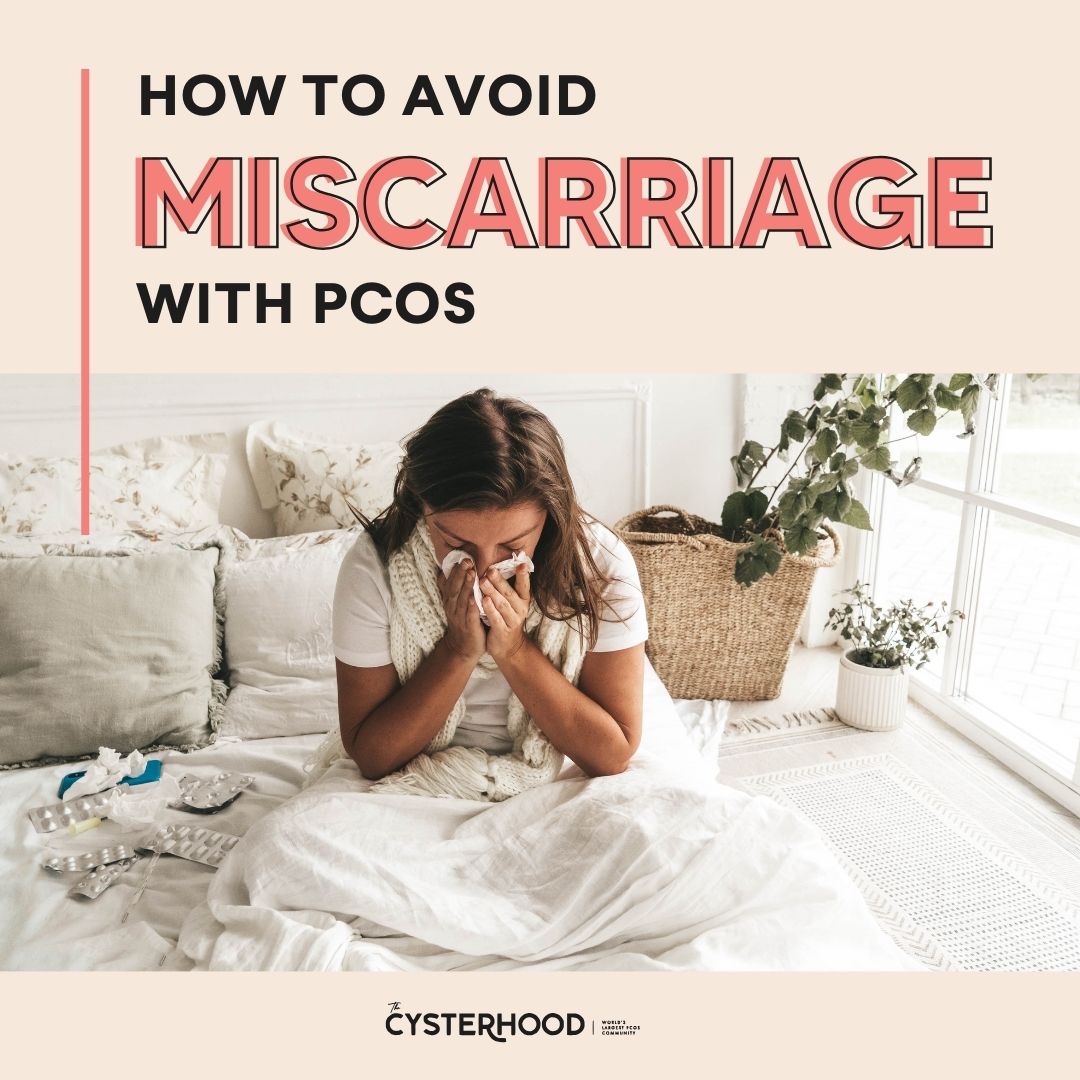
How To Avoid Miscarriage With PCOS
Before you can start taking steps to have a healthier and more successful pregnancy, you need to understand how PCOS affects pregnancy in the first place. Knowing where your body may need extra support will help you fill those gaps and potentially help you prevent miscarriages.
*Remember, miscarriages don’t always have a cause, and no matter what, don’t blame yourself for your miscarriage. Your condition is not your fault and oftentimes when miscarriages occur, they can’t be 100% explained or attributed to a single cause. So, don’t overthink this or let yourself harbor any guilt if the outcome is negative. You are doing your best!

How Can PCOS Cause Miscarriage
Though polycystic ovary syndrome (PCOS) doesn’t directly cause miscarriage, the way it impacts your body can make a less than favorable place for a fetus to thrive. This is due mostly to hormonal imbalances that can cause high levels of androgens (male sex hormones) and luteinizing hormone (LH). Higher levels of these hormones can prevent your body from achieving the balance it needs to create a healthy mature egg and support the growth of a fetus.
Insulin resistance is another contributing factor that many women with PCOS deal with daily. This is when your body doesn’t process glucose into energy, but instead stores it as fat and it’s absorbed into the bloodstream. This can increase your risk of gestational diabetes and obesity (which makes pregnancy complications more likely) and actually impacts your endometrial lining. Without a thick and healthy uterine lining, implantation can be difficult, increasing the risk of early miscarriages.
The link between PCOS and miscarriage isn’t direct, however, the issues of imbalanced insulin levels and hormone levels that come with PCOS can worsen your reproductive and metabolic health, increasing your risk of miscarriage. But, we can naturally improve hormone balance and insulin sensitivity to relieve your PCOS symptoms and reduce those increased risks of miscarriage!
How To Prevent Miscarriage With PCOS
Try a gluten and dairy-free diet.
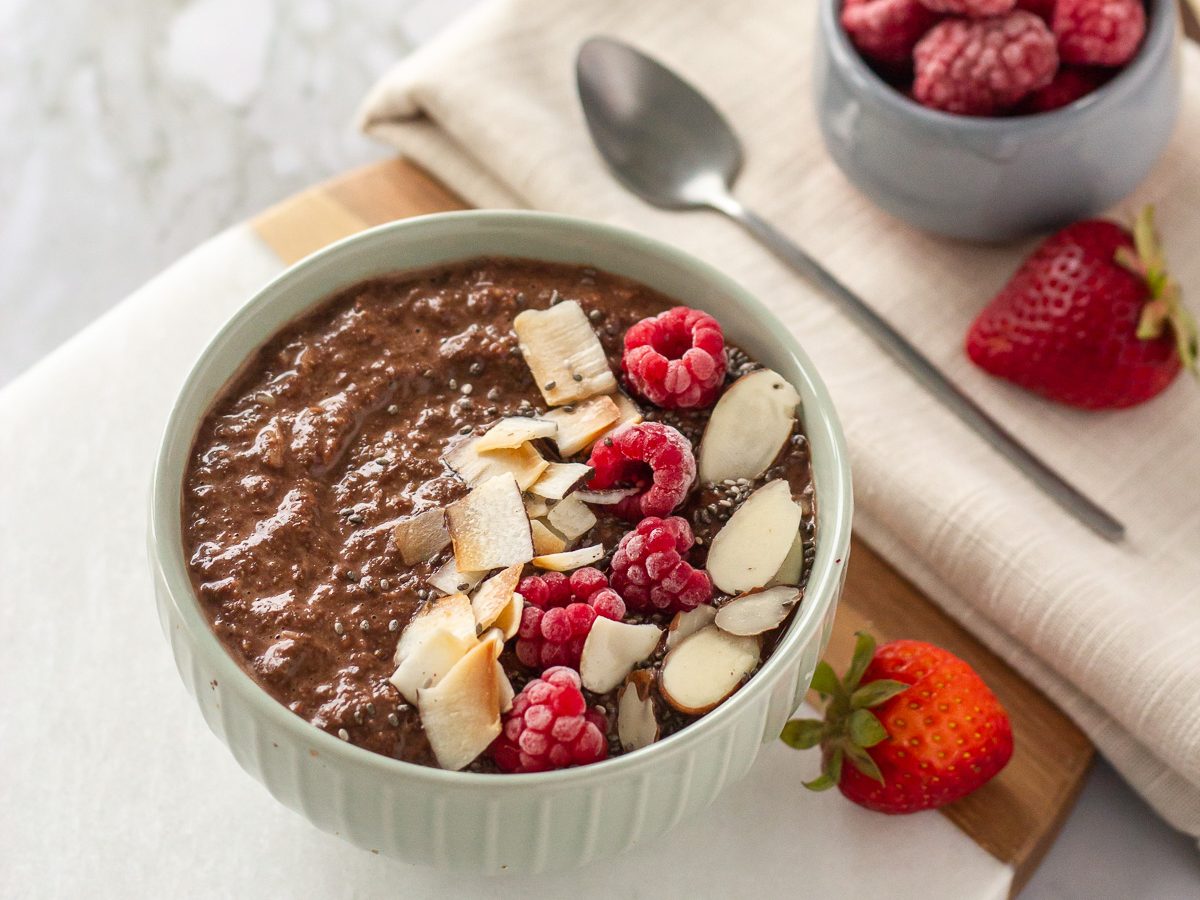
An intentional, balanced diet can help boost insulin sensitivity and balance hormones! I recommend trying a gluten- and dairy-free anti-inflammatory diet that’ll support your PCOS body all around by reducing inflammation. Try it for 30 days to see if your symptoms improve. And, yes, I know that cravings during pregnancy can be INTENSE and food aversions can make things difficult too, however, a PCOS diet doesn’t have to be restrictive. I recommend swapping the ingredients of your favorite meals with PCOS-friendly alternatives, that way you get the best of both worlds.
Whether you’re craving ice cream or pizza . . . or you can only stomach oatmeal I have delicious and healthy PCOS-friendly versions of meals, snacks, and desserts on The Cysterhood app!
Find an exercise schedule that works for you.
Doing slow, weighted exercises is also key to reducing insulin levels and balancing hormones! It can even be stress-relieving, and keeping our cortisol levels low is important for healthy pregnancies. Although the workouts we recommend are low intensity, it’s recommended you don’t start any new exercises when you’re pregnant. We recommend talking to your doctor about which exercise movements are right for your pregnancy.
Walking is another incredible workout option, both for you mind and body! And if you need guidance on slow, weighted workouts, you can find a catalog of workout plans and videos on the app. Here’s more on the dos and don’ts of PCOS workouts.

Take a good quality multivitamin.
One of the first things you do when you get pregnant is jump on a multivitamin if you’re not already! It helps fill nutrition gaps that may be preventing your body from running optimally. Because having PCOS means that we already have nutrient deficiencies, these gaps may be contributing to our hormonal imbalances and insulin resistance. Talk to your doctor before starting any new vitamins. Check out the MetaMulti from Ovafit. It’s made specifically to fill the nutrient gaps of PCOS and includes some of the essential vitamins for pregnancy like iron and folic acid!

Practice self-care and stress management.
It’s no secret that high stress increases the risk of miscarriage in women. High stress can aggravate hormone imbalance, raise blood pressure, hinder immune function, and worsen insulin resistance. None of that is good for PCOS symptoms or a healthy pregnancy!
Practice stress management by getting out in nature, regularly meditating, engaging in your hobbies, spending time with those you love, and getting plenty of quality sleep. Keeping our cortisol levels as low as possible is essential!
Stay hydrated.
Hydration is another key component of any healthy pregnancy. It helps with amniotic fluid production, nutrient transport to the baby, oxygen delivery to the baby, temperature regulation, and hormone balance. Plus, dehydration can cause pregnancy complications, including miscarriage, if it’s severe enough or there are other mitigating factors. So, stay hydrated to help you reduce your risk!
Prioritize your prenatal care.
The most important step is to see a good OBGYN right away. Make sure you’re seeing someone who listens to you, understands your condition, and will help ease any anxiety or worries through specialized care. Your doctor can help monitor your baby’s health and keep you both on the right track.
To reduce the chance of miscarriage, work on healing your PCOS body naturally!
PCOS is connected to a lot of chronic symptoms and can worsen reproductive health. That means getting pregnant and staying pregnant is a struggle for many women with PCOS. However, with the right lifestyle changes, you can heal your PCOS, reduce your symptoms, and increase your chances of having a successful pregnancy.
For more on pregnancy and PCOS, check out these posts and podcast episodes:
Feeling lost with PCOS?
Find out your PCOS type and get your next steps in under 2 minutes.
Find My PCOS Type →