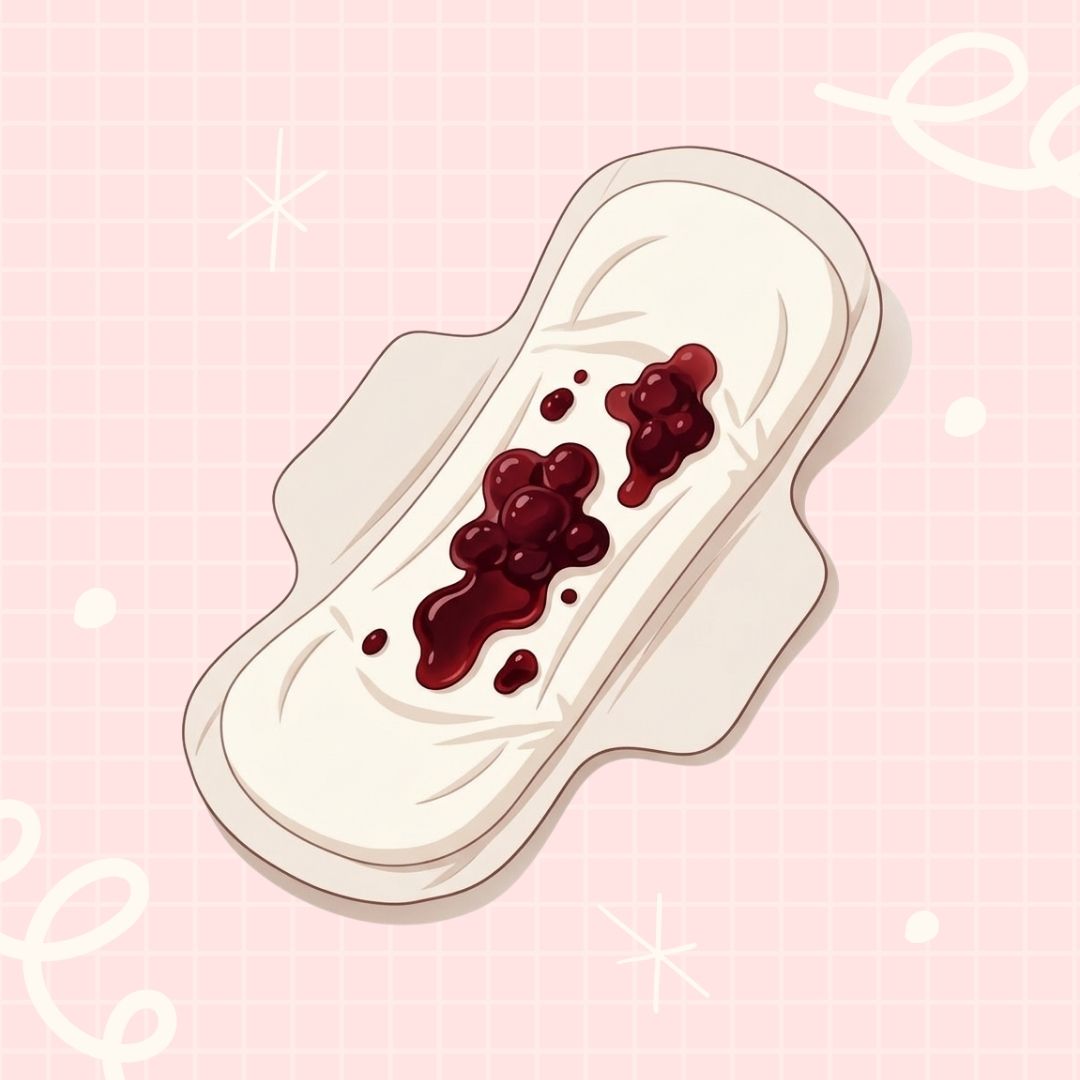

People often think of irregular periods when someone mentions polycystic ovary syndrome (PCOS). After all, it is one of the most well-known symptoms. However, not many people realize that “irregular” doesn’t just mean delayed or off-schedule. Periods with PCOS can also be irregularly painful and heavy.
Women with PCOS often have periods so heavy that they produce blood clots. And most of the time, this can result from insulin resistance, chronic inflammation, or higher estrogen levels. However, while this is common for Cysters, blood clotting shouldn’t be ignored.
In this post, I’m going to discuss a few different potential reasons why PCOS causes blood clots. Afterwards, I’ll give you effective solutions for reducing clotting, lightening flow, easing pain, and regulating your menstrual cycle. Because when you understand what’s happening in your body, you can take the right steps to support it.

PCOS Blood Clots: Why They Happen and How to Prevent Them
It’s true that menstrual flow varies from person to person, but some women with PCOS experience much heavier bleeding than average. This is because imbalances in key hormones can set off a chain reaction that disrupts the normal menstrual cycle. The result can be irregular or absent periods, inconsistent ovulation, more painful cycles, and heavier bleeding that often includes blood clots.
For a deeper dive on all things polycystic ovary syndrome and the menstrual cycle, read my post “What Are Periods Like with PCOS?” It breaks down what women can expect from menstruation with this hormonal condition. But today, I want to focus specifically on blood clotting—why it happens, when to be concerned, and how to address it.
Here’s what you need to know:
Are Blood Clots Normal with PCOS?
Yes. Blood clots during menstruation are fairly common in women (even those without PCOS) especially in those with a heavier flow. During a typical period, bleeding is usually light enough to flow continuously. However, a heavier flow, like some with PCOS experience, can sometimes be heavy enough that blood pools in the uterus or vagina before it’s shed. When this happens, it has time to coagulate and form clots. This is why you may notice clots ranging from about the size of a dime to a quarter during your period.
If clots stay within that size range, they’re generally not a cause for concern from a medical perspective. That said, consistently heavy bleeding and frequent clotting aren’t considered part of a well-regulated cycle. The good news is there are ways to support more balanced periods—I’ll get to that a little later! For now, here’s more on PCOS period bleeding.
While small clots aren’t usually a reason to stress, there are times when clotting can be a sign that something isn’t right. Here’s when to call your doctor:
When to Worry About Blood Clots During Period with PCOS
- Passing clots larger than a quarter regularly: Small clots can be normal, but passing large clots may signal excessive blood loss and should be evaluated.
- Soaking through a pad or tampon every 1–2 hours: If you’re consistently soaking through a large pad or tampon in under two hours, it may be time to contact a medical professional.
- Bleeding between periods or after sex: Spotting outside of your cycle isn’t normal and can point to hormonal imbalances, polyps, or other uterine concerns.
- Clotting paired with a foul odor or unusual discharge: This could indicate an infection and should be evaluated by your doctor.
- Showing signs of anemia (pale skin, headaches, rapid heartbeat): Fatigue isn’t abnormal during a period. However, if it’s paired with these other symptoms, it could be a sign that your body may be struggling to keep up with blood loss.
- Suddenly irregular or heavy periods: A noticeable shift from your usual pattern (even with PCOS) can signal something new going on that you shouldn’t ignore.
What Do PCOS Blood Clots Look Like?
Blood clots are dark red or deep brown and have a thick, gel-like texture. They usually range in size from about 1 to 2.5 cm. Generally, when they’re darker in color, this can be a result of older blood that’s pooled and oxidized. Essentially, it means the blood has taken longer to leave the body.
It’s not abnormal for women on their period, even if they don’t have PCOS, to experience clotting at times. However, PCOS blood clots often appear larger due to delayed shedding of the uterine lining. It’s also important to differentiate between blood clots, tissue fragments, and spotting. Because while they may look or seem similar, they’re distinctly different! Here’s a brief breakdown:
- Clotting is often gel-like, slimy, and dark red, burgundy, dark brown, or even black. This happens when blood pools and clots, typically during heavy menstruation. For women with PCOS, clots can be larger than a quarter.
- Tissue fragments are firm, stringy, or sometimes solid. They’re gray, pink, or white, and typically appear in small amounts. They’re primarily a result of estrogen dominance, leading to a thickened uterine lining that often sheds unevenly.
- Spotting typically resembles light bleeding. It can be pink, brown, or brownish-red, and it’s often mixed with discharge. This can occur due to hormone fluctuations either between cycles or as a “replacement” of a typical cycle.
When you know how to spot what you’re experiencing, it becomes easier to understand what your body is trying to tell you—and when it may need extra support.
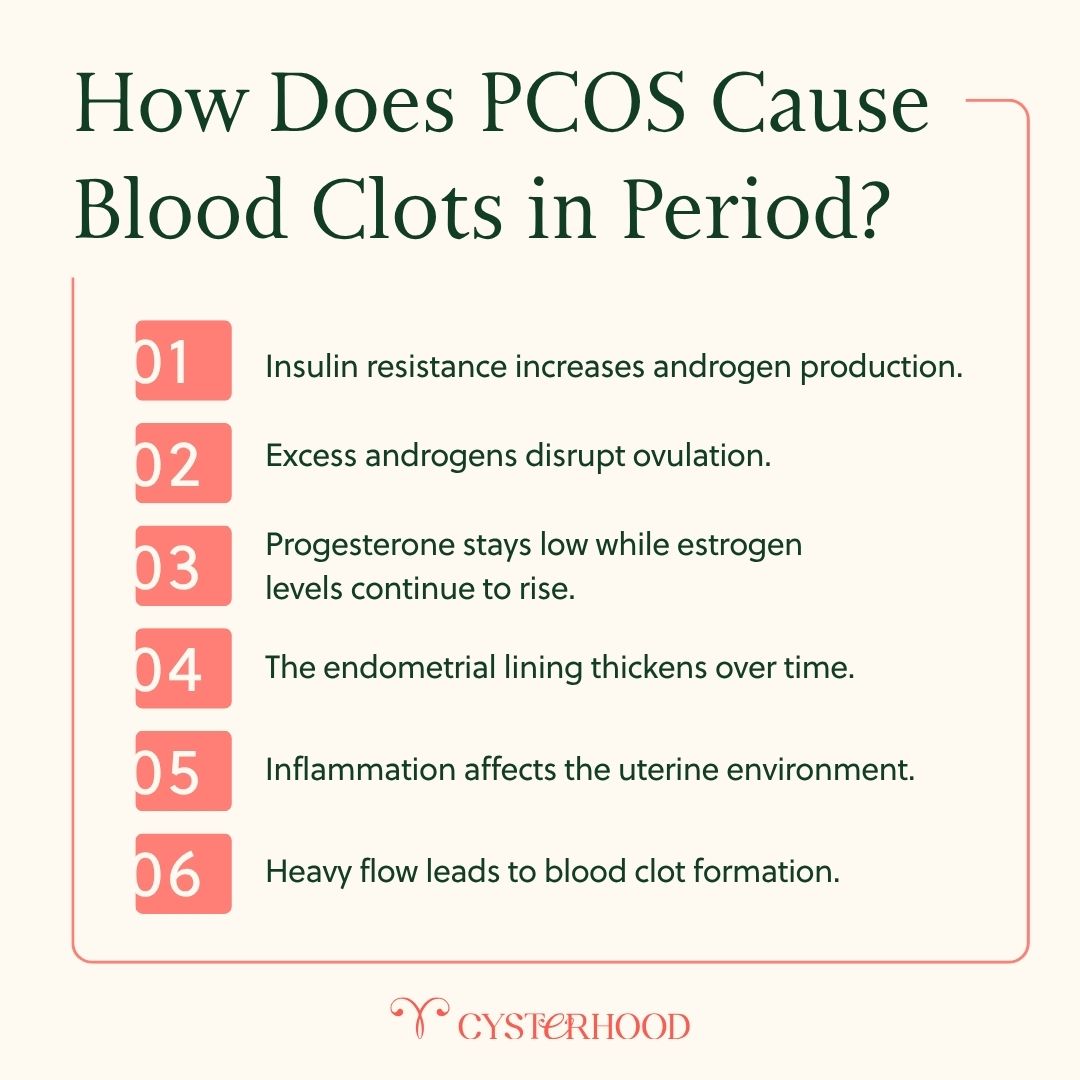
How Does PCOS Cause Blood Clots in Period?
Step One: Insulin resistance increases androgen production.
Up to 80% of women with PCOS have insulin resistance. It’s one of the main drivers of metabolic and hormone disruption in a Cyster’s body. Insulin resistance happens when your cells don’t properly convert glucose into energy. Instead, more glucose stays in the bloodstream, and your body stores excess as fat. To compensate, your pancreas pumps out even more insulin.
High insulin levels can lead to symptoms like weight gain, sugar cravings, and fatigue—but they don’t just affect your metabolism. Chronically elevated insulin also signals the ovaries to produce more androgens (male sex hormones). While we need small amounts of androgens for balance, too much can disrupt a healthy menstrual cycle.
Step Two: Excess androgens disrupt ovulation.
Too many androgens can interfere with proper egg development. In a typical cycle, one follicle matures, releases an egg during ovulation, and the cycle progresses normally. However, with elevated androgens, sometimes multiple follicles try to develop at the same time, but none mature appropriately.
The result? Polycystic ovaries. (Hence the name of the condition.) Because no single egg reaches full maturity, the body doesn’t get the signal to ovulate. That means delayed or totally absent ovulation, which also delays your period.
Step Three: Progesterone stays low while estrogen levels continue to rise.
As follicles develop, estrogen levels rise. Estrogen helps support egg development and builds up the lining of the uterus in preparation for a possible pregnancy. In a healthy cycle, ovulation triggers progesterone production, which signals the body to shed the uterine lining. (Assuming there’s no pregnancy.) But without ovulation, progesterone stays low. Estrogen, on the other hand, continues to circulate without that natural balance.
Step Four: The endometrial lining thickens over time.
Because estrogen remains elevated for longer than it should, the uterine lining just keeps growing. And remember—this lining is what sheds during your period. So when your body finally does trigger bleeding, there’s a lot more tissue to get rid of than usual. That excess buildup can lead to heavier bleeding, more intense cramping, and the formation of blood clots.
Step Five: Inflammation affects the uterine environment.
While excess lining plays a major role, inflammation is another piece of the puzzle. Many women with PCOS have chronic low-grade inflammation. This can make these blood vessels more fragile and reactive, increasing blood flow and making bleeding heavier. It can also affect how efficiently the body regulates clotting and tissue breakdown, contributing to thicker, more noticeable clots during your period.
Step Six: Heavy flow leads to blood clot formation.
With heavier bleeding, the body’s natural anticoagulants (which normally keep blood flowing smoothly) can’t keep up. When blood moves too quickly or pools in the uterus, it has more time to thicken. As a result, the blood coagulates and forms clots before it leaves the body.
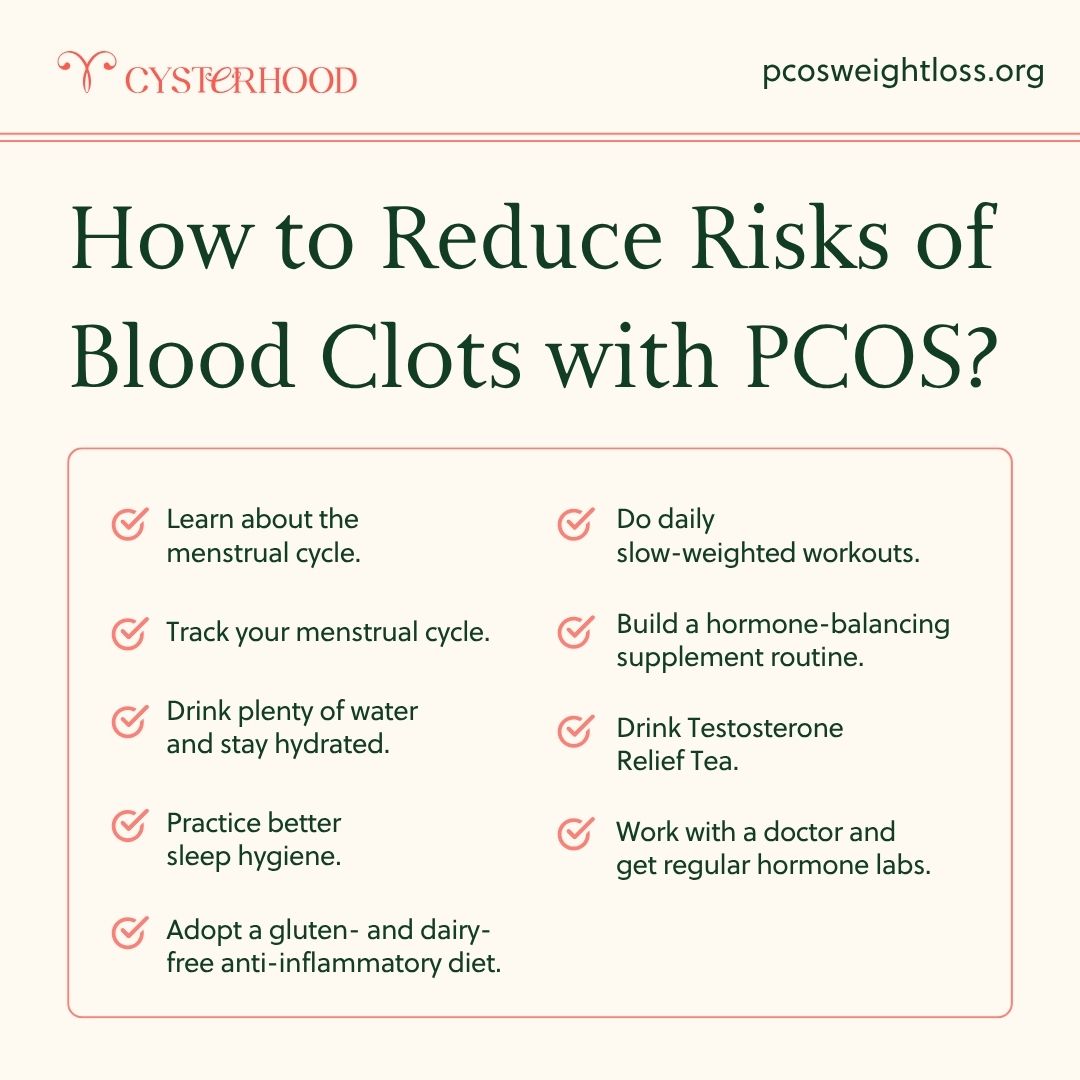
How to Reduce Risks of Blood Clots with PCOS?
As I mentioned earlier, you shouldn’t accept clots of any size as “normal.” A healthy menstrual cycle should include light to moderate flow, minimal pain, and consistent timing.
To address irregular periods and ovulation issues, you don’t need to jump straight to hormonal birth control pills or medications like metformin. When you understand the root issues (insulin resistance, inflammation, and hormonal imbalances), you can start supporting your body in a more natural, sustainable way.
By targeting these underlying risk factors, you can regulate your cycle and reduce the likelihood of heavy bleeding and clot formation in the future!
Here’s what you need to do:
Learn about the menstrual cycle.
First things first: learn about your reproductive system. Research shows that only 1 in 5 women feels well-informed about their menstrual cycle. Knowing this, there’s no shame if this is your first time really understanding how your body works! That said, knowing what’s happening (and when) makes it much easier to improve symptoms and track your progress.
Want to know where to start? Read my post on the four stages of the menstrual cycle.
Track your menstrual cycle.
Next, track your menstrual cycle! More specifically, note when you ovulate and when you have your periods. This will help you see where you are now and map how your regularity improves as you heal. Tracking your period is easy, but here’s a guide on how to track ovulation with irregular periods.
To keep track of both, we recommend using an app that makes it easier to see patterns! This can help you successfully predict the next stage.
Drink plenty of water and stay hydrated.
Hydration is key to every system in your body—including your reproductive system. Staying hydrated can help prevent clots in a super direct way. When you’re dehydrated, your blood becomes more concentrated and thicker, making it easier for clots to form. On the other hand, proper hydration supports healthy blood volume and smoother flow.
Practice better sleep hygiene.
Sleep is essential for hormone balance. Research shows that women who don’t get enough quality sleep have higher androgen levels, increased insulin resistance, and more inflammation. All these contribute to blood clots and other PCOS symptoms. Prioritize consistent, high-quality sleep, especially around your cycle, to support more regular ovulation and hormone regulation.
Read “How to Get Better Sleep with PCOS” for the best ways to get better rest.
Adopt a gluten- and dairy-free anti-inflammatory diet.
A strategic, PCOS-friendly diet is one of the most effective ways to manage insulin resistance. Remember, that is where a lot of this irregularity starts. Adopt a gluten- and dairy-free, anti-inflammatory diet that prioritizes protein, healthy fats, and fiber. Mindful, intentional food choices can improve insulin sensitivity, reduce inflammation, and support better hormone balance overall.
If you want to go the extra mile, here’s what to eat during each phase of the menstrual cycle.
Do daily slow-weighted workouts.
Diet is important, but movement is the next biggest lever for improving insulin resistance, inflammation, and hormone balance. Studies show that regular exercise can help address all the root issues behind blood clots and PCOS symptoms. Focus on slow-weighted workouts or more mindful forms of movement that build strength, improve insulin sensitivity, and regulate hormones without overstressing your body.
For the best PCOS-friendly workout routines and recipes, download The Cysterhood app.
Build a hormone-balancing supplement routine.
Supplements can help fill nutrient gaps that may be contributing to blood clots and other period-related symptoms. A targeted, high-quality supplement routine for PCOS can support hormone balance, insulin sensitivity, and inflammation.
Here are a few worth talking to talk to your doctor about:
Drink Testosterone Relief Tea.
Androgens are one of the main hormones disrupting normal ovulation. To help lower these levels, consider drinking Ovafit’s Testosterone Relief Tea twice daily. It blends science-backed, natural herbs that support hormone balance and help reduce inflammation.
Work with a doctor and get regular hormone labs.
One of the best ways to track your progress is through regular hormone testing. Seeing your levels over time gives you a clearer picture of what’s improving and what still needs support. It also helps you and your doctor make more informed decisions about your treatment plan. This way, you’re not just guessing—you’re adjusting based on real data.
Blood clots may be common with PCOS—but don’t accept them as normal.
If your periods feel heavy, painful, or unpredictable, it’s time to have a talk with your doctor! Your cycle is one of the clearest reflections of your internal health. When you begin supporting it properly, you’re addressing what’s happening at the root. And over time, those small lifestyle changes can add up to significant symptom relief.