
🧬 What’s Your PCOS Type? Take the Quiz →

PCOS Blood Clots: Why They Happen and How to Prevent Them

People often think of irregular periods when someone mentions polycystic ovary syndrome (PCOS). After all, it is one of the most well-known symptoms. However, not many people realize that “irregular” doesn’t just mean delayed or off-schedule. Periods with PCOS can also be irregularly painful and heavy. 

Women with PCOS often have periods so heavy that they produce blood clots. And most of the time, this can result from insulin resistance, chronic inflammation, or higher estrogen levels. However, while this is common for Cysters, blood clotting shouldn’t be ignored. 

In this post, I’m going to discuss a few different potential reasons why PCOS causes blood clots. Afterwards, I’ll give you effective solutions for reducing clotting, lightening flow, easing pain, and regulating your menstrual cycle. Because when you understand what’s happening in your body, you can take the right steps to support it.

PCOS Blood Clots

PCOS Blood Clots: Why They Happen and How to Prevent Them

It’s true that menstrual flow varies from person to person, but some women with PCOS experience much heavier bleeding than average. This is because imbalances in key hormones can set off a chain reaction that disrupts the normal menstrual cycle. The result can be irregular or absent periods, inconsistent ovulation, more painful cycles, and heavier bleeding that often includes blood clots.

For a deeper dive on all things polycystic ovary syndrome and the menstrual cycle, read my post “What Are Periods Like with PCOS?” It breaks down what women can expect from menstruation with this hormonal condition. But today, I want to focus specifically on blood clotting—why it happens, when to be concerned, and how to address it.

Here’s what you need to know:

Are Blood Clots Normal with PCOS?

Yes. Blood clots during menstruation are fairly common in women (even those without PCOS) especially in those with a heavier flow. During a typical period, bleeding is usually light enough to flow continuously. However, a heavier flow, like some with PCOS experience, can sometimes be heavy enough that blood pools in the uterus or vagina before it’s shed. When this happens, it has time to coagulate and form clots. This is why you may notice clots ranging from about the size of a dime to a quarter during your period.

If clots stay within that size range, they’re generally not a cause for concern from a medical perspective. That said, consistently heavy bleeding and frequent clotting aren’t considered part of a well-regulated cycle. The good news is there are ways to support more balanced periods—I’ll get to that a little later! For now, here’s more on PCOS period bleeding

While small clots aren’t usually a reason to stress, there are times when clotting can be a sign that something isn’t right. Here’s when to call your doctor:

When to Worry About Blood Clots During Period with PCOS

  • Passing clots larger than a quarter regularly: Small clots can be normal, but passing large clots may signal excessive blood loss and should be evaluated.
  • Soaking through a pad or tampon every 1–2 hours: If you’re consistently soaking through a large pad or tampon in under two hours, it may be time to contact a medical professional. 
  • Bleeding between periods or after sex: Spotting outside of your cycle isn’t normal and can point to hormonal imbalances, polyps, or other uterine concerns.
  • Clotting paired with a foul odor or unusual discharge: This could indicate an infection and should be evaluated by your doctor. 
  • Showing signs of anemia (pale skin, headaches, rapid heartbeat): Fatigue isn’t abnormal during a period. However, if it’s paired with these other symptoms, it could be a sign that your body may be struggling to keep up with blood loss.
  • Suddenly irregular or heavy periods: A noticeable shift from your usual pattern (even with PCOS) can signal something new going on that you shouldn’t ignore.

What Do PCOS Blood Clots Look Like?

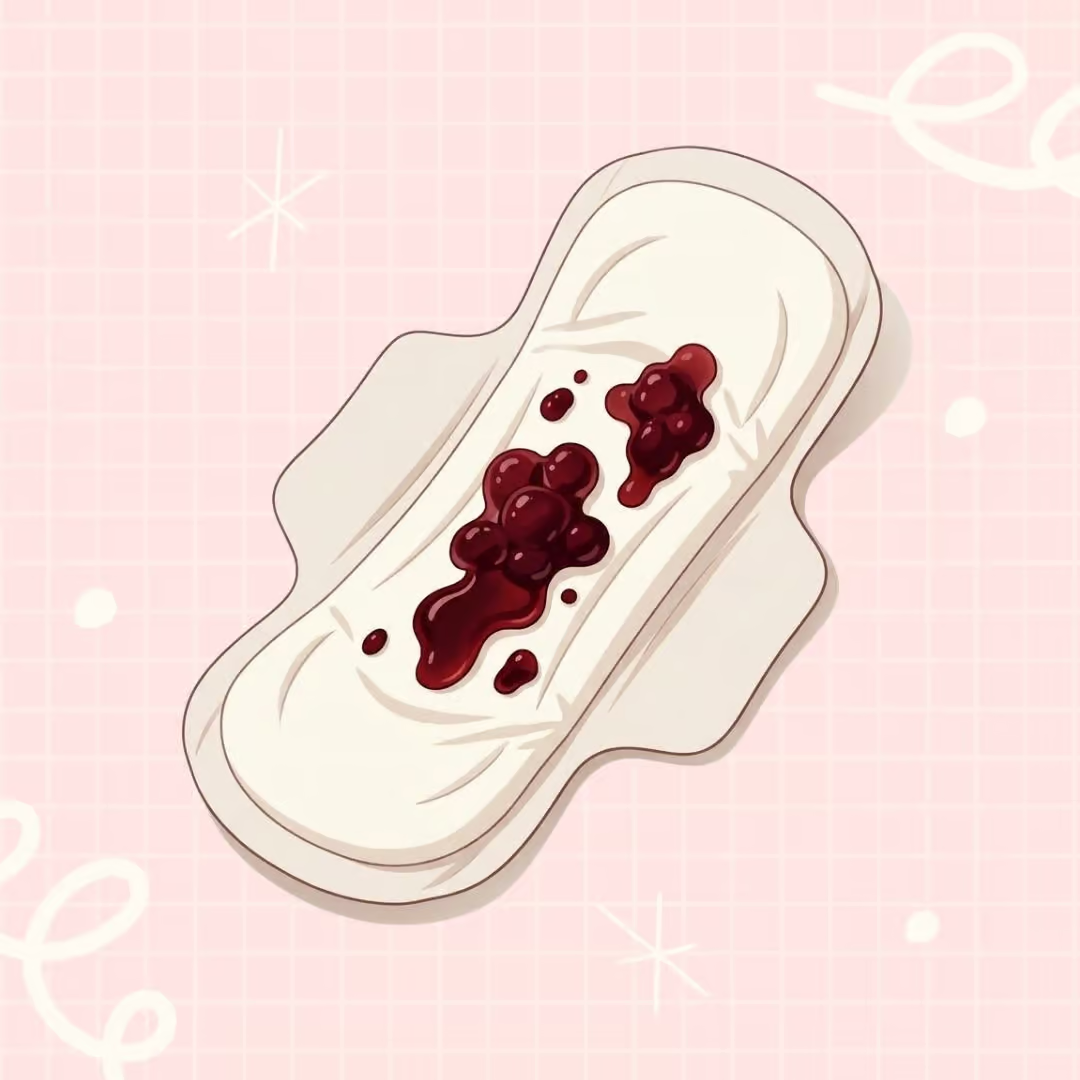
Blood clots are dark red or deep brown and have a thick, gel-like texture. They usually range in size from about 1 to 2.5 cm. Generally, when they’re darker in color, this can be a result of older blood that’s pooled and oxidized. Essentially, it means the blood has taken longer to leave the body. 

It’s not abnormal for women on their period, even if they don’t have PCOS, to experience clotting at times. However, PCOS blood clots often appear larger due to delayed shedding of the uterine lining. It’s also important to differentiate between blood clots, tissue fragments, and spotting. Because while they may look or seem similar, they’re distinctly different! Here’s a brief breakdown:

  • Clotting is often gel-like, slimy, and dark red, burgundy, dark brown, or even black. This happens when blood pools and clots, typically during heavy menstruation. For women with PCOS, clots can be larger than a quarter.
  • Tissue fragments are firm, stringy, or sometimes solid. They’re gray, pink, or white, and typically appear in small amounts. They’re primarily a result of estrogen dominance, leading to a thickened uterine lining that often sheds unevenly.
  • Spotting typically resembles light bleeding. It can be pink, brown, or brownish-red, and it’s often mixed with discharge. This can occur due to hormone fluctuations either between cycles or as a “replacement” of a typical cycle.

When you know how to spot what you’re experiencing, it becomes easier to understand what your body is trying to tell you—and when it may need extra support.

How Does PCOS Cause Blood Clots in Period

How Does PCOS Cause Blood Clots in Period?

Step One: Insulin resistance increases androgen production.

Up to 80% of women with PCOS have insulin resistance. It’s one of the main drivers of metabolic and hormone disruption in a Cyster’s body. Insulin resistance happens when your cells don’t properly convert glucose into energy. Instead, more glucose stays in the bloodstream, and your body stores excess as fat. To compensate, your pancreas pumps out even more insulin.

High insulin levels can lead to symptoms like weight gain, sugar cravings, and fatigue—but they don’t just affect your metabolism. Chronically elevated insulin also signals the ovaries to produce more androgens (male sex hormones). While we need small amounts of androgens for balance, too much can disrupt a healthy menstrual cycle.

Step Two: Excess androgens disrupt ovulation.

Too many androgens can interfere with proper egg development. In a typical cycle, one follicle matures, releases an egg during ovulation, and the cycle progresses normally. However, with elevated androgens, sometimes multiple follicles try to develop at the same time, but none mature appropriately. 

The result? Polycystic ovaries. (Hence the name of the condition.) Because no single egg reaches full maturity, the body doesn’t get the signal to ovulate. That means delayed or totally absent ovulation, which also delays your period.

Step Three: Progesterone stays low while estrogen levels continue to rise.

As follicles develop, estrogen levels rise. Estrogen helps support egg development and builds up the lining of the uterus in preparation for a possible pregnancy. In a healthy cycle, ovulation triggers progesterone production, which signals the body to shed the uterine lining. (Assuming there’s no pregnancy.) But without ovulation, progesterone stays low. Estrogen, on the other hand, continues to circulate without that natural balance.

Step Four: The endometrial lining thickens over time.

Because estrogen remains elevated for longer than it should, the uterine lining just keeps growing. And remember—this lining is what sheds during your period. So when your body finally does trigger bleeding, there’s a lot more tissue to get rid of than usual. That excess buildup can lead to heavier bleeding, more intense cramping, and the formation of blood clots.

Step Five: Inflammation affects the uterine environment.

While excess lining plays a major role, inflammation is another piece of the puzzle. Many women with PCOS have chronic low-grade inflammation. This can make these blood vessels more fragile and reactive, increasing blood flow and making bleeding heavier. It can also affect how efficiently the body regulates clotting and tissue breakdown, contributing to thicker, more noticeable clots during your period.

Step Six: Heavy flow leads to blood clot formation.

With heavier bleeding, the body’s natural anticoagulants (which normally keep blood flowing smoothly) can’t keep up. When blood moves too quickly or pools in the uterus, it has more time to thicken. As a result, the blood coagulates and forms clots before it leaves the body. 

How to Reduce Risks of Blood Clots with PCOS

How to Reduce Risks of Blood Clots with PCOS?

As I mentioned earlier, you shouldn’t accept clots of any size as “normal.” A healthy menstrual cycle should include light to moderate flow, minimal pain, and consistent timing.

To address irregular periods and ovulation issues, you don’t need to jump straight to hormonal birth control pills or medications like metformin. When you understand the root issues (insulin resistance, inflammation, and hormonal imbalances), you can start supporting your body in a more natural, sustainable way.

By targeting these underlying risk factors, you can regulate your cycle and reduce the likelihood of heavy bleeding and clot formation in the future!

Here’s what you need to do:

Learn about the menstrual cycle.

First things first: learn about your reproductive system. Research shows that only 1 in 5 women feels well-informed about their menstrual cycle. Knowing this, there’s no shame if this is your first time really understanding how your body works! That said, knowing what’s happening (and when) makes it much easier to improve symptoms and track your progress.

Want to know where to start? Read my post on the four stages of the menstrual cycle

Track your menstrual cycle.

Next, track your menstrual cycle! More specifically, note when you ovulate and when you have your periods. This will help you see where you are now and map how your regularity improves as you heal. Tracking your period is easy, but here’s a guide on how to track ovulation with irregular periods

To keep track of both, we recommend using an app that makes it easier to see patterns! This can help you successfully predict the next stage.

Drink plenty of water and stay hydrated. 

Hydration is key to every system in your body—including your reproductive system. Staying hydrated can help prevent clots in a super direct way. When you’re dehydrated, your blood becomes more concentrated and thicker, making it easier for clots to form. On the other hand, proper hydration supports healthy blood volume and smoother flow.

Practice better sleep hygiene. 

Sleep is essential for hormone balance. Research shows that women who don’t get enough quality sleep have higher androgen levels, increased insulin resistance, and more inflammation. All these contribute to blood clots and other PCOS symptoms. Prioritize consistent, high-quality sleep, especially around your cycle, to support more regular ovulation and hormone regulation.

Read “How to Get Better Sleep with PCOS” for the best ways to get better rest. 

Adopt a gluten- and dairy-free anti-inflammatory diet.

A strategic, PCOS-friendly diet is one of the most effective ways to manage insulin resistance. Remember, that is where a lot of this irregularity starts. Adopt a gluten- and dairy-free, anti-inflammatory diet that prioritizes protein, healthy fats, and fiber. Mindful, intentional food choices can improve insulin sensitivity, reduce inflammation, and support better hormone balance overall.

If you want to go the extra mile, here’s what to eat during each phase of the menstrual cycle

Do daily slow-weighted workouts.

Diet is important, but movement is the next biggest lever for improving insulin resistance, inflammation, and hormone balance. Studies show that regular exercise can help address all the root issues behind blood clots and PCOS symptoms. Focus on slow-weighted workouts or more mindful forms of movement that build strength, improve insulin sensitivity, and regulate hormones without overstressing your body.

For the best PCOS-friendly workout routines and recipes, download The Cysterhood app. 

Build a hormone-balancing supplement routine.

Supplements can help fill nutrient gaps that may be contributing to blood clots and other period-related symptoms. A targeted, high-quality supplement routine for PCOS can support hormone balance, insulin sensitivity, and inflammation.

Here are a few worth talking to talk to your doctor about:

Drink Testosterone Relief Tea.

Androgens are one of the main hormones disrupting normal ovulation. To help lower these levels, consider drinking Ovafit’s Testosterone Relief Tea twice daily. It blends science-backed, natural herbs that support hormone balance and help reduce inflammation.

Work with a doctor and get regular hormone labs.

One of the best ways to track your progress is through regular hormone testing. Seeing your levels over time gives you a clearer picture of what’s improving and what still needs support. It also helps you and your doctor make more informed decisions about your treatment plan. This way, you’re not just guessing—you’re adjusting based on real data.

Blood clots may be common with PCOS—but don’t accept them as normal. 

If your periods feel heavy, painful, or unpredictable, it’s time to have a talk with your doctor! Your cycle is one of the clearest reflections of your internal health. When you begin supporting it properly, you’re addressing what’s happening at the root. And over time, those small lifestyle changes can add up to significant symptom relief. 

Can PCOS Be Cured? Understanding PCOS Treatment Options

Polycystic ovary syndrome (PCOS) is one of the most common conditions women face worldwide. In fact, it’s estimated that around 6 million women in the United States have PCOS. But, despite its prevalence, researchers don’t know what causes it or exactly how to fix it. Because of this, doctors often simply tell women with PCOS to lose weight or commit to prescriptions like metformin until menopause. 

Essentially, Cysters are told there are no options and that the symptoms of PCOS are inevitable, chronic, and permanent. But is that really true?

If you’ve been diagnosed with PCOS here’s what you need to know about treatment options and long-term relief:

Can PCOS Be Cured? Understanding PCOS Treatment Options

Can PCOS Be Cured? Understanding PCOS Treatment Options

Getting a PCOS diagnosis isn’t always easy. Some research even estimates that up to 70% of women with PCOS may go undiagnosed. There are lots of reasons for that, but it means the first big hurdle of managing PCOS is identifying it in the first place. It often involves making sense of symptoms, bloodwork, ultrasounds, and more.

I’ve discussed how healthcare professionals diagnose PCOS before. But my point is this: the condition is difficult from the start. Because once you finally get that confirmation that you do have polycystic ovary syndrome (PCOS), many doctors don’t have the training or tools to actually help you address the root cause.

But let this post be your hope. There is a way to heal your symptoms and reverse PCOS that doesn’t involve invasive procedures, lifelong medication, or just masking symptoms with quick fixes. Before we get into that, though, let’s first break down what PCOS is, what causes it, and what the risks are if it goes unmanaged.

What Is PCOS?

Polycystic ovary syndrome or polycystic ovarian syndrome (PCOS) is a hormonal condition that affects women of reproductive age. It’s driven by insulin resistance, chronic inflammation, and, of course, hormone imbalances. Women with PCOS often experience imbalances in cortisol, thyroid hormones, estrogen, progesterone, luteinizing hormone (LH), follicle-stimulating hormone (FSH), and androgens.

All of this can have a big impact on the metabolism and reproductive system, leading to symptoms like weight gain, irregular periods, infertility, mood swings, and sleep issues. Those high androgens can even lead to cosmetic symptoms like excess hair growth and acne! As you can see, PCOS is a full-body condition. Despite what the name suggests, it’s not just an issue with the ovaries. 

Since PCOS affects so many systems in the body, the list of chronic symptoms can feel totally overwhelming. This can lower a Cyster’s quality of life significantly and lead to mental health struggles along the way. If you’re like I was, finding treatment wasn’t optional—it was essential to my well-being. 

Curious about what I went through—and how I got to the other side? Here’s more about my (Tallene’s) journey with PCOS. And, for a deeper dive, read my post titled “What is PCOS?”

Common Symptoms of PCOS

Symptoms of PCOS

  • Irregular periods
  • Missing periods (amenorrhea)
  • Very heavy periods
  • Painful periods
  • Difficulty ovulating
  • Infertility or trouble getting pregnant
  • Ovarian cysts
  • Pelvic pain or lower abdominal pain
  • Hormonal acne
  • Oily skin
  • Excessive hair growth on the face, chest, stomach, or back
  • Thinning hair or hair loss on the scalp
  • Male-pattern hair loss
  • Weight gain
  • Difficulty losing weight
  • Belly or abdominal weight gain
  • Insulin resistance
  • Blood sugar crashes
  • Sugar or carbohydrate cravings
  • Fatigue or low energy
  • Brain fog
  • Mood swings
  • Anxiety
  • Depression
  • Irritability
  • Poor sleep
  • Sleep apnea
  • Bloating
  • Digestive issues
  • Chronic inflammation
  • Darkened skin patches (acanthosis nigricans)
  • Skin tags
  • Headaches or migraines
  • Joint pain
  • Water retention or swelling
  • Low libido

What Causes PCOS?

No one knows exactly what causes PCOS. As far as researchers can tell, it’s not one single issue—it’s a combination of underlying imbalances working together.

One of the most prominent drivers is insulin resistance, which is when your body doesn’t process glucose efficiently. Instead of using it for energy, your body stores more of it as fat and leaves excess sugar circulating in the bloodstream.

As a result, your body produces more insulin to keep up. Those elevated insulin levels can trigger your ovaries to produce more androgens, which can then fuel inflammation. The result? Other hormones become imbalanced too, which worsens insulin resistance and creates a frustrating cycle that’s hard to break.

Now layer on lifestyle and environmental factors like poor sleep, chronic stress, lack of movement, and a highly processed diet, and PCOS becomes a perfect storm of hormonal dysfunction. On top of that, research suggests genetics plays a role as well.

But here’s where it gets tricky: what comes first—the PCOS or the dysfunction? It’s a bit of a chicken-and-egg situation. And because medical professionals don’t fully understand the initial trigger, there’s no official “cure.”

Is There a Cure for PCOS?

Not officially. There’s no single treatment or procedure that can completely undo PCOS or put it into permanent remission. Often, doctors recommend hormonal birth control pills or a diabetes medication called metformin. These prescriptions can help regulate hormones and improve insulin sensitivity, which may ease certain symptoms. However, they don’t address the root cause. And for many women, once they stop medication, symptoms return.

I actually discuss this further in my posts, “Pros and Cons of Metformin for PCOS” as well as “What Does Metformin Do for PCOS?” And if you really want to deep dive, listen to “PCOS & Birth Control” from my podcast, A Cyster & Her Mister!

That said, there is a way to reliably improve—and even reverse—your PCOS symptoms. You can naturally break that cycle of insulin resistance → hormonal imbalance → inflammation. How? By making a few strategic lifestyle changes that actually get to the root of the problem. Once you break one link in the chain, everything falls into balance. And, as long as you maintain those habit changes, you can find permanent symptom relief and PCOS healing. 

For a full breakdown, read my essential guide to managing PCOS naturally

What Happens If PCOS Is Untreated?

If PCOS goes untreated, it can significantly decrease your quality of life and lead to long-term complications. The health conditions stemming from PCOS can not only add to day-to-day struggles, but some of them can actually put your life at risk. I don’t say this to intimidate or scare you! However, knowledge is power—and the first step to relief is understanding why it matters.

Can PCOS Be Left Untreated?

You shouldn’t leave polycystic ovary syndrome (PCOS) untreated. When you don’t address the underlying imbalances, the issues can increase your risk of developing other health conditions, including:

Mental Health Challenges 

Hormonal imbalances, blood sugar instability, and chronic inflammation can all impact brain chemistry. This can increase your risk of anxiety, depression, mood swings, and low motivation. On top of that, dealing with symptoms like weight gain, acne, or infertility can take a big emotional toll. 

Here’s more on PCOS and mental health

Sleep Disorders 

Researchers have linked PCOS to insulin resistance and weight gain, both of which can increase the risk of sleep issues like insomnia or sleep apnea. Hormonal imbalances (like elevated cortisol) can also disrupt your natural sleep-wake cycle, making it harder to get quality rest.

Irregular or Absent Periods

Since PCOS results in elevated androgen levels (male sex hormones), it can completely throw off the menstrual cycle. Those androgens prevent or delay ovulation, meaning periods can be unpredictable or absent altogether.  

Endometrial Hyperplasia and Cancer

Without regular ovulation, progesterone levels stay low while estrogen remains relatively high. This can cause the uterine lining to build up over time, increasing the risk of endometrial hyperplasia and, in more severe cases, endometrial cancer.

Infertility and Frequent Miscarriages 

If you’re not ovulating or you’re ovulating at unpredictable times, conceiving can be really difficult. And even once you do conceive, sustaining pregnancy can be challenging with unresolved hormonal imbalances, inflammation, and insulin resistance. This can result in the inability to get pregnant or frequent miscarriages.

If you’re struggling with this, I see you. Listen to the episode of A Cyster and Her Mister called “Overcoming Miscarriage and Infertility for PCOS with Laura Fletcher.” 

Type 2 Diabetes

Insulin resistance is the core driver of PCOS, and it’s also a key driver behind type 2 diabetes. If left unmanaged, elevated blood sugar and insulin levels can progress into type 2 diabetes over time. In fact, women with PCOS are up to four times more likely to develop type 2 diabetes than those without it.

Metabolic Syndrome

PCOS increases the likelihood of a cluster of metabolic issues, including high blood sugar, high blood pressure, abnormal cholesterol levels, and excess abdominal fat—all of which raise the risk of chronic disease. Here’s more on PCOS and metabolic syndrome

Obesity 

Hormonal imbalances and insulin resistance make it easier for your body to store fat and much harder to burn it. On top of that, these root issues can trigger intense sugar cravings, increased hunger, and low energy levels, which make weight loss extremely difficult. Over time, this can lead to excessive weight gain.

Cardiovascular Disease 

Over time, the combination of insulin resistance, inflammation, high cholesterol, and high blood pressure can increase the risk of heart disease and other cardiovascular issues. Research shows that women with PCOS are 30-80% more likely to develop cardiovascular disease compared to women without PCOS.

How to Treat PCOS for Long-Term Symptom Relief

How to Treat PCOS for Long-Term Symptom Relief

Step One: Learn your current hormone levels and inflammatory markers. 

Before starting your healing journey, you need to get your official PCOS diagnosis. This usually involves a review of your medical history, a physical exam (sometimes a pelvic exam), and an ultrasound. See a doctor who specializes in women’s health, like an OB-GYN, reproductive endocrinologist, or a functional or integrative medical doctor with a background in PCOS.

The blood tests will be key. Not only will they help you definitely know if you have PCOS, but they’ll also help you understand what issues need your attention first. For most women, balancing androgens and insulin is a great place to start! 

If you’d rather do blood work privately, here’s a discount on these hormone tests from Equilife!

Step Two: Adopt a PCOS-friendly diet and be mindful of your eating habits. 

Your eating habits are among the most important steps toward PCOS healing. Changing what and how you eat can have a huge impact on metabolic, hormonal, and inflammatory issues—all drivers of PCOS! Making improvements to your diet can not only help you lose weight but also support whole-body symptom relief. 

Start with one habit change at a time, but here are the changes I recommend:

  • Adopt a gluten- and dairy-free anti-inflammatory diet.
  • Avoid big gaps between meals—aim to eat 3-4 times a day.
  • Cut down on sugary drinks, processed foods, and refined carbs. 
  • Eat balanced meals with plenty of protein, healthy fats, and fiber.
  • Use Ovafit’s Crave Control Protein Powder to hit your protein macros and fight cravings. 
  • Support gut health with fermented foods like kimchi, tempeh, and kombucha. 
  • Prioritize hydration by drinking plenty of water and electrolytes.  

Step Three: Take supportive supplements to fill nutrient gaps. 

Even if you are super intentional about your PCOS diet, you’ll still have nutrient gaps. It’s true for all of us! However, our bodies still need all the support they can get to fix dysfunction and get things running optimally again. Because of this, I recommend a strategic PCOS supplement routine

Remember to talk to your doctor before starting anything new. Here are the research-backed vitamins and minerals that can have the biggest impact on your PCOS healing:

  • Inositol Complete 40:1: Supports insulin sensitivity and helps regulate ovulation and menstrual cycles
  • Berberine Advanced: Helps lower blood sugar levels and improve insulin resistance
  • Meta Multivitamin (or Purely PreNatal): Supports overall hormone balance and metabolic health
  • Meta Omega: Provides omega-3s to reduce inflammation and support hormone function
  • CoQ10: Supports energy production and may improve egg quality and fertility
  • Curcumin: Helps reduce inflammation, which can improve hormone balance and metabolic function

Step Four: Start doing daily slow-weighted workouts. 

Daily movement is also essential to natural PCOS healing. And, it’s not all about the weight you can lose! There are lots of PCOS benefits to working out. Studies show exercise improves insulin sensitivity, eases inflammation, and balances hormones.

But don’t just go for any workout. High-intensity exercises can actually raise cortisol levels and worsen hormone balance. (This is why I GAINED weight despite kickboxing every day.) For best results, I recommend slow-weighted workouts

These types of workouts help build lean muscle, which improves insulin sensitivity and supports a healthier metabolism. They also place less stress on the body, helping keep cortisol levels more stable while still delivering results.

You can find plenty of PCOS-friendly exercise routines and hundreds of supportive recipes on The Cysterhood app. 

Step Five: Practice better sleep hygiene for restorative rest.

To balance hormones and improve insulin sensitivity, you need to get good sleep. While you rest, your body undergoes natural processes that regulate cortisol, balance blood sugar, repair cells, support metabolism, and optimize overall hormone production. If bad sleep interrupts this vital mechanism, healing the root issues of your PCOS will feel like an uphill battle. 

To get more restorative rest, make these sleep hygiene improvements: 

  • Stick to a consistent sleep schedule
  • Limit blue light before bed
  • Create a wind-down routine
  • Keep your room cool and dark
  • Avoid late-night eating
  • Reduce caffeine intake
  • Get morning sunlight
  • Manage stress before bed
  • Limit alcohol before bed
  • Use your bed for sleep only

Step Six: Prioritize self-care and stress management techniques. 

Though many people don’t realize it, stress is one of the primary drivers of hormone imbalance and insulin resistance. When you’re constantly stressed, your body shifts into “emergency mode,” which changes how it functions. It starts storing more fat, stops prioritizing reproduction, and increases cortisol levels, all of which can worsen PCOS symptoms.

Because of this, you have to actively prioritize getting stress under control. Start incorporating simple stress management techniques like deep breathing, walking, journaling, prayer or meditation, and limiting overstimulation from screens and social media.

And don’t forget about self-care. Whether it’s taking time to rest, spending time outside, enjoying a hobby, or simply slowing down your routine, these small habits help signal safety to your body and support hormone balance.

Step Seven: Remove endocrine-disrupting chemicals. 

Once you’ve mastered those first few lifestyle changes, it’s a good idea to start removing endocrine-disrupting chemicals from your home. These are substances found in everyday items that researchers have proven disrupt your body’s hormone levels

You’ve probably heard of a few of these: BPA, parabens, PFAS, flame retardants, heavy metals, etc. But, it may surprise you to hear how many things they’re inside! Plastic food containers, canned foods, Teflon cookware, synthetic fragrances, and even unfiltered tap water can all include endocrine disruptors.

Not sure where to start? Here’s how to remove endocrine disruptors.

Step Eight: Consider acupuncture and other integrative therapies.

You can take your healing a step further by adding integrative therapies. Treatments like acupuncture can help regulate your menstrual cycle, improve blood flow to the ovaries, and reduce stress. And, fortunately, all of these support PCOS recovery.

You can also explore options like herbal medicine (through products like Testosterone Relief Tea), yoga, cognitive-behavioral therapy (CBT), or working with a functional practitioner who specializes in hormone health. These practices won’t replace your foundational habits, but they can enhance your results and help your body heal more efficiently!

Step Nine: Track your symptoms and cycle. 

As you make changes, track your symptoms to map your progress. When you constantly monitor your cycle, mood, energy levels, cravings, sleep, and physical symptoms, you start to notice patterns.

This allows you to see what works, what doesn’t, and how your body responds to different foods and habits. Over time, this insight helps you make more informed decisions and stay ahead of your symptoms.

Step Ten: Stay in contact with your doctor and get updated labs. 

Stay in contact with your doctor and keep your lab work up to date. As your body changes, so may your needs! And regular testing will show you, through data, how far you’ve come on your healing journey. Use this as your feedback loop to keep your plan personalized, effective, and sustainable.

PCOS doesn’t have an official cure, but that doesn’t mean you can’t find healing.

If you have PCOS, you don’t have to settle for feeling stuck, taking long-term medications, or being told this is just “how your body is.” When you understand what’s actually driving your symptoms, you can start making changes that move the needle. And those small, consistent changes add up. Over time, they can balance your hormones, improve your metabolism, and help your body function the way it’s supposed to.

PCOS High Levels of Iron: Symptoms, Causes, and Support

When we talk about polycystic ovary syndrome (PCOS), we’re usually talking about hormonal imbalances. Often, we discuss how high androgens and low estrogen can contribute to a host of symptoms. Think: infertility, insulin resistance, PCOS belly, facial hair growth, and hormonal acne. But other root issues can lead to daily struggles, too, such as nutrient deficiencies and imbalances.

Just like too much or too little of a certain hormone can cause a cascade of problems in your body, imbalances of key nutrients can have that same effect. More specifically, women with PCOS typically have higher-than-normal iron levels, which can lead to chronic fatigue, abdominal pain, joint pain, and even worsening insulin resistance. Sounds a lot like the symptoms people with PCOS already deal with, right?

That’s why iron balance—not just iron intake—matters so much. In this post, I’m breaking down the connection between PCOS and elevated iron levels. I’ll also explain why excess iron is more common with women with PCOS, and walk through how higher levels can quietly worsen symptoms you may already be struggling with. 

PCOS High Levels of Iron: Symptoms, Causes, and Support

PCOS High Levels of Iron: Symptoms, Causes, and Support

In this post, I’m going to break down what iron is, why it’s good for PCOS, and what can happen if your iron levels are too low or too high. And, if you’re dealing with iron excess, I’ll share some of my top tips for balancing things out again. 

That said, regulating your iron levels probably won’t solve all your PCOS problems. Here are some posts and podcast episodes to read next to address other potential nutritional needs:

What Is Iron?

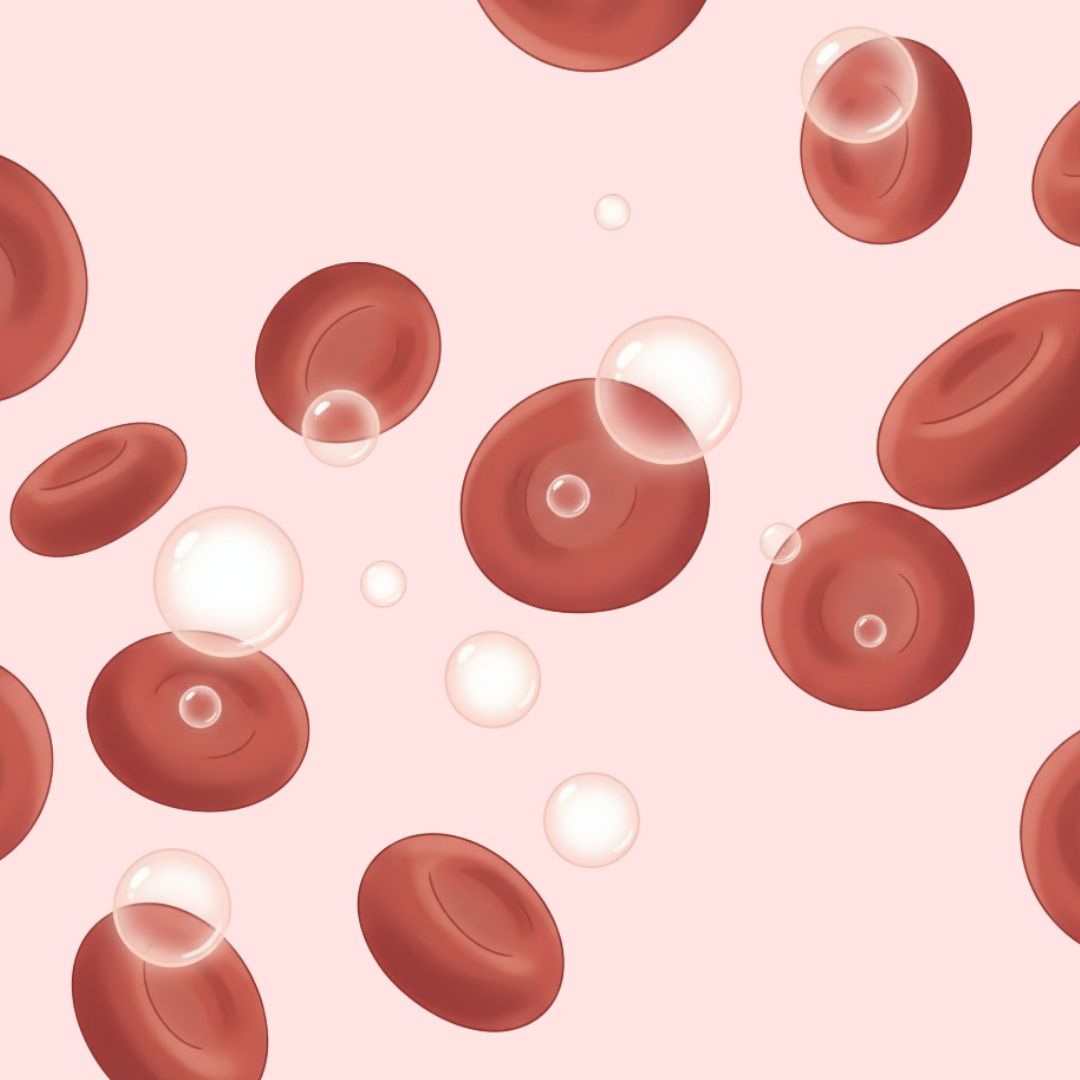
Iron is a mineral your body needs to carry oxygen through your bloodstream. That oxygen fuels energy production, supports brain function, strengthens your immune system, and even plays a role in hormone production. In other words, iron isn’t just helpful—it’s essential for survival.

That said, your body has to regulate iron carefully—both too high and too low of levels can cause problems. And if you’re managing conditions like polycystic ovary syndrome (PCOS), the first step to healing is getting to the root of symptoms. With this in mind, it’s important to consider how an iron imbalance may be silently affecting you and how you feel.

Here’s a quick look at what you may be feeling if your iron levels are out of balance:

Symptoms of High Iron Levels
  • Fatigue or unusual tiredness
  • Joint pain
  • Abdominal pain
  • Darkening or bronzed skin tone
  • Irregular heart rhythm
  • Brain fog or difficulty concentrating
  • Loss of libido
  • Liver issues (elevated liver enzymes)
Symptoms of Low Iron Levels
  • Extreme fatigue
  • Weakness
  • Pale skin
  • Shortness of breath
  • Dizziness or lightheadedness
  • Headaches
  • Cold hands and feet
  • Brittle nails
  • Hair thinning or shedding
  • Restless legs
  • Rapid heartbeat

Is Iron Good for PCOS?

Iron supplementation can be good for PCOS, but it really depends on your current iron levels. If your iron is low, it’s definitely beneficial. It can help improve fatigue, hair loss, weakness, and even long, heavy periods. 

However, if your iron levels are already high, even mild iron overload from added supplements can cause problems. High levels of ferritin (stored iron) can increase oxidative stress, worsen insulin resistance, contribute to inflammation, and strain your liver. 

So, before grabbing an iron supplement, talk to your doctor. They can help you decide if you need a boost (or need to cut back). 

what causes high iron levels in females with pcos?

What Causes High Iron Levels in Females with PCOS?

Infrequent or Absent Periods

When you menstruate, you lose blood. As you lose blood, you also lose iron. This is one of the ways the female body naturally regulates iron levels. However, if you have infrequent or absent periods, your body holds on to that iron rather than naturally cycling it out through menstrual bleeding. Over time, this can cause ferritin (stored iron) levels to rise.

Insulin Resistance

With insulin resistance, insulin levels stay elevated. And elevated levels signal the body to store energy and nutrients rather than release them. This can trap certain nutrients in tissues and, ultimately, worsen metabolic dysfunction.

It can also cause decreased hepcidin regulation, which is responsible for iron balance. When hepcidin signaling is altered, the body can absorb and retain more iron than it needs.

Insulin may also increase activity of the divalent metal transporter 1 (DMT1) in the gut. This transporter plays a key role in how iron is absorbed in the gut and bloodstream. When DMTI activity begins to elevate, iron absorption can increase.

As iron accumulates in the liver, it can contribute to fat buildup, impair hormone regulation, and increase inflammation. All of those factors then worsen insulin resistance and oxidative stress, creating a cyclical problem. It can even lead to long-term complications like type 2 diabetes and cardiovascular disease. 

Chronic Low-Grade Inflammation 

Ferritin is the iron storage protein, but it has one more than one job. It’s also a part of your body’s immune response, meaning the levels go up if you’re experiencing inflammation! Since many women with PCOS have chronic low-grade inflammation, ferritin levels can be naturally higher. This locks iron inside storage cells, limits free iron circulation, and throws hepcidin levels out of balance.

Excess Iron Supplementation 

There are so many research-backed supplements for PCOS that can play an integral role in your healing journey. That said, more doesn’t always mean better when it comes to supplements. Taking too much iron can lead to overload and worsen symptoms instead of relieving them.

Excess iron supplementation usually occurs when Cysters assume fatigue is due to low iron and start supplementing without testing first. It can also happen when you unintentionally stack iron from multiple sources, like multivitamins, protein powders, and standalone iron supplements. And, some women continue taking prenatal vitamins even when they’re not pregnant, which can gradually increase iron levels over time. 

The point is, be mindful of your PCOS supplement routine. It may be time for an audit.

how to balance iron levels with pcos

How to Balance Iron Levels with PCOS

Step One: Check your iron and ferritin levels with your doctor. 

Before you take any action, you need to know your actual iron status. No more guessing if it’s low or high! Talk to your doctor about getting lab work done to measure:

  • Serum iron levels
  • Serum ferritin levels 
  • Total iron binding capacity (TIBC)
  • Transferrin saturation 
  • Complete blood count

Getting all of these levels checked will give you a complete picture of how your body is absorbing, storing, and transporting iron. From there, you and your doctor can determine whether you’re dealing with a deficiency or an overload.

Step Two: Rule out genetic causes. 

Before assuming high iron levels are due to PCOS, your doctor will want to rule out hereditary conditions. The most common genetic cause of elevated iron is Hereditary Hemochromatosis. In this disorder, the body absorbs too much iron from food.

There are also rarer inherited iron absorption disorders, including non-HFE hemochromatosis variants and Ferroportin Disease. If you’re diagnosed with one of these conditions, treatment may involve therapeutic phlebotomy (scheduled blood removal) or other medical interventions.

Step Three: Be mindful of your iron intake. 

As I mentioned earlier, if you have high iron levels, your supplement routine should be the first place you look for problems. Check all the nutrients in your vitamins, minerals, protein powders, and greens and determine how many of them include iron. 

If multiple supplements pack a significant amount of iron, that’s probably why your levels are high. And if you’re taking prenatal vitamins but not pregnant, consider switching to a regular multivitamin. You can be mindful of dietary iron as well, but it’s unlikely to be a cause of your iron overload. 

Step Four: Reduce chronic inflammation. 

If you’ve already cut back on iron supplements or that was never the problem to begin with, it’s time to address inflammation. It’s one of the main drivers of not only high iron levels, but plenty of other PCOS symptoms as well. To ease inflammation and create a calmer environment for your body to heal and work optimally, make these changes:

  • Eat anti-inflammatory foods like fatty fish, avocados, and berries. 
  • Reduce pro-inflammatory foods like refined sugar and ultra-processed foods. 
  • Prioritize 7-9 hours of high-quality sleep. 
  • Practice good stress management with breathwork, journaling, and sunlight. 
  • Consider taking Meta Omega

Step Five: Increasing insulin sensitivity naturally.

Like inflammation, insulin resistance doesn’t just impact iron. It can throw off your entire metabolic and hormone picture. It’s the driver behind many PCOS symptoms, including weight gain, acne, skin tags, increased facial or body hair, and fatigue. Reducing insulin resistance can help regulate iron levels, balance androgens, lower inflammatory markers, and more!

Here are some of the ways you can lower insulin sensitivity naturally:

For more, listen to my episode of A Cyster and Her Mister on reversing insulin resistance with PCOS

Step Six: Talk to your doctor about donating blood. 

Because your red blood cells store iron, donating blood removes excess iron from your body. In some cases, regular blood donation can help lower ferritin levels, reduce oxidative stress, and improve insulin sensitivity.

However, this is not something you should start on your own. Always work with your doctor to determine whether your levels warrant this approach and how often it should be done. For some patients with PCOS and high iron, this simple intervention can act as a helpful metabolic “reset!”

Women with PCOS sometimes have high levels of iron in their bodies. 

High iron levels with PCOS can feel confusing, especially when fatigue and other symptoms overlap with deficiency. But the goal isn’t to fear iron; it’s to understand it!

PCOS isn’t just a hormone condition. It’s metabolic. It’s inflammatory. And sometimes, it’s nutritional. When you zoom out and look at the full picture (your labs, your cycle, your insulin levels, your supplement routine), your daily struggles make a lot more sense.

Iron balance is just one piece of the puzzle. But when you address it correctly, it can remove one more obstacle standing in the way of feeling like yourself again. For more support and resources, download The Cysterhood app and browse the rest of the PCOS Weight Loss blog.

How Many Women Have PCOS and How Is It Diagnosed?

Polycystic ovary syndrome (PCOS) is a hormonal and metabolic condition that, despite popular belief, impacts way more than menstrual cycles. The effects of PCOS can show up all over your body, from skin issues and mood swings to weight gain and infertility. When left untreated, the condition can also impact your general quality of life. Suddenly, you find yourself frustrated, confused, and disconnected from your own body.

That’s exactly why getting a proper diagnosis matters. When PCOS goes undiagnosed, symptoms often get brushed off as stress, weight changes, or just “getting older.” Meanwhile, you aren’t even aware that you can target symptoms at the root. Over time, unmanaged PCOS leaves you at an increased risk of heart disease, type 2 diabetes, blood pressure issues, sleep apnea, and other long-term complications

But when you know what you’re dealing with, you can actually do something about it. A diagnosis gives you clarity—and clarity gives you direction. That’s exactly why I’m using this post to discuss the process of detecting and diagnosing PCOS.

Here’s what you need to know:

How Many Women Have PCOS and How Is it Diagnosed

How Many Women Have PCOS and How Is It Diagnosed?

Between 6% and 13% of women worldwide have polycystic ovary syndrome (PCOS). That might sound like a small percentage, but it actually makes PCOS one of the most common hormonal disorders, impacting millions of women. On top of that, some estimates suggest that up to 70% of women with PCOS remain undiagnosed. That means the true number is likely even higher than we realize.

In this post, we’re going to talk about why getting a PCOS diagnosis can be so difficult and walk through exactly how doctors determine whether you have it. And if you’re in the middle of this process, feeling confused or dismissed, please know you are not alone. So many women are right there with you!

If you want to hear a real-life story, listen to our episode of A Cyster and Her Mister featuring Kail Lowry, who recently confirmed she has PCOS. We talk through her diagnosis experience step by step, and it’s such a helpful episode if you’re navigating the same things. 

Can PCOS Be Misdiagnosed

Can PCOS Be Misdiagnosed?

Yes, PCOS is often misdiagnosed. It’s a complex condition, and because it affects both metabolism and hormones, the range of possible symptoms is broad. These symptoms can also vary significantly from person to person (depending on age, lifestyle, and other individual factors).

Because of this, many doctors (and patients) focus on managing individual symptoms rather than identifying the root cause. Treatment often jumps straight to prescriptions like hormonal birth control pills, GLP-1 medications, antidepressants, anti-androgens, and more. On the other end of the spectrum, some doctors do not intervene at all. Instead, they write off symptoms as side effects of stress, weight changes, or aging.

Beyond the symptom overlap, there is no single test that can definitively diagnose PCOS. Many women with PCOS receive seemingly “normal” hormone panel results on standard blood work. Hormone reference ranges are extremely broad, and a value can fall within an “acceptable” range while still sitting at the high or low end of the spectrum and contributing to symptoms. 

In addition to this, not all providers closely evaluate these patterns. Some commonly ordered tests may not even be sensitive enough to capture what’s actually happening hormonally.

Because of these diagnostic challenges, doctors frequently misdiagnose PCOS as one of the following health problems (or left unexplained altogether):

  • Thyroid Disorders
  • Hypothalamic Amenorrhea (HA)
  • Hyperprolactinemia
  • Congenital Adrenal Hyperplasia (Non-Classic CAH)
  • Cushing’s Syndrome
  • Primary Ovarian Insufficiency (POI)
  • Insulin Resistance (Without PCOS)
  • Androgen-Secreting Ovarian or Adrenal Tumors
  • Endometriosis 

Many people get that last one and polycystic ovary syndrome confused. To help you understand the difference, read my post on endometriosis vs PCOS.

How to Know If You Have PCOS

Getting diagnosed with PCOS can take time. But it’s great that you’re advocating for yourself, doing your own research, and continuing to fight for answers. For a full breakdown on diagnostics, read my guide on how to know if you have PCOS. But, for a brief overview, here are some of the most common issues and symptoms of PCOS:

  • Elevated androgen (male hormone) levels on blood work
  • Insulin resistance or blood sugar issues
  • Ovarian cysts visible on ultrasound
  • Irregular, infrequent, or missing periods
  • Difficulty ovulating or trouble getting pregnant
  • Excessive facial or body hair growth (chin, jawline, chest, stomach)
  • Hormonal acne, especially along the jawline or cheeks
  • Thinning hair on the scalp or hair loss
  • Unexplained or stubborn weight gain
  • Strong cravings and frequent hunger, especially for carbs or sugar
  • Darkened skin patches (often on the neck, underarms, or groin)
  • Fatigue or low energy despite adequate sleep
  • Mood swings, anxiety, or depression
How Is PCOS Diagnosed

How Is PCOS Diagnosed?

Step 1: Review medical history and symptoms.

When it comes to figuring out whether PCOS may be part of the picture, doctors don’t rely on a single test or symptom. Instead, they look at your health history as a whole. They analyze how your symptoms show up, how long they’ve been happening, and whether certain patterns keep repeating. 

Taking time to review common PCOS symptoms can be especially helpful, since many are easy to brush off or assume are “normal.” A healthcare provider can then connect the dots, order the right tests, and determine whether PCOS is the most likely explanation.

Here’s everything doctors will review in your medical history:

  • Current Symptoms: Your doctor will start by asking about the symptoms you’re experiencing now. This often includes irregular periods, acne, hair changes, weight fluctuations, or energy issues. These details help identify patterns that may point toward PCOS.
  • Family History: A history of PCOS, diabetes, hormone disorders, or metabolic conditions in close relatives can increase the likelihood of PCOS and help your doctor assess genetic risk.
  • Pre-Existing Conditions: Conditions like insulin resistance, prediabetes, thyroid disorders, sleep apnea, or previous fertility challenges are important to note. These can all overlap with a PCOS diagnosis! (Here’s more on PCOS and sleep apnea.)
  • Medications: Your doctor will review current and past medications, including hormonal birth control, fertility treatments, or supplements. These could be masking your symptoms or even triggering certain side effects, so they’re worth considering.
  • Lifestyle Factors: Sleep, stress levels, exercise habits, and nutrition all provide context for your symptoms. They can also help your doctor understand how your day-to-day routine may be influencing your hormones.

Step 2: Conduct a physical exam.

Next, your doctor will do a physical exam to identify visual signs of PCOS. This is usually pretty quick and non-invasive. Instead of focusing on anything intense, they’ll often pay attention to external cues that may reflect hormonal imbalances, inflammation, or insulin resistance.

Here’s what they’ll look for:

  • Disproportionate weight distribution on the abdomen (PCOS belly)
  • Acne or ongoing breakouts 
  • Darkened skin patches
  • Skin tags
  • Extra facial or body hair
  • Hair thinning on the scalp
  • Swelling and redness

Step 3: Order comprehensive blood work.

If enough signs are pointing to PCOS, the next step is blood tests. How comprehensive those labs are really depends on the kind of doctor you’re seeing. For example, your primary care provider likely won’t run as many detailed hormone and metabolic markers as an endocrinologist would.

If you prefer, you can also order testing directly from online providers! That allows you to do everything from home. I love this lab bundle from EquiLife that measures ALL the key hormone and metabolic data associated with PCOS (and you can get it 50% off). Regardless of the route you take, here’s what you’ll want to have measured:

  • T3 & T4 (Thyroid)
  • Estrogen 
  • Progesterone
  • Testosterone
  • DHEA
  • Vitamin D2 & D3
  • Insulin
  • Cortisol (TSC)
  • HbAlc (Blood Sugar) 

Step 4: Rule out other conditions.

Once a doctor has reviewed your lab panel and medical history, the next step is to rule out other conditions. This can take some time, but having the right diagnosis is essential for your healing journey! For a detailed breakdown of similar conditions, read my post on what can be mistaken for PCOS

Step 5: Perform a pelvic ultrasound (if needed).

At this point, your doctor may order a pelvic ultrasound. Not all women with PCOS have polycystic ovaries. But if they’re present on the ultrasound, it can make confirming your diagnosis easier. 

During the ultrasound, the technician will look for what’s called polycystic ovarian morphology. This is just the clinical term for the classic “string of pearls” appearance. Basically, instead of one follicle fully maturing and releasing an egg, a PCOS body often develops a bunch of smaller, underdeveloped follicles. 

This usually happens because higher androgen levels interfere with normal ovulation. On the screen, those tiny follicles tend to line up around the edge of the ovary, giving it that pearl-like look.

Step 6: Apply the Rotterdam Criteria.

Now that your healthcare provider has acquired all this information, they’ll likely apply the Rotterdam Criteria. This states that for a PCOS diagnosis to happen, 2 of the 3 scenarios must be present:

  1. Irregular or absent ovulation
  2. Clinical or laboratory signs of hyperandrogenism 
  3. Polycystic ovaries on the ultrasound

Even if they don’t explicitly say “we’re using the Rotterdam Criteria,” they’re still evaluating you through that framework. That said, not all providers have the same level of training or experience with PCOS.

Some doctors, especially endocrinologists or reproductive specialists, tend to look more closely at the deeper hormonal context beyond the baseline criteria. Others may take a more surface-level approach and only flag obvious abnormalities.

PCOS is a common hormonal condition, but that doesn’t make it easy to diagnose!

If you’re walking through this process right now, I know it can feel confusing and even discouraging at times. But please remember, you are allowed to ask questions. You are allowed to request more testing. You are allowed to look at your actual lab numbers and not just accept “everything looks normal” as the final answer.

Not every provider has the same depth of education on PCOS, and that’s okay. It just means you may need to advocate for yourself a little more. Keep learning. Track your symptoms. Do your research. And if something doesn’t sit right, get another opinion.

You deserve answers. You deserve to feel good in your body. And you deserve a provider who takes the time to look at the full picture. And, of course, as you’re going through this process, know that we’re here for you! Join The Cysterhood for resources, helpful tools, and, most importantly, a community as you navigate your healing journey.

PCOS Ovulation Pain: Why It Happens and How to Fix It

Polycystic ovary syndrome (PCOS) is one of the most common conditions affecting women between the ages of 15 and 55. PCOS impacts a woman’s hormones, which can affect the menstrual cycle in a big way. That’s why many PCOS symptoms have to do with the reproductive system, like irregular or missing periods, heavy menstrual bleeding, infertility, recurring miscarriages, ovarian cysts, and even pain during ovulation.

When people think of pain around the uterus, their minds usually jump to endometriosis. However, PCOS abdominal pain, especially around ovulation, is really common. So, in this post, I wanted to explain why Cysters experience ovulation pain. Then, I’ll break down how you can naturally ease pain by addressing the root issue of the discomfort.

Yes, there is something you can do about the pain! And that doesn’t involve hormonal birth control, nerve blockers, injections, surgical interventions like hysterectomy or oophorectomy, or even a ton of anti-inflammatories (like ibuprofen or aspirin). There’s hope, Cysters!

Here’s what you should know about ovulation pain and PCOS:

PCOS ovulation pain: why it happens and how to fix it

What Is PCOS Ovulation Pain? 

Ovulation pain is when your pelvic area or lower abdomen hurts around ovulation. Anyone can feel some discomfort during ovulation. However, for women with PCOS, the pain can be more intense, long-lasting, and unpredictable. 

Is Ovulation Pain a Sign of PCOS? 

Ovulation pain on its own doesn’t mean you have PCOS. It could be endometriosis, pelvic inflammatory disease (PID), pelvic floor tension, uterine fibroids, irritable bowel syndrome (IBS), or a variety of other health conditions. That said, if ovulation pain shows up alongside other known PCOS symptoms, it may be part of a larger hormonal pattern worth talking to a doctor about. 

Here’s more on how to know if you have PCOS.

List of reasons on how PCOS can causes painful ovulation

How Does PCOS Cause Painful Ovulation? 

1: Androgen levels rise.

One of the main drivers of PCOS symptoms is elevated androgen levels. These are male sex hormones like testosterone that, in excess, mess with normal communication between the brain and ovaries. When signaling is disrupted, the ovaries never get the message that only one follicle is meant to fully mature.

2: Follicles get “stuck” and don’t mature normally.

As a result, instead of one dominant follicle developing properly, lots of follicles start growing. Eventually, errors in the process cause most of them to stop developing long before maturation. So, when it comes time for releasing the egg into the fallopian tube, there’s an obvious problem in the ovaries. This is what gives ovaries their signature “polycystic” appearance. 

3: The ovary stretches and builds pressure.

As immature follicles linger, the ovary can become enlarged. This stretching increases pressure within the ovary and its outer capsule. There are plenty of nerve endings in this area, which can make ovulation with PCOS painful or uncomfortable.

4: Ovulation is delayed, irregular, or more forceful when it happens.

Because of ongoing communication issues between the brain and ovaries—and stalled follicle growth—ovulation often doesn’t happen on schedule. Instead, the body waits until it finally perceives a follicle as mature enough. When ovulation does occur, it’s often later than expected and can feel more intense. This is because irregular egg development may cause the follicle wall to rupture unevenly or more forcefully, increasing pain.

5: Fluid release and inflammation irritate the surrounding tissue.

During ovulation, follicular fluid is released into the pelvic cavity. This is normal. However, if inflammation is already present (which is common with PCOS), that fluid can irritate nearby tissues. The pelvic lining, bowel, or uterine ligaments may become painful simply because they’re more sensitive.

Inflammation is a chronic root issue in PCOS. High androgen levels worsen it, along with other hormonal imbalances. Essentially, ongoing hormone dysregulation signals to the body that something is wrong, triggering an overactive immune response. This can contribute to widespread symptoms—including pain. Here’s more on the signs of inflammation with PCOS

6: You feel ovulation pain (sharp, achy, one-sided, or radiating).

All of this pressure, irritation, and inflammation can show up as sharp pain, a dull ache, one-sided pelvic discomfort, or pain radiating into the lower back, hips, or thighs. For some Cysters, ovulation pain lasts a few hours. For others, it can linger for days.

List of ways to deal with painful ovulation with PCOS

How to Deal with Painful Ovulation with PCOS

Lower androgen levels and ease inflammation.

Since high androgen levels and inflammation are the root issues behind painful ovulation (along with plenty of other PCOS symptoms), that’s where you need to start. Take steps to lower androgens and ease inflammation naturally by:

For PCOS-friendly recipes, workouts, and resources, download The Cysterhood app. 

Manage stress levels. 

I say all the time that stress isn’t just a feeling. Instead, it’s actually a chemical process in the body that signals us to take action. When we feel overwhelmed, cortisol levels rise, triggering a domino effect of hormonal imbalances and inflammation.

To better manage stress, focus on practices that actively lower cortisol. Try slow, intentional breathing, getting morning sunlight, limiting caffeine, stretching, journaling, setting clear boundaries, and making rest non-negotiable. Anything you can do to relieve your mental load and bring cortisol levels down.

Stay hydrated.

Drinking plenty of water is one of the simplest ways to ease ovulation discomfort. Proper hydration helps the body clear excess hormones (including androgens) and supports healthy circulation. It also helps regulate inflammation, which may soothe irritation around the ovaries and surrounding pelvic tissue.

When you’re well hydrated, your muscles are less likely to tense up and amplify pain. So drink up—even if that means using a fun cup or adding a sugar-free flavor to make it easier to stay consistent.

Try yoga or other gentle movements. 

Gentle movement from exercises like slow-weighted workouts, yoga, Pilates, swimming, and walking can help reduce ovulation pain in lots of ways. It improves circulation and relaxes tense muscles (like the effects of proper hydration!). However, it also helps regulate the nervous system. The result? Less stress and inflammation—and less severe PCOS pelvic pain

Do acupuncture sessions.

Though not super mainstream, there’s plenty of research showing that acupuncture can be very effective for pain relief. It helps improve circulation, calm inflammatory signaling, and release tension in tight pelvic muscles. But one of its biggest benefits? Studies suggest acupuncture may help normalize communication between the brain and ovaries, supporting healthier ovulation overall.

Sleep on your side.

Since a lot of ovulation pain with PCOS comes from pressure, try sleeping on your side instead of on your back or stomach. This can help align your pelvic area, improve circulation, and relieve pressure. If you struggle to lie on your side, try using a body pillow! It’s actually really comfortable and supportive. Plus, breaking the habit of sleeping on your front or back is worth the reduced pain.

Use castor oil packs and heat therapy. 

Castor oil packs are a simple, at-home topical option for pain relief. Warm castor oil is applied to the body with a cloth to help increase circulation and relax muscles in the pelvic area. (Probably noticing a theme here, right?) Here’s how to make castor oil packs for PCOS.

For additional natural, DIY relief, turn to other forms of heat therapy. While these aren’t permanent solutions, they can help ease discomfort in the moment—whether that’s a heating pad, warm bath, or heated blanket.

PCOS can cause ovulation pain, but you can treat it naturally.

Ovulation pain with PCOS isn’t random, and it isn’t something you have to brush off. It’s often the result of elevated androgens, irregular follicle development, and underlying inflammation. When you focus on correcting those root issues—rather than just masking symptoms—you can have pain-free cycles again!

For more on how to naturally heal PCOS, browse the PCOS Weight Loss blog and listen weekly to A Cyster and Her Mister podcast

Should You Take Spironolactone for PCOS?

Polycystic ovarian syndrome (PCOS) is a common hormonal condition experienced by women of reproductive age. Since it’s hormonal, you can have a LOT of symptoms that make day-to-day life difficult. Because of this, Cysters often wisely seek out ways to improve their PCOS and live symptom-free! 

There are lots of ways to naturally treat PCOS, but after consulting with a doctor, some Cysters have a need for prescription medications. One of the most common drugs to help with the hormonal issues associated with PCOS is spironolactone! 

So, today, I’m going to dive in and give you all the details on what spironolactone is and how it can be used for PCOS. This information will help equip you with the tools to talk with your own doctor and see if spironolactone is a good choice for your healing journey.  

should you take spironolactone for pcos

Should You Take Spironolactone for PCOS?

There are lots of medications that are prescribed for PCOS. You’ve probably heard taking birth control pills or metformin, but spironolactone is another common PCOS drug. Of course, my focus is on naturally healing your PCOS, but I know that every body and circumstance is different! So, today, I’ll be giving you an honest look at spironolactone for PCOS!

What is Spironolactone? 

Spironolactone is a prescription medication that has lots of uses! It’s a potassium-sparing diuretic that makes it useful for improving blood pressure and fluid retention problems. Aside from the diuretic benefits, spironolactone has also been shown to block aldosterone, which is responsible for high levels of male hormones in the female body. The balance of sex hormones is essential to a healthy body, so spironolactone can help improve symptoms of endocrine disorders like polycystic ovarian syndrome. 

What Does Spironolactone Do for PCOS? 

Spironolactone is often prescribed to Cysters to help with high testosterone! Elevated androgen levels are present in about 50% of PCOS cases and they can be the cause of a lot of PCOS symptoms. Things like hirsutism, acne, irregular periods, hair loss, mood swings, weight gain, infertility, and more can all find their root in high testosterone levels. Since so many symptoms of PCOS come from imbalanced sex hormone levels, some women find relief from taking spironolactone! 

Like all prescription drugs, spironolactone has a few common side effects. You may experience dizziness, nausea, vomiting, headaches, fatigue, breast tenderness, muscle cramps, skin problems, and irregular menstrual periods. It’s my opinion that all medication should have an exit plan, so know that there are also natural ways to reduce testosterone levels with PCOS and find symptom relief totally side effect-free! 

how does spironolactone help for pcos

How Does Spironolactone Help for PCOS?

Improves hormonal acne.

High testosterone levels can lead to an overproduction of sebum, which is the oil that keeps our skin moisturized and healthy. Too much of it clogs our pores and lets bacteria grow. Eventually, acne forms! This is the reason a lot of Cysters struggle with acne way past their teen years! Since spironolactone can help regulate testosterone levels, it often relieves acne for women with PCOS! Here are more natural ways of improving hormonal acne with PCOS. 

Reduces unwanted body hair. 

Hirsutism is when women develop hair on areas of the body associated with male-pattern hair growth. (Think chin, upper lip, chest, etc.) High testosterone can cause this by stimulating the hair follicles in those areas to develop thicker and darker hair than normal. Women taking spironolactone usually see improvements in hirsutism since it lowers those androgen levels! 

Reverses hair loss. 

On that same note, high androgens can cause male-pattern baldness in women with PCOS. This happens because when free testosterone is converted to dihydrotestosterone (DHT) it often binds with hair follicles on the head and shrinks them over time. Once hair follicles get so small, they can’t produce hair any more. 

In women without PCOS, hair loss like this isn’t as common since testosterone levels aren’t high enough to have a significant effect. So, spironolactone can reverse hair loss and help protect your hair follicles from shrinking as a result of DHT! Beyond the medication route, there are other ways to improve hair loss naturally with PCOS. 

Regulates menstrual cycles. 

So, you’ll probably notice that one of the side effects of spironolactone is irregular menstrual periods. This one really depends on the person and your current hormone state. If your menstrual cycle is already irregular (like most women with PCOS), spironolactone can help regulate it by balancing those sex hormones. However, some women who already had regular cycles found spironolactone messed up their cycles due to the same anti-androgen effects. You may or may not see improvements here, but if you don’t, here’s how you can regulate your period with PCOS. 

how does spironolactone help for pcos
Blocks the development of ovarian cysts. 

Cysts form on ovaries when Cysters have an overproduction of androgens and that hormonal imbalance disrupts the normal growth and release of eggs. (Basically, high testosterone messes up your periods, like we discussed.) If eggs can’t release properly, they can form small follicles (cysts) on the ovaries that eventually grow and can become super painful. Spironolactone can help manage this by regulating periods and reducing the activity of sebaceous glands. 

Relieves bloating and water retention. 

I’ve talked a lot about the hormone balancing effects of spironolactone, but it’s also a diuretic! Many women with PCOS experience bloating and water retention from insulin resistance as well as high testosterone, which contributes to high body weight. However, spironolactone can help flush out the excess fluid and help you find relief and balance!

Betters insulin sensitivity. 

High testosterone and insulin resistance go hand-in-hand. Excess androgens interfere with insulin functioning and the cells become less responsive. When this happens, the body produces more insulin to keep blood sugar levels in check, raising insulin levels and insulin resistance! 

Insulin resistance is something a lot of Cysters struggle with (up to 80%!) and it contributes to things like weight gain, headaches, cravings, fatigue, irregular periods, acne, skin problems, and more! It can even lead to type 2 diabetes if not managed. Spironolactone can help with insulin resistance because it helps manage those testosterone levels! However, there are a lot more ways to improve insulin sensitivity like getting on a PCOS-friendly balanced diet and exercising! 

Pros and Cons of Spironolactone for PCOS

Pros
  • Lowers high testosterone levels
  • Reduce water retention and bloating
  • Betters insulin sensitivity 
  • Improves acne, unwanted body hair, and hair loss
  • Regulates menstrual cycle
  • Blocks the development of ovarian cysts
Cons
  • Doesn’t fix the root issue
  • Worsened menstrual irregularity
  • Increased fatigue
  • Possible digestive problems, dizziness, and headaches
  • Potential muscle cramps, skin problems, and breast tenderness
Spironolactone can help relieve symptoms in some women with PCOS.

There are a lot of medications out there used to mask the symptoms of PCOS. However, few of them actually solve the problem. While you’re on the medication, it will work! But, when you get off it, your body will return to the state it was before. Instead, I recommend trying natural remedies like changing your diet, exercise habits, and other aspects of your lifestyle to lower your testosterone levels on your own and find true freedom from PCOS symptoms!

You can learn more about this by reading the PCOS Weight Loss blog, listening to the A Cyster and Her Mister Podcast, and downloading The Cysterhood app. All are AMAZING resources for finding the root of your symptoms and healing your PCOS. Of course, consult with a doctor before trying anything new, but know there is hope for living a life totally symptom-free!

How to Know If You Have PCOS: A Guide to Symptoms and Testing

Polycystic ovary syndrome (PCOS) is one of the most common conditions women of reproductive age face. However, medical experts estimate that up to 70% of cases could be going undiagnosed. That’s a heartbreaking statistic! Luckily, as awareness about PCOS spreads, women can better understand their symptoms, diagnose the problem, and advocate for their healing journey. 

If you think you may have PCOS, you’ve come to the right place. I am a Cyster myself, as well as a PCOS dietitian that’s here to help you figure out if you have PCOS—and how to reverse it if you do. In this post, I’ll break down common symptoms, similar medical conditions, and trusted diagnostic methods. Ready to jump in? Here’s how to know if you have PCOS:

how to know if you have pcos

How to Know If You Have PCOS: A Guide to Symptoms and Testing

There are a lot of reasons PCOS often goes undiagnosed. Symptoms vary widely from Cyster to Cyster, and many of them can be treated individually rather than holistically, making it difficult to see connections between side effects. Plus, many doctors aren’t well educated on the condition, and no single test can definitively detect PCOS.

That may all sound bleak, but you’re in the right place! You can be sure whether or not you have PCOS with a little research, some symptom tracking, a few strategic tests, and a knowledgeable healthcare professional. 

What Is PCOS? 

Polycystic ovary syndrome (PCOS) is an endocrine and metabolic condition that affects women of reproductive age. While the exact cause of PCOS is still unknown, it’s driven by insulin resistance, hormonal imbalances, and chronic inflammation. Research is now also examining whether there could be a genetic component, meaning it may run in families.

PCOS affects far more than just the ovaries. (In fact, many women with PCOS don’t have cystic ovaries at all.) It impacts how the body produces and responds to hormones, regulates blood sugar, and functions over all. Because these systems are so closely connected, PCOS can influence long-term metabolic health, fertility, and hormone balance throughout different stages of life. Additionally, there’s a lengthy list of common chronic symptoms that many Cysters manage daily. Some of them are:

Common Symptoms of PCOS
  • Irregular, missed, very heavy, or very light periods
  • Difficulty getting pregnant
  • Sugar or carbohydrate cravings
  • Difficulty losing weight or stubborn weight gain
  • Excess facial and body hair (hirsutism)
  • Thinning scalp hair or hair loss
  • Persistent adult acne
  • Darkened skin patches (acanthosis nigricans)
  • Skin tags
  • Chronic fatigue or low energy
  • Brain fog and lack of focus
  • Mood swings, anxiety, or depression (Learn more here about the connection between PCOS and mental health!)
  • Bloating or digestive discomfort
  • Joint or muscle aches
  • Polycytic ovaries 

Here are PCOS symptoms in teenagers to look out for.

can pcos be misdiagnosed?

Can PCOS Be Misdiagnosed? 

Yes! PCOS is often misdiagnosed. I’ve already touched on a few reasons, but here’s a full list:

  • Symptoms vary from person to person 
  • Doctors often treat symptoms individually instead of looking at the full pattern
  • No single test can definitively diagnose PCOS
  • Standard hormone panels may appear “normal”
  • Insulin resistance is frequently under-tested or missed
  • Ultrasounds don’t always show ovarian cysts (or you may not have any) 
  • Birth control pills can mask underlying hormone imbalances
  • Physicians often blame symptoms on stress, lifestyle, weight, or aging
  • Many patients don’t know which symptoms are relevant to report

Other Conditions Similar to PCOS

Thyroid Disorders (Hypothyroidism or Hyperthyroidism)

Thyroid disorders affect how the body regulates metabolism, energy, and hormones. They’re often mistaken for PCOS because they can cause irregular periods, weight changes, fatigue, hair loss, and fertility issues.

You can learn more about the connection in my post, “PCOS and Thyroid: Symptoms, Connections, and Solutions.”

Hypothalamic Amenorrhea (HA)

HA occurs when the brain suppresses ovulation due to stress, under-eating, excessive exercise, or extreme weight loss. It’s often confused with PCOS because both can involve missing periods and disrupted ovulation. That said, HA stems from low hormone signaling rather than excess hormone activity.

Hyperprolactinemia

This condition involves elevated prolactin levels, which interfere with ovulation and menstrual cycles. It’s mistaken for PCOS because it can cause excessive hair growth, acne, irregular periods, and trouble getting pregnant.

Congenital Adrenal Hyperplasia (Non-Classic CAH)

Non-classic CAH is a genetic condition that affects adrenal hormone production and can increase male sex hormone levels. It closely mimics PCOS due to shared symptoms like excess hair growth, acne, and irregular cycles.

Cushing’s Syndrome

Cushing’s Syndrome results from chronically elevated cortisol levels and affects metabolism, weight distribution, and hormone levels. It’s often confused with PCOS because both can cause weight gain, insulin resistance, irregular periods, and mood changes.

Primary Ovarian Insufficiency (POI)

POI occurs when the ovaries stop functioning normally before age 40. It can resemble PCOS early on because of irregular or missing periods. However, POI involves low estrogen rather than hormone excess.

Insulin Resistance

Insulin resistance affects how the body handles blood sugar and is a major driver of PCOS—but it can also exist on its own. When present without other diagnostic criteria, it may be mistaken for PCOS due to shared metabolic symptoms.

Endometriosis 

Endometriosis happens when tissue similar to the uterine lining grows outside the uterus, leading to inflammation and pain. It’s often confused with PCOS because both conditions can cause irregular or painful periods, fertility challenges, and chronic pelvic pain. Ultimately, however, endometriosis is a result of tissue overgrowth and inflammation, not hormone-driven ovulation or androgen imbalance.

Here’s more on PCOS vs. endometriosis

Androgen-Secreting Ovarian or Adrenal Tumors (Rare)

These rare tumors produce excess testosterone and other androgens, which can trigger a rapid onset of PCOS-like symptoms. They’re mistaken for PCOS because of sudden hair growth, acne, and cycle disruption, though symptoms usually appear more aggressively.

how to know if you have pcos at home

How to Know If You Have PCOS at Home

Step One: Track your menstrual cycle. 

A vast majority of people with PCOS have irregular periods. This is largely due to high levels of a hormone called androgen (male sex hormones), which are common with PCOS. They disrupt or even stop ovulation, which throws off the whole menstrual cycle. 

So, one of the first ways to determine if you have PCOS is to examine your periods. Track the start date, duration, and any notable symptoms. If your periods are longer than 35 days apart or you only experience periods every 2-6 months, you may have PCOS. Periods with PCOS can also be heavy and painful. 

Step Two: Check for common PCOS symptoms. 

Next, look for common signs and symptoms of PCOS. Review the list above and identify which symptoms you experience regularly. The more that applies to you, the more likely you are to have PCOS. 

Step Three: Look for signs of insulin resistance. 

Insulin resistance is present in up to 80% of Cysters, which is when your body doesn’t respond to glucose properly. Instead of turning the sugar into energy, it’s stored as fat and absorbed into the bloodstream. This increases your risk of high blood pressure, heart disease, and type 2 diabetes, while contributing to these common PCOS symptoms:

Step Four: Get home hormone testing. 

One of the best ways to detect PCOS at home is by using a hormone test kit like this one from EquiLife. It’s comprehensive and sensitive enough to measure a variety of hormone levels that contribute to PCOS symptoms. Here’s what you need to test for:

  • Thyroid Deficiency 
  • Estrogen Dominance
  • Androgen Imbalance 
  • Vitamin D Deficiency 
  • Insulin Resistance/Metabolic Syndrome

Here’s more on how to get your hormone levels tested for PCOS

Step Five: Review results for PCOS patterns. 

Review all the information you’ve collected on your symptoms, periods, metabolic situation, and hormone levels. Then determine whether there’s enough evidence to support PCOS. If you think there is, the next step is to seek professional help.  

Step Six: Follow up with a healthcare provider. 

You can’t definitively determine whether or not you have PCOS on your own. However, with the information you’ve gathered and the right doctor, you can work toward an official diagnosis. There are a variety of healthcare professionals who can accurately detect PCOS and help you manage your symptoms. Here are the best types of doctors to see for PCOS:

  • OB-GYN 
  • Endocrinologist
  • Reproductive Endocrinologist
  • Functional Medicine Doctor
  • Integrative or Holistic Physician
  • Fertility Specialist 

Step Seven: Start PCOS-healing lifestyle habits. 

Whether you’ve received a PCOS diagnosis or are still waiting on results, it’s time to start making simple lifestyle changes to reverse your symptoms. Many of these new healthy habits support hormone and metabolic health for anyone, not just Cysters! So, adopting these new routines won’t hurt you if PCOS turns out to be the wrong diagnosis. That said, focusing on a PCOS-friendly diet, slow-weighted movement, and other daily rituals that stabilize blood sugar and regulate hormones can help support healing and symptom improvement over time.

Here’s our essential guide to naturally managing PCOS

How Is PCOS Diagnosed? Understanding the Rotterdam Criteria

PCOS is typically diagnosed using something called the Rotterdam Criteria, the most widely accepted diagnostic framework. Instead of relying on one single test, doctors look at the bigger picture and evaluate a combination of symptoms, lab work, blood tests, and imaging. 

Under the Rotterdam Criteria, clinicians diagnose PCOS after confirming specific criteria and ruling out other conditions. To get diagnosed with PCOS, you must have two of the following: irregular or absent ovulation, elevated androgen levels, and polycystic ovaries. This approach helps account for how differently PCOS can show up from person to person! 

PCOS is a unique condition, but it can be clearly diagnosed with the right criteria and testing.

If PCOS has been on your radar, trust that curiosity. It’s often the first step toward clarity! Understanding your symptoms, getting the right tests, and working with a knowledgeable provider can make a huge difference in how you confidently and strategically move forward. PCOS may be complex, but with the right information and support, it’s absolutely something you can manage and improve.
For more guidance on naturally healing PCOS and reversing symptoms, explore the PCOS Weight Loss blog and listen to the A Cyster and Her Mister Podcast.

What is PCOS? Symptoms, Diagnosis, and Natural Treatments

1 in 10 women in the U.S. has polycystic ovary syndrome (PCOS), making it one of the most common hormonal conditions affecting women today. That said, PCOS could be even more prevalent than we think. Experts estimate up to 70% of Cysters go undiagnosed. It’s a pretty shocking statistic! And it’s heartbreaking to think how many women are struggling with symptoms that could be reversed if they only knew what was going on. 

PCOS often goes undiagnosed simply because of a lack of knowledge. Most doctors aren’t super well-educated on the condition and, even if they were, no single test can definitively diagnose you. On top of that, women are often told their symptoms are normal, in their head, or simply due to stress, weight, or crappy sleep. 

As a Cyster myself and a PCOS dietitian, I want to help other women get diagnosed, understand their condition, and find natural healing. So, in this post, I’m going to get into it all! I’ll explain what PCOS is, where it comes from, and how you can reverse your symptoms. 

Here’s what you need to know:

What is PCOS? Symptoms, Causes, Diagnosis, and Natural Treatments

What is PCOS or Polycystic Ovarian Syndrome?

Polycystic ovarian syndrome (PCOS) is a chronic hormonal and metabolic condition. It affects women of reproductive age and usually involves three main root issues: insulin resistance, inflammation, and hormonal imbalance. Because these problems can impact the body in so many ways, PCOS looks a little different for every Cyster.

Note: Polycystic ovary syndrome is actually a terrible name for this condition. Initially, doctors thought the trademark symptom of PCOS was cysts on the ovaries. However, many women with PCOS don’t ever have cysts! So, don’t let the name fool you. Even without cystic ovaries, you could still have PCOS. 

When Does PCOS Develop?

PCOS usually pops up around puberty. That said, this isn’t true for everyone—sometimes symptoms don’t become obvious until later in life. A few early signs of PCOS during puberty include:

  • Irregular or very painful periods
  • Persistent acne
  • Rapid weight gain (and can’t lose weight)
  • Excess hair growth on the face and body
What Causes PCOS

What Causes PCOS?

Genetics

Genetics definitely play a role in PCOS—a pretty big one, actually! Between 20-40% of Cysters have a close female relative with PCOS or related health problems. A family history of Type 2 diabetes, metabolic syndrome, obesity, and autoimmune disease can all increase your chances of having PCOS as well. 

Hormonal Imbalances

At its core, PCOS is a hormonal condition, and imbalanced hormone levels are one of the main triggers for symptoms. Think of hormones like messengers that tell our whole body what to do. When there’s dysregulation, the side effects can quickly become overwhelming—and pop up throughout your entire body. Here are some common hormonal imbalances you’ll find with PCOS:

Insulin Resistance 

Up to 80% of women with PCOS have insulin resistance. This is when your body doesn’t respond to glucose properly. Instead of converting sugar to energy, it’s stored as fat and absorbed into the bloodstream. This causes a lot of metabolic and hormonal problems and a long list of symptoms. 

To learn more, listen to this episode of A Cyster & Her Mister, “Reversing Insulin Resistance with PCOS!”

Chronic Inflammation

Some doctors theorize that PCOS may be an autoimmune disease. They’re very common in women and seem to be linked to problems in the reproductive system. More specifically, many Cysters have chronic, low-grade inflammation, like those with an autoimmune disease. 

It means their immune system is constantly activated, which, over time, can cause disruption all throughout the body. It can even worsen insulin resistance and hormonal balance. Inflammation, insulin resistance, and hormonal imbalance all feed into each other in a vicious, exhausting cycle. 

Disrupted Brain-Ovary Communication

PCOS can also involve disrupted communication between the brain and the ovaries. Normally, the brain sends balanced hormonal signals to the ovaries, telling them when to ovulate and how much estrogen and progesterone to produce. With PCOS, these signals can become out of rhythm.

When this happens, the ovaries may produce high levels of androgens while ovulation becomes irregular or stops altogether. This leads to low progesterone and contributes to common PCOS symptoms like irregular periods, acne, hair changes, and fertility challenges. Insulin resistance and chronic inflammation can worsen this signaling issue, reinforcing the hormone imbalances seen in PCOS.

Types of PCOS

Types of PCOS

As you research your condition, you’ll find a few main “types of PCOS.” These aren’t hard and fast categories, and most women won’t perfectly fit in any one box. However, knowing your PCOS type helps you understand the core issue driving most of your symptoms. That way, you can target that primary problem first! 

Below, I’ll explain each category in more depth. However, make sure you take this PCOS type quiz, too.

Insulin-Resistant PCOS

This is the most common PCOS type, and it’s driven by blood sugar dysregulation. You may have insulin-resistant PCOS if you deal with stubborn weight gain (especially belly weight), intense sugar/carb cravings, feeling hungry soon after eating, fatigue after meals, skin darkening (acanthosis nigricans), or skin tags. A doctor can help confirm it with labs like fasting insulin, glucose/A1C, or an oral glucose tolerance test.

Learn more about stubborn weight gain in my post, “What Is PCOS Belly?”

Inflammatory PCOS

Inflammatory PCOS occurs when chronic, low-grade inflammation is a major driver of your symptoms. You may have this type if you experience bloating, puffiness, cystic acne, rashes, joint aches, brain fog, fatigue, or a weight loss plateau. This is especially true if symptoms flare after certain foods (common culprits are gluten/dairy for many Cysters). Lab clues can include markers like C-reactive protein (CRP), along with your symptom patterns and food sensitivities.

Adrenal PCOS

Adrenal PCOS is tied to stress hormones and an overworked nervous system. You may have this type if your symptoms worsen during stressful seasons of life. Other common symptoms include chronic fatigue, anxiety, trouble sleeping, feeling “wired but tired,” and irregular cycles. And, similar to insulin-resistant PCOS, you may also deal with weight retention that gets worse with intense workouts or restrictive dieting.

It’s often identified by your symptom pattern and cortisol/stress markers (with your doctor), and by noticing how your body responds to rest, sleep, and low-impact movement.

Post-Pill PCOS

Post-pill PCOS refers to PCOS-like symptoms that appear after stopping hormonal birth control. Birth control suppresses ovulation and alters natural hormone signaling. When you discontinue it, the body has to relearn how to regulate hormones and cycles on its own. For some women, this transition is smooth. But for others, underlying issues like insulin resistance or inflammation surface once the pill is no longer masking symptoms.

You may have post-pill PCOS if your periods don’t return within a few months, or you notice new or worsening acne, hair shedding, mood swings, weight gain, or cycle irregularity after stopping birth control. This type is often identified by timing—symptoms that began after discontinuing the pill rather than earlier in life. Additionally, it typically improves as hormone signaling stabilizes with the right support.

Note: People also often wonder if you can get PCOS after having kids. The short answer is no, but read my post: “Can You Develop PCOS After Pregnancy?” for more details.  

Thyroid-Related PCOS

Thyroid-related PCOS occurs when thyroid dysfunction contributes to or worsens PCOS symptoms. The thyroid plays a major role in metabolism, ovulation, and hormone regulation. As a result, even subtle thyroid imbalances can disrupt menstrual cycles and amplify androgen-related symptoms.

You may have thyroid-related PCOS if you experience persistent fatigue, unexplained weight gain, hair thinning, cold sensitivity, dry skin, constipation, or irregular periods, especially if these symptoms don’t improve with typical PCOS strategies alone. This type is usually identified through thyroid lab testing (such as TSH, free T3, free T4, and thyroid antibodies). Also, it’s particularly important to address untreated thyroid issues, as they can make PCOS symptoms harder to manage.

Symptoms of PCOS

Reproductive and Fertility Symptoms

  • Irregular menstrual cycles
  • Missed or infrequent periods
  • Very heavy or very light periods
  • Lack of ovulation (anovulation)
  • Difficulty getting pregnant
  • Irregular or delayed ovulation
  • Difficulty getting pregnant
  • Poor egg quality
  • Thickened uterine lining
  • Implantation issues
  • Recurrent miscarriage
  • Reduced cervical mucus

Metabolic and Blood Sugar Symptoms

  • Insulin resistance
  • Sugar or carbohydrate cravings
  • Fatigue after meals
  • Difficulty losing weight
  • Stubborn weight gain
  • Central (belly) fat accumulation

Skin and Hair Symptoms

  • Excess facial or body hair (hirsutism)
  • Thinning scalp hair or hair loss
  • Persistent adult acne
  • Oily skin or scalp
  • Darkened skin patches (acanthosis nigricans)
  • Skin tags

Energy, Mood, and Mental Health Symptoms

  • Chronic fatigue
  • Brain fog
  • Mood swings
  • Anxiety or depression
  • Low motivation or energy

Digestive and Inflammatory Symptoms

  • Bloating
  • Digestive discomfort
  • Puffiness or fluid retention
  • Joint or muscle aches

Can You Have PCOS Without Symptoms?

Yes! I often talk about “reversing PCOS” in my content. However, no matter what you do, you’ll always have PCOS. But, with the right lifestyle changes, you can naturally regulate hormones, ease inflammation, and increase insulin sensitivity. When you do this, the main drivers of PCOS symptoms disappear. 

Even if you haven’t made a lot of changes, you may have fewer symptoms if you already have healthy eating, sleeping, and exercise habits. You’re already on your way to healing!

Complications of PCOS: Understanding Long-Term Risk

  • Infertility or difficulty conceiving
  • Endometrial hyperplasia
  • Increased risk of endometrial cancer
  • Increased risk for Type 2 diabetes
  • Metabolic syndrome
  • High blood pressure
  • Elevated cholesterol
  • Increased risk of heart disease
  • Increased risk of stroke later in life
  • Gestational diabetes
  • Pregnancy-induced hypertension
  • Sleep apnea
  • Non-alcoholic fatty liver disease (NAFLD)
  • Anxiety and depression (learn more about the link between PCOS, depression, and anxiety here!)

Treatment for PCOS: Natural Lifestyle Changes for Healing

The PCOS Weight Loss blog and our companion podcast, A Cyster and Her Mister, are all about holistically treating PCOS. No side-effect-heavy drugs, invasive procedures, or questionable trends—just a few strategic, natural, and research-backed changes to your daily life. For a full rundown, read our essential guide to managing PCOS naturally and download The Cysterhood app. There, you’ll find the resources you need to kickstart your healing journey!

Here’s each lifestyle change and how it can affect the root issues of PCOS:

Lifestyle ChangeBoosts Insulin Sensitivity Eases InflammationBalances HormonesRegulates cortisol (stress hormones)Improves Brain–Ovary Communication
Gluten- and dairy-free dietXXXXX
PCOS-friendly supplements (Inositol, berberine, etc.)XXXXX
Reduced alcoholXXXX
Limited caffeineXXX
HydrationXX
Testosterone-balancing teaXXXX
Slow-weighted workoutsXXXXX
Good Quality SleepXXXXX
Stress reduction and self-careXXXX
Removal of endocrine-disrupting chemicalsXXX

Should You See a Doctor for PCOS?

Yes. Definitely see a doctor if you suspect PCOS. I know it can be frustrating and, at times, difficult to get a provider to take your symptoms seriously. However, having medical support really matters. 

A doctor can help confirm a diagnosis, rule out other conditions, check for potential complications, and monitor your health over time. You can also use these appointments to discuss supplements, lifestyle changes, and other therapies that may support your natural healing process.

What Doctor Treats PCOS?

  • OB-GYN (Obstetrician–Gynecologist): Diagnoses PCOS, evaluates menstrual cycles and ovulation, orders pelvic ultrasounds, and manages period or fertility-related symptoms
  • Endocrinologist: Treats hormone and metabolic imbalances, such as insulin resistance, high androgen levels, thyroid dysfunction, and adrenal issues
  • Reproductive Endocrinologist: Helps women with PCOS who are trying to conceive, including ovulation support, egg quality concerns, and fertility treatments like IUI or IVF
  • Primary Care Physician: Orders initial labs, monitors long-term health risks (diabetes, cholesterol, blood pressure), and coordinates care between specialists
  • Registered Dietitian (PCOS-trained): Supports blood sugar regulation, inflammation reduction, and hormone balance through personalized nutrition and lifestyle strategies
  • Functional or Integrative Medicine Doctor: Takes a root-cause, whole-body approach and often uses more comprehensive lab testing to identify underlying drivers of PCOS symptoms
  • Mental Health Professional (Therapist or Psychologist): Helps manage the emotional, mental health, and stress-related impacts of PCOS

How Do Doctors Test for PCOS?

As I said earlier, no one test can definitively diagnose PCOS. Because of this, getting PCOS diagnosed can be a long and difficult process. Each type of doctor will also only have certain expertise and capabilities in terms of types of tests, so seeing multiple providers may be necessary. Here’s what they’ll look into:

  • Medical history
  • Symptom review
  • Hormone blood testing
  • Metabolic blood testing
  • Pelvic ultrasound

A doctor will then review the results and diagnose you based on the Rotterdam Criteria. According to this framework, a woman has PCOS if she has two of the following symptoms:

  • Irregular periods or absent periods
  • Signs of excess androgens
  • Polycystic ovaries 

For more on detecting PCOS, read our post on how to get your hormone levels tested, and how many women have PCOS and how is it diagnosed?

Does PCOS Ever Go Away?

No. Some people with PCOS assume it will go away after menopause, but that isn’t the case. While certain symptoms may improve, metabolic risks can actually worsen over time. And if you’re thinking hormonal birth control, Ozempic, or metformin are a cure for PCOS, you’d unfortunately be wrong there, too. Medications can help manage symptoms, but they don’t address the root causes of the condition.

You can actually learn more about medications and PCOS in my posts, “What Is Ozempic?” and “What Does Metformin Do for PCOS?”

That said, while PCOS doesn’t simply disappear on its own, it is reversible with intention and consistency. Targeted lifestyle changes—like eating to support hormone balance, exercising regularly, taking the right supplements, and prioritizing quality sleep—can make a huge difference. With each positive change, symptoms often improve one by one, until PCOS no longer runs your life.

For additional helpful information, make sure to visit my previous post, “How to Manage PCOS Symptoms Naturally.”

PCOS is a common hormonal and metabolic disorder in women of reproductive age.

PCOS is prevalent, complex, and far too often misunderstood—but it doesn’t have to control your life. If there’s one takeaway from all of this, it’s that your symptoms are real and they have real root causes. More importantly, there are natural, effective ways to manage symptoms once you understand what’s going on in your body. 

The more informed you are about PCOS, the easier it becomes to advocate for yourself, target the right issues, and start healing—one intentional change at a time. You’re not broken, and you’re definitely not alone.

How to Get Hormone Levels Tested if You Have PCOS

Getting a PCOS diagnosis isn’t always straightforward. For many women, it can take up to 7 years after their first symptoms appear to give this condition a name. Yes, 7 YEARS. That delay often happens for many reasons. Symptoms are brushed off as “normal,” hormonal birth control pills mask underlying issues, and there’s no single test that can definitively diagnose polycystic ovary syndrome (PCOS).

To make things even more confusing, standard bloodwork may come back “normal,” even when you don’t feel normal at all. Broad reference ranges don’t always reflect what’s actually optimal for your body, which leaves many women struggling with symptoms without clear answers.

That’s why hormone testing is such an important step for women with PCOS. A more detailed hormone panel can help you connect the dots between suboptimal hormone levels and the symptoms you’re experiencing. Once you have that clarity, you can work with a doctor (or go at it on your own) to naturally support hormone balance and heal your body. 

In this post, I’ll walk you through how to get your hormone levels tested. I’ll also discuss which labs offer the most helpful, comprehensive insights for PCOS. And if you want to dive even deeper, be sure to listen to the episode of A Cyster and Her Mister called “Navigating PCOS Lab Testing with Dr. Kayla Smith: Key Markers for Diagnosis and Management.”

How to Get Hormone Levels Tested if You Have PCOS

How to Get Hormone Levels Tested if You Have PCOS

Your hormones can tell you a lot about what’s really going on with your PCOS. But it’s not just about whether your hormone levels fall outside a “normal” range. It’s also about how your body is metabolizing, detoxing, and excreting those hormones—and whether they’re being cleared properly or recirculating and contributing to symptoms. 

Additionally, just because hormone levels are “in range” doesn’t mean they’re not the source of your problem. It’s all a lot more nuanced than that. To help you make sense of it all, here’s what you need to know about PCOS hormone testing:

Can You Have PCOS With “Normal” Hormone Levels?

The short answer: yes. Hormones are tricky. Lab values show what your hormone levels look like at a single point in time. However, they don’t show how those hormones are actually behaving inside your body.

For example, let’s say you’re experiencing symptoms of hyperandrogenism, like irregular periods, acne, or hair thinning. You get your hormones tested, and your androgen levels come back “normal.” So what’s going on?

First, standard hormone tests use very broad reference ranges. Even if your hormones fall within that range, they may still be suboptimal for your body. But let’s say your levels truly are optimal. Symptoms can still happen if androgens are interacting with your body differently. For example, they may be more active at the tissue level, converting into a more potent form. Or maybe the ratio of free testosterone may be off even though total testosterone looks normal. See what I mean?

The same concept applies to A1C, estrogen, and nearly every other hormone. It’s not just about how much of a hormone your adrenal glands or ovaries are producing. Instead, it’s about how your entire endocrine system is regulating, metabolizing, and responding to those hormones. That’s why even “normal” hormone panels can still be associated with health conditions like PCOS.

What Hormone Levels Indicate PCOS

What Hormone Levels Indicate PCOS

Estradoil

Estrogen (Estradiol E2) levels in women with PCOS are usually normal or high. Even when it’s normal, though, it’s usually functionally dominant. In other words, it’s overactive and causing symptoms like:

  • Irregular or heavy periods
  • PMS or mood swings
  • Difficulty losing weight 
  • Breast tenderness
  • Bloating

Progesterone

Often, Cysters are low in progesterone because of irregular or absent ovulation. When you have low progesterone, you experience a variety of symptoms, including:

  • Irregular or absent periods
  • Anxiety 
  • Sleep issues
  • Infertility 

Testosterone

Most women with PCOS have high levels of testosterone—and free testosterone is especially high. These androgens (aka male hormones) trigger a lot of chronic issues, such as:

  • Hormonal acne
  • Excess facial or body hair (hirsutism)
  • Hair thinning or loss on the scalp
  • Irregular menstrual cycles

If you feel like you relate, make sure to check out “Vitamins to Lower Testosterone in Women with PCOS.”

DHEA-S

DHEA-S is a precursor hormone, which means it converts into other hormones—most commonly testosterone and estrogen. Many Cysters have elevated DHEA-S, which can drive androgen excess. The result? Symptoms of high testosterone.

Cortisol

Cortisol is our stress hormone. Women with PCOS can have very high, dysregulated cortisol levels, which can make them experience:

  • Fatigue 
  • Weight gain 
  • Anxiety and irritability
  • Sleep issues
  • Blood sugar instability 

Want to learn more about this connection (and ways to help it)? Listen to the episode of A Cyster and Her Mister called “High Cortisol Survival Kit.”

Insulin 

Insulin levels are almost always elevated with PCOS. Polycystic ovary syndrome is a hormone disorder, but it’s also a metabolic one. Insulin resistance triggers a chain of problems, including inflammation, high blood pressure, high cholesterol, and other hormonal imbalances. It’s the source of quite a few side effects, including:

  • Intense cravings
  • Weight gain or inability to lose weight
  • Fatigue after meals
  • Brain fog
  • Acne
  • Irregular menstrual cycles

Hemoglobin A1C

Hemoglobin A1C essentially measures your body’s glucose levels. But unlike measuring blood sugar at a single point in time, A1C represents long-term blood sugar levels. Many Cysters have elevated A1C levels, which further contribute to symptoms of insulin resistance.

Thyroid 

The thyroid has three major hormones: TSH, T4, and T3. Thyroid-stimulating hormone (TSH) is usually high while T4 and T3 are low. This is a result of insulin resistance and inflammation, which suppresses the thyroid and causes symptoms like:

  • Fatigue
  • Cold intolerance
  • Hair thinning
  • Constipation
  • Difficult weight loss

To learn more, check out my post: “PCOS and Thyroid: Symptoms, Connections, and Solutions.”

How to Get Your Hormone Levels Tested with PCOS

How to Get Your Hormone Levels Tested with PCOS

Holistic/Functional Practitioners

To get the most comprehensive testing for PCOS, you can work with a holistic practitioner. Common examples include a functional medicine doctor (MD/DO), naturopathic doctor (ND), integrative hormone specialist, or a registered dietitian (if they run labs).

This is often the best approach for diagnosing PCOS, addressing root issues, and finding long-term symptom relief. However, it’s typically not covered by insurance, which means it can be expensive for many Cysters.

Primary Care Doctor 

A primary care doctor can also order basic bloodwork. Since this is normally covered by insurance, it’s often the most affordable option! These labs can be helpful as a starting point and are often used to rule out major issues. However, they only offer a broad overview of what’s going on. They’re not usually detailed enough for targeted healing or symptom management.

OBGYN or Fertility Clinics 

Because PCOS directly impacts the reproductive system, OBGYNs and fertility specialists are another common route for testing. This is where many Cysters first find out they have PCOS!

Testing at OBGYN offices or fertility clinics is usually more comprehensive than what a primary care doctor orders. In addition to basic labs, they often test anti-mĂĽllerian hormone (AMH), prolactin, follicle-stimulating hormone (FSH), and luteinizing hormone (LH) levels. These can be really helpful, especially if improving fertility is your goal. 

These tests are often covered by insurance and provide more insight than standard bloodwork, though still not as in-depth as functional testing.

At-Home Lab Test Companies

You can also order bloodwork from home, depending on where you live. EquiLife even offers lab test kits designed specifically to assess PCOS-related hormone imbalances and nutrient deficiencies. (You can even get it 50% off for being a part of The Cysterhood.) 

These tests are very convenient and often more affordable than lab tests from a functional doctor. (That said, you still have to pay out of pocket.) 

The main downside is that you don’t have a provider to guide you through the results or help you create an informed, personalized action plan. EquiLife and other companies do offer that as an add-on. However, they won’t be long-term providers for you, and it ultimately increases the final cost. 

What Kind of Labs Do You Need for Hormone Testing?

Dried Urine Hormone Test

A dried urine hormone test shows how your body processes and clears hormones, not just how much you have. Instead of a single snapshot, it shows hormone patterns over time. This reveals whether hormones are being properly detoxed or recirculating like they’re supposed to.

Stool Hormone Test

Your gut plays a big role in hormone balance. (Here’s more on PCOS and gut health.) A stool test looks at digestion and the microbiome to see whether hormones (especially estrogen) are being properly eliminated. When gut health is off, hormones can be reabsorbed and worsen PCOS symptoms.

Hair/Tissue Mineral Analysis 

Hair or tissue mineral testing shows your mineral status over time, not just in the moment. Since minerals support hormone production, stress response, and insulin sensitivity, it’s important to know about potential imbalances!

Comprehensive Bloodwork

Comprehensive blood tests provide a baseline look not only at hormones but also at metabolic markers. While these labs don’t tell the full story, they are an essential piece of the puzzle for identifying red flags, supporting diagnosis of PCOS, and tracking progress.

Get your hormone levels tested in multiple ways to help you manage your PCOS symptoms.

PCOS healing is totally possible. Do you need lab work to reverse your condition? No. But it is super helpful for knowing exactly what root issues to target and for mapping your progress. A great first step is learning about PCOS and talking to your doctor about your symptoms. 

From there, we can support you through your healing journey! By downloading The Cysterhood app, you’ll unlock hundreds of PCOS resources like meal plans, exercise routines, educational materials, and an incredibly supportive community. These tools can help you find permanent relief from even your most challenging PCOS symptoms!

If you think you have PCOS and the hormone imbalances that go with it, read (or listen to) these guides next to kickstart your healing journey:

How to Stop Facial Hair Growth Due to PCOS Naturally

If you’re a woman living with polycystic ovary syndrome (PCOS), you know the long list of side effects can feel totally overwhelming. Many symptoms affect how your body feels—fatigue, pelvic pain, headaches, painful periods, joint pain, digestive issues… I could go on. However, there are other symptoms that impact the way your body looks, which can be just as challenging.

PCOS can change your appearance in ways that feel out of your control. Weight gain, acne, skin tags, dark patches, hair thinning, and excess facial or body hair can chip away at your confidence and make you feel disconnected from your own beauty and femininity. But here’s the good news: There’s a lot you can do to naturally address these issues!

In this post, I’m focusing specifically on excess facial and body hair growth with PCOS. If you’re looking for tips on the other cosmetic symptoms of PCOS, you’ll find those on the blog too. For now, let’s talk about how to reduce unwanted hair growth with PCOS.

How to stop facial hair growth due to pcos naturally

How to Stop Facial Hair Growth Due to PCOS Naturally

First of all, I know you’ve already tried shaving, waxing, and plucking with little success. This dark, coarse hair always comes back with a vengeance. I’ve dealt with it myself! That said, the next step isn’t laser hair removal or hormonal birth control pills. 

Sure, both may give you temporary results. But if you don’t get to the root of the problem, the hair will continue to resurface. Luckily, there are ways you can naturally and permanently stop PCOS facial and body hair growth. 

So before we jump into solutions, let’s talk about why PCOS causes unwanted hair in the first place. Once you understand what’s happening inside your body, you’ll be able to take steps that actually support healing. From this, my hope is that you feel more feminine, confident, and like you again!

How Does PCOS Cause Facial Hair Growth?

Facial hair growth in women with PCOS comes from high androgen levels. Androgens are male sex hormones that our ovaries are supposed to produce in small amounts. We actually need them for things like muscle building, reproductive health, cognitive function, and more! However, it’s not surprising to hear that excess male sex hormones in a female body can cause lots of problems.

When your ovaries produce too many androgens, it can stop ovulation or make it super irregular. And insulin resistance can make the imbalance even worse. About 80% of women with PCOS have this condition, and it’s when your body doesn’t respond properly to glucose. Because of this, you begin producing more insulin to deal with the extra sugar. However, that insulin also binds to receptors in the ovaries, telling them to produce even more androgens.

Okay, but why does that make you grow facial hair, right? Well, androgens stimulate hair follicles on your face, chest, upper lip, jawline, chin, stomach, and sometimes your back. It shifts these hairs into the “active growth” phase, leaving you with thick, dark hair (terminal hair) instead of the usual, basically invisible peach fuzz (vellus hair). 

If all that wasn’t enough, inflammation can also contribute to higher androgen levels. The hormonal imbalances and high insulin levels can signal to your immune system that you’re in a state of emergency. 

This triggers inflammatory activity all over. And if the root issues—high androgens and insulin resistance—aren’t addressed, you end up with chronic inflammation. And chronic inflammation can make your hair follicles more sensitive to androgens and disrupt the normal hair-growth cycle. These are all the ways PCOS can cause unwanted hair growth!

Can facial hair growth from pcos be reversed

Can Facial Hair Growth From PCOS Be Reversed?

If you want to reverse PCOS facial hair, you have to get to the root issues behind it: inflammation, insulin resistance, and high androgen levels. These three problems all fuel your facial hair growth—and they all feed into each other in a vicious cycle. Here’s how it works:

  1. High insulin levels signal your ovaries to pump out more androgens.
  2. Those extra androgens throw your hormones off balance and stress your system.
  3. This hormonal stress confuses your cortisol rhythm and activates inflammation.
  4. Your body stays in a low-grade inflammatory mode even though there’s no real threat.
  5. That lingering inflammation makes your cells less responsive to insulin.
  6. As insulin resistance gets worse, your body pumps out even more insulin to compensate.
  7. The higher insulin levels then trigger excess androgen production, restarting the cycle.

See the problem? And insulin resistance, inflammation, and hormonal imbalances don’t just trigger PCOS facial hair. These are the issues behind pretty much all of your chronic symptoms. So when you get these three things under control, you can achieve all-around symptom relief and actually reverse your PCOS. Pretty amazing, right?

But… easier said than done. You’ve got to break that cycle to stop the domino effect. There’s no single pill or quick procedure that fixes it overnight. However, healing is totally possible! In fact, I have an essential guide to naturally managing your PCOS on the blog. But for now, I’m sharing steps that can specifically help with PCOS facial hair growth.

How to stop pcos hair growth naturally

How to Stop PCOS Hair Growth Naturally

Adopt a gluten- and dairy-free anti-inflammatory diet. 

A gluten- and dairy-free anti-inflammatory diet is one of the best ways to support your body and improve all three root issues of PCOS. First, as the name suggests, it cuts out inflammatory foods like refined carbs, processed foods, gluten, and dairy. This is extremely helpful for keeping inflammation low, which naturally improves hormone levels!

And without inflammation making insulin resistance worse, you can use the diet to target that, too. By managing your sugar and carb intake—and increasing your fiber and protein—you stabilize your blood sugar. Combine that with nutrient-dense, delicious meals, and you’re well on your way to reversing PCOS symptoms, including facial and body hair growth.

I know this diet might sound restrictive or difficult to stick to, but I promise it’s not. It’s less about what you stop eating and more about what you start eating. You can find all my PCOS-friendly recipes and a built-in meal planner inside The Cysterhood app. And don’t worry—there’s no boring, bland “health food” in sight. You’ll find hundreds of tasty, satisfying recipes that curb cravings and support healing—at the same time.

Here are just a few PCOS-friendly recipes you’ll find on the app:

  • Chocolate Waffles
  • Air Fryer Chicken Nuggets
  • California Roll Bowl
  • Chicken Alfredo
  • Buffalo Chicken Pizza
  • Beef Taco Soup
  • Pumpkin Pie Fudge 
  • Funfetti Cupcakes 

Take supplements to support proper functioning.

Even if you follow the suggested diet perfectly, it’s still hard to get all the daily vitamins and minerals your body needs. That’s where supplements come in! These natural remedies help fill in the gaps and give your body exactly what it needs to balance hormones, reduce inflammation, and lower androgen levels. You just need to take the right ones.

Talk to your doctor about starting this PCOS supplement routine. Also, don’t jump into everything at once—slowly work your way up. This way, your body gets well-rounded support from the essential vitamins and minerals it needs. Below are the supplements included in the routine, along with the ways they support facial-hair management and other PCOS symptoms:  

  • Multivitamin: Inflammation and Insulin Sensitivity 
  • Omega-3: Inflammation, Insulin Sensitivity, and Androgen Levels
  • Curcumin: Inflammation, Insulin Sensitivity, and Androgen Levels
  • CoQ10: Inflammation and Insulin Sensitivity 
  • Inositol: Androgen Levels and Insulin Sensitivity 
  • Berberine: Inflammation, Insulin Sensitivity, and Androgen Levels 
  • Probiotics: Inflammation, Insulin Sensitivity, and Androgen Levels 

Reduce stress and cortisol levels.

Cortisol is your stress hormone. When your body experiences stress externally or internally, cortisol rises to trigger your emergency response system. We all know where external stressors come from: a big work project, relationship conflicts, financial struggles… The list is endless.

But internal stressors are just as damaging. Things like nutrient deficiencies, lack of sleep, hormonal imbalances, and more can all send cortisol through the roof. Basically, anything in your body that isn’t going “right” can activate your stress response. 

When cortisol spikes, your body goes into survival mode. (Yes, our bodies can be a little dramatic.) To keep you “safe,” your system increases insulin resistance to store more fat and ramps up inflammation to fight off perceived threats. See the problem?

On top of that, high cortisol pushes reproductive processes to the back burner, delaying ovulation and creating more hormonal imbalance. This includes elevated androgens, which fuel facial and body hair growth along with other PCOS symptoms.

All that to say: keeping stress in check is essential if you want to break the cycle and stop excess hair growth. Internally, you can support your body by following the other tips on this list. Externally, you can help by reducing caffeine intake (AKA liquid stress), practicing meditation and deep breathing, getting outside, setting boundaries, and lightening your mental load.

I know it is easier said than done. But even small steps to cut back on stress can lead to big improvements in your symptoms!

Drink hormone-balancing herbal tea blends. 

Like natural supplements, herbal tea can give your body nutritional support to improve metabolic, digestive, and hormonal function. These herbs have been used for thousands of years as medicine, and now research shows they actually work. Plus, sipping on a warm cup of tea in the morning or at night is super relaxing and stress-relieving. 

To help with facial hair growth from PCOS, you want herbal teas that are anti-androgenic. Basically, you want teas that help lower testosterone levels. And, fortunately, there are several herbs that directly support hormone balance and reduce inflammation. These include spearmint, nettle, lemon balm, chamomile, lavender, orange peel, cinnamon, peppermint, and calendula.

Now, I am not suggesting you buy every one of these individually and rotate them on a schedule. Instead, choose a strategic tea blend like Ovafit’s Testosterone Relief Tea, which includes these hormone-balancing and anti-inflammatory herbs. With just one or two cups a day, you can start seeing real results.

Use slow-weighted and meditative workouts. 

We all know exercise is great for building muscle, but did you know it also supports hormone balance and stabilizes insulin levels? It’s true. The right kinds of workouts make your cells more responsive to insulin. This lowers insulin resistance and signals your ovaries to produce less testosterone. The result is less facial hair growth and fewer androgen-related symptoms.

Exercise also increases your sex hormone-binding globulin (SHBG) levels. SHBG is a protein that grabs onto testosterone and prevents it from affecting other parts of your body. But that’s not all! Working out reduces inflammation and lowers stress levels, both of which are incredibly helpful for bringing androgen levels back into a healthy range.

However, not all workouts are created equal. At one point, I was kickboxing almost every day and actually gained weight and saw an increase in PCOS symptoms, including facial and body hair growth. Why? Because high-intensity workouts raise adrenaline and cortisol. When your stress hormones spike during intense exercise, they can counteract the benefits, worsening symptoms instead of improving them.

Avoid martial arts, HIIT, CrossFit, bootcamp-style classes, sprinting, intense cycling programs, plyometrics, and long-distance cardio. Instead, focus on low-impact, meditative movements like yoga, swimming, Pilates, walking, and my personal favorite: slow-weighted workouts. If you want a deeper explanation of why Sirak (my husband and a PCOS personal trainer) and I recommend slow-weighted exercise, listen to this episode of A Cyster and Her Mister.

And if you are ready to jump in now, download The Cysterhood app. Not only does it include all the delicious and nutritious recipes I mentioned earlier, but it is also full of PCOS-friendly workout routines. You will never have to guess whether your exercises are helping or hurting your healing. We designed these routines specifically for a Cyster’s unique body and needs.

Get better quality sleep every night. 

Another super beneficial way to support your body is by improving your sleep. Better sleep habits, also known as sleep hygiene, can have a huge impact on how you feel. This is true for anyone, but especially for women with PCOS. While you sleep, your body carries out essential processes that regulate blood sugar levels, balance hormones, and manage inflammation. When your sleep quality is poor, it becomes much harder to keep these things in check.

Research shows that when sleep hygiene improves, you’re likely to see lower cortisol levels, increased insulin sensitivity, healthier SHBG levels, and reduced inflammation. As your circadian rhythm strengthens, hormones like melatonin, insulin, estrogen, and progesterone move into the correct ranges, too! All these shifts work together to lower testosterone levels and improve PCOS symptoms, including excess facial and body hair growth.

You can read our full post on how to sleep better with PCOS, but here are some of our top tips:

  • Get sunlight right away in the morning
  • Maintain a consistent sleep schedule
  • Limit screen time at night 
  • Consider CBD or a melatonin supplement 
  • Keep your bedroom cool and dark—and just for sleeping 

Combine these lifestyle changes with natural, trusted topical treatments. 

I saved this one for last because so many of us are quick to reach for topical treatments to fix PCOS-related skin and hair issues. But without addressing the root problems? Things like excess hair growth, hair thinning, acne, skin tags, and darkened patches will keep coming back. I do not want you wasting money on expensive products with big promises.

That said, if you are already doing the work to balance hormones, reduce inflammation, and lower insulin resistance from the inside out, topical treatments can be a great secondary layer of support. Here are some options to discuss with your doctor:

Stop excess facial and body hair growth by healing your body from the inside out. 

At the end of the day, stopping PCOS facial hair growth naturally isn’t just about changing what you see in the mirror. It’s about feeling more in control of your body again. Once you understand what’s driving the symptoms and start addressing the root causes, the changes become noticeable. Your skin calms down, regrowth slows, and your confidence builds right alongside the progress. It’s a steady shift, but it’s totally possible to reverse unwanted hair growth long-term!

For more ways to manage cosmetic symptoms of polycystic ovarian syndrome (PCOS), read these guides next: