
🧬 What’s Your PCOS Type? Take the Quiz →

Mediterranean Diet For PCOS (PMOS): Food and Benefits Guide

If you’re a woman managing the symptoms of polyendocrine metabolic ovarian syndrome (PMOS), formerly known as polycystic ovarian syndrome (PCOS), you may know that diet plays a huge role in how you feel. PMOS doesn’t just affect your hormones; it also affects your metabolism!

The truth is, your metabolic and endocrine systems influence one another. So, when one isn’t functioning optimally, the other usually experiences problems too. This is why PMOS can feel so difficult to manage, because there’s often a negative feedback loop happening inside your body all the time.

However, what and how you eat can help break that cycle. By supporting your metabolism, you can also help balance hormones, reduce inflammation, and finally get the symptom relief you’ve been working for! But you may be asking: what diet should I adopt? There are so many out there!

In the past, we’ve covered how a vegetarian diet, carnivore diet, low-carb diet, ketogenic diet, and vegan diet all impact PMOS. But today? We’re talking about the Mediterranean diet and whether it’s a good idea for Cysters!

Mediterranean Diet For PCOS (PMOS)

Mediterranean Diet For PCOS (PMOS): Food and Benefits Guide

PMOS is one of the most common hormonal conditions impacting women of reproductive age. But aside from a few medications that mask symptoms, there’s no single procedure or pill that can reverse it. However, don’t get discouraged! Luckily, there are many natural ways to support healing and get real symptom relief.

Getting on a strategic diet is the habit change that can have the biggest impact on your PMOS. This is because the condition often comes with insulin resistance and metabolic dysfunction. And if these issues go unmanaged, they can eventually lead to long-term PMOS complications like cardiovascular disease, metabolic syndrome, and type 2 diabetes.

Though you may be tempted to start dieting right now, keep reading. The truth is, there are a lot of problems with diet culture. However, one major issue is that most “protocols” are highly restrictive, unscientific, and impossible to follow long-term.

This is why I recommend Cysters adopt a gluten- and dairy-free anti-inflammatory diet. It doesn’t feel limiting at all and actually helps you fight cravings. I even developed The Cysterhood app, with hundreds of recipes and a handy meal planner, to help make changing your diet as easy as possible. Because the goal isn’t to do a 30-day fix or detox. We’re looking at a permanent lifestyle change to help you feel your best and manage PMOS long term.

But what about the Mediterranean diet? If you’ve dived into my personal food content, you may have been wondering about this eating strategy. Is it just another short-term fix, or is this a diet change that could create lasting results? You may be surprised to hear that we’re big fans of the Mediterranean diet… with a few modifications.

Here’s why:

How Diet Affects PCOS Symptoms

Diet can have a huge impact on PCOS (PMOS) symptoms. If you’re experiencing things like weight gain, cravings, and fatigue, here’s what might be happening inside your body: 

  1. Blood Sugar Spikes: Blood sugar spikes from foods high in carbs and sugar can make your body less responsive to insulin over time.
  2. Insulin Resistance Develops: This leads to insulin resistance (IR), in which your body struggles to properly convert glucose into energy and instead stores more of it as fat.
  3. Cravings and Hunger Intensify: Since your cells still need energy, you may experience intense cravings and constant hunger. That can lead to eating more high-sugar foods, worsening insulin resistance even further.
  4. Hormonal Imbalances Worsen: When your body becomes insulin-resistant, it produces more insulin to compensate. Excess insulin, another hormone, can signal your ovaries to produce more androgens like testosterone. Then comes a cascade of other hormonal imbalances.
  5. Stress Triggers Inflammation: All this dysfunction can activate your immune system, leading to chronic inflammation. Chronic inflammation can further worsen both insulin resistance and hormonal imbalance.

Do you see the issue? Poor eating habits can keep this negative feedback loop going. Though that may sound overwhelming or frustrating, it’s actually good news. It means one strategic change can make a huge difference in your PMOS symptoms.

What Is the Mediterranean Diet?

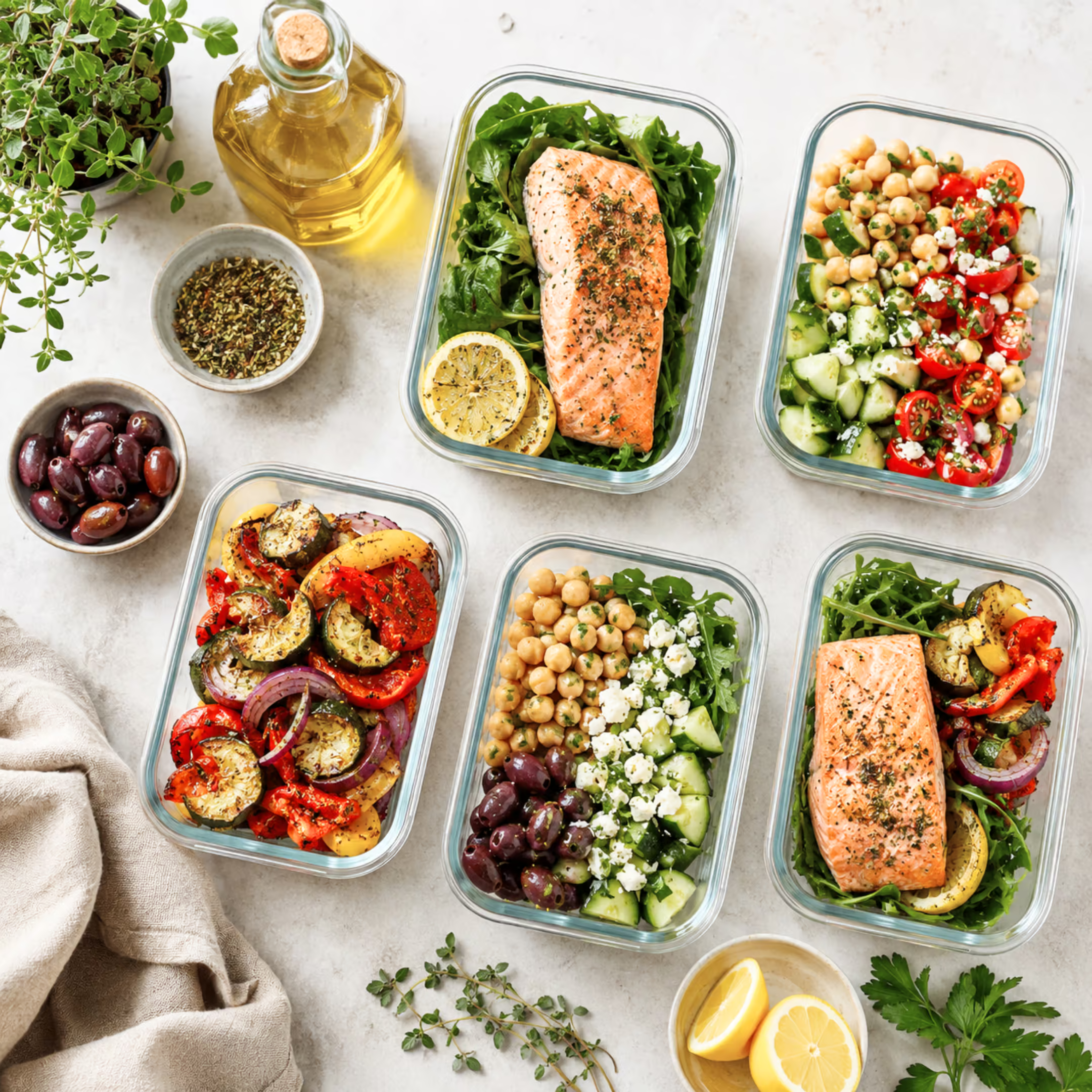
The Mediterranean diet is a traditional eating pattern inspired by countries like Greece, Italy, and Spain. It focuses on whole, nutrient-dense foods like vegetables, olive oil, seafood, legumes, nuts, seeds, and quality proteins instead of heavily processed foods.

Researchers have even analyzed the diet to determine its cardiometabolic and anti-inflammatory benefits. Many study participants following a Mediterranean-style diet experienced improvements in insulin sensitivity, inflammation, blood sugar balance, and heart health. All these are especially important for women managing PMOS!

What Does the Mediterranean Diet Consist Of?

When I say the word “diet,” I’m not referring to restrictive habits, food guilt, or unsustainable eating rules. Instead, I’m referencing a mindful, intentional approach to the foods you choose and the habits that shape your overall well-being. And fortunately, the Mediterranean diet aligns with that perfectly! 

Here are a few things you can expect to incorporate into your plate:

  • Healthy fats
  • Lean proteins
  • Complex carbohydrates
  • Fruits
  • Colorful vegetables 
  • Green leafy vegetables 
  • Whole grains
  • Beans and legumes
  • Nuts and seeds
  • Fish and seafood
  • Extra virgin olive oil
  • Herbs and spices
  • Fermented dairy in moderation
  • High-fiber foods
  • Antioxidant-rich foods
  • Minimally processed foods

Is Mediterranean Diet Good for PCOS or PMOS?

Overall, yes, the Mediterranean diet can be a good choice for those with polyendocrine metabolic syndrome (PMOS), formerly known as polycystic ovary syndrome (PCOS). It focuses on many of the same things I recommend in my PMOS diet plan! Whole foods, fiber, healthy fats, and blood sugar balance are central to the Mediterranean strategy. And those are all essential to mine too!

What I also love about the Mediterranean diet is that it’s actually sustainable long term. And I always recommend people make long-term changes to their eating habits rather than 30-day cleanses or resets. A “diet” you adopt for life will always have a bigger impact than these trendy fixes.

In fact, research found that patients with PCOS/PMOS on the Mediterranean diet had significant improvements in symptoms after just three months. They had reduced waist circumference (WC), reduced insulin resistance, improved lipid profiles, and better hormonal balance.

However, I don’t think the benefits should have to stop there! To make the Mediterranean diet more PMOS-friendly, consider removing dairy and gluten, and prioritize a higher protein intake.

Does cutting those foods feel intimidating? Here’s how to start going gluten- and dairy-free for PMOS. I hope it helps! 

What Are the Benefits of the Mediterranean Diet for PCOS or PMOS

What Are the Benefits of the Mediterranean Diet for PCOS or PMOS?

Improves Insulin Sensitivity 

The Mediterranean diet prioritizes high-fiber, anti-inflammatory foods and balanced meals. This can help slow digestion, decrease your total energy intake, prevent blood sugar spikes, and ease stress on the body. All of that can significantly improve insulin sensitivity! 

Helps Reduce Cravings and Overeating

When you have your blood sugar and insulin levels under control, your body properly uses glucose for energy. As your insulin sensitivity improves, it’ll likely help you resist cravings and prevent overeating. 

Reduces Chronic Inflammation

The Mediterranean diet says to ditch highly processed foods, added sugars, and refined carbs that are extremely inflammatory. Plus, if you also cut dairy and gluten like I recommend, your meals will likely be free of inflammatory triggers! 

Supports Gut Health

The Mediterranean diet is naturally high in fiber-rich foods like vegetables, legumes, nuts, seeds, and fruit. This helps support a healthier gut microbiome, better digestion, and even more inflammation relief throughout the body.

Encourages More Stable Energy Levels

Inflammation and insulin resistance are two of the main factors contributing to fatigue in people with PCOS (PMOS). Because the Mediterranean diet emphasizes fiber-rich carbohydrates, healthy fats, lean proteins, and blood-sugar-supportive whole foods, it may help improve insulin sensitivity over time. As those root issues begin to improve, your body can use glucose more effectively!

Supports Hormone Balance

Without all the excess insulin, your ovaries likely won’t produce any excess testosterone. And without inflammation, your cortisol (stress) levels stay regulated, too. Plus, healthy fats like fatty fish and seeds can help with balanced hormone production. When the endocrine and metabolic systems finally run optimally again, usually Cysters feel significant relief! 

Supports Healthy Weight Management

As I mentioned earlier, many women with PMOS see improvements in their weight or body mass index (BMI) on the Mediterranean diet. With balanced hormones and blood sugar, it’s much easier to eat well, exercise, and focus on your healing. 

May Improve Ovulation and Fertility

When insulin resistance and hormone imbalances improve, ovulation often becomes more regular, too. Since the Mediterranean diet supports both metabolic and endocrine health, many women notice improvements in cycle regularity and overall fertility.

Promotes Heart and Metabolic Health

PMOS increases the risk of long-term complications like high cholesterol, cardiovascular disease, and type 2 diabetes. The Mediterranean diet is one of the most widely researched eating styles for supporting heart health, cholesterol levels, blood pressure, and overall metabolic function.

How to Start the Mediterranean Diet for PCOS or PMOS

How to Start the Mediterranean Diet for PCOS or PMOS

With any diet, it’s always a good idea not to go all in right away. We’re looking for sustainable change, not an all-or-nothing approach. So, take your transition into a PCOS-friendly Mediterranean diet one step at a time. 

Step 1: Cut processed foods and saturated fatty acids.

Start by cutting out processed foods and saturated fats. (Think packaged snacks, soda, sugary cereals, chips, etc.) It’s one of the best first steps, because you can usually feel the impact right away. Think: more energy, fewer cravings, clearer skin, and maybe even weight loss!

Step 2: Prioritize protein at every meal.

Once you’re comfortable there, make sure you prioritize protein at every meal. Women with PMOS need plenty of lean protein to stabilize blood sugar and fully support the metabolism. If you struggle to get enough, start using Ovafit’s Crave Control Protein Powder. With a triple plant protein blend and PCOS/PMOS-specific ingredients, it’s a great way to fill nutritional gaps without it feeling like a chore.

Step 3: Remove or reduce inflammatory foods like gluten and dairy.

Processed foods make up a good chunk of the inflammatory foods category. However, I also recommend you cut gluten and dairy altogether, particularly if you notice they tend to worsen digestive comfort. It can also help to reduce your intake of red meat, alcohol, fried foods, and excess caffeine, all of which may contribute to inflammation or make it harder for your body to feel balanced!

Step 4: Use olive oil as your main cooking fat.

One of the biggest staples of the Mediterranean diet is olive oil. It’s rich in healthy fats and antioxidants that support heart health, hormone balance, and inflammation reduction. So, swap out inflammatory oils and butter when possible and start cooking primarily with extra virgin olive oil instead.

Step 5: Fill half your plate with vegetables.

The Mediterranean diet is all about those veggies. They’re packed with fiber, antioxidants, vitamins, minerals, and anti-inflammatory compounds to support your healing. Plus, they provide plenty of volume for relatively few calories, helping you feel satisfied without overloading your plate. It’s a win-win! For the biggest benefits, aim to fill about half your plate with non-starchy veggies at most meals.

Step 6: Eat more fish and omega-3 fats.

Your protein sources are really important for a PMOS Mediterranean diet. I recommend you eat fatty fish at least twice a week to get as many natural omega-3s as possible. Our brain is actually 60% omega-3 fatty acids, and our body can’t make them on its own. Even if you eat lots of salmon, I still recommend an omega-3 supplement from Ovafit

Step 7: Add more beans, lentils, and legumes.

Beans, lentils, and legumes are some of the best high-fiber carbohydrates you can eat on the Mediterranean diet. They help stabilize blood sugar, support digestion, and keep you fuller longer without causing huge glucose spikes. Plus, they’re packed with nutrients that support both metabolic and hormone health.

Step 8: Focus on consistency instead of perfection.

Remember, PMOS healing isn’t about eating perfectly 24/7. It’s about creating sustainable habits that support your body long term. If you mess up, eat something inflammatory, or have a weekend where things aren’t ideal, that doesn’t mean you failed. Just get back on track at your next meal and keep moving forward.

Mediterranean Diet for PCOS Meal Plan

As I mentioned, my PMOS diet is essentially Mediterranean with a little more protein and no dairy or gluten. So, if you want to start eating well and feeling better, let’s start right now! Below, I’ve shared an example PMOS Mediterranean one-week meal plan. You can find all these recipes on The Cysterhood app. Just use the meal planning feature to drop them all in place!

Day One:

  • Breakfast: Green Goddess Shakshuka 
  • Lunch: Mediterranean Chicken Tahini Wrap 
  • Dinner: Garlicky Pepper Steak Stir Fry 
  • Snack: Mason Jar High Protein Raspberry Cheesecake Jars 

Day Two:

  • Breakfast: Blackberry Coconut Chia Pudding 
  • Lunch: Greek Style Lentil Salad with Shrimp
  • Dinner: Mediterranean Chicken and Chickpea Soup
  • Snack: Beet Hummus and Vegetables 

Day Three:

  • Breakfast: Mexican Sweet Potato Casserole 
  • Lunch: Leftovers
  • Dinner: Mediterranean Sheet Pan Bake 
  • Snack: Apple Cider Blondies 

Day Four:

  • Breakfast: Apple Pie Protein Smoothie 
  • Lunch: Smoked Salmon Sandwich
  • Dinner: Chicken Tinga Tacos 
  • Snack: Dairy-Free Taco Dip 

Day Five:

  • Breakfast: Peanut Butter Banana Oatmeal Bake
  • Lunch: Mediterranean Tuna Salad Bowl with Roasted Red Peppers
  • Dinner: Red Curry Lentil Soup 
  • Snack: Healthy Cranberry Apple Crisp 

Day Six:

  • Breakfast: Breakfast Platter with Berries, Poached Egg, and Smoked Salmon
  • Lunch: Mediterranean Tuna White Bean Salad
  • Dinner: Sheet Pan Thai Salmon with Peanut Sauce 
  • Snack: Chickpea Fritters

Day Seven:   

  • Breakfast: Sweet Potato Avocado Toast
  • Lunch: Leftovers
  • Dinner: Greek Lemon Chicken Soup 
  • Snack: High-Protein Cookie Dough
The Mediterranean diet is beneficial for women with PMOS.

You can’t heal PMOS with an extreme diet trend or the perfect meal plan. But you can reverse your symptoms with strategic lifestyle changes. These aren’t quick fixes or short-term wellness fads. The new habits represent the next stage of you as you overcome PMOS symptoms and step into a healthier, more energized version of yourself!

10 PCOS-Friendly Desserts

If you’re a Cyster living with PCOS, you know managing symptoms can be challenging especially when you’re first getting started. Depending on who you are, the lifestyle changes needed to help you naturally reverse your PCOS symptoms can seem a little daunting. However, once you start feeling symptom relief, all your behavior changes feel totally worth it! 

No matter how much you’re loving the improvements in your health that you’re getting from your natural PCOS healing process, there are still things you miss! If you’re on an anti-inflammatory gluten- and dairy-free PCOS diet, something you may miss is sweet treats. We all want some chocolate once in a while!

Well, good news: a PCOS diet should not feel ultra-restrictive. You can definitely indulge in dessert without compromising your health goals! Of course, you need to be calculated about what desserts you eat, but there’s plenty to get excited about. I have a sweet tooth myself, which is why I have dozens of PCOS dessert recipes on The Cysterhood app. Download it for access to all my recipes everyone is perfectly suited for your new diet! 

If you’re still not convinced, I’m dedicating this post to some of my favorite PCOS-friendly desserts. On the surface, they may not seem like they’d fit into a PCOS diet (or any diet), but I’ll explain the ingredient changes and healthier alternatives that make all the difference when baking your tasty treats. 

Let’s get into it! 

PCOS-Friendly Desserts

10 PCOS-Friendly Desserts 

PCOS-Friendly Ice Cream

Love ice cream? Me too. Just because you go dairy free and start watching your sugar intake doesn’t mean ice cream is off the menu. It just means that you have to be mindful of how much, how often, and what kind. The right ice cream choices won’t spike blood sugar levels or compromise your health goals. 

You can find my recipe for Nutella Nice Cream on The Cysterhood app. (It’s delicious!)  But, if you’d prefer to buy a pint, here are some good dairy-free options:

PCOS-Friendly Cookies

I have over a dozen cookie recipes on The Cysterhood app. So, yes, you can eat cookies. I mean it when I say that a gluten- and dairy-free anti-inflammatory diet shouldn’t be restrictive. It’s about being intentional, but not depriving yourself of all the foods that bring you joy. 

With cookies (and with all desserts), you want to look for ways you can add nutritional value to balance out some of the sugar. That way, the sweet treat satisfies your immediate cravings while supporting your long-term goals. To this, you could add Crave Control Protein Powder to your batter, or include healthier ingredients like oats, fruit, or peanut butter. 

Of course, remember to use gluten-free flour, dairy-free milk, and even natural sweeteners when you can. For a long list of PCOS-friendly desserts to satisfy your sweet tooth, download The Cysterhood app. I provide all the recipes and nutritional information, so you don’t have to figure out the substitutions yourself. On the app, you’ll find cookie recipes like cranberry pecan oatmeal cookies, hot chocolate cookies, red velvet cookies, low carb chocolate chip cookies, and more! 

Can I Eat Sweets With PCOS?

Yes, you can eat sweets with PCOS. I recommend Cysters have one or two snacks a day between meals, and it’s totally fine if that includes a sweet treat! Just be cautious of the ingredient list—try to keep everything low sugar, dairy-free, gluten-free, and anti-inflammatory. 

If it’s not those things, that sweet treat still doesn’t have to be off the table (no pun intended.) Eat it in moderation and pair it with protein and healthy fats to support balanced blood sugar. That said, I think you’ll be surprised by all the delicious PCOS-friendly dessert options out there! You can really find a more beneficial substitute for any craving. 

Muffins

Muffins are a great choice for a PCOS-friendly dessert, snack, or even breakfast! They’re naturally not as sugary as a frosted cupcake, which is a good start! Beyond that, you’ll need to swap some ingredients to make it fit your diet. Choose a gluten-free flour like almond flour or coconut flour. Then, opt for dairy-free milk or dairy-free yogurt. Finally, instead of white sugar, use xylitol, which is the only sweetener that’s actually healthy for you! 

Once you swap out all the gluten, dairy, and sugar, it’s time for flavoring! Mixed berries, oranges, apples, nuts, cocoa powder, vanilla, and spices like cinnamon and nutmeg can definitely help curb your cravings. And, with intentional ingredient choices, muffins can be between 25-55 g of carbs. Depending on your carb tolerance, you could probably indulge in at least one (maybe two?) PCOS-friendly muffin! 

On The Cysterhood app, I have recipes for Mexican Chocolate Protein Muffins, Cranberry Orange Muffins, Apple Cinnamon Muffins, and more! Check them out! 

PCOS-Friendly muffins

Truffles

Muffins may not feel like dessert depending on how decadent you want your sweets, but truffles are sure to feel like an absolute after-dinner delicacy. In just 20-30 minutes, you can make truffles using chickpeas, almond butter, almond flour, dairy-free milk, and xylitol. You can even add protein powder to help make the truffles more healthy and filling. 

For flavor, ingredients like vanilla, coffee, nuts, oranges, apples, and dairy-free chocolate are all great choices. And, since truffles are bite-sized, each one is only 8-11 g of carbs. No guilt here! On the app, you’ll find my recipes for orange truffles, cardamom truffles, and even apple pie truffles! 

PCOS-Friendly truffles

Popsicles

Popsicles are the perfect summer dessert! You can prepare them in just 10 minutes (not including freeze time, obviously) with ingredients you probably already have in your PCOS kitchen staples! Use a dairy-free milk or yogurt of your choice and xylitol as a base, and then add your favorite fruits! Lemons, berries, and coconut are some of my faves! 

Want an added boost? Add some Inositol to your popsicles! The supplement will give your popsicles and extra boost to make you feel even better about the sweet treat. You’ll find recipes for lemon yogurt popsicles, toasted coconut popsicles, and strawberry cheesecake popsicles on the app. Yum, right? 

PCOS-Friendly Desserts Popsicles

Fruit

Fruit is one of the best ways to get a quick sweet fix. However, just because fruit is healthy, you’ll still need to pace yourself with your fruit intake because of the natural sugar. The best fruit choices for PCOS are apples, Apples, pears, oranges, kiwi, peaches, grapes, cherries, grapefruit, and strawberries. They hold the most benefits and a lower natural sugar content. If you really want to treat yourself, dip your fruit in a dairy-free healthy chocolate hummus! 

Sweet Bites

Bite-sized desserts are a diet-favorite because you can get a treat without being tempted to consume a lot of carbs and calories. You can make little bites or dessert balls using coconut butter, coconut milk, coconut cream, and xylitol as your base. Then, you can mix in vanilla, cocoa powder, lemon, dates, nuts, and spices to make it tasty (and high in healthy fats, fiber, and antioxidants!) Then, dip those bites in dairy-free dark chocolate or roll them in unsweetened shredded coconut for a complete treat. 

Some of my favorite versions of this dessert are my coconut lemon bliss balls and cinnamon roll protein bites. (Yes, you can add protein powder to these!) You find all of my recipes on the app, and each one is under 15 carbs and read in about 30 minutes. Quick, delicious, and don’t count as cheating on your diet! 

pcos friendly desserts

Brownies

Brownies? In a diet? Yes! Just like the other desserts on this list, it’s all about supplementing the ingredients that make it unhealthy for a PCOS-body. Almond flour and coconut oil are a good start. Then, for sweetener, opt for maple syrup, monk fruit sweetener, or xylitol. Then vanilla, cacao powder, dairy-free chocolate chips, and maybe some peppermint extract make it the indulgent dessert you’re used to but this version is under 35 g of carbs! 

If this is hard to wrap your head around, you can just follow my recipes on the app. I have a lot of brownie recipes on there including sweet potato brownies, peppermint chocolate brownies, beet brownies, and more! (Yes, I pack even more healthy ingredients into my brownies, but it doesn’t compromise the flavor one bit!) 

PCOS brownies

Mousse

Silky smooth mousse made from coconut cream and chickpeas is absolutely divine! Like other recipes, swap your white sugar for xylitol or maple syrup. Then, flavor with your favorite fruits, vanilla, cocoa powder, or warm spices like cinnamon! And, for an extra boost add some protein powder like I do with my high protein pumpkin mousse! 

You can put mousse together in 15 minutes and one serving is under 25 g of carbs! You’ll find more of my favorites on the app, like strawberry mousse and avocado chocolate mousse. I love mixing some mousse together when I’m craving ice cream. It definitely satisfies! 

Chia Pudding

Chia pudding is a great dessert choice for individuals with PCOS because the chia seeds prevent blood sugar spikes, supports hormonal balance, and reduces inflammation! They also provide plant-based omega-3 fatty acids and protein, making this dessert not only healthy, but super nutritious.

Like other desserts on this list, there’s a lot of ways you can dress up chia pudding to suit your taste! The base is just coconut mulk and chia seeds, but fresh fruits, nuts and seeds, extracts, spices, and more can really transform this dessert. Plus, protein powder, collagen powder, and even matcha powder can make this already nutrient-dense dessert even more healthy!

PCOS mouse

Shakes

What’s the difference between a smoothie and a shake? I’m not sure, but I like both for desserts! I have a recipe for a chocolate mint shake which is just as indulgent as a Shamrock Shake but only 40 g of carbs and done in 5 minutes. (It does have almost 500 calories, but this is a treat!) 

This shake includes almond milk, avocado, fresh mint, vanilla, dairy-free chocolate chips, and protein powder! However, if chocolate mint isn’t your thing, make it vanilla, strawberry, or chocolate. Just don’t compromise on using the best ingredients that support your diet!

Cookies

We all love cookies. That’s why I have over a dozen cookie recipes on The Cysterhood app including no-bake peanut butter cookies, hot chocolate cookies, cranberry pecan oatmeal cookies, and a lot more. These all use ingredients like gluten-free oats, gluten-free flour, maple syrup, xylitol, molasses, and diary-free milk. 

For the mix-ins, I love to use peanut butter, vanilla, cranberries, cacao nibs, spices, and even coffee! One cookie is usually under 30 g of carbs and ready in under 30 minutes, making cookies a guilt-free and easy PCOS dessert!

pcos friendly desserts

Treat yourself to a PCOS-friendly dessert!

Getting on a new diet is intimidating, especially when it’s a lifelong change and not a 30-day fix. But, a PCOS diet doesn’t have to be restrictive and stressful. Instead, as a Registered Dietitian and Cyster myself, I love to explore vibrant, indulgent flavors using healthier PCOS-friendly alternatives. That’s why all of my recipes on The Cysterhood app will support your health goals, whether that’s to lower your blood sugar levels or support hormone balance! 

You can find so much more PCOS lifestyle tips and healthy eating advice on the PCOS Weight Loss blog. I’ve got all the information you need to start making choices that’ll help lead you down the path of healing and symptom reversal. Don’t know where to begin? Try my 7-day PCOS meal plan to see just how delicious a PCOS diet can be! 

PCOS Blood Clots: Why They Happen and How to Prevent Them

People often think of irregular periods when someone mentions polycystic ovary syndrome (PCOS). After all, it is one of the most well-known symptoms. However, not many people realize that “irregular” doesn’t just mean delayed or off-schedule. Periods with PCOS can also be irregularly painful and heavy. 

Women with PCOS often have periods so heavy that they produce blood clots. And most of the time, this can result from insulin resistance, chronic inflammation, or higher estrogen levels. However, while this is common for Cysters, blood clotting shouldn’t be ignored. 

In this post, I’m going to discuss a few different potential reasons why PCOS causes blood clots. Afterwards, I’ll give you effective solutions for reducing clotting, lightening flow, easing pain, and regulating your menstrual cycle. Because when you understand what’s happening in your body, you can take the right steps to support it.

PCOS Blood Clots

PCOS Blood Clots: Why They Happen and How to Prevent Them

It’s true that menstrual flow varies from person to person, but some women with PCOS experience much heavier bleeding than average. This is because imbalances in key hormones can set off a chain reaction that disrupts the normal menstrual cycle. The result can be irregular or absent periods, inconsistent ovulation, more painful cycles, and heavier bleeding that often includes blood clots.

For a deeper dive on all things polycystic ovary syndrome and the menstrual cycle, read my post “What Are Periods Like with PCOS?” It breaks down what women can expect from menstruation with this hormonal condition. But today, I want to focus specifically on blood clotting—why it happens, when to be concerned, and how to address it.

Here’s what you need to know:

Are Blood Clots Normal with PCOS?

Yes. Blood clots during menstruation are fairly common in women (even those without PCOS) especially in those with a heavier flow. During a typical period, bleeding is usually light enough to flow continuously. However, a heavier flow, like some with PCOS experience, can sometimes be heavy enough that blood pools in the uterus or vagina before it’s shed. When this happens, it has time to coagulate and form clots. This is why you may notice clots ranging from about the size of a dime to a quarter during your period.

If clots stay within that size range, they’re generally not a cause for concern from a medical perspective. That said, consistently heavy bleeding and frequent clotting aren’t considered part of a well-regulated cycle. The good news is there are ways to support more balanced periods—I’ll get to that a little later! For now, here’s more on PCOS period bleeding

While small clots aren’t usually a reason to stress, there are times when clotting can be a sign that something isn’t right. Here’s when to call your doctor:

When to Worry About Blood Clots During Period with PCOS

  • Passing clots larger than a quarter regularly: Small clots can be normal, but passing large clots may signal excessive blood loss and should be evaluated.
  • Soaking through a pad or tampon every 1–2 hours: If you’re consistently soaking through a large pad or tampon in under two hours, it may be time to contact a medical professional. 
  • Bleeding between periods or after sex: Spotting outside of your cycle isn’t normal and can point to hormonal imbalances, polyps, or other uterine concerns.
  • Clotting paired with a foul odor or unusual discharge: This could indicate an infection and should be evaluated by your doctor. 
  • Showing signs of anemia (pale skin, headaches, rapid heartbeat): Fatigue isn’t abnormal during a period. However, if it’s paired with these other symptoms, it could be a sign that your body may be struggling to keep up with blood loss.
  • Suddenly irregular or heavy periods: A noticeable shift from your usual pattern (even with PCOS) can signal something new going on that you shouldn’t ignore.

What Do PCOS Blood Clots Look Like?

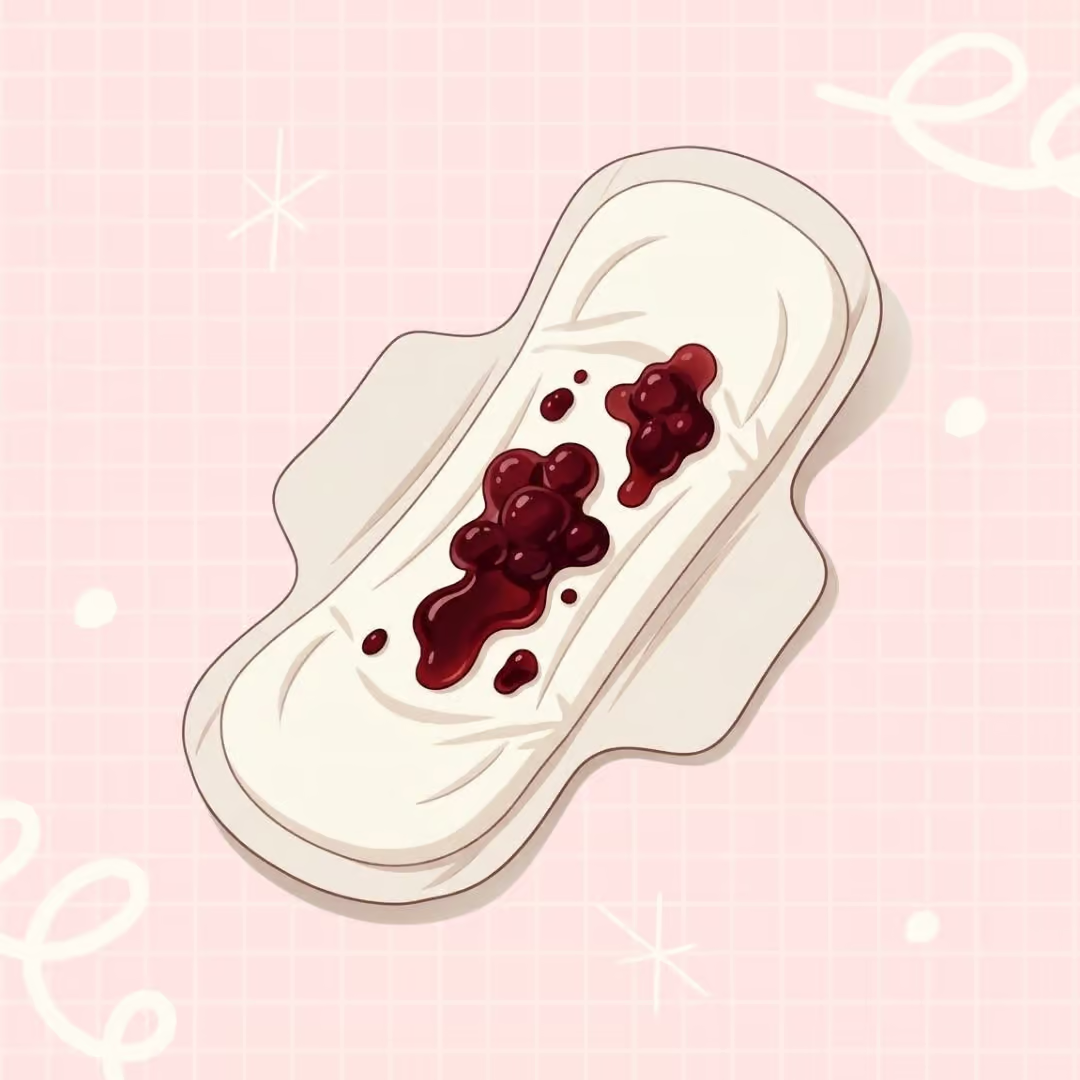
Blood clots are dark red or deep brown and have a thick, gel-like texture. They usually range in size from about 1 to 2.5 cm. Generally, when they’re darker in color, this can be a result of older blood that’s pooled and oxidized. Essentially, it means the blood has taken longer to leave the body. 

It’s not abnormal for women on their period, even if they don’t have PCOS, to experience clotting at times. However, PCOS blood clots often appear larger due to delayed shedding of the uterine lining. It’s also important to differentiate between blood clots, tissue fragments, and spotting. Because while they may look or seem similar, they’re distinctly different! Here’s a brief breakdown:

  • Clotting is often gel-like, slimy, and dark red, burgundy, dark brown, or even black. This happens when blood pools and clots, typically during heavy menstruation. For women with PCOS, clots can be larger than a quarter.
  • Tissue fragments are firm, stringy, or sometimes solid. They’re gray, pink, or white, and typically appear in small amounts. They’re primarily a result of estrogen dominance, leading to a thickened uterine lining that often sheds unevenly.
  • Spotting typically resembles light bleeding. It can be pink, brown, or brownish-red, and it’s often mixed with discharge. This can occur due to hormone fluctuations either between cycles or as a “replacement” of a typical cycle.

When you know how to spot what you’re experiencing, it becomes easier to understand what your body is trying to tell you—and when it may need extra support.

How Does PCOS Cause Blood Clots in Period

How Does PCOS Cause Blood Clots in Period?

Step One: Insulin resistance increases androgen production.

Up to 80% of women with PCOS have insulin resistance. It’s one of the main drivers of metabolic and hormone disruption in a Cyster’s body. Insulin resistance happens when your cells don’t properly convert glucose into energy. Instead, more glucose stays in the bloodstream, and your body stores excess as fat. To compensate, your pancreas pumps out even more insulin.

High insulin levels can lead to symptoms like weight gain, sugar cravings, and fatigue—but they don’t just affect your metabolism. Chronically elevated insulin also signals the ovaries to produce more androgens (male sex hormones). While we need small amounts of androgens for balance, too much can disrupt a healthy menstrual cycle.

Step Two: Excess androgens disrupt ovulation.

Too many androgens can interfere with proper egg development. In a typical cycle, one follicle matures, releases an egg during ovulation, and the cycle progresses normally. However, with elevated androgens, sometimes multiple follicles try to develop at the same time, but none mature appropriately. 

The result? Polycystic ovaries. (Hence the name of the condition.) Because no single egg reaches full maturity, the body doesn’t get the signal to ovulate. That means delayed or totally absent ovulation, which also delays your period.

Step Three: Progesterone stays low while estrogen levels continue to rise.

As follicles develop, estrogen levels rise. Estrogen helps support egg development and builds up the lining of the uterus in preparation for a possible pregnancy. In a healthy cycle, ovulation triggers progesterone production, which signals the body to shed the uterine lining. (Assuming there’s no pregnancy.) But without ovulation, progesterone stays low. Estrogen, on the other hand, continues to circulate without that natural balance.

Step Four: The endometrial lining thickens over time.

Because estrogen remains elevated for longer than it should, the uterine lining just keeps growing. And remember—this lining is what sheds during your period. So when your body finally does trigger bleeding, there’s a lot more tissue to get rid of than usual. That excess buildup can lead to heavier bleeding, more intense cramping, and the formation of blood clots.

Step Five: Inflammation affects the uterine environment.

While excess lining plays a major role, inflammation is another piece of the puzzle. Many women with PCOS have chronic low-grade inflammation. This can make these blood vessels more fragile and reactive, increasing blood flow and making bleeding heavier. It can also affect how efficiently the body regulates clotting and tissue breakdown, contributing to thicker, more noticeable clots during your period.

Step Six: Heavy flow leads to blood clot formation.

With heavier bleeding, the body’s natural anticoagulants (which normally keep blood flowing smoothly) can’t keep up. When blood moves too quickly or pools in the uterus, it has more time to thicken. As a result, the blood coagulates and forms clots before it leaves the body. 

How to Reduce Risks of Blood Clots with PCOS

How to Reduce Risks of Blood Clots with PCOS?

As I mentioned earlier, you shouldn’t accept clots of any size as “normal.” A healthy menstrual cycle should include light to moderate flow, minimal pain, and consistent timing.

To address irregular periods and ovulation issues, you don’t need to jump straight to hormonal birth control pills or medications like metformin. When you understand the root issues (insulin resistance, inflammation, and hormonal imbalances), you can start supporting your body in a more natural, sustainable way.

By targeting these underlying risk factors, you can regulate your cycle and reduce the likelihood of heavy bleeding and clot formation in the future!

Here’s what you need to do:

Learn about the menstrual cycle.

First things first: learn about your reproductive system. Research shows that only 1 in 5 women feels well-informed about their menstrual cycle. Knowing this, there’s no shame if this is your first time really understanding how your body works! That said, knowing what’s happening (and when) makes it much easier to improve symptoms and track your progress.

Want to know where to start? Read my post on the four stages of the menstrual cycle

Track your menstrual cycle.

Next, track your menstrual cycle! More specifically, note when you ovulate and when you have your periods. This will help you see where you are now and map how your regularity improves as you heal. Tracking your period is easy, but here’s a guide on how to track ovulation with irregular periods

To keep track of both, we recommend using an app that makes it easier to see patterns! This can help you successfully predict the next stage.

Drink plenty of water and stay hydrated. 

Hydration is key to every system in your body—including your reproductive system. Staying hydrated can help prevent clots in a super direct way. When you’re dehydrated, your blood becomes more concentrated and thicker, making it easier for clots to form. On the other hand, proper hydration supports healthy blood volume and smoother flow.

Practice better sleep hygiene. 

Sleep is essential for hormone balance. Research shows that women who don’t get enough quality sleep have higher androgen levels, increased insulin resistance, and more inflammation. All these contribute to blood clots and other PCOS symptoms. Prioritize consistent, high-quality sleep, especially around your cycle, to support more regular ovulation and hormone regulation.

Read “How to Get Better Sleep with PCOS” for the best ways to get better rest. 

Adopt a gluten- and dairy-free anti-inflammatory diet.

A strategic, PCOS-friendly diet is one of the most effective ways to manage insulin resistance. Remember, that is where a lot of this irregularity starts. Adopt a gluten- and dairy-free, anti-inflammatory diet that prioritizes protein, healthy fats, and fiber. Mindful, intentional food choices can improve insulin sensitivity, reduce inflammation, and support better hormone balance overall.

If you want to go the extra mile, here’s what to eat during each phase of the menstrual cycle

Do daily slow-weighted workouts.

Diet is important, but movement is the next biggest lever for improving insulin resistance, inflammation, and hormone balance. Studies show that regular exercise can help address all the root issues behind blood clots and PCOS symptoms. Focus on slow-weighted workouts or more mindful forms of movement that build strength, improve insulin sensitivity, and regulate hormones without overstressing your body.

For the best PCOS-friendly workout routines and recipes, download The Cysterhood app. 

Build a hormone-balancing supplement routine.

Supplements can help fill nutrient gaps that may be contributing to blood clots and other period-related symptoms. A targeted, high-quality supplement routine for PCOS can support hormone balance, insulin sensitivity, and inflammation.

Here are a few worth talking to talk to your doctor about:

Drink Testosterone Relief Tea.

Androgens are one of the main hormones disrupting normal ovulation. To help lower these levels, consider drinking Ovafit’s Testosterone Relief Tea twice daily. It blends science-backed, natural herbs that support hormone balance and help reduce inflammation.

Work with a doctor and get regular hormone labs.

One of the best ways to track your progress is through regular hormone testing. Seeing your levels over time gives you a clearer picture of what’s improving and what still needs support. It also helps you and your doctor make more informed decisions about your treatment plan. This way, you’re not just guessing—you’re adjusting based on real data.

Blood clots may be common with PCOS—but don’t accept them as normal. 

If your periods feel heavy, painful, or unpredictable, it’s time to have a talk with your doctor! Your cycle is one of the clearest reflections of your internal health. When you begin supporting it properly, you’re addressing what’s happening at the root. And over time, those small lifestyle changes can add up to significant symptom relief. 

How to Eat for Insulin Resistance & PCOS: A Beginner’s Guide

If you’re a woman with polycystic ovary syndrome (PCOS), I have good news for you. Though many symptoms of this hormonal condition can feel impossible to manage, you can turn things around naturally. No invasive procedures or long-term prescription use required! Nutrition is one of the most powerful tools for improving our health and reversing PCOS symptoms. 

“Natural healing” may sound like a stretch, but when you understand what’s happening inside your body, the power of food becomes obvious. Many women struggling with PCOS deal with insulin resistance, which I’ll discuss later. But essentially, your metabolism isn’t functioning the way it should. It needs support and retraining, and that’s something you can do through the way you eat and live day to day.

Research shows that balanced, strategic nutrition and intentional eating habits can help lower insulin resistance and ease many (if not all) PCOS symptoms. And as a PCOS Dietitian, it’s exactly how I’ve helped hundreds of women find relief. Want to know how you can use nutrition to finally feel like you again? Let’s break it down:

How to Eat for Insulin Resistance & PCOS: A Beginner’s Guide

How to Eat for Insulin Resistance & PCOS: A Beginner’s Guide

The metabolic symptoms of PCOS include stubborn weight gain, difficulty losing weight, intense sugar cravings, chronic fatigue, skin tags, and more. They’re some of the most common and chronic side effects Cysters deal with—and they’re all rooted in insulin resistance. 

In this post, we’re going to explore what insulin resistance is, why women with PCOS struggle with it, and give you expert nutritional advice to address this core problem for PCOS with daily strategies that are realistic, easy to implement, and really effective. 

For the most comprehensive PCOS nutritional support, download The Cysterhood app! It has dozens of insulin-sensitizing recipes, a handy meal planner, goal trackers, PCOS friendly workouts, and, best of all, a huge community of women just like you naturally healing their PCOS. 

But before we dive in, here’s what you need to know about eating for insulin sensitivity:

What Is Insulin Resistance in PCOS?

Insulin resistance occurs when muscles, fat, and cells don’t respond to insulin the way they should. Normally, when you eat, your body breaks food down into glucose (sugar), and insulin helps move that glucose into your cells to be used for energy.

However, when you have insulin resistance, your cells don’t respond properly. Instead of efficiently using glucose for energy, more of it stays in your bloodstream. At the same time, your body pumps out even more insulin to compensate.

The result? Low energy, weight gain, constant hunger, and intense cravings. It also results in chronically elevated insulin and blood sugar levels, which can increase your risk of long-term health issues like type 2 diabetes and cardiovascular disease.

Sound familiar? If you have PCOS, it probably does. Research shows that up to 70–80% of women with PCOS have insulin resistance. And it doesn’t just affect your metabolism. Elevated insulin levels can trigger inflammation and hormonal imbalances, worsening symptoms. This becomes a vicious cycle. Insulin resistance fuels hormonal imbalance, which then worsens PCOS symptoms, which can make insulin resistance even harder to manage.

The good news is that you don’t have to fix everything at once. When you start improving insulin sensitivity, you break a link in that chain. Hormones come back into balance, inflammation eases, and symptoms become much more manageable. And one of the most effective places to start is with your nutrition. 

For more detailed information, here’s how the right foods can help reverse your PCOS symptoms

Why Does PCOS Cause Insulin Resistance

Why Does PCOS Cause Insulin Resistance? 

Intrinsic Insulin Signaling Dysfunction

Researchers aren’t sure why, but women with PCOS seem to have intrinsic insulin dysfunction. For whatever reason, the “message” insulin sends to absorb glucose is naturally weaker in Cysters. This inherent metabolic issue could even be the cause of PCOS. (Emphasis on could, since doctors aren’t sure the exact, single cause.)

High Androgen Levels

High androgen levels are also common in PCOS, and they can interfere with how your body responds to insulin. At the same time, high insulin levels trigger the ovaries to produce more androgens. This creates a self-perpetuating feedback loop that keeps both insulin resistance and hormones out of balance.

Chronic Low-Grade Inflammation

When our body feels stressed by illness, threat, or internal dysfunction, it activates the immune system, triggering inflammation. When that inflammation doesn’t resolve itself, your body operates as if it’s in a constant state of emergency. To “help,” the metabolism increases fat storage and worsens insulin resistance. In turn, elevated insulin levels can drive even more inflammation, creating another feedback loop.

Lifestyle Factors 

Lifestyle plays a major role in insulin resistance. Although it can affect anyone, women with PCOS tend to be more sensitive to these triggers. Diets high in refined carbohydrates, ongoing stress, poor sleep quality, and a lack of regular movement can all negatively impact metabolic function and worsen insulin resistance.

Genetic Predisposition

PCOS does have a genetic component. If you have a family history of PCOS or type 2 diabetes, you may be more prone to insulin resistance. This means your body may naturally have a harder time responding to insulin and be more sensitive to triggers like diet, stress, and lifestyle factors. Basically, symptoms develop more easily and are harder to manage.

Best Foods for PCOS Insulin Resistance 

Eating the right foods for insulin resistance can actually help retrain your metabolism to work like it should. (With time, of course.) When you consistently choose foods that stabilize blood sugar, reduce inflammation, and support your metabolic functioning, your cells become more responsive to insulin. That means better energy, fewer cravings, and more balanced hormones overall!

Here are some of the best food choices to manage PCOS symptoms and insulin resistance:

Leafy Greens

Leafy greens like spinach, kale, romaine, and arugula are great for managing insulin levels! They’re low in carbs, so they won’t spike blood sugar levels. And they’re also high in fiber, which can help slow glucose absorption. If all that wasn’t enough, leafy greens have lots of magnesium and other insulin-sensitizing nutrients packed inside. 

Fatty Fish

Fatty fish like salmon, sardines, mackerel, and trout are among the best protein sources for people with insulin resistance. They’re rich in omega-3 fatty acids, which help reduce inflammation, improve insulin sensitivity, and support overall hormone balance.

Avocados

Avocados are great for PCOS. They’re high in healthy fats, which help regulate blood sugar and slow digestion. That means you stay fuller longer while avoiding the spikes and crashes that lead to cravings and low energy.

Berries

Berries are lower in sugar than most fruits, making them a great option for balancing blood sugar. They’re also rich in antioxidants and fiber, which help steady glucose levels and reduce inflammation.

Whole Grains

Whole grains like brown rice, quinoa, and oats are excellent sources of fiber. They digest more slowly than refined carbs, helping prevent blood sugar spikes. This keeps your energy levels steady and supports better insulin response throughout the day.

Nuts and Seeds

Packed with fiber, healthy fats, and protein, nuts and seeds are ideal for stabilizing blood sugar. This combination helps slow digestion, reduce cravings, and keep your metabolism running more efficiently.

Non-Dairy Greek Yogurt

As a dietitian, I often recommend that people with PCOS cut dairy. It can often trigger inflammation and worsen symptoms. However, Greek yogurt is high in protein, low in sugar, and contains beneficial probiotics that support gut health. Choosing a non-dairy version allows you to get those metabolic and digestive benefits without the potential inflammatory effects.

Legumes

Legumes like lentils, chickpeas, and black beans are rich in fiber and plant-based protein. This makes them great for metabolic health. They also digest slowly, which helps prevent spikes and keeps you feeling full longer. 

Cinnamon

Cinnamon is a simple addition that can make a big difference. It may help improve insulin sensitivity and reduce blood sugar spikes after meals. Plus, it adds natural sweetness without added sugar, making it a great way to enhance flavor while supporting your metabolism.

Eggs

Eggs are a high-protein, nutrient-dense food that supports stable insulin levels. They help prevent energy crashes, reduce cravings, and keep you feeling satisfied for longer. Plus, the combination of protein and healthy fats makes them especially helpful for supporting hormone balance in women with PCOS.

Here’s more on why eggs are good for women with PCOS.

Cruciferous Vegetables

Cruciferous vegetables like broccoli, cauliflower, and Brussels sprouts are great for PCOS. They’re high in fiber, which helps improve insulin sensitivity and support hormone balance. When possible, choose these over starchy vegetables like potatoes, sweet potatoes, corn, and peas that are higher in carbs. 

Lean Proteins 

Lean proteins like chicken, turkey, tofu, and fish are essential for managing insulin resistance. Protein helps slow digestion, stabilize blood sugar, and reduce cravings throughout the day. It also supports muscle mass, which plays a key role in improving insulin sensitivity over time.

Herbal Tea

Tea blends like Testosterone Relief Tea combine a mixture of beneficial herbs to help support hormone balance and insulin sensitivity. Just one or two cups a day can have a big impact over time, helping ease symptoms and improve metabolic function.

What Foods to Avoid with PCOS and Insulin Resistance

  • Refined carbohydrates: white bread, white pasta, pastries, bagels, sugary cereals, crackers, chips
  • Added sugars: candy, desserts, flavored yogurt, sweetened coffee drinks, syrups
  • Sugar-sweetened beverages: soda, sweet tea, energy drinks, fruit juice, sports drinks
  • Ultra-processed foods: packaged snacks, frozen meals, instant noodles, fast food, protein bars with added sugars
  • Fried foods: French fries, fried chicken, fried snacks, onion rings
  • Trans fats: margarine, shortening, packaged baked goods, shelf-stable pastries, microwave popcorn
  • Processed meats: bacon, sausage, deli meats, hot dogs, pepperoni
  • High-glycemic foods: white rice, white potatoes, cornflakes, rice cakes, instant oatmeal
  • Excess alcohol: sugary cocktails, beer, sweet wines, frequent or high intake of any alcohol
Does Protein Powder Help with Insulin Resistance

Does Protein Powder Help with Insulin Resistance?

Yes! Protein powders like Ovafit’s Crave Control Protein Powder can provide real metabolic support thanks to its intentional ingredients. DygloFit®, a natural fruit extract, is clinically shown to help reduce appetite and support fat loss by boosting GLP-1 and improving insulin sensitivity. Plus, the triple plant-based protein blend doesn’t just deliver high-quality protein—it also provides fiber, which is key for stabilizing blood sugar and keeping you full.

And there’s more. Crave Control Protein Powder is completely whey-free. Why does that matter? Because dairy-based proteins can be inflammatory for some women with PCOS and may worsen insulin resistance. Instead, this formula includes ingredients like therapeutic chromium and cinnamon, which help curb cravings, stabilize blood sugar, and prevent energy crashes.

So, yes, a high-quality protein powder is a simple yet extremely effective way to support insulin sensitivity and ease PCOS symptoms. Just add it to smoothies, mix it into oatmeal, or bake it into your favorite PCOS-friendly treats. Doing so offers a quick, balanced snack to help keep your blood sugar steady throughout the day.

Want more ways to support your metabolism nutritionally? Here are the best PCOS insulin resistance supplements for your healing journey. 

How to Eat to Improve Insulin Sensitivity with PCOS

  • Prioritize protein at every meal.
  • Pair carbs with protein and healthy fats.
  • Be sure to include plenty of high-fiber foods.
  • Add anti-inflammatory foods, too.
  • Choose low-glycemic carbs as often as you can.
  • Eat 3-4 balanced meals instead of grazing all day.
  • Don’t skip meals, especially breakfast. (If you want to try intermittent fasting, read this first.)
  • Start your day with a protein-rich breakfast.
  • Stay hydrated throughout the day.
  • Be mindful of portion sizes, especially with carbs.
  • Consider timing your carbs around activity (like workouts).
  • Eat slowly and mindfully to support digestion.

Can You Have PCOS Without Insulin Resistance?

Yes. You can have PCOS without insulin resistance, but it’s really uncommon. And even if you don’t exhibit symptoms of insulin dysfunction now, your body is likely more sensitive to it. That means it could develop over time, so it’s smart to be proactive about prevention now!

To understand where your symptoms may be coming from, determine your PCOS type to identify your root issues. 

Eating balanced, intentional meals can help reduce insulin resistance with PCOS. 

Healing PCOS naturally starts with the root issues. If you can improve insulin sensitivity and metabolic functioning, you’ll be well on your way to whole-body symptom relief. Commit to mindful nutrition—but don’t expect perfection from the start. Make one or two changes at a time, track your symptoms, and soon you’ll see patterns, progress, and real results.

For other natural ways to heal PCOS and reduce insulin resistance, read more helpful guides on the PCOS Weight Loss blog.

20+ Best Proteins For PCOS Women and Weight Loss

Let’s talk about protein. If you’ve looked into dieting, you’ve probably noticed that many of them recommend “high protein, low carb.” That’s because protein is a powerful nutrient that’s essential for helping you create muscle, which helps you lose weight (even after your workout.)

This is because protein helps you feel fuller longer to prevent you from overeating or having those crazy midday cravings! Digesting protein also burns more calories than other nutrients like carbs or fats. Plus, protein can help stabilize your blood sugar (even with insulin resistance) and boost your overall metabolic function. 

So, do I recommend a high protein diet for polycystic ovary syndrome (PCOS)? Yes! Ensuring you’re consuming the recommended amount of protein daily is a key tool to get rid of PCOS belly or any other weight loss goals. However, getting enough protein (and quality protein) can be difficult. So, today, I am sharing some of the best protein options for weight management with PCOS!

Here’s what you need to know:

20+ Best Proteins For Women and Weight Loss

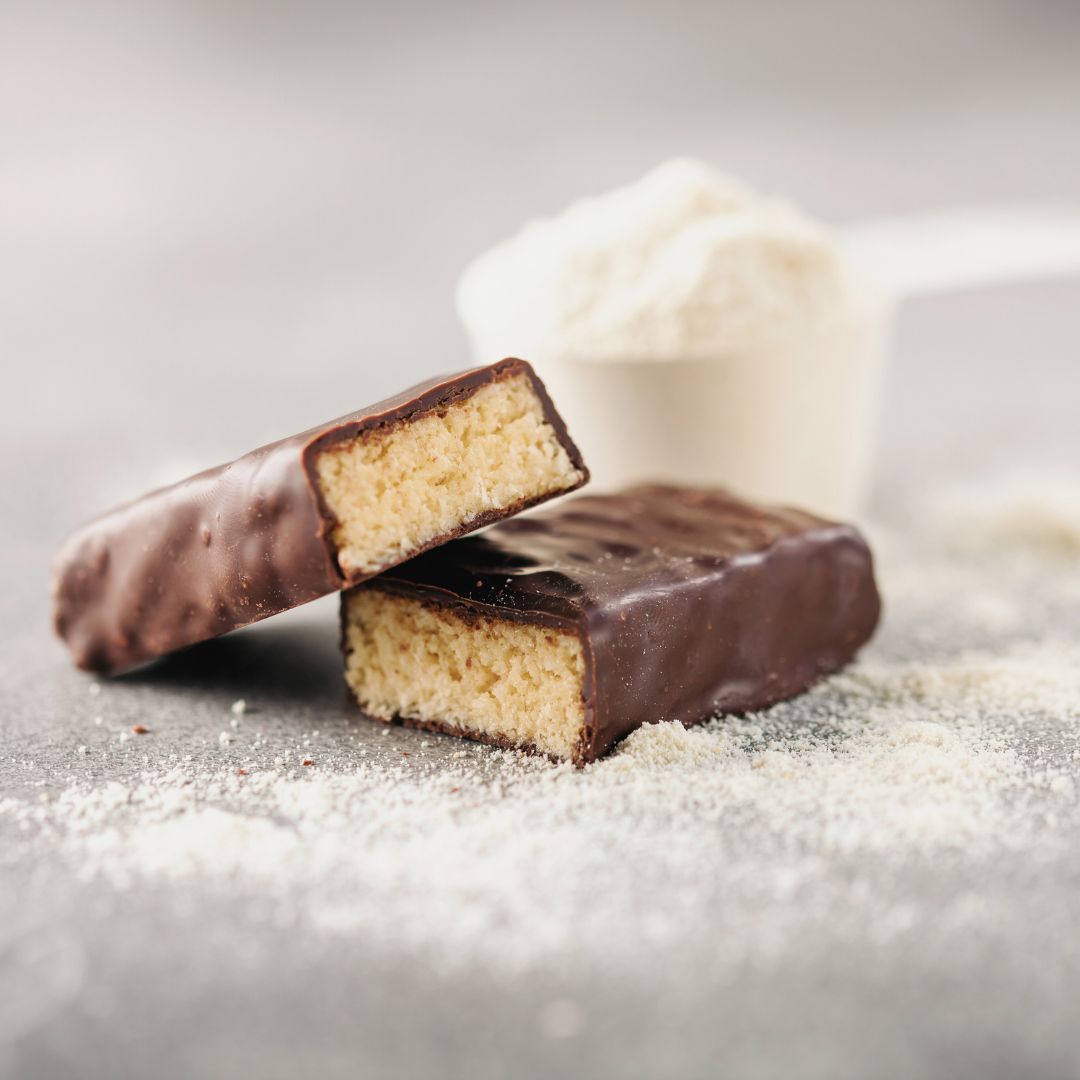
There are lots of ways to get your daily protein intake. Of course, your first thought is probably meat like chicken or fish. However, you can get protein through plant-based sources, through protein powders, and even protein bars! 

But, are all protein sources made equal? No. If you want to build muscle, increase muscle recovery, and lose body fat, you need a good quality protein powder that fits into your PCOS diet! I like to keep my protein powder anti-inflammatory, gluten- and dairy-free, low in sugar, and made with only the best ingredients.

That’s why I formulated a protein powder specifically for PCOS called Crave Control Protein Powder! It’s the best protein powder out there, not just for weight loss, but managing PCOS symptoms as a whole—and reducing the risk of long-term complications of PCOS like type 2 diabetes and heart disease.

Daily Protein Intake For Women

There are two ways to calculate your daily protein intake. It’s either 25% of your daily calories or 0.54–0.82 grams per pound of your body weight. So, if you’re 160 lbs, a good starting place should be between 87-133 grams of protein. But, listen to your body and if you have digestive issues, bring that number down.

How Much Protein Should Women With PCOS Eat?

Regardless of your total grams of protein per day, I do recommend at least 30 grams of protein for breakfast for a woman with PCOS! This is a great way to break your natural nighttime fast in a way that will promote blood sugar balance, keep you full until lunch, and will fuel your body with the energy it needs to get through the day! 

Best Protein Powders for Women with PCOS

20+ Best Protein For Women’s Weight Loss

Best Protein Powders for Women with PCOS

Ovafit Crave Control Protein Powder

Choosing the right protein powder can be really hard. There’s so much out there that just doesn’t align with your goals and doesn’t provide the right support for your PCOS body. To help make things simple, I formulated a protein powder specifically for women with PCOS! It’s called Crave Control Protein Powder, and here’s why it’s the best protein powder on the market for women with polycystic ovary syndrome:

  • Clinically shown to boost GLP-1 by 61% for natural appetite control.
  • Targets insulin resistance with therapeutic chromium and cinnamon.
  • Dairy-free to avoid whey-related insulin spikes.
  • Triple plant protein blend supports hormones and digestion.
  • 20g protein with only 1g sugar per serving.
  • Research-backed ingredients support fat loss in 12 weeks.
  • No artificial sweeteners, fillers, soy, gluten, or dairy.
  • Tested for purity and safety.
  • Made in the USA in a cGMP-certified facility.
365 Whole Foods Market Organic Pea Protein Powder 

For a budget-friendly protein powder, it doesn’t get better than this Whole Foods brand! It’s a pea protein powder that’s sugar-free, unflavored, gluten-free, and dairy-free. It has 15 grams of protein, which is on the lower side of the list, but still plenty to supplement other protein sources. This protein powder also includes iron and calcium for added nutrient benefits.

However, be cautious of the iron. Some women with PCOS can have naturally higher ferritin levels because of insulin resistance. So, more iron could actually be hard on your liver and worsen inflammation.

Orgain Sport Organic Vegan Protein Powder with Prebiotics 

This high-protein option has prebiotics and fiber to ensure your protein powder does triple duty in your morning smoothie or afternoon snack. Orgain protein comes from peas, chia seeds, and brown rice, meaning it’s very PCOS-friendly. 

Garden of Life Organic Vegan Sport Protein Powder with Probiotics 

This high-quality protein powder is packed with 30 grams of protein. And, we know it’s a top quality protein powder, because it’s gone through third-party testing to get an NSF certification. Beyond 30 grams of plant protein, it also has gut-boosting probiotics, branched-chain amino acids (BCAAs), glutamine, and glutamic acid.

It’s a great protein powder, but it is higher calorie and 30 grams of protein could be excessive. This is especially true if your meal includes protein from other sources. If you don’t balance the protein with fat and fiber, it could have fewer metabolic benefits and even raise cortisol levels.

Nuzest Clean Lean Protein Powder for Digestive Health

You’ll see a lot of these protein powders have additional gut health support benefits. This is huge for PCOS, because poor gut health contributes to a lot of our weight gain problems. Bad gut health can feed chronic inflammation and hormone imbalances that make you pack on excess weight. 

This protein powder is no exception! It’s a plant-based protein source with amino acids and L-glutamine for gut bacteria balance. Each serving has 18-25 grams of protein, which is great to add to a meal that’s light on protein. However, it’s at a much higher price point than others on this list—and it’s not specifically designed for people with PCOS.

Sunwarrior Vegan Protein Powder 

This plant-based protein powder has 30 grams of protein per serving, and includes extra boosts for your digestive health with probiotics and BCAAs. Though I love the added benefits, it doesn’t have any ingredients that are specifically helpful for a Cyster’s unique hormone needs. But it is gluten-, dairy-, and soy-free!  

best protein bars for women with pcos

Best Protein Bars for Women with PCOS

I have lots of protein-rich snacks on The Cysterhood app including seed cycling brownie bites. However, if you don’t have a chance to meal prep your snack, you could grab a protein bar.

seed cycling brownies
GoRaw Organic Sprouted Pumpkin Seed Bars

These pumpkin seed bars are organic, non-GMO, gluten-free, dairy-free, nut-free, and include 12 grams of protein. It includes only 5 top-quality ingredients (which does not include any artificial sweeteners or additives!) The only downside is that the GoRaw bar has a lower amount of protein than some of the other bars on this list. Also, this is a better choice for people looking for a salty fix over a sweet fix.

Misfits Vegan Protein Bar

These are some of the tastiest protein bars out there, and they actually use xylitol as a sweetener! Fun fact, xylitol is the only type of sugar that’s actually good for you! (Some people don’t like sugar alcohols like xylitol because it can have a laxative, but in moderation you likely won’t have an issue.) 

Each one has 15 grams of protein and will work with your PCOS diet since it’s dairy- and gluten-free! They come in a ton of flavors like chocolate cookie butter and peanut butter fudge. Yum!

Orgain Organic Vegan Protein Bars

I like Orgain protein powder and protein bars! They’re one of the most affordable on this list and the flavor is fantastic! They’re dairy-, gluten-, and soy-free and include 10 grams of protein per bar. This is a bit lower than other bars on this list, but they’re also smaller than other bars, so maybe you can treat yourself to two?

Beyond protein, these bars also include prebiotics and fiber. However, these bars do have tree nuts and peanuts, so if you have an allergy to any of these, you’ll have to go with another protein bar. 

BHU Foods Organic Low Carb Protein Bars

If you love the texture of cookie dough, these protein bars can’t be beat! They’re made with pea protein powder and are sweetened with monk fruit. They’re dairy- and gluten-free without any artificial flavors at all! Each bar is between 8-15 grams of protein depending on the flavor. And, there is a lot of flavor variety from chocolate chip to caramel peanut! 

1st Phorm Vegan Power Pro Bar

This brand specifically made these protein bars for people with lactose intolerance or those following a vegan diet. That means you don’t have to worry about encountering any ingredient that isn’t compatible with your lifestyle. Of course, it’s also gluten-free, but it also includes a vitamin blend to give you a boost in things like iron, vitamin A, vitamin C, folate, and more! 

They have four fun flavors, including apple crisp, chocolate brownies, chocolate mint brownie, and double chocolate. They’re a little pricier than other protein bars, but they do have one of the higher protein content with 15 grams per bar! 

best animal-based protein for women with pcos

Best Animal-Based Protein for Women with PCOS

Oily Fish and White Fish

Oily fish and white fish are a great source of protein for PCOS weight loss, because it’s low-calorie and has lots of omega-3 fatty acids inside. Unlike some other protein options, fish is naturally anti-inflammatory, is good for your liver, and is good for regulating cholesterol! One The Cysterhood app you’ll find PCOS-friendly recipes for weight loss like fish taco bowls and garlic lemon tilapia.

Poultry

Poultry, like chicken and turkey, is great for weight loss with PCOS, because it keeps you fuller longer and helps you maintain blood sugar balance. That’s a win-win for weight loss! And, it doesn’t cause any inflammation and GI issues of other animal-based proteins, so it’s a smart choice for weight loss. Oh, and it’s also low calorie. You’ll find plenty of recipes on the app that include chicken! 

Eggs

It probably comes as no surprise that eggs are on this list! Eggs are considered a “complete protein” with essential amino acids for keeping your muscles, eyes, nerves, and tissue healthy. They’re also packed with other nutrients and are great for boosting insulin sensitivity and overall metabolic health. Does jalapeno popper deviled eggs and sun-dried tomato and spinach frittata sound good??? You’ll find the recipes on the app! Plus, here’s more on why eggs are good for PCOS

PCOS friendly egg recipe

Best Plant-Based Protein for Women with PCOS

Legumes

If you’re not a big meat eater or it’s difficult for you to eat enough to hit your protein goals, there are plenty of plant-based options to get your numbers up, too! Lentils, peas, black beans, and chickpeas are all great for protein intake, with chickpeas and black beans having the highest amount of protein per cup at 14.5 grams! 

Tofu

Tofu is another low calorie protein source made from soybeans that also includes fiber and anti-inflammatory properties! One cup is about 21.8 grams of protein, which is fantastic. Plus, tofu is super versatile and can be used in SO many dishes. If you’re new to tofu, you can jump on The Cysterhood app to find tofu recipes like my no cook tofu bowl and my cajun tofu bowl!

Nuts and Seeds

Nuts and seeds are a great snack option or meal companion for women with PCOS looking to lose weight because they’re rich in essential minerals, naturally anti-inflammatory, heart healthy, and a great source of protein for weight control! Hemp seeds, pumpkin seeds, almonds, sunflower seeds, flax seeds, chia seeds, and cashews are all good to add to your diet for a plant-based protein source! 

Whole Grains

Whole grains are awesome for weight management! They’re high in fiber, nutrient-dense, low calorie, and full of antioxidants. They help keep you feeling fuller longer and keep your blood sugar balanced to prevent overeating and intense cravings. On the app you’ll find recipes like chili lime shrimp wrap with avocado quinoa salad and brownie batter overnight oats that are great sources for whole grains. 

Lean Protein for PCOS: Best Sources Ranked

You probably hear people use the phrase “lean protein” a lot when discussing diets. I even recommend lean protein with a PCOS meal plan! But what does it actually mean? Lean protein sources are foods that are high in protein but low in fat. Basically, a strong protein hit without a ton of calories. 

Here are the best lean protein sources for women with PCOS:

  • Skinless Chicken Breast: ~21–25 grams of protein
  • White Fish (Cod/Tilapia/Halibut): ~20–23 grams of protein
  • Ground Turkey: ~20–22 grams of protein
  • Lean Beef: ~21–22 grams of protein
  • Salmon: ~19–22 grams of protein
  • Eggs: ~17–18 grams of protein 
  • Tempeh: ~15–16 grams of protein
  • Dairy-Free Plain Greek Yogurt: ~8–10 grams of protein 
  • Tofu: ~8–10 grams of protein

*These are the protein estimates per 3 oz

Are Beans Good For PCOS?

Yes! Beans are full of fiber, plant-based protein, and other nutrients that support blood sugar balance and gut health. That said, beans aren’t just protein. They’re also carbohydrates. So, while they’re a great addition to meals, a big bowl of rice and beans will likely raise your insulin levels more than you expect.

Instead, incorporate beans into meals that include other protein sources, healthy fats, and non-starchy vegetables. Or be mindful of portion sizes if they’re your primary carb source.

The best beans for people with PCOS include:

  • Black beans
  • Lentils
  • Chickpeas
  • Kidney beans
  • Pinto beans
Protein is a key nutrient for women with PCOS to lose weight! 

There are lots of reasons losing weight with PCOS can be difficult. One of the main issues is insulin resistance and elevated blood sugar levels that leave you feeling hungry and fatigued all the time. You can fight insulin resistance and high blood sugar with protein. If you need a meal plan with plenty of protein from all sources to help you reach your weight loss goals, just follow the one I’ve created in The Cysterhood app! I have SO many protein-rich recipes on there that are delicious and will keep you feeling full!

For more information on losing weight with PCOS, browse my blog and listen to the A Cyster and Her Mister podcast! Losing weight and managing your insulin resistance won’t only help you look the way you want, but feel the way you want! It’s the first step to naturally healing your PCOS and reversing your symptoms for good.

Let’s do this! 

Hormone-Healthy Butternut Squash Soup for PCOS

Butternut Squash Soup for PCOS

If you’re looking for a warm, comforting, nutrient-dense recipe to support your PCOS lifestyle, this Butternut Squash Soup is the perfect cozy option. Made with simple whole-food ingredients, anti-inflammatory flavors, and naturally rich vitamins and minerals, this dish is a delicious way to nourish your body, especially during colder months.

Butternut squash is an excellent source of fiber, vitamin A, antioxidants, and slow-digesting carbohydrates that support steady blood sugar levels. Pair that with aromatics like ginger and garlic, plus a creamy dairy-free finish, and you have a satisfying soup that feels indulgent while still being supportive of hormone health.p

Although we recommend this recipe as a side dish (it hasn’t been adjusted for different carb ranges), it pairs beautifully with a protein—think roasted chicken, baked salmon, or a high-protein salad.

Let’s get into the recipe!

Hormone-Healthy Butternut Squash Soup for PCOS

Why Butternut Squash Soup Is Great for PCOS

There’s a lot to love about this recipe, especially if you’re managing PCOS through nutrition:

  • Low glycemic index: Butternut squash provides slow-release energy that supports blood sugar balance.
  • Anti-inflammatory properties: Ginger, garlic, and olive oil bring anti-inflammatory support—key for PCOS.
  • Fiber-rich: Helps keep you full, supports digestion, and stabilizes blood sugars.
  • Dairy-free option: Using dairy-free heavy cream makes this gentle on digestion and great for those who avoid dairy due to inflammation.
  • Nutrient dense: Packed with essential nutrients like vitamin A, vitamin C, potassium, and antioxidants.

Butternut Squash Soup

4 servings
Prep Time: 15 minutes
Cook Time: 30 minutes

✨Ingredients
  • 1 tablespoon olive oil
  • 1 large white onion, chopped
  • 3 cloves garlic, minced
  • 1 tablespoon ginger, grated or minced
  • 3 pounds butternut squash chunks
  • 1 small pear, cored, peeled, and chopped
  • Splash of white wine (optional)
  • 4 cups low-sodium broth
  • 1 teaspoon vanilla extract
  • ÂĽ teaspoon cayenne
  • ½ cup dairy-free heavy cream
  • Salt, to taste
  • Optional toppings:
    • Pancetta
    • Sage leaves

👩🏻‍🍳Instructions

Note: This recipe is intended as a side dish and has not been modified for specific carb ranges.

Step 1: Sauté the aromatics

In a large pot, heat olive oil (or ghee) over medium heat. Add the chopped onion and sauté until translucent.

Step 2: Add garlic and ginger

Stir in the garlic and ginger, cooking for about 30 seconds until fragrant.

Step 3: Add the squash

Add the butternut squash and stir to coat.
Optionally, deglaze the pot with a splash of white wine and let it reduce for 1–2 minutes.

Step 4: Add liquids and spices

Pour in the broth, vanilla extract, and cayenne. Cook over medium heat until the squash is soft and tender.

Step 5: Blend the soup

Using an immersion blender, puree everything until smooth and velvety.

Step 6: Add cream

Mix in the dairy-free heavy cream and adjust salt to taste.

Step 7: Prepare the pancetta (optional)

In a small pan, cook pancetta until crispy. Remove with a slotted spoon and place on a paper towel.

Step 8: Optional sage topping

Add fresh sage leaves to the remaining pancetta fat; crisp for about one minute. Remove and drain on a towel.

Step 9: Serve

Ladle the soup into bowls and top with crisp pancetta and sage if desired. Enjoy warm!

Start healing your PCOS symptoms from the inside out, beginning with your diet.

With just a few thoughtful pairings, this comforting butternut squash soup can be more than a side—it can be part of a delicious, PCOS-friendly meal that nourishes your body and supports your hormone health. For even more PCOS-friendly recipes and meal inspiration, be sure to check out the Cysterhood app!

Pecan Pie Overnight Oats: A PCOS-Friendly Breakfast Treat

If you’re living with PCOS, you know that balancing blood sugar and keeping insulin levels steady is key to managing symptoms. Breakfast can be a tricky meal—too high in sugar and carbs, and you risk energy crashes and cravings later in the day. That’s why this Pecan Pie Overnight Oats recipe is perfect: it’s loaded with protein, healthy fats, and fiber to help you stay full and satisfied, without spiking your blood sugar.

Not only is this breakfast nourishing, it’s also incredibly convenient. You prep it the night before, store it in the fridge, and wake up to a ready-to-eat, delicious, nutrient-packed meal. Plus, it tastes just like dessert in the morning—pecan pie for breakfast, anyone?

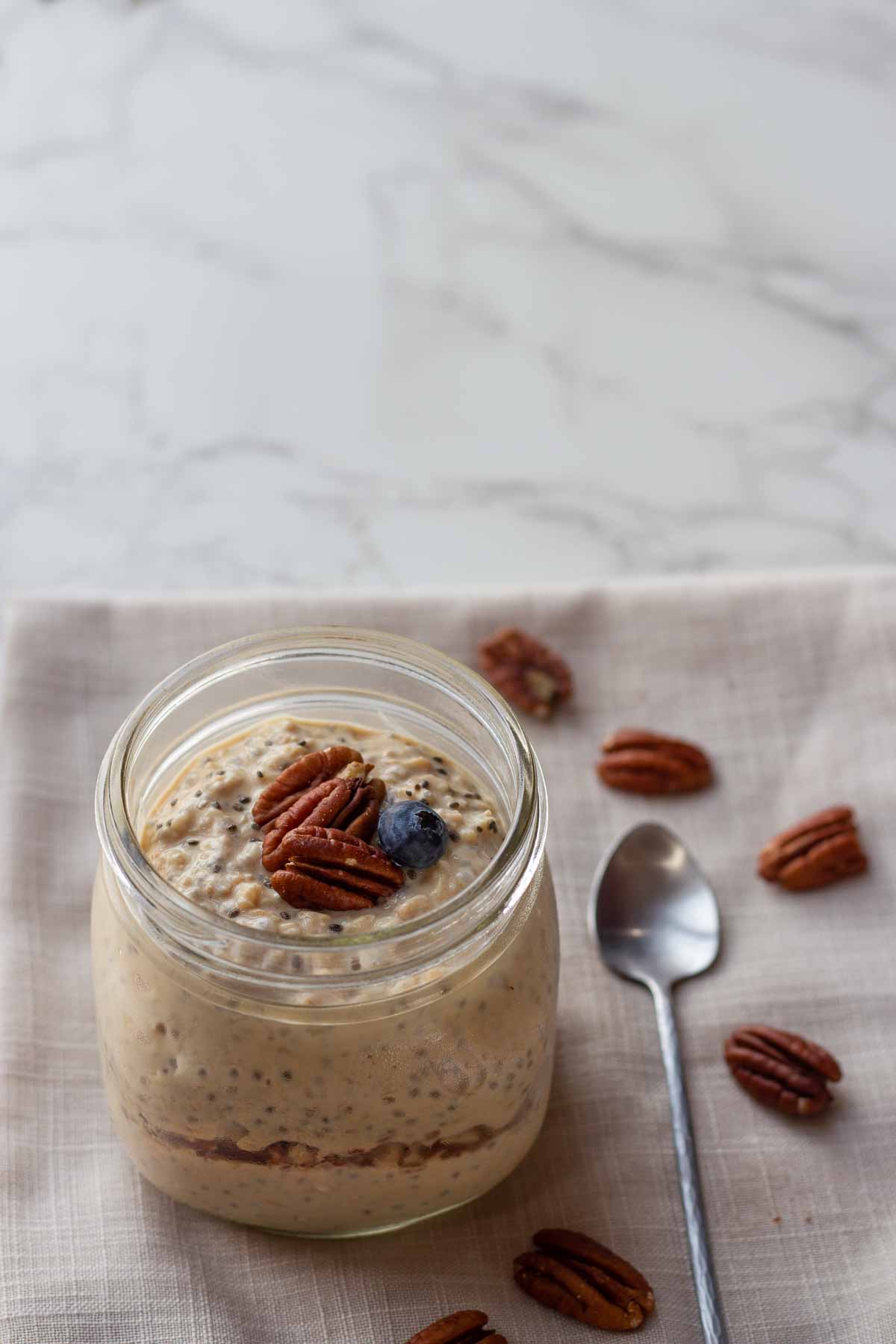
Pecan Pie Overnight Oats

Why This Recipe Works for PCOS

đź’ŞHigh in Protein: Protein helps stabilize blood sugar, improves satiety, and supports muscle maintenance. With protein powder, hemp seeds, and nut butter, this recipe delivers nearly 95 grams of protein across three servings.

🥣Fiber-Rich: Oats, chia seeds, and pecans provide soluble and insoluble fiber, which help slow digestion and improve gut health—something especially important for women with PCOS.

🥑Healthy Fats: Pecans and nut butter are packed with monounsaturated and polyunsaturated fats, which support hormone balance and help control cravings.

🍽️Low Glycemic Load: Unlike traditional oatmeal topped with sugar or syrup, this recipe relies on natural fats and fiber to keep blood sugar levels steady, making it a PCOS-friendly choice.

Pecan Pie Overnight Oats

Here’s how I build this recipe to be delicious, hormone-supportive, and easy enough to whip up any day of the week.

Prep time: 10 minutes
Chill time: 1–2 hours
Servings: 12 (or 24 bite-sized pieces)

✨ Ingredients

  • 1 cup pecans
  • 2 cups old fashioned oats
  • 2 Tbsp chia seeds
  • 3 Tbsp hemp seeds
  • 2 ½ cups hemp milk
  • 2 scoops protein powder
  • 2 Tbsp drippy nut butter (cashew or almond work great)
  • 1 tsp vanilla extract
  • ÂĽ tsp nutmeg
  • 1 tsp cinnamon

👩🏻‍🍳Instructions

  1. Toast the Pecans: In a medium skillet, toast the pecans until fragrant. Let them cool, then chop them in a small food processor. Transfer to a small bowl and set aside.
  2. Mix the Base: In a large bowl, combine oats, hemp seeds, chia seeds, milk, protein powder, nut butter, spices, a pinch of salt, and vanilla. Stir until well combined.
  3. Refrigerate Overnight: Cover the bowl and refrigerate for at least 5 hours or overnight.
  4. Morning Prep: In the morning, give the oats a good stir. Add a splash of milk if needed to reach your desired consistency.
  5. Serve: Top with toasted pecans or layer them in jars with a layer in the middle. Pro Tip: Don’t stir the pecans into the oats at night—you want them crunchy, not soggy!

Tips for Customizing Your Pecan Pie Overnight Oats

  • Lower Carb Option: If you’re sensitive to carbs, try reducing the oats slightly or swapping in more chia seeds for fiber.
  • Sweeten Naturally: If you prefer sweeter oats, add a dash of cinnamon.
  • Make It Portable: Layer your oats in jars for grab-and-go breakfasts. Perfect for busy mornings or meal prep!

This Pecan Pie Overnight Oats recipe proves that healthy, PCOS-friendly breakfasts can still be indulgent. With protein, fiber, and healthy fats in every bite, it’s the perfect way to start your day feeling satisfied and energized.

And if you love this recipe, you’ll be happy to know there are tons of other hormone-balancing, PCOS-friendly snack and dessert recipes in The Cysterhood app, designed to make healthy indulgence easy and accessible. And don’t forget to visit the blog for more PCOS breakfast ideas.

For more tips, guides, and practical advice on thriving with PCOS, visit PCOS Weight Loss blog to take back control of your health.

Why Am I Not Losing Weight on Ozempic With PCOS?

At this point, everyone’s heard of Ozempic. It’s gone from a medication for diabetes management to a hugely popular weight loss drug. And if you’re a woman with PCOS, the promise of “easy weight loss” can be super tempting! We all know that losing weight with PCOS is HARD, and Ozempic may seem like a shortcut not just for shedding pounds, but for easing the other frustrating side effects of PCOS too.

But is it really a miracle drug? In my opinion, as a PCOS dietitian, no. Ozempic doesn’t address the root causes of PCOS-related weight gain. Sure, you may lose weight while on it, but when you eventually stop, the weight often comes right back. In fact, those underlying issues can actually prevent you from seeing results with Ozempic altogether.

If you’re a woman with PCOS taking Ozempic and haven’t seen results, I’m here to help. I don’t endorse Ozempic for PCOS, but I do support all Cysters on their journey! In this post, I’ll explain why weight loss may not be happening with Ozempic. After that, I’ll share strategies to help you start making real, long-lasting progress toward your weight loss goals.

Why Am I Not Losing Weight on Ozempic With PCOS?

Why Am I Not Losing Weight on Ozempic With PCOS?

In this post, I’ll explain what you can expect from taking Ozempic with PCOS. I’ll also help you determine why you might not be dropping pounds with Ozempic and give you alternative solutions for sustainable, permanent weight loss. 

How Much Weight Can You Lose on Ozempic With PCOS in 6 Months?

Of course, the results of Ozempic vary from person-to-person. However, on average women with PCOS lose between 4.4 and 26.5 lbs in the first 6 months. That’s a pretty big range, so don’t be discouraged if you’re only losing half a pound a month. 

How Long Does It Take to Lose Weight on Ozempic With PCOS?

How long it takes to lose weight really depends on when Ozempic starts to suppress your appetite—and that timing can vary! For most people, appetite suppression begins within the first few weeks. For others, however, it can take up to 2 months. That said, women with PCOS can generally expect to see some weight loss within the first 3 months, depending on how their body responds.

Is It Possible to Not Lose Weight on Ozempic With PCOS?

Yes. Ozempic, aka semaglutide, is an injectable medication that works by suppressing appetite, leading to weight loss. However, it doesn’t actually tackle the root causes of PCOS weight issues. Often, appetite isn’t the sole problem. Keep in mind, Ozempic is FDA-approved for diabetes—it’s not designed to address the complexities of a hormonal condition.

What exactly does this mean? Ozempic doesn’t fix insulin resistance, hormonal imbalances, or chronic inflammation. Therefore, some Cysters either don’t lose weight or they hit frustrating plateaus. Pair the lack of results with the negative side effects of Ozempic, and you have a really discouraging combination. 

Let’s dive deeper into why you might not be seeing results:

why you are not losing weight on ozempic with pcos

Why You Are Not Losing Weight on Ozempic with PCOS

High Insulin Resistance 

Up to 80% of women with PCOS have insulin resistance, which means the body doesn’t process glucose correctly. Instead of your cells turning sugar into energy, it gets stored in the body and absorbed into the bloodstream. This can increase body fat, raise blood sugar levels, and worsen cravings, fatigue, and other PCOS symptoms.

Ozempic doesn’t directly fix insulin resistance—though it can sometimes help indirectly. If your appetite changes and your eating habits improve, that can support insulin sensitivity. However, if your habits aren’t changing much on Ozempic, insulin resistance will persist. 

High Calorie Intake 

When your appetite is suppressed, you naturally tend to eat less, making it easier to create the calorie deficits needed for weight loss. But this isn’t true for everyone! If you often eat for comfort or due to cravings, you might still overeat or choose high-calorie, low-nutrient foods. 

That means you could still be consuming more calories than your body needs, and Ozempic can only help so much. It supports a healthier appetite, but it can’t force calorie reduction beyond that.

Wrong Dose or Timing

Just as with any other medication, finding the right dose is key. If your doctor prescribed too low of a dose, you might not notice appetite changes or experience much weight loss. Timing matters too. Taking Ozempic on a consistent day and time each week is super important. Skipping doses or taking it irregularly can cause your appetite to spike and dip, which can slow or stall your weight loss goals. 

No Lifestyle Support 

As I’ve said, Ozempic isn’t a permanent solution. It works while you’re taking it, but the moment you stop, the weight usually comes back. That’s why lifestyle support is key to keeping your results long-term. So if you’ve hit a weight loss plateau or aren’t seeing results, it’s time to look at your eating habits, exercise routine, sleep schedule, and more. I’ll break that down below.

Conflicting Medication 

There are a lot of medications that can counteract the effects of Ozempic. If you’re taking any of these with Ozempic, talk with your doctor to discuss next steps: 

  • Corticosteroids (Prednisone): increase appetite and blood sugar
  • Certain Antipsychotics (Olanzapine, Risperidone, Quetiapine): cause weight gain
  • Some Antidepressants (Mirtazapine, Paroxetine): increase cravings and food intake
  • Diabetes Medications that Raise Insulin (Sulfonylureas, Insulin): promote fat storage
  • Hormonal Medications (Birth Control, HRT): affect appetite, fat distribution, and fluid retention

Other Medical Conditions

Other health conditions on top of PCOS can affect how your body responds to Ozempic. Conditions that impact your metabolism or endocrine system can increase appetite and fat storage, making it harder to see results. Hypothyroidism, Cushing’s syndrome, gastrointestinal disorders, and even sleep disorders can all interfere with ideal weight loss.

Can Women with PCOS Lose Weight Without Ozempic?

Absolutely. Navigating weight loss with PCOS can feel incredibly discouraging. I’ve been through that frustration too. There was a time when I was exercising intensely and restricting my diet, yet the scale kept going up instead of down. It was confusing, exhausting, and honestly, really disheartening.

It’s all about understanding how PCOS affects your body. When I learned about the cycle of insulin resistance, inflammation, and hormonal imbalances that was triggering all my symptoms, the solution to reversing my condition became much clearer. My results weren’t temporary either. They’re permanent!

The answer isn’t as simple as a better diet and exercise. Instead, you need the right foods, the right exercise, and the right daily habits. You can read my full guide to managing PCOS symptoms naturally HERE, but below I’ll share some of the lifestyle changes that will make the biggest impact. 

Here’s my full PCOS story, if you’re interested! 

how to lose weight without ozempic

How to Lose Weight Without Ozempic 

Gluten- and Dairy-Free Anti-Inflammatory Diet 

If you want to lose weight, you don’t want to excessively restrict calories. This can send your body into a fight-or-flight mode that actually makes it store more weight—especially with PCOS, where our cortisol levels (stress hormones) are already high! 

Instead, you need to be intentional about what you do eat, rather than obsessive about what you don’t. I recommend a gluten- and dairy-free anti-inflammatory diet that focuses on lots of protein, fiber, and healthy fats. You can find tons of PCOS-friendly recipes and meal plans on The Cysterhood app. 

Slow-Weighted Workouts

Not all types of exercise are great for PCOS. Remember kickboxing? That high-impact, high-intensity workout got my heart pumping and spiked my cortisol and adrenaline. That’s not helpful for PCOS weight loss! In fact, it kept my insulin resistance high and even contributed to weight gain.

Instead, slow-weighted workouts are your best friend. This kind of meditative resistance training helps build muscle, balance hormones, and improve insulin sensitivity. Not sure what that looks like? No worries—you can find tons of workout plans on The Cysterhood app, too. Also, make sure to check out “Worst Exercises for PCOS That May Impact Progress” to see which ones you’ll want to avoid!

Hydration

Staying hydrated is key to weight loss. It naturally suppresses your appetite and helps your body burn calories more efficiently! Plus, when you’re properly hydrated, your body responds more effectively to insulin, thereby improving sensitivity. And if you deal with PCOS belly, hydration can also help reduce bloating and swelling. All around—drink more water. 

Better Sleep 

Sleep is an essential part of hormone balance, including insulin. While we sleep, our bodies carry out important processes that regulate all of our systems. If we don’t sleep well or fail to get enough rest, the body doesn’t have time to balance everything out. This can ultimately lead to chronic dysregulation of metabolism and the endocrine system.

That said, I know sleep can be challenging with PCOS. You’re way more likely to have a sleep disorder if you have PCOS than women without this condition! To help you out, check out my post on how to get better sleep with PCOS.

Less Caffeine 

Caffeine is like liquid stress. Drinking it can raise your cortisol levels, triggering your body to enter survival mode. When your body thinks it’s in emergency mode from chronic stress, it stores more fat to preserve energy. Cutting back can help improve weight loss and other PCOS symptoms, too! If you’re still on the fence, here’s more on why you should reduce caffeine with PCOS

Testosterone Relief Tea 

One of the PCOS hormonal imbalances that directly affects insulin is high androgens (male sex hormones). When androgens are elevated, your ovaries produce more insulin. To lower insulin resistance and improve metabolic health, it’s important to reduce androgen levels. One of the best ways to do that is with my Testosterone Relief Tea! It’s a herbal tea blend packed with research-backed natural ingredients that support hormone regulation.

Supplements

Supplements give our body the extra support it needs to stay balanced. Even with a super intentional diet, you won’t be able to get all the recommended daily vitamins and minerals. For Cysters, here are the best supplements for PCOS:

Ozempic results can be unpredictable and temporary. Lose weight naturally with intentional lifestyle changes!

Ozempic can feel like a quick fix, but for lasting results with PCOS, lifestyle changes are key. From diet and exercise to sleep and supplements, there’s a lot you can do naturally to support weight loss.

For a deeper dive, read how to lose weight with PCOS next. And don’t miss an episode of the A Cyster and Her Mister podcast! I’m here as a PCOS dietitian and Cyster myself to offer the resources and education to support you on your journey. With the right tools (and community!), the impossible can feel possible.

Can You Take Ozempic While Breastfeeding With PCOS?

Ozempic is a pretty new drug, but it’s quickly become one of the most recognizable prescription medications out there. It was originally created to help regulate blood sugar in people with type 2 diabetes. However, once people began revealing its weight management benefits, Ozempic (semaglutide) was suddenly seen as a miracle drug. 

Since women with polycystic ovary syndrome (PCOS) often struggle with insulin resistance—a form of blood sugar dysregulation—it’s got lots of Cysters wondering if Ozempic is right for them. And honestly, with symptoms like weight gain, intense cravings, fatigue, brain fog, dark patches of skin, fertility issues, and more? It’s not surprising that Cysters are looking for answers.

However, Ozempic isn’t the key to healing PCOS. It can mask symptoms, but it doesn’t address the root problem. When you stop taking it, those insulin resistance symptoms usually come right back. And, with that in mind, people begin asking, “But do you have to get off it?”  I believe that all medications should have an exit plan, if possible. Beyond that, though, you won’t be able to take Ozempic during pregnancy, and it’s not recommended while breastfeeding either.

In this post, I’m going to go over the potential effects Ozempic could have on you and your baby if taken while breastfeeding. I’ll also cover other options that are safer, side-effect-free, and permanent.

Here’s what you need to know:

Can You Take Ozempic While Breastfeeding With PCOS?

Can You Take Ozempic While Breastfeeding With PCOS?

No, most doctors won’t approve the use of Ozempic while breastfeeding. There’s very little research on the effects right now, so better safe than sorry! It’s also important to note that Ozempic actually isn’t FDA-approved for anything but type 2 diabetes. It’s not made or well-studied for PCOS either, which is another reason I don’t recommend as a permanent PCOS solution.  

What is Ozempic?

Lately, maybe you’ve been asking: What is Ozempic? Ozempic is the brand name for the medication semaglutide, one of a few GLP-1 agonists. It works by mimicking a hormone called glucagon-like peptide-1 (GLP-1). Since it’s like a copy of this hormone, it’s considered a “GLP-1 receptor agonist.” 

That’s nice and all, but now you’re probably asking: What does Ozempic actually do? It’s known for improving insulin sensitivity, reducing the amount of sugar your liver releases, and slowing stomach emptying. The results? Weight loss, reduced appetite, and sometimes improved fertility.

But, even if Ozempic helps you get pregnant, you can’t take the drug while pregnant, and it’s not recommended once the baby is born either. There’s concern that semaglutide could negatively impact breast milk quality and supply.

Here’s what medical professionals and researchers are worried about:

how does ozempic affect breastfeeding with pcos

How Does Ozempic Affect Breastfeeding With PCOS?

May Disrupt the Infant’s Blood Sugar Levels

Some early studies have shown that Ozempic could enter breastmilk through the mother’s bloodstream. And since semaglutide is a protein, it wouldn’t break down until it reached the baby’s stomach. As a result, these trace amounts could theoretically then interfere with a baby’s blood sugar levels. The risk is even greater with premature infants, who generally have less effective immune systems than full-term babies. 

Could Cause Digestive Issues in the Baby 

Additionally, that protein may be hard to digest! Gastrointestinal issues like nausea, diarrhea, and constipation are already one of the main side effects of Ozempic in adults. So, if an infant were indirectly exposed through breast milk, there’s a chance they could experience similar issues. 

Can Interfere With the Infant’s Nutrient Absorption 

The semaglutide protein is designed to slow down metabolism—basically prolonging stomach emptying and digestion. This can delay the absorption of vitamins, minerals, and medications in your little one. It could also suppress their appetite, making it even harder for them to get the nutrients they need.

Side Effects May Lower Milk Production 

Ozempic suppresses appetite, which can lead to lower calorie intake, slower nutrient absorption, and potential hormonal imbalances. If prolactin—the hormone that drives milk production—is affected and there isn’t enough food coming in, breastfeeding mothers could see a significant drop in milk supply if they continue taking Ozempic. 

ozempic and breastfeeding with pcos

Ozempic and Breastfeeding With PCOS: What You Need to Know

It is not recommended when breastfeeding. 

No medical professional recommends that breastfeeding women take Ozempic. 

Some studies suggest it can pass through milk. 

There’s limited research, but a few early studies show there’s a potential risk of drug transfer in breast milk. Even small amounts could be a risk to your baby, so it’s better to be safe than sorry!

There’s no significant safety data yet.

Though there’s no strong evidence that Ozempic is explicitly unsafe, there’s also no research proving it’s safe for breastfeeding mothers. To put it simply, there is currently no significant safety data for this demographic. 

There are plenty of natural, breastfeeding-safe blood sugar management options. 

Just because Ozempic is off the table doesn’t mean you can’t reduce your insulin resistance and find symptom relief. In fact, there are lots of ways to naturally and holistically get to the root of insulin resistance and support your body’s healing. In other words: real recovery, without the unwanted side effects. Most women with PCOS don’t need Ozempic or any other GLP-1 prescription

Here are some things you can do to reverse insulin resistance with PCOS

Discuss all medications and supplements with your doctor when breastfeeding. 

There are lots of safe medications and supplements you can take while breastfeeding. However, make sure you discuss your plans with a medical professional. Only take what the doctor prescribes! 

Alternatives to Ozempic for PCOS While Breastfeeding

Have you heard of nature’s Ozempic? Berberine Advanced acts as a natural GLP-1 booster, helping your body release more of the hormone GLP-1. This hormone plays a key role in regulating blood sugar, improving insulin sensitivity, and controlling appetite, making it a powerful tool for managing PCOS naturally.

Beyond boosting GLP-1, Berberine Advanced delivers a range of powerful benefits. Its Berberine Phytosome™ formulation improves absorption, so your body can truly experience its effects—like reduced cravings, improved metabolism, and better hormonal balance. And, unlike Ozempic, it’s gentle on the digestive system, making it safe and effective for breastfeeding moms looking to manage PCOS without prescription drugs.

Do not take Ozempic while breastfeeding. 

Ozempic is not my first recommendation for PCOS management, It’s just a bandaid! It doesn’t get to the root issue, and you have to stop while pregnant and breastfeeding. Which, ultimately, is often when women need the most support and consistency managing symptoms—espeically with healthy healing and sleep.

Instead of asking your doctor about Ozempic, ask him about Ovafit’s Berberine Advanced. It’s high-quality, NSF-certified, and specifically formulated with a PCOS body in mind. It’s the natural GLP-1 booster you need to reach your goals safely while breastfeeding. 

You can get tons more PCOS healing strategies, resources, recipes, workouts, and handy tools on The Cysterhood app. Come join our community to find ways to live symptom-free with PCOS!

Almond Butter Fudge: A PCOS-Friendly Dessert for Balanced Hormones

If you’ve ever found yourself searching for something sweet that won’t send your blood sugar spiraling, this Almond Butter Fudge is the perfect answer. Managing PCOS doesn’t mean giving up chocolate…it just means being mindful of the kind of ingredients that support your hormones rather than work against them.

This creamy, melt-in-your-mouth fudge is made with simple, wholesome ingredients: dark chocolate, almond butter, cinnamon, and vanilla. It’s rich, satisfying, and full of healthy fats that help stabilize energy levels and curb cravings; everything you want from a PCOS-friendly dessert!

Let’s talk about why this sweet treat actually works with your body, not against it.

Why Almond Butter Fudge Is Great for PCOS

1. Supports Blood Sugar Balance

Blood sugar fluctuations are one of the most common challenges for women with PCOS. The combination of healthy fats and protein from almond butter helps slow down digestion, leading to a more gradual release of glucose into the bloodstream. This means fewer crashes and fewer sugar cravings later in the day.

Pairing healthy fats with chocolate makes this fudge a smart choice when you need a treat that won’t trigger insulin spikes.

2. Rich in Magnesium and Antioxidants

Both dark chocolate and almonds are high in magnesium — an essential mineral that helps regulate mood, improve sleep quality, and may even support hormone balance. Many women with PCOS are deficient in magnesium, which can contribute to PMS symptoms, anxiety, and fatigue.

Dark chocolate also contains antioxidants called flavonoids, which have been shown to improve insulin sensitivity and support heart health — both key for managing PCOS symptoms.

3. Hormone-Supportive Ingredients

Each ingredient in this recipe has a specific hormone-supportive benefit:

  • Almond Butter: A source of vitamin E and healthy fats, which play a role in regulating ovulation and reducing inflammation.
  • Cinnamon: May help reduce insulin resistance and support metabolic health.
  • Dark Chocolate: Provides serotonin-boosting compounds that support mood and reduce stress (which in turn helps regulate cortisol, a hormone that can worsen PCOS symptoms when elevated).
  • Sea Salt: Just a pinch can enhance flavor and help replenish trace minerals.

These ingredients come together to create a balanced dessert that actually nourishes your body — instead of spiking and crashing your blood sugar levels.

4. Anti-Inflammatory Benefits

PCOS is often associated with chronic low-grade inflammation. The healthy fats in nut butter and the polyphenols in dark chocolate both contain anti-inflammatory compounds that can help calm inflammation and support overall metabolic health.

Enjoying small portions of these foods regularly can help you create an anti-inflammatory, hormone-supportive eating pattern that feels sustainable — not restrictive.

Almond Butter Fudge Recipe

Here’s how I build this recipe to be delicious, hormone-supportive, and easy enough to whip up any day of the week.

Prep time: 10 minutes
Chill time: 1–2 hours
Servings: 12 (or 24 bite-sized pieces)

✨ Ingredients

  • 2 cups dairy-free dark chocolate chips
  • 1 cup smooth, drippy almond butter (or your favorite nut or seed butter)
  • 1 tsp vanilla extract
  • ½ tsp cinnamon
  • ÂĽ tsp salt, plus extra to sprinkle on top (optional)

👩🏻‍🍳Instructions

  1. Prepare your pan.
    Line a deep pan or 10×10-inch dish with parchment paper, or use muffin liners for easy portioning.
  2. Melt the base.
    In a microwave-safe bowl (or over the stovetop using a double boiler), melt your chocolate chips and almond butter together until smooth. Stir occasionally to prevent burning.
  3. Add flavor.
    Once melted, whisk in vanilla extract, cinnamon, and salt. The cinnamon adds warmth and may support blood sugar balance — a small but meaningful addition!
  4. Pour and set.
    Pour the mixture into your lined pan and spread evenly with a spatula. Sprinkle with a pinch of sea salt for that perfect sweet-salty finish.
  5. Chill until firm.
    Refrigerate or freeze until solid (about 1–2 hours). Let it thaw slightly before cutting into small squares.
  6. Slice and store.
    Cut into 24 bite-sized pieces. Store in an airtight container in the fridge for up to two weeks, or freeze for longer storage.

Mindful Eating for PCOS

One of the biggest mindset shifts when managing PCOS is realizing that food is not the enemy. You don’t have to avoid desserts completely — you just have to be intentional about how and what you eat.

When you eat mindfully, you allow yourself to enjoy treats like this fudge in moderation. Instead of guilt, you feel grounded knowing your choice supports your body. It’s a gentle, sustainable approach to food freedom — and it’s a big part of building a healthier relationship with your PCOS journey. By combining healthy fats, antioxidants, and hormone-supportive nutrients, this healthy fudge for PCOS is more than just dessert — it’s a small act of self-care.

So go ahead, melt that chocolate, whip up a batch, and enjoy every bite. You deserve to treat yourself in a way that feels both delicious and nourishing. đź’›

And if you love this recipe, you’ll be happy to know there are tons of other hormone-balancing, PCOS-friendly snack and dessert recipes in The Cysterhood app, designed to make healthy indulgence easy and accessible.

For more delicious options, here are other PCOS-friendly desserts you will love.