
🧬 What’s Your PCOS Type? Take the Quiz →

Does PCOS Cause Vaginal Dryness?

When you find out you have polycystic ovary syndrome (PCOS), a lot of questionable symptoms suddenly make sense. Since it’s a hormonal disorder that impacts the whole body, PCOS often explains the cause of many of your chronic issues! There are obvious PCOS symptoms including irregular periods, weight gain, infertility, facial and body hair growth, and acne. However, your diagnosis may have you wondering if other problems you’ve been having could be linked to polycystic ovarian syndrome (PCOS), too.

As I mentioned . . . because PCOS leads to hormonal imbalance, inflammation, and insulin resistance, it can cause side effects all over the body. One of the more unusual (but not uncommon) symptoms of PCOS a Cyster like you may encounter is vaginal dryness! 

Today, I’m going to explain what vaginal dryness is, how PCOS causes it, and what you can do about it. Here’s what you need to know:

does pcos cause vaginal dryness

Does PCOS Cause Vaginal Dryness?

Often women with PCOS have imbalanced sex hormones, which is why so many of the well-known symptoms have to do with menstruation and fertility. Because of this, PCOS can also cause problems with sexual health like low libido, pain during sex, difficulty reaching orgasm, and vaginal dryness. We’re talking vaginal dryness today! And, for more on PCOS and your sex life, listen to this episode of A Cyster and Her Mister podcast

What is Vaginal Dryness?

Vaginal dryness is when the tissues in the vagina become thin, dry, and less elastic because of low estrogen levels. This can affect your sex life because it can make sexual intercourse painful and lower your sexual desire. Still, it can also cause general discomfort, itching, and burning when urinating, exercising, or even just sitting. It’s nothing any woman should have to deal with and it definitely shouldn’t be ignored! 

what does vaginal dryness feel like

What Does Vaginal Dryness Feel Like?

If you’re not positive if you’re experiencing vaginal dryness, look at these common sensations to see if any of them sound familiar: 

  • Your vagina feels dry and there’s a lack of natural lubrication. 
  • You have a persistent or recurring itching sensation in and around the vagina. 
  • Your vagina burns, especially when peeing. 
  • Your vagina feels tight
  • Throughout the day you feel pain and discomfort in and around the vagina, especially when sitting, exercising, or during sexual activity. 

Can PCOS Cause Vaginal Dryness?

Yes! It’s not at all uncommon for Cysters to experience vaginal dryness. Estrogen is responsible for maintaining the health and elasticity of vaginal tissues by promoting blood flow and the production of natural lubricants. However, often with PCOS, these female hormones are low.

Beyond low estrogen, high androgens (male sex hormones) also contribute to vaginal dryness! These high male hormone levels counteract the effects of estrogen, further reducing the production of estrogen and natural vaginal lubricants necessary for a healthy vagina. 

How To Treat Vaginal Dryness When You Have PCOS

Cut out estrogen disruptors. 

Estrogen disruptors, AKA endocrine-disrupting chemicals (EDCS) are substances that we consume or come into contact with that can actually mimic estrogen and block its normal functioning in our bodies. So, the estrogen we do have can’t do its job to maintain our sexual and reproductive health. 

The solution? Try to avoid estrogen disruptors! They’re often found in things like plastic bottles, plastic wraps, cosmetics, beauty products, household cleaners, pesticides, flame retardants, and nonstick cookware. To cut them out, opt for glass, stainless steel, and ceramic materials over plastic. And for cleaning supplies, look for natural cleaners without synthetic fragrances. When buying food, look for organic, fresh food without plastic packaging. Try to make small changes every day and you’ll likely see a difference in your symptoms long-term! 

For more on this, listen to the episode of A Cyster and Her Mister called How to Remove PCOS Endocrine Disruptors

Take helpful supplements. 

It’s also a good idea to take supplements (once you’ve discussed them with your doctor) that can help raise estrogen, lower testosterone, and promote overall hormone balance. Here are some of the best supplements to do just that:

This might sound like a tall order, but don’t stress by heading straight to the vitamin aisle at the pharmacy! My Ovafit supplement line makes it easy to get everything you need to target PCOS symptoms like vaginal dryness. You can also simply sign up for regular deliveries of Inositol Complete and Metabolism Plus bundle to get all of these beneficial nutrients and more to support hormone balance and PCOS management!

metabolism plus supplements

Reduce stress levels. 

When we’re stressed, it’s not just a mental experience, it’s actually a physiological one! As you experience stress, your body goes into emergency mode and your cortisol levels rise. Cortisol is also known as the stress hormone for this reason. Our body raises these cortisol levels to protect us from the perceived “emergency/survival” situation we’re facing . . . even if we’re just stressing about a job interview or what to cook for dinner. 

As cortisol levels rise, it throws several other hormones off balance. Stress interferes with the production and metabolism of estrogen, lowering your estrogen levels and reducing its functioning. Additionally, stress can hinder the communication between your brain and your endocrine system, causing your androgen levels to rise. So, basically, stress can make all things with PCOS feel worse. 

Focus on lowering stress hormones by doing low-impact exercises, getting out in nature, meditating, practicing self-care, and reducing your mental load. Your mind and body will thank you! 

Drink herbal tea and prioritize certain herbs. 

Herbs have been used for thousands of years to help with a variety of hormonal struggles. But, this is more than ancient medicine. Research also backs up the health benefits of some herbs for many symptoms of women’s health! A good place to start is with my Testosterone Relief Tea, which is an herbal tea blend that combines the health benefits of many herbs to lower testosterone levels! 

herbal tea

Other herbs that can help balance estrogen and testosterone include:

  • Saw palmetto
  • Chinese peony
  • Black cohosh
  • Licorice root
  • CInnamon
  • Chaste tree 
how to treat vaginal dryness when you have pcos

Try an anti-inflammatory, gluten- and dairy-free diet. 

Diet has a huge impact on your hormone levels, so to combat vaginal dryness and other symptoms of low estrogen and high androgens, start making changes in the kitchen. Opting for an anti-inflammatory, gluten- and dairy-free diet can help reduce inflammation and insulin resistance that worsens hormonal imbalances while supporting overall adrenal health. Trying it for 30 days is a great way to see if works well for your body!

You can find PCOS-friendly recipes and meal plans on The Cysterhood app . . . and, I promise, you don’t have to give up your favorite foods! 

PCOS diet

Do slow-weighted, low-impact exercises. 

As I already mentioned, exercise is great for stress relief, but it’s actually great for overall hormone health, too! It can directly improve insulin sensitivity and high androgen levels, which is great for sexual and reproductive health including vaginal dryness. Plus, it can have indirect effects on estrogen by supporting overall hormone health and stress reduction.  

It is important to do the right type of workouts when you have PCOS. I recommend low-impact, slow-weighted workouts to achieve your goals because they help to target the root causes of our hormonal imbalances. You can find tons of PCOS workout videos to follow on the app

 low-impact exercises

Get better sleep. 

When we sleep, our body does all sorts of things to maintain our health. This is why we feel like crap if we don’t sleep well, right? One of the primary processes our body does while we sleep is to manage the production and metabolism of hormones. So, when we don’t sleep well, we’re more likely to have even more imbalanced hormones, specifically high androgens, high cortisol, and low estrogen. 

I know getting a good night’s sleep can be hard with PCOS, but work on improving your sleep hygiene to get a more restful 8 hours. You’ll likely see big changes in your hormone health and sex life!  

Seek the help of a medical professional. 

If you aren’t seeing improvements in your vaginal dryness or other PCOS symptoms after about 30 days of making these small lifestyle changes, don’t hesitate to bring that up with your doctor to discuss treatment options. 

PCOS can cause vaginal dryness, but a few lifestyle changes can reverse this symptom and others, too! 

Living with PCOS can be difficult. The list of chronic symptoms is LONG and often doctors don’t give us many hopeful options. Though there is no cure for PCOS medically, there is plenty you can do to naturally heal your body and reverse your symptoms. 

You can find out all about how to start thriving with PCOS on the PCOS Weight Loss blog. If you need a good place to start, read this post on How to Lower Testosterone! Let’s take back your life and health, Cyster! 

Hair Loss with PCOS

PCOS (Polycystic Ovary Syndrome) is a type of hormone imbalance in women that affects how the ovaries work, leading to a wide range of symptoms. Many women with PCOS experience hirsutism, which is excess facial and body hair growth. A lesser-discussed symptom of PCOS is hair thinning and hair loss, otherwise known as female pattern hair loss. 

Hair loss can be an upsetting and unsettling experience for anyone, regardless of gender. However, generally speaking, hair loss is more widely accepted in men. Due to deeply ingrained societal beauty standards, many women feel that lustrous, healthy hair is a facet of their identity. Losing it can be especially difficult to come to terms with. 

But it doesn’t have to be all doom and gloom!

Let’s explore the reasons why PCOS hair loss happens and what you can do to grow your hair back.

Hair Loss With PCOS

Does PCOS cause hair loss? 

The female body produces male sex hormones called androgens; this includes testosterone and dihydrotestosterone (DHT). High levels of androgens, particularly DHT, and low levels of sex hormone-binding globulin (SHBG), can shrink hair follicles, leading to thinning hair, hair loss, and limp, brittle hair. Hair thinning due to the effects of increased androgen production is known as androgenetic alopecia. 

Telltale signs of androgenic alopecia include: 

  • Hair falling out mainly in the frontal and side (parietal) areas of the scalp 
  • Hair thinning around the parting area 
  • Hair receding above the temples 

What’s more, hypothyroidism (underactive thyroid) is believed to be more common in people with PCOS. It occurs in women with PCOS at three to four times higher than those without PCOS. 

Severe and prolonged hypothyroidism can cause hair loss across the entire scalp. Studies suggest that the condition can also exacerbate the side effects of PCOS along with high androgen levels, creating the perfect storm for female hair loss and hair thinning. 

Want to learn more? Listen to this podcast episode to learn more about reversing PCOS Hair Loss.

How to treat PCOS hair loss naturally 

Don’t worry: we’re not going to tell you that the only option is a hair transplant! 

Thankfully, PCOS-related hair loss can be treated at the root – in a literal and figurative sense. In addition to medical treatments for PCOS approved by your doctor, such as oral contraceptives, there are a host of natural treatment options that you can try to improve the overall health of your hair. 

Let’s take a look at the simple home remedies and dietary recommendations for fuller, healthier, treated hair. 

Please note that these tips do not substitute official medical advice or prescribed treatment from your doctor. You should always consult your doctor before trying a natural remedy, particularly if you are pregnant or nursing, have allergies or intolerances, or if you have any other known medical condition. 

Rosemary oil 

Rosemary oil is widely believed to prevent hair loss, reduce breakage and split ends, and stimulate hair growth. For centuries, rosemary oil has been used as a natural remedy to improve blood circulation in the scalp. Slow down graying hair, and ease dry scalp and dandruff. 

In a scientific study, researchers compared the effects of rosemary oil extract as a topical solution and minoxidil (prescription medication for hair loss-related problems) on people with genetic androgen-related hair loss. They found that both treatments resulted in a similar efficacy, and rosemary oil was more effective in reducing scalp irritation. 

Here’s how to use rosemary oil for hair regrowth

  • Source a hair care product already formulated with rosemary and follow the manufacturer’s instructions. 

OR

  • Dilute pure rosemary oil in a carrier oil such as jojoba or coconut oil. This must be done to reduce the rosemary oil’s potency, which can cause skin irritation. Mix around five drops of rosemary oil in the carrier oil. Massage into the scalp for 5-10 minutes, and rinse thoroughly. You can do this a few times a week. But make sure you’re also thoroughly washing your hair between treatments to avoid clogging your hair follicles. 

OR

  • Mix rosemary oil with your shampoo or conditioner. This ensures you get the benefits of rosemary oil while washing your hair. Two to three drops of rosemary oil per one almond-sized amount of product will suffice. Make sure you thoroughly rinse your hair afterward.
Hair Loss with PCOS treatments

Spearmint 

As well as being a deliciously refreshing ingredient, studies have shown that spearmint is also a powerful anti-androgen. It’s believed to reduce testosterone levels, which can lessen the severity of female hair loss caused by excessive DHT. 

Here’s how to incorporate spearmint into your hair care routine. 

  • Drink anti-androgenic tea. Grab my Testosterone Relief Tea, which is a tea blend that includes a number of teas that can relieve high testosterone. This one includes spearmint tea, peppermint tea, lemon balm tea, orange peel tea, chamomile tea, rosehip tea, cinnamon tea, nettle tea, lavender tea, and calendula tea!

OR

  • Take it as a capsule supplement by following the manufacturer’s instructions. 

OR 

  • Apply spearmint oil to your scalp. Much like rosemary oil, spearmint oil must be diluted properly to reduce the risk of skin irritation. As a guideline, roughly 1 drop of essential oil should be mixed with every 5ml of carrier oil (such as canola or coconut). To apply to the scalp, add 10 drops of spearmint oil to 3.5 tablespoons of carrier oil. Mix the solution, and then massage the mixture directly into your scalp with the tips of your fingers. Leave it for 10 minutes before rinsing thoroughly with lukewarm water. 

Pumpkin seeds

Small but mighty, pumpkin seeds offer an array of nutritional benefits for a PCOS diet. Research indicates that they can block the 5-alpha reductase enzyme from producing DHT while simulating the follicles and delivering nutrients to the scalp. 

Pumpkin seeds have been shown to increase hair count, thanks to their powerful concoction of iron, zinc, magnesium, beta-sitosterol, and essential fatty acids. 

You’ll have no problem finding pumpkin seeds at your local grocery store. You can eat them raw, but they’re especially delicious when roasted in olive oil or butter. And seasoned with salt, pepper, or a seasoning of your choice. 

Palmetto supplement

Palmetto is a plant with small berries packed with potential health benefits. Much like pumpkin seeds, there is some evidence to suggest that palmetto berries block 5-alpha-reductase, the enzyme that converts testosterone to DHT and accelerates hair loss. 

You’ll be able to find palmetto supplement capsules in your local health and wellness retailer. Make sure you consult your doctor about the recommended dosage and read the manufacturer’s instructions before ingesting. 

Reducing stress levels

I think we’re all aware that stress causes hair loss! This happens for a few reasons: stress pushes hair follicles into the resting phase, leading to lots of extra shedding. Plus, it can increase inflammation that causes the immune system to attack hair follicles and it can worsen hormonal imbalances like high androgen levels. Reducing stress by spending time in nature, doing mediative or slow-weighted workouts, getting more sleep, and limiting your caffeine intake can have a big impact on your hair health!

Managing insulin resistance 

Women with PCOS are often insulin resistant, which can cause insulin and sugar to build up in the bloodstream. 

High levels of insulin are known to increase the production of androgens, which can lead to hair loss. Treating insulin resistance has been shown to combat hair loss and thinning in certain women with PCOS. 

Ultimately, you can’t out-supplement a poor diet. For the additional natural remedies to work their magic, you need to manage insulin resistance through specific dietary choices. Basically, you just need an intentional, balanced diet for PCOS! They might look like this: 

  • Reducing your gluten and dairy intake. 
  • Cutting down on carbs and figuring out your tolerance. 
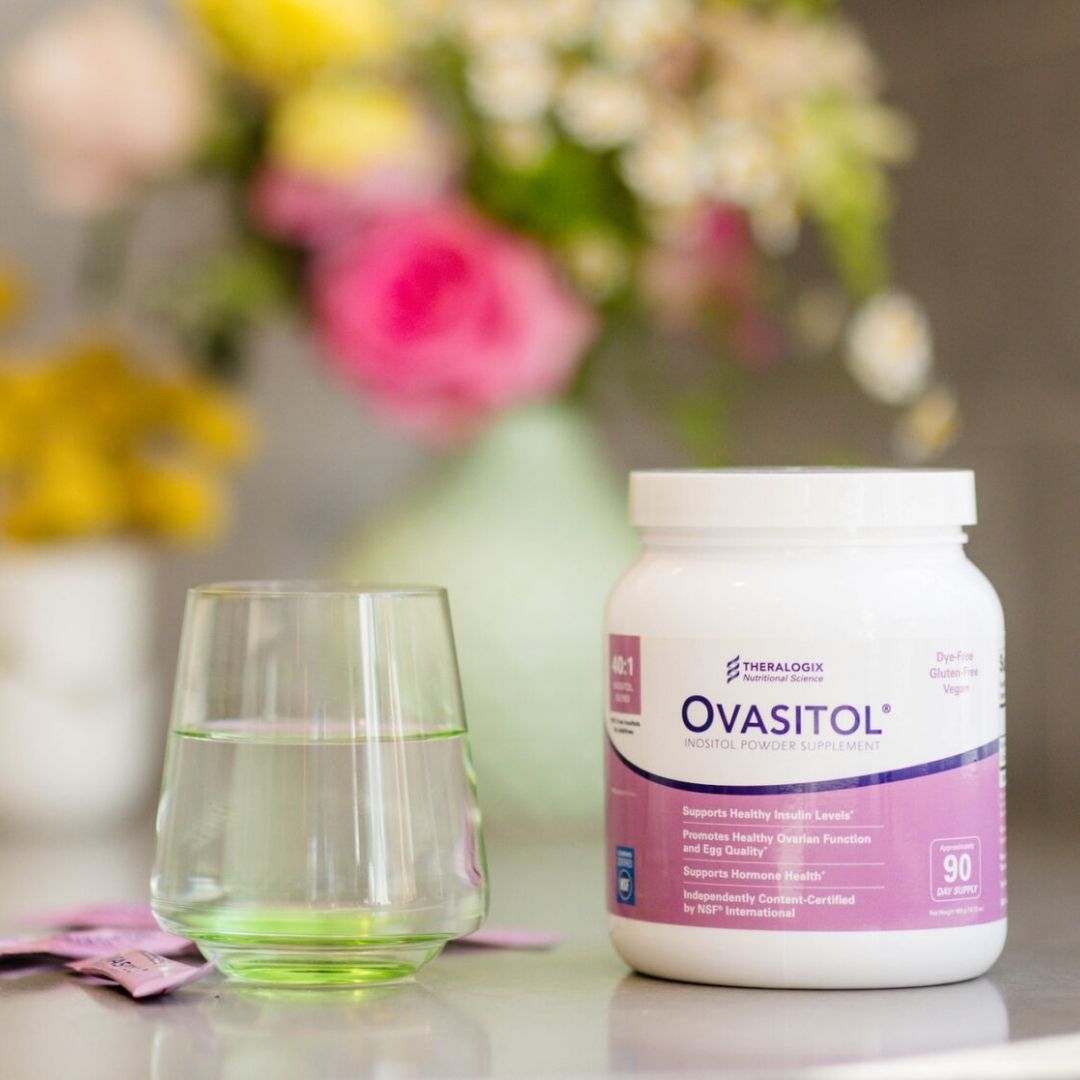
  • Taking Ovasitol – a medical-grade supplement to help alleviate PCOS symptoms, including insulin resistance. 

Read this post for more ways to reverse PCOS hair loss naturally.

Once again, please consult your doctor before trying any of the above, as individuals can respond differently to dietary changes. 

For more information on how to combat insulin resistance through your diet and get PCOS-friendly recipes, download The Cysterhood app.  

Unlock your hair’s potential and embrace confidence with PCOS haircare!

Remember, female pattern baldness is a common symptom of polycystic ovary syndrome (PCOS), but there are treatments available to help restore your hair. Whether it’s weight loss, medication, or a combination of treatments, there’s hope for treating your hair loss and feeling like your fabulous self again. Make sure to consult with your healthcare provider for the best course of action. And don’t forget, there are FDA-approved (Food and Drug Administration) options for treating PCOS-related hair loss.

You don’t have to accept PCOS-related hair loss as a permanent problem or submit to birth control as your only option for hormone balance. There are a host of treatments, remedies, and dietary changes that, when used together, can help you keep a full, healthy head of hair. 

Are There Inositol Side Effects?: What You Need to Know Before Using It

There are a number of prescriptions commonly prescribed for polycystic ovary syndrome (PCOS). You’ve probably heard of plenty of them, and you may have even tried some! Medications like birth control pills, clomid, metformin, and spironolactone can all mask some symptoms of PCOS . . . but none of them get to the root issue and all of them have side effects. 

Despite the downsides, many people with PCOS feel like they have to take prescription drugs to increase their quality of life and reduce the risk of long-term complications like type 2 diabetes and heart disease. However, that’s not our only hope! 

A combination of a balanced PCOS diet, slow-weighted exercise, improved sleep, and other lifestyle changes like taking natural nutrition supplements can get to the root of a Cyster’s health condition to actually reverse PCOS and allow you to live symptom-free with PCOS! 

One of the best supplements you can take as a woman with PCOS is Inositol. In fact, research shows it’s MORE effective than metformin and other PCOS medications without the difficult side effects . . . but that brings up the question: are there any side effects of taking inositol?

Let’s get into it:

are there ovasitol side effects

Are There Inositol Side Effects?

Studies have shown Inositol can work wonders on a PCOS body! It gets to the root of the problem by increasing insulin sensitivity, reducing inflammation, and balancing hormones. This means research shows that myo-inositol and d-chiro-inositol can relieve PCOS symptoms like irregular menstrual cycles, weight gain, acne, mood swings, hirsutism, hair loss, fatigue, and infertility while lowering high blood sugar levels, improving ovarian function, and bettering your mood. It’s a powerful natural supplement that has been shown to help women thrive with PCOS long-term

What Is Inositol?

Inositol is a dietary supplement that contains a combination of myo-inositol and d-chiro-inositol in a 40:1 ratio, which is designed to support healthy insulin and hormone levels! It’s often used by individuals with polycystic ovary syndrome (PCOS) to help manage symptoms and improve overall reproductive health without the side effects of common PCOS medications.

Benefits of Inositol

  • Improves insulin sensitivity
  • Promotes menstrual regularity
  • Balances cholesterol
  • Supports weight loss goals
  • Boosts mood and energy
  • Reverses hair loss and hirsutism
  • Improves skin health and relieves acne
  • Betters thyroid functioning
  • Increases pregnancy rates, improves fertility, and reduces the risk of pregnancy complications like gestational diabetes

Does Inositol Have Side Effects?

For the most part, Inositol is pretty well tolerated by people who take it! That’s often why I’ll say it’s side effects-free. However, there are some women who don’t tolerate it as well, especially when it is not taken as instructed (for example, with a meal).

Usually these symptoms are still pretty mild compared to the prescriptions, but in rare instances symptoms can be severe. If that happens, call your doctor right away and stop taking Inositol. Again, it’s rare to have symptoms!

side effects  of ovasitol

What Are The Side Effects Of Inositol?

Common Side Effects
  • Diarrhea 
  • Nausea
  • Upset Stomach 
  • Headaches
  • Mild Itching or Skin Irritation 
  • Loss of Appetite 
Rare Side Effects 
  • Allergic Reactions 
  • High Blood Sugar 
  • Liver Problems 
  • Muscle Pain or Weakness
  • Chest Pain or Pressure 
  • Dizziness or Fainting 
  • Shortness of Breath 
  • Excessive Sweating 
how to take ovasitol with pcos

How To Take Inositol With PCOS

Get Theralogix Inositol Powder from Ovafit. 

First of all, you need to find great quality supplements that will work with your PCOS body! There are plenty of inositol powder supplements out there that are not in that 40:1 ratio and do not include myo-inositol and d-chiro-inositol, which is what you need as a woman with PCOS!

So, go with one of the only 40:1 inositol supplements that is independently tested and certified by NSF International. On my supplement website, Ovafit, you can get a 90-day supply Inositol Complete 40:1 that’s perfectly formulated for Cysters like you (and me!) P.S. The supply includes 90 single serving packets at a dose of 4,000 mg, because it usually takes 3 months to see serious results. But most women see results better than what they received with prescription medications!

What makes Inositol different than other inositol supplements is that it’s made for women with PCOS. If incorporating inositol into your supplement routine, get the option you know is made for you and your unique body.

hand pouring a packet of ovasitol in a glass of water

Put one scoop or packet into a non-carbonated hot or cold drink. 

There are two options when you buy Inositol: You can grab loose powder or individually portioned packets. Simply put one scoop or one packet in 8 oz. of your favorite non-carbonated hot or cold drink. It’s flavorless, so it shouldn’t impact your experience at all!

Take it twice a day at breakfast and lunch. 

Do this twice a day at breakfast and lunch. You can put the powder in your water, tea, smoothie, latte, or mocktail! On The Cysterhood app, you can find plenty of Inositol-friendly drink recipes like the Peach Mint Tea Cooler, Frozen Coconut Raspberry Mocktail, Lemon & Strawberry Refresher, Gingerbread Latte, Raspberry Rose Smoothie, and more! Download it to find the refreshing drink that’ll make your daily dose of Inositol with something you actually enjoy (minus the ingredients that would have triggered your symptoms)! 

Inositol in foods

Eat foods that are high in inositol too! 

Inositol is found naturally in plenty of foods… it’s just hard to get enough to make a big impact on our PCOS. However, if you’re already taking a supplement, eating additional nutrient-dense options is a great way to further support your body. Here are some foods that are high in inositol to add to your meal plan. 

Stay committed to taking it to see results!

It can take up to 3-6 months to see a change in your PCOS symptoms (that’s why it comes in a 90 day supply). So, staying consistent and committed is key! Work on making it a part of your daily routine and as long as you stay symptom free, keep taking it at least long enough to see results. 

Tallene mixing ovasitol in her glass of water
Inositol is usually side effect free, but there are a few potential side effects to look out for when you don’t take it correctly!

PCOS can be difficult to deal with. Unfortunately, we are often handed prescriptions and told to lose weight. This “treatment” can be really unhelpful and result in negative side effects from medications on top of chronic PCOS symptoms. This is why I encourage my Cysters to try naturally healing their PCOS using diet, exercise, supplements, and a few other lifestyle changes. 

Supplements are one of the best next steps to healing. They’ll give your body support as you make other changes to hopefully get your body back to thriving as it should, without the hormone balance, inflammation, and insulin resistance! You can find more PCOS-friendly supplements for healing on the Ovafit website! And, don’t forget to tune in to A Cyster and Her Mister Podcast and keep up with the weekly insights shared here on the blog

11 Vitamins To Lower Testosterone In Women with PCOS

Polycystic ovary syndrome (PCOS) is a common hormone condition that impacts women of reproductive age. It affects several hormones, including androgens, estrogen, progesterone, luteinizing hormone (LH), follicle-stimulating hormone (FSH), insulin, cortisol, and more. The imbalances of these hormones all come with side effects that make up the long list of chronic symptoms women with PCOS deal with every day! 

The hormone I want to talk about today is testosterone, which is a type of androgen and is a male sex hormone. In Cysters like us, testosterone is often elevated and can trigger the imbalance of other hormones, contribute to the development of insulin resistance, and lead to persistence of inflammation. Needless to say, when healing PCOS, lowering elevated testosterone levels is a must for reversing symptoms! 

vitamins to lower testosterone in females with pcos

11 Vitamins To Lower Testosterone In Women with PCOS

There are lots of ways to lower testosterone with PCOS effectively, but it always takes a holistic approach to do it naturally and without side effects! A balanced diet, the right kind of exercise, high-quality sleep, and high-quality supplements are all key components. 

Vitamins and minerals are a great place to start when you begin the process of lowering testosterone because they can give your body the support it needs to correct the problem and start healing your metabolic condition. Below, I’ll break down the supplements I recommend for lowering testosterone! 

What Does Testosterone Do In Females?

Yes, testosterone is a “male sex hormone.” However, testosterone is an essential part of a female’s adrenal balance! The three main sex hormones are estrogen, progesterone, and testosterone. When in perfect balance, each one has its role and helps maintain a healthy body. 

Here’s all that testosterone does for you when at healthy levels:

  • Promotes normal libido 
  • Contributes to maturation and release of eggs during ovulation
  • Promotes the production of cervical mucus 
  • Maintains bone density and strength
  • Supports muscle mass and strength 
  • Reduces fatigue 
  • Improves mood
  • Maintains healthy vaginal tissues 
  • Converts to estrogen to promote proper hormone production

What Is Considered High Testosterone?

Normal testosterone hormone levels for women over 19 years old are between 15 to 70 ng/dL (nanograms per deciliter.) So, anything higher than that would be considered high! Most women with PCOS typically have elevated testosterone levels around 48 to 150 ng/dL. This means that naturally, a Cyster’s testosterone levels are too high and are contributing to negative symptoms. 

What Can Cause High Testosterone Levels?

Of course, we know that PCOS can cause high testosterone, but how? First of all, insulin resistance, which is common in PCOS, stimulates the ovaries to produce more testosterone. Additionally, elevated levels of luteinizing hormone (LH) and general ovarian dysfunction from PCOS can cause spikes in androgen levels like testosterone. Lastly, high insulin levels can result in low levels of sex hormone-binding globulin (SHBG), which is a protein that binds to testosterone to deliver it to various organs and tissues, which can allow free testosterone levels to rise! 

Outside of PCOS, there are other issues that may cause high testosterone in females. Adrenal gland disorders, pituitary gland disorders, ovarian tumors, and various medications can all cause a rise in androgens. 

what happens if testosterone is high in females

What Happens If Testosterone Is High In Women?

Hyperandrogenism, or high testosterone, in women is no joke! It can cause a lot of health issues and chronic symptoms that can lower your quality of life. Here are the common symptoms of high testosterone levels in women:

Beyond these symptoms, high testosterone can also contribute to concerning health problems and root issues like insulin resistance, high cholesterol levels, high blood pressure, and thyroid issues. Some of these root problems can snowball into long-term health conditions and complications like type 2 diabetes, heart disease, sleep apnea, depression, endometrial cancer, and more. 

5 Vitamins To Help Lower Testosterone In Females

Vitamin D

Vitamin D, the sunshine vitamin, is not just great for our bones, it supports healthy hormone balance. It helps regulate overall hormone balance by improving insulin sensitivity and reducing inflammation. Here’s more on the benefits of vitamin D for PCOS

Vitamin E

Vitamin E, like vitamin D, doesn’t have a direct effect on testosterone, but supports testosterone levels by reducing insulin resistance and inflammation. Additionally, the natural antioxidant properties of vitamin E help your body maintain hormone balance with lower levels of oxidative stress. 

Vitamin B6

Vitamin B6 supports the production of neurotransmitters and can help our brains regulate hormone levels and manage metabolism. Additionally, women with polycystic ovary syndrome (PCOS) often have elevated levels of homocysteine, which is an amino acid that can worsen inflammation and hormonal imbalances. Vitamin B6 luckily breaks down homocysteine! 

Magnesium

Sleep is one of the number one ways our body naturally balances and manages hormone production. When we get bad sleep, which is common with PCOS, we’ll experience all sorts of hormonal imbalances. A magnesium supplement can help improve sleep which also influences our hormone balance! Additionally, magnesium can reduce insulin resistance and inflammation for better adrenal health. Here’s more on the benefits of magnesium for PCOS

Zinc

Zinc is one of the most powerful supplements to combat high testosterone levels! In fact, zinc inhibits the enzyme 5α-reductase, which converts testosterone into dihydrotestosterone (DHT), which is a more potent androgen that can cause worsened symptoms. So, by reducing the conversion of DHT, zinc lowers testosterone! To learn more, you can dive deeper into how zinc helps lower testosterone here

vitamins to help lower testosterone in females

6 Supplements to Lower Androgens

Omega-3 Fatty Acids

Omega-3 fatty acids (AKA fish oil) influence the production and metabolism of hormones to keep them from being too low or too high! It also can help reduce inflammation and improve insulin sensitivity to ensure those testosterone levels don’t spike as a result of those issues. Here are more reasons to take omega-3 for PCOS.

Inositol Complete 40:1

Inositol Complete 40:1 is one of my favorite supplements for PCOS, because it can have such a big impact on hormone balance! Ovafit’s inositol supplement is a 40:1 ratio of myo-inositol and d-chiro-inositol and it has anti-androgen effects! Plus, it can improve insulin sensitivity to decrease the production of testosterone in the ovaries. 

Testosterone Relief Tea

Supplements are great for lowering testosterone, and so are herbal teas! You may have heard of drinking spearmint tea, peppermint tea, lemon balm tea, chamomile tea, rosehip tea, and other herbal teas to improve testosterone levels . . . however, who has time to drink half a dozen teas in a day? My Testosterone Relief Tea includes all of these and can help you reduce those androgens naturally! 

two glasses of Testosterone Relief tea

Licorice Root Tea

Licorice root tea is another helpful PCOS supplement for battling androgen activity. It helps lower testosterone by slowing down how much your body makes and helping your body clear out the excess. Licorice root can also affect blood sugar and potassium levels, so it’s recommended that you use this supplement short-term or cycle it with other herbal teas. 

Flaxseed Powder

Flaxseeds are rich in plant compounds called lignans. These nutrients bind to free testosterone in the bloodstream, making it less active. When androgens are less active, they’re less likely to trigger symptoms. Flaxseed powder also supports liver detoxification and healthy estrogen metabolism, helping the body clear excess hormones more efficiently.

Flaxseed powder has a mild, slightly nutty flavor, which makes it easy to mix into everyday foods. It blends well into smoothies, oatmeal, chia pudding, and even salads. You can find plenty of PCOS-friendly recipes using flaxseeds on The Cysterhood app.

Diindolylmethane

DIM, or diindolylmethane, is a compound derived from cruciferous vegetables like broccoli, cauliflower, and Brussels sprouts. It can help balance sex hormone levels by supporting the liver as it breaks down estrogen. As estrogen metabolism improves, the body naturally produces more sex hormone–binding globulin (SHBG). And what does SHBG do? It binds to free testosterone, rendering it inactive. Because of this, DIM is a great supplement choice!

Foods that Lower Testosterone Levels
  • Flaxseeds (ground or flaxseed powder)
  • Soy foods (tofu, tempeh, edamame)
  • Cruciferous vegetables (broccoli, cauliflower, Brussels sprouts, cabbage)
  • Green tea or matcha
  • Almonds and walnuts
  • Berries
  • High-fiber foods (oats, lentils, beans)

How to Lower Testosterone in Women Naturally

Practice healthy stress-management techniques. 

Stress drives up cortisol levels, and high cortisol tells the ovaries to produce more testosterone. So, by reducing stress and incorporating self-care into your daily routine, you can also bring those testosterone levels down. Some good stress-management techniques include getting outside, doing yoga, practicing mediation, and cutting back your mental load. 

Adopt a gluten- and dairy-free anti-inflammatory diet. 

So many PCOS symptoms and root issues are driven by what we do and do not eat—high androgen levels included. To reduce testosterone levels and bring your hormones into balance, try a gluten- and dairy-free anti-inflammatory diet that prioritizes protein, healthy fats, fiber, and other nutrient-dense foods. 

Do regular, slow-weighted workouts. 

Certain kinds of exercise have been proven to reduce testosterone levels in women with PCOS. Instead of high-intensity, high-impact exercises like kickboxing, sprinting, and CrossFit, try slow-weighted workouts. This kind of mindful movement builds muscle without spiking adrenaline and cortisol levels—which is great for hormone balance. 

Get 7-9 hours of good quality sleep. 

Our bodies need sleep to balance hormones. In fact, all of our hormone-balancing efforts can fall flat if we aren’t sleeping enough. Overnight, the body goes through specific cycles that regulate hormones—including androgens and cortisol. That’s why practicing good sleep hygiene and consistently getting 7–9 hours of sleep is essential.

Take strategic vitamins and supplements. 

Of course, taking the right vitamins and supplements can be a huge help. These research-backed tools can help our bodies function at their best and balance hormones. I know I talked about a lot of different ones in this post, but to start out, consider the Metabolism Plus bundle, Inositol Complete 40:1, and Testosterone Relief Tea. Each one of these supplements is NSF-certified and specifically formulated for women with PCOS.

High testosterone contributes to many PCOS symptoms, so find ways to naturally lower those levels! 

Lowering testosterone using natural supplements is a great start to PCOS healing! However, you don’t want to grab just any supplement off the shelf. You want something third-party tested, high-quality, and specifically made for a PCOS body. Everything from the dosage to the type of vitamins matters! 

That’s why I created Ovafit, which is a research-backed, third-party tested supplement line made for PCOS. There, you can find the MetaMulti, which includes zinc and vitamin D, E, and B6. You’ll also find an omega-3 supplement and Inositol Complete 40:1! Everything you need to support your healing journey is right in one place! 

8 PCOS Lunch Recipes to Add to Your Meal Plan

Good nutrition is essential for naturally healing your PCOS symptoms and reaching your health goals! Exercise, supplements, self-care, and the right foods can make all the difference in reversing your PCOS symptoms, combatting weight gain, and reaching all your health goals. These simple lifestyle changes can reduce inflammation, balance hormones, and lower insulin resistance, which are the three things causing most of the chronic issues of our metabolic disorder. 

As a registered dietitian for PCOS and a Cyster myself, I’ve devoted myself to finding the perfect meal plan for women with PCOS who are trying desperately to heal their unique bodies by targeting the root causes of their hormonal imbalances. I recommend a gluten- and dairy-free anti-inflammatory diet with nutrient-rich food choices that support our PCOS bodies! To target our metabolism and hormonal imbalances that impact our energy and cravings, I recommend having larger meals in the morning and a smaller dinner.

You can learn more about my PCOS diet recommendations on the blog, but today we want to talk about lunch! Lunchtime is always a time crunch and prioritizing healthy, balanced meals can be difficult when you’re a busy mom, a working professional, or even a student! So, today, I want to share some of my favorite, quick PCOS-friendly lunch ideas to keep you on track even during the craziest part of the day! 

Here are a few lunch recipes to check out on The Cysterhood app:

PCOS Lunch Recipes

8 PCOS Lunch Recipes to Add to Your Meal Plan 

Grapefruit Avocado Salmon Salad 

Hot girl salads make the perfect lunches for a woman with PCOS! They’re light, quick, and delicious. This one specifically is great for improving all three root issues of PCOS: insulin resistance, hormone imbalance, and inflammation. Why? Because it’s FULL of healthy fats! Both avocado and salmon have omega-3 fatty acids while also being super tasty and high in other nutrients like protein. (Here’s more on avocados for PCOS!) 

To add flavor to this already tasty dish, you’ll make a dressing with grapefruit, olive oil, and dijon mustard. The different flavors compliment each other and grapefruit is also full of vitamin C and antioxidants. This meal has 60 grams of protein and only 45 grams of carbs, which can be a good ratio for controlling our blood sugar spikes. This means managing cravings, supporting insulin sensitivity, and preventing energy crashes.

You can find this recipe along with all the others on this list on The Cysterhood app! 

Grapefruit Avocado Salmon Salad

Lettuce Wrapped Burgers 

I always tell Cysters they shouldn’t give up their favorite foods when they are transforming their lifestyle to be more PCOS friendly. Instead, swap the ingredients that trigger your symptoms and replace them with alternatives that support your PCOS. With burgers, for example, I like to swap the bread and cheese! Doesn’t sound like much of a burger, does it? To make it PCOS friendly, I will use gluten-free bread crumbs and dairy-free cheese slices. And, to replace the bun, I will use lettuce! This also helps me get more fiber (great for insulin resistance) while allowing me to eat other sources of carbs.

You can put this together in under 30 minutes and have enough leftovers for a few days’ lunches! For those who have a lower Carb Tolerance Range (which I teach here on the blog and in The Cysterhood app) this is a great meal prep option. However, it only includes 26 grams of protein, so you’ll want to up that by having a second burger or adding quinoa, chickpeas, eggs, or non-dairy Greek yogurt on the side! 

PCOS Lunch Recipes list

Red Curry Lentil Soup

Here’s another great meal prep option! Soups are easy to prepare in advance, freeze, and warm up one portion at a time for lunch. This red curry lentil soup is vegan, and full of protein! Lentils contain 18 grams of protein per cup, making it one of the best non-meat sources of protein. They’re also rich in fiber, low in fat, and packed with essential nutrients like iron, folate, and potassium. 

Though lentils are a great protein source, one serving is still only about  32 grams of protein. So, if you’re not committed to a vegan or vegetarian lifestyle, consider adding a side of roasted chicken. That way, you’ll stay full and focused all afternoon! But, this meal isn’t just healthy, like all the recipes on The Cysterhood app, it’s full of flavor. The red curry lentil soup is decorated with cilantro, lime juice, a variety of vegetables, and red curry, of course.  

Red Curry Lentil Soup

Air Fryer Sweet Potato Fries with Air-Fried Eggs

The air fryer is the best kitchen invention since the microwave, and its a must for Cysters. It comes in handy at lunch time, especially when you want something with great texture and flavor in half the time. In The Cysterhood app I have an entire category dedicated to air fryer recipes, but this one is one of my favorites! 

You just chop and season your sweet potatoes and let the air fryer do its thing. You can make eggs just how you like them in your air fryer. Just crack it and put it on a pan on the oven rack for over-hard, over-medium, or over-easy eggs. You can even make hassle-free hard-boiled eggs in the air fryer if that’s your favorite cooking method! But first, I recommend looking up your specific air fryer’s temperature and time recommendations because they all are different.

This recipe is fast and easy for lunch, and packs in lots of your essential nutrients. Sweet potatoes are high in fiber, vitamin C, vitamin A, vitamin B6, and antioxidants. Of course, eggs provide protein, and they’re also rich in vitamins B12, B2, B5, A, D, E, K, and more! Here’s more on how eggs are good for PCOS. I also like to add avocado on the side for healthy fats.

Air Fryer Sweet Potato Fries with Air-Fried Eggs

Chipotle Turkey Bowl

Bowls are great for lunches, because it’s a simple way to get a balanced meal (with grains, vegetables, and protein) that’s packable, delicious, and easy to assemble. When you meal prep, you can have all the ingredients in separate containers in the fridge and take what you need when its time to combine. This bowl’s protein sources are ground turkey, dairy-free Greek yogurt, and kidney beans. Each serving offers around 46 grams of protein, which is perfect for lunch. 

To assemble this masterpiece, you’ll need lettuce, beans, corn, pickled jalapenos, lime wedges, salsa, taco seasoning, and homemade avocado dressing! If you want, you could also add black beans, bell peppers, tomatoes, dairy-free cheese, or even some crushed up Nacho Bean Chips from Beanfields (Sirak and I are obsessed, and they add more protein!) 

Chipotle Turkey Bowl PCOS Lunch Recipes

Chili Mac and Cheese

If you want something warm and nostalgic, pack chili mac and “cheese” in your lunchbox or prepare it on your lunch break! It’s a one-pan meal (well, technically two, if you count boiling the pasta water) that you can cook in under 30 minutes. Start by browning your ground beef, and then add all the mix-ins, including garlic, tomato paste, zucchini, tomatoes, beef broth, oregano, and hot sauce! 

Once everything is ready, combine it with your cooked elbow pasta and top it with your favorite dairy-free cheese. It’s 37 grams of protein and the variety of vegetables and spices are perfect for helping you get some of your daily nutrients. And, as I mentioned, this chili mac and cheese warms up great if made ahead of time, so it’s one of my personal go-to meal prep options! 

Chili Mac and Cheese

Chicken Salad Sandwich

Who doesn’t love a refreshing, rich, and savory chicken salad sandwich at lunchtime? This is another recipe that fits in the lower Carb Tolerance Ranges and is high in protein, which is perfect for managing blood sugar levels and fending off those afternoon cravings without making you feel bloated and sluggish with a heavy meal. 

You may be saying: Wait, isn’t a PCOS diet meant to be gluten- and dairy-free? Correct! But just like our Lettuce Wrapped Burger from earlier, we’re substituting ingredients that won’t trigger our symtoms! This recipe uses gluten-free bread and dairy-free yogurt to get the same great flavor as a chicken salad sandwich without the inflammatory ingredients. 

You can find this recipe, of course, on The Cysterhood app! It’s definitely a leveled-up chicken salad sandwich using rotisserie chicken, strawberries, almonds, celery, and more to add lots of texture variety and dimensions of flavor. I can’t wait for you to try it!

Chicken Salad Sandwich | PCOS Lunch Recipes

Mediterranean Chicken Tahini Wrap

This last idea is a wrap! (Get it?) But, seriously, wraps are an ideal lunchtime choice, because they’re easy to assemble and store for a quick grab-and-go meal. For this recipe, you start by cooking the chicken and vegetables! You can easily roast it in the oven or take it outside for a smoky grilled chicken and veggie version. From there, it’s just a matter of making some tahini sauce and wrapping everything up in a gluten-free tortilla

This meal includes 32 grams of protein, and the variety of veggies offers vitamins A, C, B6, E, folate, and K1 as well as potassium, manganese, magnesium, and calcium. Pack them for lunch or eat them right away just don’t forget that side of tahini sauce. It’s delicious!

Mediterranean Chicken Tahini Wrap
How To Build PCOS-Friendly Lunches 

How To Build PCOS-Friendly Lunches 

Also try: Mongolian Beef Recipe for a PCOS-Friendly Diet

Which quick, PCOS-friendly meal are you cooking for lunch?

I hope this post reminded you that you can eat nutritious and delicious meals that help your PCOS even when you’re strapped for time! All these recipes are great for meal prepping or cooking up quickly when you have less than an hour to make yourself a meal.

Skipping meals is never a good idea with PCOS, so grab your calendar, plan out your lunches, and let yourself experience the relief that comes with a PCOS lifestyle! With the help of The Cysterhood meal plans and resources, you can re-discover what life is like PCOS symptom-free!

Can a Miscarriage Cause PCOS?

If you’re a woman who has experienced a miscarriage, I first want to say that I am deeply sorry for your loss. Losing a baby and struggling with infertility are two of the most difficult symptoms a woman faces with polycystic ovary syndrome (PCOS). 

Since PCOS is a condition that negatively impacts the balance of reproductive hormones, it makes sense that Cysters experience reproductive-related symptoms like infertility, irregular menstrual cycles, and/or recurrent miscarriages. In fact, the miscarriage rate for women with PCOS is between 30% – 50%, which is higher compared to women without PCOS. 

What can make this even more difficult is that many women are diagnosed with PCOS in the middle of their fertility journey, meaning not only do these Cysters have to mentally deal with the struggles of trying to conceive, but they also have to figure out a treatment plan for their condition. It can be a lot to handle! 

If this is you, know that all of us in The Cysterhood are here for you. But more than that, I want you to know that there is hope for naturally healing your PCOS symptoms and carrying a healthy pregnancy to term! 

Here’s what you need to know about miscarriages and PCOS:

Can a Miscarriage Cause PCOS?

Can a Miscarriage Cause PCOS?

The short answer is no. Miscarriages of any kind, whether recurrent miscarriages, missed miscarriages, early pregnancy loss, late pregnancy loss, or another type of miscarriage, don’t trigger any long-term hormonal imbalances that would cause PCOS. 

However, as mentioned, a lot of Cysters first realize they have PCOS during their fertility journey, which may make miscarriage seem like the cause of their metabolic condition. However you can think of it this way: PCOS usually happens first, and infertility is second. Once a woman starts looking at the symptoms of PCOS beyond fertility, they usually realize they’ve had warning signs and chronic symptoms for years. Some common symptoms of PCOS include weight gain, acne, mood swings, fatigue, irregular periods, and hair loss. 

All that being said, I want to provide you with some hope… many Cysters have had successful PCOS pregnancies! I’ve witnessed it myself in our private interactive group of The Cysterhood app. It’s truly one of the most inspiring updates we read daily and I love when the Cysters all gather online in the comments to share love and support. Here’s more on how PCOS affects pregnancy, and we’ll jump into how to avoid miscarriage and high-risk pregnancies with PCOS:

factor raising miscarriage risk with pcos

Things That Increase Risk Of Miscarriage with PCOS

  • Obesity
  • Stress
  • Poor nutrition 
  • Smoking, excessive alcohol consumption, drug use, etc. 
  • Advanced age
  • Elevated insulin levels
  • Elevated testosterone levels 
  • Other imbalanced reproductive hormones
  • Autoimmune disorders 

How To Support Your Pregnancy With PCOS

Maintain a healthy weight.

Being overweight or obese is one factor that can increase miscarriage risk. However, I know firsthand that when you have PCOS, losing weight can be really difficult! This is because women with PCOS have insulin resistance, which is when your body doesn’t process glucose properly. Instead of converting the sugar to energy, your body stores it as fat and absorbs it into the bloodstream. 

Insulin resistance makes weight loss difficult and raises your blood sugar levels, which increases your risk of gestational diabetes mellitus. Gestational diabetes can lead to pregnancy complications and increase your risk of miscarriage, but the right strategies can help you maintain your weight levels appropriate for pregnancy and lower your high blood sugar levels. Remember that this is a hormonal and metabolic disorder, so targeting the root causes of weight gain through small lifestyle changes can help you maintain a healthy weight in each stage of pregnancy. Be sure to talk to your doctor about healthy weight goals throughout your journey.

Eat 3-5 times a day.

You and your baby need fuel to get through the pregnancy! What you eat now will help your baby grow and develop as healthy as possible, to give them a great start to their life. I recommend you eat regularly, meaning 3 main meals and a snack or two in between, if necessary. Follow recipes from the app and prioritize foods that are rich in fiber, protein, iron, calcium, and healthy fats. 

While we recommend an anti-inflammatory, gluten-free and dairy-free diet for most women with PCOS, be sure to talk to your doctor if this is something you can continue during your pregnancy. You can always get back to this lifestyle after you give birth and we will help you every step of the way!

PCOS diet

Avoid drinking too much caffeine. 

Excessive amounts of caffeine have been linked to some pregnancy complications. Plus, caffeine with PCOS can worsen hormonal imbalance (such as high cortisol and androgen levels) and insulin resistance. So, it’s best to avoid consuming caffeine or at least opting for decaf options in moderation.

Stay hydrated. 

Drinking lots of water during pregnancy is very important. It prevents dehydration, supports adequate amniotic fluid levels, reduces uterine irritability, and promotes blood circulation. All of this is good for a healthy and successful pregnancy! 

Get plenty of sleep. 

Good sleep is essential for all aspects of health! So, of course, it can help you maintain a healthy pregnancy, too. Improving sleep hygiene can help reduce stress, promote balanced hormone levels, improve immune functions, increase healthy blood flow, and overall reduce the risk of pregnancy complications. And, yes, I know good sleep can be difficult with PCOS, but try these tips to get better sleep with PCOS!

Continue with gentle exercise. 

Of course, we don’t want you to be doing any vigorous, intense exercises when you’re pregnant. Regular, pregnancy-safe exercises can be hugely beneficial for your body! (And, truthfully, high-intensity workouts aren’t good for PCOS bodies whether pregnant or not.) Staying active by doing slow-weighted workouts, yoga, walking, etc. for 150 minutes a week can help reduce your risk of complications like gestational diabetes while balancing hormones, reducing inflammation, and increasing insulin sensitivity.  

PCOS gentle exercise

Reduce your stress levels. 

High stress levels can worsen reproductive hormone balance, weaken the immune system, lower insulin sensitivity, and increase inflammation, which can all increase the risk of miscarriage and worsen your PCOS symptoms. So, to foster a healthy pregnancy, do your best to reduce stress. Some daily self-care, regular exercise, time in nature, morning meditation, and other lifestyle changes can have a big impact on your stress levels and help you improve your stress management techniques for a healthier body and pregnancy. 

how to support your pregnancy with PCOS

Take supplements advised by a healthcare professional. 

Most pregnant women with PCOS or without are told to get a high-quality multivitamin or prenatal vitamin for pregnancy support. Other supplements like curcumin, omega-3 fatty acids, and Ovasitol have also been shown to be beneficial for pregnancy and overall PCOS health. So, talk with your doctor about taking NSF-certified supplements like mine from Ovafit to give your body tons of extra nutritional support to maintain your pregnancy. 

Metabolism Plus

Avoid harmful substances and discuss medications with your doctor. 

When pregnant, you should avoid all harmful substances like alcohol and any kind of non-prescription drugs. If you struggle with any of these, see a healthcare professional right away. Additionally, if you take any prescription drugs, you need to discuss with your doctor of potential risk factors of taking that drug and whether it’s safe for your pregnancy. Certain medications can be potentially harmful. 

Miscarriage does not cause PCOS, and there are ways you can promote a healthy pregnancy even with PCOS!

Growing a family is an incredible part of anyone’s life journey, and if you’re a Cyster, you are worthy of this milestone too! Despite setbacks from PCOS, there are plenty of ways you can improve your condition naturally to give you a higher chance of having a healthy pregnancy.

For more ways to support your body, reverse PCOS, and conquer infertility, head over to the PCOS Weight Loss blog and listen to the A Cyster and Her Mister podcast. There is hope for all your health goals! 

How To Track Ovulation With Irregular Periods From PCOS

One of the first signs of PCOS is irregular periods. Most of us Cysters realize there’s a problem when we’re teenagers and our cycle length is 35 days or longer. Of course, this can be inconvenient, but it’s also a sign that other things might not be right inside your body! The same root issues that are causing your irregular menstrual cycles are likely causing your other chronic PCOS symptoms, too! 

However, when you decide you want to have a baby, irregular periods aren’t just annoying– they’re getting in the way of optimal fertility. This is because ovulation with irregular periods is hard to track and sometimes doesn’t even occur at all. To conceive, you NEED to know when you’re ovulating! 

So, today, I’m going to discuss how exactly ovulation tracking works with irregular periods! If you’re careful about monitoring your menstrual cycle and can identify ovulation, your chances of getting pregnant are much better.

Here’s what you need to do:

How To Track Ovulation With Irregular Periods From PCOS

How To Track Ovulation With Irregular Periods From PCOS

Periods with PCOS are a struggle for many of us Cysters. Many of the root issues of PCOS domino into symptoms impacting your period, fertility, and overall women’s health. Heavy, painful, and irregular (and even non-existent) periods are all super common with PCOS! Understanding the factors impacting your cycles can help you regulate your periods, ovulate consistently, and achieve your health goals! 

what causes irregular periods

What Causes Irregular Periods with PCOS?

  • Elevated Androgens and Other Reproductive Hormones
  • Insulin Resistance 
  • Obesity 
  • Stress
  • Thyroid Problems 
  • Medications 
  • Polycystic Ovaries 

Do Irregular Periods Affect Ovulation? 

Definitely! When your period isn’t regulated, ovulation may happen at irregular intervals (making it hard to predict), or you may not ovulate altogether! Beyond infrequent or absent ovulation, irregular periods can also worsen egg quality, increase insulin resistance, and prompt cysts to grow on the ovaries. All of this makes conceiving and carrying a child difficult for Cysters! 

how to track ovulation with an irregular period

How To Track Ovulation With An Irregular Period

Understand the menstrual cycle. 

Before you can track your ovulation, you need to understand your period. There are four stages of your menstrual cycle: your period, the follicular phase, ovulation, and the luteal phase. If you can keep track of where you are in the cycle, it’ll make predicting ovulation much easier! 

Use period-tracking apps. 

Most women track their periods using an app. If your period is regular, a period-tracking app can give you a really good predictor of where you are in the menstrual cycle. However, women with irregular periods may find these apps less reliable. When your period and ovulation occur at different times every month, the app won’t be able to distinguish patterns and therefore isn’t a very reliable method for tracking on its own.

That being said, our goal as Cysters is to heal our PCOS and regulate those periods through lifestyle changes! Even if you’re at the beginning of your PCOS journey, I recommend you still use an app and log when you get your period starts. This way, you’ll hopefully be able to track patterns and any improvements you’re making in getting your period back on track. Plus, a lot of these apps have technology that adjusts the cycle length and other aspects of its predictions based on the data you input. So, on the first day of your period, log that date and start tracking your cycles each month!

Keep an eye on your cervical mucus. 

During each phase of the menstrual cycle, different things are happening internally. Because of this, our bodies produce different types of discharge (AKA cervical mucus). If you pay attention to the color and texture of the discharge, you can get a good indicator of where you are in the menstrual cycle! Here’s our guide: 

  • Menstruation: Of course, what you’ll experience more than anything during your period is bleeding! However, just before or right after the bleeding, you may have brownish or reddish discharge. 
  • Follicular Phase: Right after your period, your discharge may be white and sticky or slightly damp. Closer to the end of the follicular phase, the cervical mucus will thicken up and turn more creamy in consistency. Expect it to be wet and cloudy. This means you’re getting more fertile! 
  • Ovulation: Your discharge will become the consistency of raw egg whites stretchy and clear. This is when you know you’re ovulating!
  • Luteal Phase: Once that thicker mucus goes away, the mucus will become more dry or sticky. The color will likely be white or yellow. Then, the cycle starts over again! 

Track your basal body temperature (BBT). 

Cervical mucus is a good indicator of where you are in your menstrual cycle, but it can still be difficult for some women to track. Plus, you won’t be able to determine exactly when you ovulate you’ll just know your general fertile window. 

To get a better indicator of when ovulation occurs, track your basal body temperature! Using a special basal thermometer, take your temperature every morning before getting out of bed at exactly the same time. Your temperature will stay pretty consistent until ovulation, where you’ll see a slight drop in temperature. Then just after ovulation you’ll see the temperature rise up to 1 degree higher than normal.  

By tracking when the temperature drops slightly, you can get a pretty accurate read on when you’re ovulating (which is the ideal time to conceive!) Seeing that temperature rise again will show you did, in fact, ovulate, which is also great for tracking purposes.

Test luteinizing hormone (LH) and pregnanediol glucuronide (PdG) regularly. 

You may be asking: “But is there a way to know 100% that I am ovulating?” YES! Ovulation predictor kits (OPKs) use urine sticks (like pregnancy tests) to measure hormones that indicate whether or not ovulation is occurring. 

When your cervical mucus and basal body temperature indicate you may be ovulating or entering that fertile window, it’s time to start testing! An ovulation test will measure the luteinizing hormone (LH) that will rise during the start of your fertile window, peak at ovulation, and then taper off again. How dark the dye is on your test will give you an indication if you’re moving toward ovulation, ovulating, or moving away from ovulation. It’s the best way to know when it’s time to try conceiving! 

That being said, sometimes women with PCOS experience that spike in luteinizing hormone (LH), but due to other hormonal imbalances, still don’t ovulate. The egg doesn’t release and attempts at conceiving won’t be fruitful. So, it’s a good idea for Cysters to also track pregnanediol glucuronide (PdG) after you believe you ovulated. This test will confirm your body not only produced the hormones to ovulate, but an egg was actually released and ovulation did occur. 

There are ovulation predictor kits (OPKs) at all price ranges, but I recommend the Predict & Confirm Kit from Proov that provides tests for LH and PdG. 

Work towards regulating your periods.

At the end of the day, if your periods are irregular, tracking ovulation is hard! Plus, the abnormal menstrual cycles are an indication of other fertility problems and internal issues, including hormonal imbalance, inflammation, and insulin resistance. Luckily, you can reverse all these issues using natural methods like adopting a PCOS-friendly diet, taking the right supplements, and committing to small lifestyle changes

The Cysterhood app

For all the best PCOS resources, recipes, and workout routines, download The Cysterhood app and browse the blog for everything you need to know about how to create a life where you thrive even with PCOS! To get you started, begin tracking your period month-to-month and jump into A Cyster and Her Mister Podcast episodes, as well as these blog posts: 

There are lots of ways to successfully track ovulation with irregular periods!

There’s no doubt that one of the most difficult symptoms of PCOS for many Cysters is infertility. When you long for a baby, there’s nothing harder than realizing your body is working against you or doctors giving you more bad news. But I’m here to assure you, there is hope! We’ve helped so many women in The Cysterhood app have healthy pregnancies through our method, and we believe this is possible for all our Cysters.

Tracking ovulation is a great first step, but remember that managing all your PCOS symptoms is possible! Take back your fertility, increase ovulation, and live symptom-free with PCOS with the help of PCOS Weight Loss!

Gut Health and PCOS

Women with PCOS (polycystic ovary syndrome) experience a ton of challenging chronic symptoms. If you’re a Cyster out there, you know what I’m talking about. Symptoms of PCOS including inflammation, fatigue, digestive issues, acne, menstrual cycle irregularities, ovarian cysts, infertility, and more are likely to appear on a daily basis. Living with all these PCOS symptoms makes it really difficult to enjoy a balanced lifestyle. 

Like always, today I want to get you one step closer to finding relief from some of your most debilitating symptoms. Your gut health is a huge piece of the puzzle when treating your PCOS! Poor gut health can snowball into a slew of other issues. So, to improve your PCOS symptoms and overall health, examining the connection between PCOS and your gut is vital. Here’s what’s up and what you can do about it:

The cycle of gut issues

Gut Health and PCOS Connection

Let’s dive into the fascinating connection between gut health and PCOS. Picture your gut as a bustling metropolis filled with trillions of bacteria, all living their best lives and ensuring the smooth functioning of your digestive system. When this microbial harmony gets disrupted, it’s referred to as dysbiosis, where the balance of gut bacteria goes a bit wonky.

As a result, dysbiosis and less diverse gut bacteria can take center stage, playing a role in the hormonal imbalance that often accompanies PCOS. Your gut bacteria actually have a hand in balancing hormones, so when they’re not in tip-top shape, it can impact your body’s delicate hormonal dance. What’s more, dysbiosis has been linked to increased intestinal permeability, meaning your intestinal walls may become more porous, allowing unwanted substances to slip through.

But fear not, Cyster! By nourishing your gut with a healthy diet and supporting the growth of diverse gut bacteria, you can embark on a journey towards better gut health and potentially find some harmony in the realm of PCOS.

It starts with inflammation. 

Your gut health and PCOS are totally connected. Essentially, it starts with inflammation, which is one of the main symptoms of PCOS. Two major inflammatory foods that may be fueling some of your symptoms are gluten and dairy. Every time you eat gluten, small tears are created in the gut, this is called leaky gut. This allows particles to get through and into your bloodstream, creating chronic inflammation.

If you’re sensitive to gluten, you may have a noticeable immune response, like headaches, joint pain, weight gain, fatigue, acne, and of course, digestive issues! You wouldn’t know if gluten (or dairy) is causing issues for you unless you tried cutting them out for 30 days to see how you feel. Need support? We got you!

Inflammation overworks your adrenal system. 

All this inflammation sends a message to the brain that there’s something wrong with the body, which raises your stress levels. To alleviate the inflammation, your body’s adrenal system pours out more cortisol and other hormones. It’s trying to fight the perceived threat (inflammation), but it’s really making everything worse and making you feel more fatigued.

The extra hormones increase glucose and insulin resistance. 

All that cortisol, estrogen, progesterone, testosterone, and other stress and sex hormones level spiking in the body reduces your ability to handle glucose. The high glucose levels over time increase your resistance to insulin. All that, then puts you at risk of diabetes and critical heart disease. 

Wow, all that started with your gut. This news is overwhelming, but it also means that solving one issue could be all you need to have significant relief. To hear way more about how your gut health and PCOS are connected, listen to this episode of my podcast A Cyster & Her Mister.

Ways to improve your gut health

Ways to Improve Gut Health Naturally

Go gluten-free. 

Remember what I said about inflammation as your body’s response to a threat? If you’re gluten intolerant, your immune system may respond to gluten by attacking it. So, instead of eating tons of wheat, rye, and other carbs, try going gluten-free. You may see tons of symptom relief and a healthier gut! Check out more on gluten and gut health on my podcast here. 

Go dairy-free.

Dairy is known to promote unhealthy bacteria in your gut due to its inflammatory properties. Cow’s milk products cause an overreaction of the immune system, which wreaks havoc on your body. Cutting dairy out can do wonders for your gut health, Cysters! 

Take vitamin A. 

Vitamin A is a key nutrient in a good multivitamin to support a healthy gut. It reduces inflammation, which helps with digestive issues, reproductive health, immune health, and hormonal acne.

Eat more fruits and vegetables. 

Fruits and vegetables are naturally prebiotic. Prebiotics stimulate the growth of healthy bacteria your gut needs to function properly. Additionally, vegetables and fruit are high in fiber, which increases the size of your stool and softens it up. This means healthy bowel movements!

Go low carb (but not too low).

A low-carb diet helps with your gut health in a number of ways! Eating fewer carb-heavy foods means less inflammation, increased insulin levels, and lower blood pressure! With less junk in your body, your gut won’t grow as much bad bacteria that cause so many tummy and weight issues. 

I caution you, though, don’t go too low carb! Restricting your carb intake too much can lead to increased stress. That release of cortisol will actually reverse the benefits of a low-carb diet. Plus, eating too few calories can worsen period irregularity, acne, and weight loss. Learn more about discovering your carb tolerance with us in The Cysterhood.

Eat foods with polyphenols.

Polyphenols are good for you, and really good for Cysters with PCOS. They’re known to reduce blood pressure, cholesterol levels, stress hormone growth, AND inflammation. Eating foods high in polyphenols like pomegranates, beans, green tea, lemons, and grapefruit will improve your gut health, lower your blood sugar, and reduce your risk for type 2 diabetes. 

Practice good oral hygiene. 

This is a strange one, but hear me out. Your oral microbiome can absolutely affect your gut microbiome. Your mouth has good and harmful bacteria like your gut, but you can prevent some of that bad bacteria from ever reaching your gut by brushing, flossing, and using organic mouthwash. And, of course, don’t forget those regular cleanings!

Add fermented foods to your diet. 

Fermented foods are about to become your new BFF in the world of gut health and digestion. Not only do these little gems taste like a flavor explosion in your mouth, but they’re also essential for keeping your gut in tip-top shape.

Fermented foods are full of good bacteria that help support your gut health and digestion, and they come in all sorts of tasty forms like kombucha, miso, kimchi, sauerkraut, and pickles! Keep these goodies on your PCOS grocery list!

Take probiotics. 

Your gut microbiome always needs the appropriate balance between good bacteria and bad bacteria. When your body loses too much good bacteria, you’ll start experiencing all negative GI symptoms. Take a quality probiotic daily! (We’ve got some good ones below.)  

Role of Probiotics in Gut Health

As we mentioned, probiotics are an important part of maintaining a healthy gut. As the good bacteria cleanse your microbiome. Symptoms of irritable bowel syndrome, inflammatory bowel disease, skin conditions, and diarrhea. Additionally, you’ll find yourself getting sick less frequently as your immune system strengthens. 

A probiotic is so essential to your wellness routine! You can get them by taking supplements or by eating naturally probiotic foods. Any of those fermented foods will do! If you’re dairy free, just try to avoid dairy probiotic foods like yogurt and raw cheeses.

7 Best Probiotics in Gut Health

I’ve compiled a list of the best probiotic supplements. These are high-quality probiotics from trusted sources. The good news is, any of these will help you fortify your gut and improve your symptoms: 

What Type Of Tea Is For Gut Health?

Peppermint/Spearmint Tea

Both spearmint and peppermint tea have antispasmodic effects, which essentially means they can help relax the muscles of the intestinal tract to make digestion much smoother and healthier. Plus, these teas can also help you maintain gut bacteria balance with its antimicrobial properties. They can also alleviate indigestion, bloating, and gas to relieve any discomfort you may have!

Chamomile Tea

Chamomile shares many of the same beneficial properties as peppermint and spearmint. It has the muscle relaxing and antimicrobial effects! In addition to that, chamomile is anti-inflammatory, which is good for overall gut health too.

Ginger Tumeric Tea

You probably already know that ginger relieves nausea, but there are other gut benefits too. It’s anti-inflammatory and relaxes the intestinal tract. Ginger also helps produce digestive juices and enzymes that help break down food! If all that wasn’t enough, tumeric is a powerful antioxidant that can protect the gut lining from damage, helping keep your gut in good health.

Green Tea

We’ve already discussed probiotics, but prebiotics are good for you too! Prebiotics encourage the growth of good bacteria to improve digestion and improve the health of your gut microbiome. It’s also antimicrobial, so while growing all the good bacteria, it can kill the bad too. Green tea is also an antioxidant and has lots of anti-inflammatory properties!

Testosterone Relief Tea

My Testosterone Relief Tea from my Ovafit supplement line is the perfect blend of multiple organic PCOS-friendly teas that can help give you all-over symptom relief! My blend includes spearmint tea, lemon balm tea, orange peel tea, chamomile tea, rosehip tea, peppermint tea, cinnamon tea, nettle tea, lavender tea, and calendula tea in convenient plastic-free tea bags! Here’s how each one can help you with digestive health:

  • Calendula Tea: Soothes the digestive tract, reduces inflammation, and promotes healing.
  • Spearmint Tea: Aids digestion, relieves bloating, and eases stomach cramps.
  • Lemon Balm Tea: Reduces gastrointestinal discomfort, alleviates bloating, and promotes relaxation.
  • Orange Peel Tea: Stimulates digestion, acts as a prebiotic, and reduces bloating.
  • Chamomile Tea: Improves digestion, alleviates indigestion, and soothes gastrointestinal issues.
  • Rosehip Tea: Rich in antioxidants, supports digestive health, and may help with constipation.
  • Peppermint Tea: Relieves digestive spasms, reduces bloating, and eases gas.
  • Cinnamon Tea: Enhances digestion, reduces bloating, and may help with gastrointestinal discomfort.
  • Nettle Tea: Supports digestive health, reduces bloating, and may help with urinary tract health.
  • Lavender Tea: Calms the digestive system, reduces bloating, and alleviates stress-related digestive issues.

How Long Does It Take To Restore Gut Health?

Restoring gut health naturally with PCOS can for every Cysters, but small dietary and lifestyle changes can start improving gut function in as little as 24 hours. For more significant improvements, it might take several weeks to a few months of being super consistent with these health habits!

Gut Health and PCOS connection
Improve your PCOS symptoms by taking care of your gut! 

Managing PCOS symptoms can be frustrating. When there are so many ways Cysters like you are affected by this disorder, it’s difficult to know where to start when seeking relief. Luckily, something like improving your gut health can domino and alleviate many symptoms. Start here, and join The Cysterhood for essential next steps. We’ll show you how to thrive with PCOS. Let’s go, girls!

10 PCOS Symptoms In Teenagers to Look Out For

Polycystic ovary syndrome (PCOS) is a hormonal condition that impacts women of reproductive age, and has been linked to causing health complications including high blood pressure, heart disease, and even infertility. Generally, we probably think of “reproductive age” as being 20-30, but scientifically, reproductive age actually starts as early as puberty. This means that PCOS can show up as soon as a girl gets her first period! Though many women with PCOS don’t get diagnosed until WAY later (if at all), most will tell you there were signs in adolescence. 

PCOS can be hard to diagnose, and a lot of doctors aren’t even sure how to look for it in young women. So, it’s super important to know the symptoms so that you can look out for them in your teens and help advocate for proper testing if necessary! Small lifestyle changes can make a big impact on your PCOS, and it’s best to learn to manage it young to help prevent any chronic symptoms or long-term complications

So, today I’m talking about some common PCOS red flags in teenagers! Here are the symptoms you should look out for: 

pcos symptoms in teenagers to look out for

10 PCOS Symptoms In Teenagers to Look Out For

If you have PCOS, it goes without saying that you’re being highly aware of PCOS symptoms in your adolescent daughter. PCOS does run in families, and the sooner a diagnosis is given, the better. But, you know all too well how difficult it can be to get that official diagnosis. When you know what early signs to look for, you’ll know when it’s time to push for the right blood tests to help your daughter get the resources and support she needs!

what are the first sign of pcos in teenagers

What Are The First Signs of PCOS In Teenagers?

One of the first symptoms of PCOS you’ll identify in a teenager is irregular periods. Before other health problems or symptoms arise, you’ll probably notice that your teen’s periods are sporadic or sometimes even absent. It’s common, too, that these periods are painful and heavy, even from the start! Keep open communication with your adolescent daughter about their period to monitor if anything potentially unusual is occurring. 

Teens are typically offered birth control as a treatment for PCOS and irregular periods. Unfortunately, many doctors make it seem like this is the only option. Teens end up taking birth control for years, through their 20’s, ignoring PCOS altogether as symptoms are being masked by birth control. Although some symptoms may be masked, like irregular periods, other symptoms may run rampant, like insulin resistance, sometimes even leading to diabetes. It’s important to manage PCOS through diet and lifestyle changes whether or not you decide to take birth control.

PCOS is a hormonal condition and the first line approach for it is diet and lifestyle changes…so I’m glad you’re here. There are many blog posts to sift through about what you can do to reverse PCOS symptoms and thrive.

10 Symptoms of PCOS in Teenagers 

Heavy, Painful, and Irregular Periods

As mentioned, irregular or missed periods that are heavy and painful can be a sign of PCOS. Polycystic ovarian syndrome (PCOS) impacts the reproductive hormones, which directly influences the menstrual cycle! 

The average menstrual cycle is 28 days. However, high testosterone, high estrogen, and low progesterone can lead to periods being between 21-40 days apart, or totally absent. Additionally, women with PCOS may experience an overgrowth of the uterine lining during their menstrual cycle due to these imbalances, which can cause twice as much bleeding as the average woman and lots of additional pain. Here’s more on what periods are like with PCOS.

Hirsutism 

It’s obviously not uncommon for girls in puberty to develop body hair and some hair on the face. That’s normal for everyone! However, high levels of androgens (male hormones) can take that to the extreme. If you see your teen dealing with excessive hair growth on the face and body that’s more similar to what a male should experience, this could be a sign of PCOS. 

common PCOS red flags in teenagers

Thinning Hair

Like the growth of body hair, some hair loss on the head is normal. However, you shouldn’t see more than some strands on the shower floor or on her pillow. If she’s developing visible bald spots, that’s definitely a sign of a hormonal imbalance beyond the usual puberty changes. 

Acne

I know what you’re thinking: You’re just naming normal puberty symptoms! I totally get the frustration, because this is one of the reasons it’s so hard to identify PCOS early. So, yes, it’s normal for a teen to develop acne, but if the hormonal, cystic acne gets excessive and painful and seems like it can’t be treated with any of the usual skincare remedies, it may be a sign of a deeper issue. 

Excessive Weight Gain

Another potential sign of PCOS in teens is excessive and rapid weight gain. One of the most common root issues of PCOS is insulin resistance. This means the body stops converting glucose to energy like it’s supposed to, and instead, stores that sugar as fat and absorbs it into the bloodstream. This means, that even without too many diet changes from before puberty, your teen may gain a lot of weight. 

Efforts to lose weight are often met with weak results because those insulin levels are just off! Here’s where you really want to be vigilant, because extreme body changes and inefficient attempts to lose weight can not only lead to long-term complications like type 2 diabetes, but they can also lead to the development of eating disorders or other mental health struggles

symptoms of pcos in teenagers

Ovarian Cysts 

Polycystic Ovarian Syndrome (PCOS) is honestly poorly named. Cystic ovaries are just one part of the PCOS experience and there are plenty of Cysters that never even develop cysts, despite the name. That being said, cysts or follicles on the ovaries can appear because of problems with the menstrual cycle. Basically, your eggs don’t shed properly when you skip ovulation or have long periods, and those follicles continue to grow, becoming painful cysts. 

If your teen experiences a lot of pelvic pain and lower back pain throughout their menstrual cycle, as well as bloating and painful bowel movements, they may have a cyst. Most cysts go away on their own, but sometimes they continue to grow until they burst, which can be extremely painful. So, if you think your teen may have a cyst, take them to an OBGYN to have it checked out. Here’s more on ovarian cysts and treatment options

Depression and Anxiety

The truth is, many women after years of struggling with the chronic symptoms of PCOS like fatigue, weight gain, and infertility, experience depression, anxiety, and other mental health issues. However, depression and anxiety don’t just come from negative experiences. The hormonal imbalances of your body actually contribute too, so even young people with PCOS can experience mood issues

The main contributing hormones are high cortisol, high testosterone, high estrogen, and low progesterone. If you see your teen becoming more irritable, exhibiting mood swings, or showing signs of depression or anxiety, don’t hesitate to see a doctor and start making changes using The Cysterhood app. Working on lifestyle changes to help balance hormones and seeing a mental health professional can make all the difference to ensure those teen years are as joyful as they should be! 

Headaches and Migraines 

Fluctuations in estrogen, testosterone, and cortisol can trigger migraines and tension headaches. If your teen is drinking plenty of water and isn’t experiencing a lot of stress, but is still having chronic headaches and migraines, it could be a sign of PCOS. Try to rule out other causes first, but headaches and migraines are common with PCOS hormonal imbalance.  

PCOS signs in teens

Sleep Problems 

Trouble sleeping is common with PCOS, which is unfortunate because poor sleep can worsen hormonal imbalances, stress, mood problems, and other PCOS symptoms and root issues. Of course, teenagers don’t always practice great sleeping habits, but if your teen expresses problems falling asleep followed by excessive daytime sleepiness, it could be due to PCOS. Support them in making good sleep hygiene choices, but if problems persist, it may be time to talk to your doctor about PCOS. 

Fatigue 

Speaking of excessive daytime sleepiness, chronic fatigue can stem from insulin resistance and those pesky hormonal imbalances…not to mention poor sleep! If your teen is constantly sleepy during the day or struggles to get out of bed even after a decent night’s sleep, it could be a result of PCOS. It’s important to remember that teenagers should only need 8-10 hours of sleep to perform at their best! 

PCOS can show up in teens, so it’s important to know the signs! 

Even before a diagnosis, a woman who realizes she has PCOS can take steps to treat the symptoms and prevent them from getting worse. Making important lifestyle changes when you’re young to manage your PCOS can be super beneficial for your future and prevent some symptoms from becoming chronic. 

Visit the blog for more helpful resources:

I hope this post helped you get a better understanding of the early signs of PCOS so you can help the young woman in your life who may be struggling. And, if a PCOS diagnosis does happen, don’t worry! I’ve worked with Cysters who were able to heal their symptoms even before getting a diagnosis. You never have to wait to start creating a healthy lifestyle designed for you and your teen’s bodies. You can download The Cysterhood app for all the resources and support you need to get your teen through the journey.

Does PCOS Cause Fatigue?

Polycystic ovarian syndrome (PCOS) affects women with the hormonal disorder in a variety of ways. Those who suffer with PCOS can experience ovarian cysts, weight gain, irregular periods, infertility, and a whole lot more. But, one of the most debilitating symptoms isn’t one often regarded as serious or severe: chronic fatigue. 

Experiencing chronic low energy levels is anything but an insignificant symptom. When you’re overly tired, you lack motivation, you miss out on important events, and you’re robbed of joy. When you experience fatigue daily, it’s hard to ever enjoy anything that’s happening in your life. 

You suddenly dread the job you once loved. Quality family time after school feels impossible. And, no one should even think of inviting you to anything. You’re. Too. Tired. PCOS directly affects your energy, but how? Today, we’re discussing all things fatigue. You’ll learn where the low energy comes from and how to relieve the symptoms. Let’s get into it:

Does PCOS Cause Fatigue?

As we discussed, polycystic ovarian syndrome causes chronic fatigue, but it’s not quite that simple! No one PCOS diagnosis is the same. Each woman experiences a different array of issues and symptoms; there’s no single cause or treatment. So, before we jump into how to rid yourself of this burdening, yet common symptom, let’s get into some reasons PCOS causes extreme fatigue. 

List of reasons women with PCOS feel fatigued

Irregular Sleeping Patterns

This one’s easy. If you don’t sleep well, you’ll be tired in the morning! If you suffer from sleep problems, you probably already know this is a contributing factor to your daytime fatigue. This is because sleep disorders are more common in women with PCOS. 

Women with PCOS are more likely to have obstructive sleep apnea, excessive daytime sleepiness, and other sleep disturbances. When you don’t have a regular sleep schedule, you’ll feel more tired. As sleeping issues worsen, your fatigue will increase too. 

Underactive Thyroid 

Hypothyroidism and PCOS go hand-in-hand. The endocrine disorders are very similar, so it’s not uncommon for women with PCOS to also have an underactive thyroid. When your thyroid is underperforming, it doesn’t produce the hormones your body needs to thrive. Hypothyroidism symptoms include dry skin and hair, body aches, weight gain, depression, hot and cold sensitivity, and, you guessed it, excessive tiredness! 

Iron Deficiency Anemia 

Irregular, heavy periods aren’t just annoying, but they’re also bad for your health. The excessive blood loss can lead to an iron deficiency. And, when your iron levels are low, chronic fatigue follows. 

Low Vitamin B12 or Vitamin D

Vitamin B12 is a vital nutrient that produces energy in your body. Your cells use vitamin B12 to function. So, without the proper intake, oxygen delivery and red blood cell production are both hindered. Since your tissues aren’t receiving the proper oxygen, you’ll feel weak and tired. Additionally, vitamin D deficiencies have also been linked to chronic fatigue! 

Insulin Resistance 

Many women with PCOS struggle to manage their blood sugar levels due to increased insulin resistance. When your body is insulin resistant, it means it doesn’t store and process glucose properly. It will store the glucose as fat, rather than delivering the necessary nutrients to your cells. This leads to weight gain and tiredness. Then, you’ll feel especially fatigued after meals! 

Chronic Inflammation

Inflammation is all too common for Cysters. This is when your immune system runs on overdrive, even attacking healthy cells. This constant activation of the immune system and the autoimmune response to healthy cells can use up a lot of energy and have you feel exhausted.

Stress

In the body, stress triggers cortisol release, which is the “stress hormone.” This is the hormone that’s meant to keep us alert and focused, but too much can have us feeling wired and anxious—plus, it can disrupt sleep. Poor sleep, as I’ve mentioned, is not good for fatigue! Beyond that, stress can also worsen insulin resistance leading to more energy crashes.

PCOS Medications

A drug known as “metformin” is often prescribed to women with PCOS to increase their insulin sensitivity and reduce androgens. Unfortunately, this drug has also been linked to vitamin B12 deficiencies Talk with your doctor about Ovasitol (15% OFF prc code 292660) and consider taking supplements with B12! ! 

Depression

The psychological stress of PCOS is abundant. There are a lot of reasons to feel overwhelmed, unhappy, and anxious. Acne, extra hair growth on the face and body, obesity, hair loss, infertility, and other physical changes can lead to enough mental turmoil that women with PCOS develop depression. Depression fuels fatigue. And, unfortunately, fatigue fuels depression. 

How to Treat PCOS Fatigue

Knowing there are a lot of reasons why you may feel fatigued can be both relieving and overwhelming. Where do you start? How do you begin to relieve this symptom if there are so many reasons PCOS is dragging you down. Hang tight, Cyster, I’m here for you:

How to treat PCOS fatigue

Maintain a balanced PCOS diet. 

Food is powerful. If you eat a balanced diet to maintain proper nutritional health AND keep insulin resistance in mind, you can work wonders on your PCOS fatigue. Eating nutrient-rich foods and going gluten-free, dairy-free, and discovering your carb tolerance can increase insulin sensitivity, provide your needed vitamins and minerals, relieve inflammation, and balance hormones. For more support in this realm, we’ve created The Cysterhood, a hub where cysters can find meal and workout plans as well as our 5 Steps to PCOS Weight Loss video series to help you learn along the way.

What does all this mean? It means you’ll see a ton of relief by just changing your diet! Not only will you see an improvement in your fatigue, but you’ll see improvements in other symptoms too. (Ehm. No more weight gain!) Check out this article for PCOS pantry essentials and this post for the top PCOS fighting foods

Maintain a good sleep schedule. 

This one is tough if you have a sleeping disorder connected to PCOS. But, if you can change your sleeping patterns over time, you’ll experience a ton of long term gain. Try setting a bedtime alarm as well as a morning alarm. Keeping yourself on a consistent schedule will help develop those circadian rhythms! 

Before you go to bed, you should also practice some relaxation techniques. Try mediating, breathing techniques, or even a warm bath. Additionally, avoid caffeine, sleeping pills, blue light, and naps that only contribute further to the poor sleep issue. If this is intimidating, try a complete bedroom makeover. Make your room a fresh and positive place to sleep in again! (Trust me, it helps!)

Stay hydrated. 

Bodies function using fluid balance. Any slight imbalance of fluid means your blood volume drops and your heart has to work overdrive to get nutrients and oxygen to your muscles. Your body working this hard will leave you feeling constantly fatigued. Drink lots of water. Don’t let yourself get dehydrated! 

Reduce your caffeine intake. 

Did you know that caffeine can actually make you more tired? This is true when stress is in the mix. When you drink caffeine, it stimulates your nervous system and makes you more alert and awake. Additionally, when you’re stressed, your nervous system is stimulated as well. This is to prepare your body for flight or fight mode to deal with whatever the stressor is. 

Your body must release cortisol when you’re stressed to help your body regulate. When you’re really stressed over a long period of time, your adrenal glands can’t keep up with the needed cortisol. So, if you add caffeine on top of that, you further overwork your body. This leads to a hormonal imbalance and adrenal fatigue

Get outside. 

The sun’s rays help us with so many vital body functions! It helps calibrate our body’s internal clock (those circadian rhythms we discussed earlier), which leads to improved sleep and, thus, less fatigue! Additionally, vitamin D from the sun can boost your physical and mental energy by almost 40%! That means you’ll feel more awake and you’ll be in a better mood. 

Reduce stress.

We’ve already discussed how stress can lead to hormonal imbalances as your body releases more and more cortisol. This stress hormone wreaks havoc on the body, leading to fatigue, high blood pressure, sleep problems, anxiety, weight gain, and more! So, evaluate your life and see where you can minimize stress. 

This may look like better self-care practices. It may also look like cutting things out of your schedule. Or, maybe it’s ending a toxic relationship. Delete what you can to give yourself a more peaceful, stress-free life. 

Exercise regularly. 

I know what you’re thinking: Exercise is going to make me less tired? It’s true! Doing regular low intensity workouts can increase your energy levels by 20% and reduce fatigue by 65%! WOW! This is because exercise doesn’t just workout your body, but it works out your central nervous system too. If you’re looking for a place to start, here are some great exercises for PCOS

Take supplements.

Taking the right supplements will replenish the nutrients your body is lacking to stay energized and focused. You can try to get all your essential vitamins through your diet, but it’s really tough. I recommend curcumin, coenzyme Q10, omega-3,and MetaMulti from my supplements line. You can read more about these collections of vitamins here

Answer to does PCOS cause fatigue?
Fatigue is a common, debilitating symptom of PCOS, but with the right lifestyle changes, you can experience relief! 

Living your life with low energy makes EVERYTHING difficult. Then, when you pile on other PCOS symptoms, life can feel impossible. Luckily, there are a lot of things you can do to help manage your PCOS symptoms, get back to your ideal weight, and live your life to the fullest again. Check out my blog and podcast to learn all about living and thriving with PCOS.