
🧬 What’s Your PCOS Type? Take the Quiz →

How to Increase Ovulation with PCOS


“I have PCOS and I want to get pregnant. What do I need to know?” 

For many PCOS Cysters, the ability to get pregnant is a primary concern. Women with Polycystic Ovary Syndrome (PCOS) have a higher level of ‘male’ hormones (also known as androgens) that interfere with the growth and release of eggs from the ovaries (ovulation). 

Polycystic ovaries contain a large number of harmless follicles that are up to 8mm (0.3 in) in size. The follicles are undeveloped sacs where eggs develop. In women with PCOS, these sacs are often unable to release an egg, which prevents ovulation. If you can’t ovulate, you can’t get pregnant. Naturally, this can cause a great deal of stress and upset if you’re trying to conceive and even if you’re not trying to conceive. 

Although PCOS Cysters may struggle to conceive, having Polycystic Ovary Syndrome does not mean you can’t get pregnant. In fact, PCOS is one of the most treatable causes of infertility in women. 

As for any woman, the best way to increase fertility and give your baby the best start in life is to adopt a healthy lifestyle. International, evidence-based guidelines for assessing and managing PCOS show that weight management, sleep, exercise, diet, limiting alcohol, and stopping smoking are the key factors in improving the likelihood of pregnancy. 

Let’s break them down, shall we? 

Please note that this blog post is not a substitute for official medical advice. If you are concerned about your fertility, suspect you have an underlying health condition, or wish to make dietary/lifestyle changes, please consult your doctor first. 

How to Increase Ovulation with PCOS

Modest Weight Loss 

Weight gain is a common effect of PCOS. The condition can trigger insulin resistance, which causes the pancreas to overcompensate and produce more of the hormone. That extra insulin promotes fat storage and increases hunger, which can lead to weight gain. Many women with PCOS are overweight or obese, which can exacerbate PCOS symptoms, affect the regularity of the menstrual cycle, and prevent ovulation. 

Rapid weight loss isn’t the aim of the game here; that comes with its own health and fertility risks. Instead, aim for incremental weight loss to ease your symptoms and increase your likelihood of getting pregnant. A combination of diet and exercise can help you lose weight at a healthy rate. 

Over the long term, it’s smart to aim for losing 1 to 2 pounds a week. This way, the weight is more likely to stay off. 

Remember, different weight loss approaches will be successful for different people, so it’s important to follow one that’s feasible and sustainable for you. Check out our weight loss resources, designed especially for PCOS Cysters here

Reduce Caffeine Intake

So, you wanna up your chances of getting pregnant with PCOS? Well, girl, it’s time to cut back on that daily caffeine fix! While sipping on your favorite latte might give you a temporary burst of energy, too much caffeine can mess with your hormonal balance and hamper ovulation in women with PCOS. Plus, high caffeine intake has been linked to a higher risk of ovarian hyperstimulation syndrome, and we definitely don’t want that! So, swap that triple-shot espresso for a decaf version, or try some herbal teas to keep your baby-making journey smooth and steady.

Reduce Stress

Yoga for reducing stress

Easier said than done, I know. But stress is a silent saboteur that can wreak havoc on your body and mind. Studies suggest that there are links between women’s daily stress levels and a lowered chance of pregnancy. 

Stress can trigger unhealthy behaviors such as over and under-sleeping, excessive alcohol consumption, smoking, and overeating. It can also irregulate or halt the menstrual cycle. All of these factors can impact your fertility and ability to conceive, not to mention your overall health! 

Make sure you’re taking care of yourself by aiming for 8 hours of sleep a night, exercising regularly, and eating nutritious foods. Ideally, you should phase out smoking and alcohol before attempting to conceive as they both have a significant impact on fertility and conception. Needless to say, smoking and alcohol consumption are huge no-nos once you’re pregnant! 

We can’t banish stress for good, but we can control our reaction to it. Slow, weighted workouts or going on a walk are failsafe stress-busting techniques, as well as breathing exercises, meditation, and yoga. Try to incorporate these into your daily routine – 20 minutes a day will suffice!

Regular Exercise 

Regular exercise to Increase Ovulation with PCOS

Being active and spending less time sedentary can help with getting pregnant and reduce the risk of ovulation problems. There’s evidence-based research showing that women who do regular, moderate exercise get pregnant quicker than those who don’t. 

You don’t have to follow an elaborate exercise routine or join a gym. Even in small amounts, effective exercise raises your heart rate, makes you breathe faster, and makes you feel warmer. You should be able to talk comfortably without gasping for breath. 

Walking briskly is a perfect example of moderate exercise, as well as slow, weighted workouts. Lifting weights helps you build muscle, which can keep your metabolism moving even after your workout.

Try Supplements

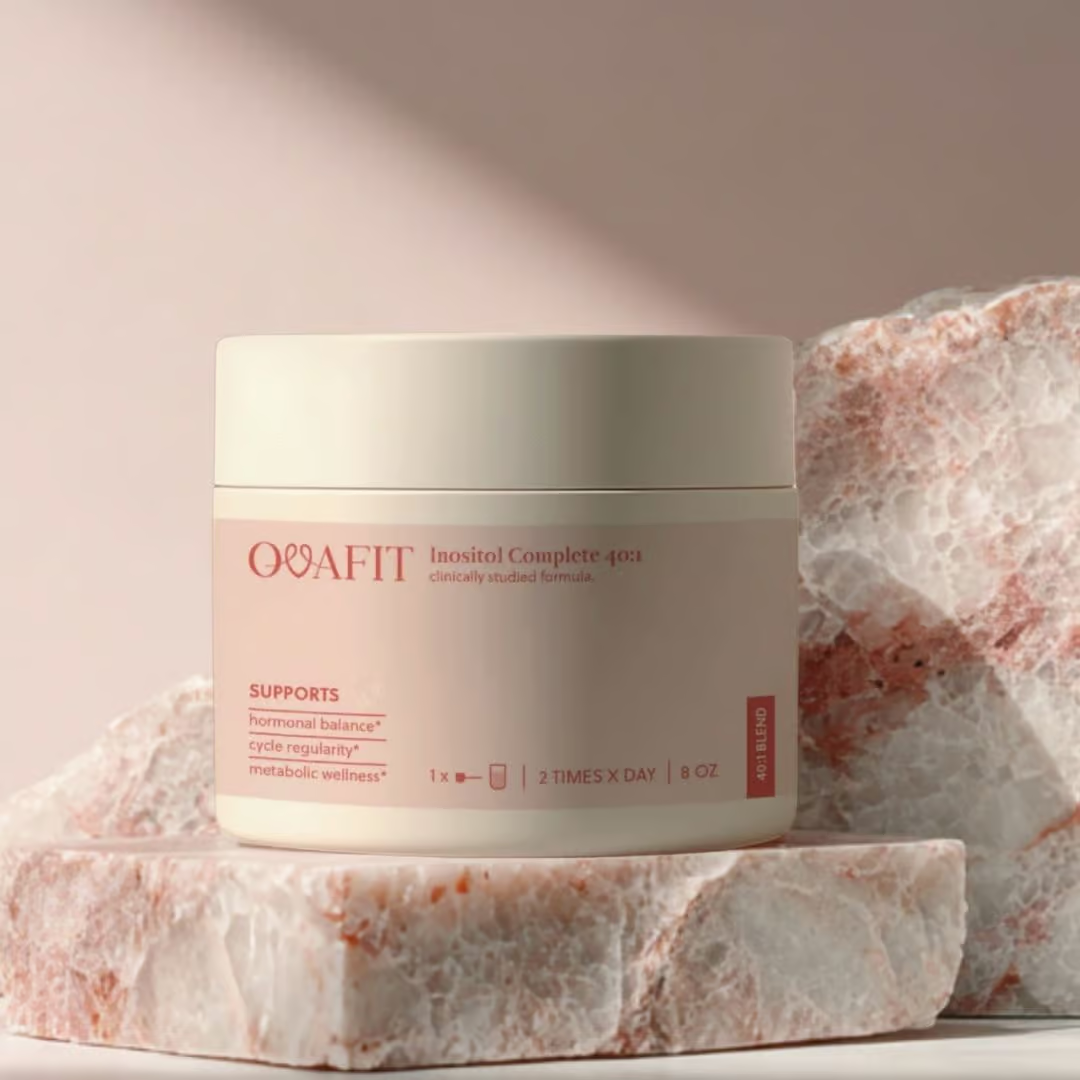
Supplements, my friend, can be a game-changer when it comes to increasing the chances of ovulation with PCOS. Think of them as your trusty sidekick on this fertility adventure! Some key players to consider are inositol, CoQ10, and vitamin D, as they have shown promise in regulating your hormones and improving egg quality. But hey, always consult with your healthcare provider before adding any new vitamins or supplements to your routine. They’ll guide you on the right dosage and help you avoid any potential side effects. So, stock up on those little helpers and prepare your body for some baby magic! For the best quality supplements for polycystic ovarian syndrome (PCOS), grab all the and more from Ovafit.

Eating a Blood-Sugar-Friendly Diet 

To give yourself the best chance of pregnancy, you’ve got to fuel your body with the good stuff. Keep an eye on inflammatory foods (which, for many, are foods that contain gluten & dairy) and limit foods and drinks that are high in saturated fats and sugars.

If you can’t resist the cravings and get to your ideal body weight, just know that it’s not your fault. 80% of PCOS women struggle with insulin resistance, which is one of the root causes of high levels of androgens leading to infertility (and a root cause of type 2 diabetes, which can trigger pregnancy complications). Ovasitol is the most researched supplement for PCOS. It’s made from vitamin B8 and has been shown to improve egg quality and ovulation.

It comes in a 3 month supply because that’s how long it takes for an egg to mature and ovulate, and within those three months, the supplement helps you create a blood-sugar-friendly environment that’s crucial for ovulation. Many women with PCOS who struggle with insulin resistance continue taking it after 3 months until they feel that their cravings and insulin sensitivity are under control. Ovasitol is seriously one of the best insulin sensitizing agents, and since it’s natural, you can expect few (if any) side effects.

PCOS Cysters should discover their carb tolerance, as this helps you maintain a healthy weight, reduce insulin levels, and encourage fat loss while aiding menstrual regularity. 

Leafy greens, lean meats, fish,  fruit and vegetables, and beans and legumes are all nutrient-rich foods that are beneficial when you’re trying to get pregnant. You can find tons of PCOS-friendly and pregnancy-friendly meal plans on The Cysterhood app!

Manage Your Gut Health

Did you know that your gut can influence your hormones? Yep, that’s right, we’re talking about the complex relationship between your belly and your baby-making journey. By taking care of your gut health, you can enhance your chances of ovulating with PCOS. It’s like creating a cozy environment for your eggs to thrive! Focus on incorporating gut-friendly foods like fiber-rich fruits, veggies, and whole grains, along with probiotic-rich foods like yogurt and kefir. And feel free to get adventurous in the kitchen with fermented goodies like sauerkraut and kimchi. Happy gut, happy hormones, happy ovaries!

Get Enough Sleep 

Get enough sleep

Sleep deprivation can cause all kinds of issues, but it may also affect your fertility and PCOS symptoms. Some studies suggest that women who suffer from getting quality sleep are more likely to struggle with fertility than their snoozing cysters. 

An irregular sleep pattern disrupts your circadian rhythm, which could have knock-on effects on your menstrual cycle. What’s more, sleep deprivation can throw your hormones out of kilter, such as the follicle-stimulating hormone (FSH). As PCOS is caused by an imbalance of reproductive hormones, it’s important to regulate hormone levels wherever possible. 

Aim for the recommended 8 hours of sleep per night. If you struggle with drifting off, try the following: 

  • Yoga in the evening.
  • Going on a walk during sunset (the colors of the sunset help boost melatonin)
  • Turn off your phone/laptop at least an hour before you get ready for bed to avoid excess stimulation. 
  • Have a warm bath with aromatherapy oil. 
  • Drink herbal tea like chamomile or spearmint.
  • Read in bed rather than scrolling through your phone. 
  • Consider taking a melatonin and/or CBD supplement.

Be More in Tune with Your Cycle

Okay, let’s get a little Sherlock Holmes-y here! Being in tune with your cycle is crucial for increasing ovulation with PCOS. It’s all about knowing when your body is ready to release an egg and seize that golden opportunity! Start tracking your cycle by charting your basal body temperature (BBT), monitoring changes in cervical mucus (yeah, it sounds weird, but bear with me!), or using ovulation predictor kits (OPKs) to detect hormonal surges. By becoming a fertility detective, you’ll be able to pinpoint your most fertile days and pounce on ’em like a pro. Cue the baby-making dance moves!

Hydrate, Hydrate, Hydrate

Call up your H2O squad and let them know hydration is key! Staying well-hydrated is not just about giving your skin that healthy glow; it also plays a vital role in increasing ovulation with PCOS. When you’re dehydrated, your body may struggle with hormonal imbalances, making it harder for that egg to make its grand entrance. So, sip that water bottle like it’s your new BFF. And if plain water feels a bit blah, infuse it with a splash of fruit for some tasty hydration.

Try Acupuncture

Acupuncture has actually been shown in recent studies to help with several PCOS ovulation factors. It can help balance hormones like the luteinizing hormone (LH) and follicle-stimulating hormone (FSH), which are both important for ovulation. Acupuncture can also improve insulin sensitivity, reduce stress, and improve blood flow. All these things combined can help regulate the menstrual cycle and increase the likelihood of healthy ovulation. Here’s more on how acupuncture can help with PCOS.

Explore Treatment Options 

If lifestyle changes aren’t moving things along and you need additional support, look for a naturopathic doctor who has studied functional medicine. They can help you do a deep dive into your blood work, advise on ovulation induction, suggest insemination (iui), and in vitro fertilization, make specific supplement and medication treatment recommendations, and help you investigate your health. 

Rev up your ovulation with these tips!

We’ve come to the end of our ovulation-boosting journey, but fear not, for our quest for fertility doesn’t end here. With a little help from assisted reproductive technologies, we can tackle PCOS head-on and stimulate those ovaries like champions! From medications that stimulate the ovary to procedures like ovarian drilling, we’ve explored a world of options to increase our chances of ovulation. So, whether you choose the path of medication or opt for ovarian drilling, remember that you’re not alone in this fight. Reach out to your healthcare provider, join support groups, and lean on your fellow warriors for guidance and support. Together, we can conquer PCOS and embrace our fertility dreams with open arms. Keep pushing forward, and let’s show PCOS who’s boss!

For more tips on PCOS diet dos and don’ts, check out our podcast, A Cyster, and Mister, and our handy blog posts over on PCOS Weight Loss

The Connection Between PCOS And Dark Skin Patches

Polycystic ovary syndrome (PCOS) is a common hormonal condition that people often associate with irregular menstrual cycles, infertility, excessive hair growth, polycystic ovaries, and weight gain. However, the list of PCOS symptoms is LONG due to the fact that hormonal dysregulation can domino throughout the body, wreaking havoc on multiple body functions. Some unusual, but not uncommon, symptoms of PCOS are hair loss, sleeping problems, brain fog, and skin darkening.  

Yes, Cysters, those dark patches of skin may be due to your PCOS! We often aren’t taught about this connection when we are diagnosed, so we may not be sure how to improve hyperpigmentation and restore skin health. But, that’s what I’m here for! Today, I’m going to explain how polycystic ovarian syndrome (PCOS) can cause skin darkening and what you can do about it.

the connection between pcos and dark skin patches

The Connection Between PCOS And Dark Skin Patches 

So yes, there is a link between PCOS and darkening skin. Remember, the skin is actually an organ, meaning internal root issues can damage all organs, including the skin. But, that also means improving your condition can naturally restore your skin’s tone and texture.  

how does pcos cause dark skin patches

How Does PCOS Cause Dark Skin Patches?

Up to 80% of women with PCOS also have insulin resistance. This is where your body doesn’t effectively process glucose. So, instead of converting sugar to energy, it’s absorbed into the bloodstream and stored as fat. Not only does this contribute to high blood sugar levels and weight gain, but it can even contribute to changes in sex hormone levels like testosterone. 

Insulin resistance has been shown to trigger a condition called PCOS skin or acanthosis nigricans, which is where dark, velvety patches form on the skin. They’re often in folds and creases on the body. (You may have also heard of PCOS dark inner thighs.) This happens because the excess insulin binds to skin cells and stimulates the rapid multiplication of skin cells . . . thus triggering skin darkening and even skin tags

Plus, those high androgen levels from insulin resistance and other hormonal dysregulation, can prompt acne. This hormonal acne can be tricky to fix if you’re unsure of the root cause. But, now that you know it comes from the root issues of PCOS, you can start naturally healing your body, including your beautiful skin! 

Yes, many women are prescribed birth control pills to improve acne and other skin conditions, but this doesn’t get to the root problem and often causes as many side effects as it masks the symptom! So, I instead recommend these natural ways of not only managing your condition but actually reversing your symptoms! 

How To Get Rid Of Dark Patches Of Skin Due To PCOS

Try a gluten- and dairy-free anti-inflammatory diet. 

PCOS treatment planning should always start with diet! Both the insulin resistance and hormonal imbalance can be improved naturally with intentional eating habits. I recommend you try going gluten- and dairy-free and opt for anti-inflammatory whole foods for 30 days to see how you feel and how your symptoms respond. Reducing sugar, caffeine, alcohol, and processed foods can also be super helpful for increasing your insulin sensitivity, regulating your hormones, and reversing your symptoms! 

Don’t worry about this diet being restrictive either! You can still eat things like pizza, desserts, and plenty of your favorite snacks and meals when you find PCOS-friendly alternatives for the ingredients that typically trigger your symptoms. Find PCOS-friendly meal plans and recipes on The Cysterhood app. 

PCOS diet

Do regular slow-weighted exercises. 

When you download The Cysterhood app, you’ll probably notice our full body workout videos, too! Exercise is one of THE best ways to reduce insulin resistance and improve hormone dysregulation naturally. However, not all exercises will get you there. I recommend slow-weighted, low impact workouts that will work out your whole body but won’t spike your already chronically high cortisol and adrenaline levels, which could actually worsen hormone balance and insulin sensitivity. Be sure to take breaks in between your different exercises (at least 1 minute) so that you also five time for your cortisol levels to go down. You can find all the best exercises for PCOS on the app! 

PCOS exercises

Drink plenty of water. 

For our skin to be healthy, we need to drink plenty of water. This goes for anyone! However, this is especially important for women with PCOS, because water helps transport hormones through the body, helping to keep your endocrine system working at its best. So, for the hormonal side of skin darkening, hydration is key! 

Wear sunscreen and protect your skin. 

Being outside is great for your sleep hygiene, mental health, and overall well-being. Getting sunlight is great for vitamin D (which we Cysters are often deficient in), but overexposure can be damaging to our skin. Damaging UV rays trigger melanin production which, like insulin resistance, can worsen skin darkening! So, always wear sunscreen (yes, even in winter or when you can’t visibly see the sun) to protect yourself and reach your skincare goals. 

Woman with a towel wrapped around her head, wearing sunglasses, and drinking a glass of tea facing the sunlight

Review and update your skincare routine. 

A consistent skincare routine with clean ingredients is also a helpful way to manage skin darkening and acne from PCOS. Here is a routine you can try: glycolic or hyaluronic acid cleanser, toner, serum, moisturizer, and sunscreen. I also recommend gently exfoliating once a week, because it’ll help remove dead skin cells, encourage cell turnover, and brighten darkened skin. You can hear more on this in the episode of A Cyster and Her Mister all about PCOS skincare!   

how to get rid of dark patches of skin due to pcos

Practice stress management.  

Stress is terrible for your body. Not only does it make you feel anxious, but an increase in stress means an increase in cortisol levels, which triggers other hormonal dysregulation and worsens insulin resistance. This can worsen skin darkening and acne, so find what your go-to routine is to reduce stress. Meditating, box breathing, getting out in nature, embracing your hobbies, putting away your screens . . . whatever you need to do to feel well! Stress management is essential for healing many symptoms of PCOS! 

Take the right vitamins and supplements.

PCOS supplements that focus on insulin resistance and hormone dysregulation can also be super helpful for improving dark skin patches! Vitamin C, vitamin E, vitamin D, zinc, chromium, omega-3, and Inositol can all work wonders for your skin and other PCOS symptoms. You can find all of these in the high-quality, PCOS-friendly supplement line Ovafit

aerial shot of metabolism plus supplement bottles and a glass of water with ovasitol

Improve your sleep routine to get better sleep. 

Good quality sleep helps your body a TON with hormone balance and insulin sensitivity. When you don’t sleep well, important cycles and processes don’t happen like they’re supposed to, leading to hormonal dysregulation, insulin resistance, inflammation, and more, of course. Because of this, creating a wind-down routine that can help you get better sleep can be great for your skin and overall PCOS health

tallene and sirak in bed yawning
Insulin resistance from PCOS can lead to skin darkening, but it can be reversed!

All the symptoms of PCOS can be overwhelming, and symptoms that impact your appearance can be particularly difficult to deal with both mentally and physically. 

Just remember that you are BEAUTIFUL and you can reverse your PCOS symptoms, including skin darkening with some intentional lifestyle changes. Just take it one step at a time, keep learning, trying what works for you, join The Cysterhood community, and believe that there’s life beyond PCOS! Trust the process and we can thrive with PCOS together! 

12 Myths About PCOS

PCOS is a common hormonal condition that affects around 12 percent of women of reproductive age (CDC) – but it’s blighted with misconceptions!

Many people with PCOS are underdiagnosed, some may not even know they have PCOS until their struggle to get pregnant. With so much misinformation around PCOS, we’re sharing the facts about this common condition.

Please note this blog post is not a substitute for official medical advice and is for informational purposes only. If you are concerned about your PCOS symptoms, suspect you have an underlying health condition, or wish to make dietary/lifestyle changes, please consult your doctor first who will be able to advise you on appropriate treatment options. 

12 Myths About PCOS

1. You can cause your own PCOS

Myths About PCOS

PCOS can not be caught or caused.

It’s believed that PCOS is generally a combination of genetic and environmental factors. It is genetically passed down from one generation to the next through insulin resistance (which controls blood sugar.) This may play a role in those diagnosed with PCOS, but it’s certain that you cannot cause yourself to develop PCOS.

2. Only overweight women get PCOS

PCOS affects people in many different ways.

Whilst it is more common for women with PCOS to struggle with weight gain – it doesn’t mean that they cannot lose weight, or that they might be underweight. Lean PCOS exists – and often leaves women undiagnosed. 

3. Losing weight cures PCOS

There is no cure for PCOS, but losing weight can help regulate your periods.

Whilst there is no specific cure for PCOS, losing weight can help to regulate periods. However, in people with PCOS, it’s not as simple as just ‘eating less’. Exploring an anti-inflammatory diet, avoiding being overweight or obese, incorporating low impact exercise and taking advice on correct supplementation can help people with PCOS to lose weight and improve their PCOS symptoms. 

4. Any diet and exercise routine works for PCOS.

Slow-weighted workouts and a gluten- and dairy-free anti-inflammatory diet works best for weight loss and symptom relief.

As I mentioned, weight loss can be really helpful for improving your PCOS symptoms, including irregular periods, hair loss, mood issues, fatigue, acne, infertility, and more. However, losing weight with PCOS can be really difficult! Slow-weighted, meditative workouts that don’t accelerate your heart rate and boost cortisol are best. (No kickboxing, running, or anything high-intensity!) For diet, you don’t want to get too restrictive. Instead, be intentional with your good choices by trying a gluten- and dairy-free anti-inflammatory diet.

You can find PCOS work routines and meal plans on The Cysterhood app.

5. Women with PCOS can’t get pregnant

You can get pregnant with PCOS

PCOS can affect someone’s ability to get pregnant – but it doesn’t mean they can’t get pregnant. A fertility specialist will be able to advise women of reproductive age on how to increase their chances of getting pregnant naturally, or with medical fertility treatment and intervention.

6. You have to have cysts to have PCOS

You don’t have to have cysts to have PCOS.

Many women with cysts on their ovaries have PCOS – but equally, you can have cysts and not have PCOS. There are multiple conditions that someone must fulfil in order to get a PCOS diagnosis, including: excess androgens, irregular periods and ovarian cysts.

7. PCOS is a rare condition

PCOS affects up to 12% of women of reproductive age (CDC).

In fact, polycystic ovary syndrome (PCOS) is a common disorder and is chronically underdiagnosed. It’s predicted that many more women have PCOS, without knowing – due to the difficulty in diagnosing it. 

8. All people with PCOS have unwanted hair growth

Hirsutism is a common symptom of PCOS, but not everyone has it.

Excessive hair growth is caused by excess androgens. Depending on ethnicity, age and androgens, not all people with PCOS have excessive hair growth.

9. Irregular periods mean you have PCOS

Irregular periods are just one possible symptom of PCOS.

If you have irregular periods, it’s worth talking to a fertility specialist or your ob gyn. Whilst irregular periods are a common symptom of PCOS, it can also be caused by extreme dieting, fibroids, thyroid disorders and many other conditions.

10. Birth control cures PCOS

Birth control cures PCOS myth

Birth control cannot cure PCOS.

Often, irregular periods affect women with PCOS. Birth control pills are a common way that doctors treat menstrual irregularities – but they are not a long term solution for PCOS. It’s more important to focus on reducing stress and eating an anti-inflammatory diet that supports blood sugar control..

11. Only prescription medications can help manage symptoms.

There are natural ways to reverse PCOS without the side effects of prescription drugs.

There are lots of natural ways to manage your PCOS symptoms and even reverse your condition. Some natural supplements like Ovasitol have even been found to be more effective than Metformin, a commonly prescribed PCOS medication. Often, a natural healing process can actually get to the root issue of PCOS and benefit your long-term health, rather than putting a band-aid on the problem. Here’s more on naturally managing your PCOS symptoms!

12. PCOS is for life

There is no ‘cure’ for PCOS.

However, many people with PCOS find that addressing their symptoms with lifestyle changes, diet alterations and supplementation can reverse all PCOS symptoms. There are many treatment options, specific to your PCOS type, once you have been diagnosed with PCOS.

Continue staying inspired and gaining new knowledge with a membership to The Cysterhood! You’ll receive access to the largest and most supportive PCOS community, as well as workouts, live challenges, a thriving and rapidly growing Facebook group, and all the supplementation tips you need to start reversing your PCOS and feeling like YOU again!

Take THE QUIZ and learn what type of PCOS you have so you can start treating your symptoms.

Looking for more PCOS product recommendations? Check out my supplement guide and shop my PCOS supplement line Ovafit!

How To Manage PCOS Symptoms Naturally

For women with PCOS, the symptoms and treatments vary so widely, it can be hard to know where to start!

Polycystic Ovary Syndrome (PCOS) can be difficult to diagnose as not every woman has the same symptoms. What’s more, there are a host of conditions that result in similar symptoms, so it’s not always obvious when PCOS is the root cause. From weight gain to acne, hair growth to an irregular menstrual cycle – PCOS can feel complex to treat.

There are many medications, treatments, and therapies available to target managing PCOS, treating PCOS, and relieving PCOS symptoms… but what about if you want to manage it naturally, without birth control pills?

Then you’re in the right place!

Before starting any new treatment or regime, always seek medical advice. Please note this blog post is not a substitute for official medical advice. If you are concerned about your PCOS symptoms, suspect you have an underlying health condition or wish to make dietary/lifestyle changes, please consult your doctor first.

How To Manage PCOS Symptoms Naturally

Dealing with PCOS can be tough, but it’s important to remember that you’re not alone, and there are ways to manage your symptoms naturally. As someone who has lived with PCOS and its pesky unpredictable symptoms, I know firsthand how it can affect your mental health. This is why I believe it’s crucial to prioritize natural symptom management methods that don’t add extra stress to your already busy life.

When we’re struggling with things like irregular periods or other PCOS symptoms, it’s easy to feel isolated and like our bodies are working against us. Engaging in natural remedies can be crucial for our mental well-being and overall sense of control over our bodies.

As Cysters, we already know that PCOS is a common hormonal disorder among women of reproductive age. So, it’s no secret that PCOS can take a toll on our mental health, which is why it’s essential to take charge of our physical health using natural methods. By choosing to manage our PCOS symptoms naturally, we’re not only reducing additional exposure to chemicals or hormones, but we’re also keeping our mental health in check.

Trust me, you’ll be amazed at how taking small steps towards more natural remedies can make a world of difference in how you feel inside and out.

PCOS friendly breakfast for weight loss

1. Eat Balanced Meals

Balanced doesn’t just mean clean and healthy… it also means having protein, carb, fiber & fat on your plate! Eating three balanced meals per day and one or two snacks will likely keep you satisfied throughout the day. On the other hand, grazing on random small bites throughout the day and eating processed foods excessively will keep your insulin high all the time. This can lead to insulin resistance and trigger high testosterone in the ovaries, which might worsen your PCOS symptoms like hair loss, increased body weight, mood swings, acne, irregular periods, and more. (Yes, PCOS is a lot more than ovarian cysts!) Eating better meals can be a great way to naturally fight against PCOS symptoms.

When you have balanced meals that include protein, carbs, fiber, and fat, it helps to regulate your blood glucose levels and keep insulin in check. Plus, eating healthier meals can risk of developing metabolic syndrome and type 2 diabetes, which is a concern for those with PCOS. So, it’s definitely worth giving it a try! See this episode to learn about the PCOS Plate Method.

2. Getting enough sleep

I remember waking up and being ready to schedule my first nap of the day. Many Cysters suffer from fatigue because of inflammation, which can occur when our bodies are pumping out high levels of stress hormones (such as cortisol) almost all day long! It makes our body feel like we’re in a constant state of jet lag. Getting a good 7+ hours of sleep can reduce cortisol, decrease fatigue and stop you from reaching for inflammatory ‘pick me ups’ like sugary snacks and caffeinated drinks. It’s an essential piece of a natural treatments for PCOS!

low-impact exercises

3. Opting for low-impact exercises

Kickboxing, running, spinning, and CrossFit… are not a friend of PCOS. Try something slower and less intense. Slow, weighted workouts can help keep cortisol levels and stress hormone levels low (which helps us lose inches around the waist and assist with general weight loss). Yes… that’s right – intense workouts might be preventing you from losing weight. 

4. Limiting alcohol

Missing out on cocktails isn’t fun… but neither is waking up to worsened PCOS symptoms – like acne and bloating and moodiness. Alcohol has been shown to cause hormone imbalance such as increased estrogen levels. The sugar in alcoholic drinks can also impact your PCOS – remember, PCOS is often described as diabetes of the ovaries!

Reducing caffeine consumption | How To Manage PCOS Symptoms Naturally

5. Reducing caffeine consumption

Sadly, coffee and caffeinated drinks can trigger stress hormone imbalance… as well as disrupt your sleep cycle. Everyone processes caffeine differently, but if you are leaning on caffeine as a crutch for energy throughout the day, then it’s important to consider other ways to support cortisol and energy levels, like quitting caffeine and creating a proper nighttime routine. Instead of coffee, reach for something like hormonal herbal teas, which have been shown to reduce PCOS symptoms, like hair growth and bloating. Try my Testosterone Relief Tea that’s a special blend of teas to lower androgen levels in women with PCOS!

6. Learning to manage stress

Did you know that increased cortisol levels can wreak havoc on our bodies? And if you have PCOS, it can take things to a whole new level. Increased cortisol does all kinds of awful things to our bodies, but in women with polycystic ovary syndrome, it can impact our day-to-day lives. Not only does cortisol increase inflammation, disrupt sleep, and cause headaches, but it can also mess with your hormones. Yikes!

But don’t worry, there are some ways to help reduce cortisol levels, like practicing yoga, mindfulness, and finding ways to reduce work stress. Trust me, your body and your brain will thank you for it long-term!

PCOS friendly chia seeds dessert

7. Getting more fiber!

Fiber feeds the gut microbiome, which improves your metabolism, blood sugar, and insulin levels. It also helps to reduce inflammation and bloating. So if you love leafy greens and raisin bran, you’re on the right path! Remember, fiber is your gut’s best friend. Not only does it help keep things moving, but it also nourishes the good bacteria in your gut, which can regulate blood sugar levels better, boost metabolism, and reduce inflammation. Opting for gluten-free high-fiber foods like beans, veggies, and chia seeds is a great way to give your gut – and overall health – a little extra love.

8. Loading up on Omega-3s

Fish oils and Omega-3s reduce insulin sensitivity and may improve your PCOS! Omega 3 also reduces inflammation and blood pressure, which can help to prevent heart disease and improve your mood. You can take Omega 3 supplements, or increase your oily fish intake. Who knew that fish oils and Omega-3s could be such a powerhouse duo in fighting PCOS? And not only that, but they also have the added bonus of reducing inflammation, improving mood, and preventing heart disease.

Whether you’re a team supplement or team oily fish, incorporating Omega 3 into your diet could really make a splash in improving your overall health!

9. Taking supplements

Aside from a great multivitamin, there are some fabulous supplements for women with PCOS, specifically. You can read about my top favorites, here. A strong Multivitamin, Fish oil, CoQ10, Curcumin, and Ovasitol all target different PCOS symptoms and can help to reduce them. Not only are Omega-3s deliciously good for you, but taking supplements can also give your PCOS-fighting journey a little extra boost. Supplements like inositol, cinnamon, and berberine have been shown to improve insulin sensitivity, regulate menstrual cycles, and decrease androgen levels.

So if you’re looking to amp up your PCOS natural remedies, don’t forget to add some supplements to your toolkit. You can find all of these PCOS-fighting supplements on Ovafit!

Related: PCOS and Trauma: Breaking the Mind/Body Cycle

Try gluten and dairy free for 30 days

10. Try gluten and dairy free for 30 days!

So, cutting out gluten and dairy might not be as scary as it sounds – in fact, it could even be kinda fun! Gluten and dairy are both thought to be inflammatory – they act as endocrine disruptors, which can wreak havoc on your gut and hormones. Not only are gluten and dairy known to be inflammatory, but they can also throw your hormones out of whack, causing all sorts of PCOS-related mayhem.

By taking a break from these culprits for just 30 days, you may start to feel like a brand new person. I recommend cutting them out for 30 days to see if your PCOS symptoms improve. (trust me, it’s not as hard as you think!) And hey, who knows, you may even discover some delicious new foods along the way!

11. Avoid endocrine disruptors.

PCOS is an disorder that affects primarily the hormones, right? So, the last thing you need is something else negatively affecting the production, metabolizing, and processing of hormones. However, we encounter endocrine disruptors every day that can do just that. Luckily, there are lots of ways in the modern age to avoid endocrine disruptors!

Eat organic foods, filter your water, opt for natural/clean personal care and cleaning products, use glass or stainless steel over plastic, avoid canned foods, avoid fragrances, avoid flame retardants in clothing, and limit processed food. Keeping endocrine disruptors out of your home will help you with all your healing efforts!

12. Stay hydrated.

Like sleep, hydration is essential for all of our natural body functions and processes. Proper hydration can help improve hormone balance, reduce inflammation, and increase insulin sensitivity. So, drink plenty of water and eat hydrating foods to give your body the support it needs.

Take charge and manage your PCOS symptoms like the unstoppable forces of nature we are!

Need help with your slow, weighted workouts? Or maybe you’d like some recipes for going gluten and dairy free? We update our PCOS meal plans, recipes, and workout videos every month for you to choose from when you download The Cysterhood App!

How to Do a Hormone-Balancing PCOS Detox Cleanse

Polycystic ovary syndrome (PCOS) is a condition that impacts the hormones of women of reproductive age. If you’re a woman with PCOS, you know all too well that hormones impact EVERYTHING, especially when they are dysregulated. No system in the body isn’t at least indirectly affected by hormones, so the symptoms of PCOS can be exhaustive and difficult to live with day after day. 

Some PCOS symptoms include irregular periods, hair loss, hirsutism, acne, weight gain, headaches, fatigue, mood swings, infertility, and more! Many of these stem from hormonal imbalance in one way or the other, meaning reversing your hormone issues can help you naturally manage your PCOS and live symptom-free with this condition . . . but where do you begin? A PCOS detox can be a good start.

How to Do a Hormone-Balancing PCOS Detox Cleanse

If you’re on social media, at some point you’ve heard of “detoxing” and how it can be beneficial for the health of all sorts of people. So, it shouldn’t be surprising that the right detox process can actually be super helpful for PCOS! There are different types of detoxing, but what I’m talking about isn’t like your typical juice cleanse. If anything, that is the type of “detox” that I actually don’t recommend for PCOS. Today I’m going to get into the details of a PCOS detox cleanse, why it’s a good idea, and how you can get started.

Here’s what you need to know:

pcos detox cleanse

What is a Detox Cleanse?

First of all, what is a detox cleanse? It’s a health regimen that’s strategically designed to help remove toxins, impurities, and excess hormones from the body. These contaminants can affect your health in big ways, making your attempts to lose weight, improve symptoms, or improve overall health pretty difficult! They’re like little road blocks keeping your body from running at its best. Earlier I mentioned that a juice cleanse is the most common detox, but that’s not the only type nor the type I recommend for PCOS (continue reading for more details on next steps!) Rather than only drinking juices (which might spike our blood sugar levels even more), we will focus on temporarily eliminating some foods, taking supplements, and other lifestyle changes supporting hormone regulation.

Some examples of the things a detox cleanse can help remove include toxins from air pollution, water contaminants, chemicals from household/personal care products, remnants of pesticides and herbicides, synthetic food additives, waste products of the metabolic process, heavy metals, and lingering toxins from medications and alcohol. A detox can help support the liver and digestive system (which are both ESSENTIAL for natural detoxification) to rid your body of all the junk so you can reset and see more gains from all of your health efforts!

Is Detox Important For PCOS?

All those toxins and impurities can negatively affect the three main root issues of PCOS: inflammation, insulin resistance, and hormonal imbalances. So, women with PCOS can get super frustrated trying to manage their symptoms, seemingly doing all the right things, and STILL make no progress. Well, these lingering contaminants can be one of the reasons healing your PCOS feels like an uphill battle.

Plus, if you’ve ever spent any time on prescription medications like metformin or hormonal birth control, these drugs can leave lingering synthetic hormones and chemicals in your body. So, even though you’re off certain meds, you may still be experiencing negative side effects because of that. But, we Cysters NEED our liver and digestive symptoms to be in the best shape possible, because these systems are essential for regulating hormones, processing insulin, metabolizing nutrients, and removing toxins.

So, long story short, a proper detox can be a great way to boost your liver function, cleanse your digestive system, and reset your whole body to reach your health goals. Not only can it help you with weight loss and managing blood sugar levels, but it can be another tool for your PCOS journey and goals! Symptom relief is around the corner the more you find what works for your body!

How To Do A Detox Cleanse With PCOS

Step 1: Talk to your doctor.

Detox cleansing is a powerful process. It’s not something you want to do carelessly. Talk to your doctor about your plan and process to ensure they think it’s the right choice for your goals and body. Here are some reasons they may not think it’s a good idea:

You . . .

  • Have liver disease
  • Are taking medications that affect liver functioning
  • Are pregnant or breastfeeding
  • Have diabetes, kidney disease, or heart disease
  • Have a history of eating disorders

Step 2: Decide when you want to do your detox.

Detox isn’t a forever thing. They’re just a reset! A good rule of thumb is to do them once a season (4 times a year) and for 7-14 days. Some of the aspects of the detox might encourage you to make them long-term habits because of how good your body will feel! However, some other aspects of the detox have a diuretic effect, and doing that long-term can potentially do more harm than good.

Some risks of a long-term detox are nutrient deficiencies, dehydration, electrolyte imbalance, and digestive issues. Keep this in mind when you decide when to do your detox!

Step 3: Focus on a liver-supporting whole food PCOS diet.

It’s no secret that our food has a big impact on our health. A poor diet is often one of the main proponents of toxins and impurities in our bodies. Heavy metal contamination, pesticides and herbicides from vegetables, nitrates and nitrites from processed meats, artificial colors, artificial flavors, artificial preservatives, artificial sweeteners, trans fats, alcohol, phthalates from food packaging, and high fructose corn syrup can all linger in the body and contribute to the root issues of PCOS.

So, in order to reset and keep those contaminants from returning and wreaking havoc, it’s time to adopt a new PCOS-friendly diet! I recommend trying a gluten- and dairy-free anti-inflammatory diet that focuses on whole foods and liver-supporting ingredients. The diet is essential for the cleanse, and I first recommend trying it for 30 days. Afterwards, you can reintroduce these foods into your diet to see how you feel and how much your symptoms can tolerate.

Yes, cutting foods high in sugar, artificial ingredients, trans fats, and high fructose corn syrup often leads to weight loss, but that’s not all! A balanced diet also prevents those toxins and impurities from affecting your body again, helping increase your insulin sensitivity, reducing inflammation, and supporting proper hormone balance.

And, don’t worry about this diet being too limiting. You can still eat pizza, dessert, and even zero-proof cocktails on this diet! My biggest tip is to still keep all the meals and recipes you love, but swap out the ingredients with gluten and dairy with alternatives. That way you can enjoy your favorites without triggering your symptoms. Here’s more on my PCOS diet, but to get right to all the delicious, healthy recipes, download The Cysterhood app.

Step 4: Stay hydrated!

Staying hydrated when you’re doing a detox is extremely important! Drinking water is the foundation of toxin removal, aiding in kidney function, digestion, electrolyte balance, and the metabolic process. There are also multiple parts of the detox process that increase sweating and bowel movements. Both are essential for toxin removal, but they can also cause dehydration. So, keep on drinking water and eating hydrating foods!

Step 5: Incorporate daily workouts that make you sweat without pushing your limits.

Speaking of, let’s get you sweating! Daily exercise has lots of health benefits, of course, especially for PCOS, but for a successful detox cleanse you need to sweat. Exercise each day of your detox and make sure you’re sweating. However, you don’t need to push your limits! I don’t recommend any high-intensity workouts that elevate your heart rate. These types of exercise can raise your cortisol and adrenaline levels, which can worsen hormonal imbalance and insulin resistance which can trigger your symptoms.

Instead, I recommend slow-weighted workouts or meditative exercises that still get you moving and sweating without elevating your cortisol levels. Here’s more on the best exercises for PCOS, and you can find easy-to-follow daily workout routines on The Cysterhood app.

Step 6: Drink the right teas at the right times!

Drinking plenty of water is a good idea, but tea can also be super helpful. Certain types of tea can spur the liver detox process. Particularly, milk thistle tea and dandelion root tea have been shown to be perfect for cleansing! Milk thistle tea is an antioxidant, which means it can neutralize harmful free radicals. Plus, it prevents toxins from binding to the liver cells and increases bile production to better eliminate contaminants.

Dandelion root tea has similar benefits! It also increases bile production and has antioxidant properties. However, it additionally acts as a natural diuretic which rids the body of toxins through a healthy digestive process. Here’s a great milk thistle and dandelion root tea blend for your detox cleanse! 

Once the detox is over, don’t keep drinking diuretic detox tea, but don’t stop drinking herbal teas all together! Instead, drink my Testosterone Relief Tea. It’s a blend of effective herbs that target insulin resistance, reduce androgen levels, and help you maintain healthy hormone regulation. It’s safe to drink daily, so it’s the perfect way to continue supporting your symptoms beyond the detox!

Step 7: Take probiotics and other liver-supporting supplements.

Supplements are super important for detox and beyond. There are certain supplements that are particularly beneficial for cleansing your body and supporting long-term health of your liver, kidneys, and digestive system.

First of all, probiotics are THE digestive supplement, so I definitely recommend you use one of these high-quality PCOS-friendly probiotic supplements daily! Other daily supplements to add to your long-term PCOS management plan are curcumin, choline, vitamin C, vitamin E, niacin, vitamin B6, magnesium, zinc, and manganese. You can find all of these in the Metabolism Plus bundle from Ovafit! Ovasitol is also a great supplement powder for long-term hormone regulation and PCOS management, and you can find that from Ovafit, too!

During the detox portion, I recommend you talk to your doctor about n-acetyl-l-cysteine (NAC) and glycine. You could also add glutathione as well! Once you run out of these three, you shouldn’t need to take them again until your next detox cleanse! Of course, before taking any supplement for any period of time, discuss it with your doctor.

Step 8: Eliminate as many endocrine disruptors as possible.

Endocrine disruptors are chemicals that mess with the hormone system in the body. They are found in lots of products we use every day and can mimic, block, and interfere with hormones. This can lead to excess hormones in the body and introduce other toxins and impurities into your system as well. Of course, you should cut these out all together, but it’s especially important during a detox!

Common sources of endocrine disruptors are plastics, fragrant soaps, receipts, cosmetics, pesticides, cleaning products, fragrances, candles, and more. To remove them, you need to look for organic, clean, and natural alternatives to a lot of our products. Then, replace as many plastics as possible with glass and invest in a high-quality filter for your water. Those are great starting steps, but here’s more on how to remove endocrine disruptors.

Step 9: Find ways to reduce your stress.

Stress can not only negatively impact us mentally, but physically too! Lots of stress can worsen your hormonal imbalances, inflammation, and insulin levels which means worse kidney, liver, and digestive health, too.

So, to boost your chances of PCOS success, practice good stress management and reduce stress wherever you can. I recommend breathing exercises, getting out in nature, exercising, acupuncture, and other forms of PCOS self-care that help you unwind!

podcast image Tallene and Sirak sitting down

Step 10: Get plenty of good quality sleep.

Sleep is essential for every process in the body even detox! Your liver actually works to filter out toxins from the blood while you sleep, so lack of sleep can reduce your liver efficiency and increase your toxin levels. Plus, lack of sleep leads to increased cortisol levels (stress hormones), which can domino into other hormonal imbalances!

Poor sleep can also disrupt fluid and electrolyte balance and worsen gut functioning, all of which are important for detox. So, for your detox to be successful, you need to get 7-10 hours of good-quality sleep! Of course, don’t let the good sleep stop after the detox. Maintain good sleep hygiene for long-term health benefits.

Try a PCOS detox cleanse to reset your body for optimal healing!

There is no cure for PCOS, but that doesn’t mean you can’t reverse and alleviate symptoms significantly. To heal your body, you need to get to the three root issues triggering your symptoms: inflammation, hormonal dysregulation, and insulin resistance. However, toxins and excess hormones in your body can make it really difficult to mend these problems. The right detox cleanse is a great way to kick start the process!

For more ways to naturally heal your PCOS, head to the PCOS Weight Loss blog and listen to the A Cyster and Her Mister podcast. Let’s do this together!

The 6 Best Exercises for PCOS

Polycystic Ovary Syndrome (PCOS) is a common hormonal condition affecting women of childbearing age. An imbalance of reproductive hormones causes a host of symptoms, including irregular ovulation, weight gain, infertility, acne, hair loss, excess body hair, and an irregular menstrual cycle. 

Although reproductive health is the most common concern for women with PCOS, the condition can impact various areas of their lives. 

If you’re a PCOS Cyster, this probably comes as no surprise to you. The good news is that you can manage your symptoms with lifestyle adjustments: a key one being exercise

Regular physical activity can combat several PCOS-related issues, such as weight gain, glucose metabolism, and fatigue. Exercising can also aid quality sleep, reduce stress levels, and lower androgen levels in the body, which can help to regularize periods, improve your fertility, and ease symptoms like acne, hair loss, and unusual facial hair growth. 

Let’s take a look at 5 healthy types of exercises for PCOS Cysters and how you can integrate them into your lifestyle. 

Please note this blog post is not a substitute for official medical advice. If you are concerned about your PCOS symptoms, suspect you have an underlying health condition, or wish to make dietary/lifestyle changes, please consult your doctor first. 

Best Exercises for PCOS

The 6 Best Exercises for PCOS

When it comes to getting those muscles moving, it’s all about finding that sweet spot. Moderate intensities are your new BFFs. By incorporating exercises like resistance bands into your routine, you’ll not only strengthen those muscles but you’d also be creating an oxygen debt that gives you a real workout. And here’s a cool perk: regular exercise improves insulin resistance, which is often a pesky issue for women with PCOS.

Now, who’s up for a little fitness fun? Let’s talk about some of the most helpful exercises for PCOS:

Slow Weighted Workouts

A tell-tale sign of PCOS is insulin resistance. This is when cells in the muscles, fat, and liver don’t respond well to insulin and can’t use glucose from your blood for energy. To compensate, the pancreas makes more insulin. Then over time, your blood sugar levels increase. This can lead to obesity, high blood pressure, high cholesterol, and type 2 diabetes. It can also contribute to PCOS face shape.

Slow-weighted workouts can help reduce insulin resistance in women with PCOS (or really any woman of reproductive age!). Lifting weights also helps you build muscle, which keeps your metabolism moving even after your workout. It can have a long-term impact on your symptoms and weight!

What’s more, slow-weight workouts can reduce the ‘stress hormone’, cortisol. Having high levels of cortisol for a prolonged period can increase insulin. So PCOS Cysters must manage their stress levels through a combination of sleep, nutrition, and physical activity. 

Intense strength training or resistance training isn’t necessary; just 30-45 minutes of slow weighted workouts, 3-5 times a week can be a game-changer in keeping stress at bay! 

Yoga for PCOS

Yoga 

There’s evidence to suggest that mind-body exercises like yoga can improve anxiety, hormones, menstrual cycles, and metabolic parameters in women with PCOS – more so than some intense exercises like HIIT (High-Intensity Interval Training). 

As mentioned above, stress is known to exacerbate PCOS symptoms. Yoga is widely known for its relaxation benefits, making it an ideal mind-body workout for PCOS Cysters.  

As well as its stress-busting powers, yoga is perfect for muscle strength and stretching, which aids weight loss and holistically builds muscle mass. 

Check out these five yoga poses for beginners: 

  • Mountain pose
  • Forward fold 
  • Plank pose
  • Downward-facing dog
  • Child’s pose 

Try an online exercise class or a beginner’s class at a gym near you and see how you feel!

Pilates for PCOS

Pilates

Much like yoga, pilates is a great way to relieve stress. It’s also a very light form of resistance training, which helps you burn calories, maintain a healthy weight, and build lean, strong muscles. 

Women with PCOS are prone to low moods and fatigue. Doing both yoga and pilates regularly can regulate hormone and energy levels due to the relaxation benefits that both activities have on the body. They are uniquely rejuvenating exercises as they balance energy levels, promoting both energy and rest. 

If you’re new to yoga and pilates, check out some beginners’ classes on YouTube to limber up! Also, check out our post, “Pilates for PCOS: How Gentle Movement Supports Hormone Health” to learn more.

Light Cardio

Moderate exercises like incline walks on the treadmill and hiking are all activities that help manage PCOS symptoms. These exercises can reduce insulin resistance and the associated risks of cardiovascular disease and type 2 diabetes. 

Doing just 30 minutes of light cardio a day can aid weight management, alleviate symptoms of anxiety and depression, boost energy levels, and improve the frequency of ovulation and menstrual cycles. 

But, before you engage in any kind of workout, make sure you: 

  • Are well rested (i.e. have gotten enough sleep) 
  • Are hydrated 
  • Have eaten 
  • Have the right clothes and footwear
  • Do a quick warm-up 

Walking 

If you’re not a regular exerciser, the prospect of launching into an intense type of exercise routine may be overwhelming. It’s important to note that exercise needn’t be strenuous and draining to be effective; it should be an activity that you can seamlessly weave into your daily routine. 

Walking is arguably the most effective form of exercise out there. Whether it’s around the block or on a treadmill, just 30 minutes of walking per day can m ake a big impact, reducing your risk of chronic diseases and improve your cardiovascular health. 

Swimming

Swimming is one of the best workouts you can do! Unlike other exercises, it’s gentle on your joints and allows you to stretch while building muscle. The environment is also naturally relaxing and you totally control intensity.

Remember, you want to keep your heart rate down to prevent cortisol spikes, so don’t feel like you need to embody an Olympic swimmer’s speed to have an impact! Regular swimming can help improve insulin sensitive, balance hormones, strengthen your heart health, and reduce stress while getting a relaxed, full-body workout that burns lots of calories!

What Is The Worst Exercise For PCOS?

If you have PCOS, exercise is crucial for symptom management and overall health. But, certain exercises can make your symptoms worse. High-heat yoga sessions like “Bikram Yoga” or “Hot Yoga” can cause dehydration and worsen skin irritations. The “No-Pain, No-Gain” mentality can lead to joint pain and inflammation, which aggravate PCOS symptoms like weight gain and insulin resistance. So heavy cardio exercises like HIIT workouts or CrossFit don’t work for some women with PCOS. If you find that these workouts give you anxiety or simply don’t give you the workout results you deserve, try this instead: Opt for low-impact exercises like swimming or walking that are gentler on the body. Find exercises that work for you and your unique needs by experimenting with different types of workouts.

women holding dumbbells

Although PCOS can’t be cured, you can live a symptom-free life through a combination of weight management, quality nutrition, and regular exercise. Exercising daily for 30-45 minutes is one of the best ways to stay healthy and manage the side effects of PCOS. For more tips on PCOS diet dos and don’ts, check out our podcast, A Cyster, and Mister, and our handy blog posts over on the PCOS Weight Loss blog.

6 PCOS-Friendly Protein Bars

One of the key components to getting our PCOS under control is small lifestyle changes, including our diet. A balanced, gluten- and dairy-free anti-inflammatory diet can get right to the root causes of polycystic ovarian syndrome (PCOS) and help Cysters finally get relief from their symptoms! Unlike diets that cut calories, a sustainable PCOS diet isn’t overly complicated and gives us the opportunity to prioritize whole foods and getting plenty of nutrients like protein! 

You’ve probably been told at some point to eat plenty of protein, which is one of the keys to a balanced diet. The right amount of protein can make all the difference in supporting your goals of naturally managing your PCOS and reversing your symptoms! 

pcos friendly protein bars

6 PCOS-Friendly Protein Bars 

Yes, protein is VERY important to a PCOS diet. However, sometimes it’s difficult to get all the protein you need from traditional sources (especially if you’re vegan/vegetarian or don’t care much for meat). That’s where supplemental protein sources like protein bars can really come in handy! However, it is important to remember that not all protein bars are equal and can be filled with added ingredients that might do more harm for your PCOS than natural protein sources. While having a few here and there can be okay, just remember not to make these your main source of protein.

So, today I’m going to walk you through the benefits of a protein-rich diet for PCOS and give you a list of protein bars to try out. They’re a great option for snack replacement or meal boosts to help you reach all your protein goals! 

Here’s what you need to know:

is a high protein diet good for pcos

Is A High Protein Diet Good For PCOS?

Absolutely! Many women with PCOS struggle with insulin resistance, which triggers difficult symptoms of PCOS like weight gain, difficulty losing weight, intense cravings, and fatigue. Plus, high insulin levels can also lead to a cycle of inflammation and hormonal imbalances that trigger even more difficult but common symptoms. 

That means that managing insulin resistance is one of the most important parts of naturally reaching your health goals with PCOS! Eating plenty of protein can help you do just that. Protein helps regulate blood sugar levels, increase satiety, boost your metabolism, support muscle mass, and even improve hormone regulation. 

This is because protein is digested slowly, allowing carbs to be absorbed more gradually into the body to prevent insulin spikes and promote the feeling of fullness. Plus, our bodies burn more calories when they digest protein. 

For a successful PCOS-friendly diet, sufficient amounts of protein in our meals and snacks are ESSENTIAL! Luckily you can find lots of high-protein, PCOS-friendly meals on The Cysterhood app. Want to know some of my faves? Ferrero Rocher Protein Smoothie, Blackberry Coconut Chia Pudding, Beef Taco Soup, BBQ Chicken Thighs . . . I could go on. But, you can find all these and more on the app! 

How Much Protein Does A Woman With PCOS Need?

How Much Protein Does A Woman With PCOS Need?

You should aim for 2.65 – 3.53 grams of protein per pound of body weight per day. Another good rule of thumb is 25 – 30 grams of protein per meal. (And, make sure breakfast is closer to 30!) Combined with a whole-grain carb source, healthy fats, and vegetables, your PCOS-friendly meal can help alleviate your symptoms and set you up for success! 

are protein bars good for pcos

Are Protein Bars Good For PCOS?

Protein bars can be a good snack or meal addition for a woman with PCOS! The only concern is that protein bars have low nutrient variety, so they shouldn’t be a meal replacement. You need all those vitamins and minerals from a balanced and varied diet! If you eat a great meal but are still a little shy of that 30 grams of protein per meal goal, you could add a protein bar to get you the rest of the way. 

I also recommend that women with PCOS have a properly paired snack in the morning or the afternoon (or both) between meals to maintain blood sugar levels. This means pairing a protein with a carb or healthy fat. A quick snack that can help you reach your goals and satiate your cravings can be a protein bar! There are lots of tasty options out there that’ll definitely feel like a treat. 

But, will any protein bars do? No. Truthfully, there’s a lot of junk out there. Many protein bars have high sugar content, artificial ingredients, and high caloric density. An excessive amount of this can be detrimental to reaching our PCOS goals! Plus, I’m sure you’ve experienced that some protein bars just don’t taste good. Below, I’ll give you some recommendations of high-quality protein bars that fit a PCOS diet and taste great. 

Here are my top picks:

What Are The Best Protein Bars For PCOS?

GoRaw Organic Sprouted Pumpkin Seed Bars

As I said, lots of protein bars can be full of junk, but that’s not the case with these GoRaw protein bars! Each bar only has 5 ingredients, and none of those are artificial sweeteners or additives. Instead, they include sprouted pumpkin seeds, sprouted flaxseeds, dates, raw agave nectar, and sea salt. That’s it! 

They’re also nut-free, gluten-free, soy-free, non-GMO, organic, vegan-friendly, and low sugar. So, you know they don’t have anything in particular that may trigger your symptoms! The only downside to this option is that it only has 11 grams of protein per bar, which is less than some others on this list. However, it’s a good supplemental protein source as a snack or meal boost! 

You’ll also love these GoRaw bars if you’re more of a salty snack kind of person over a sweet treat gal. 

Misfits Vegan Protein Bar

I personally think these are some of the better tasting protein bars out there! From Peanut Butter Jelly and Caramel Fudge to Cookie Dough and Brownie Batter, you’re sure to find something you’ll like! Plus, these bars use xylitol as a sweetener, which I sometimes use for baking. P.S. just remember keep any xylitol products away from your pets!

These bars include 15 grams of protein and up to 12 grams of fiber. They’re also low sugar, gluten-free, low carb, dairy-free and non-GMO. All the ingredients are 100% natural and the company uses sustainable practices.

Orgain Organic Vegan Protein Bars

The other two protein bars that I’ve mentioned are on the higher prices range, but this is a more affordable option that’s still pretty high-quality! They taste great, are all-organic, and include all non-GMO, gluten-free, dairy-free, soy-free, and vegan ingredients like pea protein, brown rice protein, and chia seeds. This option is also low sugar, so you won’t be spiking your blood sugar levels!

Though this option is low on sugar, it does have a higher calorie count than some other options, so just ensure you keep track of that. They also only include around 10 grams of protein, which is lower than some others on the list. However, they’re still a great supplemental protein source if you have a balanced diet! 

BHU Foods Organic Low Carb Protein Bars

Now, here’s a high-protein option! These low-carb, organic protein bars are packed with up to 20 grams of protein. They’re gluten- and dairy-free and don’t include any artificial ingredients. Although I don’t recommend focusing on tracking your calories or staying within a strict range, you might be interested to know that these bars are typically around 200 calories.

What else is there to love about BHU protein bars? They’re the texture of cookie dough and come in a ton of delicious flavors like chocolate chip, caramel peanut, peanut butter chocolate chip, white chocolate macadamia nut, and more! These will definitely feel like a treat after a good meal or for an afternoon snack. 

1st Phorm Vegan Power Pro Bar

These protein bars are special because they’re made specifically for people who don’t eat dairy and/or are on a vegan diet. Unlike other protein bars on this list, these from 1st Phorm actually include a blend of essential vitamins to give the bars more nutrient variety! If all that wasn’t enough, these are organic, gluten-free, and low-sugar. 

Each bar is 15 grams of protein! The texture can take some getting used to, but between the apple cinnamon, double chocolate, and chocolate mint cookie flavors, you’ll definitely find something you enjoy. (And, if you don’t, they have a 30-day money back guarantee.) 

Aloha Protein Bars 

For this last one, we have another brand that includes both fiber and protein! There are 13 grams of fiber and 14 grams of protein in each of these protein bars! Each of the flavors is organic, vegan, gluten-free, dairy-free, soy-free, and stevia-free. They’re sweetened with dates and raw agave nectar, making them low-sugar but still great tasting. 

If you tend to be picky about flavors or just like variety, you won’t be disappointed in this brand. There are 17 flavors! They have the standard flavors like chocolate chip cookie dough and peanut butter cup, but there are unique options too like maple sea salt, banana bread chocolate chip, blueberry, and lemon cashew! Just order some variety packs and find your faves! 

PCOS-Friendly Protein Bars
Protein bars are a great way to supplement your protein intake at meal time or snack time! 

Protein is an essential part of your PCOS diet. To help you reach that goal of 30 grams of protein per meal, you may need a little help! You can use protein bars or protein powders to get your appropriate intake. (If you want PCOS powder recommendations, here’s the best protein for women and weight loss!) 

Download The Cysterhood app for more protein-filled recipes! Because we have PCOS, we still may be short on other essential nutrients too! To give yourself another boost as you work towards improving your nutrient deficiencies, check out my Ovafit supplement line. Each high-quality supplement is formulated specifically to support a healthy PCOS body. Supplements, protein, and a balanced diet are great first steps to help you find a life symptom-free with PCOS!

10 Best Supplements For Bloating And Gut Health with PCOS

Women with polycystic ovarian syndrome (PCOS) struggle with a number of challenging chronic symptoms. These negative side effects can make day-to-day life with PCOS really difficult. So, finding ways to heal your body naturally is an essential piece to reversing your symptoms and getting back on track.

One of the most common recurring problems in women with PCOS is poor gut health, which can cause a cycle of irritating symptoms. Inflammatory foods are often the culprit to ongoing gut issues, that’s why I always suggest trying the gluten and dairy free lifestyle for at least 30 days to see how you feel and if it helps improve symptoms.

The cycle goes like this: Poor gut health from food, stress, insulin resistance, and bacterial imbalances lead to inflammation. This inflammation overworks your adrenal system, which produces extra hormones that increase glucose levels and insulin resistance. With all that, you get headaches, joint pain, weight gain, fatigue, and bloating. That last one can cause a lot of pain and discomfort throughout your whole day!

So, today, we’re discussing how you can relieve turmoil in your gut that leads to gas, bloating, and more irritating digestive problems. I’ll walk you through my favorite natural supplements for managing gut health, and then I’ll go into some lifestyle tips to keep bloating at bay. Here’s how to fight the bloat and start feeling better:

Best Supplements For Bloating And Gut Health with PCOS

10 Best Supplements For Bloating And Gut Health with PCOS

Probiotics

Probiotics supplementation is probably the #1 way most women find success treating gut issues. A good probiotic will include a blend of different probiotic strains that help kill bad bacteria and promote the growth of good bacteria in your gut. This can help a lot with digestion and give you relief from your worst GI symptoms.

Ginger 

Ginger has been used to heal tummy troubles for centuries. Not only can it help reduce the feeling of nausea, but studies show that ginger can help quicken the movement of food through your digestive tract. It also appears to protect the gut and prevent bloating, cramping, and gas. To this day, it’s still a great remedy for almost any gut problem! 

L-Glutamine

Our bodies need consistent healthy tissue growth throughout our entire body. In order for our bodies to make tissue, it needs amino acids. L-glutamine is one of those amino acids that helps repair and strengthen the intestinal lining, which helps prevent leaky gut syndrome

L-glutamine can also reduce inflammation and balance good/bad bacteria, breaking that cycle of bad symptoms I discussed earlier. All of these things can help reduce bloating and get you back to feeling yourself!

Vitamin D

Vitamin D is the one you get from the sun! Unfortunately, this is a very common deficiency for PCOS women. Because of that, taking a vitamin D supplement is something you should consider. Studies have shown that it can help with a number of issues including inflammation, insulin resistance, mood and digestive problems. Research also finds that vitamin D can help relieve stomach pain, gas, inflammation, and bloating! 

Digestive Enzymes

Your body naturally produces digestive enzymes that help break down food for better digestion. Using a supplement, though, can ensure your body is making enough enzymes to maintain proper digestion if you’re struggling with bloating. These supplements have been shown in some studies to help with bloating, nausea, and indigestion. 

Chamomile

Chamomile is another natural medicine that’s been helping people with their ailments for centuries. Early studies have shown that the anecdotal benefits of chamomile have scientific backing. Researchers and patients alike have found chamomile to help with immune, cardiovascular, and, of course, digestive health.

Plus, it can help lower androgen levels, which is good for gut health as well as regulating the menstrual cycle and improving fertility. One of the best ways to get chamomile is by drinking a tea blend that includes it as well as other hormone-balancing teas! You can try mine called Testosterone Relief Tea!

Psyllium

Bloating is often caused by inflammation and constipation, and a psyllium supplement has been shown to help with both of these. It can also help with other PCOS symptoms like high blood sugar levels, high cholesterol levels, and weight gain. It’s a great source of soluble fiber and can be a great asset to your supplement routine!  

Magnesium

Magnesium is one of the best-known natural supplements for gut health! It’s been shown to promote regular bowel movements, reduce chronic inflammation, prevent leaky gut syndrome, and balance the gut microbiota. There are other PCOS-benefits of magnesium too and it’s included in my MetaMulti vitamin from Ovafit!

Omega-3 Fatty Acids

Omega-3 fatty acids are great for helping you balance your gut microbiota. It helps ensure that there’s diversity in bacteria to improve digestion and strengthen the immune system. It can help reduce inflammation among other PCOS-benefits too. You can find omega-3 supplements in my Metabolism Plus bundle!

Ovasitol

Ovasitol is my favorite supplement for PCOS! It gets to some of the root issues of PCOS including inflammation, insulin resistance, and hormonal imbalance. It can help improve all of those condition to alleviate a host of symptoms including gut and immune health struggles!

Learn more about gut health and PCOS connection, plus ways to improve gut health.

how to reduce pcos bloating

How To Reduce PCOS Bloating

Perform slow weighted exercises on a regular basis. 

Exercise is beneficial to our bodies for a lot of reasons. Specifically, women with PCOS using the right workouts can find relief from several symptoms, including digestive troubles. Working out can help gas move through the intestine, which helps reduce PCOS bloating. Of course, exercise can also help improve insulin resistance and promote weight loss as well as improved gut health!

Manage your stress levels.

Stress can actually cause bloating. Studies show the excess cortisol your body produces when you get stressed directly impacts your gut and immune system. Plus, it causes inflammation and imbalances in sex hormones, which aren’t good for your digestive system. Practicing self-care, reducing known stressors, and regulating your other PCOS symptoms, can help reduce stress and improve your gut health. 

Drink more water.

Drinking water is one of the easiest ways to decrease bloating and gas. It increases mucus secretion, softens stools, and cuts down on gas, which can help with bloating and constipation. Make sure to get the recommended amount of water each day! 

Avoid gassy foods. 

This one is pretty self-explanatory, and if you’re on our anti-inflammatory, gluten- and dairy-free diet, you’ll already be eliminating food that causes gas. Foods that’ll make you bloat include beans, dairy, gluten, soda, artificial sweeteners, alcohol, and greasy meals. 

Plus a lot of these foods can contribute to high blood sugar and high insulin levels, which many women with PCOS struggle with already. (Discover your PCOS Type HERE.) Consider cutting or reducing some of these foods in your diet and drinking more water to aid with digestion! And, for PCOS-friendly meal plans and recipes, download The Cysterhood app!

Practice mindful eating.

The way we eat can actually affect digestion. Studies have shown that practicing “mindful eating,” which relaxes your body before and during mealtimes, can help relieve common poor gut health symptoms like indigestion, gas, and bloating. Try eating outside, playing music, setting aside enough time to have lunch and making a mindful experience out of it.

This is because when we’re overwhelmed or thinking about other things, our body redirects blood flow away from your GI tract and towards other organs that it thinks needs it more. Mindful eating tells your body it’s time for breakfast, lunch, or dinner, so it can be ready to properly digest food. 

Here are some mindful eating tips:

mindful eating tips
Get your thyroid tested. 

When your thyroid hormones are imbalanced, it can cause constipation, diarrhea, bloating, and more. Hypothyroidism can also affect your reproduction, menstruation, metabolism, and mental health if you have the fourth PCOS type (Thyroid PCOS). To get your thyroid back on track, test your thyroid routinely and talk with your doctor about reversing your thyroid hormone imbalance. You can learn more about the relationship between the two HERE.

You don’t have to live with bloating – you can work to reverse it with these tips! 

Managing PCOS involves finding the source of your symptoms. Reverse your PCOS naturally with us at The Cysterhood. It’s a community of women like you who are working to reverse their polycystic ovarian syndrome and reclaim their life. You can find more information on naturally healing PCOS on our blog and podcast. And, if you want another way to connect, follow me on Insta for everyday tips for living with PCOS. It’s time to join our community, so we can tackle this together!

How To Increase Milk Supply With PCOS

Polycystic ovarian syndrome (PCOS) is a common hormonal condition that’s best known for its impact on the female reproductive system. Initially, cysts on the ovaries and irregular periods were some of the only symptoms attributed to this disorder. However, after years of additional research and investigating, we’ve realized PCOS affects a lot more than just our menstrual cycles, and not everyone with PCOS develops cysts. 

All that being said, PCOS does have a significant impact on our reproductive health! Getting pregnant with PCOS can be difficult, but it’s not at all impossible (especially when you’re healing your PCOS naturally). Once a woman with PCOS conceives, there are still challenges they may face during pregnancy, including high blood pressure, gestational diabetes, large birth weight, premature birth, and problems breastfeeding. 

You can read more about PCOS and pregnancy here, but in this post, I’m going to focus specifically on PCOS and breastfeeding! If you’re a Cyster and plan to breastfeed your baby, this post is a must-read to help you stay well-informed on keeping your chances of success high and those early weeks as stress-free as possible. 

how to increase milk supply with pcos

How To Increase Milk Supply With PCOS

Women of all ages and sizes can face challenges with pregnancy and breastfeeding! However, it can be particularly challenging for women with PCOS. But, what is the connection between lactation struggles and polycystic ovary syndrome (PCOS)? That’s what I’ll get into next:

does pcos affect breastmilk supply

Does PCOS Affect Breast Milk Supply?

It can! Not every woman with PCOS will experience breast milk supply issues, depending on the type of PCOS you have, but lactation problems aren’t uncommon. The issues stem from two main root causes associated with PCOS: insulin resistance and high androgens. 

Insulin Resistance and Milk Supply

Insulin resistance is when your body doesn’t correctly process glucose. Instead of transforming sugar into energy, it stores it as fat and absorbs it into the bloodstream. Up to 80% of women with PCOS have insulin resistance and it causes a lot of chronic symptoms including fatigue, cravings, and weight gain. It can also cause lactation issues. 

Insulin is a hormone, so when your insulin levels are high, it can domino into other problematic hormonal imbalances too. High insulin levels can disrupt the synthesis of prolactin and oxytocin, which are essential for milk production. Milk production can also be delayed or negatively impacted by the reduction of glandular tissue in the breasts due to high insulin levels. Lastly, insulin resistance can lead to a delay in the onset of lactogenesis II (activation secretion), which is the transition from colostrum production to the production of mature breast milk a few days after birth. 

High Androgens and Milk Supply

Another thing many women with PCOS deal with is high androgen levels (male sex hormones). When androgens like testosterone are elevated in a woman, it can result in symptoms like infertility, menstrual irregularity, acne, hirsutism, hair loss, mood issues, and more. It can also cause problems with the production of milk. 

This is because high androgens stunt breast growth and the development of mammary glands, which is important for milk production, of course! Like high insulin levels, high androgens also reduce prolactin levels and impair lactogenesis II. These two common underlying issues of PCOS, insulin resistance and high androgens, are both problematic for successful lactation. 

How To Increase Breast Milk Supply With PCOS

Balanced PCOS Diet

To help improve your milk supply, you need to focus on regulating your hormones (specifically, lowering testosterone) and increasing your insulin sensitivity. The best way to do that naturally is by being intentional about what you eat. I recommend an anti-inflammatory gluten- and dairy-free diet to balance hormones and control our insulin levels. For meal plans and PCOS-friendly recipes that’ll help you conquer your goals, download The Cysterhood app! 

plate with noodles, salmon, and mushrooms

Stress Reduction 

Stress in our bodies manifests as the hormone cortisol! When we get stressed, our cortisol levels rise, putting our body into emergency mode. It triggers insulin resistance and other hormonal imbalances like high androgens that can have a big impact on your ability to produce milk. Try reducing stress by getting out in nature, meditating, exercising, improving your sleep routine, and more!

Slow-Weighted Exercise

Exercise is another way you can naturally lower your insulin resistance! However, you want to do the right kind of exercises. High-intensity workouts can raise your heart rate and cortisol levels, taking you right back to elevated insulin and androgen levels. I recommend slow-weighted workouts that you can find on The Cysterhood app! Another bonus tip is to take 1-minute breaks in between your sets to help balance out your cortisol levels.

How to Workout for PCOS Weight Loss

Hydration 

Staying hydrated is essential to produce milk, PERIOD. However, it’s especially important for women with PCOS! It helps increase energy levels, support hormone function, and increase blood volume, all of which are important for a breastfeeding mother. Carry a BPA-free, glass, or stainless-steel reusable water bottle to avoid hormone-disrupting toxins, and remind yourself to stay hydrated throughout the day. Hydration also supports hormone regulation, reduces cravings, and improves energy levels for PCOS management!

Improved Sleep 

Sleep and hormone balance go hand-in-hand. When we don’t get enough sleep, our body doesn’t carry out hormone synthesis correctly. You’ll wake up with elevated cortisol, testosterone, and insulin none of which is good for breast tissue development or milk production. Here’s how to get better sleep with PCOS

Supplements 

Taking supplements that target insulin resistance is another way to target one of the root causes of low milk production. Some of the best supplements for that include:

You can get all of these in a formula specialized for PCOS from Ovafit

PCOS Supplements

Herbal Tea

Herbs have been thought to be helpful for medicine for centuries . . . and now we have research to back it up! Herbs like spearmint, lemon balm, orange peel, chamomile, rosehip, peppermint, cinnamon, nettle, lavender, and calendula have all been shown to help lower androgen levels, which in turn can help with milk production. Rather than drinking a dozen different herbal teas, get them all in this PCOS-friendly blend called Testosterone Relief Tea

Skin-to-skin contact and Frequent Nursing

If your baby is already here and you want to increase milk supply, skin-to-skin contact and frequent nursing/pumping have also been shown to trigger more milk production! 

how to increase milk supply with pcos

Regular Breast Massage

Doing regular breast massages can be a great natural way of increasing milk supply when done in conjunction with these other tips! They can stimulate milk flow, increase blood circulation, prevent blockage, reduce stress, and promote the release of milk-producing hormones like oxytocin. 

Lactation Consultant 

If you’re still having issues producing milk, don’t hesitate to see a lactation consultant. We all know that the longer we go without producing, the harder it will be to up the volume again. These lactation consultants will have invaluable insight to help you reach your goals. Plus, many have support groups and other resources for new moms! 

To increase milk supply with PCOS, focus on reducing insulin resistance and androgen levels! 

PCOS can cause a lot of difficult symptoms, especially for moms trying to breastfeed. If you’re experiencing a low milk supply, try these tips to stimulate production and increase your chances of breastfeeding successfully.

For more PCOS healing tips and insight, browse the PCOS Weight Loss blog and listen to the A Cyster and Her Mister Podcast. With the right know-how, we can reverse your PCOS and help you live symptom-free!

What are the best supplements for PCOS?

What are the best supplements for PCOS

PCOS (Polycystic Ovary Syndrome) is a type of hormone imbalance in women that affects how the ovaries work, leading to a wide range of symptoms. If you’ve been diagnosed with PCOS, you’ve probably crawled the internet, trying to understand what dietary supplements you should take to help manage the condition. 

The symptoms of PCOS can include the following: 

  • Hirsutism (i.e. hair loss) and unusual hair growth, caused by excess male sex hormones (androgens) 
  • Acne 
  • Inflammation (e.g. joint pain)
  • Fatigue 
  • Irregular or absent menstrual cycle 
  • Elevated insulin levels, caused by insulin resistance
  • Weight gain, and slow or difficult weight loss 
  • Fertility issues

There are many medications, treatments, and therapies available to help ease PCOS symptoms. But what if you want to manage it naturally, without birth control pills? 

You’re in the right place, Cyster! As a registered dietician with PCOS, I’ve spent years researching, training, and recommending the most effective, evidence-based supplements to help you cut through the noise. 

Here’s my definitive list of the best supplements for PCOS.

Please note this blog post is not a substitute for official medical advice and is for informational purposes only. If you are concerned about your PCOS symptoms, suspect you have an underlying health condition, or wish to start a new diet/lifestyle/supplement plan, please consult your doctor first. Neither the author(s) nor the publishers of this content take responsibility for any potential health consequences or side effects experienced by any person following this educational content. 

What Are The Best Supplements for PCOS?

Curcumin 

Turmeric has numerous health-boosing benefits. What’s more, there’s a comprehensively researched theory speculating that turmeric could ease PCOS symptoms.

Curcumin is the bright yellow pigment found in turmeric, known for its natural anti-inflammatory properties. Research suggests that curcumin can help in the management of inflammatory conditions and improve systemic markers of oxidative stress, which is recognized to play a key role in the pathophysiology of disorders like PCOS. 

Studies have shown…

  • Curcumin stimulates bile production in the gallbladder, which is used by the liver to eliminate toxins as it filters the blood. Improved liver health is important for women with PCOS. We’re at higher risk of non-alcoholic fatty liver disease (NAFLD) due to factors such as excess abdominal weight, high triglycerides, high LDL cholesterol, and high consumption of fat, sugar, and refined foods caused by cravings/high insulin levels. 
  • Curcumin is a powerful antioxidant that neutralizes free radicals, which are highly reactive molecules thought to cause ageing and certain conditions. Curcumin also boosts the body’s own antioxidant enzymes – it’s a win-win!
  • Curcumin improves the endothelial lining of blood vessels, which plays a huge part in preventing heart disease, blood clotting, and regulating blood pressure. 
  • Curcumin may fight depression. It can increase brain-derived neurotrophic factors (BNDF), which are typically low in people with depression. Curcumin may boost serotonin and dopamine, which could lead to mood improvements. 
Coenzyme Q10

Our very own Ovafit curcumin formula provides the most bioavailable curcumin, so you’re getting maximum effectiveness at a minimum dose. You’ll benefit from 100% absorption from 300mg, whereas other existing turmeric sources provide around 12% absorption from 1500mg. 

Find out more and order it here

Coenzyme Q10 

CoQ10 (also known as coenzyme Q10) is a vitamin-like compound that your body produces naturally. The cells use CoQ10 for growth and maintenance. As a powerful antioxidant, CoQ10 protects the cells in the body by neutralizing free radicals, which reduces oxidative stress in the body.

Coenzyme Q10 is known to lower blood pressure levels, enhance immune system functions, and play a critical role in the functioning of the reproductive system. Emerging research indicates that CoQ10 may be highly beneficial for women with PCOS, as it could help to improve ovulation, fertility, and lower insulin levels. 

  • CoQ10 may improve insulin resistance in PCOS Cysters, as well as metabolism and hormonal balance.
  • It can lower inflammatory markers, like C-reactive protein.
  • At 100mg daily (our dosage), studies show a significant positive impact on glucose metabolism, insulin resistance, and LDL cholesterol levels.
  • Over time, the mitochondria, the powerhouse of the cell, don’t use CoQ10 properly. Supplementing has been shown to reduce oxidative stress and improve egg quality. Increased concentrations of CoQ10 are correlated with higher grade embryos and better embryo development in IVF.
  • CoQ10 supplementation for individuals taking Clomid for ovulation has shown to significantly improve fertility, ovulation, and pregnancy rates. One study showed pregnancy rates were 6% with Clomid and 37% with Clomid + CoQ10.
What are the best supplements for PCOS

Our very own Ovafit Coenzyme Q10 (CoQ10) formula is highly bioavailable because it has patented VESIsorb® technology that improves absorption by 300-600% compared to standard CoQ10 supplements.

  • Our formula for this powerful antioxidant is designed for maximum absorption to help you fight inflammation and improve insulin resistance – two core factors for metabolic health and PCOS weight loss.
  • It is independently tested and certified by NSF International to guarantee that the amounts of vitamins and minerals contained in each dose are consistent with the label.
  • Our CoQ10 is combined with vitamin E. Some studies postulate that co-supplementation of CoQ10 and Vitamin E may have a strong, synergistic effect on metabolic profile and may work better than a single supplement. 

Find out more and order it here

Omega-3s 

Omega-3s are anti-inflammatory, hormone-balancing, mood-boosting fatty acids that must be absorbed from natural sources or supplements. They’re essential nutrients that you absorb from food to help build and maintain a healthy body. 

Hair Loss with PCOS

Studies show that omega-3s are beneficial for PCOS Cysters as they may improve insulin sensitivity, reduce hirsutism (PCOS-related hair loss), help regulate periods, reduce fatty liver risks, improve hair and skin, reduce testosterone, and reduce inflammation. 

Unfortunately, people with PCOS  cannot efficiently absorb omega-3s from seeds and nuts due to the impairment of an enzyme called D6D that converts them into a usable form. Thankfully, you can skip this conversion step by taking fish oil supplements.

Our very own Omega-3 Ovafit supplement has been specially formulated for PCOS Cysters. This purified fish oil supplement is rich in EPA and DHA (the most important, usable types of omega-3s) and highly concentrated for maximum nutritional benefits. 

PCOS supplements

Sourced from 100% sustainable, wild-caught Alaskan Pollock from the Gulf of Alaska and the Bering Sea, it’s met the Marine Stewardship Council (MSC) standard for sustainability.

The supplement has also been independently tested and certified by both NSF International and the International Fish Oil Standards (IFOS) for content accuracy, purity, and freedom from contaminants such as mercury and PCBs. AlaskOmega® is a refined omega-3 fish oil concentrate and a registered trademark of Organic Technologies.

Find out more and order it here

MetaMulti 

The multivitamin is the ultimate all-rounder! Having PCOS can rob the body of nutrients. PCOS Cysters often have sporadic nutrient gaps due to medications that deplete vitamins and minerals. One of the side effects of metformin, for example, is reduced vitamin B12 levels. 

Support your body by taking a daily multivitamin, so you can plug small but critical nutritional gaps in your diet. 

Our very own OvaFit MetaMutli multivitamin has been specifically formulated for women with PCOS. 

OvaFit MetaMutli multivitamin

Check out the lowdown: 

  • It provides a full range of over 20 key nutrient essentials that promote your body’s ability to efficiently convert carbohydrates into energy and manage your metabolism. 
  • It’s specifically made for PCOS women to support immune health, metabolism, bone health, and more.
  • The majority of minerals in this formula come in a ‘chelated’ form for better absorption and bioavailability. This is super important as not all multivitamins are chelated, rendering them almost ineffective. 
  • It’s independently tested and certified by NSF International to guarantee that the quantities of vitamins and minerals contained in each dose are consistent with the label.
  • PCOS robs us of essential nutrients that are critical for metabolic health. This multivitamin is designed to fill nutrient gaps that exacerbate PCOS problems like hair loss, cystic acne, fatigue, and weight gain.

What’s in the MetaMulti?

Vitamin A (900mcg) & Vitamin C (100mg)

  • The body needs vitamin C to produce stress hormones like cortisol. When you have adrenal fatigue, your body uses more vitamin C than usual. It’s an important vitamin for improving adrenal fatigue.

Vitamin D (50mcg 2000IU)

  • Vitamin D is a precursor hormone and a key factor in maintaining hormonal balance.
  • It’s estimated that many diseases could be reduced by as much as 50% if vitamin D deficiency was corrected by taking vitamin D supplements.
  • 3 out of 4 women with PCOS may have a vitamin D deficiency.
  • Studies show that PCOS Cysters may have a genetic variation that affects how effectively vitamin D functions in the body, leading to insulin resistance.
  • People with higher levels of vitamin D are 40% less likely to develop diabetes.
  • It also reduces inflammation which influences insulin resistance. 

Vitamin E (40mg) & Vitamin K (100 mcg)

  • Studies show that it significantly increased SHBG and reduced DHT, resulting in improved androgen levels and insulin levels. 

Vitamin B6 (6mg), Vitamin B12 (25mcg), Folate (L-5-methyltetrahydrofolate) (667 mcg), Thiamin (10mg)

  • The necessary factor for blood sugar stability.

Riboflavin(10mg), Niacin (25mg), Biotin (30mcg), Pantothenic acid (10mg), Choline (50mg), Calcium (100mg), Iron (18mg), Iodine (150mcg), Magnesium (100mg)

Ovasitol

Ovasitol is my favorite supplement for PCOS! It’s a natural blend of myo-inositol and d-chiro-inositol, which are in the vitamin B family. I love it because of how incredibly beneficial it can be for women with PCOS who need help balancing hormone levels and improving symptoms to live a better life. Studies show that Ovasitol can even be more effective at reversing the symptoms of PCOS than common PCOS prescriptions like Metformin—and it can do it without difficult side effects!

Here’s what Ovasitol can do for you:

  • It can improve insulin sensitivity and glucose levels, reducing cravings, weight gain, and fatigue.
  • Ovasitol can help lower testosterone levels and balance other hormone levels in women with PCOS too, helping to regulate periods, reduce acne, and improve fertility.
  • It can even boost a Cyster’s mood.
  • There are even anti-inflammatory and thyroid health benefits.

You can purchase Ovasitol powder from Ovafit!

Find out more and order it here

Metabolism Plus PCOS supplements

Remember, supplements are a fantastic way to plug nutritional gaps, but they’re not a substitute for a healthy diet and lifestyle. They can’t replace the nutritional benefits of foods, but they can provide your body with additional vitamins and minerals to help you stay healthy and symptom-free of PCOS. 

Make sure you consult your doctor before taking a new supplement and follow the manufacturer’s instructions so you’re getting the correct dosage. 

For more tips on PCOS diet dos and don’ts, check out our podcast, A Cyster and Mister, and our handy blog posts on PCOS and Chill