
🧬 What’s Your PCOS Type? Take the Quiz →

What Causes PCOS Face Shape?

Polycystic ovary syndrome (PCOS) is a hormonal condition that affects millions of women of reproductive age. Because symptoms can vary so much, PCOS is often difficult to diagnose and usually requires multiple tests and evaluations. But here’s the good news—you don’t need to wait for an official diagnosis to start making changes that support your hormones! Simple lifestyle strategies can help you take control of your symptoms and start feeling better today.

One PCOS symptom that often flies under the radar? PCOS face shape. Yes, Cyster—if you’ve noticed changes in your facial features, it could be linked to your hormones! But that’s not all—PCOS can also be behind weight gain, bloating, digestive problems, a weakened immune system, excessive hair growth. And here’s the thing: many of these symptoms stem from the same root cause that contributes to PCOS face shape.

Let’s break it all down and get to the real reasons behind these changes—so you can start seeing improvements from the inside out!

pcos face shape

What Causes PCOS Face Shape? 

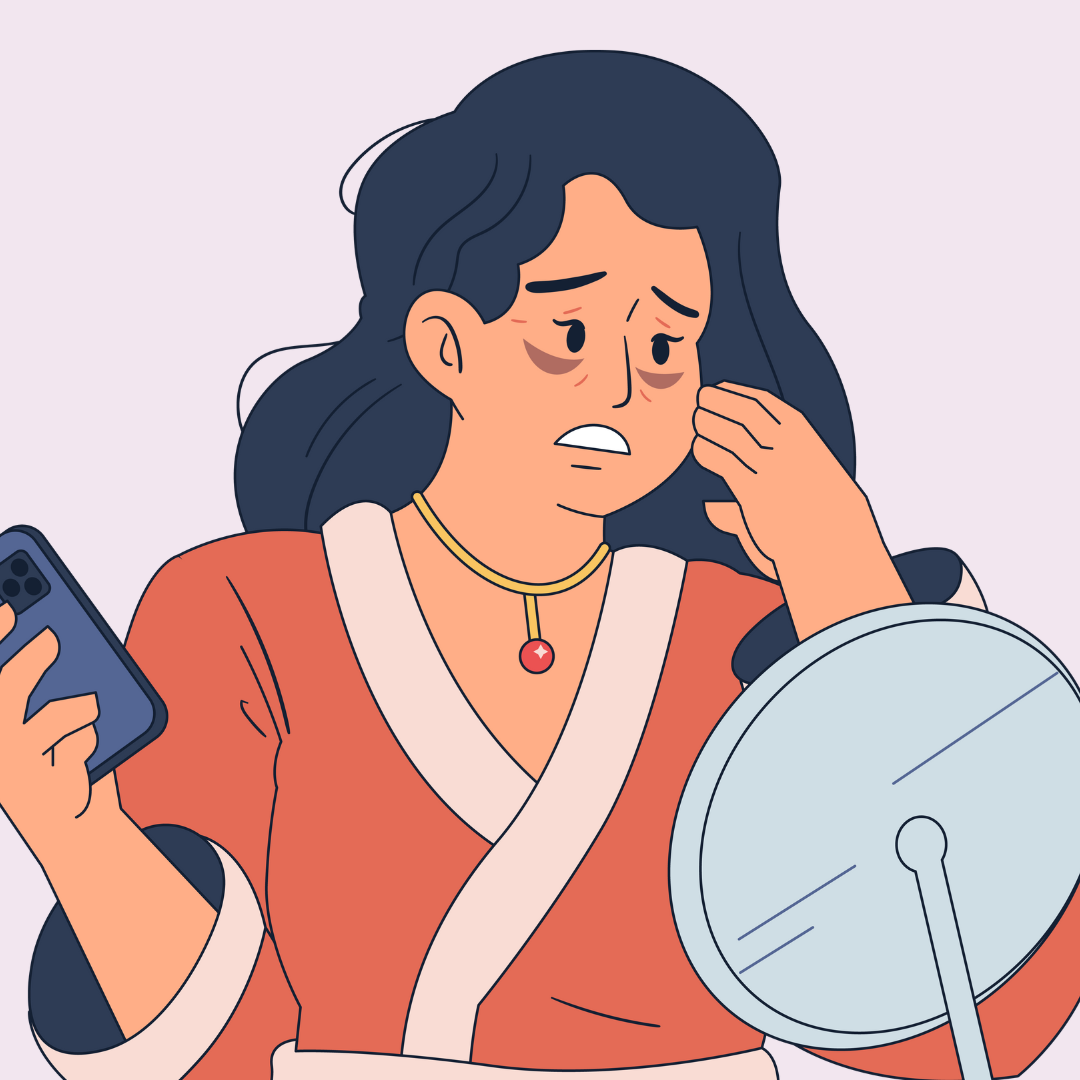
Because PCOS is a hormonal disorder, it affects your entire body—including your face. Hormonal imbalances can impact facial fat distribution and inflammation, sometimes leading to changes known as ‘moon face.’

What is PCOS Moon Face?

What is PCOS Moon Face?

“Moon face” refers to some common facial features seen in women with PCOS. Often, Cysters have rounder, fuller cheeks, puffy eyelids, double chins, and even excess facial hair growth (hirsutism). Of course, the way PCOS may affect your physical appearance isn’t the most important reason to fix your PCOS face shape. However, these facial features can be a sign of an underlying problem that is probably contributing to a lot of your other chronic symptoms and the problem could be increasing your risk of common PCOS long-term complications like type 2 diabetes and heart disease. All in all, it’s a good idea to discover what’s the root cause of your moon face to support your PCOS healing journey. 

How Does PCOS Change Your Face Shape?

PCOS can change your face shape, as well as the rest of the body, due to its effect on inflammation, hormone imbalance, and insulin resistance. 

Inflammation

First of all, inflammation can cause bloating and facial swelling. Chronic inflammation is when your immune system is overactive and attacks healthy cells. This state causes our bodies to retain fluid and bloat! Inflammation can also contribute to insulin resistance, which is another culprit of PCOS moon face. 

Insulin Resistance

Insulin resistance occurs when your cells don’t process glucose (AKA sugar) properly. Instead of using it for energy, your body stores it as fat—contributing to weight gain and elevated blood sugar levels. Over time, this can also affect where fat is stored, including your face, leading to noticeable changes in facial shape.

But that’s not all—insulin resistance can also prolong inflammation and contribute to hormonal imbalances, which may worsen other PCOS symptoms like bloating, acne, and excess hair growth. Addressing insulin resistance is key to balancing hormones and reducing these effects!

Hormonal Imbalances

Hormonal imbalances are a big contributor to PCOS moon face. Progesterone is a necessary hormone for digestion, and at low levels, our bodies have a tendency to retain water. Women with PCOS are often deficient in progesterone, leading to fertility and menstrual problems. (One of the main signs of low progesterone is irregular periods or no periods.) Progesterone, though, as we’ve just discussed can impact physical appearances, too! 

Progesterone isn’t the only hormone playing a role in PCOS facial feature changes. Excess male hormones (androgens) in a Cyster’s body can worsen insulin resistance, further prompting weight gain. But, high androgen levels can also cause excess facial or body hair growth, leading to unwanted dark, coarse hair on the face. It can also lead to male pattern hair loss!

Though appearance isn’t the most important part of your healing journey, for many Cysters, getting their body back is essential to feeling empowered, confident, and joyful again. The changes in your body are signs of bigger troubles within, so let’s take some time to discuss how to lower inflammation, increase insulin sensitivity, and balance excess androgens and other hormones. Here’s what you can do to reduce PCOS moon face:

how to reduce pcos moon face

How To Reduce PCOS Moon Face

Reduce stress. 

Reducing stress is super helpful when trying to reduce PCOS moon face because stress is one of the biggest contributors to weight gain. Of course, the food we eat is a big part of it, but stress can worsen insulin resistance and hormonal imbalances! That means even when you’re eating well and exercising, you may not see change until you find ways to relieve stress. 

You can relieve stress with PCOS by spending time in nature, getting better sleep, cutting back on commitments, doing slow-weighted workouts, engaging in a hobby, and lots more! Figure out what helps you relax, and this can help with weight gain and bloating!

Drink more water. 

Staying hydrated is one of the simplest yet most effective ways to reduce fluid retention—especially in the face! When your body senses dehydration, it holds onto excess water, leading to puffiness and swelling. Drinking enough water helps flush out excess sodium and toxins, reducing bloating and inflammation.

Hydration also plays a key role in liver function, which is essential for hormone balance. Your liver helps process excess androgens and estrogen, so supporting it with proper hydration can aid in reducing hormonal imbalances that contribute to facial swelling, acne, and weight gain.

✨ Pro tip: Swap sugar-sweetened beverages for filtered water, herbal teas, or lemon water to keep inflammation low and hydration high!

Consume less salt and processed foods. 

We all know that salt is the worst when it comes to swelling. Processed foods aren’t any better! So, cutting back on these two things can do a lot for PCOS face shape. Specifically, having salt and processed food in moderation can help reduce water retention, improve insulin sensitivity, decrease inflammation, and balance hormones. Yes, all that! The way we eat can have a big impact on our PCOS symptoms, including moon face! 

Tallene sitting on her kitchen counter with a plate of buckwheat noodles

Maintain a balanced diet overall.

That being said, a balanced diet is key to healing your PCOS and living symptom-free. The goal is to make food our best friend and not our worst enemy with PCOS. Remember, we can still have delicious food and our favorite meals with PCOS-friendly modifications. There are sooo many delicious meal options and ingredient alternatives/substitutions that’ll satisfy your cravings, relieve symptoms, and help you lose weight. 

I recommend trying an anti-inflammatory gluten- and dairy-free diet for 30 days to see how you feel. Many Cysters find this approach helpful because gluten and dairy can trigger inflammation, worsen insulin resistance, and disrupt hormone balance—all key drivers of PCOS symptoms. Gluten may contribute to gut inflammation, which can lead to leaky gut and heightened immune responses, making PCOS symptoms like bloating, fatigue, and cravings worse. Dairy contains hormones and insulin-spiking proteins that can increase testosterone levels, leading to acne, weight gain, and excess facial hair growth.

Exercise regularly. 

Exercise is also great for your overall PCOS healing goals! Focusing on slow-weighted workouts or other meditative exercises can help reduce stress, lower insulin resistance, lower inflammation, balance hormones, and, of course, promote PCOS weight loss! All these things can help shape your face and get rid of PCOS moon face. 

Like I said, not all exercises are made for PCOS. High-intensity workouts that get your heart rate up and pump your body full of cortisol and adrenaline probably won’t help you reach your goals! You can learn more about PCOS exercises here and make sure you download The Cysterhood app for all the best PCOS-friendly workout plans! 

Tallene doing a slow-weighted lunge in workout gear and weights while Sirak points to her ankle to show proper exercise form.

Get better sleep.

So many of our body’s physiological processes take place while we’re asleep. That means, when we don’t get enough good quality sleep, our body can’t carry out the essential functions necessary to ditch PCOS face shape. That means if you prioritize better sleep hygiene to get those 7-9 hours of great sleep, you can see improvements in all the root issues of PCOS face shape, including insulin resistance, inflammation, and hormone imbalance. With this tip, you can literally reach your goals in your sleep. Doesn’t get much better than that!

Take Ovasitol and a multivitamin.

Even with a well-balanced PCOS-friendly diet, getting all the essential vitamins and minerals can be challenging—and that’s a big deal because nutrient deficiencies are common in women with PCOS and can contribute to inflammation, insulin resistance, and even moon face. Your body needs the right nutrients to support hormone balance, reduce inflammation, and optimize metabolism—which is why supplementing can make a huge difference!

Ovasitol is one of my favorite PCOS supplements because it helps regulate insulin resistance and hormone imbalances, two of the biggest culprits behind stubborn PCOS symptoms (including facial bloating and puffiness). Learn more about it in this episode of A Cyster and Her Mister podcast!

A high-quality multivitamin, like Ovafit’s MetaMulti, is another must-have! It’s packed with dozens of essential nutrients that many women with PCOS are deficient in—giving your body the full-spectrum support it needs to function at its best. When your body gets the nutrients it needs, you’ll start noticing changes in your energy, skin, bloating, and more!

Tallene is holding a bottle of supplements from the metabolism plus line and reading the nutrition label.

Talk to your doctor. 

If you’re struggling with PCOS symptoms, talking to a doctor is an important step. But I know how discouraging it can be when you leave an appointment with more questions than answers. Many of us have been given quick-fix solutions without real guidance on why our bodies are struggling in the first place.

That’s why it’s so important to keep searching for the right healthcare provider—someone who listens, understands PCOS, and works with you to find a treatment plan that feels right for you. They may suggest birth control, metformin, spironolactone, or other prescriptions, and while these can be helpful for some, make sure to do your own research, ask questions, and weigh the pros and cons before making your decision.

At the end of the day, you are your best health advocate—and you deserve to feel heard, supported, and empowered in your PCOS journey.

PCOS face shape happens due to hormonal imbalances, inflammation, and insulin resistance.

Once you get a PCOS diagnosis, treatment for PCOS can feel limited . . . meanwhile, the symptoms of PCOS can be overwhelming. But, don’t worry! There are so many ways to naturally reverse your PCOS and live symptom-free with PCOS! You can reverse everything from moon face and PCOS acne to heavy periods and weight gain.

Here at PCOS Weight Loss I’m all about helping you find relief from all your symptoms by presenting you all the options you may not have known were possible. To take your PCOS journey to the next level, download The Cysterhood app, join our community, and let’s do this thing together!

How I Reversed My PCOS Hair Loss Naturally 

I once dated a guy who said, “A girl’s hair is half her personality.” I could not believe he said that . . . but I also couldn’t get it out of my head. As a woman with PCOS struggling with hair loss, I felt so insecure. I had, prior to even meeting this man, cut my thinning hair into a bob, trying to hide the hair loss, but I said to myself, “Surely, I am more than my hair!!!”

Of course, I was (and am) more than my hair. And, really, I didn’t care at all what this guy thought . . . or anyone else, for that matter! As women, our hair isn’t about a superficial fascination with physical appearance. Our hair is something that makes us happy and provides an opportunity for self-expression. So, when Cysters experience PCOS-related hair loss, it can make us feel vulnerable, isolated, and like we’ve lost our identity. 

If this is you, I see you! I was there with you! However, you don’t need to accept that your hair is gone forever. Once you understand the root issue of your hair loss, you can reverse this condition and regrow your luscious locks! And, no, you don’t need expensive medical treatments—you can undo PCOS hair loss naturally!

Illustration of woman researching hair loss reversal on a tablet

How I Reversed My PCOS Hair Loss Naturally

Polycystic ovary syndrome (PCOS) is a complex hormone condition that can cause a wide range of symptoms. Everyone has heard of PCOS symptoms like irregular periods, ovarian cysts, and weight gain—however, the hormonal imbalances of PCOS can also damage your hair! 

As I said, poor hair health isn’t something you have to live with just because you have PCOS. In this post, I’ll discuss why PCOS causes hair loss so you can understand what issues need to be fixed. Then, I’ll break down how you can reverse this symptom and feel like yourself again! 

Here’s what you need to know about PCOS hair loss: 

Does PCOS Cause Hair Loss?

Yes! PCOS can cause hair loss and hair thinning. This is because of elevated androgen levels (male sex hormones), which are one of the many hormones often out of balance in a body with PCOS. When androgens rise, it causes hair follicles to shrink, shortens the hair growth cycle, increases shedding, and worsens scalp health. Of course, this all leads to hair loss! 

Understanding what hormonal imbalances are causing your hair loss is the first step in solving the problem. You can target that root issue and see a BIG change in your hair health. 

What Does PCOS Hair Loss Look Like?

Hair loss due to PCOS is often referred to as “female pattern baldness” and “androgenic alopecia.” Usually, the hair loss is on the top and front of the head. The hair is usually finer, shorter, and more brittle than it should be, causing hair to shed. 

 But here’s something important to know: losing some hair every day is completely normal! On average, people shed 50–100 hairs per day as part of the natural hair growth cycle. This happens because each hair follicle goes through phases of growth, rest, and shedding.

With PCOS-related hair loss, the shedding can be much more noticeable—often exceeding 150 hairs per day—and hair may not grow back as thick as before. If this sounds familiar to you, and your hair falls out with every comb of the brush, you may be experiencing female pattern hair loss!

Woman looking unsure of her hair loss and appearance

Is PCOS Hair Loss Reversible?

Hair loss in women with PCOS is totally reversible—like all symptoms of PCOS! You just need to regulate those androgen levels to get your full head of hair back. Consistency is key, and it typically takes at least 3 to 6 months of steady lifestyle changes, supplements, and hormone balance to notice significant regrowth. This is because hair grows in cycles, and it takes time for new, healthier strands to replace the ones lost due to high androgens. Once you get back on track and restore your hormonal balance, you’ll likely see improvements in other high androgen PCOS symptoms like acne, excess facial hair growth, irregular periods, ovarian cysts, and weight gain! 

How To Reverse PCOS Hair Loss Naturally 

Take strategic supplements. 

There are many natural ways to balance your hormones, but without the essential daily nutrients, your adrenal system and metabolism won’t function at their best. This is why taking the right supplements to lower your androgens is an essential first step to reversing PCOS hair loss. Of course, consult with a healthcare professional before starting any new supplements, but here are some supplements known to improve hair health and help balance androgen levels:

  • Zinc
  • Biotin
  • Iron
  • Omega-3 Fatty Acids
  • Vitamin D3
  • Niacin
  • Vitamin E
  • Vitamin C
  • Inositol

When choosing supplements for hair health, quality matters! Not all supplements are created equal, so it’s important to look for ones that are high quality, third-party tested, and free from unnecessary fillers. If you’re looking for NSF-certified options that are tested for purity and potency, you can check out Ovafit, my PCOS supplement line!

All of the vitamins mentioned above are included in the Metabolism Plus bundle, and Inositol Complete 40:1 is a great way to get your daily dose of inositol. I also love incorporating collagen into my routine—it’s a staple in my smoothies and drinks on The Cysterhood app! If you’re looking for a brand recommendation, Primal Kitchen is my go-to.

Metabolism Plus supplements

Drink herbal tea. 

Herbal tea has been used as natural medicine for thousands of years, but modern research claims that certain herbs can actually help with hormone dysregulation! There are a lot of herbal teas that have been shown to help balance androgen levels, so to get all the benefits of each herb, I recommend a blend of multiple beneficial herbal teas. 

The Testosterone Relief Tea from Ovafit is a great choice! Spearmint, lemon balm, orange peel, chamomile, rosehip, peppermint, cinnamon, nettle, lavender, and calendula tea are all included and are sure to help improve your androgen balance and hair health! I recommend drinking this 2x a day.

two glasses of Testosterone Relief tea

Try an anti-inflammatory gluten- and dairy-free diet. 

What we eat has a HUGE impact on our hormones, including testosterone! If what you eat worsens chronic inflammation and insulin resistance, you’ll probably see your androgen levels rise and your PCOS hair loss worsen. This is why I recommend limiting and being mindful of inflammatory foods like processed food, sugar, refined carbs, gluten, and dairy. 

However, diet isn’t all about what NOT to eat. What you do eat makes just as big of an impact. To balance hormones, including androgens, prioritize a balanced diet with foods high in inositol (yes, one of those supplements we talked about earlier!) Foods high in inositol include beans, oats (I LOVE oats for PCOS!), cabbage, citrus fruits and melons, and nuts! Omega-3 fatty acids have also been shown to be beneficial for hormone balance, so try adding salmon, chia seeds, and walnuts into your diet, too! 

If this all feels a little overwhelming, I get it! But, you don’t have to give up your favorite foods or delicious meals to reverse PCOS hair loss and other symptoms. Simply find substitutes for the ingredients that trigger your symptoms, and ta-da! You get a PCOS-friendly version of meals you already love. Download The Cysterhood app for all of my PCOS-friendly recipes and meal plans that will promote healing and satisfy the foodie in you! 

List of ways to reverse PCOS hair loss naturally

Do regular slow-weighted, low-impact exercises. 

We all know exercise is great for overall health, but did you know it’s also a game-changer for hormone balance? The right type of workout can improve insulin sensitivity, support metabolic health, and even help lower testosterone levels—leading to healthier hair and fewer PCOS symptoms overall! But here’s the key: how you work out matters.

I remember when I first started my healing journey, I was kickboxing multiple times a week—and instead of feeling better, I was gaining weight and noticing more hair shedding. Can you believe it?! That’s because high-intensity workouts flood your body with adrenaline and cortisol—AKA stress hormones. For women with PCOS, who often already have elevated cortisol levels, this extra stress can spike androgen levels and worsen insulin resistance. And since high androgens are one of the main culprits behind PCOS-related hair loss, overdoing intense workouts can actually make it worse.

So, to workout effectively for PCOS, you need low-impact exercises (think weight lifting, pilates, yoga, walking, etc.) that work out the whole body while keeping your heart rate down. I find that slow-weighted exercises are the most effective, and I’ve included a ton of workout routines on The Cysterhood app to help you establish a routine! 

But, if you need help getting started, I offer a 4-week meal and workout plan designed to kickstart your journey and help you see motivating results more quickly. Listen to this episode of my podcast to get a feel for what’s included in the course! 

Tallene doing a slow-weighted lunge in workout gear and weights while Sirak points to her ankle to show proper exercise form.

Practice better stress management techniques. 

We just talked about how stress can trigger a chain reaction in your body that raises androgen levels. And it’s no secret—stress can make your hair fall out! Usually, that’s just a figure of speech, but with PCOS, it’s totally literal. Stress not only increases testosterone, but it can also worsen inflammation, which may cause your immune system to attack healthy hair follicles.

That’s why managing stress is key to improving hair health—and the best part? It helps with other PCOS symptoms too! Try incorporating stress-relief techniques like meditation, deep breathing, spending time in nature, or engaging in hobbies that bring you joy. Cutting back on caffeine can also help lower cortisol levels and support overall hormone balance!

If managing stress is really difficult for you, Listen to this episode of A Cyster and Her Mister on PCOS and mental health. We’re here to help you find a routine that works for you.

Improve your sleep hygiene. 

When it comes to hair health, restful sleep plays a vital role in repairing and regenerating cells and hair follicles. This is true for everybody, but it’s crucial for Cysters experiencing hair loss. When you aren’t sleeping throughout the night (or not sleeping well), then this process is disrupted and even slows down.  

This is actually a problem for hormone balance in general! When you don’t sleep well at night, your body can’t execute the necessary processes to produce, regulate, and metabolize hormones. So, crappy sleep can leave you with elevated cortisol and androgen levels over time. That means improving your sleeping habits is essential! 

I know, easier said than done. But, don’t worry—there are plenty of ways to improve your sleep hygiene and sleep better with PCOS! Things like dimming the lights, drinking a warm cup of tea, taking melatonin, getting some sun earlier in the day, and turning screens off early are just a few key ways to promote better sleep hygiene. 

With the right steps and routines, you can reverse PCOS hair loss naturally! 

If I could go back in time to the girl I was when I dated that guy who made that comment about a woman’s relationship to her hair, I’d hug her and remind her that hair loss doesn’t define who she is. Fortunately, the woman I am today knows this and I’m determined to make sure every other Cyster feels confident and supported in their hair growth journey.

If you’re experiencing hair loss with your PCOS and you’re looking for options other than medical hair treatments, I hope this post helped remind you that you aren’t alone, and that there are plenty of ways to reverse hair loss naturally.

Start managing all your PCOS symptoms naturally using these tips and other lifestyle changes you’ll find on the PCOS Weight Loss blog and the A Cyster and Her Mister podcast! It’s time to take charge and reverse ALL your PCOS symptoms, hair loss included!

PCOS And Skin Tags: How They’re Related

Polycystic ovary syndrome (PCOS) is the most common hormonal condition that affects women of reproductive age. There are a lot of symptoms of PCOS you’re probably familiar with: irregular periods, acne, excess hair growth on the face/body, and weight gain are a few side effects of PCOS that most people don’t understand we face. However, there are a number of unusual symptoms of PCOS, too!

As Cysters, knowing exactly how PCOS affects your body is super important. It can help reveal what type of PCOS you have, what root issues you might be dealing with, and, more importantly, what you need to do to heal your body and reverse your symptoms. 

So, today, I want to talk about skin tags, a lesser-known but common symptom women with PCOS often deal with! Polycystic ovarian syndrome (PCOS) can affect the skin in several ways, in fact. Let’s discuss why and how you can improve this symptom! 

pcos and skin tags how they're related

PCOS And Skin Tags: How They’re Related

Skin tags are still somewhat of a mystery in the medical world—just like PCOS! While their exact root cause isn’t fully understood, we do know that certain factors can increase the likelihood of developing them. Many of these same factors are directly linked to PCOS, which means addressing the root causes of your symptoms can also help improve your skin health!

What Is A Skin Tag?

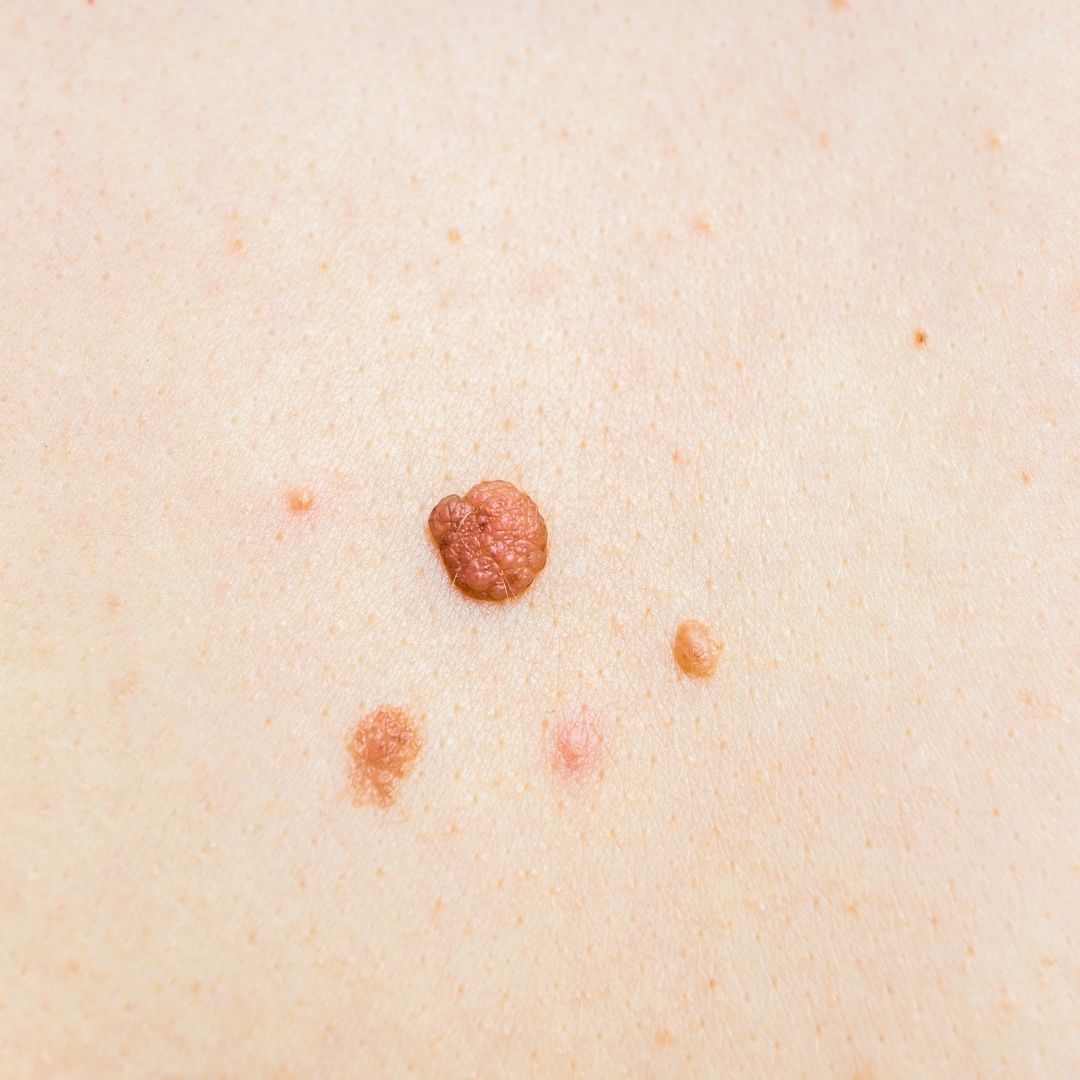
A skin tag is a small growth that develops on areas of the body where there is friction or skin folds. You’ll probably notice them around your neck, armpits, groin, eyelids, under the breasts, or between stomach folds. They’re narrow, smooth, or slightly wrinkled and don’t cause pain. These “tags” are also non-cancerous and pose no risk to your health. They’re more of a cosmetic issue than a true medical concern. 

are skin tags a sign of pcos

Are Skin Tags A Sign of PCOS?

If the only symptom of PCOS you have are skin tags, that wouldn’t be enough to get a diagnosis. However, if skin tags are one of many symptoms of this condition you’re experiencing, it is worth bringing up to your doctor for a possible PCOS diagnosis.

As I mentioned, other skin issues could be due to PCOS, too! The same root issues leading to skin tags often lead to dark skin patches and acne as well. 

Why Does PCOS Cause Skin Tags?

Two of the core issues with PCOS are insulin resistance and hormonal dysregulation. Both can cause skin tags! Insulin resistance is when your body doesn’t respond correctly to insulin. Instead of turning glucose into energy, the body stores the sugar as fat and absorbs it into the bloodstream. This can lead to weight gain, cravings, fatigue, brain fog, skin darkening, and, of course, skin tags! 

Additionally, one of the main hormonal imbalances women with PCOS face is high levels of androgens (male sex hormones). Androgens like testosterone have their place in the female body, but elevated levels can wreak havoc! They can cause some reproductive symptoms like irregular periods, ovarian cysts, and infertility. However, high androgens can also cause skin problems like skin darkening, acne, and skin tags! 

This is because high androgens can lead to excess oil production, an overgrowth of skin cells, low collagen output, and less skin elasticity. All this impacts skin health, leading to acne, skin darkening, and skin tags. Plus, high androgens can even worsen insulin resistance! 

Therefore, one of the options we have to improving skin health and getting rid of skin tags is naturally regulating hormone levels and reducing insulin resistance. 

How To Get Rid Of PCOS Skin Tags 

Make lifestyle changes to manage insulin resistance. 

One of the first steps in any PCOS treatment plan should be increasing insulin resistance! Not only will it help with skin tags, but it’ll help relieve several other PCOS symptoms and even improve other root issues like hormonal imbalance and inflammation. Here are some of the main ways you can take control of your insulin resistance and metabolic health to ditch skin tags and other PCOS symptoms: 

Eat an intentional and balanced diet: 

The best way to reduce insulin resistance is by eating a more balanced diet! Find your carb tolerance range, lower foods that have excess sugar, increase fiber and protein in your plates, stay hydrated, and even try substituting foods or ingredients with gluten and dairy with alternatives. On the blog, you can learn more about my recommended PCOS-friendly diet as a PCOS Registered Dietitian (and fellow Cyster) but you can also download The Cysterhood app that’s full of delicious and PCOS-friendly recipes and meal plans to help you reach your goals! 

healthy balanced diet
Exercise regularly: 

Exercise plays a key role in improving insulin sensitivity, which is crucial for managing PCOS symptoms like skin tags, weight gain, and inflammation. But not all workouts are created equal—especially when it comes to hormone balance.

Slow-weighted workouts are one of the best ways to support insulin resistance and hormonal dysregulation without spiking cortisol levels. Strength training at a controlled pace helps your body use glucose more efficiently, reduces excess insulin in the bloodstream, and prevents it from being stored as fat. The key is progressive overload with proper rest periods—lifting weights with intention while allowing your body to recover. This keeps stress hormones in check while building strength and improving metabolism.

If you’re looking for guided, PCOS-friendly workout routines, you can find plenty inside The Cysterhood app!

Tallene doing a slow-weighted lunge in workout gear and weights while Sirak points to her ankle to show proper exercise form.
Reduce stress: 

Stress isn’t just a feeling—it has a direct impact on your hormones and metabolism. When your body is under stress, it produces more cortisol (your stress hormone), which can throw everything out of balance. High cortisol levels put your body in “survival mode”, slowing metabolism, increasing insulin resistance, and making it harder to manage PCOS symptoms—including skin tags.

Managing stress isn’t about eliminating it completely (because, let’s be real, life happens!). It’s about helping your body handle it better. Try incorporating stress-reducing habits like slow-weight workouts, daily walks in nature, deep breathing, prioritizing sleep, or engaging in hobbies that bring you joy. Small, consistent changes can make a huge difference in balancing hormones and improving your skin health!

how to get rid of pcos skin tags
Take the right supplements:

Targeting insulin resistance with the right supplements can make a huge difference in managing PCOS symptoms—including skin tags. The Metabolism Plus bundle from Ovafit is designed to fill common nutrient gaps in PCOS and support better insulin sensitivity. It contains key nutrients like:

  • Chromium, magnesium, & zinc – Help improve insulin function and blood sugar regulation
  • Vitamin D3 & vitamin E – Support hormone balance and inflammation reduction
  • B vitamins (thiamin, riboflavin, folate) – Essential for metabolic health and energy production
  • Omega-3s – Reduce inflammation and promote overall hormonal balance

Additionally, probiotics and Ovasitol (a combination of myo & d-chiro inositol) have been shown to support insulin resistance and hormone regulation, making them great additions to your PCOS supplement routine.

When combined with a balanced diet, movement, and stress management, supplements can play a key role in improving metabolic health and reducing PCOS symptoms—including skin tags!

Metabolism Plus supplements

Naturally regulate your high androgen levels. 

The next step to getting rid of skin tags and relieving PCOS symptoms is by regulating your androgen levels. Like with insulin resistance, there’s a lot you can do yourself to regulate hormone levels without medical intervention! Here are some things you can do:

Do slow-weighted workouts:

As mentioned earlier, the right exercise for our PCOS bodies can of course help with insulin resistance, but it also has incredible hormone-regulating effects. Doing low-intensity workouts with weights allows you to workout your whole body, without raising your heart rate. As your heart rate increases, so will your adrenaline and cortisol levels. 

Those high-stress hormone levels increase insulin resistance and throw off all your other hormone levels, including testosterone. So, exercise regularly, but stick to things like slow-weighted workouts from The Cysterhood app or try pilates, walking, or yoga! 

Tallene doing a squat exercise on her yoga mat and Sirak pointing to her knee to show proper form
Support your metabolism: 

Struggling with PCOS weight loss? You’re not alone—but here’s the good news: when you target the root causes of PCOS, weight loss becomes easier, and hormone balance follows. High insulin levels and chronic inflammation can lead to excess androgen production, which may contribute to symptoms like skin tags, acne, and hair loss. But by improving insulin sensitivity, reducing inflammation, and supporting metabolic health, you can help your body find its natural balance.

Focusing on nourishing, high-protein meals, slow weighted workouts, and stress management can all help regulate insulin and reduce androgen levels—which not only improves symptoms like skin tags but can also help with sustainable weight loss. Instead of fixating on the scale, shift your focus to building habits that make you feel stronger, more energized, and in control of your health. With time, consistency, and the right approach, real change is possible!

Take the right supplements:

There are quite a few supplements that can help lower testosterone levels in women with PCOS, many of which we have already discussed earlier for insulin resistance! Ovasitol is the best one for addressing hormonal dysregulation, but you’ll also find that vitamin D3, omega-3, and zinc from our Metabolism Plus bundle can help regulate hormones and improve skin health, too. 

Tallene is holding a bottle of supplements from the metabolism plus line and reading the nutrition label.
Drink herbal tea: 

There are lots of herbal teas out there that have been found to help with hormone balance particularly androgen levels. Instead of trying to fit half a dozen different hormone-balancing teas into your daily routine, try Testosterone Relief Tea! It’s a blend of herbal teas, including spearmint, lemon balm, orange peel, chamomile, rosehip, peppermint, cinnamon, nettle lavender, and calendula, specially formulated to help lower androgen levels! I love to prep a large batch early in the week and leave it cold in my fridge so I can grab it to-go every morning.

two glasses of Testosterone Relief tea

Try safe home remedies:

There are a few home remedies that Cysters have tried to get rid of skin tags, with mixed results. Here are a few things you can try:

  • Tea Tree Oil: Try diluting tea tree oil in a carrier oil and applying it to your skin tag with a cotton swab and bandage overnight. After a few nights, the skin tags should dry out and fall off. 
  • Banana Peel or Crushed Garlic: You can try the same thing but with a slice of banana peel or a crushed clove of garlic under a bandage for a few nights. It’s also meant to dry out the skin tag. 
  • Apple Cider Vinegar (ACV): Apply diluted vinegar to your skin tag and let it sit for 15-30 minutes before washing it off. Repeat daily for a couple of weeks to see if it breaks down the skin tag tissue. 
  • Vitamin E: Massage vitamin E oil onto the skin tag daily until the appearance reduces over time. 

Consider medical intervention:

A lot of the natural methods of reducing skin tags I’ve explained can prevent new skin tags from forming, but they may not take care of skin tags you already have. Luckily, there are a number of treatment options you can discuss with your doctor that aren’t invasive, difficult, or painful. 

  • Cryotherapy: Dermatologists can freeze the skin tag with liquid nitrogen and it falls off within a few days or weeks. 
  • Cauterization: A small cauterization tool can be used to burn a skin tag off quickly. 
  • Surgical Removal: Dermatologists can use a scalpel or scissors to cut the skin tags off. 
  • Ligation: This is when a string is tied around the base of the skin tag and the loss of blood supply eventually causes the skin tag to fall off. 
You can relieve skin tags and other PCOS skin issues naturally!

Skin tags, skin darkening, and acne may not be the most challenging symptoms of PCOS, but these cosmetic struggles can lower our self-esteem and overall sense of self. We hope that with this article, you feel more hope for your health and confidence in what next steps you’d like to take for your PCOS journey.

Start managing all your PCOS symptoms naturally using these tips and other lifestyle changes you’ll find on the PCOS Weight Loss blog and the A Cyster and Her Mister podcast! It’s time to take charge and reverse ALL your PCOS symptoms, including skin tags!

What You Need to Know About the IUD and PCOS

Polycystic ovary syndrome (PCOS) is a hormonal condition that can impact a woman’s reproductive system in a big way. Women with PCOS often deal with infertility, irregular menstrual cycles, polycystic ovaries, and sex hormone imbalances that contribute to a lot of chronic common symptoms. 

Since PCOS symptoms can often be rooted to sex hormone levels, often Cysters get put on hormonal birth control pills to “manage” their PCOS challenges. However, hormonal contraceptives doesn’t get to the core of the problem, and symptoms usually return when you get off the pill. In many cases, hormonal birth control pills even worsen PCOS symptoms long-term! (There is even some question if birth control pills can cause PCOS.)

So, if you talk to a doctor and decide hormonal birth control pills aren’t right for you, what do you do if you need contraception? Natural family planning and condoms don’t work for everyone, especially since the effectiveness of those methods aren’t as fool proof as the pill. In recent years, IUDs have become a popular alternative to the pill, but is it right for PCOS? That’s what we’re going to get into today! 

What You Need to Know About the IUD and PCOS

What You Need to Know About the IUD and PCOS

There are lots of reasons people avoid hormonal birth control pills, but one of the biggest concerns is the pill’s long list of side effects. And, many of these side effects correlate directly to PCOS symptoms, meaning hormonal birth control could make your PCOS challenges even harder. Hormonal birth control can cause high blood pressure, nausea, weight gain, hair loss, acne, mood swings, blood clots, and sexual dysfunction. 

As the pill has been decreasing in popularity, more and more women are choosing IUDs! This has prompted lots of Cysters to look at alternative birth control forms too in order to understand if IUDs would be helpful or hurtful for their polycystic ovarian syndrome (PCOS). It’s really smart to look into these alternative contraception methods, because they can be much better for your unique body! 

What is an IUD?

Intrauterine devices (IUDs) are small T-shaped devices that are inserted into the uterus as birth control. It’s a long-lasting birth control that can be reversed when needed. Usually, these IUDs can stay inserted and prevent pregnancy for up to 10 years. Women do report pelvic pain upon insertion, so make sure you talk to your doctor about pain management before booking your placement. Once inserted, the IUD is 99% effective.

Does IUD Help with PCOS?

Does IUD Help with PCOS?

If heavy, painful, and irregular periods are a real struggle for you, the IUD could help get your periods on a regular schedule, reduce cramping and PMS symptoms, and lighten your period flow. In some cases, an IUD may even stop your periods altogether. If you do choose to have an IUD or go on birth control, I always recommend making diet and lifestyle changes in the meantime. That way, when you decide to get off of birth control, your PCOS symptoms don’t come back with a vengeance.

Hormonal birth control pills have both estrogen and progestin, and for estrogen-dominant Cysters this can be problematic for your symptoms, and raise your blood pressure and blood sugar. If you’re struggling with weight gain, cravings, fatigue, and other symptoms of insulin resistance, increasing your blood pressure and sugar is a bad idea. Not only can this impact how you feel and look, but sustained high blood pressure and blood sugar can actually increase your risk of type 2 diabetes, a common long-term complication of untreated PCOS

There are non-hormonal IUD options and the ones that are hormonal use only progestin—no estrogen. This prevents pregnancy, regulates periods, doesn’t increase blood pressure, and relieves some PCOS symptoms like hair loss, troubles losing weight, and insulin sensitivity. If you do decide to go on a contraceptive, IUDs could be a better choice than birth control! 

It is important to note that women with PCOS may be at a higher risk of certain complications like, endometrial hyperplasia and irregular bleeding. So, just keep a close eye on your periods and report any unusual symptoms to your doctor.

Learn more about the best types of birth control with PCOS here!

Does the IUD Treat PCOS?

No birth control (or prescription of any kind) gets to the root of your PCOS symptoms. When you get off the contraceptive, you’ll likely experience all those issues again. That’s why it’s best to work towards reversing PCOS by changing your diet, exercise routine, sleeping habits, supplement intake, and more. Download The Cysterhood app for all the best resources to take control of your PCOS and live symptom-free!

Best IUD for PCOS

Best IUD for PCOS 

Hormonal IUDs

There are progestin-only hormonal IUDs like Mirena, Kyleene, Liletta, or Skyla. They last anywhere from 3-8 years and work by thinning the uterine lining and thickening cervical mucus to make it nearly impossible for conception to happen. For some people, hormonal IUDs even stops ovulation all together. It’s a contraceptive and it can help temporarily relieve some symptoms of PCOS like irregular periods, heavy flow, cramping, PMS, hair loss, weight gain, and insulin resistance. 

What about the Copper IUD?

There are two types of IUDs. The first one I’ll talk about is the copper IUD from Paragard. This is a non-hormonal option that can remain effective for up to 12 years! The copper in the IUD prevents pregnancy in two ways. First, it creates an inflammatory reaction in the uterine cavity that’s actually toxic to sperm and eggs. Second, the copper ions change the composition of the fluid in the fallopian tubes and uterus, preventing the sperm from swimming to the egg. 

These are often less favorable options for people with PCOS, because without the hormonal component, Cysters may not see change in their symptoms. Plus, it doesn’t have the period-regulation of hormonal IUDs. In fact, copper IUDs can worsen cramps, regularity, and flow. So, I’d steer clear of the copper IUD. Consult your doctor to see what the best choice is for you.

What Other Contraceptive Options Are There for PCOS?

If you’re unsure if an IUD is right for you, remember you have a few other options for contraceptives that don’t negatively impact your hormone balance. Consider one of these other options in your search:

IUDs can be a great choice for PCOS contraception! 

If you’re a Cyster in need of birth control, an IUD could be a good choice. Of course, talk to your doctor about your specific medical history to make the right decision for you. Just remember hormonal birth control is a temporary bandaid for our symptoms and it isn’t a cure for PCOS, but you can reverse your PCOS and heal your symptoms naturally! You can fix all your symptoms too, not just difficult periods, but everything from acne and excessive hair growth to mood swings and fatigue. Get all the details on the blog, on the app, and on the podcast

How PCOS Affects Egg Freezing: What Every Future Mom Needs to Know

It’s no secret that women with polycystic ovary syndrome (PCOS) often struggle to become pregnant. In fact, up to 80% of women with PCOS will experience infertility due to high levels of androgens and other hormonal dysregulation. On top of that, there’s often pressure to conceive before 35 for the best chances of a healthy pregnancy, making it seem like time isn’t on our side. But here’s the good news: there are ways to support your body and improve fertility naturally, giving you more options and flexibility on your journey.

Modern medicine has provided lots of new options for women needing fertility support. One of those options is egg freezing! If you’ve ever been curious about the process, you’re in the right place. Today, we’re diving into how PCOS can impact fertility treatments and what you can do to prepare your body for egg retrieval and freezing. Let’s break it all down together!

How PCOS Affects Egg Freezing

How PCOS Affects Egg Freezing: What Every Future Mom Needs to Know

Egg freezing is a process where healthy eggs are retrieved, frozen, and safely stored for future use—giving women the option to pause the fertility clock. But what about Cysters? Is egg freezing the right choice if you have PCOS?

Here’s what you should know:

How Does Egg Freezing Work?

Egg freezing is a complex process! However, it can be a great way to preserve your opportunities of becoming pregnant, even if you aren’t planning to at this time. Before deciding if egg freezing is the right choice for you, it’s important to fully understand the process. After all, being informed is the first step in making the best decision for your fertility journey!

Here’s how egg freezing works: 

step by step process of egg freezing
Step-by-Step Process of Egg Freezing
  • Step 1: Consultation – Your first step is meeting with a fertility specialist or reproductive endocrinologist for a deep dive into your fertility journey. This is your chance to ask questions, discuss your medical history and goals, and get a clear understanding of the egg freezing process.
  • Step 2: Baseline Testing – To understand your full reproductive picture, you’ll get labs and ultrasounds done to check in on your hormonal balances, ovarian reserve, and overall reproductive health. 
  • Step 3: Hormone Injections – The doctors will stimulate your ovaries to produce multiple eggs via hormone injections. This usually takes a couple of weeks. 
  • Step 4: Monitoring – Doctors will now monitor the growth and development of the eggs via blood tests and ultrasounds. 
  • Step 5: Receive Trigger Shot – Once the egg is the right size, you’ll get a shot of human chorionic gonadotropin (hCG) that’s often called a “trigger shot.” This preps the eggs for retrieval. 
  • Step 6: Egg Retrieval Procedure – 36 hours after the trigger shot, you’ll undergo a minor surgical procedure to retrieve the eggs. Doctors use a thin needle to collect the eggs. 
  • Step 7: Recovery – The procedure itself takes about 30 minutes, and most women can head home the same day. Some mild discomfort and light bleeding are normal, but recovery is usually quick!
  • Step 8: Assessment of Eggs – The doctor will assess the eggs to determine their maturity and quality. 
  • Step 9: Vitrification (AKA Freezing) – The high-quality eggs are rapidly frozen using a process called vitrification, which helps preserve their viability by preventing ice crystal formation.
  • Step 10: Storage – The frozen eggs are carefully stored in liquid nitrogen at extremely low temperatures to maintain their quality and viability for future use.
  • Step 11: Thawing and Assessment – When you’re ready to use your eggs, doctors thaw the ones you want and re-assess for quality. 
  • Step 12: In Vitro Fertilization – Eggs are then fertilized and developed into embryos via in-vitro fertilization. 
  • Step 13: Embryo Transfer – Once the embryos are ready, they are transferred to your (or your surrogate’s) uterus!

Can Women With PCOS Freeze Their Eggs?

YES! Freezing eggs can be a really good option for women with polycystic ovarian syndrome (PCOS)! First of all, Cysters often produce a higher number of eggs, making the chances of successful egg retrieval actually higher with PCOS. But, more than that, egg freezing can give you control over your fertility. No matter the circumstance, freezing your eggs can give you flexibility in the timing of your pregnancy.

Hormonal dysregulation, inflammation, and insulin resistance (the three core issues leading to a bulk of PCOS symptoms) can make conceiving, staying pregnant, and having a healthy pregnancy challenging. Women with PCOS often experience irregular menstrual cycles, anovulation, reduced egg quality, ovarian cysts, high blood pressure, difficulty managing blood sugar, and low progesterone levels, which are all less than ideal for pregnancy.

The good news is, there are natural ways to improve these root issues and symptoms to have a successful pregnancy with PCOS. However, if you’re still working on healing your body to boost your fertility, egg freezing is an option to increase your reproductive age window.

Curious about when you should get pregnant with PCOS? Here’s the ideal age for getting pregnant with PCOS

how to prepare for egg freezing when you have pcos

How To Prepare For Egg Freezing When You Have PCOS

Start taking steps to improve your symptoms and heal your body. 

First of all, if you’ve decided to start the egg retrieval process, congratulations! A great way to begin your journey is by taking steps to improve your reproductive health and heal your body. Because once you are ready to get pregnant, you’ll want your body to be in optimal health. Regulated hormones, increased insulin sensitivity, and reduced inflammation will help increase your chances of sustaining a healthy pregnancy! 

Here are some lifestyle changes that can help you reverse your symptoms and get control over your PCOS:

– Change your diet:

A balanced diet can make all the difference when getting to the root issues of your PCOS symptoms. For PCOS I recommend you trying a gluten- and dairy-free anti-inflammatory diet for 30 days to see if this makes an impact on your symptoms and reducing inflammation. You can find recipes and meal plans on The Cysterhood app. To boost your fertility, here is a list of foods that I recommend!

– Exercise regularly:

Slow-weighted or meditative workouts can be a great tool for improving PCOS symptoms and reproductive health. You can also find PCOS-friendly workout routines on the app! Unlike high-intensity exercise, which can spike cortisol and disrupt hormones, strength training at a controlled pace helps regulate insulin, reduce inflammation, and improve blood flow to the ovaries. It also supports a healthy metabolism and minimizes stress on the body, creating an optimal environment for hormone regulation and reproductive health.

– Take fertility-boosting supplements:

Even with a strategic diet, it’s hard to get all the right vitamins and minerals to help your body thrive. To boost the effectiveness of all your fertility and healing efforts, I recommend high-quality, NSF-certified prenatal supplements like Purely Prenatal, which provides a pre-conception multivitamin for PCOS and coenzyme Q10 for egg quality.

– Get more sleep:

Sleep is essential for supporting a healthy metabolism, immune health, and adrenal system. Take steps to improve your sleep hygiene to get high-quality rest. 

– Stay hydrated:

Drinking plenty of water can help improve hormone regulation, uterine health, and plenty of other PCOS and fertility symptoms!  

Tallene and Sirak sitting across each other talking at the table with plates with food in their hands

Learn about the whole process of egg freezing. 

Learning about the process and hearing real stories from women who’ve been through it can help you feel more prepared, both physically and emotionally. No matter where you are in your fertility journey, you deserve to feel informed, supported, and empowered every step of the way.

Meet with a fertility specialist. 

I recommend seeing a fertility specialist for your next step! You’ll discuss things like your medical history, your PCOS symptoms, your long-term pregnancy plans, and more. The right specialist should really listen to you, answer all your questions, and make you feel hopeful about your journey! 

Get labs done to establish a baseline and evaluate your ovarian reserve. 

In order to establish a baseline and get a sense of your current health, your fertility specialist will have you undergo some testing. Blood tests will give you and your doctor vital information on your hormone levels while an ultrasound will assess your ovarian reserve. They may also do an X-ray to check the inside of your uterus and fallopian tubes for any problem areas. Here, you’ll find out what’s possible in your reproductive future!  

Make a plan to financially cover the egg-freezing process. 

It’s important to be aware that fertility treatments can be a big financial investment. Before diving in, it helps to have a game plan for covering costs so you can move forward with confidence. Check in on your employer benefits, explore your savings, and set a budget that aligns with your goals. Your specialist can walk you through the full breakdown, but expect costs to range from $10,000 to $15,000, plus an annual storage fee of $500 to $1,200 for your frozen eggs. Planning ahead can ease some of the stress, so you can focus on what truly matters—your fertility journey.

Start tracking your cycle the best you can. 

To map the best times to do your egg retrieval process, start tracking your cycle. I know this can be difficult for some of us who are still trying to work with our PCOS to get our period cycles regular. However, as you make those lifestyle changes to heal your symptoms, your period is likely to become more regular. For more guidance, here’s how to track ovulation with irregular periods

Prepare for hormone stimulation.

This next stage involves taking injections to encourage your ovaries to produce multiple eggs. To support your body through the process, now’s the time to double down on those key lifestyle shifts we talked about. Prioritize nourishing foods, stress reduction, and plenty of rest. It’s also a good idea to skip alcohol and follow any personalized recommendations from your doctor or fertility specialist. The more you support your body now, the better you’ll feel throughout your journey!

Monitor your side effects and report any concerning symptoms to your doctors. 

If at any time in the process, you experience concerning symptoms, make sure you communicate that to your fertility specialist. It’s important that you stay in the best health possible, so any negative side effects need to be quickly addressed to keep you on track. 

Additionally, it’s important you know that as a Cyster you’re at a higher risk of Ovarian Hyperstimulation Syndrome (OHSS), especially if you have high AMH levels or a large ovarian reserve. Essentially, this complication happens when your ovaries respond too strongly to the process, causing ovarian swelling, fluid leakage, abdominal pressure, weight gain, and hormonal imbalances.

In extreme cases, it can also affect kidney functioning and cardiovascular health.This is why it’s so important for us Cysters to find a healthcare provider who truly listens and understands the full picture of your PCOS journey. The right doctor will take all your symptoms into account and work with you to create a plan that supports your health and well-being. So if you needed a sign to seek another doctor…this is it!

Ensure you have a plan for post-op support. 

Egg retrieval is a minor surgery, but it’s still a good idea to have someone to help you around the house for at least 24 hours post-op. You’ll be told to get rest and avoid any strenuous activity plus, you’ll be recovering from anesthesia, and it’s always a good idea to have someone monitor you after that. The process can also be an emotional process, so don’t hesitate to ask your loved ones to be there for you during this time. 

Tallene and Sirak sitting next to their counter facing each other with plates of food
Egg freezing is an option available for women with PCOS!

Egg freezing can offer peace of mind when it comes to your fertility. PCOS can be overwhelming, and the added stress of conceiving “right now” doesn’t help your reproductive health and overall PCOS journey. So, if you need more time before you’re ready physically, emotionally, or mentally to have a baby, egg freezing is a great option for women with PCOS!

For more on managing your PCOS and boosting fertility, check out the PCOS Weight Loss blog and the A Cyster and Her Mister podcast! We discuss everything from losing weight with PCOS to navigating birth control, all to help you through this whole process. We can do this together!

Castor Oil For Cysts In Ovaries With PCOS

Castor oil has been used as a traditional medicine for over 6,000 years. It’s actually a type of vegetable oil that comes from East Africa made from castor beans, but it has uses in Indian and Chinese medicine too. It’s usually used to help with things like constipation, hair growth, wound healing, and even labor induction.

However, castor oil has also been thought to be a treatment for ovarian cysts, one of the most common PCOS symptoms. So, I wanted to use this post to explore this idea and see if there’s any truth to the idea that castor oil can help dissolve ovarian cysts!  

Castor Oil For Cysts In Ovaries With PCOS

Castor Oil For Cysts In Ovaries With PCOS

Women with polycystic ovarian syndrome (PCOS), as the name suggests, often experience ovarian cysts. They’re painful, solid, or fluid-filled sacs that grow on the surface of ovaries. Usually, they go away on their own and are no big deal. But, in some cases, they can burst, become cancerous, or twist your ovary. Because of this risk, most Cysters try to do what they can to remedy cysts. 

If you’re a woman out there with PCOS, you’re likely cautious of ovarian cysts. (Though, it’s a myth that all women with polycystic ovarian syndrome experience cysts.) With that in mind, we’re going to look more into the ancient practice of utilizing castor oil for medicine. Here’s what you should know about castor oil for cysts:

Is Castor Oil Good For Cysts?

There are no definitive studies that prove castor oil helps with dissolving ovarian cysts or reducing ovarian cysts’ size. However, there are a few research studies and years of anecdotal data that suggest it might have benefits for women with PCOS. 

According to naturopathic doctors, topical use of castor oil can increase blood flow, reduce inflammation, and promote the healing of organs and tissues. Those naturally anti-inflammatory properties mean it can be a natural remedy for pain and swelling. Additionally, castor oil can stimulate lymphatic drainage, which causes detoxifying of the body. This can be great for your immune system and overall health! 

Here are some of the potential benefits of castor oil for women with polycystic ovary syndrome (PCOS):

castor oil benefits for PCOS

Castor Oil Benefits For PCOS

How to Use Castor Oil Packs for Cysts

How To Use Castor Oil Packs For Cysts

What You’ll Need:

Instructions:

Step 1: Cut Organic Fabric into squares.

Take your fabric and cut it into 3 squares, each one about 10×10 inches. When you’re done, place them in your lidded glass container. (It’s okay if you have to fold it or stuff it.) 

Step 2: Saturate fabric in castor oil. 

Pour castor oil over the fabric until it’s saturated, but not dripping wet. 

Step 3: Cover one side of the fabric with protective layer. 

Take your fabric squares and put a protective layer of additional fabric on the side not facing your body. (This will prevent some of the castor oil from getting on all of your clothes.) An alternative option is using an organic cotton castor oil pack!

Step 4: Get your heating pad ready!

Simply warm up your rice or flaxseed heating pad in the microwave, or plug in your electric heating pad!

Step 5: Relax with a castor oil heating pad.

Now, lay down and place the castor oil pack oil-side down on one ovary for 45-60 minutes with the heating pad layered on top! (The castor oil can stain fabrics, so wear clothes and use blankets you don’t mind getting oil-stained.) 

Step 6: Store it for later. 

You can actually reuse this pack for a while! Just put it in your container and into the fridge, and break it out whenever you need it again! 

Castor oil may help get rid of ovarian cysts!

If you’re a Cyster struggling with ovarian cysts, know that there are real solutions out there! While castor oil is often recommended, there’s little research to support its effectiveness as a primary treatment. Instead, the best approach is to identify and address the root cause of your cysts. I break this down in detail in our podcast episode (A Cyster and Her Mister) called “Ovarian Cysts + Follicles: Understanding the Root Cause + Exploring Treatment.” Plus, if you’re considering ovary removal to prevent cysts, here’s what you need to know—pros and cons of removing your ovaries.

For more tips on naturally healing your PCOS, browse my blog! I have lots of information that’ll help you manage your symptoms using diet, exercise, lifestyle, and mindset changes. Plus, you can join a community of women embarking on the same journey as you when you download The Cysterhood App. Beyond community, it’s also full of PCOS-friendly recipes, slow-weight workout videos, guides that teach you more about your PCOS body and more. Remember, there is hope for reversing your symptoms and having a lifestyle where you thrive with PCOS! 

Are There Problems With PCOS And IUD Use?

For many women with PCOS, oral contraceptives are commonly prescribed to help manage symptoms and regulate hormones. However, if you’ve tried the pill and haven’t found relief, you’re not alone. While birth control can help alleviate certain PCOS symptoms, it doesn’t always work for everyone—and for some, it may even come with unwanted side effects. Namely, the pill can raise insulin resistance, contributing to weight gain, fatigue, skin problems, and the increased risk of developing type 2 diabetes. If you’ve struggled with side effects or feel like your birth control is only masking symptoms, exploring natural solutions could be a great next step– and we are here to help!

Polycystic ovarian syndrome (PCOS) is a common hormonal condition that leads to a variety of uncomfortable symptoms like irregular periods, excess hair growth on the face and body, head hair loss, headaches, mood swings, headaches, high blood pressure, fatigue, troubles losing weight, skin issues, and more. Many of these symptoms are due to hormonal dysregulation, which is why oral contraceptives are often prescribed as a first-line treatment! 

Birth control pills often contain estrogen and progestin, which can help manage certain PCOS symptoms for some women. However, they don’t address the root causes of PCOS, meaning symptoms may return once you stop taking them. Plus, for those dealing with insulin resistance, the pill may sometimes contribute to further symptoms. Every body is different, but if you’ve experienced this, know that there are other ways to support your hormones and feel your best!

So, what are your options? Luckily, there are other hormonal birth control options and non-hormonal birth control options that can help ease symptoms without the long list of side effects. Intrauterine devices (IUDs) are a common form of contraception that checks these boxes. In this post, I’ll break down the pros and cons of IUDs and help you decide which type of IUD may be right for you! 

Are There Problems With PCOS And IUD Use?

Are There Problems With PCOS And IUD Use?

All in all, there may be a few problems with PCOS and IUDs, but it’s a good choice for reliable contraception that likely won’t worsen your symptoms or PCOS journey. This is due to the fact that there are non-hormonal options and the hormonal options only include progestin, not estrogen, which is usually the culprit for certain PCOS symptoms. Progestin-only IUDs also haven’t been shown to have a significant impact on insulin resistance. This means when Cysters are looking for a contraceptive, IUDs might be something you’d like to consider! 

does iud help with pcos

Does IUD Help With PCOS?

Though IUDs are a wise contraception choice and can positively impact a handful of PCOS symptoms, they’re not a remedy or treatment for PCOS. IUDs would only really help with period-related PCOS symptoms, like irregular menstrual cycles, heavy period bleeding, and painful period cramps. 

Will other symptoms of PCOS be affected? Probably not. Additionally, once the IUD is removed, those who previously had irregular, heavy, and painful periods may experience them again. However, the good news is that you can actually prepare your body to alleviate these beforehand symptoms if you plan on getting your IUD removed. I recommend while you have an IUD, to start making strategic lifestyle changes to get to the root of your PCOS symptoms. If you can make lifestyle adjustments that target hormonal regulation, insulin sensitivity, and inflammation reduction, getting regular periods and living symptom-free is totally possible! This way, even when you’re off contraceptives, your PCOS journey just continues without the return of difficult period symptoms. 

What Are IUD Side Effects?

There are a few potential side effects of IUD insertion you should know about as well! Cramping and pelvic pain right after insertion are normal, but definitely talk to your doctor if it persists. Additionally, hormonal IUDs can sometimes cause missed periods and spotting, whereas non-hormonal IUDs may increase your flow. Lastly, IUDs can cause ovarian cysts, so if you’re a Cyster with a medical history of cysts on your ovaries, don’t hesitate to discuss your concerns with your doctor to see if another contraceptive may be a better choice for you!

Although rare, potential side effects of IUDs can include infection, ectopic pregnancy, expulsion, and perforation. It’s always best to discuss with your doctor whether an IUD is the right choice for you. Our goal is to equip you with the information you need to become your own best health advocate, while your doctor can help guide and support you along the way!

Which IUD Is Best For PCOS?

The best IUD for PCOS really depends on your goals. The most important thing to remember is that the primary purpose of an IUD is contraception. Having one will not treat PCOS and won’t have the same impact on your symptoms as lifestyle changes will. So, what type of IUD is best for PCOS? Let’s look into some below!

Mirena 

Mirena is a type of hormonal IUD that uses only progestin. Once inserted, it can be left in and remains effective for 8 years, which is great for family planning if you don’t plan on conceiving any time soon. It’s been known to relieve heavy periods, menstrual pain, and period irregularity. Plus, it’s been shown to lower the risk of endometrial cancer, which can be a long-term complication of PCOS

Kyleena

Kyleena is another hormonal IUD that uses progestin! This one is effective for up to 5 years, which can make it a better option if you’re looking for something in the middle of short-term and long-term. It can help make periods more regular or even stop them altogether for some people. It can lighten heavy bleeding as well!

which iud is best for pcos

Liletta

Liletta is very similar to Mirena, being that it’s a hormonal progestin-only IUD that’s effective for up to 8 years. Also like Mirena, it can lighten periods, regulate periods, relieve menstrual pain, and reduce the risk of endometrial cancer. 

Skyla

If you’re looking for a short-term contraceptive plan, Skyla is a hormonal progestin-only IUD that’s effective for just 3 years. It can help reduce period pain, regulate periods, and relieve heavy bleeding. 

ParaGard  

The ParaGard IUD, also known as the copper IUD, doesn’t use any hormones to be effective! It can stay inserted for up to 10 years, making it the most long-term contraceptive IUD on the market. ParaGard hasn’t been shown to alleviate period symptoms, so its benefit is purely in its prevention of pregnancy. 

The IUD is a generally safe and wise contraceptive choice for women with PCOS. 

The hormonal birth control pill has been used as a catch-all for women’s health problems for decades. Though it has plenty of useful applications, it’s not the only option for women with PCOS. (You can learn more about PCOS and hormonal birth control here.) However, IUDs can be another option for preventing pregnancy and relieving some PCOS symptoms while you embark on creating a lifestyle that allows you to thrive with PCOS!

For more on living with PCOS and naturally managing your symptoms, head over to the PCOS Weight Loss blog and download The Cysterhood app! 

7 Supplements for Insulin Resistance & PCOS

If you’ve been diagnosed with PCOS, I’m sure you’ve heard the term “insulin resistance” being thrown around. 80% of women with PCOS have insulin resistance, and it affects so many of our symptoms from weight gain to infertility. The good news is that we have more control over it than we think, and some diet and lifestyle changes can have a huge impact.

Insulin resistance is when your body’s blood sugar-managing hormone (AKA insulin) doesn’t regulate your blood sugar levels well. If you’re insulin resistant, your body receives sugar (glucose), but the cells can’t process it to turn it into energy. Instead, that excess insulin builds up in the blood. Thus, raising your blood sugar levels and increasing your risk of type 2 diabetes, heart disease, and other long-term complications.

But, what does this have to do with PCOS? If you’re unsure if you have it, look at our post about the types of PCOS. Insulin resistance is why Cysters often struggle with symptoms like weight gain, dark patches, sugar cravings, irregular periods, belly fat, and fatigue. 

Fatigue and trouble with weight loss are two really difficult side effects of PCOS that can feel impossible to overcome. I know personally that those were some of the most dreaded side effects for me when I was on my PCOS journey. But, there is a way to naturally increase your insulin sensitivity and reverse your symptoms. Just hang tight!

In this post, I’m going to share some of the best supplements to help you manage your insulin resistance, reducing the risk of long-term complications and worsening symptoms. I will say, these supplements alone won’t fix increased insulin production and sensitivity problems; there is no magic pill but supplements do play a huge role. Listen to our podcast, A Cyster and Her Mister for the full holistic approach to increasing your insulin sensitivity. But, for now, here are supplements that can potentially help you along your healing journey:

Supplements for Insulin Resistance & PCOS

7 Supplements For Insulin Resistance & PCOS

Inositol

If you’ve been following me for a while, you know that inositol is my favorite supplement for PCOS! Not only can it help reduce insulin resistance, but it can also help lower testosterone, improve fertility, regulate menstrual cycles, and better your mood

This one supplement hits so many PCOS pain points, I think it’s a must-have for your symptom management and reversal. You can order an inositol supplement, Ovasitol, that has a 40:1 ratio of my and d Chiro inositol. This has been shown in studies to be effective in improving PCOS weight loss, more than metformin has! Consider speaking with your doctor and adding to your routine if you struggle with high blood sugar or any other symptom I listed here!  

Vitamin C

Vitamin C is a supplement that’s been shown to help with reducing insulin resistance and lowering blood glucose levels! If taken preventably, studies seem to suggest that vitamin C can help reduce the risk of developing insulin resistance and diabetes altogether. This is because vitamin C is structurally similar to glucose, so it can replace it in certain chemical processes to promote proper absorption adn regulation of insulin levels. 

Vitamin C is also a powerful antioxidant that can help strengthen your immune system, fight oxidative stress, and potentially prevent chronic diseases. If it’s not already in your arsenal, consider adding vitamin C supplements to your routine. I recommend taking a multivitamin that contains vitamin C and other essential nutrients to support insulin resistance.

Probiotics

Though researchers haven’t totally figured out how they’re related, studies have shown that improving your gut microbiome can actually improve insulin resistance. As well as manage cholesterol and reduce high blood sugar levels. This is good news for Cysters because many of us struggle with GI issues already that can be remedied by bettering gut health. 

How do you improve gut health? An anti-inflammatory, gluten, and dairy-free diet is a good start, but probiotics are another great way to support a healthy gut. I have a list of the best probiotics for PCOS on the blog and you can learn more about gut health and PCOS with Dr. Robin Rose in this episode of my podcast. 

Magnesium 

Magnesium is another potentially helpful supplement to increase insulin sensitivity and regulate blood sugar. However, only certain types of magnesium are helpful for blood sugar management. Magnesium oxide is the one that works best for this symptom. Make sure you find a supplement that’s the proper type to see the biggest benefits (though there can be other PCOS symptom improvements from other magnesium variants.

Listen to this episode of A Cyster and Her Mister to understand how magnesium deficiency may be affecting you and, as always, discuss it with your doctor first before starting a new supplement!

Supplements for Insulin Resistance & PCOS

Omega-3

Omega-3 fatty acids are an essential part of healthy body function. In fact, our brains are made up of over 50% omega-3 fatty acids and our bodies can’t naturally produce them. That means supplementation is really important if you don’t eat fish and avocados every day. (You can find Omega-3 as part of our Metabolism Plus supplement bundle.) And, proper omega-3 levels in women with PCOS is even more important when you consider all the PCOS symptoms it can remedy!

Like inositol, omega-3 can help with several PCOS symptoms including inflammation, hair loss, mood problems, period irregularity, infertility, high cholesterol, and, of course, insulin resistance. This is due to its horomonal regulation and anti-inflammatory properties!

Chromium

Chromium is an essential mineral that is hard to get naturally. We only need a little bit, but it’s just not absorbed well by the body when found in food! Because of that, chromium supplementation is a good supplement to consider. 

Chromium has been shown to improve insulin sensitivity, cholesterol levels, and other metabolic functions. I recommend the Pure Encapsulations Chromium supplement. Discuss it with your doctor and consider taking chromium! 

Vitamin D

Vitamin D is that sunshine vitamin and it’s SO important for anyone out there, but especially women with PCOS. It can improve your metabolic health overall, including reducing insulin resistance. Proper vitamin D supplementation can also help with PCOS symptoms related to high androgen levels and inflammation!

You can find the best form of vitamin D for PCOS in the Ovafit MetaMulti. This makes vitamin D supplementation, along with most other vitamin and mineral supplementation on this list, as easy as possible!

PCOS and Insulin Podcast Episodes

PCOS & Insulin Resistance Podcast Episodes 

Check out some episodes we did on our PCOS podcast about insulin resistance to learn more!

PCOS is often linked to insulin resistance, but the right supplements, diet and lifestyle changes can help increase your sensitivity! 

There are tons of great natural supplements for PCOS, but definitely consider taking vitamins and minerals that’ll help your body with improving insulin sensitivity and metabolic processes. Metabolism Plus is a one-of-a-kind supplement bundle made by OvaFit, designed for PCOS, and made with the highest quality ingredients (plus, it is NSF certified, so you know you’re getting exactly what is on the label!) This can help you lose weight, gain energy, and reduce your risk of long-term complications. 

Wishing you luck on your PCOS healing journey! Don’t forget to download The Cysterhood App for more help and resources. On the app, you’ll find a community of Cysters like you who support and encourage one another as we all reverse our PCOS and take back our joy. You deserve this – let’s start your healing journey today! 

What Foods Are High In Inositol?

Inositol (formerly known as vitamin B8) is a sugar that’s actually made in the body but can be found in many foods. Don’t let the word “sugar” fool you—inositol is actually a really beneficial nutrient that helps regulate hormones in the body! In fact, it’s been found to be super beneficial for people with polycystic ovarian syndrome (PCOS) and other metabolic issues. I consider it my favorite supplement for PCOS, because just this one supplement can ease so many PCOS symptoms. Studies have even shown that inositol supplements are just as effective as metformin but without the unpleasant side effects of a prescription drug. 

There are 9 forms of inositols, but myo- and d-chiro-inositol are the two most common and most effective for PCOS management. For d-chiro and myo-inositiol supplementation, I created Ovafit’s Inositol Complete 40:1. It includes these types of inositol in the perfect ratio to support hormonal dysregulation and insulin resistance! I always recommend incorporating this one into your daily supplement regimen.

That said, there are other ways to boost your daily intake of myo-inositol and d-chiro inositol, too! In addition to taking your inositol capsules, you can eat inositol-rich foods! This can enhance your health benefits and help you finally find symptoms relief. Here are a few foods naturally high in inositol that are perfect for a PCOS-friendly diet: 

What Foods Are High In Inositol?

What Foods Are High In Inositol?

Incorporating inositol into your PCOS-friendly diet isn’t as difficult as you may think. There are actually lots of inositol-rich foods, including beans, whole grains, nuts, citrus fruits, melons, cruciferous vegetables, and more! But before we get into the food options, here are the benefits of inositol for women with PCOS:

Benefits of Myo-inositol and D-Chiro-Inositol for PCOS

benefits of Myo-inositol and D-Chiro-Inositol for PCOS

Beans

Most varieties of beans are high in inositol and are a staple for managing insulin resistance! Adding great northern beans, green beans, lima beans kidney beans, peas, and/or soybeans as a side to your meals adds a great source of protein, fiber, and inositol to your nutrition. In ½ cup of beans, there are about between 80 – 200 mg of inositol per serving. 

Nutrient-packed beans can help with digestion, regulating blood sugar levels, lowering cholesterol, and weight loss. Because of the fiber, beans take longer to digest than other foods, keeping you fuller longer with more energy to use throughout the day. When we eat it with other food items on our plates, we can also help slow down the absorption of sugar in our blood, which improves our insulin resistance and the symptoms caused by it. Beans are also a gluten-free carb, which can help with our hormone dysregulation in PCOS and our Carb Tolerance Range, so consider adding beans to soups and salads.

Buckwheat

I love buckwheat! It’s my go-to flour alternative for a gluten-free PCOS lifestyle. Buckwheat noodles are delicious and have high concentrations of D-chiro-inositol. The best part? You can use buckwheat flour in nearly anything. I like that it’s gluten-free, but also nutrient-dense. It’s a win-win! 

In addition to being a good source of inositol, buckwheat is high in fiber, protein, and antioxidants. This can help with cardiovascular health, high blood sugar, insulin resistance, and GI issues. I highly recommend substituting your favorite meals you typically have noodles with with buckwheat noodles. That way you can still keep the meals and flavors you love, but instead use ingredients that can benefit your PCOS!

Oats

Oats are great for PCOS! Oats are a complex carb that includes soluble and insoluble fiber, plenty of vitamins and minerals, lots of plant-based protein, and inositol, of course. Nutrient-dense oats have been shown to lower bad cholesterol, reduce insulin resistance, improve gut health, and assist with weight loss!

How do you incorporate oats into your diet??? There are so many options! First of all, I love overnight oats as an easy, delicious, and high-protein breakfast. (On The Cysterhood app you’ll fine tons of overnight oat recipes like brownie batter or lemon poppy seed overnight oats!) I also love to make oatmeal cookies and cauliflower oatmeal!

Cabbage

Fresh cabbage also is rich in inositol with 70 mg per ½ serving. The texture and flavor of cabbage are welcome in almost any dish and can complement meals like salads, wraps, and sandwiches for an added crunch. However, mixing it into soups and stir-fries is also a great way to get your inositol. 

Cabbage also has vitamin C, fiber, folate, potassium, magnesium, vitamin A, and vitamin K that work together to potentially reduce inflammation, ease digestive issues, improve heart health, and reduce the risk of cancer and type 2 diabetes—both of which are long-term complications of PCOS. 

Citrus Fruits and Melons

Lots of melons and citrus fruits are great natural ways of getting inositol. Cantaloupe has the most with 355 mg per ¼ serving, but plenty of others have high levels of inositol including, oranges, grapefruits, and limes. And, these couldn’t be easier to add to your meals! Add them to smoothies, salads, chia seed puddings, or even your homemade dressings. You’ll get your sweet fix in plus support your inositol deficiencies; just remember to group fruits with proteins and healthy fats to avoid a blood sugar spike! 

Citrus fruits have vitamin C, flavonoids, and fiber, which can all reduce inflammation, improve gut health, and more. And, if you really want to get a lot out of inositol with cantaloupe, know that the nutrients in melons are also wonderful for our skin and heart health!

Nuts

Nuts are the perfect PCOS-friendly snack for several reasons. They can help with cravings, be a source of healthy fats, and also help with fiber intake. Nuts like almonds, peanuts, walnuts, and cashews are naturally high in inositol. Almonds have the highest inositol content with 41.7 mg per serving. Additionally, nuts can be good for your cardiovascular health, too. 

To add nuts to your PCOS diet try adding them to anything where you want a crunchy texture. Add them to salads, oatmeal, chia seed pudding, or even when you make your own trail mix. If you don’t want the taste and crunch, you can also have nut butter! Another option is to grind them up to add to gluten-free pancakes or overnight oats recipes. I have a ton of different breakfast, lunch, dinner, and even dessert recipes in The Cysterhood app that can help you brainstorm and try this out with PCOS-friendly meals!

Tomatoes

Tomatoes are packed with myo-inositol. This is especially true when you eat them fresh or lightly cooked, but they’re beneficial any way you eat them! One large tomatoes usually has about 25-35 mg of myo-inositol. And, they have other beneficial nutrients too. Beyond myo-inositol, tomatoes are rich in vitamin c, lycopene, and potassium.

Incorporating tomatoes into your diet is probably pretty easy. Most of us already cook with them regularly! However, for particularly tomato-forward meals, try tomato and lentil soup, tomato and avocado salad, caprese bowls, stuffed tomatoes, and maybe a tomato-loaded shakshuka.

Liver

Chicken liver is one of the highest food sources of myo-inositol, offering over 39 mg per serving. Organ meats aren’t everyone’s favorite, but if you’re open to trying something new, this one packs a nutritional punch. Along with inositol, chicken liver is rich in vitamin A, folate, and vitamin B12—which is especially helpful if you’re taking metformin and may be at risk for B12 deficiency.

Try cooking them in a variety of ways and integrating them into soups, bowls, and even gluten-free pasta to add variety to your cuisine. Honestly, you may find you like them more than you’d think! 

*All of the inositol content of common foods came from Inositol Australia.

Foods Examples High In Inositol

Inositol is an essential nutrient for any woman with PCOS.

Living with polycystic ovary syndrome (PCOS) can be confusing, especially with our diet, but there are plenty of ways to get your nutrition and reverse your symptoms naturally! You can thrive with PCOS by making lifestyle changes like doing PCOS-friendly exercises, taking the right supplements, and supporting your hormones with your diet. An anti-inflammatory gluten- and dairy-free diet could be the key to living symptom-free. Give it a try for 30 days and let us know how it goes below!

If the thought of learning how to cook and eat differently is a lot to take in, I get it! To help, we created The Cysterhood App, where you can find more PCOS-friendly recipes and unlock my PCOS meal plan and workout videos that can help you reach your health goals, whether you want to lose weight, relieve symptoms, or live a healthier life where PCOS is under your control. Whatever your next goal is in your PCOS journey, we got you! 

Can I Take Inositol If I Don’t Have PCOS?

If you’ve been following my blog or podcast for a while, you know that Inositol is one of my favorite supplements for PCOS! It’s a natural supplement made out of Vitamin B that’s actually been shown to be more beneficial than common PCOS prescriptions for reducing and managing symptoms. AND, when taken correctly, it is possible to have the same benefits without the side effects of prescription medicine. Pretty incredible, right?

Inositol can help ease and reverse the symptoms of polycystic ovary syndrome (PCOS) like, menstrual irregularity, infertility, weight gain, mood problems, fatigue, acne, hair loss, and more! With so many benefits of Inositol for women with PCOS . . . women without PCOS are wondering if they could benefit, too. After all, many women can experience these symptoms, yet still wait forever to get a proper diagnosis! 

So, in this post, I’m going to answer the question: Can I take Inositol if I don’t have PCOS? That way, you know if it’s the right call for you or someone you know! 

Note: PCOS recently received a name update and is now called polyendocrine metabolic ovarian syndrome (PMOS). The new name does a much better job of reflecting how complex the condition really is and the many systems it affects throughout the body. I’ve hoped for a change like this for years, so I’m excited to finally start making the transition. You’ll see me use both PMOS and PCOS throughout this article as we all get used to the new terminology.

Can I take Inositol if I don't have PCOS?

Can I Take Inositol If I Don’t Have PCOS?

Natural supplements like Inositol are available over the counter . . . and the benefits your friends and family with PCOS experience when they start taking Inositol speak for themselves! However, just because it’s accessible, natural, and beneficial for women with PCOS, doesn’t necessarily mean it’s right for everyone, so let’s get into the details about Inositol and its uses: 

What Is Inositol?

Inositol is a supplement that’s formulated with a combination of myo-Inositol and d-chiro-inositol in a 40:1 ratio. These are two different forms of inositol that are in the B vitamin family. Inositol is naturally produced by the body and it also comes from various foods! Some foods high in inositol are fruits, grains, beans and legumes, nuts and seeds, vegetables, and liver! However, women with PCOS tend to have inositol deficiencies and it’s hard to get the right amount of Inositol naturally, so the addition of a supplement can be really helpful! 

How Does Inositol Work?

Our bodies need the right amount of vitamins and minerals to function at their best, right? Inositol is no different! We need the right ratio and amounts of inositol to allow our body to go about all its daily processes optimally. So, research shows that myo-inositol and d-chiro-inositol can help by restoring the natural balance of inositol, Inositol can improve insulin sensitivity and hormone dysregulation to relieve lots of symptoms whether you’re experiencing these symptoms due to PCOS or something else. 

Here are the key potential benefits:

Benefits of Inositol for Women Without PCOS

  • Improves menstrual regularity 
  • Enhances ovulation
  • Improves egg quality
  • Reduces cravings
  • Supports healthy weight loss
  • Boosts mood and reduces stress
  • Betters skin health 
  • Supports health health
  • Boosts energy levels
  • Eases digestive troubles 
  • Helps with mental focus
  • Supports bone density and joint health
  • Improves immune function 

Can You Take Inositol If You Don’t Have PCOS?

Yes, you can take Inositol even if you don’t have PCOS! There are a lot of people who can benefit from improving insulin sensitivity and restoring hormone dysregulation. There are a lot of women who struggle with these root issues even if they don’t have polycystic ovarian syndrome (PCOS.) Inositol is also a natural supplement that can be accessed without a prescription and often has zero side effects when it is taken correctly! This makes it a great solution for many women experiencing symptoms caused by insulin resistance or hormone imbalance. 

(Though, there can be side effects of taking Inositol for some women, so make sure you educate yourself on those before jumping in!) 

a list of reasons to consider taking Inositol

Types of Women Who Can Benefit from Inositol

All women could likely benefit from Inositol, but there’s definitely a population of women who can benefit more than others. You should consider Inositol if you . . .

  • Have PCOS
  • Are trying to conceive 
  • Have irregular periods
  • Have insulin resistance or type 2 diabetes
  • Experience mood disorders 
  • Have metabolic syndrome
  • Have known hormonal imbalances 
  • Are trying to lose weight without success
  • Are in perimenopause 
  • Have skin and hair issues 

Does Inositol Help Regulate Periods?

Yes, it can. While most research has focused on women with PMOS, some evidence suggests inositol may also support menstrual regularity in women without the condition, too! Inositol works by improving insulin sensitivity and supporting signaling pathways that influence key reproductive hormones like estrogen and progesterone. Because stable insulin levels and balanced hormones are important for consistent ovulation, these effects may help regulate menstrual cycles over time. 

Inositol for Hormonal Balance in Women Without PMOS?

For your body to function at its best, more than 50 hormones need to work together in harmony. Because hormones constantly communicate with one another, an imbalance in one can affect many others throughout the body. Inositol supports insulin signaling and participates in important cellular communication pathways that influence several hormones involved in metabolism and reproductive health. Together, these effects may help support a healthier hormonal environment.

Inositol may help:

  • Regulates insulin signaling: Helps your body use glucose more efficiently
  • Lowers elevated testosterone and androstenedione levels: Helps maintain normal androgen balance
  • Normalizes luteinizing hormone (LH) levels: Promotes healthy ovulatory function
  • Supports healthy estrogen production: Helps maintain reproductive hormone balance
  • Increases progesterone production: Promotes regular ovulation, which naturally increases progesterone

Inositol Benefits for Women Without PMOS

Supports Healthy Blood Sugar Regulation

Inositol plays an important role in insulin signaling, helping your body use glucose more efficiently. This may support healthy blood sugar levels and steady energy throughout the day.

Promotes Hormonal Balance

Because inositol takes part in important cellular signaling pathways, it may help support a healthy balance of reproductive hormones. Balanced hormones are important for everything from mood to reproductive health.

Supports Regular Menstrual Cycles

Healthy insulin signaling and hormone balance create a better environment for consistent ovulation and menstrual cycles. This may help regulate your periods, even if you don’t have PMOS. 

Supports Fertility and Egg Quality

Inositol plays a role in ovarian function, follicle development, and egg maturation. This can help improve egg quality and reproductive function for women trying to conceive naturally or through IUI/IVF. 

May Reduce the Risk of Gestational Diabetes

Some studies suggest that taking inositol during pregnancy may help lower the risk of developing gestational diabetes, especially in women at higher risk. However, you should always speak with your healthcare provider before starting any supplement during pregnancy.

Supports Metabolic Health

Healthy insulin signaling doesn’t just affect blood sugar. It also plays a role in maintaining healthy cholesterol, blood pressure, triglycerides, and overall metabolic function. This means inositol isn’t just a potentially smart choice for reproductive and metabolic health, but overall wellness long-term! 

Inositol Side Effects

Most people tolerate inositol really well without any side effects. However, there are some potential ones you should know about! If you experience any of these, stop taking inositol and call your doctor for further guidance. 

Digestive Upset

The most common side effects of inositol are mild digestive symptoms, especially when you first start taking it. Some people experience nausea, stomach discomfort, bloating, gas, or diarrhea. Starting with a lower dose and gradually increasing it can help minimize these effects.

Headaches

Some people report mild headaches when they first begin taking inositol. These are typically temporary and may improve as your body adjusts to the supplement.

Dizziness

Although uncommon, some people experience mild dizziness while taking inositol. This may be more likely when taking higher doses or if your blood sugar drops lower than usual.

Fatigue

A small number of people report feeling more tired than usual when starting inositol. If this happens, it often improves after a short adjustment period.

Allergic Reactions (Rare)

Allergic reactions to inositol are rare, but they are possible. Stop taking the supplement and seek medical attention immediately if you experience symptoms such as swelling, difficulty breathing, or a severe rash.

Medication Interactions

Inositol is generally considered safe, but it can interact with certain medications or medical conditions. If you’re pregnant, breastfeeding, have diabetes, or take prescription medications, talk with your healthcare provider before adding inositol to your routine.

What To Consider When Taking Inositol Without PCOS

Consider your goals for adding Inositol to your routine. 

When adding a new supplement to your routine, you never want to just drive head first into buying and taking it. First of all, vitamins can be expensive. You don’t want to spend the money and time if you’re not going to get anything out of it. 

So, before you start anything, map out your goals! Review what the benefits of Inositol are and pinpoint which ones you’d like to conquer. Of course, also consider whether the symptoms you deal with are due to hormonal imbalance and/or insulin resistance. If they are (or you think they are), Inositol may be a good choice for you! 

Ovasitol supplement
Discuss your other medications and preexisting conditions with your doctor. 

Inositol is like an insulin sensitizer. This is mostly good, right? If your symptoms are because of high blood sugar levels, having something to help you produce and metabolize insulin can be super helpful at easing your symptoms. However, having insulin that’s too low can be just as dangerous as having it too high!

If you’re on other prescription insulin sensitizers like Metformin, Actos, Avandia, or something similar, Inositol could actually drop your insulin levels too low. When these levels are low, it can trigger mild symptoms like shakiness, sweating, headaches, increased hunger, dizziness, and fatigue, as well as more serious symptoms like nausea, blurred vision, seizures, and fainting. So, talk with your doctor about other medications you’re on!

Additionally, talk about pre-existing conditions. Side effects with Inositol are rare, but they are possible, especially if you have some underlying health issues. Your doctor may advise you to avoid Inositol if you have liver or digestive problems. You may still be able to take the supplement, but never do it without the approval of your doctor, of course. 

Follow the dosage and timing instructions. 

You may have a set time you currently take all your supplements, however, some supplements require certain timing! If the bottle says to take something with food or at a specific time of day, definitely follow those instructions. Also, follow the dosage suggestion. This will help ensure that your supplement is actually effective and there’s minimal chances of side effects. 

If you decide on Ovafit’s Inositol Complete 40:1, for example, the directions state to take one serving twice a day (one with breakfast and one with dinner) with a hot or cold non-carbonated beverage. All those instructions are essential to reap all the benefits of your new supplement! 

what to consider when taking inositol without pmos
Monitor your body’s response to the supplement. 

Next, it’s time to stay consistent and monitor your body’s response. Of course, you want to make sure you’re not experiencing any negative side effects like diarrhea, nausea, headaches, stomachaches, skin irritation, or loss of appetite. If you experience any of these symptoms or worse side effects, definitely stop taking the supplement right away and talk to your doctor! 

Assuming you don’t have any side effects, keep measuring the improvements in your symptoms to see how Inositol is helping you reach your goals! Listen to your body and see any differences in the intensity of your cravings, mood changes, or even period schedule. It generally takes 3-6 months of consistently taking Inositol (or any supplement) to see results, which is why Inositol comes in a 3-month supply. Keep a journal or keep notes on an app to map how your symptoms are improving. 

Make sure you’re taking a high-quality supplement. 

The supplement industry is not well-regulated, so there’s a lot out there that don’t even match what their label says and likely won’t get you the result you’re looking for. Make sure you take a supplement that’s third-party tested and uses the best ingredients possible, just like Inositol Complete 40:1!

It’s curated using NSF-certified ingredients and advanced formulation techniques to be super effective and safe. It’s also a higher dosage than many other versions you’ll find in the market. 2,000 mg of myo-inositol and 50 mg of d-chiro-inositol is the perfect ratio for PCOS, and it is likely what your body needs to support your metabolism and endocrine system! Oh, and you can set it to automatically ship to you when you need it. Does it get better than that? 

Ovasitol for women without PCOS
Inositol can even ease the symptoms and struggles of women without PCOS. 

There are SO many obvious benefits of taking Inositol for PCOS . . . but there are also benefits for women without PCOS, too! Many women experience high blood sugar or hormonal dysregulation even without PCOS and Inositol can help a ton of the symptoms that come from that! Talk with your doctor and start taking Inositol ASAP to finally relieve some of those chronic issues. We all deserve to live our lives symptom-free. 

Want more info on supplements? I have a lot more on the Ovafit blog and on the A Cyster and Her Mister podcast! Here are some highlights: