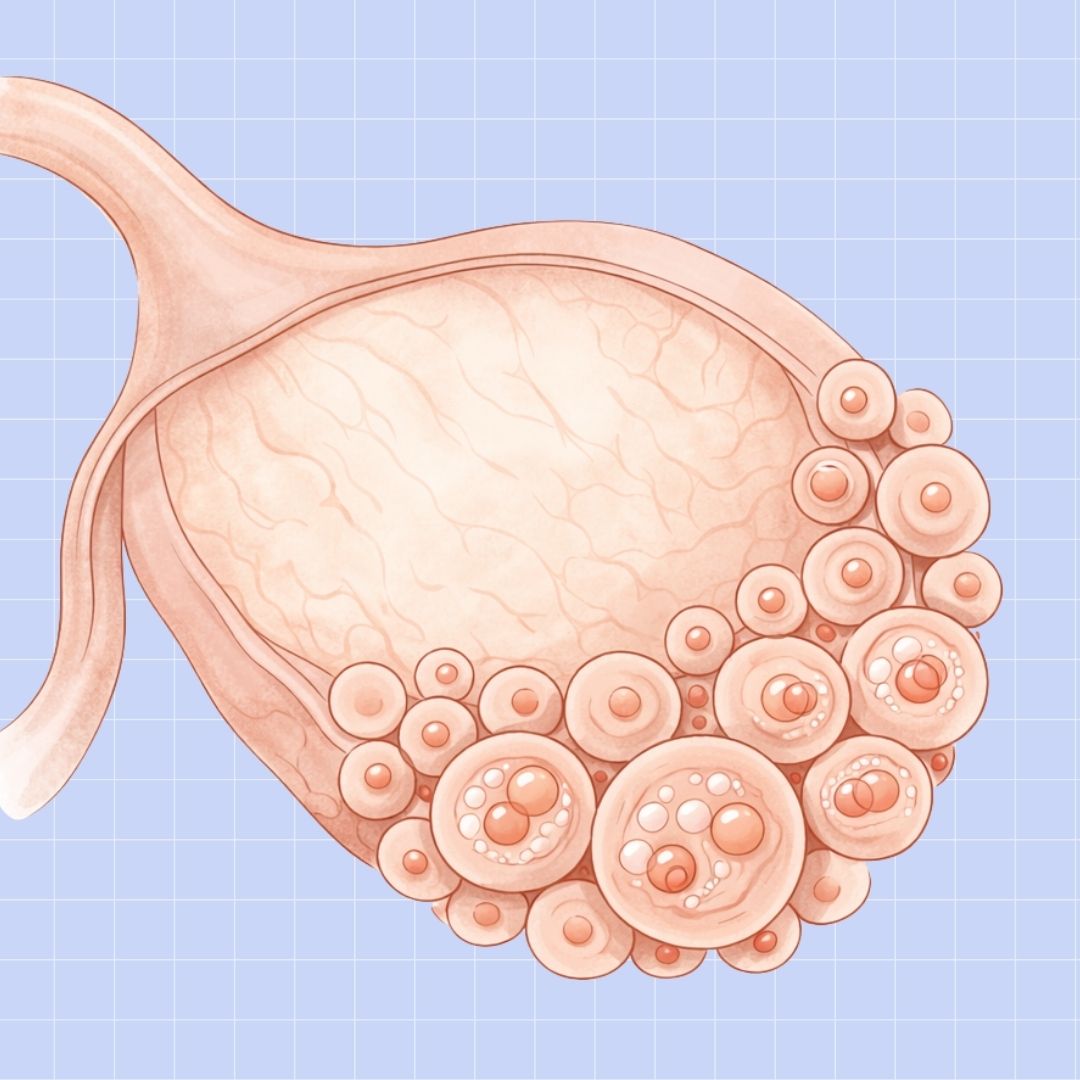

Polycystic ovarian syndrome (PCOS) is a common hormonal condition that’s best known for its impact on the female reproductive system. Initially, cysts on the ovaries and irregular periods were some of the only symptoms attributed to this disorder. However, after years of additional research and investigating, we’ve realized PCOS affects a lot more than just our menstrual cycles, and not everyone with PCOS develops cysts.
All that being said, PCOS does have a significant impact on our reproductive health! Getting pregnant with PCOS can be difficult, but it’s not at all impossible (especially when you’re healing your PCOS naturally). Once a woman with PCOS conceives, there are still challenges they may face during pregnancy, including high blood pressure, gestational diabetes, large birth weight, premature birth, and problems breastfeeding.
You can read more about PCOS and pregnancy here, but in this post, I’m going to focus specifically on PCOS and breastfeeding! If you’re a Cyster and plan to breastfeed your baby, this post is a must-read to help you stay well-informed on keeping your chances of success high and those early weeks as stress-free as possible.
How To Increase Milk Supply With PCOS
Women of all ages and sizes can face challenges with pregnancy and breastfeeding! However, it can be particularly challenging for women with PCOS. But, what is the connection between lactation struggles and polycystic ovary syndrome (PCOS)? That’s what I’ll get into next:
Does PCOS Affect Breast Milk Supply?
It can! Not every woman with PCOS will experience breast milk supply issues, depending on the type of PCOS you have, but lactation problems aren’t uncommon. The issues stem from two main root causes associated with PCOS: insulin resistance and high androgens.
Insulin Resistance and Milk Supply
Insulin resistance is when your body doesn’t correctly process glucose. Instead of transforming sugar into energy, it stores it as fat and absorbs it into the bloodstream. Up to 80% of women with PCOS have insulin resistance and it causes a lot of chronic symptoms including fatigue, cravings, and weight gain. It can also cause lactation issues.
Insulin is a hormone, so when your insulin levels are high, it can domino into other problematic hormonal imbalances too. High insulin levels can disrupt the synthesis of prolactin and oxytocin, which are essential for milk production. Milk production can also be delayed or negatively impacted by the reduction of glandular tissue in the breasts due to high insulin levels. Lastly, insulin resistance can lead to a delay in the onset of lactogenesis II (activation secretion), which is the transition from colostrum production to the production of mature breast milk a few days after birth.
High Androgens and Milk Supply
Another thing many women with PCOS deal with is high androgen levels (male sex hormones). When androgens like testosterone are elevated in a woman, it can result in symptoms like infertility, menstrual irregularity, acne, hirsutism, hair loss, mood issues, and more. It can also cause problems with the production of milk.
This is because high androgens stunt breast growth and the development of mammary glands, which is important for milk production, of course! Like high insulin levels, high androgens also reduce prolactin levels and impair lactogenesis II. These two common underlying issues of PCOS, insulin resistance and high androgens, are both problematic for successful lactation.
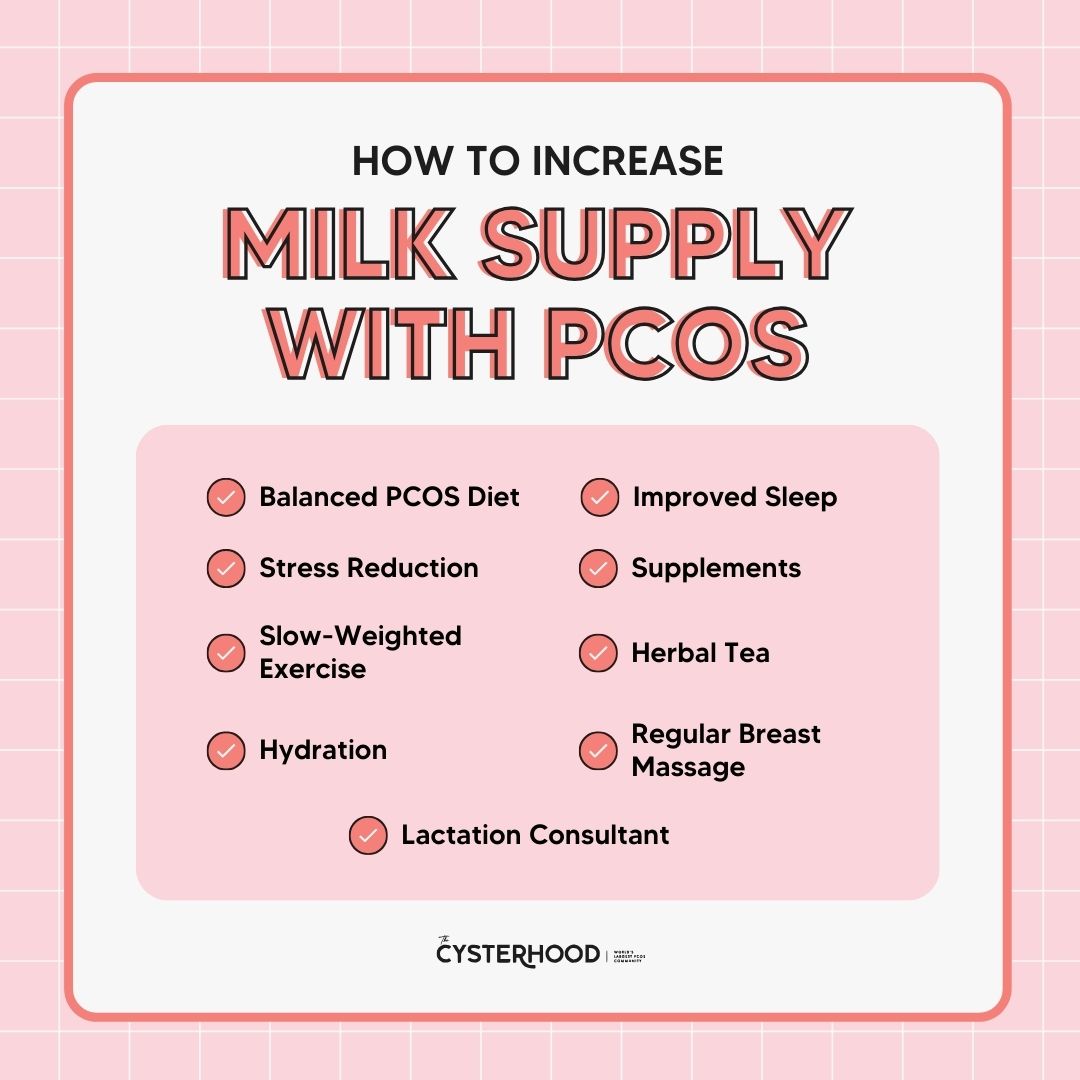
How To Increase Breast Milk Supply With PCOS
Balanced PCOS Diet
To help improve your milk supply, you need to focus on regulating your hormones (specifically, lowering testosterone) and increasing your insulin sensitivity. The best way to do that naturally is by being intentional about what you eat. I recommend an anti-inflammatory gluten- and dairy-free diet to balance hormones and control our insulin levels. For meal plans and PCOS-friendly recipes that’ll help you conquer your goals, download The Cysterhood app!

Stress Reduction
Stress in our bodies manifests as the hormone cortisol! When we get stressed, our cortisol levels rise, putting our body into emergency mode. It triggers insulin resistance and other hormonal imbalances like high androgens that can have a big impact on your ability to produce milk. Try reducing stress by getting out in nature, meditating, exercising, improving your sleep routine, and more!
Slow-Weighted Exercise
Exercise is another way you can naturally lower your insulin resistance! However, you want to do the right kind of exercises. High-intensity workouts can raise your heart rate and cortisol levels, taking you right back to elevated insulin and androgen levels. I recommend slow-weighted workouts that you can find on The Cysterhood app! Another bonus tip is to take 1-minute breaks in between your sets to help balance out your cortisol levels.

Hydration
Staying hydrated is essential to produce milk, PERIOD. However, it’s especially important for women with PCOS! It helps increase energy levels, support hormone function, and increase blood volume, all of which are important for a breastfeeding mother. Carry a BPA-free, glass, or stainless-steel reusable water bottle to avoid hormone-disrupting toxins, and remind yourself to stay hydrated throughout the day. Hydration also supports hormone regulation, reduces cravings, and improves energy levels for PCOS management!
Improved Sleep
Sleep and hormone balance go hand-in-hand. When we don’t get enough sleep, our body doesn’t carry out hormone synthesis correctly. You’ll wake up with elevated cortisol, testosterone, and insulin none of which is good for breast tissue development or milk production. Here’s how to get better sleep with PCOS.
Supplements
Taking supplements that target insulin resistance is another way to target one of the root causes of low milk production. Some of the best supplements for that include:
You can get all of these in a formula specialized for PCOS from Ovafit!

Herbal Tea
Herbs have been thought to be helpful for medicine for centuries . . . and now we have research to back it up! Herbs like spearmint, lemon balm, orange peel, chamomile, rosehip, peppermint, cinnamon, nettle, lavender, and calendula have all been shown to help lower androgen levels, which in turn can help with milk production. Rather than drinking a dozen different herbal teas, get them all in this PCOS-friendly blend called Testosterone Relief Tea!
Skin-to-skin contact and Frequent Nursing
If your baby is already here and you want to increase milk supply, skin-to-skin contact and frequent nursing/pumping have also been shown to trigger more milk production!
Regular Breast Massage
Doing regular breast massages can be a great natural way of increasing milk supply when done in conjunction with these other tips! They can stimulate milk flow, increase blood circulation, prevent blockage, reduce stress, and promote the release of milk-producing hormones like oxytocin.
Lactation Consultant
If you’re still having issues producing milk, don’t hesitate to see a lactation consultant. We all know that the longer we go without producing, the harder it will be to up the volume again. These lactation consultants will have invaluable insight to help you reach your goals. Plus, many have support groups and other resources for new moms!
To increase milk supply with PCOS, focus on reducing insulin resistance and androgen levels!
PCOS can cause a lot of difficult symptoms, especially for moms trying to breastfeed. If you’re experiencing a low milk supply, try these tips to stimulate production and increase your chances of breastfeeding successfully.
For more PCOS healing tips and insight, browse the PCOS Weight Loss blog and listen to the A Cyster and Her Mister Podcast. With the right know-how, we can reverse your PCOS and help you live symptom-free!