

🧬 What’s Your PCOS Type? Take the Quiz →

PMOS Bloating: A Dietitian’s Guide to Causes, Symptoms, and Relief

If you’ve ever finished a normal meal and suddenly feel like you swallowed a balloon, you know how frustrating bloating can be. And with polycystic ovary syndrome (PCOS), now called polyendocrine metabolic ovarian syndrome (PMOS), figuring out why it’s happening isn’t always straightforward.

PMOS bloating can be influenced by several factors, from digestion and food sensitivities to hormonal and metabolic changes. That means the underlying cause (and what actually helps!) can look different from one woman to the next.

I’m Tallene, a Registered Dietitian with PMOS myself. I mention this to say: not only do I know how frustrating PMOS symptoms can be, I’ve put in the time to figure out what can help it. In this guide, I’ll break down what may be behind PMOS bloating, the symptoms to look for, how bloating can relate to weight and metabolism, and practical ways to feel more comfortable.

PMOS Bloating a Dietitian's Guide to Causes, Symptoms, and Relief

What Is PMOS Bloating?

PMOS bloating is that puffy, full, sometimes tender feeling in your belly that shows up more often when you’re living with polyendocrine metabolic ovarian syndrome. It’s not a diagnosis on its own. It’s a symptom, and it often ties back to the hormonal and metabolic picture of PMOS.

You may experience bloating for different reasons, including hormonal imbalances, insulin resistance, digestive changes, and water retention. That’s a wide range, which is why two women can feel bloated for completely different reasons.

PMOS is characterized by hormonal imbalances, including high levels of androgens and, often, insulin resistance. These hormonal and metabolic changes can also affect digestion, which naturally, can contribute to bloating and other digestive symptoms.

If you want a more comprehensive explanation of what this condition is, I wrote all about it in my guide, “What Is Polyendocrine Metabolic Ovarian Syndrome?” In this article, I walk you through the root drivers of symptoms, what other symptoms you may experience, and why PCOS (polycystic ovary syndrome) got a recent name change.

What Causes PMOS Bloating

What Causes PMOS Bloating?

Bloating tends to come from a mix of factors rather than one single cause. Here are the big contributors I see most:

Hormonal Imbalances

Hormones drive a lot of what your gut does day to day. In PMOS, androgens can run high, and other hormone levels can shift too. These hormonal changes may affect fluid retention and how quickly food moves through your digestive system, which can leave you feeling fuller or more bloated. When your gut moves more slowly, food and gas can stick around longer. (AKA: That uncomfortable, frustrating puppy feeling.)

Insulin Resistance

Insulin resistance affects nearly 70% of women with PMOS, making it one of the most commonly experienced symptoms across the condition. When your cells don’t respond to insulin as effectively, your body may produce more insulin to help keep blood sugar levels stable.

Higher insulin levels can contribute to fluid retention, which may leave you feeling more swollen or bloated. Insulin resistance can also make it harder to manage cravings, blood sugar, and weight, which is why supporting insulin sensitivity is such an important part of managing PMOS symptoms overall.

Digestive and Gut Changes

Your gut bacteria matter more than most people realize. Research has shown that women with PMOS have an altered gut microbiome, leading to gut issues such as constipation, diarrhea, and bloating. The gut microbiome also plays an important role in digestion and maintaining the intestinal barrier. When that balance is disrupted, it may contribute to inflammation, gas, and irregular digestion, all of which can leave you feeling more bloated.

Water Retention

Fluid shifts are a classic bloating trigger, especially around your cycle. Between hormonal swings and higher insulin, your body can hang onto extra water, and that shows up as a tight, swollen middle that comes and goes.

Medication Side Effects

Some prescriptions used in PMOS can add to the picture. For example, metformin, a commonly prescribed medication to support insulin sensitivity, can cause digestive side effects like bloating, gas, diarrhea, and stomach discomfort. This can be particularly prevalent when you first start taking it. 

Important reminder: Never stop taking medication on your own. Instead, talk to your doctor about the symptoms you’re experiencing so you can create a plan to tackle your PMOS symptoms at the root.

Symptoms of PMOS Bloating

Bloating rarely travels alone. Here are common symptoms of PMOS that can show up alongside it:

  • A full, tight, or swollen belly, often after eating
  • Visible stomach distension that changes through the day
  • Gas, burping, or abdominal discomfort
  • Constipation or irregular bowel movements
  • Water retention and puffiness, especially before your period
  • Fatigue and low energy that pairs with digestive discomfort

If you’re tracking these, blood tests with your provider can help clarify hormones and blood sugar so you’re not left guessing. And if you feel like you don’t even know where to start, my “What’s Your PMOS Type?” quiz can help give you a little more clarity.

How PMOS Bloating Relates to Weight and Metabolism

Bloating, weight changes, and metabolism can be connected in PMOS because many of the same hormonal and metabolic factors can influence all three. Here’s how this can show up in your day to day:

Insulin Resistance and Weight Gain

When insulin resistance is part of your PMOS picture, its effects can show up in more than one way. It can make weight management more difficult, particularly around the abdomen, while metabolic changes associated with insulin resistance may also contribute to fluid retention and bloating.

That doesn’t mean weight gain and bloating are the same thing. Instead, they may be influenced by some of the same underlying metabolic factors, which is why addressing insulin sensitivity can support more than one PMOS symptom at a time.

Metabolic Risk Over Time

Because insulin resistance can affect both weight management and overall metabolic health, it’s important to look beyond bloating alone. Over time, insulin resistance is also associated with a higher risk of metabolic concerns, like type 2 diabetes. 

That doesn’t mean you’ll develop these conditions! It simply makes regular monitoring with your healthcare provider an important part of managing PMOS long term.

The Cravings and Weight Loop

When blood sugar spikes and crashes, cravings ramp up, eating patterns shift, and both weight and bloating can follow. Steadier blood sugar is one of the most useful tools you have, and it’s a big reason I lean on a gluten- and dairy-free approach to help support insulin sensitivity and calm inflammation.

How to Manage PMOS Bloating

How to Manage PMOS Bloating

These are practical approaches you can try and discuss with your healthcare team. For a broader look, I’ve also rounded up PMOS treatments in a separate guide.

Try a Gluten- and Dairy-Free Diet

This is my go-to starting point. Gluten and dairy can be inflammatory for some women with PMOS, and reducing inflammation may help support gut health and insulin sensitivity. That doesn’t mean these foods are responsible for everyone’s bloating, but it can be helpful to pay attention to how your body responds to them.

If you regularly notice more bloating, gas, or digestive discomfort after eating gluten or dairy, reducing them may help you identify whether they’re contributing to your symptoms. From there, you can focus on building meals around foods that support digestion, balanced blood sugar, and your overall PMOS management.

And you don’t have to do it alone. When you download The Cysterhood, you can find hundreds of PMOS-friendly meals, workouts, habit trackers, and one-on-one coaching. It’s like having a personal PMOS help desk in your pocket.

Steady Your Blood Sugar

Because insulin resistance can contribute to fluid retention and cravings, keeping blood sugar more stable throughout the day may help support both your metabolism and your bloating. One of the simplest ways to do that is by building meals around protein, fiber, and healthy fats rather than eating carbohydrates alone.

These nutrients help slow digestion and the absorption of glucose, which can lead to a steadier blood sugar response after meals. Instead of having plain oatmeal for breakfast, for example, add a source of protein and healthy fat, such as eggs on the side or nuts and seeds mixed into your oatmeal.

The goal isn’t to eliminate carbohydrates or go on crash diets to lose weight. (Actually, I recommend not doing either of those!) Instead, it’s to pair the nutrients that help you feel satisfied and support better blood sugar.

Add Low Impact Movement

Movement can support both digestion and insulin sensitivity, which makes it especially helpful when you’re dealing with PMOS bloating. Even something as simple as a walk after a meal can encourage digestion while helping your muscles use glucose more effectively.

You don’t need to rely on intense workouts to see the benefit. In fact, overdoing exercise can spike a hormone called cortisol (your stress hormone), leading to inflammation, exhaustion, and sluggish metabolism. Seems kind of ironic, I know. Instead, focus on low-impact, slow-weighted workouts, like lifting weights, Pilates, and yoga. This can support metabolic health without putting unnecessary stress on your body.

The key is to fit movement you can do consistently and build into your routine. Not only can it help with PMOS symptoms, but your mental health may even get a boost, too.

Support for PMOS Bloating and Insulin Resistance

Here’s the good news: PMOS symptoms don’t get the final say. With intentional lifestyle changes, supportive habits, and a little extra attention to triggers and root drivers, it can actually be possible to live symptom-free. Remember: these aren’t quick fixes; they’re habits and adjustments that are designed to target PMOS over time. And when you stick with them, they tend to be worth the wait.

You’ve got this,

Tallene, RD


Medical disclaimer: This content is for educational purposes only and is not medical advice. Always talk to your doctor before making changes to your diet, supplements, or medications, especially anything touching prescriptions, fertility, or diagnosis.

Supplement disclaimer: These statements have not been evaluated by the Food and Drug Administration. OvaFit products are not intended to diagnose, treat, cure, or prevent any disease.

PCOS Name Change to PMOS: All Your Questions Answered

If you were diagnosed with PCOS, you’ve probably seen the headlines by now, and you probably have questions. The condition we’ve all known as PCOS has officially been renamed, and I want to walk you through exactly what that means for you. Not the clinical version, the real one, from someone who has been living with this and coaching women through it for years.

Polycystic ovary syndrome (PCOS) has been officially renamed polyendocrine metabolic ovarian syndrome (PMOS) following a landmark global consensus study published in The Lancet.

That paper came out in May 2026, after years of work. And no, nothing about your body changed overnight because a name did.

I’m Tallene, a Registered Dietitian with a Master’s degree who specializes in PCOS, now PMOS, and I have the condition myself. I was diagnosed at 18 after a ruptured ovarian cyst, then handed the same “just lose weight” advice you probably got. So when the name changed, I read the actual research, so I could explain it with the facts and information we need moving forward.

Here’s what the PCOS name change means:

PCOS Name Change to PMOS: All Your Questions Answered

PCOS Name Change: Everything You Need to Know

Polycystic ovary syndrome (PCOS) is now polyendocrine metabolic ovarian syndrome (PMOS). More than 50 patient and professional organizations, including The Endocrine Society, took part in the process to develop the new name. And this affects a lot of us. And by a lot, I mean more than 170 million women worldwide.

A name change sounds dramatic, but honestly, it’s genuinely good news for how this condition gets understood and treated going forward. Below, I’m answering the questions I keep getting: why the change happened, what PCOS vs. PMOS actually means, and whether you need to do anything right now (spoiler, you do not).

The Most Commonly Discussed Types of PMOS

Why Was PCOS Renamed?

The old name was misleading, plain and simple. It put the whole spotlight on ovarian cysts, when cysts were never really the core issue

Despite its name, many patients do not have ovarian cysts, which has obscured the condition’s broader health implications. More specifically, it’s contributed to delayed diagnoses, fragmented care, stigma, and missed opportunities for early intervention in metabolic and cardiovascular risks.

That’s why so many of us got dismissed for so long. When doctors are looking at your ovaries and calling it a cyst problem, they miss the hormonal and metabolic picture underneath. The new name fixes that framing. It reflects the condition as a hormonal and metabolic one, which is closer to what’s actually happening in your body.

In short, this reflects the condition through the eyes of real patients, not just researchers.

PCOS vs. PMOS, What’s the Difference?

Let me put your mind at ease first. It’s the same condition with a more accurate name, not a new diagnosis. You didn’t suddenly develop something different! The difference is in what the name emphasizes. The old term pointed at your ovaries. The new one recognizes the full picture. 

“Polyendocrine” recognizes the condition involves multiple interacting hormonal disturbances, including insulin, androgens, and neuroendocrine hormones, rather than being an isolated ovarian condition. “Metabolic” acknowledges features such as insulin resistance and increased risks for type 2 diabetes and cardiovascular disease. “Ovarian” retains the connection to ovulatory disturbances and fertility.

That middle piece, the metabolic condition tied to insulin resistance, is what I talk about constantly. For many women (though not every woman with PMOS), insulin resistance is a big part of the puzzle, and it connects to the long term metabolic risk the new name is trying to highlight. Understanding these hormonal conditions as connected, rather than a cyst problem, changes how you approach managing them. If you want to go deeper on the condition itself, here is my full breakdown: “What is PMOS?”

Curious where you might land with your own symptoms? My free PCOS quiz is a good place to start.

What the PCOS to PMOS Name Change Means for You

What the PMOS Name Change Means for Your Diagnosis

Here is the honest, reassuring truth. If you were diagnosed with PCOS, your diagnosis still stands, and nothing about your body has changed. You do not need a new appointment to be re-diagnosed. You are not starting over.

What the name is meant to do is improve diagnosis and care over time. By naming the hormonal and metabolic reality upfront, the hope is that future women get recognized sooner and treated more completely. 

PMOS is characterised by fluctuations in hormones, with impacts on weight, metabolic and mental health, skin, and the reproductive system. For too long, the name reduced a complex, long-term hormonal or endocrine condition to a misunderstanding about cysts and a focus on ovaries.

That better recognition should also help with metabolic health and fertility care specifically, two areas that got overlooked when everything centered on ovaries. One thing to be clear about, though: day-to-day adoption will be gradual. It’s important not to expect immediate changes to diagnosis or treatment, and the adaptability of the new name will take time.

If insulin resistance is part of your story, my guide on insulin resistance and PCOS walks through what to actually do about it.

Does the PCOS Name Change Affect Treatment or Insurance Coding?

For now, honestly, no. And I know that can feel anticlimactic after such big news.

Treatment approaches haven’t changed because of the name. Your insurance and diagnostic codes haven’t changed yet either. 

The recategorizing will include updates to clinical guidelines, medical education, and international disease classification systems, ensuring the new terminology is adopted consistently worldwide. That kind of update, across coding systems and guidelines, simply takes time to roll out.

So you don’t need to do anything right now. You don’t need to call your insurer or your doctor to update paperwork. If your provider still says “PCOS,” that’s completely normal for a while. Both terms will be in use as the change works its way through the system.

What This Means for Managing Your PMOS

However it’s named, the day-to-day work of feeling better looks the same. Managing this condition still centers on your metabolic health, on supporting insulin resistance, and on the symptoms that actually affect your life, like irregular cycles, cravings, fatigue, and hair growth. The name caught up to what many of us already knew: this is a whole-body, hormonal and metabolic condition, not a cyst problem.

That’s why my approach leans on supporting insulin sensitivity and calming inflammation, gently and consistently. A gluten and dairy-free diet, low-impact movement, quality sleep, and supplements designed for women with PMOS can make a significant difference in symptom relief. I won’t promise it will fix the condition, but these habits can be a meaningful piece of a larger PMOS management puzzle.

The PCOS name change doesn’t change your diagnosis; it changes how we understand it.

Here is the encouraging part I always come back to. PMOS can be reversed and you can live symptom free. Remember: three months is enough time to change the picture of your ovaries, so consistency over perfection is the goal.

If you want the meal plans, PCOS-friendly workouts, and a community doing this alongside you, download The Cysterhood App and let it carry the planning for you. And if you need a little extra guidance, take the free PCOS quiz to figure out your best next step.

You’ve got this,

Tallene, RD


Medical disclaimer: This blog is for educational purposes only and is not a substitute for professional medical advice, diagnosis, or treatment. Always talk to your doctor or a qualified provider before making changes to your diet, supplements, or medications, especially anything touching fertility, pregnancy, or a current prescription. Never stop or change a prescribed medication without your doctor’s guidance.

4 Different Types of PMOS (and How to Tell Which One Fits You)

If you’ve been reading about PCOS (now called PMOS) for any length of time, you’ve probably run into the idea that there are different “types.” And honestly? It can feel confusing fast. One article swears there are four types, another lists five, and none of them seem to agree.

Here’s the truth I wish someone had handed me when I was 18 and freshly diagnosed after a ruptured ovarian cyst: there’s no single, universally accepted medical classification that officially divides polycystic ovary syndrome into neat little categories. What actually happens is that some healthcare providers and educators use common PMOS categories to help personalize nutrition and lifestyle strategies.

As a Registered Dietitian who has PMOS myself, I’ve spent roughly a decade walking women through this exact confusion. So in this guide, I’ll explain the commonly discussed PMOS types, how they differ, and why understanding your unique symptoms may help you work with your healthcare team to build an effective, individualized plan.

Different Types of PMOS and How to Tell Which One Fits You

4 Different Types of PMOS (and How to Tell Which One Fits You)

Before we get into the 4 different types of PMOS, let’s talk about why knowing the differences matters. When you know the why, getting to the “let’s fix this” part of the journey feels much easier. 

When you get diagnosed with polycystic ovary syndrome (PCOS), now called polyendocrine metabolic syndrome (PMOS), you and the woman sitting next to you in the waiting room might have completely different symptoms. Yours might be stubborn weight and cravings. Hers might be acne and hair changes. One woman’s symptoms may be driven mostly by blood sugar, another’s by stress or inflammation. Same diagnosis, totally different experience. 

That’s exactly why the “types” conversation exists. The reason two women with the same diagnosis can respond to completely different approaches comes down to what’s driving their symptoms underneath. 

If you’re interested in getting a head start on understanding your symptoms, take my free “What’s Your PMOS Type?” quiz. It can complement this conversation perfectly. 

Are There Official Types of PMOS?

Short answer: not the way most articles make it sound. The four functional types above are educational frameworks, not formal medical diagnoses. What’s actually medically recognized is the diagnostic criteria, not the “types.” 

For about 20 years, the diagnosis of PCOS (PMOS) has been based on the Rotterdam guidelines: chronic anovulation, hyperandrogenism (biologic or clinical), and polycystic ovaries on an ultrasound. Two of these three criteria are sufficient for making a diagnosis.

Your provider also has to rule out other explanations, like thyroid dysfunction, endometriosis, cushing’s syndrome, and hyperprolactinemia. Along with this, you may hear your provider refer to a PMOS “phenotype.” This isn’t another way of describing insulin-resistant, inflammatory, adrenal, or thyroid-related PMOS. Instead, phenotypes simply describe which combination of the three Rotterdam criteria you meet.

I get it, it sounds like a lot of information at once. However, the distinction is pretty simple: medical phenotypes describe how your PMOS presents according to diagnostic criteria, while the functional types discussed above are used to explore what type or types may be contributing to your symptoms. 

The Most Commonly Discussed Types of PMOS

The Most Commonly Discussed Types of PMOS

The four types of PMOS most worth understanding are inflammation, insulin resistance, adrenal fatigue, and hypothyroid and most of us have more than one type! Below, I’ll walk you through each one, what tends to drive it, and why the “why” matters for how you’d support it.

Insulin-Resistant PMOS

Insulin resistance is the most common type of PMOS, affecting up to 70% of women with the condition

Insulin helps move glucose from your bloodstream into your cells for energy. When your cells become less responsive to it, your body compensates by producing more insulin. Those higher insulin levels can then stimulate the ovaries to produce more androgens, contributing to symptoms like acne, facial hair growth, hair thinning, irregular periods, and difficulty losing weight.

This is why I focus so heavily on blood sugar support when talking to other women with PMOS. It’s also why, whenever I discuss nutrition, I recommend starting with a gluten- and dairy-free anti-inflammatory diet that cuts out common triggers. 

Inflammatory PMOS

Inflammation is a quieter driver, but it’s worth understanding. The idea here is that chronic, low-grade inflammation disrupts ovarian function and hormone signaling, which can nudge testosterone up and throw your menstrual cycle off.

If inflammation seems to play a role in your symptoms, focus on the basics first. Nutrient-dense foods, consistent low-impact movement, quality sleep, supplements designed for women with PMOS, stress management, and supporting your gut health. When you stay consistent, you may slowly begin reducing symptoms and feeling more like you again.

Adrenal PMOS

Adrenal PMOS is associated with high levels of DHEA-S, an androgen produced primarily by the adrenal glands. While insulin-resistant PMOS centers more heavily on blood sugar and insulin, this pattern has a stronger connection to the body’s adrenal and stress-response systems.

That difference can also shape how you support symptoms. Prioritize sleep, managing everyday stress, and choosing gentle, low-impact movement over constantly pushing your body. These seemingly minor habits can actually play a big role in supporting a balanced stress response. 

Testing your DHEA-S levels can also give you and your provider a clearer picture of whether adrenal androgens are playing a significant role in your PMOS symptoms.

Hypothyroid PMOS

Thyroid function and PMOS overlap so much that this one deserves its own spot. When your thyroid is underactive (hypothyroidism), it slows your metabolism, and the symptoms can look almost identical to PMOS. Here’s why the overlap gets so tangled. 

PMOS and hypothyroidism can cause similar symptoms, including fatigue, weight changes, and irregular periods. In addition to this, thyroid dysfunction appears to be more common among women with PMOS. Naturally, this can make it difficult to tell which condition is actually contributing to which symptom. 

This is why thyroid testing can be such a helpful part of understanding your individual PMOS picture. If hypothyroidism is part of yours, supporting your thyroid alongside your usual PMOS strategies may help address symptoms like persistent fatigue, cycle changes, and difficulty managing your weight. 

What Can Help Identify Your PMOS Pattern?

How Do You Know Which Type of PMOS You Have?

Figuring out your PMOS type starts with looking at the bigger picture: your symptoms, cycle patterns, health history, and lab results. There isn’t one blood test that tells you which type of PMOS you have, but certain markers can help you and your provider understand which patterns may be contributing most to your symptoms.

For example, insulin and blood sugar makers can provide insight into insulin resistance, while DHEA-S can help identify adrenal androgen involvement. Thyroid labs can show whether thyroid function may be part of the picture, while reproductive hormones and, when appropriate, inflammatory markets can provide additional context.

Your symptoms matter just as much. Irregular periods, acne, hair changes, fatigue, weight changes, and other signs can help fill in the gaps that lab results alone can’t.

And here’s what other people may not always admit: birth control pills and dietary supplements aren’t cures for PMOS. While they can offer symptom relief as you’re on them, symptoms generally come right back as soon as you get off. I’m a firm believer that every medication needs an exit plan, which is exactly why I always vouch for controlling PMOS symptoms with natural, sustainable habits that actually move the needle.

When you figure out your PMOS type, managing symptoms can get a whole lot easier.

For most types of PMOS, my starting place is the same one that changed everything for me: a gluten and dairy-free approach, paired with slow, weighted movement, and vitamins and supplements designed for women with PMOS. The “why” is that reducing inflammatory triggers and steadying blood sugar can take pressure off the whole hormonal loop. And, in turn, it may also help with your energy, your cycles, and those relentless cravings.

If you want the meal plans, the workouts, and a community of women who actually get it, download The Cysterhood App. It’s built around this exact method, with gluten and dairy-free meal plans and PMOS-friendly workouts already mapped out for you.

And if you’re not sure where to start? Take the PCOS type quiz and let it point you toward your pattern. It’s the easiest first step, and it’s free. Understanding your PMOS type is how you finally flip the script from “what’s wrong with me?” to “here’s my plan.”

You’ve got this,

Tallene, RD


Medical disclaimer: This content is for educational purposes only and is not medical advice. It is not intended to diagnose, treat, cure, or prevent any condition. Always talk with your doctor or a qualified healthcare professional before making changes to your diet, lifestyle, supplements, or medications, especially anything involving your menstrual cycle, fertility, or prescribed treatment.

PMDD and PCOS (PMOS): What’s the Connection?

Living with a hormonal condition like polycystic ovarian syndrome (PCOS), now called PMOS (polyendocrine metabolic ovarian syndrome), can feel like your body is running a program you never agreed to. But when you’re dealing with two conditions at once, and their symptoms overlap or even intensify each other, it can become much harder to figure out what your body’s actually trying to tell you. 

That can be the reality for women navigating both PMDD and PMOS. Changes in mood, energy, cravings, sleep, and your menstrual cycle start to blur together, making it difficult to know which condition is behind what… Or how to manage everything without feeling like you’re constantly playing catch-up.

Below, I’m sharing everything you need to know about PMDD and PCOS (PMOS). I’ll talk about what each condition is, whether they overlap, and what you can do to finally find some relief. As a Registered Dietitian and woman with PMOS myself, I understand how isolating this experience can feel. Let’s figure it out together. 

PMDD and PCOS (PMOS): What’s the Connection?

PMDD and PCOS (PMOS): Is There a Connection?

PMDD and PCOS are both hormone-related conditions, but they affect the body in different ways. One lives mostly in your brain’s response to your monthly hormone shifts. The other is rooted in insulin resistance, inflammation, and hormonal imbalances that often cause a domino effect throughout your whole body.

Put them together and you get a complex pattern of symptoms that is so often misunderstood or misdiagnosed. You might get told you have anxiety. Or depression. Or that your weight is the problem. (Been there! You’re not alone in that.) Meanwhile, the actual overlap between these two conditions goes unspoken.

That is exactly why understanding the relationship between PMDD and PCOS matters. When you look at both conditions together, instead of chasing one symptom at a time, you can build a more integrated approach to symptom management. In other words: you stop playing whack-a-mole and start working with your body. That shift changes everything, and it’s the whole reason I do what I do… and discuss the topics I’m passionate about.

New to PMOS? Learn more by taking my free “What’s Your PMOS Type?” quiz. By taking a short questionnaire, you can begin learning about the root cause behind your symptoms.

What Is PMDD in Women?

PMDD stands for premenstrual dysphoric disorder, and it’s often described as a severe form of premenstrual syndrome (PMS). However, I’m not just talking about a little irritability or discomfort before your period. 

Premenstrual dysphoric disorder (PMDD) can cause significant emotional, behavioral, and physical symptoms that interfere with everyday life. To elaborate, it’s recognized as a psychiatric disorder in the Diagnostic and Statistical Manual of Mental Disorders, Fifth Edition (DSM-5). This is important to recognize, because its symptoms can have a very real impact on mental health and quality of life.

One of the defining characteristics of PMDD is when symptoms occur. They typically develop during the luteal phase, or the one to two weeks leading up to your period. They also often improve within a few days after menstruation begins.

Common PMDD symptoms include:

  • Intense mood swings
  • Irritability or anger
  • Anxiety
  • Feelings of sadness or hopelessness
  • Difficulty concentrating
  • Fatigue
  • Changes in appetite
  • Bloating
  • Breast tenderness

While PMS can cause some of these same symptoms, PMDD is more severe and can significantly interfere with your day to day life.

What Causes PMDD?

Researchers are still learning exactly why some women develop PMDD, but it doesn’t seem to be as simple as having “too much” or “too little” of one hormone. At this point, they do have a general belief that PMDD can be caused by abnormal brain sensitivity to hormonal changes.

That said, women with PMDD may have normal reproductive hormonal levels. The difference appears to be in how the brain responds to the natural hormonal fluctuations. A few factors researchers have explored include:

  • Sensitivity to progesterone fluctuations. In 2017, researchers at the National Institutes of Health (NIH) found that those with PMDD are more sensitive to changes in the sex hormones estrogen and progesterone. Your hormone levels may be totally normal. Your brain just reacts more strongly to the normal rise and fall.
  • Serotonin dysregulation. Serotonin is your mood-stabilizing neurotransmitter, and changes in serotonin levels have been associated with PMDD symptoms such as irritability, anxiety, and low mood.
  • Hormonal shifts during the luteal phase. After ovulation, progesterone increases and is metabolized into allopregnanolone. Researchers believe an altered response to this process and its effects on GABA receptors may contribute to PMDD.

So, PMDD isn’t necessarily caused by abnormal hormonal levels themselves. Instead, the body and brian may respond differently to the normal hormonal changes that happen after ovulation. 

Is PMDD Related to PCOS (PMOS)?

PMDD and PCOS (PMOS) are separate conditions, but it’s possible to experience both at the same time. This is a question I get often, so it’s important we break it down. 

The relationship between both conditions can get a little complicated, because PMDD symptoms are closely tied to ovulation and the hormonal changes that follow it. PMOS, on the other hand, commonly causes irregular or absent ovulation. So what does this mean?

PMDD symptoms are essentially triggered by that post-ovulation progesterone release. This means that if you don’t ovulate during a cycle, you may not experience the classic PMDD pattern that month. However, irregular ovulation can also make symptoms harder to predict. If you don’t know when, or whether, you’ve ovulated, it becomes more difficult to anticipate when premenstrual symptoms might appear. 

This is one reason tracking your individual cycle and symptoms can be especially helpful when you have both PMDD and PMOS. If you need a little guidance on this, read my article, “How to Track Ovulation with Irregular Periods.”

How Does PCOS Make PMDD Worse

How Does PCOS Make PMDD Worse?

PMOS is characterized by hormonal imbalances, and a big one is elevated androgens (higher levels of hormones like testosterone). Androgens influence many PMOS/PCOS symptoms, like acne, unawanted hair growth, scalp hair thinning, and irregular periods. At the same time, irregular ovulation can also affect the usual pattern of estrogen and progesterone throughout the menstrual cycle.

Because PMDD involves sensitivity to normal reproductive hormone fluctuations, having an irregular cycle can make it more challenging to identify when those hormone-related mood symptoms may occur. 

Looking to understand more about unique mood symptoms you may be experiencing? Read: “Mood Swings During Ovulation for Women with PMOS.”

Insulin Resistance

Insulin resistance affects around 70% of women with PMOS, playing an important role in many of the metabolic changes you may experience. When your cells become less responsive to insulin, your body may produce more of it to help keep your blood sugar regulated. Changes in blood sugar levels can ultimately affect how you feel throughout the day, contributing to symptoms like fatigue, cravings, difficulty concentrating, and irritability.

These symptoms can often overlap with PMDD, which is one reason supporting healthy insulin sensitivity and balanced blood sugar can be an important factor in managing PCOS/PMOS overall.

Chronic Inflammation

Research has also linked PMOS with chronic low-grade inflammation. At the same time, researchers continue to look into the relationship between inflammation, stress responses, and premenstrual mood symptoms. 

That doesn’t mean inflammation is the sole cause of either condition. It does mean that supporting overall metabolic health through nutrition, movement, and other sustainable lifestyle habits may help address several factors associated with both PMOS and PMDD.

You can begin to understand a little more about this relationship by listening to my podcast episode, “The Link Between PMOS Weight Gain & Inflammation with Dr. Shivani Gupta.”

Cycle Irregularity

We touched on this, but it deserves its own spotlight because it can be so frustrating. For some women who also experience PMDD, cycle irregularity can make symptoms particularly difficult to track. Like I mentioned above, PMDD symptoms typically occur after ovulation. But if ovulation doesn’t occur or happens at different times each month? It’s easy to feel a little like you’re on the edge of your seat. 

Tracking your symptoms alongside signs of ovulation can help you start identifying your own patterns rather than relying exclusively on calendar dates. I talk a little more about this in my post, “How to Predict Ovulation with PMOS.”

How to Treat PMDD with PCOS

How to Treat PMDD with PCOS

This is the part where we turn “What’s wrong with me?” into “Here’s my plan.” There’s no one-size-fits-all fix, but you do have real options across medical care, lifestyle, nutrition, cycle tracking, and supplementation. Let’s walk through them.

Medical Treatments

This is where you have the most day-to-day power, and where I spend most of my time with the women I coach. Small, consistent shifts add up. Consistency over perfection, always. Here’s what to consider:

  • Build balanced meals. Pair protein with fiber-rich carbohydrates and healthy fats to support steadier blood sugar throughout the day. Additionally, try and incorporate a gluten- and dairy-free anti-inflammatory diet as much as possible. The more you can reduce foods that may trigger inflammation, the better you may feel. 
  • Regular exercise. Regular, low-impact movement can support insulin sensitivity, metabolic health, and mood. You don’t need to rely on exhausting workouts; emphasis on “low-impact.” Slow weighted workouts, walking, or Pilates are movements you can consistently maintain without raising your cortisol levels.
  • Prioritize Sleep: Sleep affects everything from insulin sensitivity to appetite to mood. Creating a consistent sleep routine can be especially valuable when you’re already managing hormonal and premenstrual symptoms.

The goal isn’t to overhaul your entire routine; it’s to start with sustainable habits that you can repeat consistently. And you don’t have to do this alone! Download the Cysterhood app, your PMOS dietitian on the go. Here, you can receive access to live coaching calls, real responses, hundreds of PMOS-friendly recipes, slow-weighted workout routines, and a supportive community. 

PMOS and PMDD may feel lonely, but the Cysterhood app is here to remind you that you’re supported by thousands of women going through what you’re experiencing. 

Nutritional Support

A few specific nutrients have research behind them for premenstrual mood symptoms. As a dietitian, I really love these, because they are practical and gentle. (Always run new supplements by your doctor, especially if you’re on medication.)

For women with PMOS, the goal isn’t to find one “magic” supplement. It’s to figure out what addresses the root causes of your symptoms, implement PMOS-targeted supplements and nutrients, and stay consistent. Big changes are often the result of small habits!

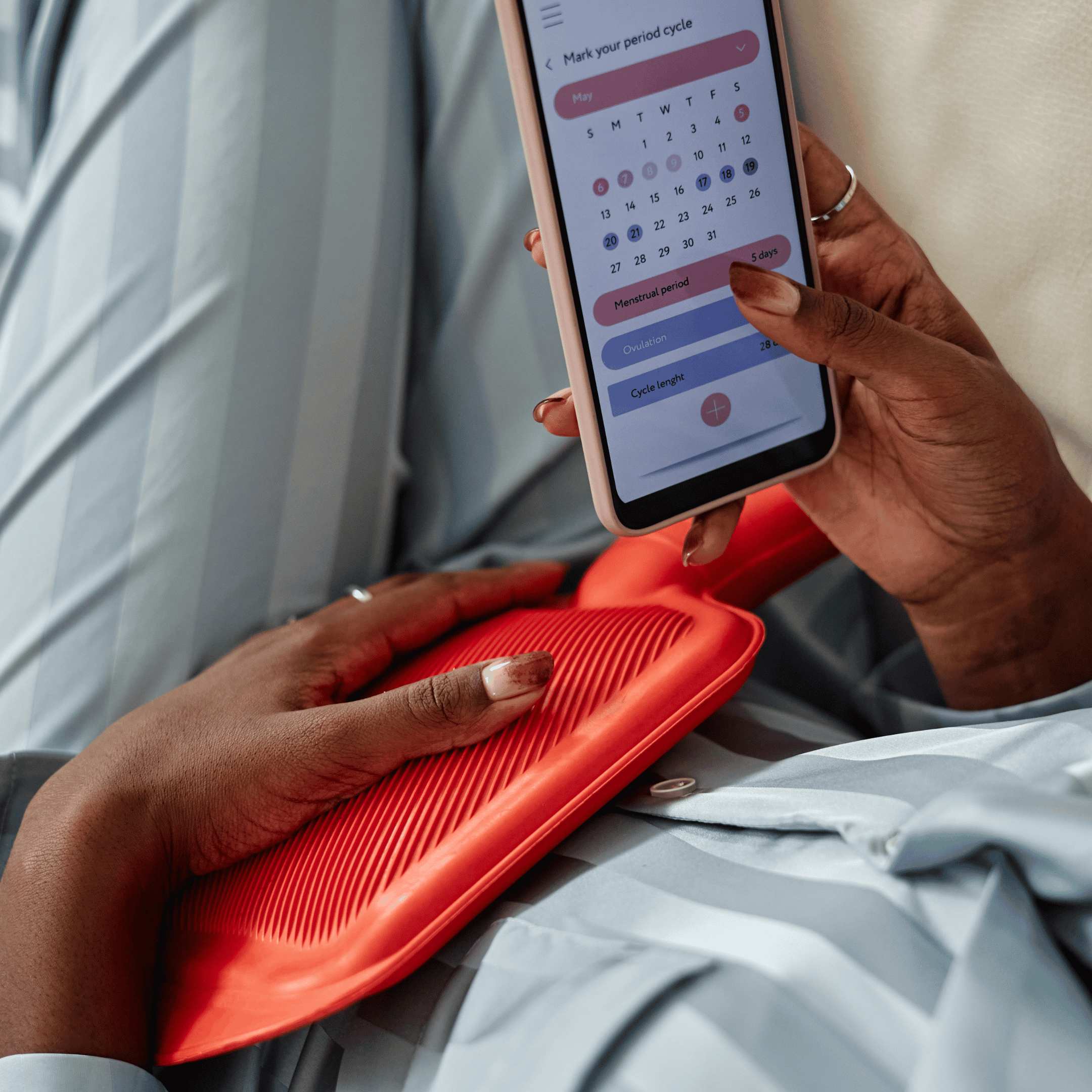
Cycle Tracking

When PMOS makes your cycles unpredictable, tracking can help you better understand what’s happening throughout the month. You can use an app, journal, or whichever method you’re more likely to stick with to track things like…

  • Mood
  • Energy
  • Cravings
  • Sleep
  • Physical symptoms
  • Emotional symptoms
  • Bleeding
  • Signs of ovulation
  • Time you took supplements

Over time, you may begin to notice whether certain symptoms appear after ovulation and begin when your period ends. That information can also be equally useful to bring to your healthcare provider when discussing the possibility of PMDD. 

Understanding the connection between PMOS and PMDD can help you create a more informed PMOS management plan.

Here is what I want you to hold onto: your body isn’t broken, it just works differently. And once you learn how it works, you can work with it instead of against it. PMDD and PCOS overlapping does not make PMOS a forever thing. When you know the “why” behind what you feel, you’ll be more equipped to address symptoms and root causes.

Not sure where to start? Take my free PCOS quiz to get pointed toward the next right step for your symptoms. And when you’re ready to go deeper, you can always download The Cysterhood App and start today.

You’ve got this,

Tallene, RD


Written by Tallene Hacatoryan, MS, RD, founder and formulator of OvaFit. Tallene is a Registered Dietitian who specializes in PCOS (now called PMOS) nutrition and has PCOS herself.

Medical disclaimer: This content is for informational purposes only and is not intended as medical advice. Always consult your healthcare provider before making changes to your diet, supplements, or treatment plan.

These statements have not been evaluated by the Food and Drug Administration. This product is not intended to diagnose, treat, cure, or prevent any disease.