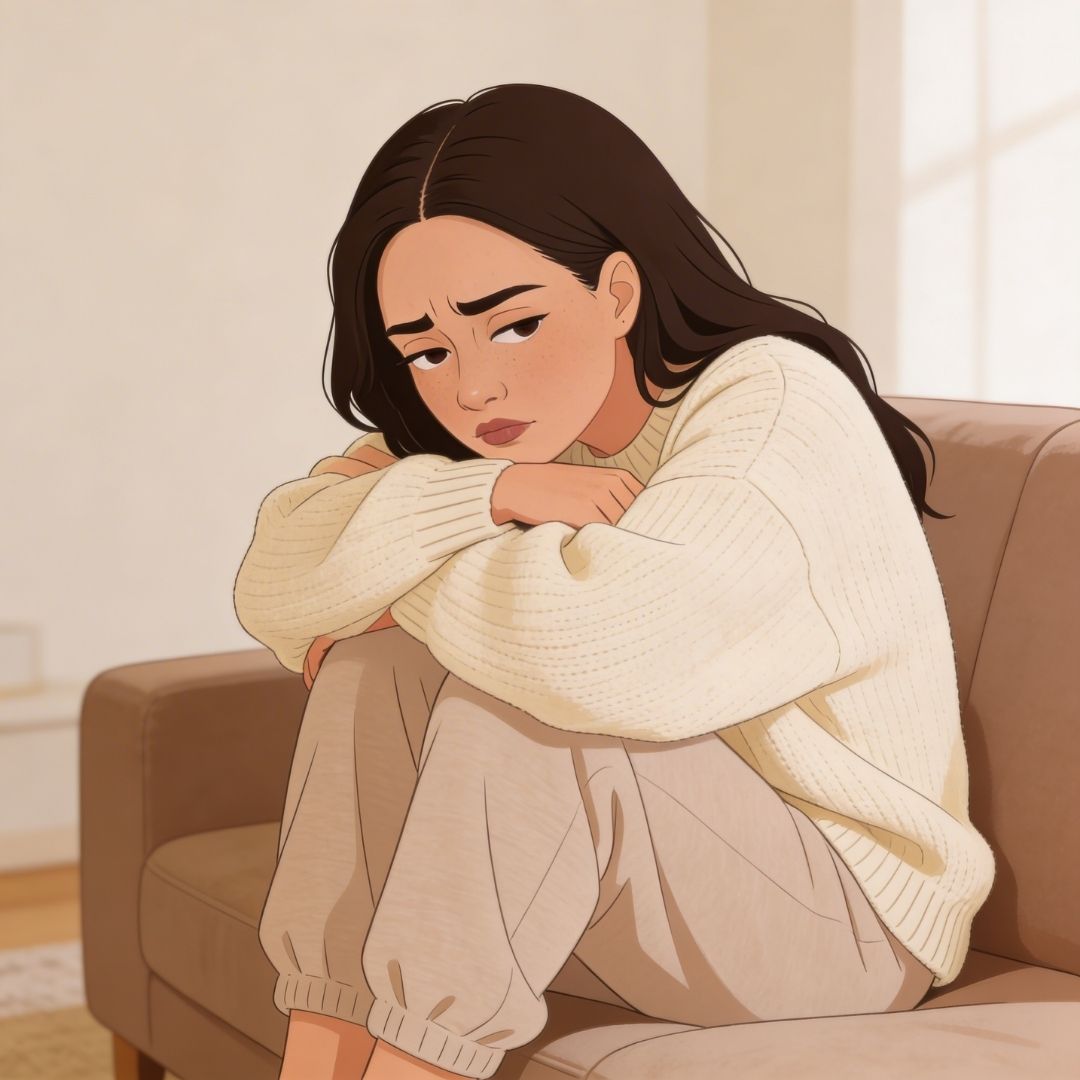
If you have polycystic ovary syndrome (PCOS), you know how frustrating the daily symptoms of PCOS can be—but what about the long-term health risks? PCOS isn’t just about what’s happening right now; when left unmanaged, it can increase the risk of lifelong health complications.
The good news? Knowing what to look out for gives you the power to take action and support your body in the long run.

7 Long-Term Complications of PCOS
Type 2 Diabetes
Women with PCOS often have insulin resistance, which means the body doesn’t properly process glucose. This raises blood sugar levels, and, in turn, increases the risk of developing type 2 diabetes. Unregulated insulin levels and sugar intake lead to diabetes, so consider taking control of insulin resistance as soon as you get a diagnosis of PCOS. If you have intense sugar cravings and trouble losing weight, these are just a couple signs of insulin resistance.
Cardiovascular Disease
When insulin resistance leads to high blood pressure, it makes it harder for your body to pump blood and oxygen to your heart. Over time, this increases the risk of heart disease. Women with PCOS are twice as likely to experience a cardiovascular event like a heart attack or stroke linked to PCOS.
That’s why managing your blood pressure is so important! Start by checking your blood pressure regularly—you can do this at home with a monitor or at your doctor’s office. To support heart health, focus on balancing blood sugar, getting daily movement, and managing stress to keep both insulin and blood pressure in check. Small steps can make a big difference!
Endometrial Cancer
Cancer screenings are important for women’s health period. However, women with PCOS are up to five times more likely to develop endometrial cancer, especially if they also experience obesity, insulin resistance, or diabetes. These factors can lead to excess estrogen, which, over time, may increase the risk.
The good news? There are steps you can take to support your hormonal health and lower your risk. Managing blood sugar to regulate hormones and maintaining a healthy lifestyle can all play a role in protecting your long-term health. If you’ve recently been diagnosed with PCOS, now is the perfect time to take action and support your body in the best way possible!
Pregnancy and Fertility Issues
PCOS can impact both conception and pregnancy, making fertility a unique challenge for many Cysters. Hormonal imbalances not only lead to irregular periods but can also disrupt ovulation, meaning the egg may not fully develop or be released as it should.
For those who do conceive, PCOS can increase the risk of health problems like preeclampsia, gestational diabetes, high birth weight, premature birth, and even pregnancy loss. But here’s the important part—understanding these risks means you can take proactive steps to support a healthy pregnancy!
For more guidance on PCOS, fertility, and pregnancy, check out this blog post and this episode of our Cyster and Her Mister podcast where we dive deeper into what you can do to prepare your body.
Sleep Apnea
Sleep apnea is a disorder where breathing becomes interrupted during sleep. People can actually stop breathing in their sleep, so this disorder (like many others on this list) is super serious.
Though the connection isn’t completely clear, women with PCOS are 5-10 times more likely to develop sleep apnea. The theory is that high levels of androgens (male hormones) and low levels of estrogen (female hormones) cause the disorder in women with PCOS.
Struggling with insomnia or feeling exhausted during the day? If you often wake up feeling unrested, experience frequent snoring, or have trouble staying asleep, it’s worth looking into. Prioritizing sleep is key for managing PCOS symptoms, so don’t ignore these signs!
Here’s more on how PCOS and sleep apnea are related.
Gum Disease and Gingivitis
I know what you’re thinking: “Is there any aspect of my life that PCOS doesn’t effect?” I totally get the feeling. When the body’s hormones are out of whack, it just dominoes into many aspects of our health. And, yes, that includes your oral health. The increased glucose in your blood, hormonal imbalances, and inflammation can cause gum disease and gingivitis in women with PCOS.
We talk all about it in this episode of our Cyster and Her Mister podcast. Check it out if you want to develop a deeper understanding of the connection between PCOS and your oral health.
Depression and Anxiety
The symptoms and comorbidities of PCOS are hard to live with. Actually, Cysters, the symptoms and comorbidities of PCOS are merciless. The wear and tear on our bodies wears and tears our minds.
Eventually, many Cysters develop clinical depression and anxiety after years of battling the symptoms. Again, ladies, don’t lose hope. There are ways to ease those symptoms and reduce your risk of developing long-term complications, and we are here to help.

PCOS Complications Symptoms
Before we jump right into the things you can do to reduce the risk of long-term complications from PCOS, here are some warning signs to look out for. These are ways your body and mind might respond when experiencing PCOS complications:
- Irregular Periods
- Ovarian Cysts
- Excess Body Hair Growth
- Hair Loss
- Weight Gain
- Weight Loss
- Acne
- Infertility
- Skin Tags
- Dark Skin Patches
- Fatigue
- Obesity
- Headaches
- Mood Swings
- Digestive Problems
- Sleep Issues

How to Get PCOS Under Control
Though there’s no cure for polycystic ovarian syndrome, there are ways to alleviate the symptoms and risks. And, no, I do not mean hormonal birth control pills. There are lots of ways to manage PCOS naturally. We’ll break it down below, but you can read more about it here or listen to our episode on this topic here.

Eat healthy.
Food is SO powerful. Not only can eating enough food and filling our nutrient gaps help you lose weight with PCOS, but you can find relief from nearly all your PCOS symptoms with intentional eating. Acne, fatigue, headaches, mood swings, digestive issues, sleep problems, and more could dissipate by reducing inflammatory foods, like dairy and gluten. Try it for 30 days to see if you notice a difference!
To help you get started, here’s a list of foods that can support your symptoms instead of trigger them! If you need recipes, cooking tutorials, and help with meal prep ideas, I have you covered in my 4-week meal & workout plan course.

Take supplements.
Even with a great diet, it can be hard to get all the nutrients you need—especially when you’re dealing with deficiencies and imbalances caused by PCOS. So, taking the right vitamins and supplements can do a lot to support your healing and fill nutrient gaps.
For example, women with PCOS often struggle to absorb Omega-3s and have an inositol deficiency. Consider taking supplements to fill nutrient gaps that make it harder to lose weight and manage symptoms. If you’re not sure which to go with first, I recommend the Metabolism Plus bundle and Ovasitol! Those supplements provide the perfect starting regimen to help manage PCOS!

Cut caffeine.
Relying on caffeine for energy? It might actually be working against you. While that morning coffee gives a temporary boost, caffeine stimulates your adrenals, increasing cortisol levels and keeping your body in a stressed state. Over time, this can lead to more fatigue—not less!
Instead of depending on caffeine, try balancing your cortisol naturally:
– Start your day with a high-protein breakfast to stabilize your energy
– Swap coffee for decaf green tea or spearmint tea, which support hormone balance
– Prioritize a calming nighttime routine to improve sleep quality
– Stay hydrated—fatigue is often a sign of dehydration!
As you focus on nourishing your body (as mentioned above) and managing stress, your energy levels will naturally improve—no venti chai latte required.

Exercise in a way that supports your hormones.
Not only is exercise great for maintaining a healthy weight, but staying fit will make you feel better too! However, women with PCOS have been thriving more when they opt for specific types of workouts. Just like women with PCOS need to practice certain types of diets to see results.
Try doing slow-weighted workouts that don’t stress your adrenal system and chronically high cortisol levels. When you join the Cysterhood, you have access to our library of full-body slow weighted workouts so you can have the perfect exercise plan for your body!

Get outside.
Studies have shown time and time again that getting outside does wonders for your physical and mental health. Try having lunch outside, going on a morning walk after your meals, or doing your daily workout on the lawn! It’ll combat fatigue, mood issues, and also give you the boost of energy you’re looking for. Plus, getting natural sunlight helps your body produce vitamin D, a nutrient that many women with PCOS are deficient in. Vitamin D plays a big role in hormone balance, insulin sensitivity, and even fertility, so soaking up a little sun each day is one of the easiest wins for your PCOS healing journey.
Bonus tip: A 10-minute walk after a meal can also help improve blood sugar control and support insulin resistance!
Improve your sleep hygiene.
I know this is easier said than done for some Cysters, but getting enough, quality sleep is the very foundation of self-care. Try to get 8-9 hours of sleep every night to relieve stress, better your immune health, and keep the weight down. If you’re struggling to wind down and fall asleep at night, listen to this episode of Cyster and Her Mister and read this post on how to get better sleep with PCOS. We can help!
Practice self-care.
Your mental and emotional well-being matter just as much as your physical health. PCOS can be overwhelming, and it’s easy to feel discouraged, but taking care of your spirit is just as important as taking care of your body.
When depression and anxiety creep in, motivation can fade, making symptoms feel even harder to manage. It can feel like a cycle that’s tough to break, but you are not alone in this. Prioritize the things that bring you joy, lean on your support system, and give yourself grace.

Reduce the risk of long-term complications by managing your PCOS now.
If you’re struggling with PCOS, I’m here for you. Our resources are designed to help you feel empowered to make the next steps in your PCOS journey. You don’t have to do this alone, and we’ve got you! I want to do everything I can to help you alleviate symptoms and live life to the absolute fullest. On behalf of the Cysterhood, we’re cheering you on every step of the way! Don’t forget to read our posts, listen to our podcast, and join our Cysterhood.