
PCOS High Levels of Iron: Symptoms, Causes, and Support
When we talk about polycystic ovary syndrome (PCOS), we’re usually talking about hormonal imbalances. Often, we discuss how high androgens and low estrogen can contribute to a host of symptoms. Think: infertility, insulin resistance, PCOS belly, facial hair growth, and hormonal acne. But other root issues can lead to daily struggles, too, such as nutrient deficiencies and imbalances.
Just like too much or too little of a certain hormone can cause a cascade of problems in your body, imbalances of key nutrients can have that same effect. More specifically, women with PCOS typically have higher-than-normal iron levels, which can lead to chronic fatigue, abdominal pain, joint pain, and even worsening insulin resistance. Sounds a lot like the symptoms people with PCOS already deal with, right?
That’s why iron balance—not just iron intake—matters so much. In this post, I’m breaking down the connection between PCOS and elevated iron levels. I’ll also explain why excess iron is more common with women with PCOS, and walk through how higher levels can quietly worsen symptoms you may already be struggling with.

PCOS High Levels of Iron: Symptoms, Causes, and Support
In this post, I’m going to break down what iron is, why it’s good for PCOS, and what can happen if your iron levels are too low or too high. And, if you’re dealing with iron excess, I’ll share some of my top tips for balancing things out again.
That said, regulating your iron levels probably won’t solve all your PCOS problems. Here are some posts and podcast episodes to read next to address other potential nutritional needs:
- Getting Enough Vitamin D? Benefits and Best Types of Vitamin D for PCOS
- Does Zinc Boost Testosterone?
- What You Should Know About Magnesium and PCOS
What Is Iron?
Iron is a mineral your body needs to carry oxygen through your bloodstream. That oxygen fuels energy production, supports brain function, strengthens your immune system, and even plays a role in hormone production. In other words, iron isn’t just helpful—it’s essential for survival.
That said, your body has to regulate iron carefully—both too high and too low of levels can cause problems. And if you’re managing conditions like polycystic ovary syndrome (PCOS), the first step to healing is getting to the root of symptoms. With this in mind, it’s important to consider how an iron imbalance may be silently affecting you and how you feel.
Here’s a quick look at what you may be feeling if your iron levels are out of balance:
Symptoms of High Iron Levels
- Fatigue or unusual tiredness
- Joint pain
- Abdominal pain
- Darkening or bronzed skin tone
- Irregular heart rhythm
- Brain fog or difficulty concentrating
- Loss of libido
- Liver issues (elevated liver enzymes)
Symptoms of Low Iron Levels
- Extreme fatigue
- Weakness
- Pale skin
- Shortness of breath
- Dizziness or lightheadedness
- Headaches
- Cold hands and feet
- Brittle nails
- Hair thinning or shedding
- Restless legs
- Rapid heartbeat
Is Iron Good for PCOS?
Iron supplementation can be good for PCOS, but it really depends on your current iron levels. If your iron is low, it’s definitely beneficial. It can help improve fatigue, hair loss, weakness, and even long, heavy periods.
However, if your iron levels are already high, even mild iron overload from added supplements can cause problems. High levels of ferritin (stored iron) can increase oxidative stress, worsen insulin resistance, contribute to inflammation, and strain your liver.
So, before grabbing an iron supplement, talk to your doctor. They can help you decide if you need a boost (or need to cut back).
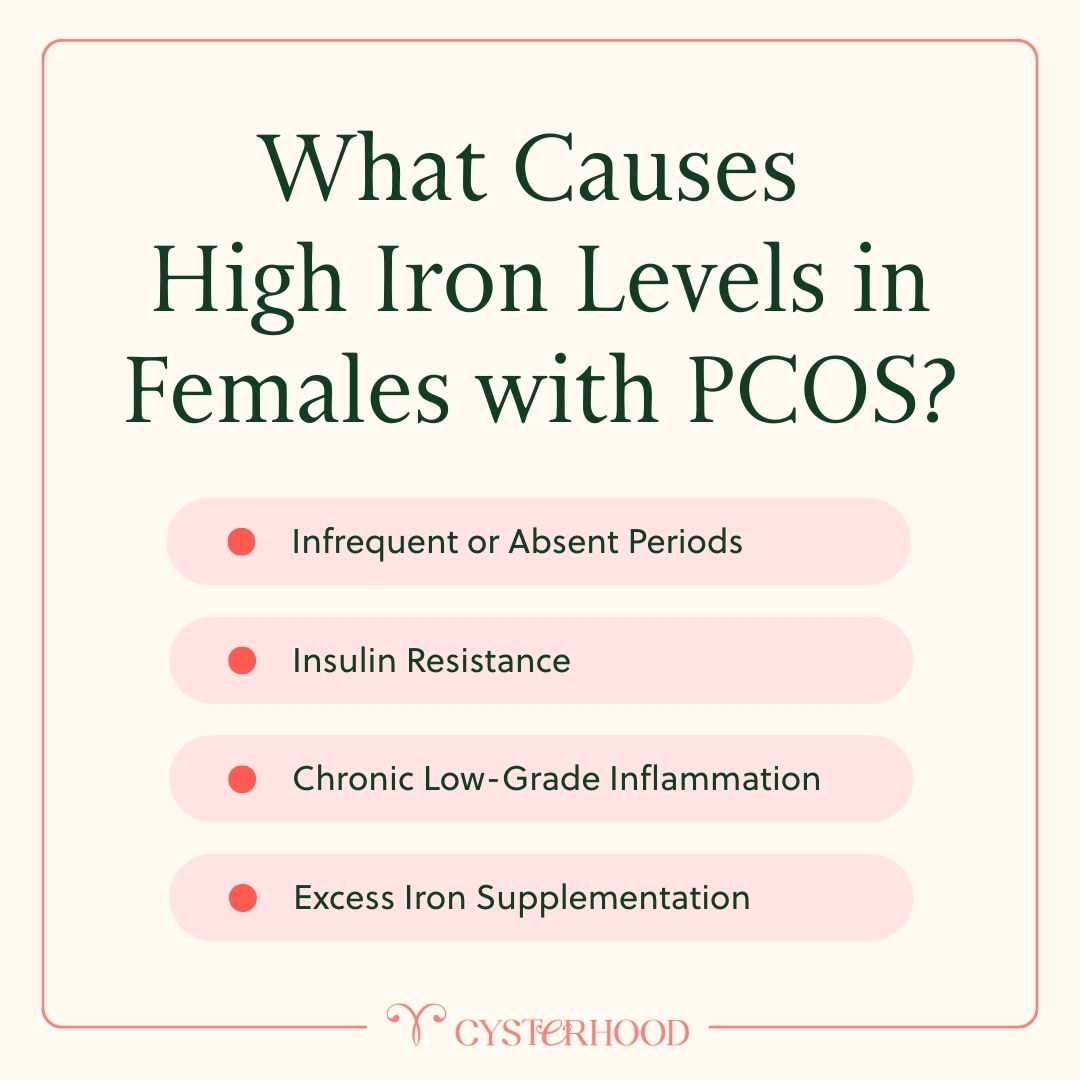
What Causes High Iron Levels in Females with PCOS?
Infrequent or Absent Periods
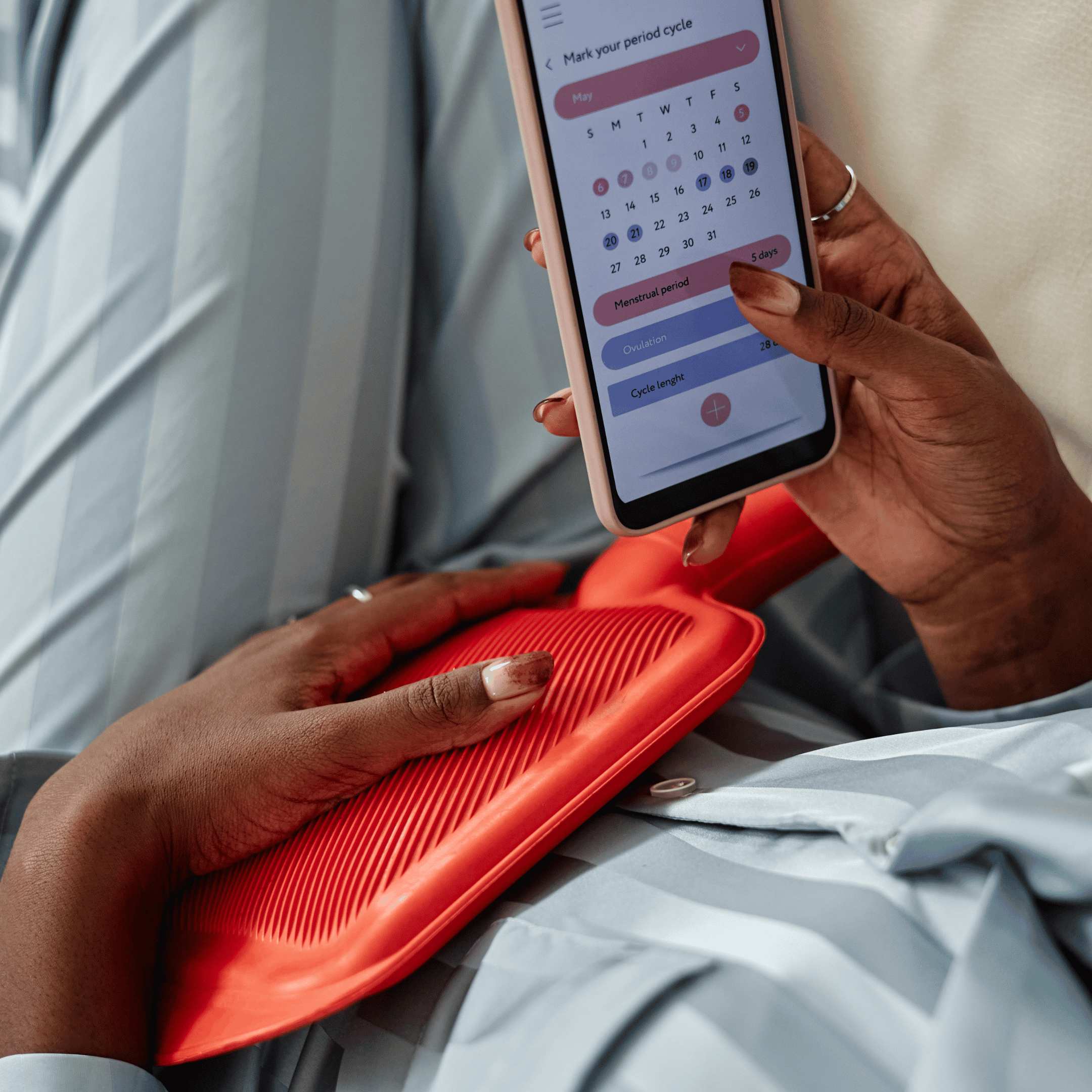
When you menstruate, you lose blood. As you lose blood, you also lose iron. This is one of the ways the female body naturally regulates iron levels. However, if you have infrequent or absent periods, your body holds on to that iron rather than naturally cycling it out through menstrual bleeding. Over time, this can cause ferritin (stored iron) levels to rise.
Insulin Resistance
With insulin resistance, insulin levels stay elevated. And elevated levels signal the body to store energy and nutrients rather than release them. This can trap certain nutrients in tissues and, ultimately, worsen metabolic dysfunction.
It can also cause decreased hepcidin regulation, which is responsible for iron balance. When hepcidin signaling is altered, the body can absorb and retain more iron than it needs.
Insulin may also increase activity of the divalent metal transporter 1 (DMT1) in the gut. This transporter plays a key role in how iron is absorbed in the gut and bloodstream. When DMTI activity begins to elevate, iron absorption can increase.
As iron accumulates in the liver, it can contribute to fat buildup, impair hormone regulation, and increase inflammation. All of those factors then worsen insulin resistance and oxidative stress, creating a cyclical problem. It can even lead to long-term complications like type 2 diabetes and cardiovascular disease.
Chronic Low-Grade Inflammation
Ferritin is the iron storage protein, but it has one more than one job. It’s also a part of your body’s immune response, meaning the levels go up if you’re experiencing inflammation! Since many women with PCOS have chronic low-grade inflammation, ferritin levels can be naturally higher. This locks iron inside storage cells, limits free iron circulation, and throws hepcidin levels out of balance.
Excess Iron Supplementation
There are so many research-backed supplements for PCOS that can play an integral role in your healing journey. That said, more doesn’t always mean better when it comes to supplements. Taking too much iron can lead to overload and worsen symptoms instead of relieving them.
Excess iron supplementation usually occurs when Cysters assume fatigue is due to low iron and start supplementing without testing first. It can also happen when you unintentionally stack iron from multiple sources, like multivitamins, protein powders, and standalone iron supplements. And, some women continue taking prenatal vitamins even when they’re not pregnant, which can gradually increase iron levels over time.
The point is, be mindful of your PCOS supplement routine. It may be time for an audit.

How to Balance Iron Levels with PCOS
Step One: Check your iron and ferritin levels with your doctor.
Before you take any action, you need to know your actual iron status. No more guessing if it’s low or high! Talk to your doctor about getting lab work done to measure:
- Serum iron levels
- Serum ferritin levels
- Total iron binding capacity (TIBC)
- Transferrin saturation
- Complete blood count
Getting all of these levels checked will give you a complete picture of how your body is absorbing, storing, and transporting iron. From there, you and your doctor can determine whether you’re dealing with a deficiency or an overload.
Step Two: Rule out genetic causes.
Before assuming high iron levels are due to PCOS, your doctor will want to rule out hereditary conditions. The most common genetic cause of elevated iron is Hereditary Hemochromatosis. In this disorder, the body absorbs too much iron from food.
There are also rarer inherited iron absorption disorders, including non-HFE hemochromatosis variants and Ferroportin Disease. If you’re diagnosed with one of these conditions, treatment may involve therapeutic phlebotomy (scheduled blood removal) or other medical interventions.
Step Three: Be mindful of your iron intake.
As I mentioned earlier, if you have high iron levels, your supplement routine should be the first place you look for problems. Check all the nutrients in your vitamins, minerals, protein powders, and greens and determine how many of them include iron.
If multiple supplements pack a significant amount of iron, that’s probably why your levels are high. And if you’re taking prenatal vitamins but not pregnant, consider switching to a regular multivitamin. You can be mindful of dietary iron as well, but it’s unlikely to be a cause of your iron overload.
Step Four: Reduce chronic inflammation.
If you’ve already cut back on iron supplements or that was never the problem to begin with, it’s time to address inflammation. It’s one of the main drivers of not only high iron levels, but plenty of other PCOS symptoms as well. To ease inflammation and create a calmer environment for your body to heal and work optimally, make these changes:
- Eat anti-inflammatory foods like fatty fish, avocados, and berries.
- Reduce pro-inflammatory foods like refined sugar and ultra-processed foods.
- Prioritize 7-9 hours of high-quality sleep.
- Practice good stress management with breathwork, journaling, and sunlight.
- Consider taking Meta Omega.
Step Five: Increasing insulin sensitivity naturally.
Like inflammation, insulin resistance doesn’t just impact iron. It can throw off your entire metabolic and hormone picture. It’s the driver behind many PCOS symptoms, including weight gain, acne, skin tags, increased facial or body hair, and fatigue. Reducing insulin resistance can help regulate iron levels, balance androgens, lower inflammatory markers, and more!
Here are some of the ways you can lower insulin sensitivity naturally:
- Eat plenty of lean protein and use a supportive supplement like Crave Control Protein Powder.
- Go on post-meal walks for 10-15 minutes.
- Do regular meditative and slow-weighted workouts.
- Consider taking Berberine Advanced and Inositol Complete 40:1 (natural insulin sensitizers).
For more, listen to my episode of A Cyster and Her Mister on reversing insulin resistance with PCOS.
Step Six: Talk to your doctor about donating blood.
Because your red blood cells store iron, donating blood removes excess iron from your body. In some cases, regular blood donation can help lower ferritin levels, reduce oxidative stress, and improve insulin sensitivity.
However, this is not something you should start on your own. Always work with your doctor to determine whether your levels warrant this approach and how often it should be done. For some patients with PCOS and high iron, this simple intervention can act as a helpful metabolic “reset!”
Women with PCOS sometimes have high levels of iron in their bodies.
High iron levels with PCOS can feel confusing, especially when fatigue and other symptoms overlap with deficiency. But the goal isn’t to fear iron; it’s to understand it!
PCOS isn’t just a hormone condition. It’s metabolic. It’s inflammatory. And sometimes, it’s nutritional. When you zoom out and look at the full picture (your labs, your cycle, your insulin levels, your supplement routine), your daily struggles make a lot more sense.
Iron balance is just one piece of the puzzle. But when you address it correctly, it can remove one more obstacle standing in the way of feeling like yourself again. For more support and resources, download The Cysterhood app and browse the rest of the PCOS Weight Loss blog.
Feeling lost with PCOS?
Find out your PCOS type and get your next steps in under 2 minutes.
Find My PCOS Type →