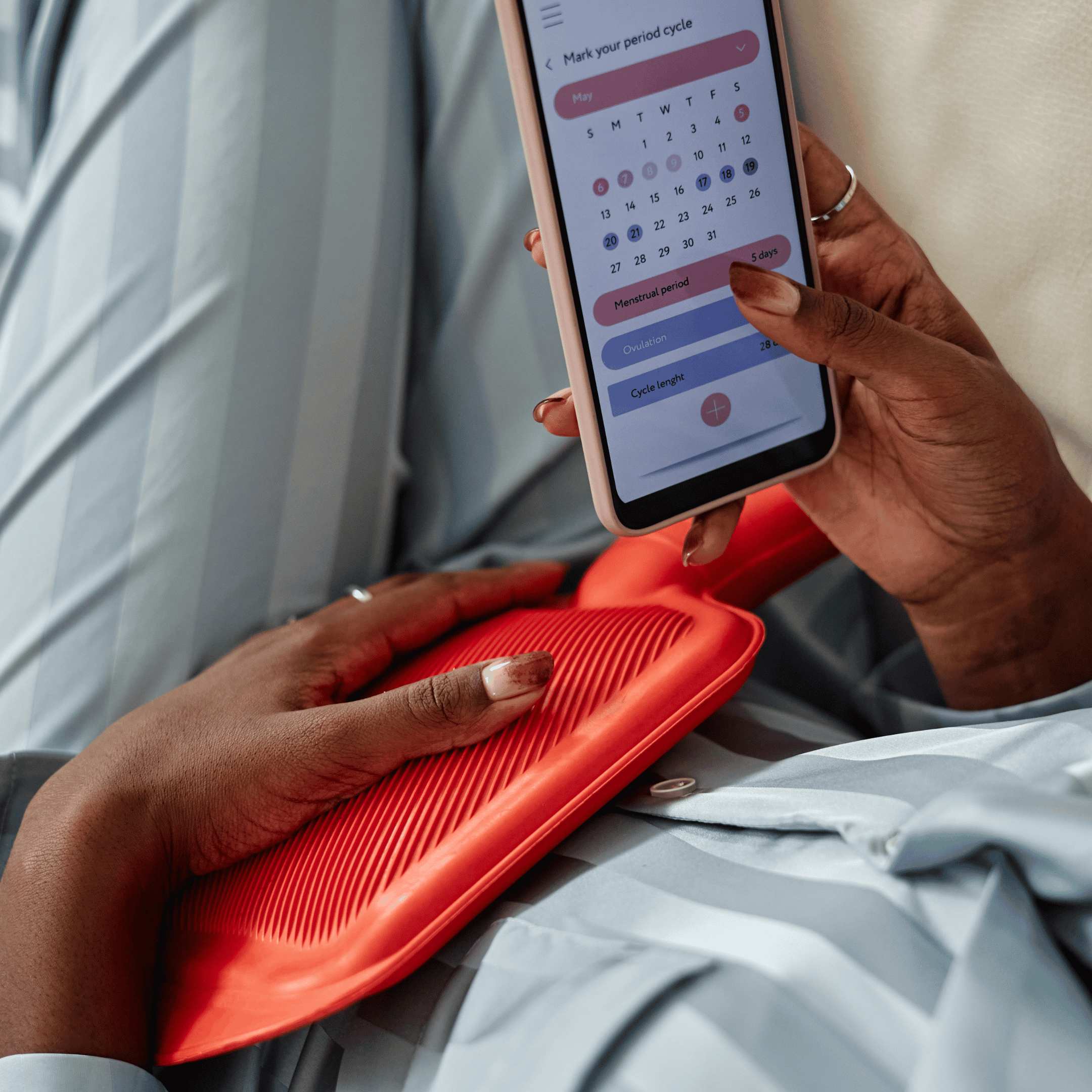

11 Vitamins To Lower Testosterone In Women with PCOS
Polycystic ovary syndrome (PCOS) is a common hormone condition that impacts women of reproductive age. It affects several hormones, including androgens, estrogen, progesterone, luteinizing hormone (LH), follicle-stimulating hormone (FSH), insulin, cortisol, and more. The imbalances of these hormones all come with side effects that make up the long list of chronic symptoms women with PCOS deal with every day!
The hormone I want to talk about today is testosterone, which is a type of androgen and is a male sex hormone. In Cysters like us, testosterone is often elevated and can trigger the imbalance of other hormones, contribute to the development of insulin resistance, and lead to persistence of inflammation. Needless to say, when healing PCOS, lowering elevated testosterone levels is a must for reversing symptoms!
11 Vitamins To Lower Testosterone In Women with PCOS
There are lots of ways to lower testosterone with PCOS effectively, but it always takes a holistic approach to do it naturally and without side effects! A balanced diet, the right kind of exercise, high-quality sleep, and high-quality supplements are all key components.
Vitamins and minerals are a great place to start when you begin the process of lowering testosterone because they can give your body the support it needs to correct the problem and start healing your metabolic condition. Below, I’ll break down the supplements I recommend for lowering testosterone!
What Does Testosterone Do In Females?
Yes, testosterone is a “male sex hormone.” However, testosterone is an essential part of a female’s adrenal balance! The three main sex hormones are estrogen, progesterone, and testosterone. When in perfect balance, each one has its role and helps maintain a healthy body.
Here’s all that testosterone does for you when at healthy levels:
- Promotes normal libido
- Contributes to maturation and release of eggs during ovulation
- Promotes the production of cervical mucus
- Maintains bone density and strength
- Supports muscle mass and strength
- Reduces fatigue
- Improves mood
- Maintains healthy vaginal tissues
- Converts to estrogen to promote proper hormone production
What Is Considered High Testosterone?
Normal testosterone hormone levels for women over 19 years old are between 15 to 70 ng/dL (nanograms per deciliter.) So, anything higher than that would be considered high! Most women with PCOS typically have elevated testosterone levels around 48 to 150 ng/dL. This means that naturally, a Cyster’s testosterone levels are too high and are contributing to negative symptoms.
What Can Cause High Testosterone Levels?
Of course, we know that PCOS can cause high testosterone, but how? First of all, insulin resistance, which is common in PCOS, stimulates the ovaries to produce more testosterone. Additionally, elevated levels of luteinizing hormone (LH) and general ovarian dysfunction from PCOS can cause spikes in androgen levels like testosterone. Lastly, high insulin levels can result in low levels of sex hormone-binding globulin (SHBG), which is a protein that binds to testosterone to deliver it to various organs and tissues, which can allow free testosterone levels to rise!
Outside of PCOS, there are other issues that may cause high testosterone in females. Adrenal gland disorders, pituitary gland disorders, ovarian tumors, and various medications can all cause a rise in androgens.

What Happens If Testosterone Is High In Women?
Hyperandrogenism, or high testosterone, in women is no joke! It can cause a lot of health issues and chronic symptoms that can lower your quality of life. Here are the common symptoms of high testosterone levels in women:
- Weight gain
- Difficulty losing weight
- Irregular menstrual cycles
- Excessive body hair growth
- Excessive facial hair growth
- Head hair loss
- Hormonal acne
- Skin darkening
- Mood changes (anxiety, irritability, mood swings, etc.)
- Infertility
- Difficulty sleeping
- Ovarian cysts
- Migraines and headaches
- Pelvic pain
- Fatigue
Beyond these symptoms, high testosterone can also contribute to concerning health problems and root issues like insulin resistance, high cholesterol levels, high blood pressure, and thyroid issues. Some of these root problems can snowball into long-term health conditions and complications like type 2 diabetes, heart disease, sleep apnea, depression, endometrial cancer, and more.
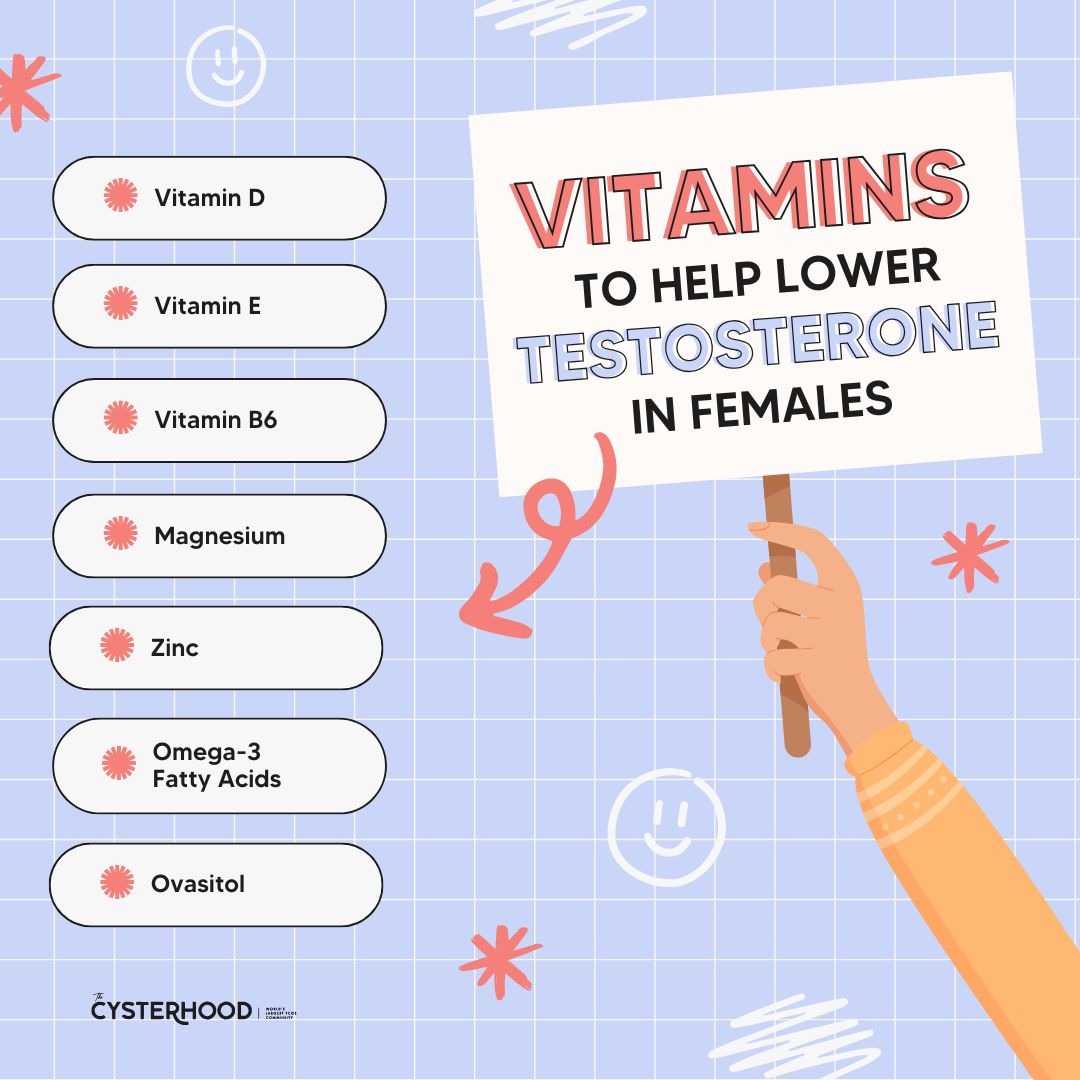
5 Vitamins To Help Lower Testosterone In Females
Vitamin D
Vitamin D, the sunshine vitamin, is not just great for our bones, it supports healthy hormone balance. It helps regulate overall hormone balance by improving insulin sensitivity and reducing inflammation. Here’s more on the benefits of vitamin D for PCOS.
Vitamin E
Vitamin E, like vitamin D, doesn’t have a direct effect on testosterone, but supports testosterone levels by reducing insulin resistance and inflammation. Additionally, the natural antioxidant properties of vitamin E help your body maintain hormone balance with lower levels of oxidative stress.
Vitamin B6
Vitamin B6 supports the production of neurotransmitters and can help our brains regulate hormone levels and manage metabolism. Additionally, women with polycystic ovary syndrome (PCOS) often have elevated levels of homocysteine, which is an amino acid that can worsen inflammation and hormonal imbalances. Vitamin B6 luckily breaks down homocysteine!
Magnesium
Sleep is one of the number one ways our body naturally balances and manages hormone production. When we get bad sleep, which is common with PCOS, we’ll experience all sorts of hormonal imbalances. A magnesium supplement can help improve sleep which also influences our hormone balance! Additionally, magnesium can reduce insulin resistance and inflammation for better adrenal health. Here’s more on the benefits of magnesium for PCOS.
Zinc
Zinc is one of the most powerful supplements to combat high testosterone levels! In fact, zinc inhibits the enzyme 5α-reductase, which converts testosterone into dihydrotestosterone (DHT), which is a more potent androgen that can cause worsened symptoms. So, by reducing the conversion of DHT, zinc lowers testosterone! To learn more, you can dive deeper into how zinc helps lower testosterone here.
6 Supplements to Lower Androgens
Omega-3 Fatty Acids
Omega-3 fatty acids (AKA fish oil) influence the production and metabolism of hormones to keep them from being too low or too high! It also can help reduce inflammation and improve insulin sensitivity to ensure those testosterone levels don’t spike as a result of those issues. Here are more reasons to take omega-3 for PCOS.
Inositol Complete 40:1
Inositol Complete 40:1 is one of my favorite supplements for PCOS, because it can have such a big impact on hormone balance! Ovafit’s inositol supplement is a 40:1 ratio of myo-inositol and d-chiro-inositol and it has anti-androgen effects! Plus, it can improve insulin sensitivity to decrease the production of testosterone in the ovaries.
Testosterone Relief Tea
Supplements are great for lowering testosterone, and so are herbal teas! You may have heard of drinking spearmint tea, peppermint tea, lemon balm tea, chamomile tea, rosehip tea, and other herbal teas to improve testosterone levels . . . however, who has time to drink half a dozen teas in a day? My Testosterone Relief Tea includes all of these and can help you reduce those androgens naturally!

Licorice Root Tea
Licorice root tea is another helpful PCOS supplement for battling androgen activity. It helps lower testosterone by slowing down how much your body makes and helping your body clear out the excess. Licorice root can also affect blood sugar and potassium levels, so it’s recommended that you use this supplement short-term or cycle it with other herbal teas.
Flaxseed Powder
Flaxseeds are rich in plant compounds called lignans. These nutrients bind to free testosterone in the bloodstream, making it less active. When androgens are less active, they’re less likely to trigger symptoms. Flaxseed powder also supports liver detoxification and healthy estrogen metabolism, helping the body clear excess hormones more efficiently.
Flaxseed powder has a mild, slightly nutty flavor, which makes it easy to mix into everyday foods. It blends well into smoothies, oatmeal, chia pudding, and even salads. You can find plenty of PCOS-friendly recipes using flaxseeds on The Cysterhood app.
Diindolylmethane
DIM, or diindolylmethane, is a compound derived from cruciferous vegetables like broccoli, cauliflower, and Brussels sprouts. It can help balance sex hormone levels by supporting the liver as it breaks down estrogen. As estrogen metabolism improves, the body naturally produces more sex hormone–binding globulin (SHBG). And what does SHBG do? It binds to free testosterone, rendering it inactive. Because of this, DIM is a great supplement choice!
Foods that Lower Testosterone Levels
- Flaxseeds (ground or flaxseed powder)
- Soy foods (tofu, tempeh, edamame)
- Cruciferous vegetables (broccoli, cauliflower, Brussels sprouts, cabbage)
- Green tea or matcha
- Almonds and walnuts
- Berries
- High-fiber foods (oats, lentils, beans)
How to Lower Testosterone in Women Naturally
Practice healthy stress-management techniques.
Stress drives up cortisol levels, and high cortisol tells the ovaries to produce more testosterone. So, by reducing stress and incorporating self-care into your daily routine, you can also bring those testosterone levels down. Some good stress-management techniques include getting outside, doing yoga, practicing mediation, and cutting back your mental load.
Adopt a gluten- and dairy-free anti-inflammatory diet.
So many PCOS symptoms and root issues are driven by what we do and do not eat—high androgen levels included. To reduce testosterone levels and bring your hormones into balance, try a gluten- and dairy-free anti-inflammatory diet that prioritizes protein, healthy fats, fiber, and other nutrient-dense foods.
Do regular, slow-weighted workouts.
Certain kinds of exercise have been proven to reduce testosterone levels in women with PCOS. Instead of high-intensity, high-impact exercises like kickboxing, sprinting, and CrossFit, try slow-weighted workouts. This kind of mindful movement builds muscle without spiking adrenaline and cortisol levels—which is great for hormone balance.
Get 7-9 hours of good quality sleep.
Our bodies need sleep to balance hormones. In fact, all of our hormone-balancing efforts can fall flat if we aren’t sleeping enough. Overnight, the body goes through specific cycles that regulate hormones—including androgens and cortisol. That’s why practicing good sleep hygiene and consistently getting 7–9 hours of sleep is essential.
Take strategic vitamins and supplements.
Of course, taking the right vitamins and supplements can be a huge help. These research-backed tools can help our bodies function at their best and balance hormones. I know I talked about a lot of different ones in this post, but to start out, consider the Metabolism Plus bundle, Inositol Complete 40:1, and Testosterone Relief Tea. Each one of these supplements is NSF-certified and specifically formulated for women with PCOS.
High testosterone contributes to many PCOS symptoms, so find ways to naturally lower those levels!
Lowering testosterone using natural supplements is a great start to PCOS healing! However, you don’t want to grab just any supplement off the shelf. You want something third-party tested, high-quality, and specifically made for a PCOS body. Everything from the dosage to the type of vitamins matters!
That’s why I created Ovafit, which is a research-backed, third-party tested supplement line made for PCOS. There, you can find the MetaMulti, which includes zinc and vitamin D, E, and B6. You’ll also find an omega-3 supplement and Inositol Complete 40:1! Everything you need to support your healing journey is right in one place!
Feeling lost with PCOS?
Find out your PCOS type and get your next steps in under 2 minutes.
Find My PCOS Type →