


11 Hormone Balancing Teas
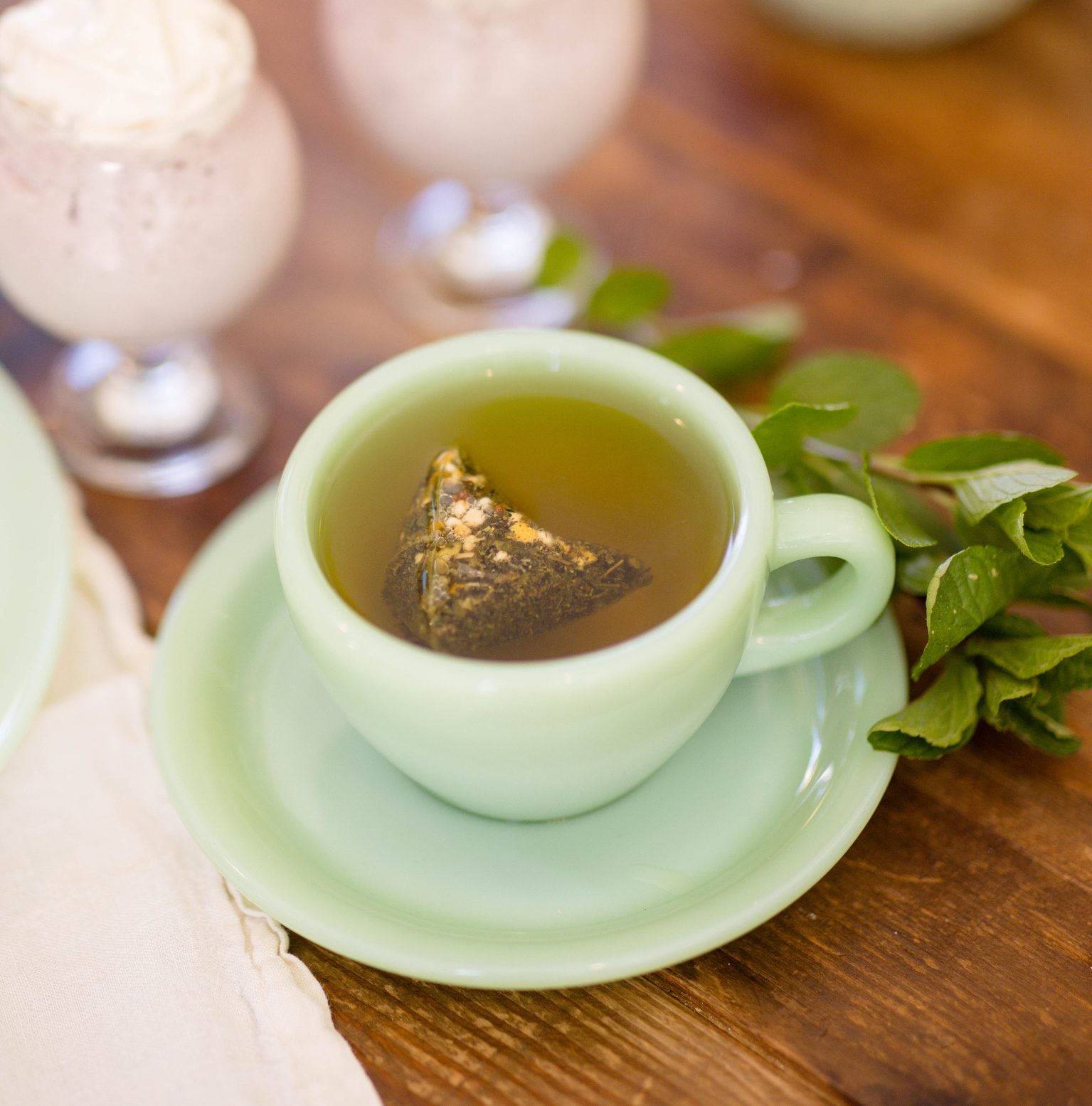
Hormones are chemical messengers that are produced by glands in our body. They travel through our bloodstream to different organs and tissues, where they help make all the bodily functions carry on optimally! They’ll support and control pretty much everything, including growth, metabolism, reproduction, mood, and more.
Hormones are like the body’s communication system, making sure all the processes work together in harmony. So, if your hormones are imbalanced, you can feel its effects throughout your body. Polycystic ovarian syndrome (PCOS), now called Polyendocrine Metabolic Ovarian Syndrome (PMOS), is an endocrine condition, which means it’s all about the hormones. Women with PMOS experience all sorts of hormonal imbalances that contribute to symptoms like irregular periods, hair loss, acne, weight gain, mood issues, fatigue, and a whole lot more.
Thankfully, there are a lot of natural methods of balancing hormones that don’t have any side effects! A balanced diet, slow-weighted exercise, supplements, and a few lifestyle changes can make a HUGE difference in PMOS symptoms. Beyond that, there are a lot of things you can do to support that natural healing journey like meditating, eating certain herbs, spending time in nature, and drinking certain teas! The last one is what I am talking about today!
I’m Tallene, a Registered Dietitian and woman with PMOS myself, who has helped countless women learn more about their condition and finally get on the path to relief. I know firsthand how frustrating it can be to feel like every resource you read has totally different information. That’s why below, I’m sharing the hormone balancing teas that can make a meaningful difference in your PMOS management plan.
Here’s the tea:
Herbal Tea vs. True Tea
Before we get into our list, it helps to know that not everything we call “tea” is technically tea! True teas come from the Camellia sinensis plant, including green tea, black tea, white tea, oolong, and matcha. Because they come from the same plant, these naturally contain caffeine unless they’re decaffeinated.
Herbal teas, like spearmint, chamomile, nettle, and lemon balm, are made by steeping the leaves, roots, flowers, or other parts of different plants. Most are naturally caffeine-free, and each plant contains its own compounds that may support hormone health in different ways. For example, spearmint has been studied for its anti-androgen effects, while chamomile and lemon balm are better known for supporting relaxation and stress management.
Not sure what make be driving your symptoms? Take my free “What’s Your PMOS Type?” quiz. This interactive questionnaire can help you learn more about the condition, giving you a head start on your PMOS relief journey!
11 Hormone Balancing Teas
Spearmint Tea
Spearmint tea has been shown to have anti-androgenic effects. That means it may help balance high levels of testosterone and other male sex hormones in the body. This is beneficial to support women’s health because high androgens can trigger a lot of symptoms woman with PMOS deal with. Think: hair loss, excessive body hair growth, infertility, irregular menstrual cycles, acne, weight gain, mood problems, and more.
So, how quickly does it actually work? In one study, women with hirsutism drank spearmint tea twice daily for a one month period and experienced a decrease in both free and total testosterone. However there’s an important distinction between hormone changes and visible symptom changes. Although participants reported improvements, researchers didn’t see a significant change in objective hair-growth scores. They noted that the study simply may not have been long enough for changes in the hair-growth cycle to become visible.
In other words, consistency matters! If you drink around 2 cups of spearmint tea per day for a few months, you may notice hormonal changes before you see a difference in symptoms like unwanted hair growth. We don’t have enough clinical trials showing exactly what happens after 2 cups daily for several months, though, so think of this as a supportive long-term habit rather than a guaranteed timeline.
And hot versus iced? Either works! what matters is that the tea is properly steeped before you drink it.
Green Tea
Green tea is another option worth adding to your routine, particularly if insulin resistance is part of your PMOS picture. Green tea contains antioxidant plant compounds called catechins, including EGCG, that have been studied for their potential effects on glucose metabolism, inflammation, and metabolic health.
Green tea also contains compounds that may interact with estrogen metabolism, although research isn’t yet strong enough to say drinking green tea will directly “balance” estrogen levels. Instead, think of it as another tool that may support the metabolic processes involved in overall hormone health.
If you’re drinking it regularly, I recommend choosing decaf green tea. Too much caffeine can make some women with PMOS feel more anxious or interfere with sleep. (And good sleep and stress management are both important for hormone health! Try one to three cups daily and see what works best for your body.
Licorice Root Tea
Licorice root tea is another herbal tea that has been studied for its potential anti-androgenic effect. In one small study, licorice reduced serum testosterone in women with PMOS after one month, with testosterone decreasing further during the second month. However, research on licorice and sex hormone is still limited and, honestly, somewhat inconsistent. With this in mind, it shouldn’t be treated as a stand-alone treatment for high androgens.
It’s also important to note that licorice root tea requires a little more caution than your average cup of herbal tea. It can raise blood pressure and affect potassium levels, particular when consumed frequently or in larger amounts. If you have high blood pressure, kidney or heart problems, are pregnant, or take medications that could interact with licorice, always consult your doctor before adding it to your routine.
Nettle Tea
Research suggests that nettle tea may help regulate blood sugar levels, which could be beneficial for managing PMOS symptoms. More specifically, clinical research has found potential blood-sugar benefits from nettle-containing herbal preparations, although we need more research specifically on nettle by itself and its effects on glucose control.
Nettle also contains plant compounds with anti-inflammatory properties, which may help support your body’s overall inflammatory response. Supporting stable blood sugar and inflammation can also complement other PMOS management priorities, including energy levels and gut health.
Chamomile Tea
Chamomile tea has anti-inflammatory effects and can be a soothing addition to your stress-management routine when you have PMOS. You may find that you’re constantly feeling anxious, fatigued, and just drained some days, which is when trying a cup of chamomile tea at night before you go to bed can be helpful for winding down.
Managing stress and getting enough quality sleep can support a healthier cortisol rhythm, which is on more reason I love making a nighttime cup part of a relaxing evening routine.

Milk Thistle Tea
Milk thistle tea is another great tea option to support liver health. Remember, your live plays an important role I processing hormone and other compounds your body needs to eliminate. The active complex silymarin is what milk thistle is best known for.
Silymarin is a group of plant compounds concentrated in milk thistle seeds that has demonstrated antioxidant and anti-inflammatory activity. However, while milk thistle has a long history of use for liver support, human research on its benefits for liver disease is still mixed. Think of it as another supportive addition rather than a way to “detox” excess hormones on its own.
Lemon Balm Tea
Lemon balm tea has more indirect impacts on hormones, but it can still help support your PMOS goals! Research on lemon balm has found calming effects during laboratory-induced stress, and a systemic review of clinical trials found improvements in anxiety symptoms. However, researchers noted that the existing studies varied quite a bit.
Here’s why this matters: stress activates your body’s cortisol response, and chronically feeling stressed can make managing things like sleep, appetite, and blood sugar that much harder. Stress management is super important for your relief journey, and a warm cup of lemon balm tea can be one simple way to build a little more calm into your day.
Ginger Tea
Ginger tea is another tea that can indirectly support hormone health by reducing inflammation. Chronic inflammation can interfere with several metabolic processes, including insulin sensitivity, which is especially important when you’re managing PMOS.
Ginger’s anti-inflammatory properties also make it an easy addition to an overall PMOS-friendly lifestyle. Tea isn’t going to address inflammation all by itself, of course, but it can complement the nutrition, movement, sleep, and stress-management habits you’re already working on.
Matcha
Matcha is a type of green tea that can help with hormone balance in lots of different ways. Since it comes from the Camellia sinensis plant, matcha naturally contains caffeine along with antioxidant compounds such as catechins.
These compounds have been studied for their potential role in metabolic and inflammatory health. Matcha can be a great option if you tolerate caffeine well, but if caffeine makes you jittery, anxious, or interferes with sleep, decaf green tea may be the better everyday choice. Here’s more on matcha for PMOS.
Red Raspberry Leaf
Red raspberry leaf tea is a favorite for women looking to support reproductive health. It’s traditionally used for menstrual and reproductive support, which is why you’ll often see it included in women’s herbal tea blends. While it doesn’t directly balance hormones, it can be a soothing part of your cycle-support routine. If your periods coming with cramping or discomfort, a warm cup can also be a comforting ritual during that time of the month.
Red raspberry leave also naturally contains several plant compounds and nutrients, like vitamins A, C, E, B-complex, magnesium, calcium, iron, and potassium. Just keep in mind that tea isn’t a replacement for a nutrient-dense, PMOS-friendly diet or treatment for irregular menstrual cycles.
If you’re pregnant or trying to conceive, always consult with your healthcare provider before adding something to your routine. They know your health history best and can better advise you on a personalized fertility plan.
Testosterone Relief Tea
As you a see, there are many teas that could benefit your PMOS management plan. However, you’re not going to be drinking 12 different teas a day, right?! So, a tea blend can make it much easier to get several supportive herbs into your routine. My Testosterone Relief Tea from my Ovafit supplement line has been specifically curated to support women dealing with PMOS symptoms associated with high androgen levels.
This blend includes spearmint tea, lemon balm tea, orange peel tea, chamomile tea, reship tea, peppermint tea, cinnamon tea, nettle tea, lavender tea, and calendula tea. And yes, it’s still tasty. Beyond this, the Testosterone Relief Tea comes in plastic-free tea bags that are sustainable and easy to use (no microplastics here). Free of caffeine, refined sugar, additives, and preservatives, each batch is USDA organic and can be a meaningful addition to your PMOS relief plan.
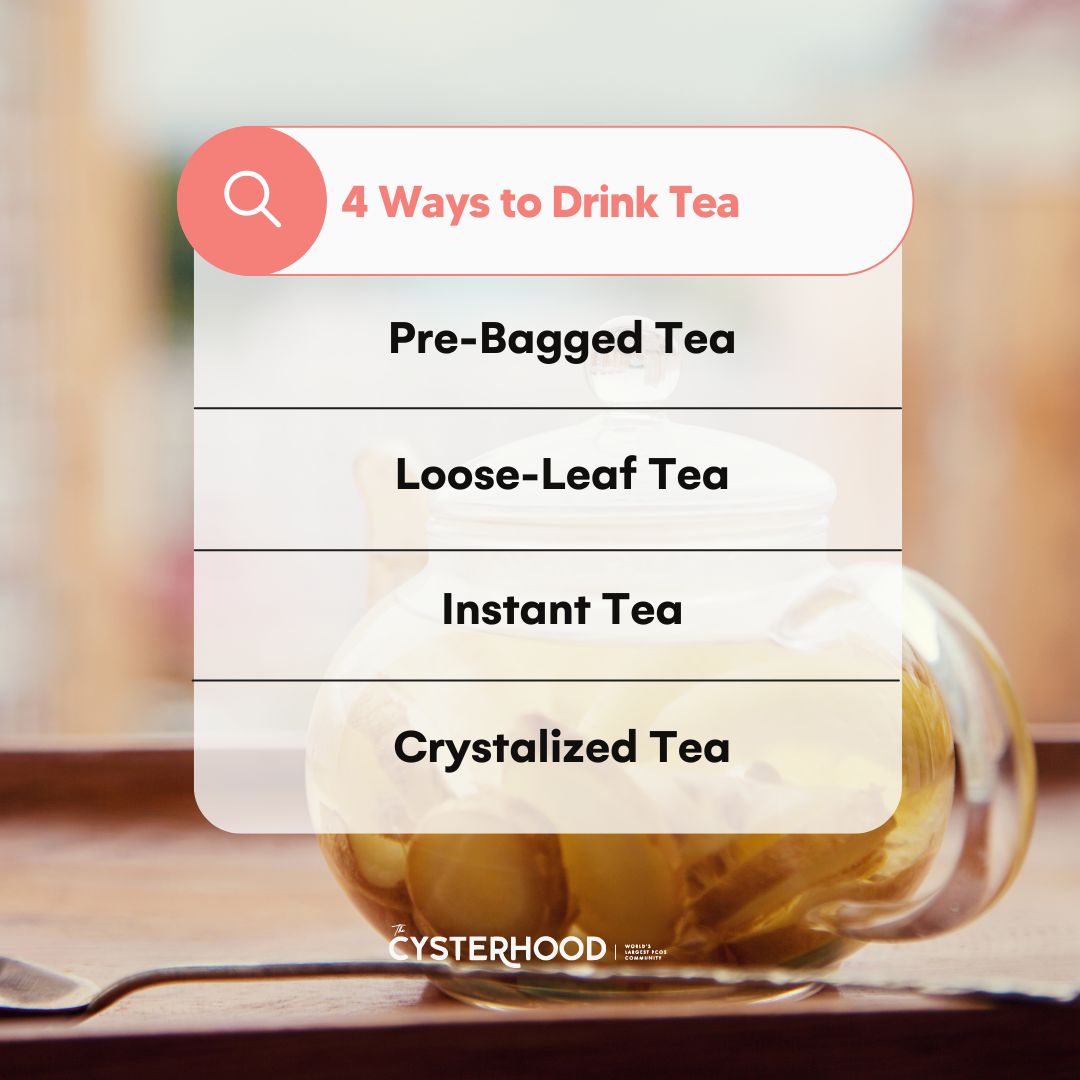
4 Ways to Drink Tea
Pre-Bagged Tea
Pre-bagged tea is the easiest way to make sure you are getting your tea in your daily routine. Just throw it in your purse and whip it out next time you’re at a coffee shop! Instead of ordering more caffeine, you can choose tea to help improve your hormone health. However, make sure that the tea bags are not made of micro plastics. The last thing we need is more BPA and endocrine disrupting chemicals.
Instant Tea
Instant tea is brewed, concentrated, dried, and powdered, allowing it to be stirred directly into hot water without brewing. It’s definitely one of the easiest ways to drink tea, but the tea can lose a lot of nutritional value and flavor through the extensive processing.
Loose-Leaf Tea
Loose-leaf tea is one of the best ways to get full-benefit from your tea while also getting some great flavor! It comes in bags or tins of loose tea leaves that you have to portion and brew on your own. This requires some basic tea-making tools like an infuser, thermometer, measuring spoons, etc. Loose-leaf tea tends to be more expensive and not everyone likes the lengthy brewing process, but it is one of the best ways to absorb the health benefits.
Crystalized Tea
Crystallized tea is similar to the process of drinking instant tea. You get the tea in biodegradable bags and you measure out the amount you need and mix it right into your water, cold or hot.
Tea Cycling: What to Drink in Each Phase of Your Cycle
Here’s the fun part of incorporating herbal teas into your PMOS management plan: you can switch up your teas based on where you are in your menstrual cycle! During the follicular phase, from the beginning of your period through ovulation, spearmint can be a good choice if high androgens are one of your main PMOS concerns. Green tea or matcha can also fit nicely here if you tolerate caffeine and want metabolic support during the day.
During the luteal phase, after ovulation and before your period, you may gravitate more toward soothing caffeine-free options like chamomile and lemon balm, especially if you notice more stress, trouble sleeping, or PMS symptoms. Red raspberry leaf tea is another popular choice around your period for menstrual support.
But remember: this isn’t a strict protocol, and there’s no strong evidence showing that you need to cycle teas for them to work. And if your cycle is irregular (hello, PMOS!), don’t stress about trying to perfectly identify each phase. Choose your tea based on the symptoms you’re trying to support and focus on consistency instead.
Who Should Be Careful With These Teas?
It’s important to understand that “natural” doesn’t automatically mean appropriate for everyone. Licorice root, for example, deserves particular caution because it can raise blood pressure and lower potassium, especially with higher amounts or long-term use. Anyone with high blood pressure, heart disease, kidney problems, or certain other medical conditions should check with their healthcare provider before using it regularly.
Pregnancy and breastfeeding also change which herbs are appropriate. Most importantly, avoid assuming that herbal tea is pregnancy-safe simply because it’s caffeine-free. Licorice root is generally best avoid during pregnancy, and herbs such as red raspberry leaf, milk thistle, lemon balm, and concentrated herbal blends should be discussed with your OB-GYN or healthcare provider before using them regularly while pregnant or breastfeeding.
It’s also a good idea to check with your doctor or pharmacist if you take medications for blood pressure, blood sugar, blood thinning, sedation, or other chronic conditions, since herbs can interact with certain medications.
Hormone Balancing Tea FAQs
How long before you notice a difference?
It depends on the tea and what you’re hoping to support. Some effects, like feeling calmer after chamomile or lemon balm, may be noticeable relatively quickly, while other hormonal or metabolic changes may require weeks or months of consistent habits.
How many cups a day is safe?
There isn’t one universal number because each herb is different. For many common teas, one to three cups per day is a reasonable amount, but concentrated herbs like licorice root require more caution and aren’t necessarily appropriate for everyday long-term use.
Can you drink these while on birth control?
It depends on the herb, your birth control, and any other prescription medications you take. If you use hormonal brith control, check with your doctor or pharmacist before regularly drinking medical amounts of herbal teas.
Can you mix these teas together?
Yes, many herbal teas can be combined, and blends are an easy way to enjoy several herbs without brewing cup after cup. Just make sure you’re considering the safety and recommended amount of each ingredient rather than assuming you can drink unlimited amounts because they’re combined.
Can teas alone balance hormones?
Tea can be a supportive part of your routine, but it can’t balance your hormones all by itself. PMOS management is bigger than any one food, drink, or supplement, so pair your tea with balanced nutrition, movement, quality sleep, stress management, and the individualized support you need.
Tea is a great way to support your symptom-free PMOS goals!
PMOS can be difficult to manage, but with a few lifestyle changes and the support of teas, you can start seeing symptom relief. For more on supporting your PMOS, check out the blog, listen to the podcast, and download The Cysterhood app! I’m a Registered Dietitian with PMOS myself and I’m here with my community to help you find healing and happiness with polyendocrine metabolic ovarian syndrome. Additionally, don’t forget to take my free “What’s Your PMOS Type?” quiz to learn more about what may be driving your symptoms.
You can do this!
Medical disclaimer: This content is for educational purposes only and is not medical advice. Always talk to your doctor before starting any supplement, especially if you take medications, are pregnant, or are trying to conceive.
Supplement disclaimer: These statements have not been evaluated by the Food and Drug Administration. These products are not intended to diagnose, treat, cure, or prevent any disease.
Feeling lost with PCOS?
Find out your PCOS type and get your next steps in under 2 minutes.
Find My PCOS Type →


Yet again another very informative page than what my OBGYN that specializes in PCOS and infertility due to PCOS has ever given me since I was 25, I’ll be 34 in November.
Honored to be able to help you along your PCOS journey!
What if you have PCOS but normal to low testosterone levels? Will this lower testosterone even more?
Not all of the teas have testosterone-lowering capabilities, so you may want to look into the benefits of each tea to decide which one is right for you
I’m 55 and have gone through all the PCOS symptoms without any help, apart from the contraceptive pill and steroids… I was diagnosed in ‘92 and have struggled since I was 11 years old. I am thrilled for all the Cysters you provide all this knowledge with… I never fulfilled my dream of becoming a Mum but thanks to what you share, so many others can
Hi I’m 47 years old mother with four kids for the few months I’ve had irregular bleeding something I have never experienced my entire life. Could you please advise.
Thanks
Hi Zenobia! It is important to talk to your doctor about your cycle irregularity if you haven’t already, but there are a few things that you can do in the meantime! An inositol supplement like Ovasitol, making sure that you are eating balanced meals with plenty of protein, and walking 10 minutes after each meal are all things that can help get your cycle back on track