
🧬 What’s Your PCOS Type? Take the Quiz →

10 PCOS-Friendly Desserts

If you’re a Cyster living with PCOS, you know managing symptoms can be challenging especially when you’re first getting started. Depending on who you are, the lifestyle changes needed to help you naturally reverse your PCOS symptoms can seem a little daunting. However, once you start feeling symptom relief, all your behavior changes feel totally worth it! 

No matter how much you’re loving the improvements in your health that you’re getting from your natural PCOS healing process, there are still things you miss! If you’re on an anti-inflammatory gluten- and dairy-free PCOS diet, something you may miss is sweet treats. We all want some chocolate once in a while!

Well, good news: a PCOS diet should not feel ultra-restrictive. You can definitely indulge in dessert without compromising your health goals! Of course, you need to be calculated about what desserts you eat, but there’s plenty to get excited about. I have a sweet tooth myself, which is why I have dozens of PCOS dessert recipes on The Cysterhood app. Download it for access to all my recipes everyone is perfectly suited for your new diet! 

If you’re still not convinced, I’m dedicating this post to some of my favorite PCOS-friendly desserts. On the surface, they may not seem like they’d fit into a PCOS diet (or any diet), but I’ll explain the ingredient changes and healthier alternatives that make all the difference when baking your tasty treats. 

Let’s get into it! 

PCOS-Friendly Desserts

10 PCOS-Friendly Desserts 

PCOS-Friendly Ice Cream

Love ice cream? Me too. Just because you go dairy free and start watching your sugar intake doesn’t mean ice cream is off the menu. It just means that you have to be mindful of how much, how often, and what kind. The right ice cream choices won’t spike blood sugar levels or compromise your health goals. 

You can find my recipe for Nutella Nice Cream on The Cysterhood app. (It’s delicious!)  But, if you’d prefer to buy a pint, here are some good dairy-free options:

PCOS-Friendly Cookies

I have over a dozen cookie recipes on The Cysterhood app. So, yes, you can eat cookies. I mean it when I say that a gluten- and dairy-free anti-inflammatory diet shouldn’t be restrictive. It’s about being intentional, but not depriving yourself of all the foods that bring you joy. 

With cookies (and with all desserts), you want to look for ways you can add nutritional value to balance out some of the sugar. That way, the sweet treat satisfies your immediate cravings while supporting your long-term goals. To this, you could add Crave Control Protein Powder to your batter, or include healthier ingredients like oats, fruit, or peanut butter. 

Of course, remember to use gluten-free flour, dairy-free milk, and even natural sweeteners when you can. For a long list of PCOS-friendly desserts to satisfy your sweet tooth, download The Cysterhood app. I provide all the recipes and nutritional information, so you don’t have to figure out the substitutions yourself. On the app, you’ll find cookie recipes like cranberry pecan oatmeal cookies, hot chocolate cookies, red velvet cookies, low carb chocolate chip cookies, and more! 

Can I Eat Sweets With PCOS?

Yes, you can eat sweets with PCOS. I recommend Cysters have one or two snacks a day between meals, and it’s totally fine if that includes a sweet treat! Just be cautious of the ingredient list—try to keep everything low sugar, dairy-free, gluten-free, and anti-inflammatory. 

If it’s not those things, that sweet treat still doesn’t have to be off the table (no pun intended.) Eat it in moderation and pair it with protein and healthy fats to support balanced blood sugar. That said, I think you’ll be surprised by all the delicious PCOS-friendly dessert options out there! You can really find a more beneficial substitute for any craving. 

Muffins

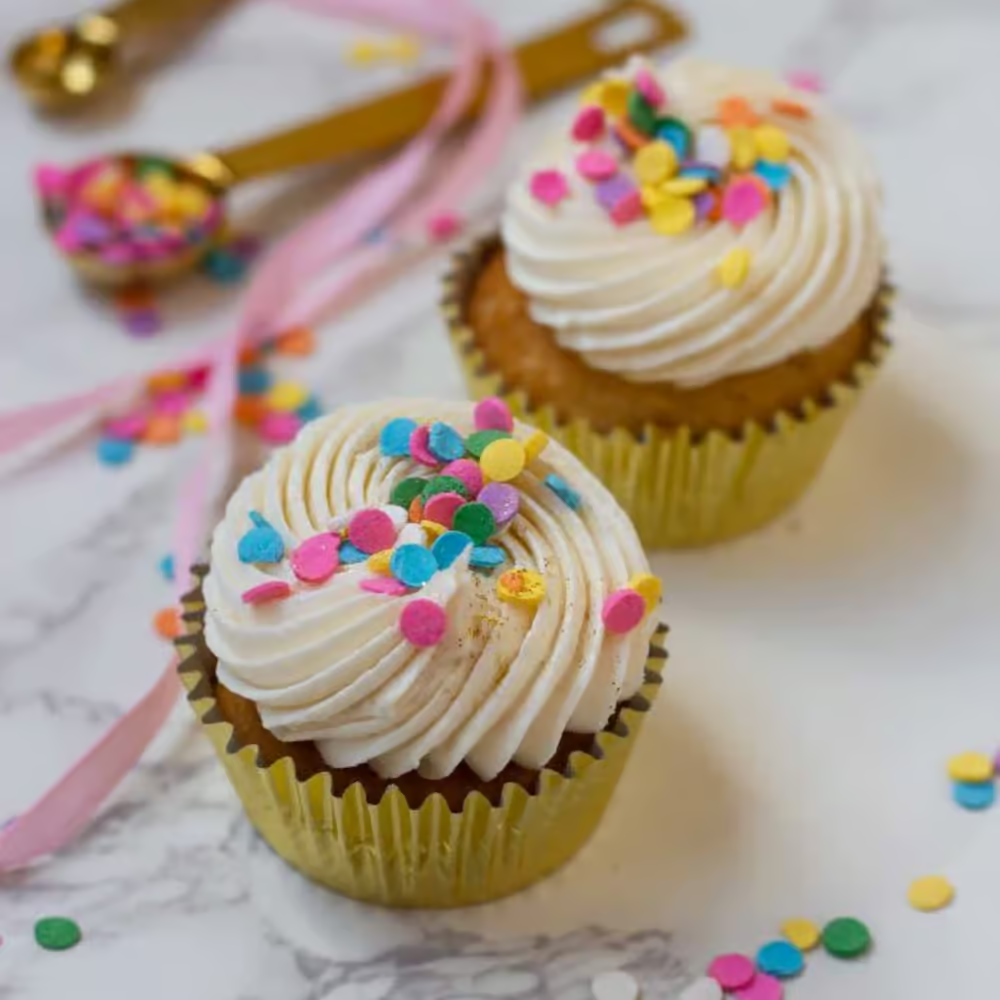
Muffins are a great choice for a PCOS-friendly dessert, snack, or even breakfast! They’re naturally not as sugary as a frosted cupcake, which is a good start! Beyond that, you’ll need to swap some ingredients to make it fit your diet. Choose a gluten-free flour like almond flour or coconut flour. Then, opt for dairy-free milk or dairy-free yogurt. Finally, instead of white sugar, use xylitol, which is the only sweetener that’s actually healthy for you! 

Once you swap out all the gluten, dairy, and sugar, it’s time for flavoring! Mixed berries, oranges, apples, nuts, cocoa powder, vanilla, and spices like cinnamon and nutmeg can definitely help curb your cravings. And, with intentional ingredient choices, muffins can be between 25-55 g of carbs. Depending on your carb tolerance, you could probably indulge in at least one (maybe two?) PCOS-friendly muffin! 

On The Cysterhood app, I have recipes for Mexican Chocolate Protein Muffins, Cranberry Orange Muffins, Apple Cinnamon Muffins, and more! Check them out! 

PCOS-Friendly muffins

Truffles

Muffins may not feel like dessert depending on how decadent you want your sweets, but truffles are sure to feel like an absolute after-dinner delicacy. In just 20-30 minutes, you can make truffles using chickpeas, almond butter, almond flour, dairy-free milk, and xylitol. You can even add protein powder to help make the truffles more healthy and filling. 

For flavor, ingredients like vanilla, coffee, nuts, oranges, apples, and dairy-free chocolate are all great choices. And, since truffles are bite-sized, each one is only 8-11 g of carbs. No guilt here! On the app, you’ll find my recipes for orange truffles, cardamom truffles, and even apple pie truffles! 

PCOS-Friendly truffles

Popsicles

Popsicles are the perfect summer dessert! You can prepare them in just 10 minutes (not including freeze time, obviously) with ingredients you probably already have in your PCOS kitchen staples! Use a dairy-free milk or yogurt of your choice and xylitol as a base, and then add your favorite fruits! Lemons, berries, and coconut are some of my faves! 

Want an added boost? Add some Inositol to your popsicles! The supplement will give your popsicles and extra boost to make you feel even better about the sweet treat. You’ll find recipes for lemon yogurt popsicles, toasted coconut popsicles, and strawberry cheesecake popsicles on the app. Yum, right? 

PCOS-Friendly Desserts Popsicles

Fruit

Fruit is one of the best ways to get a quick sweet fix. However, just because fruit is healthy, you’ll still need to pace yourself with your fruit intake because of the natural sugar. The best fruit choices for PCOS are apples, Apples, pears, oranges, kiwi, peaches, grapes, cherries, grapefruit, and strawberries. They hold the most benefits and a lower natural sugar content. If you really want to treat yourself, dip your fruit in a dairy-free healthy chocolate hummus! 

Sweet Bites

Bite-sized desserts are a diet-favorite because you can get a treat without being tempted to consume a lot of carbs and calories. You can make little bites or dessert balls using coconut butter, coconut milk, coconut cream, and xylitol as your base. Then, you can mix in vanilla, cocoa powder, lemon, dates, nuts, and spices to make it tasty (and high in healthy fats, fiber, and antioxidants!) Then, dip those bites in dairy-free dark chocolate or roll them in unsweetened shredded coconut for a complete treat. 

Some of my favorite versions of this dessert are my coconut lemon bliss balls and cinnamon roll protein bites. (Yes, you can add protein powder to these!) You find all of my recipes on the app, and each one is under 15 carbs and read in about 30 minutes. Quick, delicious, and don’t count as cheating on your diet! 

pcos friendly desserts

Brownies

Brownies? In a diet? Yes! Just like the other desserts on this list, it’s all about supplementing the ingredients that make it unhealthy for a PCOS-body. Almond flour and coconut oil are a good start. Then, for sweetener, opt for maple syrup, monk fruit sweetener, or xylitol. Then vanilla, cacao powder, dairy-free chocolate chips, and maybe some peppermint extract make it the indulgent dessert you’re used to but this version is under 35 g of carbs! 

If this is hard to wrap your head around, you can just follow my recipes on the app. I have a lot of brownie recipes on there including sweet potato brownies, peppermint chocolate brownies, beet brownies, and more! (Yes, I pack even more healthy ingredients into my brownies, but it doesn’t compromise the flavor one bit!) 

PCOS brownies

Mousse

Silky smooth mousse made from coconut cream and chickpeas is absolutely divine! Like other recipes, swap your white sugar for xylitol or maple syrup. Then, flavor with your favorite fruits, vanilla, cocoa powder, or warm spices like cinnamon! And, for an extra boost add some protein powder like I do with my high protein pumpkin mousse! 

You can put mousse together in 15 minutes and one serving is under 25 g of carbs! You’ll find more of my favorites on the app, like strawberry mousse and avocado chocolate mousse. I love mixing some mousse together when I’m craving ice cream. It definitely satisfies! 

Chia Pudding

Chia pudding is a great dessert choice for individuals with PCOS because the chia seeds prevent blood sugar spikes, supports hormonal balance, and reduces inflammation! They also provide plant-based omega-3 fatty acids and protein, making this dessert not only healthy, but super nutritious.

Like other desserts on this list, there’s a lot of ways you can dress up chia pudding to suit your taste! The base is just coconut mulk and chia seeds, but fresh fruits, nuts and seeds, extracts, spices, and more can really transform this dessert. Plus, protein powder, collagen powder, and even matcha powder can make this already nutrient-dense dessert even more healthy!

PCOS mouse

Shakes

What’s the difference between a smoothie and a shake? I’m not sure, but I like both for desserts! I have a recipe for a chocolate mint shake which is just as indulgent as a Shamrock Shake but only 40 g of carbs and done in 5 minutes. (It does have almost 500 calories, but this is a treat!) 

This shake includes almond milk, avocado, fresh mint, vanilla, dairy-free chocolate chips, and protein powder! However, if chocolate mint isn’t your thing, make it vanilla, strawberry, or chocolate. Just don’t compromise on using the best ingredients that support your diet!

Cookies

We all love cookies. That’s why I have over a dozen cookie recipes on The Cysterhood app including no-bake peanut butter cookies, hot chocolate cookies, cranberry pecan oatmeal cookies, and a lot more. These all use ingredients like gluten-free oats, gluten-free flour, maple syrup, xylitol, molasses, and diary-free milk. 

For the mix-ins, I love to use peanut butter, vanilla, cranberries, cacao nibs, spices, and even coffee! One cookie is usually under 30 g of carbs and ready in under 30 minutes, making cookies a guilt-free and easy PCOS dessert!

pcos friendly desserts

Treat yourself to a PCOS-friendly dessert!

Getting on a new diet is intimidating, especially when it’s a lifelong change and not a 30-day fix. But, a PCOS diet doesn’t have to be restrictive and stressful. Instead, as a Registered Dietitian and Cyster myself, I love to explore vibrant, indulgent flavors using healthier PCOS-friendly alternatives. That’s why all of my recipes on The Cysterhood app will support your health goals, whether that’s to lower your blood sugar levels or support hormone balance! 

You can find so much more PCOS lifestyle tips and healthy eating advice on the PCOS Weight Loss blog. I’ve got all the information you need to start making choices that’ll help lead you down the path of healing and symptom reversal. Don’t know where to begin? Try my 7-day PCOS meal plan to see just how delicious a PCOS diet can be! 

8 Hormone Balancing Teas

Hormones are chemical messengers that are produced by glands in our body. They travel through our bloodstream to different organs and tissues, where they help make all the bodily functions carry on optimally! They’ll support and control pretty much everything, including  growth, metabolism, reproduction, mood, and more. 

Hormones are like the body’s communication system, making sure all the processes work together in harmony! So, if your hormones are imbalanced, you can feel its effects throughout your body. Polycystic ovarian syndrome is an endocrine condition, which means it’s all about the hormones! Cysters experience all sorts of hormonal imbalances that contribute to symptoms like irregular periods, hair loss, acne, weight gain, mood issues, fatigue, and a whole lot more. 

Thankfully, there are a lot of natural methods of balancing hormones that don’t have any side effects! A balanced diet, slow-weighted exercise, supplements, and a few lifestyle changes can make a HUGE difference and help you reverse your PCOS. Beyond that, there are a lot of things you can do to support that natural healing journey like meditating, eating certain herbs, spending time in nature, and drinking certain teas! The last one is what I am talking about today!  

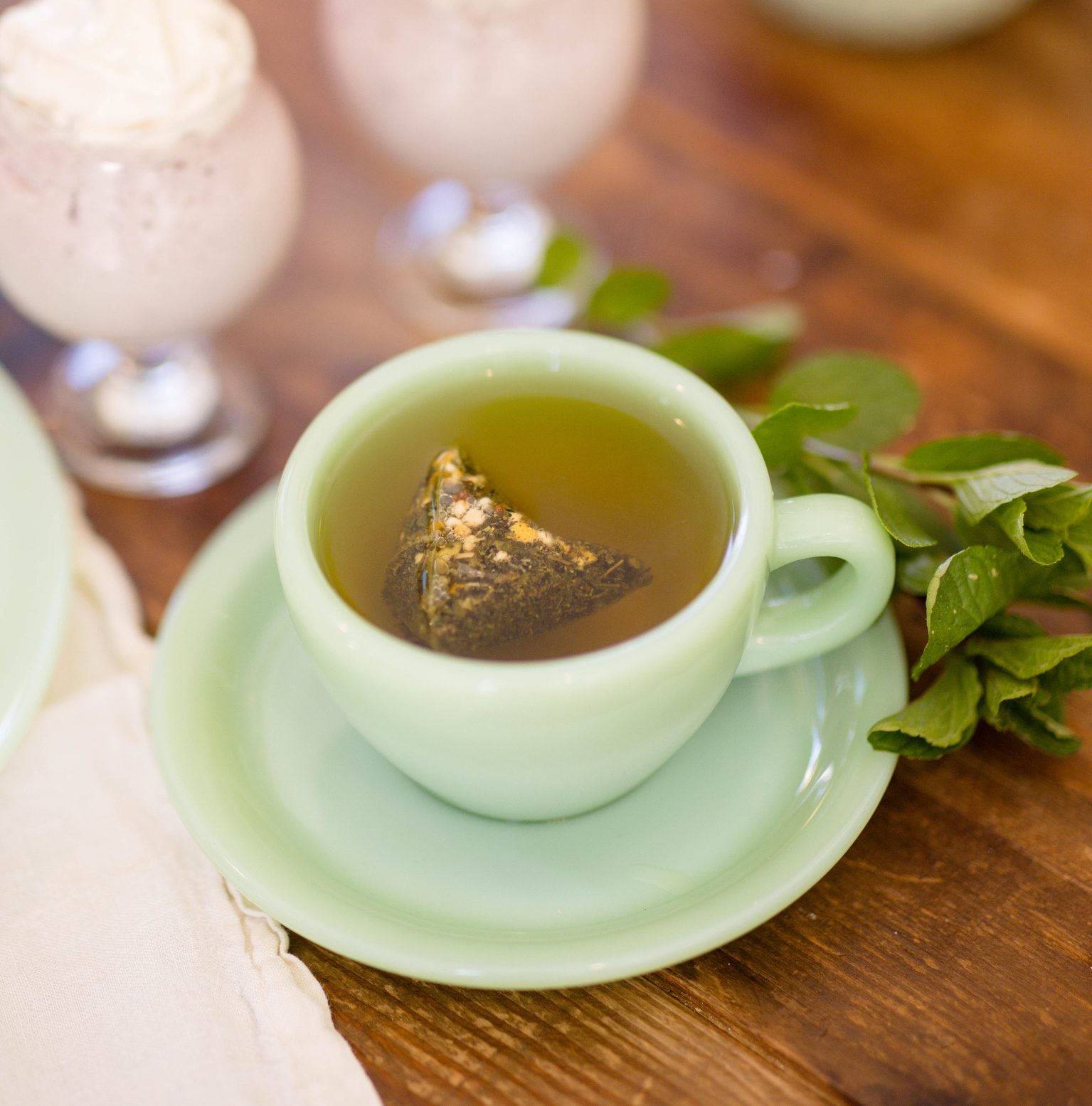
There are quite a few teas that can help balance hormones and relieve PCOS symptoms. They’ll help you get the most out of your PCOS reversal efforts! So, I’ll give you some of my top tea recommendations and break down the different types of tea you’ll see out there. 

Here’s the tea: 

hormone balancing teas

8 Hormone Balancing Teas

Spearmint Tea

Spearmint tea has been shown to have anti-androgenic effects. That means it can help balance high levels of testosterone and other male sex hormones in a Cyster’s body. This is beneficial to support women’s health because high androgens can trigger a lot of symptoms Cysters deal with like hair loss, excessive body hair growth, infertility, irregular menstrual cycles, acne, weight gain, mood problems, and more. It is recommended to drink 3 cups of spearmint tea per day to see the anti-androgenic effects!

Nettle Tea

Research suggests that nettle tea may help regulate blood sugar levels, which could be beneficial for managing PCOS symptoms. Nettle tea contains compounds that may have anti-inflammatory effects, which could help alleviate inflammatory symptoms like cystic acne, bloating and fatigue.

Chamomile Tea

Chamomile tea has anti-inflammatory effects that can help reduce stress in women with PCOS. You may find that you’re constantly feeling anxious, fatigued and just drained. Try a cup of chamomile tea at night before you go to bed to help you wind down and get a good night’s rest. Reducing your cortisol, stress hormone, at night will help you get better quality sleep and wake up feeling energized.

list of hormone balancing teas
xr:d:DAF7bMmkOUk:419,j:5295531926476328823,t:24041218

Milk Thistle Tea 

Milk thistle tea is another great tea option to promote liver functioning! Remember, when your liver is healthy, your body can more effectively flush out toxins and expel excess hormones. The active ingredient silymarin is what’s responsible for milk thistle tea’s liver supporting benefits. It’s also anti-inflammatory, which further supports hormone balance! 

Lemon Balm Tea

Lemon balm herbal tea has a more indirect impact on hormones, but it can still help support your PCOS health goals! Studies show that lemon balm tea can have a calming and stress-reducing effect. 

Stress produces a hormone called cortisol that can send lots of hormones out of whack! High cortisol can also worsen inflammation and insulin resistance, worsening other PCOS symptoms. Stress management is super important for your healing journey and it seems lemon balm tea can help! 

Ginger Tea

Ginger tea is another tea that can indirectly improve hormone levels by reducing inflammation. Inflammation puts your whole body in fight-or-flight as your immune system attacks your healthy cells. High insulin resistance can disrupt hormones, causing symptoms like lowered immunity, fatigue, digestive issues, skin problems, and mood swings. So, keeping inflammation down is key for symptom reversal and hormone balance!  

Matcha

Matcha is a type of green tea that can help with hormone balance in lots of ways! First of all, it can relieve inflammation and high insulin levels, just like ginger. It also helps reduce stress hormone levels and boosts your overall liver health! Since the liver is essential for hormone production and management, a healthy liver is essentials to keep hormones levels on track. Lastly, matcha has a high antioxidant content to improve the health of endocrine glands, which are also essential for hormone production and regulation! Here’s more on matcha for PCOS.

Red Raspberry Leaf

Red raspberry leaf tea is a favorite for women looking to support reproductive health. It can help relieve menstrual cramps and ease heavy bleeding, which is especially helpful for Cysters who struggle with difficult periods. This tea also tones the uterus, supporting menstrual health and preparing the body for labor.

While it doesn’t directly balance hormones, it can indirectly support hormonal balance. Many PCOS hormonal imbalances stem from irregular menstrual cycles. By helping to regulate periods, red raspberry leaf tea can contribute to overall reproductive hormone balance.

Additionally, this tea is rich in nutrients like vitamins A, C, E, B-complex, magnesium, calcium, iron, and potassium. The vitamins and minerals support overall health with these nutrients helps your body properly maintain hormone production and regulation.

Testosterone Relief Tea

This is THE best tea for hormone balance with PCOS. As you can see, there are a lot of teas that could benefit your PCOS body. However, you’re not going to be drinking 12 different teas a day, probably! So, a tea blend can work wonders to get your hormones regulated and relieve your PCOS symptoms. My Testosterone Relief Tea from my Ovafit supplement line has been specifically curated to help Cysters reduce their androgen levels through its intelligent blend of beneficial teas.

This blend includes spearmint tea, lemon balm tea, orange peel tea, chamomile tea, rosehip tea, peppermint tea, cinnamon tea, nettle tea, lavender tea, and calendula tea. And, yes, it’s still tasty! The Testosterone Relief Tea comes in plastic-free tea bags that are sustainable and totally healthy to use (no microplastics here.) Additionally, this tea is free of caffeine, refined-sugar, additives, or preservatives. Again, that means it only supports your PCOS healing journey! No detractors! Try it out for 30 days and see if you feel a difference in your PCOS symptoms stemming from high androgens.

4 ways to drink tea

4 Ways to Drink Tea

Pre-Bagged Tea

Pre-bagged tea is the easiest way to make sure you are getting your tea in your daily routine. Just throw it in your purse and whip it out next time you’re at a coffee shop, instead of ordering more caffeine you can choose tea to help improve your hormone health. However, make sure that the tea bags are not made of micro plastics! Be sure that you are choosing plant based bags, the last thing we need is more BPA and endocrine disrupting chemicals.

Instant Tea

Instant tea is brewed, concentrated, dried, and powdered, allowing it to be stirred directly into hot water without brewing. It’s definitely one of the easiest ways to drink tea, but the tea can lose a lot of nutritional value and flavor through the extensive processing. 

Loose-Leaf Tea

Loose-leaf tea is one of the best ways to get full-benefit from your tea while also getting some great flavor! It comes in bags or tins of loose tea leaves that you have to portion and brew on your own. This requires some basic tea-making tools like an infuser, thermometer, measuring spoons, etc. Loose-leaf tea tends to be more expensive and not everyone likes the lengthy brewing process, but it is one of the best ways to absorb the health benefits.  

Crystalized Tea 

Crystallized tea is similar to the process of drinking instant tea. You get the tea in biodegradable bags and you measure out the amount you need and mix it right into your water, cold or hot.

Tea is a great way to support your symptom-free PCOS goals! 

PCOS can be difficult to manage, but with a few lifestyle changes and the support of healthy teas, you can start seeing symptom relief. For more on how to see a full reversal of your PCOS, check out the blog, listen to the podcast, and download The Cysterhood app! I’m a Registered Dietitian with PCOS myself and I’m here with my community to help you find healing and happiness with polycystic ovarian syndrome. You can do this!

Are Oats Good for PCOS?

Polycystic ovarian syndrome (PCOS) is a common hormonal condition among women of reproductive age. There are lots of natural ways Cysters living with PCOS reverse their symptoms and heal their bodies. One of the main ways they do that is through a balanced diet! 

However, when you start any diet, the question is: What can I eat and what can I not eat? With PCOS, this is delicate, because you’re not just trying to lose weight, but also feel better! You want symptom relief! So, you don’t want anything that’ll compromise your overall healing goals. 

The easiest way to know what to eat is to download The Cysterhood app for PCOS-friendly meal plans and recipes that are delicious and pack a bunch of health benefits. But, will you find oats in any of those recipes? That’s what I’m discussing today! I’m going to break down whether or not oats are healthy and then give you some tips for enjoying this timeless treat. 

Here’s what you need to know:

oat benefits for pcos

Are Oats Good for PCOS?

Yes, you can eat oats with PCOS. In fact, they’re great for you and your PCOS health goals! Though many think of oats as a carb, and therefore bad, oats are made of “complex carbs,” which are actually good for you. These complex carbs contain both soluble and insoluble fiber, plenty of vitamins and minerals, and lots of plant-based protein. All this means oats are a great addition to a balanced diet and can actually help relieve some PCOS symptoms! Moreover, incorporating oats into your meals can contribute to managing symptoms and promoting overall health for people with PCOS.

Here are some potential PCOS benefits of oats:

Lowers bad cholesterol. 

Oats are great for your lipid profile. The soluble fiber (beta glucan) and healthy fats inside binds cholesterol to your digestive tract to help trigger the liver to pull LDL cholesterol (bad cholesterol) from your bloodstream. This reduces the amount of bad cholesterol in your bloodstream! So, adding oats to your diet is a smart choice for women with PCOS, who often experience elevated LDL cholesterol levels, which can increase the risk of heart disease.  

Reduces insulin resistance. 

You might be surprised to hear that research shows that oats can help lower blood sugar levels in people with insulin resistance! The high fiber content is great for glucose and insulin responses. Insulin resistance is a root cause of many PCOS symptoms AND it contributes to hormone imbalance and inflammation (which also cause plenty of PCOS symptoms.) 

Improves gut health. 

Oats have ingredients that are great for regulating bacteria in the gut. The ingredients are prebiotics and antioxidants, which have positive effects on digestion as a whole! Additionally, these components can support gut health and promote overall digestive wellness. Moreover, if you’re thinking, “What does gut health have to do with my PCOS?” The answer is, a lot!

It’s a difficult cycle. Initially, food, insulin resistance, stress, and imbalances of bacteria in the gut lead to inflammation. Consequently, that inflammation overworks your adrenal system. Subsequently, those extra hormones from the overworked adrenals increase insulin levels and insulin resistance. That increase in insulin resistance then worsens inflammation and gut health further, restarting the whole cycle! 

Getting your gut health taken care of can help you see relief from headaches, joint pain, weight gain, fatigue, food sensitivities, digestive issues, and more! Additionally, addressing gut health may have positive effects on various aspects of your overall well-being. Here’s more on PCOS and gut health

Helps with weight loss. 

Honestly, the points I’ve made so far are all beneficial for weight loss! However, there are more ways oats can help with losing weight with PCOS. Fiber is a type of carb that is slowly digested, so it keeps you feeling fuller longer! This is great for weight loss, because it helps you curb cravings and avoid feeling hungry between meals! However, oats can really raise blood sugar if you don’t know how much or how to eat it. That’s why it’s so important to discover your personal carb tolerance range, which you can do in The Cysterhood App.

The importance of carb tolerance? It helps you navigate how many carbs you can eat in order to prevent cravings, reduce insulin resistance, all while staying full and satisfied with each meal! For example, 1/2 a cup of cooked oats is around 20g of carbs, which is a good amount for breakfast…so in order to get that, you would need to measure and cook 1/4 cup of dry oats. If your overall carb tolerance for the day is 90g, you have another 70g of carbs you can eat throughout your day!

Gets you more of your daily nutrients! 

Oats are just healthy! Moreover, they’re dense with vitamins and minerals that your body needs to function optimally. Furthermore, manganese, magnesium, copper, iron, zinc, folate, thiamin, pantothenic acid, and more are all packed in, and each one of those is essential to support a Cyster’s body through her natural healing journey!

How To Eat Oats For PCOS

There are several ways to eat oats with your PCOS diet . . . and they’re all delicious! You can find over a dozen recipes that include oats on The Cysterhood app where I have PCOS-friendly meal plans, workouts, and resources to help you naturally reverse your symptoms and heal! 

But before we dive into recipe ideas, let’s talk about how to keep your blood sugar stable while eating oats! Oats can really raise blood sugar if you don’t know how much or how to eat it. This was me in college and struggling with PCOS. I read that oatmeal is good for you so I made myself a HUGE bowl (true story). And I had no idea about any of the tips I’m sharing here today… hence why it took me a while to manage PCOS!

But hopefully that’s not the case for you! You’ll see in each Cysterhood recipe that we follow small guidelines to ensure that you don’t eat a delicious breakfast followed by cravings or an energy crash. For example, you can always pair oats with nut butter! This is a healthy fat that prevents a blood sugar spike. Don’t drizzle honey on top of oats, because this is sugar. Another tip? Sprinkle in some collagen for protein, use cocoa nibs instead of chocolate chips, and use a dairy free milk like coconut or almond milk. And of course, discovering your carb tolerance as well.

Check out this Cyster who is part of our community and tried my lemon poppy seed overnight oats recipe:

jinnice testimony on her cysterhood recipe
Overnight Oats

So, is oatmeal good for PCOS? YES. Overnight oats is one of my favorite ways to eat oats! I LOVE this option, because you can make it the night before, and like Jinnice said, look forward to eating your healthy breakfast. It’s the easiest way to get a nutritious PCOS-friendly breakfast no matter how busy your mornings are. Below I’ll share a base overnight oats recipe, but you fan find more in The Cysterhood App, like these Chocolate Orange Overnight Oats!

Overnight Oats for PCOS
Cauliflower Oatmeal Bowls

If you like oatmeal, but have a lower carb tolerance and would rather avoid eating lots of carbs for breakfast, use half oats and half cauliflower. Riced cauliflower has similar benefits with lots of fiber, but doesn’t have carbs, so it’s a great companion to oats! Here’s more healthy PCOS-friendly breakfast recipes to save for later! 

Cookies and Desserts

Even if you’re on a PCOS diet, there is plenty of room for delicious treats and desserts! Oats can be used in lots of desserts to make them more filling and nutritious. Additionally, they add a wholesome texture and flavor to sweet treats, making them a versatile ingredient for healthier dessert options. On the app, I have a recipe for red velvet oatmeal bake and cranberry pecan oatmeal cookies! Both are super tasty and won’t compromise your health goals!

Desserts for PCOS
Pancakes

Instead of using almond flour as the starch for your pancakes, you can use oats! They are a healthier carb that’ll keep you feeling full and give you plenty of much-needed nutrients. Plus, incorporating oats into your diet can help support sustained energy levels throughout the day. If you need a recipe, download The Cysterhood app and check out my high-protein pancakes recipe!

Oat Milk

Oat milk is another simple way to enjoy oats on a PCOS-friendly diet. However, many store-bought oat milks contain gums, added oils, sweeteners, and stabilizers that can cause a quick blood-sugar spike. But when you make it yourself, oat milk can be a creamy, nutrient-rich option that still supports steady energy and better insulin sensitivity. Make it and then add it to smoothies, chia pudding, or even your morning decaf coffee.

To make it, all you need is rolled oats, cold water, and a quick blend. Just combine one cup of oats with three to four cups of water, blend for 20 to 30 seconds, and strain through a fine mesh strainer or nut-milk bag. Keep it unsweetened for the most PCOS-friendly option, and store it in the fridge for up to four days. It’s fresh, simple, and a great way to enjoy oats without any of the additives that can get in the way of your healing goals.

Base Overnight Oat Recipe For PCOS

Base Overnight Oat Recipe For PCOS

Ingredients 
  • 1 ⅓ C rolled oats or steel-cut oats, gluten free (I don’t recommend instant oats)
  • 2 scoops of gluten-free protein powder
  • 3 tsp xylitol
  • 1 C almond milk (or other dairy-free milk
  • 1 ¼ C dairy-free greek yogurt 
  • 1 TB of chia seeds 
  • Desired mix-ins and toppings:
    • Cinnamon 
    • Cocoa powder 
    • Cacao nibs
    • Almond butter or other nut butters
    • Peanut butter 
    • Vanilla
    • Honey
    • Maple syrup 
    • Raspberries
    • Strawberries
    • Apples
    • Pears 
    • Peaches 
    • Other fruits with a low glycemic index (GI)
    • Orange zest
    • Pumpkin and pumpkin spice 
    • Raisins or dried cranberries 
    • Lemon 
    • Unsweetened shredded coconut 
    • Nuts
    • Decaf instant coffee powder 
    • Matcha 
Instructions 
  • Add the oats, protein powder, and xylitol into a lidded jar or container and stir. 
  • Pour in almond milk, dairy-free yogurt, and chia seeds and stir. 
  • Mix in your toppings! (Except for fruit. Save those for the morning.) 
  • Refrigerate overnight. 
  • In the morning, stir and add more mix-ins or toppings if you like! If it’s too thick, add a little more almond milk and stir. Continue until it’s the desired consistency. 
  • Enjoy! 

Also trt: Pecan Pie Overnight Oats

Oats are PCOS-friendly, delicious, and super healthy! 

If you’re playing your PCOS meal plan for the week, consider adding an oat recipe to the list! Whether you want a hearty breakfast or a nutritious snack, oats are a great choice. They won’t compromise your health goals in fact, they’ll help you reach them!

For more on PCOS-dieting, check out the PCOS Weight Loss blog and the A Cyster and Her Mister podcast. Every week my husband Sirak (a PCOS personal trainer) and I dive into all things polycystic ovary syndrome (PCOS) to help you reverse your condition and live symptom free!

PCOS Headaches: Causes and Treatment Options

Polycystic ovary syndrome (PCOS) is a hormonal disorder that can cause a myriad of different symptoms ranging from common to rare. One of the more common symptoms of PCOS women experience is headaches! 

If you’re a woman with PCOS and have headaches, but have always thought of the conditions as two separate issues, that’s probably not the case. Unfortunately, there are multiple ways PCOS could be causing regular headaches in Cysters like you!

So, I’m dedicating this post to PCOS and migraines. I’ll describe the relationship between the two and then give you some natural ways to improve your headaches and overall health as you naturally heal your PCOS

Here’s what you need to know:

pcos headaches causes and treatments

PCOS Headaches: Causes and Treatment Options

Headaches with PCOS can range from a dull ache to a splitting migraine. They can happen at any time, depending on the cause, but often a Cyster will experience migraines 2 days before your period or the first 3 days of your period. (Sometimes these are called menstrual migraines.) 

No matter when they happen or how bad they are, headaches totally disrupt your life. They can prevent you from doing things you love or enjoying the present. So, getting to the bottom of the cause and finding relief should be a priority of any Cyster! 

does pcos cause headaches

Does PCOS Cause Headaches?

Yes, PCOS can cause headaches in 3 different areas. The main culprit is hormonal imbalance. Women with PCOS often have imbalances of sex hormones, including estrogen and testosterone. Fluctuations of both hormones (specifically drops in estrogen levels during the menstrual cycle) are known to trigger migraines!

Another reason a woman with PCOS might get headaches is chronic inflammation.  Inflammation happens when the immune system attacks toxins and bacteria, and goes back down when the “threat is neutralized.” However, in women with PCOS, because of poor gut health and other triggers, the immune system often attacks healthy cells and inflammation never goes away! 

This chronic inflammation is taxing on the body, and can cause symptoms like swelling, pain, fatigue, and headaches! Plus, it can further throw your hormones out of whack, which could worsen your headaches and other symptoms as well. 

The last potential trigger of a PCOS migraine is insulin resistance. Insulin resistance is when your body doesn’t properly process glucose, and instead of turning sugar to energy, it absorbs it into the body. This raises your blood sugar, worsens hormonal imbalances, triggers inflammation, and spirals into plenty other common PCOS symptoms headaches are one of those! 

And since insulin resistance can negatively impact inflammation and hormone balance, all three of these likely work together to give you chronic headaches. Luckily, there are natural ways to improve these conditions and hopefully improve your headaches as well!

how to treat pcos headaches

How To Treat PCOS Headaches

Try cutting gluten and dairy. 

Gluten and dairy both have proteins that the immune system sometimes identifies as harmful. Because of this, the immune system attacks the proteins, causing gut health issues and inflammation. I recommend you try cutting both gluten and dairy for 30 days and see if you identify improvements in symptoms like bloating, digestive trouble, fatigue, skin issues, and headaches! 

Eat balanced meals.

Eating the right foods can help all three of these problem areas! Of course, if you choose to cut dairy and gluten, that’s a great start for improving inflammation! But reducing processed foods, sugar, red meat, alcohol, and caffeine and instead eating more nutrient-rich foods will help you manage insulin resistance and hormone balance as well. You could experience more regulated hormone and blood sugar levels that could see improvements in headaches as a result. 

Here’s more on foods to avoid with PCOS and here’s also a list of my favorite PCOS-fighting foods! To make it really easy, though, I recommend downloading The Cysterhood app which is full of recipes that promote your healing goals and taste delicious!  

Prioritize sleep.

Sleep is essential for good health, but specifically for hormone balance and insulin resistance! Getting enough sleep can help you regulate everything in your body better and reduce the symptoms of hormonal imbalance and insulin resistance like migraines.  

However, I know this can be super hard for Cysters! Many women with PCOS struggle with sleep, and many even develop sleep apnea, insomnia, or other disorders. If this is you, here are some tips for getting better sleep with PCOS

Do low-impact exercises. 

Exercise can also improve your risk factors of developing migraines. But, I don’t recommend any and every type of workout! If the goal is to maintain hormone balance, you’ve gotta keep your stress levels low that means no heart-pumping exercises. 

I recommend low-impact exercises like yoga, pilates, light cardio, walking, and slow-weighted workouts. These exercises will help you increase insulin sensitivity, reduce inflammation, and balance your hormones, among so many other things! Because it can help with so much, headaches will likely improve too with other conditions. You can find PCOS-specific workout guides on the app

Practice stress management. 

Stress is another contributor to hormone imbalance, insulin resistance, and inflammation. By learning and practicing stress-management techniques, you can do a lot to help your headaches and other PCOS symptoms! 

Exercise can help with stress management, and so can things like practicing mindfulness, using essential oils, spending time in nature, getting enough sleep, and doing things you love. Here’s more on PCOS self-care. 

Take intentional supplements. 

Always consult your doctor before trying any new supplements, but supplements can be a good way of naturally supporting your body’s healing! Here are some of the best supplements for your PCOS headache: 

The effects of PCOS on the body can definitely cause headaches, but you can find relief! 

PCOS can be reversed and you can live symptom free! With a deep understanding of PCOS and the right lifestyle changes, you can thrive and we’re here to support you. For more ways to heal, head to the PCOS Weight Loss blog and don’t forget to listen to my podcast, “A Cyster and Her Mister!” The Cysterhood is here to help empower you to take back your life despite PCOS.