
🧬 What’s Your PCOS Type? Take the Quiz →

PCOS and Mental Health

Polycystic ovarian syndrome (PCOS) is a complex disorder that doesn’t just cause pimples and some missed periods. The symptoms of PCOS cover almost every part of your body and cause both physical and emotional challenges. Women with PCOS experience fatigue, weight gaininfertility, excess body hair, hair loss, cysts on the ovaries, skin problems, sleeping issues, mood swings, and even mental health disorders. 

PCOS often causes a domino effect, where the root issue causes a few symptoms. Then, the effects of those symptoms create even more side effects, including mental health problems— which is why it’s difficult to manage and treat PCOS. It’s a feedback loop that can be daunting, but don’t worry–that’s why I’m here for you! Today I’m dedicating this post to discussing the topic of mental health and how it relates to PCOS. 

Here’s the link:

PCOS and Mental Health

PCOS and Mental Health

We know from research that Cysters are at a much greater risk for mental health complications than the general population. In fact, up to 64% of Cysters report having depression and up to 54% report having anxiety. Even more commonly, women with polycystic ovary syndrome struggle with daily irritability and brain fog.

Studies also show that Cysters are at a high risk of OCD and bipolar disorder. The statistics on mental health disorders in women with PCOS are really heartbreaking since so little is known about polycystic ovarian syndrome. Finding satisfying and hopeful answers and support can feel really difficult! 

There are ways to help alleviate even these tough mental health symptoms. But, first, let’s discuss the link between mental health and PCOS:

Effects Of PCOS On Mental Health

There are two main ways that PCOS affects a Cyster’s mental health. First of all, the chronic hormonal imbalance from insulin resistance and irregular menstrual cycles causes lots of fluctuations in mood. The constant dips and rises in hormone levels may lead to feelings of anxiety and depression. 

Second, your hormonal imbalance drags your mood down, the reality of your PCOS symptoms sometimes feels overwhelming. When you’re unhappy with your weight, frustrated by constant fatigue, heartbroken over infertility, and ashamed of acne and hair loss, your stress levels can go through the roof and your self-esteem can drop to the floor. Here’s more on the correlation between mood swings and PCOS

I remember catching myself in college in a Nordstrom mirror when I saw the reality of my PCOS under the bright lights. This was just after I’d been diagnosed with PCOS, and my skin in that mirror looked MUCH worse than I thought it had (college dorm lighting isn’t the best.) And, as I stared at myself, I was so upset with the way I looked and felt in almost every way. People back then said I was a totally different person—and that was thanks to the psychological distress and body image issues stemming from my PCOS. 

I wish I knew what I know now! Luckily, you’re here to learn it. Below, I’ll share how I was able to reverse my own PCOS symptoms (including my mood issues) and provide helpful tips for your own recovery journey. 

PCOS Mental Health Symptoms

  • Brain Fog
  • Irritability
  • Depression
  • Anxiety Disorder
  • Obsessive Compulsive Disorder (OCD)
  • Bipolar Disorder 
  • Eating Disorders
PCOS and Mental Health Symptoms

PCOS Mental Health Treatment

There’s no one fix that’ll cure all your PCOS mental health problems. I recommend a holistic approach that addresses the mood issues from lots of different angles. 

Therapy

First of all, if you’re feeling any significant effects of the mental health disorders we’ve listed, please see a therapist. If not, still see a therapist! They’re great! It’s one of the best ways to improve your quality of life and develop some healthy coping skills. They can give you management techniques that can help you find lots of peace and healing.

Exercise

Exercising is a great serotonin boost! (Serotonin is a neurotransmitter helpful for clear thinking and mood management.) Just make sure you choose a workout that won’t excessively elevate your heart rate because then your body will produce more stress hormones (cortisol) and you probably won’t see as much relief. I recommend slow-weighted workouts, pilates, yoga, walking, and light cardio. You can find plenty of workouts specialized for PCOS on The Cysterhood App!

Yoga and Deep Breathing

Another great method of managing your mental health is to do daily yoga and deep breathing. What people don’t realize is the act of calming down is hormone balancing, so by holding restorative poses like “legs up the wall” or “child’s pose” anywhere from 1-10 minutes, you can reduce your anxiety and support hormone balance. Here’s more on PCOS mental health management through yoga from my podcast

Green Tea

Green tea contains EGEC, which encourages alpha, beta, and theta brain waves and acts as a calming agent–creating a more relaxed and focused state. Drinking non-caffeinated green tea is a good way of keeping stress and anxiety levels low all day. I have a whole post on tea for PCOS that’ll help you develop your system of adding tea to your routine! 

Cut Caffeine

Caffeine works by raising our cortisol levels. Cortisol is our stress hormone, and it’s always working to get balanced with melatonin, which is our relaxing hormone. We want enough cortisol to keep us alert and focused and just enough melatonin to keep us calm and mindful. Too much of either can cause negative side effects! 

When our cortisol is too high, we feel stressed and wired, and it can lead to anxiety and fatigue too. Yep, that means caffeine can actually make you more tired. All around, caffeine won’t help you accomplish your PCOS health goals. I recommend you consider cutting it out for your mental and physical health or consuming it in very low moderation. 

Changing Your Diet

Our diet can be a big contributor to hormone imbalance, insulin resistance, and inflammation. All these physical side effects of poor diet can aggravate depression, anxiety, and other mood problems. Luckily our diet can also be one of the biggest contributors to our healing! 

Consider an anti-inflammatory diet and consider cutting gluten and dairy for 30 days to see how you feel. With intentional food choices, you can improve cravings, relieve symptoms, and even lose weight. Establishing a new diet can be overwhelming, but I am a Registered Dietitian and we’ve developed The Cysterhood App, to help you have the resources you need at your fingertips. From delicious recipes and meal plans to a community that’ll keep you on track!  

Supplements

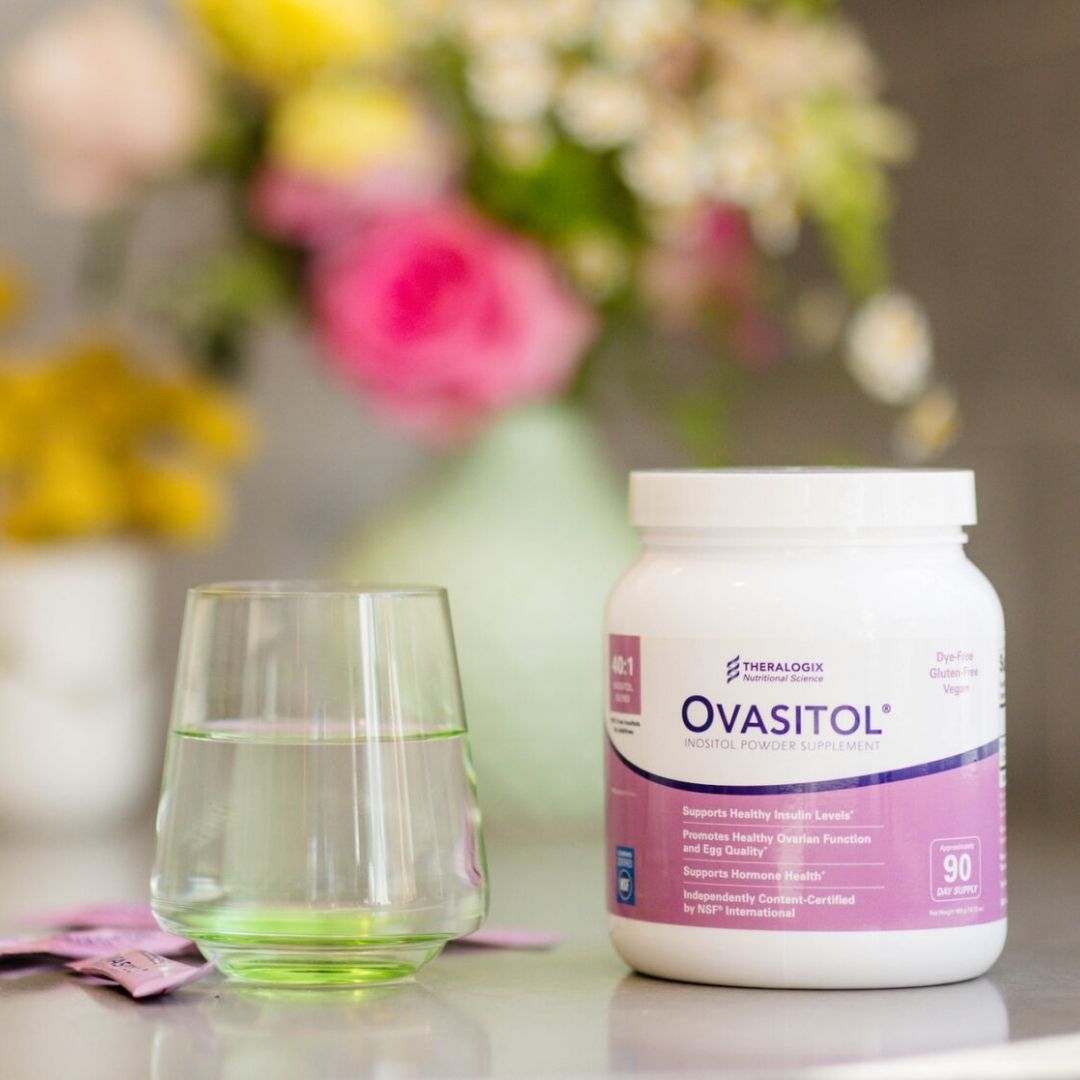
Even with a healthy diet and balanced hormones, getting all the nutrients your body needs to thrive is tough. When you throw PCOS in the mix, nutrient deficiencies are inevitable. These nutrient deficiencies could be the reason for a number of your symptoms. So, consider supplements like Inositol (my favorite PCOS supplement), Omega-3, and Vitamin D3. You can find a full list of PCOS vitamins and supplements here

Meditation 

Cysters like us have cleared big hurdles through our journey with PCOS. A lot of us probably didn’t know what was going on for years. A lot of us were probably dismissed by lots of doctors before we found the right one. Some of us may have even dealt with ridicule and doubt as we struggled to manage our weight, acne, and energy. All that past trauma and struggle can make us really hard on ourselves. 

Mediation can help you learn self-compassion and self-awareness. Sirak (my husband) and I love to use the “RAIN” system while we meditate, meaning that we recognize our negative response, allow the feeling to come, investigate the root cause, and nurture our own minds to overcome the emotions. 

This will help you release some of what you’re carrying and learn to be proud of yourself every day! Learn more in our episode of A Cyster and Her Mister where we discuss strategies for depression & anxiety

Self-Care

Reducing stress and slowing down is a huge part of getting control of your mental health and feeling like yourself again. Try engaging in your hobbies, getting out in nature, scheduling regular massages, taking baths, and journaling regularly. 

These practices will help you gain mindfulness and see the reality beyond the doom and gloom you’re feeling. Here are some tips from a PCOS mental health expert on this process, and in this episode of our podcast, you can hear about my approaches to self-care for PCOS.  

Community

The final piece of the puzzle for PCOS management is community. Knowing you have a tribe of Cysters going through the same challenges as you are so empowering! Together on The Cysterhood App, you can find healing, friendship, and, hopefully, happiness through community. 

PCOS and Mental Health Treatment
PCOS and mental health struggles go hand-in-hand, but these tips can help you find relief!

I hope these tips help you find relief from your mental health struggles. I can’t wait to hear your story when you come out on the other side of this. Be sure to browse the blog for more ways to naturally heal your PCOS and take back your life. I’m rooting for you! 

How Jaime Lost 31 Pounds with PCOS

Polycystic ovary syndrome (PCOS) is more common than we think. 1 in 10 women in the US have PCOS, imagine worldwide?! It can get so overwhelming to figure this journey out alone, especially when it’s not the easiest thing to talk about out loud. This is why Sirak (my husband & PCOS Personal Trainer) & I launched The Cysterhood App!

The Cysterhood is the one-stop spot where you can learn how to lose weight with PCOS via a PCOS Plan that has recipes, workouts and trackers. Most importantly, in the Cysterhood, we have a supportive community of like-minded women who are going through their PCOS journeys together– no matter what PCOS type they are and no matter what stage they are in.

How awesome would it be to have a go-to squad who understands what you’re going through?! From celebrating your wins to understanding your struggles.

So, in this blog post, prepare to meet our fabulous cyster, Jaime. Jaime achieved her PCOS goals in ways that will leave you feeling inspired to take your next steps. So grab your spearmint tea, and let’s dive into her empowering journey from PCOS uncertainty to triumphant self-discovery!


Jaime’s Story.

Since 2019, she has shed an impressive 31 pounds, with a remarkable 10-pound drop in the past year alone. She came to realize that weight loss wasn’t her primary goal; rather, it was about healing her body. Her journey has transformed her in more ways than one – she feels better, less stressed, more energetic, and less anxious.

In her testimony, she writes…

“My PCOS journey really started in 2019 when I stopped using birth control after 9 years because my husband and I wanted to try to have a baby.

I had no idea that I had PCOS. I gained a lot of weight in college, but I attributed that to the freshman 15, although it was more like the freshman 50 for me. So here I am, waiting and waiting for my period to come. I thought maybe it was the effects of being on birth control for so long.

So, about 6 months to a year later, right before the pandemic started, I visited my gynecologist because I hadn’t had a period since stopping birth control. She asked me if anyone had ever talked to me about PCOS. I shook my head no. She said I had enough of the symptoms to be diagnosed, had me do an ultrasound, and sent me on my way with metformin, provera, and really no other information.

I found Tallene and Sirak on Instagram and started learning as much as I could on my own. Unfortunately, my toxic trait is learning a lot and doing nothing about it. (We were also in the middle of the pandemic; it was hard times). I pretty much immediately quit taking the metformin because of all the tummy issues. I’m a counselor, and although I was working from home at the time, it’s not like I could run to the bathroom in the middle of hour-long sessions all day long.

Around 2021, since our goal was still to have a baby, my gynecologist prescribed provera and letrozole to try to make me ovulate, and after a few tries, she said she had to send me to a fertility clinic. I refused to go.

I knew I could do this on my own, so I got serious about it. I started eating more vegetables and lean protein. I started working out. It was short-lived; however, I was eating healthy maybe half the time and the other half just shoveling sweets in my mouth because I love them so much to the point where I would feel sick.

In 2022, in order to convince my husband to go to the doctor about his sleep apnea, I agreed to also go and do a check-up. After my blood work came back, I was diagnosed with type 2 diabetes. I was shocked. I had no idea that I could develop diabetes because I wasn’t managing my PCOS. I wasn’t really managing anything. I was still bloated, still plucking chin hairs, but now diabetes? That scared the bejeebus out of me, and I hit it hard again. Healthy food, exercising, checking blood sugar.

I had no idea what I was doing, honestly. After more research on my own, I was able to get a continuous glucose monitor and really understand how my body reacts to food. I eat more protein now, a lot fewer carbs, and a lot more veggies as well. I’ve learned that balance is key. Consistently decent is better than striving for perfection in the short term.

And here are my results!

I’ve continued to listen to the Cyster and Her Mister podcast. I’ve gotten my A1C down to 5.7. We did end up going to the fertility clinic, but unfortunately, still have not gotten pregnant, but we haven’t given up. Since 2019, I’ve lost 31 pounds, with at least 10 of those being just in the past year. I’ve come to realize that I didn’t lose weight when I tried to lose it, but I did lose weight when I tried to heal my body. Everything is better now.

I feel better, I’m less stressed, I’ve got more energy, I’ve got less anxiety, and I’ve slimmed down. I still have some issues like the few black chin hairs, being bloated at times, and still having that stubborn fat around my midsection, but I’ve gotten significantly better and still have room to grow. I’m thankful to have learned all I have so far. Luckily, my diabetes was at a point where I didn’t need medication and it could be reversed.

My mother was diagnosed with uterine cancer in 2022 and had a complete hysterectomy. I’m convinced she has PCOS too and didn’t realize it, and that’s why she developed cancer. Luckily, they caught it early, and she’s perfectly fine now. Tallene recently did a podcast about the dangers of untreated PCOS, and let me tell you, 25-year-old me would have thought none of that could happen to me.

Nearly 30-year-old me knows better now. I really appreciate her & Sirak’s ability to be real on a platform that reaches so many people. I was inspired to download The Cysterhood App and have never looked back since.

Y’all take care of your bodies! It’s the only one you get.”

– Jaime

Jaime’s journey is a powerful reminder that with determination, support, and the right resources, you can conquer the challenges of PCOS and lose weight. Her transformation is an inspiration to us all, and it’s a testament to the strength of our Cysterhood community. I am so proud of my Cyster!

Remember, you’re not alone in this journey, and together, we can support each other toward a healthier, happier life.

For more tips on how to lose weight with PCOS, check out our podcast, A Cyster and Mister, and download our app, The Cysterhood App!

Pros and Cons Of Removing Ovaries For PCOS

Polycystic ovary syndrome (PCOS) is one of the most common disorders affecting women of childbearing age. It’s characterized by serious hormone imbalances that can disrupt the functioning of almost every part of the body. This leads to symptoms like irregular periods, cystic ovaries, weight gain, acne, infertility, excess hair growth on the face, head hair loss, mood swings, and more. 

The effects of PCOS can also lead to long-term complications like type 2 diabetes, high blood pressure, cardiovascular disease, and ovarian cancer if left untreated. Though there isn’t a pill you can take or a surgery you can have that gets rid of your PCOS, there are ways of managing it! 

At PCOS Weight Loss and on the A Cyster and Her Mister podcast, we discuss how to reduce insulin resistance, ease inflammation, and balance hormones to naturally reverse your PCOS symptoms. However, some procedures can be done when symptoms or risk factors are severe.

One of those procedures is an oophorectomy, which is a surgery that involves removing the ovaries and sometimes the fallopian tubes. This surgery has pros and cons for women with PCOS, so I am dedicating this post to discussing the benefits and drawbacks of an oophorectomy to help you make an informed decision about your treatment. 

Here’s what you need to know:

Pros And Cons Of Removing Ovaries for PCOS

Pros and Cons Of Removing Ovaries For PCOS

When you’re considering any medical procedure, it’s important to weigh the pros and cons. Few things come with no side effects or drawbacks, so doing your own research is always a smart plan. I’ll be discussing mainly what’s called a “bilateral oophorectomy,” which means a surgery that removes both ovaries, but there are other types of oophorectomies too:

  • Unilateral Oophorectomy: When one ovary is removed
  • Bilateral Oophorectomy: When both ovaries are removed 
  • Salpingo-Oophorectomy: When one ovary and one fallopian tube are removed
  • Bilateral Salpingo-Oophorectomy: When both ovaries and fallopian tubes are removed 

These procedures are used for a specific purpose, but I want to note that no oophorectomy will cure PCOS. Below, I’ll show you why people choose to do it. Then, we’ll get into the cons.

Pros Of Removing Ovaries for PCOS

Pros Of Ovary Removal For PCOS

Reduced Risk of Ovarian Cancer 

The main benefit of removing the ovaries is reducing the risk of ovarian cancer by 85%. Many women with PCOS who also have a family history of ovarian cancer consider an oophorectomy for this very reason, and I get it, cancer is one of the scariest parts of having PCOS. 

Removing the ovaries can even help with breast cancer too, reducing the risk of that by 72%. These decreased risks of cancer are one of the primary reasons Cysters consider an oophorectomy. 

Decrease Pelvic Plain

Another reason for this procedure is pelvic pain. Oophorectomies have been shown to help reduce this pain when combined with other treatments like hormone replacement therapy.  

No Future Ovarian Cysts 

Without ovaries, there are no ovarian cysts! Ovarian cysts are extremely painful and they can definitely lower a Cyster’s quality of life. With an oophorectomy, a woman with PCOS will not have ovarian cysts. 

Cons Of Removing Ovaries for PCOS

Cons Of Ovary Removal For PCOS

No Future Pregnancies

One of the biggest drawbacks of removing the ovaries is the fact that you’ll no longer be able to bear children. Some Cysters are already past this stage in their life and the loss of future pregnancies isn’t a big deal. However, it’s important to realize that an oophorectomy totally closes that door. 

If you get a unilateral oophorectomy, it won’t be impossible to get pregnant, but fertility will be significantly reduced. Since many women with PCOS already struggle with infertility, pregnancy after any type of oophorectomy can seem impossible. 

Increased Risk of Heart Disease

Another significant con of an oophorectomy is the increased risk of heart disease. Research shows that women are 8% more likely to die from coronary artery disease after 55 if they’ve had an oophorectomy. If you remember, women with PCOS are already at a greater risk of cardiovascular disease than healthy women, so this is definitely a concern. 

Loss of Natural Hormone Production

The female reproductive system is responsible for a lot of natural hormone production. When you eliminate the ovaries, obviously your endocrine system is going to be negatively affected. Because of this, Cysters who undergo oophorectomies participate in hormone replacement therapy after surgery. 

If you’re a woman living with PCOS, chances are you’ve dealt with the side effects of hormone imbalance for most of your life, so surgery that worsens that imbalance can be a huge downside. Though HRT can help build and maintain some hormone balance, I still consider this loss of natural production a big detractor of ovary removal surgery—especially since this therapy has to continue until at least age 50.  

There are many viable ways Cysters can restore hormone balance totally naturally through diet, exercise, lifestyle, and mindset changes, but not if you don’t have the biological ability to produce your own hormones. So, oophorectomies take away the possibility of natural healing, and synthetic measures have to be taken to get hormones back on track.  

Decrease in Cognitive Function 

Estrogen is one of the primary hormones HRT manages for a Cyster who has had ovary removal surgery. This is because, without the ovaries, estrogen deficiency post-surgery is common. If you’re a Cyster with estrogen dominance currently, this may sound like a good thing, but it’s nothing to celebrate. 

Though estrogen therapy can replace some or all of the estrogen you need until menopause, many women still experience side effects. One of the main symptoms of estrogen deficiency is cognitive decline, including things like memory, mental control, reasoning, and attention. There are even studies that show estrogen deficiency could increase your risk of dementia

Increase Risk of Hip Fracture

Another symptom of estrogen deficiency is decreased bone mineral density. This increases the risk of all types of bone breaks, but research has found a specifically significant increase in hip fractures after women go through ovary removal surgery. In fact, Cysters without their ovaries are 32% more likely to have hip fractures post-menopause than those who have their ovaries intact. 

Deterioration of Sex Life 

Lots of women report issues with their sex life after having ovary removal surgery. Sexual function, pleasure, and desire are often all affected by an oophorectomy. This has then even snowballed for many Cysters into issues of self-esteem and depression. Which makes sense- this is a significant loss as a result of ovary removal surgery. 

The issue comes from a lack of hormone production of both estrogen and androgens (two of our main sex hormones.) Even women participating in HRT still report issues with sexual function and sexual pleasure. This usually continues into menopause when hormone replacement therapy stops. This means sex life issues often become permanent problems for women post-ovary removal surgery. 

Premature Menopause

Menopause happens naturally around 51. However, when you have ovary removal surgery, you actually experience instant “surgical menopause.” This actually rolls into several menopausal symptoms, including hot flashes, mood swings, sleep problems, headaches, and more. For women already experiencing issues with symptom management with their PCOS, adding menopausal symptoms to the mix can feel super overwhelming! 

What You Need to Know About Hormone Replacement Therapy (HRT)?

Since the ovaries play such a big role in hormone production, you’ll need HRT starting immediately after surgery. Without it, you may experience intense “surgical menopause” symptoms. HRT helps maintain hormone balance and can relieve some of the cons mentioned above by supporting bone density, preventing vaginal dryness, stabilizing mood, and helping regulate metabolism.

However, HRT definitely isn’t a perfect replacement for the ovaries. Many women still experience side effects and struggle to find the right dosage. Libido, cognition, and energy levels can remain challenging for some Cysters post-oophorectomy, even with consistent hormone therapy.

This is important to take into consideration, because oophorectomy can provide relief for some women with PCOS… but others may see a spike in certain symptoms. Relying on synthetic hormones instead of your body’s natural production isn’t always ideal. Before choosing surgery, consider every option available to you and think carefully about what aligns with your long-term goals, health needs, and desired quality of life.

Ovary removal surgery has benefits and drawbacks you need to know about before you make a decision. 

Ovary removal surgery is not a PCOS treatment or cure. It does eliminate one or two risk factors, but it introduces a variety of other concerns that may have you reconsidering your oophorectomy decision. Whatever you’re thinking, make sure you meet with your doctor to discuss your situation and family history. 


If you’re a woman dealing with PCOS, you’re not alone! The Cysterhood App is full of women like you who want to take charge of their lives and reverse the effects of PCOS. The app has the exercises, meal plans, and lifestyle changes you need to help you naturally heal your PCOS. You can find even more info on the PCOS Weight Loss blog and on my podcast! With community and the right moves, you can reverse your PCOS and take back your life.

Apple Cider Vinegar For PCOS

Women with polycystic ovarian syndrome (PCOS) are in a battle with hormone balance. PCOS is a complicated disorder that the medical world hasn’t learned much about yet. The mystery around PCOS has left up to 70% of cases undiagnosed, and women who are diagnosed often aren’t given many good solutions to their difficult symptoms. 

Though there is no cure, there are actually a lot of natural ways to heal PCOS and reverse the effects of the symptoms. This is great news because it means many Cysters can take charge of their PCOS without harsh medications that have lots of potential side effects!

You can find a good list of natural remedies for PCOS on the blog, but today I’m zeroing in on a common household pantry item and how it can help you with a few of your recurrent symptoms. Today, I’m talking about apple cider vinegar! 

Apple Cider Vinegar For PCOS

Apple Cider Vinegar For PCOS

There are lots of uses for apple cider vinegar from cleaning to cooking, but did you know there are some science-backed benefits of apple cider vinegar for PCOS too? It’s true! Apple cider vinegar is just fermented apple juice, which makes it antimicrobial and antioxidant. 

It’s been used for centuries in natural medicine, and there is now scientific evidence that apple cider vinegar may be a natural remedy for some common PCOS symptoms. Here’s what you need to know about apple cider vinegar and PCOS: 

Apple Cider Vinegar Benefits For PCOS

Apple Cider Vinegar Benefits for PCOS

Helps improve insulin sensitivity.

One of the most common symptoms of PCOS is insulin resistance. This is when your cells don’t process glucose well. And, instead of being converted to energy, sugar is absorbed into the bloodstream, causing high blood sugar levels. This is what happens in people who are type-2 diabetics as well! 

So, for people with insulin-resistant PCOS, improving insulin sensitivity is a top priority for symptom management and reducing the risk of long-term complications. Luckily, apple cider vinegar has been shown in multiple studies to help reduce blood sugar levels, manage blood sugar spikes, and increase insulin sensitivity

Helps reduce blood pressure. 

Research shows that acetic acid inside of apple cider vinegar can help reduce blood pressure. It probably does this by making an enzyme called renin less active and improving calcium absorption. Both lowered renin activity and better calcium absorption seem to have a direct effect on lowering blood pressure! 

Cysters are three times more likely to have high blood pressure than a healthy person, so blood pressure management is definitely a priority! High blood pressure could be causing symptoms like headaches, dizziness, nausea, vision problems, anxiety, nosebleeds, and abnormal heart rhythms. It could also put you at a high risk of cardiovascular disease, so finding solutions is important to your healing process. 

Helps improve ovulation and regulate periods.

Since PCOS is primarily hormonal, it can really disrupt your menstrual cycle. You may be all too familiar with irregular, heavy, and even painful periods. Of course, the disruption of your period also affects ovulation, meaning many women with PCOS (up to 80%) experience infertility

However, apple cider vinegar has been shown in early studies to potentially help with period regulation and improved fertility. (Again, these are small, new tests that need more corroboration, but it’s hope!) It’s thought that this improvement is related to apple cider vinegar’s blood sugar and blood pressure benefits since insulin resistance has an effect on periods

Like other symptoms on this list, apple cider isn’t a cure-all that’ll take care of your irregular menstrual cycles on its own, but it’s a great support to other natural period-regulating methods that you can read about in this post

Helps lose weight.

Many Cysters struggle to lose weight. This is because insulin resistance causes our body to constantly store sugar that’s broken down from the food we eat, as fat. Even when working out and eating better, lots of women still have a hard time getting to a healthy weight. Since apple cider vinegar can help with insulin sensitivity, it can aid in weight loss as well!

For more ways to overcome weight loss challenges with PCOS, check out this post, 12 Tips to Lose Weight with PCOS, and download The Cysterhood App which has a whole collection of workouts and recipes specialized for PCOS weight loss. 

Helps with yeast infections.

Beyond the health benefits of consuming apple cider vinegar, there are positive effects from application too. Apple cider vinegar diluted in a warm bath can help with yeast infections. The acidic nature of apple cider vinegar can help kill yeast and other harmful microorganisms. 

The relationship between PCOS and yeast infections isn’t completely known, but scientists think that insulin resistance, medication, stress, and/or hormone imbalance could be to blame. Apple cider vinegar is one of a few natural remedies to assist with yeast infections. You can learn more about those solutions HERE

How to Use Apple Cider Vinegar For PCOS

How To Use Apple Cider Vinegar For PCOS

Bath in apple cider vinegar. 

To help with yeast infections, you could use apple cider vinegar in a bath! 

Just add half a cup of apple cider vinegar to a full bath and soak for 20 minutes. 

Take an apple cider vinegar supplement. 

It’s not pleasant for anyone to consume apple cider vinegar. The flavor takes getting used to! 

However, you can get the same benefits from an apple cider vinegar supplement. For more natural healing solutions, read this post on the best natural supplements for PCOS.

Dilute apple cider vinegar in water. 

For this method, mix 1-2 tablespoons of apple cider vinegar and 1 cup of water. (Make sure it’s always diluted.) Once you have your mixture, drink up! 

The best time to have your apple cider vinegar water is before bed or before a big meal. 

Make apple cider vinegar mocktails. 

Drinking apple cider vinegar can be a little fun if you make it into a mocktail! 

For a few tasty apple cider vinegar detox mocktail recipes, check out this post!

Apple cider vinegar may be helpful in alleviating PCOS symptoms! 

Studies seem to suggest apple cider vinegar has plenty of positive effects for women with PCOS! However, apple cider vinegar shouldn’t be used exclusively for PCOS management, and, as always, contact a doctor before starting a new supplement or routine. You can learn more about my thoughts on apple cider vinegar in this episode of A Cyster and Her Mister

For more natural healing tips, head to the PCOS Weight Loss blog! There, you’ll find even more natural healing methods as well as valuable information on PCOS that’ll help you make the right treatment choices for your body. Symptom relief is around the corner, Cyster!