
🧬 What’s Your PCOS Type? Take the Quiz →

Does PCOS Cause Vaginal Dryness?

When you find out you have polycystic ovary syndrome (PCOS), a lot of questionable symptoms suddenly make sense. Since it’s a hormonal disorder that impacts the whole body, PCOS often explains the cause of many of your chronic issues! There are obvious PCOS symptoms including irregular periods, weight gain, infertility, facial and body hair growth, and acne. However, your diagnosis may have you wondering if other problems you’ve been having could be linked to polycystic ovarian syndrome (PCOS), too.

As I mentioned . . . because PCOS leads to hormonal imbalance, inflammation, and insulin resistance, it can cause side effects all over the body. One of the more unusual (but not uncommon) symptoms of PCOS a Cyster like you may encounter is vaginal dryness! 

Today, I’m going to explain what vaginal dryness is, how PCOS causes it, and what you can do about it. Here’s what you need to know:

does pcos cause vaginal dryness

Does PCOS Cause Vaginal Dryness?

Often women with PCOS have imbalanced sex hormones, which is why so many of the well-known symptoms have to do with menstruation and fertility. Because of this, PCOS can also cause problems with sexual health like low libido, pain during sex, difficulty reaching orgasm, and vaginal dryness. We’re talking vaginal dryness today! And, for more on PCOS and your sex life, listen to this episode of A Cyster and Her Mister podcast

What is Vaginal Dryness?

Vaginal dryness is when the tissues in the vagina become thin, dry, and less elastic because of low estrogen levels. This can affect your sex life because it can make sexual intercourse painful and lower your sexual desire. Still, it can also cause general discomfort, itching, and burning when urinating, exercising, or even just sitting. It’s nothing any woman should have to deal with and it definitely shouldn’t be ignored! 

what does vaginal dryness feel like

What Does Vaginal Dryness Feel Like?

If you’re not positive if you’re experiencing vaginal dryness, look at these common sensations to see if any of them sound familiar: 

  • Your vagina feels dry and there’s a lack of natural lubrication. 
  • You have a persistent or recurring itching sensation in and around the vagina. 
  • Your vagina burns, especially when peeing. 
  • Your vagina feels tight
  • Throughout the day you feel pain and discomfort in and around the vagina, especially when sitting, exercising, or during sexual activity. 

Can PCOS Cause Vaginal Dryness?

Yes! It’s not at all uncommon for Cysters to experience vaginal dryness. Estrogen is responsible for maintaining the health and elasticity of vaginal tissues by promoting blood flow and the production of natural lubricants. However, often with PCOS, these female hormones are low.

Beyond low estrogen, high androgens (male sex hormones) also contribute to vaginal dryness! These high male hormone levels counteract the effects of estrogen, further reducing the production of estrogen and natural vaginal lubricants necessary for a healthy vagina. 

How To Treat Vaginal Dryness When You Have PCOS

Cut out estrogen disruptors. 

Estrogen disruptors, AKA endocrine-disrupting chemicals (EDCS) are substances that we consume or come into contact with that can actually mimic estrogen and block its normal functioning in our bodies. So, the estrogen we do have can’t do its job to maintain our sexual and reproductive health. 

The solution? Try to avoid estrogen disruptors! They’re often found in things like plastic bottles, plastic wraps, cosmetics, beauty products, household cleaners, pesticides, flame retardants, and nonstick cookware. To cut them out, opt for glass, stainless steel, and ceramic materials over plastic. And for cleaning supplies, look for natural cleaners without synthetic fragrances. When buying food, look for organic, fresh food without plastic packaging. Try to make small changes every day and you’ll likely see a difference in your symptoms long-term! 

For more on this, listen to the episode of A Cyster and Her Mister called How to Remove PCOS Endocrine Disruptors

Take helpful supplements. 

It’s also a good idea to take supplements (once you’ve discussed them with your doctor) that can help raise estrogen, lower testosterone, and promote overall hormone balance. Here are some of the best supplements to do just that:

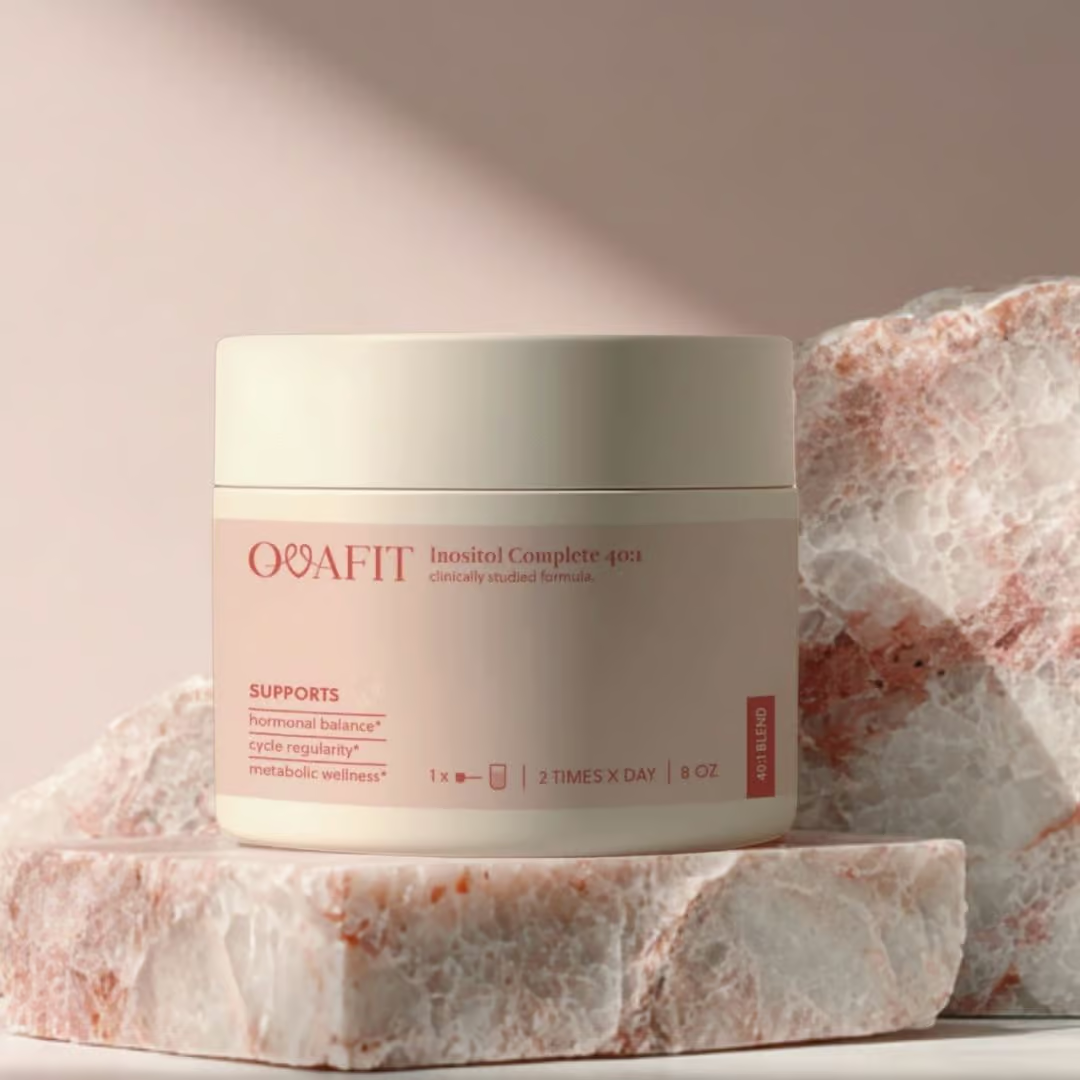
This might sound like a tall order, but don’t stress by heading straight to the vitamin aisle at the pharmacy! My Ovafit supplement line makes it easy to get everything you need to target PCOS symptoms like vaginal dryness. You can also simply sign up for regular deliveries of Inositol Complete and Metabolism Plus bundle to get all of these beneficial nutrients and more to support hormone balance and PCOS management!

metabolism plus supplements

Reduce stress levels. 

When we’re stressed, it’s not just a mental experience, it’s actually a physiological one! As you experience stress, your body goes into emergency mode and your cortisol levels rise. Cortisol is also known as the stress hormone for this reason. Our body raises these cortisol levels to protect us from the perceived “emergency/survival” situation we’re facing . . . even if we’re just stressing about a job interview or what to cook for dinner. 

As cortisol levels rise, it throws several other hormones off balance. Stress interferes with the production and metabolism of estrogen, lowering your estrogen levels and reducing its functioning. Additionally, stress can hinder the communication between your brain and your endocrine system, causing your androgen levels to rise. So, basically, stress can make all things with PCOS feel worse. 

Focus on lowering stress hormones by doing low-impact exercises, getting out in nature, meditating, practicing self-care, and reducing your mental load. Your mind and body will thank you! 

Drink herbal tea and prioritize certain herbs. 

Herbs have been used for thousands of years to help with a variety of hormonal struggles. But, this is more than ancient medicine. Research also backs up the health benefits of some herbs for many symptoms of women’s health! A good place to start is with my Testosterone Relief Tea, which is an herbal tea blend that combines the health benefits of many herbs to lower testosterone levels! 

herbal tea

Other herbs that can help balance estrogen and testosterone include:

  • Saw palmetto
  • Chinese peony
  • Black cohosh
  • Licorice root
  • CInnamon
  • Chaste tree 
how to treat vaginal dryness when you have pcos

Try an anti-inflammatory, gluten- and dairy-free diet. 

Diet has a huge impact on your hormone levels, so to combat vaginal dryness and other symptoms of low estrogen and high androgens, start making changes in the kitchen. Opting for an anti-inflammatory, gluten- and dairy-free diet can help reduce inflammation and insulin resistance that worsens hormonal imbalances while supporting overall adrenal health. Trying it for 30 days is a great way to see if works well for your body!

You can find PCOS-friendly recipes and meal plans on The Cysterhood app . . . and, I promise, you don’t have to give up your favorite foods! 

PCOS diet

Do slow-weighted, low-impact exercises. 

As I already mentioned, exercise is great for stress relief, but it’s actually great for overall hormone health, too! It can directly improve insulin sensitivity and high androgen levels, which is great for sexual and reproductive health including vaginal dryness. Plus, it can have indirect effects on estrogen by supporting overall hormone health and stress reduction.  

It is important to do the right type of workouts when you have PCOS. I recommend low-impact, slow-weighted workouts to achieve your goals because they help to target the root causes of our hormonal imbalances. You can find tons of PCOS workout videos to follow on the app

 low-impact exercises

Get better sleep. 

When we sleep, our body does all sorts of things to maintain our health. This is why we feel like crap if we don’t sleep well, right? One of the primary processes our body does while we sleep is to manage the production and metabolism of hormones. So, when we don’t sleep well, we’re more likely to have even more imbalanced hormones, specifically high androgens, high cortisol, and low estrogen. 

I know getting a good night’s sleep can be hard with PCOS, but work on improving your sleep hygiene to get a more restful 8 hours. You’ll likely see big changes in your hormone health and sex life!  

Seek the help of a medical professional. 

If you aren’t seeing improvements in your vaginal dryness or other PCOS symptoms after about 30 days of making these small lifestyle changes, don’t hesitate to bring that up with your doctor to discuss treatment options. 

PCOS can cause vaginal dryness, but a few lifestyle changes can reverse this symptom and others, too! 

Living with PCOS can be difficult. The list of chronic symptoms is LONG and often doctors don’t give us many hopeful options. Though there is no cure for PCOS medically, there is plenty you can do to naturally heal your body and reverse your symptoms. 

You can find out all about how to start thriving with PCOS on the PCOS Weight Loss blog. If you need a good place to start, read this post on How to Lower Testosterone! Let’s take back your life and health, Cyster! 

Are There Inositol Side Effects?: What You Need to Know Before Using It

There are a number of prescriptions commonly prescribed for polycystic ovary syndrome (PCOS). You’ve probably heard of plenty of them, and you may have even tried some! Medications like birth control pills, clomid, metformin, and spironolactone can all mask some symptoms of PCOS . . . but none of them get to the root issue and all of them have side effects. 

Despite the downsides, many people with PCOS feel like they have to take prescription drugs to increase their quality of life and reduce the risk of long-term complications like type 2 diabetes and heart disease. However, that’s not our only hope! 

A combination of a balanced PCOS diet, slow-weighted exercise, improved sleep, and other lifestyle changes like taking natural nutrition supplements can get to the root of a Cyster’s health condition to actually reverse PCOS and allow you to live symptom-free with PCOS! 

One of the best supplements you can take as a woman with PCOS is Inositol. In fact, research shows it’s MORE effective than metformin and other PCOS medications without the difficult side effects . . . but that brings up the question: are there any side effects of taking inositol?

Let’s get into it:

are there ovasitol side effects

Are There Inositol Side Effects?

Studies have shown Inositol can work wonders on a PCOS body! It gets to the root of the problem by increasing insulin sensitivity, reducing inflammation, and balancing hormones. This means research shows that myo-inositol and d-chiro-inositol can relieve PCOS symptoms like irregular menstrual cycles, weight gain, acne, mood swings, hirsutism, hair loss, fatigue, and infertility while lowering high blood sugar levels, improving ovarian function, and bettering your mood. It’s a powerful natural supplement that has been shown to help women thrive with PCOS long-term

What Is Inositol?

Inositol is a dietary supplement that contains a combination of myo-inositol and d-chiro-inositol in a 40:1 ratio, which is designed to support healthy insulin and hormone levels! It’s often used by individuals with polycystic ovary syndrome (PCOS) to help manage symptoms and improve overall reproductive health without the side effects of common PCOS medications.

Benefits of Inositol

  • Improves insulin sensitivity
  • Promotes menstrual regularity
  • Balances cholesterol
  • Supports weight loss goals
  • Boosts mood and energy
  • Reverses hair loss and hirsutism
  • Improves skin health and relieves acne
  • Betters thyroid functioning
  • Increases pregnancy rates, improves fertility, and reduces the risk of pregnancy complications like gestational diabetes

Does Inositol Have Side Effects?

For the most part, Inositol is pretty well tolerated by people who take it! That’s often why I’ll say it’s side effects-free. However, there are some women who don’t tolerate it as well, especially when it is not taken as instructed (for example, with a meal).

Usually these symptoms are still pretty mild compared to the prescriptions, but in rare instances symptoms can be severe. If that happens, call your doctor right away and stop taking Inositol. Again, it’s rare to have symptoms!

side effects  of ovasitol

What Are The Side Effects Of Inositol?

Common Side Effects
  • Diarrhea 
  • Nausea
  • Upset Stomach 
  • Headaches
  • Mild Itching or Skin Irritation 
  • Loss of Appetite 
Rare Side Effects 
  • Allergic Reactions 
  • High Blood Sugar 
  • Liver Problems 
  • Muscle Pain or Weakness
  • Chest Pain or Pressure 
  • Dizziness or Fainting 
  • Shortness of Breath 
  • Excessive Sweating 
how to take ovasitol with pcos

How To Take Inositol With PCOS

Get Theralogix Inositol Powder from Ovafit. 

First of all, you need to find great quality supplements that will work with your PCOS body! There are plenty of inositol powder supplements out there that are not in that 40:1 ratio and do not include myo-inositol and d-chiro-inositol, which is what you need as a woman with PCOS!

So, go with one of the only 40:1 inositol supplements that is independently tested and certified by NSF International. On my supplement website, Ovafit, you can get a 90-day supply Inositol Complete 40:1 that’s perfectly formulated for Cysters like you (and me!) P.S. The supply includes 90 single serving packets at a dose of 4,000 mg, because it usually takes 3 months to see serious results. But most women see results better than what they received with prescription medications!

What makes Inositol different than other inositol supplements is that it’s made for women with PCOS. If incorporating inositol into your supplement routine, get the option you know is made for you and your unique body.

hand pouring a packet of ovasitol in a glass of water

Put one scoop or packet into a non-carbonated hot or cold drink. 

There are two options when you buy Inositol: You can grab loose powder or individually portioned packets. Simply put one scoop or one packet in 8 oz. of your favorite non-carbonated hot or cold drink. It’s flavorless, so it shouldn’t impact your experience at all!

Take it twice a day at breakfast and lunch. 

Do this twice a day at breakfast and lunch. You can put the powder in your water, tea, smoothie, latte, or mocktail! On The Cysterhood app, you can find plenty of Inositol-friendly drink recipes like the Peach Mint Tea Cooler, Frozen Coconut Raspberry Mocktail, Lemon & Strawberry Refresher, Gingerbread Latte, Raspberry Rose Smoothie, and more! Download it to find the refreshing drink that’ll make your daily dose of Inositol with something you actually enjoy (minus the ingredients that would have triggered your symptoms)! 

Inositol in foods

Eat foods that are high in inositol too! 

Inositol is found naturally in plenty of foods… it’s just hard to get enough to make a big impact on our PCOS. However, if you’re already taking a supplement, eating additional nutrient-dense options is a great way to further support your body. Here are some foods that are high in inositol to add to your meal plan. 

Stay committed to taking it to see results!

It can take up to 3-6 months to see a change in your PCOS symptoms (that’s why it comes in a 90 day supply). So, staying consistent and committed is key! Work on making it a part of your daily routine and as long as you stay symptom free, keep taking it at least long enough to see results. 

Tallene mixing ovasitol in her glass of water
Inositol is usually side effect free, but there are a few potential side effects to look out for when you don’t take it correctly!

PCOS can be difficult to deal with. Unfortunately, we are often handed prescriptions and told to lose weight. This “treatment” can be really unhelpful and result in negative side effects from medications on top of chronic PCOS symptoms. This is why I encourage my Cysters to try naturally healing their PCOS using diet, exercise, supplements, and a few other lifestyle changes. 

Supplements are one of the best next steps to healing. They’ll give your body support as you make other changes to hopefully get your body back to thriving as it should, without the hormone balance, inflammation, and insulin resistance! You can find more PCOS-friendly supplements for healing on the Ovafit website! And, don’t forget to tune in to A Cyster and Her Mister Podcast and keep up with the weekly insights shared here on the blog

How To Track Ovulation With Irregular Periods From PCOS

One of the first signs of PCOS is irregular periods. Most of us Cysters realize there’s a problem when we’re teenagers and our cycle length is 35 days or longer. Of course, this can be inconvenient, but it’s also a sign that other things might not be right inside your body! The same root issues that are causing your irregular menstrual cycles are likely causing your other chronic PCOS symptoms, too! 

However, when you decide you want to have a baby, irregular periods aren’t just annoying– they’re getting in the way of optimal fertility. This is because ovulation with irregular periods is hard to track and sometimes doesn’t even occur at all. To conceive, you NEED to know when you’re ovulating! 

So, today, I’m going to discuss how exactly ovulation tracking works with irregular periods! If you’re careful about monitoring your menstrual cycle and can identify ovulation, your chances of getting pregnant are much better.

Here’s what you need to do:

How To Track Ovulation With Irregular Periods From PCOS

How To Track Ovulation With Irregular Periods From PCOS

Periods with PCOS are a struggle for many of us Cysters. Many of the root issues of PCOS domino into symptoms impacting your period, fertility, and overall women’s health. Heavy, painful, and irregular (and even non-existent) periods are all super common with PCOS! Understanding the factors impacting your cycles can help you regulate your periods, ovulate consistently, and achieve your health goals! 

what causes irregular periods

What Causes Irregular Periods with PCOS?

  • Elevated Androgens and Other Reproductive Hormones
  • Insulin Resistance 
  • Obesity 
  • Stress
  • Thyroid Problems 
  • Medications 
  • Polycystic Ovaries 

Do Irregular Periods Affect Ovulation? 

Definitely! When your period isn’t regulated, ovulation may happen at irregular intervals (making it hard to predict), or you may not ovulate altogether! Beyond infrequent or absent ovulation, irregular periods can also worsen egg quality, increase insulin resistance, and prompt cysts to grow on the ovaries. All of this makes conceiving and carrying a child difficult for Cysters! 

how to track ovulation with an irregular period

How To Track Ovulation With An Irregular Period

Understand the menstrual cycle. 

Before you can track your ovulation, you need to understand your period. There are four stages of your menstrual cycle: your period, the follicular phase, ovulation, and the luteal phase. If you can keep track of where you are in the cycle, it’ll make predicting ovulation much easier! 

Use period-tracking apps. 

Most women track their periods using an app. If your period is regular, a period-tracking app can give you a really good predictor of where you are in the menstrual cycle. However, women with irregular periods may find these apps less reliable. When your period and ovulation occur at different times every month, the app won’t be able to distinguish patterns and therefore isn’t a very reliable method for tracking on its own.

That being said, our goal as Cysters is to heal our PCOS and regulate those periods through lifestyle changes! Even if you’re at the beginning of your PCOS journey, I recommend you still use an app and log when you get your period starts. This way, you’ll hopefully be able to track patterns and any improvements you’re making in getting your period back on track. Plus, a lot of these apps have technology that adjusts the cycle length and other aspects of its predictions based on the data you input. So, on the first day of your period, log that date and start tracking your cycles each month!

Keep an eye on your cervical mucus. 

During each phase of the menstrual cycle, different things are happening internally. Because of this, our bodies produce different types of discharge (AKA cervical mucus). If you pay attention to the color and texture of the discharge, you can get a good indicator of where you are in the menstrual cycle! Here’s our guide: 

  • Menstruation: Of course, what you’ll experience more than anything during your period is bleeding! However, just before or right after the bleeding, you may have brownish or reddish discharge. 
  • Follicular Phase: Right after your period, your discharge may be white and sticky or slightly damp. Closer to the end of the follicular phase, the cervical mucus will thicken up and turn more creamy in consistency. Expect it to be wet and cloudy. This means you’re getting more fertile! 
  • Ovulation: Your discharge will become the consistency of raw egg whites stretchy and clear. This is when you know you’re ovulating!
  • Luteal Phase: Once that thicker mucus goes away, the mucus will become more dry or sticky. The color will likely be white or yellow. Then, the cycle starts over again! 

Track your basal body temperature (BBT). 

Cervical mucus is a good indicator of where you are in your menstrual cycle, but it can still be difficult for some women to track. Plus, you won’t be able to determine exactly when you ovulate you’ll just know your general fertile window. 

To get a better indicator of when ovulation occurs, track your basal body temperature! Using a special basal thermometer, take your temperature every morning before getting out of bed at exactly the same time. Your temperature will stay pretty consistent until ovulation, where you’ll see a slight drop in temperature. Then just after ovulation you’ll see the temperature rise up to 1 degree higher than normal.  

By tracking when the temperature drops slightly, you can get a pretty accurate read on when you’re ovulating (which is the ideal time to conceive!) Seeing that temperature rise again will show you did, in fact, ovulate, which is also great for tracking purposes.

Test luteinizing hormone (LH) and pregnanediol glucuronide (PdG) regularly. 

You may be asking: “But is there a way to know 100% that I am ovulating?” YES! Ovulation predictor kits (OPKs) use urine sticks (like pregnancy tests) to measure hormones that indicate whether or not ovulation is occurring. 

When your cervical mucus and basal body temperature indicate you may be ovulating or entering that fertile window, it’s time to start testing! An ovulation test will measure the luteinizing hormone (LH) that will rise during the start of your fertile window, peak at ovulation, and then taper off again. How dark the dye is on your test will give you an indication if you’re moving toward ovulation, ovulating, or moving away from ovulation. It’s the best way to know when it’s time to try conceiving! 

That being said, sometimes women with PCOS experience that spike in luteinizing hormone (LH), but due to other hormonal imbalances, still don’t ovulate. The egg doesn’t release and attempts at conceiving won’t be fruitful. So, it’s a good idea for Cysters to also track pregnanediol glucuronide (PdG) after you believe you ovulated. This test will confirm your body not only produced the hormones to ovulate, but an egg was actually released and ovulation did occur. 

There are ovulation predictor kits (OPKs) at all price ranges, but I recommend the Predict & Confirm Kit from Proov that provides tests for LH and PdG. 

Work towards regulating your periods.

At the end of the day, if your periods are irregular, tracking ovulation is hard! Plus, the abnormal menstrual cycles are an indication of other fertility problems and internal issues, including hormonal imbalance, inflammation, and insulin resistance. Luckily, you can reverse all these issues using natural methods like adopting a PCOS-friendly diet, taking the right supplements, and committing to small lifestyle changes

The Cysterhood app

For all the best PCOS resources, recipes, and workout routines, download The Cysterhood app and browse the blog for everything you need to know about how to create a life where you thrive even with PCOS! To get you started, begin tracking your period month-to-month and jump into A Cyster and Her Mister Podcast episodes, as well as these blog posts: 

There are lots of ways to successfully track ovulation with irregular periods!

There’s no doubt that one of the most difficult symptoms of PCOS for many Cysters is infertility. When you long for a baby, there’s nothing harder than realizing your body is working against you or doctors giving you more bad news. But I’m here to assure you, there is hope! We’ve helped so many women in The Cysterhood app have healthy pregnancies through our method, and we believe this is possible for all our Cysters.

Tracking ovulation is a great first step, but remember that managing all your PCOS symptoms is possible! Take back your fertility, increase ovulation, and live symptom-free with PCOS with the help of PCOS Weight Loss!

What You NEED to Know About PCOS and Low Blood Sugar

If you’re a woman with polycystic ovary syndrome (PCOS), you’re probably no stranger to high blood sugar! You may even know that up to 80% of women with PCOS have insulin resistance, which is when your body can’t process glucose correctly instead of converting sugar to energy, your body stores it as fat and absorbs it into the bloodstream. These high insulin levels contribute to a bunch of PCOS symptoms like weight gain, cravings, fatigue, darkened skin, and more. It also increases your risk of long-term complications like type 2 diabetes and heart disease! 

But, can people with PCOS experience LOW blood sugar (also known as hypoglycemia) as well as high blood sugar? That’s what I’m going through today! I’ll explain how to pick up on the signs of low blood sugar and how to fix it if you do have it! Here’s what you need to know about hypoglycemia and PCOS:

what you need to know about pcos and low blood sugar

What You Need to Know About PCOS And Low Blood Sugar

Hypoglycemia (AKA low blood sugar) happens when the glucose levels in your blood drops below the normal range for blood sugar levels. That means your blood glucose levels would be below 70 mg/dL. 

Can PCOS Cause Hypoglycemia?

Yes! In some instances, though rare, PCOS can play a role in low blood sugar! Women with PCOS are at a higher risk of “reactive hypoglycemia” where your body produces an excessive amount of insulin while eating to sort of prepare your body for all the sugar it plans to receive. You’re more likely to have reactive hypoglycemia if you eat meals that have a higher proportion of carbs, you have insulin resistance, or both.

After your body produces all that extra insulin, your body’s glucose levels abruptly drop right after your meal. This can make you feel sweaty, shaking, irritable, and even hungry despite just having a big meal. In case it wasn’t clear, these big fluctuations are not normal! We need to get to the root of the problem to maintain blood sugar levels without all the sharp peaks and valleys. 

hypoglycemia pcos symptoms

List of Hypoglycemia PCOS Symptoms

  • Shakiness or Tremors
  • Sweating
  • Dizziness
  • Fatigue
  • Headaches
  • Hunger
  • Irritability
  • Anxiety 
  • Heart Palpitations
  • Confusion
  • Blurred Vision 
  • Sweating and Anxiety 
  • Increased Pulse Rate
  • Increased Blood Pressure
  • Brain Fog
  • Memory Issues
  • Mood Swings
  • Tingling Sensation in Hands and Feet
  • Darkening of Skin
  • Frequent Urination
  • Increased Thirst
  • Increased Hunger
hypoglycemia pcos treatments

Hypoglycemia PCOS Treatments

Eat 3-4 balanced meals a day. 

One of the best ways to keep your blood sugar stabilized is by making sure you don’t skip your meals. You want to avoid letting your blood sugar drop too low between meals, so eat breakfast, lunch, dinner, and snacks in between. In addition to that, finding your Carb Tolerance Range can be helpful in knowing how much carbs you need to feel good and satisfied. Eating below your Carb Tolerance Range and even more than that can worsen that drop in blood sugar after eating and intensify those cravings

I recommend trying a gluten- and dairy-free anti-inflammatory diet that focuses on high protein and healthy fats. And, don’t worry, this isn’t at all restrictive! You can still eat delicious food like pizza, brownies, and chicken nuggets, but with intentional ingredients that help you maintain your blood sugar levels, reduce your insulin resistance, and relieve PCOS symptoms! Download The Cysterhood app where we can help you find your Carb Tolerance Range and PCOS-friendly meal plans that align with the different carb levels! 

The Cysterhood app

Stay hydrated. 

You need to be hydrated so that your kidneys can secrete excess blood sugar in your bloodstream and maintain healthy blood sugar levels. It also helps support healthy levels of hormones and reduce insulin resistance. So, drink plenty of water throughout the day to give your body the best chance at blood sugar regulation! 

Reduce your stress levels.

Stress can negatively impact your PCOS symptoms, but I probably don’t have to tell you that! However, do you know that stress isn’t just hard on your mind, but it’s hard only on your body, too? Stress can cause hormone imbalance and worsen insulin resistance. And. remember, insulin resistance can lead to hypoglycemia! So, try to reduce your stress levels by cutting back your busy schedule, meditating, getting out in nature, practicing daily self-care, and anything else to improve your state of mind. 

Tallene and Sirak sitting down on pool chairs holding PCOS tea and snacks

Take helpful supplements. 

There are plenty of supplements that can help with blood sugar balance. They essentially work by filling nutrition gaps to allow your body to function optimally to better manage glucose levels. Some supplements that have been shown to help with hypoglycemia are Inositol, omega-3, and vitamin D3. These supplements have even more benefits beyond blood sugar balance for PCOS, so you should definitely consider adding them to your routine! You can get all three from my NSF-certified PCOS-friendly supplement line Ovafit

Metabolism Plus supplements

Consider monitoring your blood sugar.

If you continue to struggle with your insulin levels, talk to your doctor about glucose monitoring. It can be a hassle and is usually only necessary if you’ve been diagnosed with type 2 diabetes, however, if you’re having consistent issues, it can be helpful to use a continuous glucose monitor to keep your levels in check and respond appropriately. Here’s more on CGM and PCOS!

Tackle hypoglycemia with the right natural remedies! 

No matter what, you should first consult your doctor if you think you may be hypoglycemic. However, remember that high or low blood sugar and insulin resistance can be reversed naturally using intentional lifestyle changes to things like diet and exercise.

You can find out more about that on the PCOS Weight Loss blog and on my A Cyster and Her Mister podcast! Healing is just around the corner! 

The Connection Between Your Constipation and Menstrual Cycle

The menstrual cycle takes a woman’s body on a hormonal roller coaster. In each phase of the menstrual cycle, you can experience different symptoms that hopefully aren’t too extreme if everything in your body is well-regulated! However, if you have PCOS, your menstrual cycle may already be out-of-whack, making symptoms of each stage more intense. 

One common symptom women experience during the menstruation (period) phase of the cycle is digestive issues like constipation. For some, it’s the first indication their time of the month is here! However, constipation can make an already heavy and painful PCOS period even more uncomfortable. So, today, I’m discussing why your period can cause constipation and what you can do about it! 

P.S. Beyond fixing just constipation, let’s get your menstrual cycle back on track and make those periods a lot more manageable naturally. Read my post called How to Regulate Periods with PCOS and listen to my podcast episode called Period Repair Manual to get started! 

Until then, let’s get those digestive issues under control:

the connection between your constipation and menstrual cycle

The Connection Between Your Constipation and Menstrual Cycle

If you notice changes in your bowel movements throughout the menstrual cycle, you’re not alone. However, understanding what exactly is causing the variations can help you get your digestive situation back in order. 

does menstruation cause constipation

Does Menstruation Cause Constipation?

Yes, menstruation can cause constipation! This is because the increase in progesterone levels during your period can slow the digestive system down and lead to constipation. You may also get constipated before your period, since those progesterone levels rise in the luteal phase. (Here’s more on the phases of the menstrual cycle.)

If you’re not sure if you’re experiencing constipation, here are the symptoms: 

  • Infrequent bowel movements
  • Hard, dry, or lumpy stools
  • Straining to pass your stools
  • Feeling of incomplete evacuation of stool
  • Bloating, cramping, or abdominal pain 
  • Blood in your stool 

9 Menstrual Constipation Remedies 

Increase your fiber intake. 

A balanced, healthy diet can do a lot for our bodies especially for our digestive system. Eating a lot of fiber-rich foods like fruits, vegetables, whole grains, and legumes can relieve constipation in two ways. First of all, it adds bulk to your stool by absorbing water, which can stimulate the intestines to move to push stools out faster and easier. That extra water, though, has an additional benefit of softening the stool for easier passing. This is one of the best solutions for fighting constipation caused by high progesterone!

Increase your fiber intake

Stay hydrated. 

Drinking more water can help with constipation too! Adequate water intake softens stools and promotes regular bowel movement. Plus, dehydration can cause fluid retention that often worsens constipation, so drink plenty of water to prevent that and keep everything moving regularly. 

Exercise every day. 

I know, I know . . . the last thing anyone wants to do when they’re on their period is exercise. We’d all rather curl up on the couch and binge watch Monk or something, right? However, exercise has a ton of benefits, such as relieving the side effects of menstruation! 

Slow-weighted workouts can reverse fatigue, boost your mood, relieve pain, improve sleep, and actually promote healthy digestion! Physical activity stimulates the muscles in your intestines to make those period poops easier to pass and more regular!  We have a ton of full body workout videos that are PCOS friendly in The Cysterhood app!

Slow-weighted workouts

Reduce your stress. 

Stress can actually slow down the movement of food through your body, leading to weight gain, bloating, and, of course, constipation. Plus, stress triggers hormonal imbalance that can drop your progesterone even lower than normal during your period, which, as we’ve learned, leads to constipation, too. So, relieving stress can help keep you regular even on your period! I recommend meditation, spending time in nature, setting the environment for uninterrupted sleep… just more self-care!

menstrual constipation remedies

Drink peppermint or ginger tea. 

Herbal teas have INCREDIBLE health benefits! In fact, some blends are so powerful they can help regulate your hormones and support your PCOS healing. That’s why I created Testosterone Relief Tea to help women with PCOS target their imbalanced hormones and get the most out of their healthy lifestyle! 

A couple of teas that are particularly powerful for constipation while on your period are peppermint and ginger tea. Peppermint tea after meals has been shown to help with digestion and bloating while ginger tea has been shown to stimulate the digestive system and reduce inflammation that could be worsening gut health. That means both are great for constipation! 

drinking tea

Take a multivitamin with magnesium. 

A multivitamin is essential for any Cyster! Nutrition deficiencies can worsen all your PCOS symptoms and even your period symptoms. A multivitamin like the MetaMulti that has magnesium can really help with constipation not just in the short-term, but it can help keep your digestive system regular month-after-month. 

Magnesium draws water into the intestines, which helps soften stool and encourages its movement through the digestive tract. It also relaxes your intestinal muscles to prevent you from straining and struggling with your stools. If that wasn’t enough, magnesium has more benefits for PCOS, too!

holding supplement bottle and pouring multivitamin in hand

Try probiotics. 

Probiotics are great for maintaining healthy digestion! These can come naturally from food or can be from supplements as well. They help maintain the balance of good and bad bacteria in your gut to reduce inflammation, decrease bloating, improve constipation, and better overall gut health! Take them regularly with your Ovafit supplements to keep everything running smoothly. 

Get in the right posture. 

Another way to make stools easier to pass and relieve constipation is to get in the right position. Studies show it’s actually better for our feet to be elevated, so we’re in a squatting position. It helps reduce strain and allow for easier passage of your stool! They even make special stools to keep your bowel movements strain-free!

Ask your doctor about stool softeners. 

If you’re still struggling with constipation after trying these methods, consider talking to your doctor about stool softeners. However, these methods should get things moving like they’re supposed to no matter your stage of the menstrual cycle! 

Periods can cause constipation, but there are plenty of natural remedies that’ll fix it!

Constipation is uncomfortable and sometimes painful. Keeping regular bowel movements will be super important to your PCOS healing process, because it improves digestive health, hormone balance, inflammation, skin health, and your overall well-being!

Use these tips to get yourself back on a schedule and download The Cysterhood app for more resources, recipes, and workouts that’ll help you live symptoms-free with PCOS no matter the time of the month!

What is the Best Time To Fast During your Menstrual Cycle?

If you’ve spent any time online looking up how to lose weight or the best diet tips, you’ve definitely run across the concept of intermittent fasting. Sirak and I have actually talked about if intermittent fasting is good for PCOS on the A Cyster and Her Mister podcast. Every Cyster is different, and for some, strategic intermittent fasting can help them to lose weight.

The word “strategic” is key. Going too long without eating can send your body into fight-or-flight mode and increase inflammation, insulin resistance, and hormone imbalances (worsening all the things you’re trying to improve). Plus, there are other factors to consider when deciding when to fast, like the changing of your body throughout the menstrual cycle!

So, today, I am going to explain how to best fast during your menstrual cycle. Being intentional about your fasting strategy will ensure that you actually reach your goals without worsening any of your PCOS symptoms. Here’s the best way to fast during your period:

best time to fast during menstrual cycle

What is the Best Time To Fast During your Menstrual Cycle?

First of all, if you’re not super familiar with your menstrual cycle, take a second to jump over to my post explaining each phase of your period. There’s your period, the follicular phase, ovulation, and the luteal phase, and in each one, different things happen in your body that make fasting more or less beneficial. 

The best time to fast during the menstrual cycle? The follicular phase. In this phase, your insulin levels and energy levels peak, allowing your body to handle a longer fasting window. However, with PCOS, I recommend fasting for 12 hours or 14 hours.

what is the best time to fast during menstrual cycle

This is because your body already runs on “emergency mode” pretty frequently, and when your body thinks it’s in danger due to inflammation, stress, or limited food intake, it can actually cause your body to hold on to fat (instead of burning it) and raise insulin resistance in preparation for the coming storm. So, to stay out of that fight-or-flight mode, start by fasting around 12 hours. Gradually increase your fast to 13 or 14 hours, but monitor how you feel and see if it’s right for you. Don’t force it!

How To Fast During Menstrual Cycle

Step One: Identify when the follicular phase is. 

With PCOS, periods are usually pretty unpredictable. Due to low insulin sensitivity, high blood sugar, and sex hormonal imbalances, women with PCOS often experience irregular periods or absent periods. Of course, as you naturally heal your PCOS, you can actually repair your period, track your phases, and get everything back to normal. That’ll be your first step!   

Step Two: Make a plan for a 12-hour fasting window. 

Next, make a plan for your fasting window. I recommend starting your fast after dinner and doing the bulk of your fasting while you sleep. This is a great way to fast effectively without making yourself super uncomfortable! You could even do this long-term at any stage of the menstrual cycle if you find that it doesn’t impact your symptoms negatively.

Step Three: Plan your meals carefully.

Fasting and a balanced diet go hand-in-hand. During your eating window, you want to eat plenty of protein, healthy fats, and vegetables! To feel good during your fast and avoid intense cravings, you need to make the right food choices. You can find tons of great PCOS-friendly (and fasting-friendly) recipes for breakfast, lunch, dinner, and snack time on The Cysterhood app! 

Step Four: Stay hydrated. 

Staying hydrated will help your body maintain its regular bodily functions while supporting detoxification that often happens during fasting. Plus, staying hydrated can reduce cravings and help you fight brain fog during your fasting window. 

how to fast during menstrual cycle

Step Five: Keep exercising. 

Don’t stop exercising with your fast! Exercising will actually increase your insulin sensitivity and increase fat burning to make your fast more effective. On top of that, the right kind of workouts can help relieve PCOS symptoms (and PMS symptoms!) So, no matter your phase of the menstrual cycle or the schedule of your fast, keep doing slow-weighted workouts you can find on The Cysterhood app.

Step Six: Listen to your body. 

At the end of the day, your body will tell you if it’s the right time to fast. If it’s too difficult during this phase or 12 hours is too long, don’t push it! It’s really not for everyone, and we have other ways to help you find what works best for your body. Listen to your body and realize there are lots of ways to reach your goals.

The best time to fast during your menstrual cycle is during the follicular phase! 

If you’re wanting to lose weight and improve your symptoms of PCOS, you’ve come to the right place. Figuring out how to navigate your condition isn’t as easy as a quick Google search . . . you need a tailored approach that makes sense for a Cyster’s unique body. Luckily, there are lots of natural ways to reach all your PCOS goals including weight loss, and we are here to help!

For all the best meal plans, workout routines, and resources to heal your body, head over to the PCOS Weight Loss blog and download The Cysterhood app. As a Registered Dietitian specializing in PCOS (and as someone who personally has reversed my PCOS symptoms), my goal is to help you finally live symptom-free with PCOS. Let’s do this!

PCOS Dark Inner Thighs: What it is and Why it Happens

Polycystic ovary syndrome (PCOS) is very common in women of reproductive age. Pretty much everyone has heard of it! However, few people know the full list of symptoms. They know the big ones like irregular periods, infertility, weight gain, and hormonal imbalance. However, there’s a lot more that women with PCOS deal with on a daily basis. 

One unusual symptom of PCOS you may not have heard of is skin darkening. It can happen anywhere on the body, but often shows up in creases and on the inner thighs. But, why??? How is this related to PCOS? That’s what I’m going to discuss today! I’ll break down why skin darkening occurs and how you can fix it to look and feel your best! 

PCOS Dark Inner Thighs

PCOS Dark Inner Thighs: What it is and Why it Happens

There are a lot of natural treatment options for PCOS and the dark skin patches that it causes, but you’ve got to know what causes this symptom before you can treat it! Interestingly enough, insulin resistance is to blame. Here’s how…

how does PCOS cause dark inner thighs

How Does PCOS Cause Dark Inner Thighs?

Up to 80% of women with PCOS have insulin resistance. This is where your body doesn’t process glucose correctly, and instead of converting the sugar into energy, it’s stored in your bloodstream and in your body as fat. Of course, this adds weight and raises your blood sugar levels, but that’s not all it does. High insulin levels can prompt the ovaries to produce more androgens (like testosterone), causing a lot of PCOS problems.

Insulin resistance and hormonal imbalance trigger many common symptoms, including fatigue, intense cravings, irregular menstrual cycles, excessive hair growth on the face, head hair loss, mood swings, sleeping problems, and conditions like acanthosis nigricans. Acanthosis nigricans occurs when high insulin levels stimulate the growth of skin cells and melanin, leading to hyperpigmentation. This results in thick, dark patches and skin tags, often appearing on the inner thighs and in skin folds. So, the key to improving your skin texture and evening the skin tone is improving your insulin sensitivity! 

PCOS Hyperpigmentation Treatment Tips

Do slow-weighted or meditative exercises every day. 

Exercise is essential to increasing insulin sensitivity to lower those blood sugar levels. As you workout, your muscles require more energy. So, instead of storing sugar as fat or pumping it into the bloodstream, your body uses that glucose for workout fuel! Over time, working out actually makes your body more responsive to insulin, so even on the days you miss a workout your insulin resistance won’t worsen. When you make working out a routine, your insulin sensitivity just gets better and better!

Beyond that, exercise can also detoxify your skin, increase blood flow to your cells, and help balance hormones, meaning it can improve your overall skin health. If you’ve been doing intense workouts for a while and always feel fatigued afterwards, opt for slow-weighted or meditative workouts! You can learn more about PCOS exercises here and The Cysterhood app is full of PCOS-friendly routines.

Relieve some stress. 

High stress triggers the hormone cortisol, our stress hormone, and it tells our brain that we’re stressed, which creates a vicious cycle because our blood sugar goes up when we’re stressed…making us more stressed! Not managing daily stress can make our brain think that we’re in danger, this is one of the many things our body does to protect itself. In order to protect ourselves, our body stores insulin and fat. We don’t want that! (Here’s more on the relationship between stress and insulin resistance.)

So, reducing stress is important for lowering insulin resistance and improving those dark patches. Try relieving stress by practicing self-care, getting outside, doing something you love, meditating, or anything else that helps you relax!

Eat a balanced diet. 

I don’t think you’ll be surprised to hear that eating well can lower your blood sugar levels! I recommend an anti-inflammatory gluten- and dairy-free diet packed with nutrient-dense foods that’ll support your healing! Though you should avoid gluten, dairy, processed food, sugar, red meat, and alcohol, a PCOS-friendly diet doesn’t have to feel restrictive at all! 

You don’t have to give up what you love. With just a few ingredient swaps, you can still eat pizza, cupcakes, ice cream, chicken nuggets, pancakes, and more! You can find all of my fave PCOS-friendly recipes on The Cysterhood app! 

how does PCOS cause dark inner thighs

Take helpful vitamins and supplements. 

No matter how solid your diet is, it’s hard to get all your necessary vitamins and minerals because just having PCOS and inflammation makes us nutrient deficient! Nutrient deficiencies are common, and when we have them, it’s difficult for our body to do what it’s supposed to, including processing glucose. Some of the most helpful vitamins for skin darkening are vitamin C, vitamin E, zinc, omega-3, and Inositol! You can grab any of these supplements on Ovafit, where we have high-quality, PCOS-friendly supplements made specifically for you and your unique body! 

Drink plenty of water. 

Staying hydrated can help your skin in more ways than one. Not only can it help with hormone balance and inflammation, which can help improve insulin sensitivity, but it can also ensure your skin is soft, healthy, and able to properly filter out environmental toxins. So, for skin health (and your overall health) drink plenty of water! 

Get better quality sleep.

Sleep is essential for hormone balance and healthy metabolic function. When we don’t get enough quality rest, the body struggles to regulate insulin, cortisol, testosterone, and other key hormones. So, prioritize better sleep hygiene to give your hormones the support they need.

Protect your skin from the sun. 

No, sunscreen, protective clothing, and other topical treatments won’t lower insulin resistance. However, UV rays can have a similarly negative effect on your skin, triggering your body to produce more melanin. More sun means MORE skin discoloration. So, protect your body from the sun and especially protect it around the areas where you already have thick, dark patches of skin. 

Establish a good skincare routine. 

Taking care of your skin externally is just as important as taking care of internally. So, if you’re struggling with PCOS-related skin issues, it may be time to update or establish a good skincare routine. I recommend glycolic or hyaluronic acid cleanser, toner, serum, moisturizer, and sunscreen in that order. Then, I suggest you gently exfoliate once a week to even your skin tone, improve skin texture, and encourage cell turnover. For more on this, listen to our episode of A Cyster and Her Mister all about PCOS skincare

Heal the dark skin patches by improving your insulin sensitivity! 

A treatment plan for dark skin patches starts with addressing insulin resistance. The best part is, improving insulin sensitivity will not only help your skin, but it’ll help a lot of other PCOS symptoms too, like cravings! You’ll also see improvements in losing weight, fighting fatigue, treating cystic acne, and more. 

For more on healing your PCOS naturally and living symptom-free, check out the PCOS Weight Loss blog and the A Cyster and Her Mister podcast.

5 Best Ovulation Tests for PCOS

Polycystic ovary syndrome (PCOS) is a hormone condition that affects women with the disorder in a lot of ways. Unforuntately, one of the best known symptoms of PCOS is infertility. Because of the hormone imbalances that often come with PCOS, conceiving, carrying, and delivering babies can be very difficult. It’s a heartbreaking journey that I’ve seen so many women endure. If this is you, hang tight, because I can help! 

There are lots of ways you can reverse your PCOS naturally and see improvements in all of your symptoms, including infertility. Exercising, changing your eating habits, taking supplements, reducing stress, and getting better sleep can all have big impacts on your hormone balance and help you master your menstrual cycle and get everything back on track. You can learn more about that in our post on how to regulate periods with PCOS and in the episode of A Cyster and Her Mister called “Period Repair Manual.” 

But, as your cycle regularity and PCOS symptoms are improving, you’ll still need to know when you ovulate in order to have the best chances of conceiving. There are a lot of ways to track your ovulation (or lack of ovulation) like using an app, taking your basal body temperature, or interpreting cervical mucus. However, those options aren’t great for PCOS when your period is anything but regular! So, today I’m going to talk about the most reliable method of tracking ovulation with PCOS: ovulation predictor kits. 

I’ll break down what they do, how they work for you, and give you some of the best options for your conception journey. Hopefully, with this information, you’ll learn more about your body and get one step closer to a healthy pregnancy! 

Best Ovulation Tests for PCOS

5 Best Ovulation Tests for PCOS

Can You Use Ovulation Tests with PCOS?

Yes! In fact, ovulation tests are super important if you have polycystic ovarian syndrome and you want to get pregnant. Since many women with PCOS have unpredictable cycles, usually apps or calendars that track ovulation on a normal 28-day cycle aren’t reliable. You can’t be sure you’re actually ovulating on those dates. An ovulation test can confirm if you’re ovulating, so it’s clear when conception may happen. 

How Do Ovulation Tests Work?

Most ovulation predictor kits (OPKs) work by detecting luteinizing hormone (LH) in your urine. LH levels surge when you’re 24-36 hours from ovulating telling you an egg is about to be released from the ovary. With a regular cycle, ovulatuon occurs about 14 days before your period.

When you take an ovulation test, if LH is present, it’ll show “positive.” Usually, the tests have one control line and a second line will appear if LH is in the urine. It’ll start off faint and then get darker as you get closer to the release of the egg. Then, once the egg is released, you’ll see the second line get fainter again until it’s gone and the level of LH has dropped to an insignificant amount.

why are ovulation test important for pcos

Why are Certain Ovulation Tests Better for PCOS?

Most ovulation tests measure only LH levels. However, that can be problematic for women with PCOS that have irregular cycles. LH levels tell us the body is trying to ovulate—typically signaling that ovulation should happen within about 36 hours. But with PCOS, the LH surge can occur without an egg actually being released, meaning ovulation doesn’t happen. When follicles fail to rupture, they can turn into cysts, which is one reason ovarian cysts are common in PCOS.

This can mean your ovulation tests can give you a positive result, but ovulation didn’t actually occur. However, there are some ovulation tests that measure other hormone levels, making the prediction more accurate to avoid false positives. 

A hormone that some test kits cover is pregnanediol glucuronide (PdG). PdG is a progesterone hormone that rises after ovulation and remains elevated during the luteal phase. So, if you successfully ovulated and an egg is released, you’ll get a positive result on a PdG test. Knowing you had successful ovulation will give you insights into the likelihood of successful conception in the last cycle! 

Some tests may also test estrogen-3-glucuronide (E3G) and follicle-stimulating-hormone (FSH). E3G helps you find your 6 day fertile window and FSH can give you insight into your fertility health overall. FSH is responsible for stimulating the growth and development of eggs, so when FSH levels are optimal, you’ll likely experience improved egg quality and a better chance of conceiving. 

5 PCOS ovulation tests

5 PCOS Ovulation Tests

Prove, Predict and Confirm

This duo kit is perfect for tracking ovulation with PCOS! The test includes LH tests, of course, but it also has PdG tests! You take an LH test 12-14 days after the start of your period and take it until you receive a positive result. Then, you’ll try to conceive as normal. 

About 7-10 days after you hit peak fertility based on the LH test results and any tracking apps you may be using, you’ll take your PdH test. If that’s positive, you’ll know an egg released and there’s a chance you may be pregnant! At the very least, you’ll know your body successfully ovulated, which is great for maintaining regular cycles with PCOS! As a bonus, this option is pretty affordable and normally used for a few cycles! 

Mira Hormone Monitor

Mira is a super-comprehensive fertility monitor that measures LH, PdG, E3G, and FSH! It also includes an intuitive app to help you gather and interpret all the information on your menstrual cycle. It claims to help identify your 6 most fertile days, predict ovulation, and confirm ovulation. 

Though the little machine may seem intimidating at first, it’s actually really easy to use. You just provide a sample in a disposable cup, insert the wand piece of the Mira into the urine for 10-20 sections, and then insert the wand into the device. In just over 20 minutes, you’ll get comprehensive hormone insights uploaded to the app. 

The device is about $80 and you do have to buy new fertility wands every couple of cycles, and those range from $68-$151 for 20 depending on how many hormones you decide to test each cycle. It’s a bit on the pricier side, but the insights are so worth it!

Inito Fertility Monitor & Hormone Tracker

The Inito is another fertility monitor that tracks FSH, LH, PdG, and E3G! This one connects with your phone, so make sure to get the right version of the device before checking out. Beyond that, it works very similarly to the Mira, using test strips that you insert into the monitor to track insights. Like the Mira, it gives you information about your overall reproductive health, fertility windows, and ovulation success. 

This device is faster than the Mira, producing results in just 10 minutes. It is more expensive, at $150 for the Inito itself and $99 for a box of 30 additional strips. Since you’ll need up to 14 strips per cycle, this option could get expensive while you’re trying to figure everything out, but, again, the insights may be worth your while.  

Oova Fertility Hormone Kit

The Oova Fertility Hormone Kit keeps things simple with classic test strip technology. No complicated and expensive devices! However, they do have a helpful app to help you with tracking and finding resources for various fertility struggles. It’s the perfect balance! 

This Oova kit tracks LH, PdG, and E3G, which are the most important hormones for that conception window! You can either buy it as a one-time thing for $150 or enroll in the membership for about $130. These kits are only good for one cycle, with 30 test strips for one round of trying to conceive. So, though it’s simpler, it could be just as expensive (or even more so) as the devices. 

Easy@Home Ovulation and Pregnancy Tests

For something affordable and easy, try standard ovulation test strips. No, you won’t get the insights of LH, PdG, E3G, and FSH, but this is a good place to start. This box is $130 and comes with 100 LH test strops and 20 HCG (pregnancy tests) to use when you miss your period! You can also use the app Premom Ovulation Predictor from the Easy@Home company to track your results. 

This test can’t confirm you’ve ovulated, so if you struggle to conceive for a few months or a year, it’s probably a good idea to move to one of the other ovulation test kit options that can at least confirm you’re releasing eggs in the first place. Either way, using these tests will give you valuable insights into what’s happening in your body. 

Ovulation tests are super useful when trying to get pregnant with PCOS! 

Conceiving a baby with PCOS can be difficult, and for someone longing to be a mother, this process can be exhausting and disheartening. However, there are ways to make this work! Reversing your PCOS with natural methods can help you find hormone balance and boost your chances of conceiving and having a healthy pregnancy!

If you want more on fertility and PCOS, here’s what I’ve got:

Does a Hysterectomy Cure PCOS?

Polycystic ovarian syndrome (PCOS) is a hormonal and metabolic disorder that affects women of reproductive age. Though many people think PCOS just affects the ovaries and infertility, PCOS has a lot of day-to-day symptoms that can make life difficult. If you’re a Cyster, you know this! Symptoms of PCOS include excess hair growth, acne, difficulties with weight loss, irregular menstrual cycles, sleep problems, head hair loss, mood swings, and more. 

It’s definitely a lot of symptoms to manage, which can have women with PCOS looking for a cure or life-changing treatment. Unfortunately, there is no cure for PCOS, but there are lots of ways to get freedom from your symptoms and thrive despite having PCOS. 

Does a Hysterectomy Cure PCOS

One common “treatment” option that comes up when searching for PCOS solutions is a hysterectomy. That’s what I’m exploring in this post today! I’ll give you all the info you need and provide my opinion on whether or not hysterectomy is a good solution for PCOS.

Here’s what you need to know:

What Is A Hysterectomy?

A hysterectomy is the removal of the uterus. It’s done to treat a variety of feminine medical problems like endometriosis and gynecological cancer. 

What Happens During A Hysterectomy?

Depending on the nature of the problem, surgeons commonly use various types of hysterectomies: 

  • Total hysterectomies remove the uterus and cervix, but leave the ovaries intact.
  • Hysterectomy with oophorectomy removes the uterus, cervix, ovaries, and potentially the fallopian tubes. 
  • Radical hysterectomy is when the uterus, cervix, and top portion of the vagina is removed. Sometimes the tissue surrounding the cervix and the pelvic lymph nodes are taken too. 
  • Supracervical hysterectomy is when only the uterus is removed, but the cervix is left (as well as other parts of the reproductive system). 

These surgeries are done either through a large or laparoscopic incision in the abdomen or through the vaginal opening. 

does a hysterectomy cure PCOS?

Will A Hysterectomy Cure PCOS?

No. A hysterectomy will not cure your PCOS. Polycystic ovarian syndrome (PCOS) is primarily a hormonal disorder and not attached to the physical organs, so physically removing the uterus will not cure your PCOS!

It might take care of a few symptoms, like difficult menstrual periods and it would reduce the risk of some cancers. However, overall it won’t have much of an effect, because your body will still produce the same imbalance levels of estrogen, testosterone, and progesterone, with or without the uterus. 

Even if you go through a hysterectomy with an oophorectomy (removal of the ovaries), you’ll still have hormonal struggles. You can read more about oophorectomy and PCOS here. At the end of the day, you have to get to the root of the problem if you want to reverse your symptoms and heal your PCOS! 

pros and cons of hysterectomy for pcos

Pros And Cons of Hysterectomy For PCOS

Pros

  • Relief from painful and irregular periods
  • Reduced risk of ovarian cancer

Cons

  • Doesn’t solve hormonal imbalances (and could make it worse)
  • Surgery is always risky (blood clots, infection, scarring, heart attack, etc.) 
  • PCOS comorbidities like obesity, heart disease, or diabetes can worsen risk
  • Potential for early or immediate menopause 
  • Could lead to menopause symptoms like hot flashes and vaginal dryness
  • No longer able to conceive 
  • Reduced sexual function (the vagina will no longer be able to elongate during sex)
  • Increase risk for pelvic issues without the support of the uterus 
how is pcos treated

How Is PCOS Treated?

Eating Balanced Meals

The right foods make all the difference with PCOS. So much of this disorder is centered on the relationship between hormone balance and insulin resistance, so eating well can help you get balanced and feel lots of symptom relief, including heavy periods. Now, balanced doesn’t just mean healthy green vegetables, it means having protein, fiber, carbs, and fat on your plate! 

I recommend trying an anti-inflammatory gluten- and dairy-free diet. And, I recommend cutting caffeine and alcohol where you can. This can help reduce chronic inflammation, boost insulin sensitivity, balance hormones, and relieve plenty of symptoms. However, if you’re intimidated by taking on such a big lifestyle change, download The Cysterhood App! It’s full of delicious PCOS-friendly meals that don’t feel restrictive or boring. Plus, the app has a ton of extra info and a community of women just like you reversing their PCOS! 

Eating Balanced Meals

Low-Impact Exercise

When reversing PCOS, exercise is super important—but not any workouts will do. One of the hormones Cysters struggle to balance is cortisol (stress hormones) and intense workouts like kickboxing, running, and spinning get your heart rate up and elevate those cortisol levels. This is not helpful for your weight loss or symptom reversal. 

Instead, opt for low-impact exercises like walking, yoga, slow-weighted workouts, pilates, swimming, and cycling. This will allow you to keep cortisol levels low while you’re working out, which will help you reverse your PCOS symptoms and finally conquer your weight loss goals. You can also find specially curated workout plans for PCOS on The Cysterhood App

Low-Impact Exercise

Quality Sleep

Many Cysters struggle with fatigue due to inflammation and hormonal imbalances. However, getting a good 7+ hours of quality sleep can make a lot of difference! Not only are you getting more sleep, but that extra sleep can help with cortisol and melatonin balance, insulin sensitivity, irregular menstrual cycles, anxiety, and depression. All this can help with fatigue and other PCOS symptoms! Here’s more on how to get better sleep with PCOS

Supplements

Nutrient deficiencies can be the source of a lot of symptoms—whether you have PCOS or not. Even with a balanced diet, getting all the right vitamins and nutrients is really difficult. So, targeting what deficiencies you have, talking with your doctors, and finding the right supplements to fill those nutritional needs can definitely help reverse our symptoms and heal your PCOS. 

Research shows that inositol is the best supplement for PCOS. However, there are others that can be really helpful! Here’s a list of the 8 best natural supplements for PCOS. To make it simple, I’ve crafted my own line of NSF-certified supplements specifically curated just for PCOS. You can grab Inositol Complete 40:1 and the Metabolism Plus bundle here! Remember to discuss all new supplements with your doctor before starting. 

Metabolism Plus
Hysterectomies are not a cure for PCOS in any way. 

There is no quick fix (or invasive surgery) that will fix your PCOS. I really wish there was! However, there are plenty of natural ways to reduce your symptoms and heal your PCOS. Believe it or not, there are even more holistic treatment options than what I’ve listed! It just goes to show the power you can have when you get to the root cause of your PCOS and give your body the care it needs. 

For more on living and thriving with PCOS, check out my blog! And, listen to A Cyster and Her Mister podcast, where we discuss various PCOS topics and share stories of success from Cysters just like you! Relief is possible! 

PCOS and Lupus

Polycystic ovarian syndrome, is a disorder that affects women of reproductive age, and unfortunately the medical community really doesn’t understand much about it yet. Though doctors know the symptoms of PCOS stem from the endocrine and immune systems, they’re not sure why these systems aren’t working properly in the first place. For this reason, there’s no cure for PCOS, however, there are plenty of ways to manage it!

Symptom management becomes a big part of a Cyster’s life, but women with PCOS should also be mindful of the long-term complications and additional risk factors of having polycystic ovarian syndrome when symptoms go unmanaged. These include increased risk of type 2 diabetes, cardiovascular disease, endometrial cancer, sleep apnea, and other autoimmune diseases. 

One of the autoimmune diseases that’s common with PCOS is lupus. If you’re struggling with PCOS and lupus, or think you may have this combo, I’m dedicating this post to you! I’ll explain the potential connection between PCOS and lupus and give you some tips for managing your symptoms and reversing your autoimmunity. Here’s what you need to know:

PCOS and Lupus 

It’s not at all uncommon for a Cyster to have PCOS and systemic lupus erythematosus (SLE). In fact, 80% of people with autoimmune disease are female and usually it affects women of reproductive age disproportionately. This is a crazy statistic! 

It seems to suggest a connection between a woman’s sex hormones and autoimmune disorders like lupus, Hashimotos, and polycystic ovarian syndrome (PCOS). 

is pcos an autoimmune disorder

Is PCOS An Autoimmune Disorder?

There is a lot of debate in the medical community about the relationship between PCOS and autoimmune disorders. As well as whether or not PCOS is itself an autoimmune disorder. After doing years of my own research, I tend to agree with the doctors that consider it an autoimmune disorder. 

This is because studies have shown that the irregular menstrual cycles that come with PCOS lower a Cyster’s progesterone levels, which plays a role in the overstimulation of the immune system and adrenal system. The result is inflammation and the production of excess estrogen. Then, estrogen dominance leads to the creation of proteins called autoantibodies

These are similar in structure to antibodies that help us fight off disease and toxins, but instead these autoantibodies mistake our own healthy cells and body tissues as foreign invaders. The autoantibodies then attack our healthy cells, which can result in more sickness, chronic pain, systemic inflammation, fatigue, and more. 

Research has illustrated the potential relationship between PCOS and autoimmune disorders. Studies show that Cysters are at an increased risk of certain autoimmune disorders, including Hashimoto’s thyroiditis, rheumatoid arthritis, Grave’s diseases, type 1 diabetes, psoriasis, and, of course, lupus. 

Here’s more on the link between PCOS and autoimmune disease

lupus and pcos connection

Lupus and PCOS Connection

PCOS and lupus aren’t uncommon to see together since they both seem to stem from a similar root cause. Something within the body is prompting the production of autoantibodies! 

But, autoantibodies aren’t the only thing that lupus, PCOS, and other autoimmune diseases have in common. Cysters and women with autoimmune disease often have a vitamin D deficiency, chronic inflammation, insulin resistance, and sex hormone imbalances. All this suggests some connection between lupus, PCOS, and other autoimmune disorders. 

Tips For Living With Lupus And PCOS

Get in nature, but avoid too much sun. 

Many people with lupus have photosensitivity, which is a strong negative reaction to UV rays (sunlight). Too much sun exposure can cause rashes and lupus flare-ups. These flare-ups usually involve fever, body aches, and inflammation. Of course, this means people with lupus should avoid being out in the sun too often. 

However, don’t stay in all the time! Nature can have a stress-relieving effect that’s really helpful for PCOS and lupus. Spend time outside, but maybe switch out afternoon strolls for nighttime stargazing. When you do have to go out during the day, wear plenty of sunscreen and protective clothing. 

Learn the signs of your flare-ups and prepare for them. 

There are things that can make your PCOS and lupus symptoms worse. However, with lupus, ignoring warning signs that your body needs help could result in a flare-up that may permanently damage organs. Be mindful of your symptoms and identify when you feel new symptoms or chronic symptoms worsening. 

When this happens, get rest, slow down, and try to avoid things that could make the flare-up worse. Try to also take note of the triggers that could be causing your lupus flare-up. Poor sleep, too much sun, infection, and injury are a few potential causes for flare-ups. 

Improve your sleep hygiene. 

Sleep is important for lupus and PCOS. Maintaining a healthy sleep schedule will help reduce stress, lower insulin resistance, regulate periods, improve cognitive functioning, and even help with anxiety and depression. All these things are important for alleviating symptoms and thriving despite PCOS and lupus! 

If you’re not sure where to start, here’s how to get better sleep with an autoimmune disorder

Consider changing your diet.

Changes in your diet can have a huge impact on the symptom severity of any autoimmune disease. This is because food can help or hurt inflammation, insulin resistance, and hormone balance, all of which contribute to the development of autoantibodies. If you can reduce the number of autoantibodies produced in your body, you can start feeling relief from lupus and PCOS. Plus, eating healthy has other benefits too!

Because gluten and dairy are both known to be inflammatory, I recommend you consider a gluten- and dairy-free anti-inflammatory diet that consists of intentional foods that fuel your body and help support your autoimmune healing journey. It may sound a little intimidating, but I make it really easy with The Cysterhood App. It’s full of recipes and meal plans specifically designed for a PCOS body. You can learn more about healing PCOS through diet here

Ask your doctor about vitamins and supplements. 

Even with the right diet, it can be hard to get all the necessary nutrients for maintaining a healthy body and mind. A few of the best supplements for people with PCOS and lupus are:

You can learn more about my top, research-backed PCOS supplements recommendations. Of course, before you try any new supplements talk with your doctor.

Exercise regularly.

Like choosing the right foods for you, exercise can do more than just help you lose weight. Exercise can help reduce inflammation, regulate hormones, relieve stress, lower insulin resistance, improve sleep, and more. Since these conditions are triggers for lupus and PCOS symptoms, getting the right kind of exercise can definitely help you with symptom management. 

I recommend low-intensity, meditative workouts like slow-weights, workouts, yoga, pilates, light cardio, and walking. If you download The Cysterhood App, you’ll also find unique exercises and workout plans designed for Cysters like you! 

You can also learn more here about the best exercises for PCOS on the blog! 

Reduce stress and practice self-care.

Stress causes a domino effect in the bodies of women with lupus and PCOS, which can result in a lupus flare-up or intense autoimmune symptoms. Keeping your stress levels low with better sleep, more exercise, time in nature, and the right diet is helpful. You can also go one step further by setting aside time to treat yourself and practice self-care with PCOS and lupus!

Here are a few ideas: 

  • Engage in a hobby
  • Use essential oils 
  • Drink herbal tea
  • Journal
  • Start a skincare routine 
  • Take a day off
  • Practice mindfulness
tips for living with lupus and pcos
Though there’s no cure for lupus or PCOS, there are plenty of treatment options for managing symptoms! 

Autoimmune disease is not easy, but you can live and thrive with PCOS and lupus. With these tips, you can see significant symptom relief. Talk to your doctor before trying anything new, and make sure to search the blog for more essential PCOS information. My husband and I also have a podcast called “A Cyster and Her Mister” where we discuss PCOS, the symptoms, and the healing process. We’re here to help you achieve your goals and overcome autoimmune disease!