Psst! Hey, Cyster! Scroll to the end of this article, input your email, and get the whole list (including discount codes for some of our favorites!) emailed straight to your inbox!
If you’re struggling with your PCOS symptoms and are trying to regulate your hormones, supplements may be the helping hand you need to treat PCOS. Multivitamins are the foundation of a supportive supplement regimen for women with Polycystic Ovary Syndrome (PCOS).
I should know. My husband says he notices a big difference in my mood when I’m being consistent with taking my supplements – consistency is key, so stick with it! I use this super cute pillbox, which helps remind me to take them every day.
So, what are the best natural, research-backed supplements for PCOS?
Let’s take a look at them in more detail.
Please note this blog post is not a substitute for official medical advice. Consult your doctor before you start taking any new supplements and make sure they advise you on the correct dosage.
9 Natural Supplements for PCOS
Ovasitol
For PCOS Cysters specifically, there’s nothing quite like Ovasitol.If you have PCOS, a top priority is controlling your blood sugar. This will support a regular menstrual cycle, assist in ovulation, improve fertility, and aid weight loss.
It can feel overwhelming to make all the diet and lifestyle changes needed to regulate your blood sugar, and sometimes you’ll need support along the way to set things in motion. That’s where Ovasitol comes in. It’s a 100% pure inositol supplement.
Inositols are one of the most researched supplements for PCOS. They’re a combination of D-Chiro (DCI) and Myo-inositol in a 40:1 ratio. Myo-inositol is shown to improve egg quality and ovarian function. DCI may improve insulin resistance, which is common in women with PCOS. When D-Chiro inositol (DCI), Myo-inositol, and insulin resistance in women are studied, results consistently point to improvements in ovulation and fertility.
Thousands of Cysters have told us about their positive experiences with Ovasitol, which is not surprising as studies have shown that an inositol supplement can help with all the symptoms of PCOS. Cysters taking the supplement have reported getting their period back regularly after not having it for years, as well as significantly reduced sugar cravings. Get your Ovasitol Powder at Ovafit today.
Berberine Advanced
Berberine is one of the most exciting natural supplements for managing PCOS. Studies have shown it can help improve insulin resistance, support hormone balance (including testosterone levels). These are both huge factors contributing to PCOS symptoms! Many women also find that it helps with menstrual regularity and overall metabolic health, which is essential for PCOS healing.
One of the coolest things about berberine is that it acts as a natural GLP-1 booster. That means it helps your body regulate blood sugar more effectively. This is similar to how some prescription medications like Ozempic work, but in a gentler, plant-based way. The effects should help you fight cravings, lose weight, and easy symptoms.
If you’re looking for a high-quality option, Ovafit’s Berberine Advanced is definitely worth considering. It’s formulated for better absorption, so your body actually gets the full benefit of the supplement! Plus, Ovafit puts a lot of care into creating products specifically for women with PCOS, which makes this a super effective choice for supporting your hormones and overall well-being.
Magnesium
A Gynecology Endocrinology study showed, women with PCOS are 19 times more likely to have a magnesium deficiency. This is significant as magnesium is important for many processes in the body, including regulating blood pressure, glucose, and insulin levels.
Some research suggests that oral contraceptive birth control may reduce magnesium in the blood, with certain researchers proposing that magnesium supplementation could be considered during the period of oral contraception (make sure you discuss this with your doctor before you start taking any new supplements).
Every woman with PCOS is different, but signs you may have a magnesium deficiency include:
Hair loss or hair thinning
Weight gain
Fatigue
Acne
Mood changes
Headaches
Sleep problems
The recommended daily allowance for magnesium is 310 – 320mg for women.
Magnesium can ease PCOS symptoms by:
Decreasing inflammation
Decreasing insulin resistance
Reducing cramps
Aiding quality sleep
Helping with stress management
Consider taking a multivitamin with magnesium in it, or speak to a doctor or nutritionist about other ways you can supplement magnesium into your diet.
Omega-3
Omega-3 fatty acids and fish oils are oil-based supplements. You might think that oil is the worst thing when you’re already suffering from acne, but Omega-3 contributes to great skin by being an anti-inflammatory and regulating acne-causing hormones.
Omega-3 is critical for hormonal balance and must be absorbed from natural sources. Women with PCOS are unable to efficiently process the Omega-3s found in seeds and nuts due to the impairment of an enzyme called D6D that converts them into a usable form. Fortunately, you can skip this conversion step by taking a fish oil supplement in a form that almost everyone can utilize.
Omega-3 can help you:
Sleep better
Keep skin hydrated
Smooth your skin
Maintain normal blood pressure
Ease PMS
Relieve menstrual pain
Ease anxiety
The sunshine hormone, Vitamin D
For women with PCOS, it’s especially important to keep our Vitamin D topped up because it’s linked to insulin resistance, androgen levels (testosterone levels), inflammation, depression, and menstruation.
Vitamin D can help:
Strengthen bones
Strengthen muscles
Support the immune system and fight inflammation
Strengthen oral health
Prevent Type 1 and Type 2 diabetes
You lose weight
Battle depression
Reduce the risk of certain cancers
A serious Vitamin D deficiency can even stop menstruation altogether. It’s a super-powerful vitamin that’s technically considered a hormone. Make sure you get your levels tested and take your Vitamin D supplements if you need to. (Use code 292660 to get 15% off!)
Adrenal support supplement
If you often struggle to get your stress hormones to calm down, your adrenal glands may be overacting. Stress reduction has a huge impact on PCOS symptoms, which is why we suggest using an adrenal support supplement if you’re feeling fatigued all day and unable to sleep at night.
Our adrenals are responsible for our fight-or-flight stress responses among many other necessary functions. Stress management is important for PCOS because when you’re producing too much stress hormone, your body isn’t producing enough of the sex hormones necessary for PCOS management. This can spark an onslaught of symptoms, such as not being able to ovulate, production of ovarian cysts, poor sleep, cravings, mood swings, and menstrual irregularity.
An adrenal support supplement is essentially a “chill pill”. It helps the body adjust to stress, balance cortisol levels, reduce inflammation, promote menstrual regularity, and ease fatigue.
CBD
Another way to relax and bring cortisol down is by taking CBD. I especially like to take it before bedtime, so I can get a good night’s sleep. CBD helps you wake up feeling refreshed the next day, which is important for maintaining optimum energy levels and reducing cravings.
When we don’t get enough sleep the night before, we increase our chances of having uncontrollable cravings the next day, as sleep deprivation causes appetite and hormone imbalances. This isn’t ideal for us women with PCOS who already struggle with cravings! Next time you get ready for bed, try dropping CBD under your tongue and holding it there for 30 seconds for the best absorption.
Zinc
Zinc is a regulation powerhouse. It helps to balance blood sugar, optimize hormone production, and decrease PCOS symptoms, like unwanted hair growth or acne! It’s a foundational supplement that’s GI-friendly and easy to absorb.
An essential nutrient, zinc has many key functions in the body including:
Immune function
Wound healing
Protein synthesis
Thyroid health
Blood sugar regulation
Growth and development
It also helps combat hair loss and unwanted hair growth, which are common PCOS symptoms caused by excess androgens i.e. male hormones. And remember, you should not exceed 25mg of zinc supplements a day unless advised otherwise by your doctor.
CoQ10
CoQ10 (also known as coenzyme Q10) is a compound that helps generate energy in your cells. It’s stored in the mitochondria, which are in charge of producing energy. And, they also protect cells from oxidative stress and disease-causing bacteria or viruses.
If you’re trying to conceive, CoQ10 systematic reviews have revealed taking CoQ10 can lead to healthy ovulation. Not only does it lower insulin, but it’s also been linked to increased egg quality and improved fertility.
In addition, CoQ10 has a host of benefits. CoQ10 may:
Keep your skin young
Help with diabetes
Be good for the brain
Protect the lungs
Play a role in cancer prevention
Reduce headaches
PCOS Multivitamin Balance
If you have PCOS, a multivitamin can be a game-changer. Look for one that contains vitamins B6, D, and E, magnesium, chromium, and inositol to help regulate your hormone levels, improve insulin sensitivity, and support your reproductive health. If you want to add some extra oomph, consider omega-3s, vitamin C, and probiotics. However, not all types of PCOS are the same, and certain supplements may work better for certain types. Be sure to talk to your healthcare provider to figure out which supplements are right for you, their side effects, and which ones to avoid taking together. Don’t be afraid to ask questions and find the combo that works best for you!
Find out which of these supplements you may need based on your PCOS type. Take this quiz to help you understand your PCOS type so you’ll be equipped to choose a supplement regimen that’s right for you.
Discover more information on supplements that support PCOS
You’re probably here because you’ve discovered that what you eat is a pivotal part of reversing your PCOS (Polycystic Ovary Syndrome) and lessening (or completely eliminating!) your symptoms.
Create sustainable, hormone-balancing eating habits with this list of pantry must-haves for a healthy PCOS-friendly diet. For a full list of your grocery shopping pantry guide, scroll to the end of this post, enter your email, and we’ll send it straight to your inbox in a handy downloadable format.
Symptoms like cramping, bloating, acne, an irregular menstrual cycle, and weight gain can be managed — and even reversed to help aid weight loss. It’s also important to remember that your diet and lifestyle go hand in hand. In addition to eating plenty of fruits and vegetables and upping your physical activity, your diet should be varied, so you’re getting a broad spectrum of macronutrients and feel satisfied after eating.
If you want to listen to this topic on our podcast A Cyster & Her Mister, listen here:
In this blog, I want to help you be able to quickly and easily go to the grocery store, shop, and have a stocked pantry with yummy, easy, and efficient essentials to make nutrient-rich foods that manage the symptoms of PCOS without feeling like you’re giving up the joy that a delicious meal can bring!
“But Tallene, where do I start?” – I hear you!
Sirak, my husband and PCOS personal trainer, and I, a Registered Dietitian, are here to help! Let’s start by stocking up your pantry with your PCOS essentials.
It’s time to eat the food you love, which loves you back – PCOS style!
Things like cramping, bloating, acne, irregular menstrual cycle, and weight gain can be managed — and even reversed to help you lose weight. It’s also important to remember that your diet and lifestyle go hand in hand. You should be able to quickly and easily go to the grocery store, shop and have a stocked pantry with yummy, easy and efficient essentials to make fully nutrient rich foods that manage the symptoms of PCOS without feeling like you’re giving up the joy a delicious meal can bring!
Healthy Eating for Breakfast
What makes a recipe PCOS-friendly? We’ve got a few suggestions to try: dairy-free, gluten-free, and high in protein, fiber, and healthy fat!
Women with PCOS know that breakfast is super important when it comes to improving insulin levels. We want meals that are filling but low in sugar and high in protein! Breakfast sets us up for blood sugar stability for the rest of the day by having the proper ratio of nutrients.
Oatmeal
Oatmeal is an amazing breakfast that doesn’t have to be boring! It has a low glycemic index, which helps to regulate blood sugar.
I love adding things like chia seeds and chocolate protein powder to my oatmeal to make it extra yummy!
Chia seeds are a great source of fiber – which helps to slow down the absorption of carbs, helping you avoid a big swing in blood sugar. I have them every day.
Protein powder also helps to stabilize blood sugarand adds a sweet kick without the sugar. Watch out for proteins with added sugars or sweeteners, like stevia. Studies show that these can trick our body into thinking we’re eating something sweet, and pump up our insulin. As you may know, high insulin triggers more testosterone. Another thing I like to make sure of when it comes to protein powder is that it doesn’t have ‘whey’ protein. This is actually dairy – so opt for a dairy-free option, like hemp protein, if you are living that dairy free life.
Spearmint Tea
Alongside a filling breakfast, spearmint tea is a PCOS super-drink. Research has shown that three cups of spearmint tea a day can decrease testosterone and improve PCOS symptoms like excessive hair growth (known as hirsutism).
My sip of choice is the Pique spearmint tea (5% off code THECYSTERHOOD) – no more toxic plastic tea bags that seep into my hot water and disrupt my endocrine system. Pique tea has cold-pressed, triple toxin screened teas. I love how I can mix it in cold or hot water, that way I can have ice tea or hot tea depending on what I feel like. It’s also caffeine free, which is key for me to manage my stress hormones.
PCOS Friendly Lunch
Just because we’re not eating processed foods, freeze-dried foods, gluten or dairy doesn’t mean we can’t have carbs or fun foods like chicken tenders! Once you know your PCOS type, you can learn how to eat the right amount of carbs for your body so that you feel good after your meal, and you’re not craving snacks. Here’s a delicious and satisfying lunch that I love…
Chicken tender salad
Light, delicious and doesn’t make you feel sluggish in the afternoon: What’s not to love?
This is one of Sirak’s top 10 meals. Sirak likes to make chicken tenders for dinner, making them a great lunch the next day. He likes to double layer the chicken tenders in gluten-free breadcrumbs! First, he dips strips of chicken tenders in a mixture of 2 tbsp mayo, 2 tbsp mustard, and 1 egg. Then, he’ll dip it in the breadcrumbs, before dunking it again in the mixture, adding more breadcrumbs…and then boom! He’s ready to bake it at 400F for 25-30 minutes.
Healthy Fats for Dinner
Who doesn’t love a pizza? My favorite is caramelized onion and squash pizza. The key with gluten and dairy-free pizza is to have some bomb toppings. The combination I’m about to share with you is diabolical! This is a fun dinner to make on a Friday night and eat while watching a good movie. To keep it PCOS-friendly and within my carb tolerance, I like to have a couple of slices of pizza with a hefty side kale salad. If you’re a plant-based Cyster, simply leave out the mozzarella and the sausage and replace with chunks of avocado or dairy free cheese for a delicious vegan-friendly meal.
Combine the butternut squash with olive oil, chili powder, cumin, and cinnamon. Bake for 30 min at 375F.
Meanwhile, sauté the onions until caramelized, adding a splash of balsamic vinegar and a sprinkle of salt. Then, add the Italian sausage and fully cook.
Assemble the pizza, first add pizza sauce, then dairy free Violife cheese, then the squash, sausage, and onions. Cook it in the oven for as long as the crust’s packaging says. Meanwhile, sauté the sage and pumpkin seeds in olive oil (but make sure you don’t burn them!)
When the pizza is done, top it with the sage and pumpkin seeds!
This is a top-secret recipe from inside The Cysterhood! Enjoy it and join us to find out more!
Fatty Fish
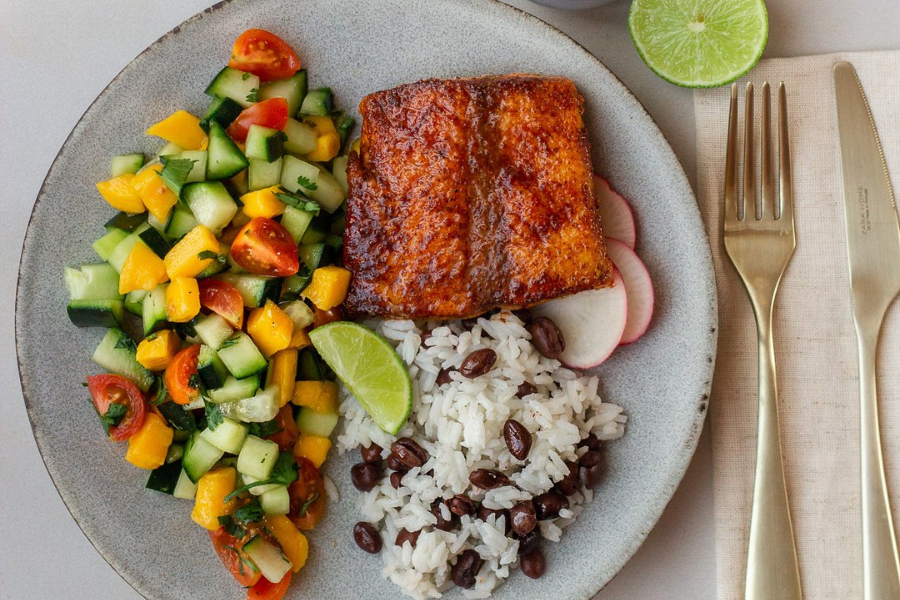
Yes, we’re talking about the ‘good’ fats here! Fatty, high-fiber fish including tuna, salmon, sardines, and mackerel are packed with omega-3s and anti-inflammatory properties, which help to regulate insulin resistance and lower inflammation and blood pressure. Omega-3s are also linked to improving hair and skin quality, which is a plus for PCOS Cysters who may be struggling with acne or PCOS-related hair loss.
Tacos
I just love tacos – they are SO versatile! (And great for making guest-friendly gluten and dairy-free dinner!).
Fish tacos are always a big hit with our friends and family – you can find out how we make them here! The essential item? Corn tortillas, or if you like wraps, gluten-free tortilla wraps! Fill them with your favorite proteins and veggies or dish them up ‘family style’ so guests can fill their own.
Mac & cheese
Busy day? Craving some comfort food? We stock up on our number one mac and cheese that’s color, preservative, and artificial flavor-free! Whip up some ground beef and a side salad and you’re good to go in less than 15 minutes! You’ve got your protein from the ground beef, carbs and fat from the pasta, and your fiber from the veggies. Sometimes I even like to mix in some small, diced, and roasted zucchini!
If you’re here, you’ve probably realized that what you eat plays a major role in managing polycystic ovary syndrome (PCOS) and easing (or even eliminating!) frustrating symptoms. The good news? Stocking your pantry with the right essentials can make balanced, hormone-friendly eating simple and sustainable. This guide will walk you through must-have pantry staples to support your PCOS journey—so you can create satisfying meals that nourish your body and help you feel your best.
For a full grocery shopping guide, scroll to the end of this post, enter your email, and we’ll send you a downloadable list straight to your inbox!
Remember, managing PCOS isn’t just about food—it’s about creating a lifestyle that supports your hormones, gut health, and metabolism. That means enjoying a variety of nutrient-dense foods, moving your body in ways that feel good, and prioritizing habits that make you feel energized and strong.
Pantry Must-Haves For a Healthy PCOS Diet
Do you enjoy podcasts? You can also listen to this topic on our PCOS podcast, A Cyster & Mister!
In this blog, I want to help you be able to quickly and easily go to the grocery store, shop, and have a stocked pantry with yummy, easy, and efficient essentials to make nutrient-rich foods that manage the symptoms of PCOS without feeling like you’re giving up the joy that a delicious meal can bring!
“But Tallene, where do I start?” – I hear you!
Sirak, my husband and PCOS personal trainer, and I, a Registered Dietitian, are here to help! Let’s start by stocking up your pantry with your PCOS essentials.
It’s time to eat the food you love, which loves your body back – PCOS style!
Things like cramping, bloating, acne, irregular menstrual cycle, and weight gain can be managed — and even reversed to help you lose weight. It’s also important to remember that your diet and lifestyle go hand in hand. You should be able to quickly and easily go to the grocery store, shop and have a stocked pantry with yummy, easy and efficient essentials to make fully nutrient rich foods that manage the symptoms of PCOS without feeling like you’re giving up the joy a delicious meal can bring!
PCOS Grocery List
Dairy-Free Alternatives
Unsweetened almond milk, oat milk, or coconut milk
Dairy-free yogurts (coconut or almond-based, unsweetened)
What makes a recipe PCOS-friendly? We’ve got a few suggestions to try: dairy-free, gluten-free, 30g of lean protein, fiber, and healthy fat!
People with PCOS know that breakfast is super important when it comes to improving insulin levels. We want meals that are filling but low in sugar and high in protein! Breakfast sets us up with stable blood sugar levels for the rest of the day by having the proper ratio of nutrients.
Oatmeal
Oatmeal is an amazing breakfast that doesn’t have to be boring! It has a low glycemic index, which helps to regulate blood sugar.
I love adding things like chia seeds and chocolate protein powder to my oatmeal to make it extra yummy!
Chia seeds are a great source of fiber – which helps to slow down the absorption of carbs, helping you avoid a big swing in blood sugar. I have them every day. Don’t forget to drink lots of water when you’re having chia seeds!
Protein powder also helps to stabilize blood sugarand adds a sweet kick without the sugar. Watch out for proteins with added sugars or sweeteners, like stevia. Studies show that these can trick our body into thinking we’re eating something sweet, and pump up our insulin. As you may know, high insulin triggers more testosterone. Another thing I like to make sure of when it comes to protein powder is that it doesn’t have ‘whey’ protein. This is actually dairy – so opt for a dairy-free option, like hemp or pea protein, if you are trying a dairy-free lifestyle for 30 days to see if it affects your symptoms.
Spearmint Tea
Alongside a filling breakfast, spearmint tea is a PCOS super-drink. Research has shown that three cups of spearmint tea a day can decrease testosterone and improve PCOS symptoms like excessive hair growth (known as hirsutism).
My sip of choice is Testosterone Relief Tea – no more toxic plastic tea bags that seep into my hot water and disrupt my endocrine system. I love how I can mix it in cold or hot water, that way I can have ice tea or hot tea depending on what I feel like. It’s also caffeine free, which is key for me to manage my stress hormones.
PCOS Friendly Lunch
Just because we’re being mindful of having less processed foods or going gluten- and dairy-free doesn’t mean we have to give up carbs—or the fun stuff like chicken tenders! Once you know your PCOS type, you can figure out your unique carb tolerance and build meals that keep you feeling full, satisfied, and energized (not running to the snack drawer an hour later). Here’s one of my favorite go-to lunches that hits all the marks…
Chicken tender salad
Light, delicious and doesn’t make you feel sluggish in the afternoon: what’s not to love?
This is one of Sirak’s top 10 meals. Sirak likes to make chicken tenders for dinner, making them a great lunch the next day. He likes to double layer the chicken tenders in gluten-free breadcrumbs! First, he dips strips of chicken tenders in a mixture of 2 tbsp mayo, 2 tbsp mustard, and 1 egg. Then, he’ll dip it in the breadcrumbs, before dunking it again in the mixture, adding more breadcrumbs…and then boom! He’s ready to bake it at 400F for 25-30 minutes.
Healthy Fats for Dinner
Who doesn’t love a pizza? My favorite is caramelized onion and squash pizza from The Cysterhood app. The key to gluten- and dairy-free pizza is to have some bomb toppings. The combination I’m about to share with you is chef’s kiss! This is a fun dinner to make on a Friday night and eat while watching a good movie. To keep it PCOS-friendly and within my carb tolerance, I like to have a couple of slices of pizza with a hefty side of kale salad. If you’re a plant-based Cyster, simply leave out the sausage and replace it with chunks of avocado or mushrooms for a delicious vegan-friendly meal.
Violife mozzarella shredded cheese (or any dairy free version)
1 cup chopped butternut squash
1 Italian sausage
1/2 red onion
1 tbsp balsamic vinegar
3 tbsp pizza sauce
1 tbsp pumpkin seeds
sage leaves
1 tbsp olive oil
1 tsp chili powder
1/2 tsp cumin
1/2 tsp cinnamon
And here’s how to make it!
Combine the butternut squash with olive oil, chili powder, cumin, and cinnamon. Bake for 30 min at 375F.
Meanwhile, sauté the onions until caramelized, adding a splash of balsamic vinegar and a sprinkle of salt. Then, add the Italian sausage and fully cook.
Assemble the pizza, first add pizza sauce, then dairy-free Violife cheese, then the squash, sausage, and onions. Cook it in the oven for as long as the crust’s packaging says. Meanwhile, sauté the sage and pumpkin seeds in olive oil (but make sure you don’t burn them!)
When the pizza is done, top it with the sage and pumpkin seeds!
This is a top-secret recipe from inside The Cysterhood! Enjoy it and join us to find 100s more!
Fatty Fish
Yes, we’re talking about the ‘good’ fats here! Fatty, high-fiber fish including tuna, salmon, sardines, and mackerel are packed with omega-3s and anti-inflammatory properties, which help to regulate insulin resistance and lower inflammation and blood pressure. Omega-3s are also linked to improving hair and skin quality, which is a plus for PCOS Cysters who may be struggling with acne or PCOS-related hair loss. Oh, and fatty fish are heart healthy, too!
Tacos
I just love tacos – they are SO versatile! (And great for making guest-friendly gluten and dairy-free dinner!)
Fish tacos are always a big hit with our friends and family – you can find out how we make them here! The essential item? Corn tortillas, or if you like wraps, gluten-free tortilla wraps! Fill them with your favorite proteins and veggies or dish them up ‘family style’ so guests can fill their own.
Do you enjoy podcasts? You can also listen to this topic on our PCOS podcast, A Cyster & Mister!