
🧬 What’s Your PCOS Type? Take the Quiz →

Berberine for PCOS

Polycystic ovary syndrome (PCOS) is a disorder that affects a woman’s hormone balance. It’s a chronic condition that mostly impacts those of reproductive age and it’s mostly known for its negative impact on fertility and menstrual cycles, however, PCOS affects lots of other things too. Cysters often live daily with other PCOS symptoms like weight gain, digestive problems, acne, excess body hair, sleeping issues, lowered immunity, and more. 

Despite the fact PCOS’s grip on a Cyster’s health, there isn’t a cure yet for polycystic ovarian syndrome. However, there are medications and natural treatments that can help you reduce symptoms and actually reverse your PCOS. Research-backed supplements can have a big influence on your polycystic ovarian syndrome healing goals, and one of those often considered for PCOS is berberine!

Today, I’m dedicating my post to berberine and how it could have a role in your healing journey!   

Berberine for PCOS

Berberine for PCOS

There are three main supplements and medications that are used to help women with PCOS. Inositol (natural supplement), berberine (natural supplement), and metformin (medication) are all effective forms of symptom management for Cysters everywhere! I have other posts detailing my opinions on inositol (my favorite form of treatment for PCOS) and metformin (not my favorite), but I haven’t discussed berberine much outside of this podcast episode. Here’s what berberine can do for your PCOS:

What Does Berberine Do for PCOS?

Berberine is a natural supplement that can have profound positive impacts on a Cyster’s health. Because it’s natural, it doesn’t have harsh side effects, yet it has several big benefits for PCOS bodies. You’ll likely see significant improvements in insulin sensitivity, gut health, weight loss, hormone balance, and long-term risk factors. These are the details: 

Benefits of Berberine for PCOS

Benefits of Berberine for PCOS

Improves insulin sensitivity. 

Berberine has been shown in many studies and clinical trials to be a potent insulin sensitizer. Since up to 70% of women with PCOS struggle with insulin resistance, this is an important area for improvement. Insulin resistance’s effect on blood sugar and hormones can lead to weight gain, cravings, headaches, chronic infections, hormone imbalances, dark patches of skin, and more. However, berberine promotes insulin receptor activity, which has a big insulin sensitizing effect! It also supports weight management in women with PCOS by promoting AMP-activated protein kinase (AMPK), a key enzyme that increases insulin sensitivity and metabolic function.

Balances cholesterol. 

Berberine can also balance a Cyster’s lipid profile by reducing triglycerides and LDL (bad cholesterol) levels and by increasing HDL (good cholesterol) levels. It impacts all types of cholesterol in the right ways! Berberine does this activating that AMPK enzyme, preventing lipid synthesis in the liver, increasing LDL receptor expression, and regulation gut health.

Lowers blood pressure.

Though more studies need to be conducted, early research suggests that berberine can help lower blood pressure. It does this by aiding in relaxing your vascular muscles for better flow and reduced pressure. This is important for women with PCOS who often have higher blood pressure due to metabolic dysfunction. This puts Cysters at a greater risk of cardiovasuclar issues, including hypertension.

Reduces the risk of heart disease. 

Spreaking of cardiovascular disease, berberine can help with that too. This is because of berberine’s effect on insulin sensitivity, lipid profiles, and blood pressure. Many of the benefits of berberine are similar to that of metformin. However, berberine doesn’t have the side effects of the synthetic drug and studies find that berberine actually does a much better job reducing your risk of cardiovascular disease!

Betters gut health. 

As I mentioned earlier, gut health can be a PCOS challenge. And, gut health doesn’t only affect your digestion, but it impacts your whole body and mind. Research has even shown that poor gut health can lead to brain fog, anxiety, depression, and other cognitive problems. Luckily, berberine has been shown to improve gut health by increasing good bacteria and strengthening your gut barrier. 

Lowers risk of fatty liver disease. 

Women with PCOS are at a much greater risk of developing non-alcoholic fatty liver disease. Berberine can lower your risk of fatty liver disease by improving your cholesterol levels and supporting lipoprotein receptors. 

Fights cancer. 

Berberine can also be cancer fighting. It does this first by improving your insulin sensitivity, since sugar can actually fuel cancer cells and promote the growth of tumors. So, berberine can help prevent cancer cells from growing and invading healthy cells while also boosting breast adipose tissue to reduce the risk of breast cancer

Decreases inflammation. 

Chronic low grade inflammation can have significant effects on the body, from muscle pain and fatigue to depression and insomnia. Berberine can help reduce inflammation by blocking certain proteins and inhibiting others. Berberine also has antioxidant benefits, meaning it can reduce oxidative stress that can worsen inflammation.

Reduces androgen levels. 

I like to think of berberine as a sponge that soaks up all your excess testosterone. This is really how it works! Berberine increases a sex hormone-binding globulin and cleans up free androgens in the body. Since many Cysters have high androgen levels, a reduced total testosterone level is a huge plus for berberine! (Here are more ways to lower testosterone.) 

Improves weight loss.

Leptin resistance is a common reason for PCOS weight gain. Leptin is the thing that tells us we’re full and satiated. However, when leptin doesn’t alert our brain that our stomachs are full, we keep eating and having intense cravings. Berberine can improve leptin sensitivity, which has been shown to help women reduce body fat and reach their weight loss goals! 

Regulates menstrual cycles and ovulation.

Menstrual irregularity is common symptom of PCOS! Not only does it impact fertility, but the lack of a routine period can worsen PMS symptoms, increase the risk of ovarian cysts, and contribute to other hormonal imbalances. Berberine helps with regularity by primarily dealing with the root issues like insulin resistance and elevated androgens. However, it can also directly help by balancing LH (luteinizing hormone) and FSH (follicle-stimulating hormone) levels, as well as promoting the transition from estrogen dominance to progesterone production, ensuring the correct phase of the menstrual cycle occurs at the right time.

Best Berberine Supplement for PCOS

Best Berberine Supplement for PCOS

Pure Encapsulations 

This is my personal favorite supplement brand with great ingredients and an NSF-certification. It’s also allergen-free and will fit right in your PCOS diet

Thorne

Thorne is another quality brand that comes at a good price. These also have no fillers or extras that could compromise your healing goals. 

Designs for Health

The Designs for Health berberine supplement also has alpha lipoic acid, which has additional insulin sensitivity benefits. Like the others, it’s hypoallergenic and made with top quality ingredients. 

Integrative Therapeutics

This berberine supplement also has Oregon grape root and goldenseal root. The focus of this supplement is intensional support. These additional ingredients can help further with digestive and skin health.  

Best Choice: Ovafit Berberine

Ovafit’s Berberine Advanced is the best berberine supplement for PCOS! These 550 mg capsules are NSF-certified, vegan, non-GMO, and free of gluten, dairy, soy, artificial colors, and artificial preservatives. The supplement is also formulated using Berberine Phytosome™, a patented form of berberine that’s 10x more bioavailable. Your body absorbs it better, so you get better results, faster!

Should I Take Berberine for PCOS?

Yes! Research has investigated the effectiveness of metformin, berberine, and inositol and found both natural supplements—berberine and inositol—to be MORE effective than side-effect heavy prescription metformin. Wow! I normally recommend inositol (Ovasitol) for Cysters, because it’s been shown to be the most beneficial for PCOS; however, some people experience negative inositol side effects. So, if you’re one of those Cysters who’s tummy doesn’t take well to inositol or you want even more insulin sensitizing and hormone balancing power, berberine is seriously the next best thing! See this post to know the best time to take berberine for PCOS.

The effects of berberine are undeniably beneficial for women with PCOS! 

Berberine can be a great tool for natural PCOS healing. Again, I recommend trying Ovasitol first, and seeing your reaction and improvements there. As always, talk to your doctor before taking any supplements and remember not to take berberine and inositol together. 

For more natural healing solutions for PCOS, read the blog, listen to the podcast, and download The Cysterhood app. I’m here to help you reverse your PCOS and take back your life!

Why didn’t my doctor tell me how to reverse PCOS?

“I just got back from my gynecologist appointment and I have no idea what to do now that I’ve been diagnosed with PCOS. He told me to stop eating ‘so much’ so I could lose some weight and handed me a birth control prescription.”

I was put into this situation, like many Cysters, (women with PCOS) out there. I look back on the past 10 years, and the first 5 were such a struggle just trying to figure out what to do to manage my uncontrollable weight gain, acne, mood, irregular periods—the list goes on! 

It wasn’t until I finally found the right doctor, Dr. Felice Gersh, that I felt heard and understood. I was so lucky to have her! But not every doctor is like her. She is a gynecologist, and she also studied functional integrative medicine. That’s why she was able to give me advice beyond taking birth control, like changing my diet to eat gluten- and dairy- free! 

She recently wrote a book, PCOS SOS, in which she talks about her approach in a very comprehensive way. Give it a read!

Why can’t all gynecologists be like her?

Why Didn’t My Doctor Tell Me How To Reverse PCOS?

Oftentimes, we think that our doctor should carry all the answers to our ailments. However, doctors are trained to save lives, not treat chronic ailments like PCOS. If you want to take on a more holistic approach to treating your PCOS, it’s important to do a bit of investigation to find the right gynecologist or naturopathic doctor that will treat you with the approach you’re looking for. Perhaps you’ll want to see multiple healthcare practitioners like: gynecologist, acupuncturist, naturopath, endocrinologist, and registered dietitian.

So, next time you go to the doctor and you’re told to “eat less and workout more,” this is because that’s all they have learned. The field of medicine is so large and the amount of work and study for doctors is very intense. Like many chronic illnesses, PCOS is not studied in depth. There are thousands of chronic illnesses, and it takes years to master and understand each one. A better understanding of a specific chronic illness requires specialization.

What Doctor To See For PCOS?

If you’re looking for a doctor who specializes in PCOS and has a functional approach, here are 3 things to look for:

1 – They should know the benefits of inositol for PCOS.

Studies show that inositol works just as effectively as metformin. That is why you see me jumping up and down about Ovasitol, a combination of inositols, which has worked so effectively for Cysters in healing insulin resistance.

2 – They should be open to doing an ultrasound to check for ovarian cysts.

I personally like to go to the gynecologist once a year to make sure my ovaries are clear of ovarian cysts. Since being consistent with my gluten- and dairy-free lifestyle, my “string of pearls” ovarian cysts have disappeared.

3 – They should understand why it is so hard to lose weight with PCOS.

Nothing is worse than being told to “just lose weight” when you’re already trying, and then being blamed for not being able to. PCOS is associated with metabolic dysfunction, which means that the steps you take to lose weight should align with healing your metabolism – not cutting calories and carbs in an extreme way while working out 2 times a day.


All that being said, here’s who you may need by your side to reach your health goals:

Gynecologist

PCOS impacts a woman’s reproductive system in a big way, so you definitely need a gynecologist. A gynecologist will do a lot of diagnosis and monitoring by performing physical exams, ultrasounds, and blood tests. They can also provide fertility support and keep an eye on long-term complications like endometrial cancer, metabolic disorders, and more. 

Acupuncturist

Acupuncture can be a beneficial complementary therapy for managing PCOS! It can help regulate hormones, improve blood flow, reduce dress, increase insulin sensitivity, and provide pain relief. Here’s more on how acupuncture can help with PCOS

Naturopath

Naturopaths focus on treating the root cause of the disease and use natural remedies as much as possible! That means you won’t be prescribed side-effect heavy prescriptions and sent on your way. Instead, a naturopath will help make a personalized treatment plan that uses strategies like nutritional guidance, herbal medicine, detoxification, lifestyle counseling, and other natural remedies. 

Functional Medicine Practitioners

Functional medicine practitioners will also help get to the root cause, rather than treating your symptoms. To ensure they’re getting to the core of the problem, a functional medicine practitioner will often use advanced lab testing to keep track of hormone levels and other biochemical markers. 

Integrative Medicine Doctors

An integrative medicine doctor combines natural medicine and conventional medicine to treat a patient’s mind, body, and soul in the most effective and thoughtful way possible. These doctors can prescribe medications and perform certain medical procedures needed for your treatment! 

Endocrinologist

PCOS is a hormone condition, so a hormone specialist (an endocrinologist) is essential. They use their expertise to diagnose hormonal imbalances and metabolic issues that are causing your symptoms. Then, endocrinologists treat those imbalances using strategic lifestyle changes and necessary medications. 

Registered Dietitian

Dietitians aren’t all about weight loss. RDs are specialized for lots of different health goals! I’m a Registered Dietitian who specializes in PCOS, and there are lots of us out there. We help you Cysters use nutrition strategically to manage symptoms and get to the root cause of your symptoms. And, don’t worry, the approach to food isn’t all about restriction! 

Here’s more on my recommended PCOS-friendly balanced diet

Managing PCOS takes a holistic approach and the right team of doctors! 

Not every doctor can be expected to know how to treat every ailment. However, there are plenty of medical professionals that have the training to help you reach your PCOS healing goals—like my gynecologist Dr. Felice Gersh!

For more from her, listen to these episodes of A Cyster and Her Mister:

7 Supplements for Insulin Resistance & PCOS

If you’ve been diagnosed with PCOS, I’m sure you’ve heard the term “insulin resistance” being thrown around. 80% of women with PCOS have insulin resistance, and it affects so many of our symptoms from weight gain to infertility. The good news is that we have more control over it than we think, and some diet and lifestyle changes can have a huge impact.

Insulin resistance is when your body’s blood sugar-managing hormone (AKA insulin) doesn’t regulate your blood sugar levels well. If you’re insulin resistant, your body receives sugar (glucose), but the cells can’t process it to turn it into energy. Instead, that excess insulin builds up in the blood. Thus, raising your blood sugar levels and increasing your risk of type 2 diabetes, heart disease, and other long-term complications.

But, what does this have to do with PCOS? If you’re unsure if you have it, look at our post about the types of PCOS. Insulin resistance is why Cysters often struggle with symptoms like weight gain, dark patches, sugar cravings, irregular periods, belly fat, and fatigue. 

Fatigue and trouble with weight loss are two really difficult side effects of PCOS that can feel impossible to overcome. I know personally that those were some of the most dreaded side effects for me when I was on my PCOS journey. But, there is a way to naturally increase your insulin sensitivity and reverse your symptoms. Just hang tight!

In this post, I’m going to share some of the best supplements to help you manage your insulin resistance, reducing the risk of long-term complications and worsening symptoms. I will say, these supplements alone won’t fix increased insulin production and sensitivity problems; there is no magic pill but supplements do play a huge role. Listen to our podcast, A Cyster and Her Mister for the full holistic approach to increasing your insulin sensitivity. But, for now, here are supplements that can potentially help you along your healing journey:

Supplements for Insulin Resistance & PCOS

7 Supplements For Insulin Resistance & PCOS

Inositol

If you’ve been following me for a while, you know that inositol is my favorite supplement for PCOS! Not only can it help reduce insulin resistance, but it can also help lower testosterone, improve fertility, regulate menstrual cycles, and better your mood

This one supplement hits so many PCOS pain points, I think it’s a must-have for your symptom management and reversal. You can order an inositol supplement, Ovasitol, that has a 40:1 ratio of my and d Chiro inositol. This has been shown in studies to be effective in improving PCOS weight loss, more than metformin has! Consider speaking with your doctor and adding to your routine if you struggle with high blood sugar or any other symptom I listed here!  

Vitamin C

Vitamin C is a supplement that’s been shown to help with reducing insulin resistance and lowering blood glucose levels! If taken preventably, studies seem to suggest that vitamin C can help reduce the risk of developing insulin resistance and diabetes altogether. This is because vitamin C is structurally similar to glucose, so it can replace it in certain chemical processes to promote proper absorption adn regulation of insulin levels. 

Vitamin C is also a powerful antioxidant that can help strengthen your immune system, fight oxidative stress, and potentially prevent chronic diseases. If it’s not already in your arsenal, consider adding vitamin C supplements to your routine. I recommend taking a multivitamin that contains vitamin C and other essential nutrients to support insulin resistance.

Probiotics

Though researchers haven’t totally figured out how they’re related, studies have shown that improving your gut microbiome can actually improve insulin resistance. As well as manage cholesterol and reduce high blood sugar levels. This is good news for Cysters because many of us struggle with GI issues already that can be remedied by bettering gut health. 

How do you improve gut health? An anti-inflammatory, gluten, and dairy-free diet is a good start, but probiotics are another great way to support a healthy gut. I have a list of the best probiotics for PCOS on the blog and you can learn more about gut health and PCOS with Dr. Robin Rose in this episode of my podcast. 

Magnesium 

Magnesium is another potentially helpful supplement to increase insulin sensitivity and regulate blood sugar. However, only certain types of magnesium are helpful for blood sugar management. Magnesium oxide is the one that works best for this symptom. Make sure you find a supplement that’s the proper type to see the biggest benefits (though there can be other PCOS symptom improvements from other magnesium variants.

Listen to this episode of A Cyster and Her Mister to understand how magnesium deficiency may be affecting you and, as always, discuss it with your doctor first before starting a new supplement!

Supplements for Insulin Resistance & PCOS

Omega-3

Omega-3 fatty acids are an essential part of healthy body function. In fact, our brains are made up of over 50% omega-3 fatty acids and our bodies can’t naturally produce them. That means supplementation is really important if you don’t eat fish and avocados every day. (You can find Omega-3 as part of our Metabolism Plus supplement bundle.) And, proper omega-3 levels in women with PCOS is even more important when you consider all the PCOS symptoms it can remedy!

Like inositol, omega-3 can help with several PCOS symptoms including inflammation, hair loss, mood problems, period irregularity, infertility, high cholesterol, and, of course, insulin resistance. This is due to its horomonal regulation and anti-inflammatory properties!

Chromium

Chromium is an essential mineral that is hard to get naturally. We only need a little bit, but it’s just not absorbed well by the body when found in food! Because of that, chromium supplementation is a good supplement to consider. 

Chromium has been shown to improve insulin sensitivity, cholesterol levels, and other metabolic functions. I recommend the Pure Encapsulations Chromium supplement. Discuss it with your doctor and consider taking chromium! 

Vitamin D

Vitamin D is that sunshine vitamin and it’s SO important for anyone out there, but especially women with PCOS. It can improve your metabolic health overall, including reducing insulin resistance. Proper vitamin D supplementation can also help with PCOS symptoms related to high androgen levels and inflammation!

You can find the best form of vitamin D for PCOS in the Ovafit MetaMulti. This makes vitamin D supplementation, along with most other vitamin and mineral supplementation on this list, as easy as possible!

PCOS and Insulin Podcast Episodes

PCOS & Insulin Resistance Podcast Episodes 

Check out some episodes we did on our PCOS podcast about insulin resistance to learn more!

PCOS is often linked to insulin resistance, but the right supplements, diet and lifestyle changes can help increase your sensitivity! 

There are tons of great natural supplements for PCOS, but definitely consider taking vitamins and minerals that’ll help your body with improving insulin sensitivity and metabolic processes. Metabolism Plus is a one-of-a-kind supplement bundle made by OvaFit, designed for PCOS, and made with the highest quality ingredients (plus, it is NSF certified, so you know you’re getting exactly what is on the label!) This can help you lose weight, gain energy, and reduce your risk of long-term complications. 

Wishing you luck on your PCOS healing journey! Don’t forget to download The Cysterhood App for more help and resources. On the app, you’ll find a community of Cysters like you who support and encourage one another as we all reverse our PCOS and take back our joy. You deserve this – let’s start your healing journey today! 

Can I Take Inositol If I Don’t Have PCOS?

If you’ve been following my blog or podcast for a while, you know that Inositol is one of my favorite supplements for PCOS! It’s a natural supplement made out of Vitamin B that’s actually been shown to be more beneficial than common PCOS prescriptions for reducing and managing symptoms. AND, when taken correctly, it is possible to have the same benefits without the side effects of prescription medicine. Pretty incredible, right?

Inositol can help ease and reverse PCOS symptoms like, menstrual irregularity, infertility, weight gain, mood problems, fatigue, acne, hair loss, and more! With so many benefits of Inositol for women with PCOS . . . women without PCOS are wondering if they could benefit, too. After all, many women can experience these symptoms, yet still wait forever to get a proper diagnosis! 

So, in this post, I’m going to answer the question: Can I take Inositol if I don’t have PCOS? That way, you know if it’s the right call for you or someone you know! 

Can I Take Ovasitol If I Don’t Have PCOS?

Can I Take Inositol If I Don’t Have PCOS?

Natural supplements like Inositol are available over the counter . . . and the benefits your friends and family with PCOS experience when they start taking Inositol speak for themselves! However, just because it’s accessible, natural, and beneficial for women with PCOS, doesn’t necessarily mean it’s right for everyone, so let’s get into the details about Inositol and its uses: 

What Is Inositol ?

Inositol is a supplement that’s formulated with a combination of myo-Inositol and d-chiro-inositol in a 40:1 ratio. These are two different forms of inositol that are in the B vitamin family. Inositol is naturally produced by the body and it also comes from various foods! Some foods high in inositol are fruits, grains, beans and legumes, nuts and seeds, vegetables, and liver! However, women with PCOS tend to have inositol deficiencies and it’s hard to get the right amount of Inositol naturally, so the addition of a supplement can be really helpful! 

How Does Inositol Work?

Our bodies need the right amount of vitamins and minerals to function at their best, right? Inositol is no different! We need the right ratio and amounts of inositol to allow our body to go about all its daily processes optimally. So, by restoring the natural balance of inositol, Inositol can improve insulin sensitivity and hormone dysregulation to relieve lots of symptoms whether you’re experiencing these symptoms due to PCOS or something else. 

Here are the key potential benefits:

Benefits of Inositol for Women Without PCOS

  • Improves menstrual regularity 
  • Enhances ovulation
  • Improves egg quality
  • Reduces cravings
  • Supports healthy weight loss
  • Boosts mood and reduces stress
  • Betters skin health 
  • Supports health health
  • Boosts energy levels
  • Eases digestive troubles 
  • Helps with mental focus
  • Supports bone density and joint health
  • Improves immune function 

Can You Take Inositol If You Don’t Have PCOS?

Yes, you can take Inositol even if you don’t have PCOS! There are a lot of people who can benefit from improving insulin sensitivity and restoring hormone dysregulation. There are a lot of women who struggle with these root issues even if they don’t have polycystic ovarian syndrome (PCOS.) Inositol is also a natural supplement that can be accessed without a prescription and often has zero side effects when it is taken correctly! This makes it a great solution for many women experiencing symptoms caused by insulin resistance or hormone imbalance. 

(Though, there can be side effects of taking Inositol for some women, so make sure you educate yourself on those before jumping in!) 

a list of reasons to consider taking ovasitol

Types of Women Who Can Benefit from Inositol

All women could likely benefit from Inositol, but there’s definitely a population of women who can benefit more than others. You should consider Inositol if you . . .

  • Have PCOS
  • Are trying to conceive 
  • Have irregular periods
  • Have insulin resistance or type 2 diabetes
  • Experience mood disorders 
  • Have known hormonal imbalances 
  • Are trying to lose weight without success
  • Are in perimenopause 
  • Have skin and hair issues 

What To Consider When Taking Inositol Without PCOS

Consider your goals for adding Inositol to your routine. 

When adding a new supplement to your routine, you never want to just drive head first into buying and taking it. First of all, vitamins can be expensive. You don’t want to spend the money and time if you’re not going to get anything out of it. 

So, before you start anything, map out your goals! Review what the benefits of Inositol are and pinpoint which ones you’d like to conquer. Of course, also consider whether the symptoms you deal with are due to hormonal imbalance and/or insulin resistance. If they are (or you think they are), Inositol may be a good choice for you! 

Ovasitol supplement
Discuss your other medications and preexisting conditions with your doctor. 

Inositol is like an insulin sensitizer. This is mostly good, right? If your symptoms are because of high blood sugar levels, having something to help you produce and metabolize insulin can be super helpful at easing your symptoms. However, having insulin that’s too low can be just as dangerous as having it too high!

If you’re on other prescription insulin sensitizers like Metformin, Actos, Avandia, or something similar, Inositol could actually drop your insulin levels too low. When these levels are low, it can trigger mild symptoms like shakiness, sweating, headaches, increased hunger, dizziness, and fatigue, as well as more serious symptoms like nausea, blurred vision, seizures, and fainting. So, talk with your doctor about other medications you’re on!

Additionally, talk about pre-existing conditions. Side effects with Inositol are rare, but they are possible, especially if you have some underlying health issues. Your doctor may advise you to avoid Inositol if you have liver or digestive problems. You may still be able to take the supplement, but never do it without the approval of your doctor, of course. 

Follow the dosage and timing instructions. 

You may have a set time you currently take all your supplements, however, some supplements require certain timing! If the bottle says to take something with food or at a specific time of day, definitely follow those instructions. Also, follow the dosage suggestion. This will help ensure that your supplement is actually effective and there’s minimal chances of side effects. 

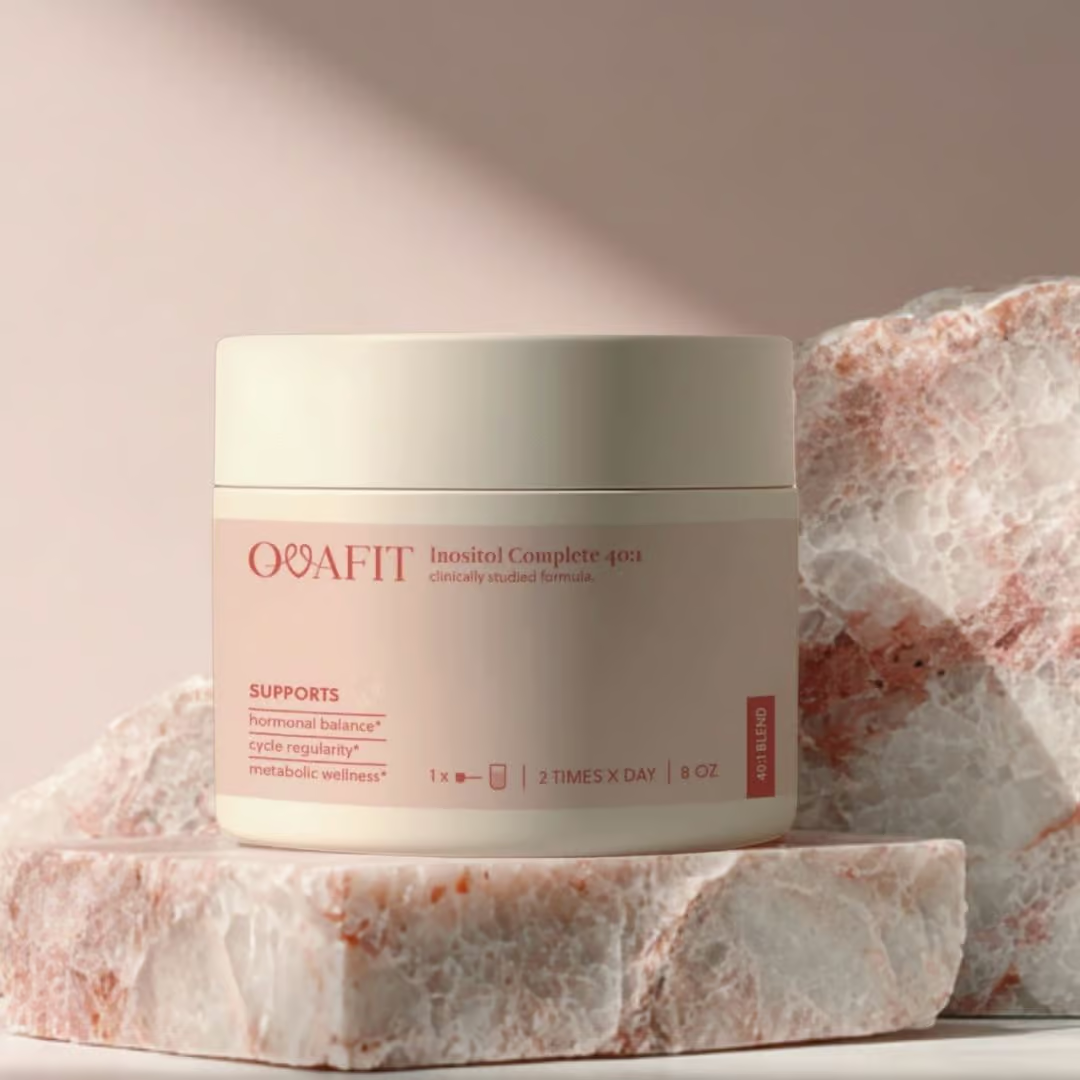
If you decide on Ovafit’s Inositol Complete 40:1, for example, the directions state to take one serving twice a day (one with breakfast and one with dinner) with a hot or cold non-carbonated beverage. All those instructions are essential to reap all the benefits of your new supplement! 

what to consider when taking ovasitol without pcos
Monitor your body’s response to the supplement. 

Next, it’s time to stay consistent and monitor your body’s response. Of course, you want to make sure you’re not experiencing any negative side effects like diarrhea, nausea, headaches, stomachaches, skin irritation, or loss of appetite. If you experience any of these symptoms or worse side effects, definitely stop taking the supplement right away and talk to your doctor! 

Assuming you don’t have any side effects, keep measuring the improvements in your symptoms to see how Inositol is helping you reach your goals! Listen to your body and see any differences in the intensity of your cravings, mood changes, or even period schedule. It generally takes 3-6 months of consistently taking Inositol (or any supplement) to see results, which is why Inositol comes in a 3-month supply. Keep a journal or keep notes on an app to map how your symptoms are improving. 

Make sure you’re taking a high-quality supplement. 

The supplement industry is not well-regulated, so there’s a lot out there that don’t even match what their label says and likely won’t get you the result you’re looking for. Make sure you take a supplement that’s third-party tested and uses the best ingredients possible, just like Inositol Complete 40:1!

It’s curated using NSF-certified ingredients and advanced formulation techniques to be super effective and safe. It’s also a higher dosage than many other versions you’ll find in the market. 2,000 mg of myo-inositol and 50 mg of d-chiro-inositol is the perfect ratio for PCOS, and it is likely what your body needs to support your metabolism and endocrine system! Oh, and you can set it to automatically ship to you when you need it. Does it get better than that? 

Ovasitol for women without PCOS
Inositol can even ease the symptoms and struggles of women without PCOS. 

There are SO many obvious benefits of taking Inositol for PCOS . . . but there are also benefits for women without PCOS, too! Many women experience high blood sugar or hormonal dysregulation even without PCOS and Inositol can help a ton of the symptoms that come from that! Talk with your doctor and start taking Inositol ASAP to finally relieve some of those chronic issues. We all deserve to live our lives symptom-free. 

Want more info on supplements? I have a lot more on the Ovafit blog and on the A Cyster and Her Mister podcast! Here are some highlights: 

How to Do a Hormone-Balancing PCOS Detox Cleanse

Polycystic ovary syndrome (PCOS) is a condition that impacts the hormones of women of reproductive age. If you’re a woman with PCOS, you know all too well that hormones impact EVERYTHING, especially when they are dysregulated. No system in the body isn’t at least indirectly affected by hormones, so the symptoms of PCOS can be exhaustive and difficult to live with day after day. 

Some PCOS symptoms include irregular periods, hair loss, hirsutism, acne, weight gain, headaches, fatigue, mood swings, infertility, and more! Many of these stem from hormonal imbalance in one way or the other, meaning reversing your hormone issues can help you naturally manage your PCOS and live symptom-free with this condition . . . but where do you begin? A PCOS detox can be a good start.

How to Do a Hormone-Balancing PCOS Detox Cleanse

If you’re on social media, at some point you’ve heard of “detoxing” and how it can be beneficial for the health of all sorts of people. So, it shouldn’t be surprising that the right detox process can actually be super helpful for PCOS! There are different types of detoxing, but what I’m talking about isn’t like your typical juice cleanse. If anything, that is the type of “detox” that I actually don’t recommend for PCOS. Today I’m going to get into the details of a PCOS detox cleanse, why it’s a good idea, and how you can get started.

Here’s what you need to know:

pcos detox cleanse

What is a Detox Cleanse?

First of all, what is a detox cleanse? It’s a health regimen that’s strategically designed to help remove toxins, impurities, and excess hormones from the body. These contaminants can affect your health in big ways, making your attempts to lose weight, improve symptoms, or improve overall health pretty difficult! They’re like little road blocks keeping your body from running at its best. Earlier I mentioned that a juice cleanse is the most common detox, but that’s not the only type nor the type I recommend for PCOS (continue reading for more details on next steps!) Rather than only drinking juices (which might spike our blood sugar levels even more), we will focus on temporarily eliminating some foods, taking supplements, and other lifestyle changes supporting hormone regulation.

Some examples of the things a detox cleanse can help remove include toxins from air pollution, water contaminants, chemicals from household/personal care products, remnants of pesticides and herbicides, synthetic food additives, waste products of the metabolic process, heavy metals, and lingering toxins from medications and alcohol. A detox can help support the liver and digestive system (which are both ESSENTIAL for natural detoxification) to rid your body of all the junk so you can reset and see more gains from all of your health efforts!

Is Detox Important For PCOS?

All those toxins and impurities can negatively affect the three main root issues of PCOS: inflammation, insulin resistance, and hormonal imbalances. So, women with PCOS can get super frustrated trying to manage their symptoms, seemingly doing all the right things, and STILL make no progress. Well, these lingering contaminants can be one of the reasons healing your PCOS feels like an uphill battle.

Plus, if you’ve ever spent any time on prescription medications like metformin or hormonal birth control, these drugs can leave lingering synthetic hormones and chemicals in your body. So, even though you’re off certain meds, you may still be experiencing negative side effects because of that. But, we Cysters NEED our liver and digestive symptoms to be in the best shape possible, because these systems are essential for regulating hormones, processing insulin, metabolizing nutrients, and removing toxins.

So, long story short, a proper detox can be a great way to boost your liver function, cleanse your digestive system, and reset your whole body to reach your health goals. Not only can it help you with weight loss and managing blood sugar levels, but it can be another tool for your PCOS journey and goals! Symptom relief is around the corner the more you find what works for your body!

How To Do A Detox Cleanse With PCOS

Step 1: Talk to your doctor.

Detox cleansing is a powerful process. It’s not something you want to do carelessly. Talk to your doctor about your plan and process to ensure they think it’s the right choice for your goals and body. Here are some reasons they may not think it’s a good idea:

You . . .

  • Have liver disease
  • Are taking medications that affect liver functioning
  • Are pregnant or breastfeeding
  • Have diabetes, kidney disease, or heart disease
  • Have a history of eating disorders

Step 2: Decide when you want to do your detox.

Detox isn’t a forever thing. They’re just a reset! A good rule of thumb is to do them once a season (4 times a year) and for 7-14 days. Some of the aspects of the detox might encourage you to make them long-term habits because of how good your body will feel! However, some other aspects of the detox have a diuretic effect, and doing that long-term can potentially do more harm than good.

Some risks of a long-term detox are nutrient deficiencies, dehydration, electrolyte imbalance, and digestive issues. Keep this in mind when you decide when to do your detox!

Step 3: Focus on a liver-supporting whole food PCOS diet.

It’s no secret that our food has a big impact on our health. A poor diet is often one of the main proponents of toxins and impurities in our bodies. Heavy metal contamination, pesticides and herbicides from vegetables, nitrates and nitrites from processed meats, artificial colors, artificial flavors, artificial preservatives, artificial sweeteners, trans fats, alcohol, phthalates from food packaging, and high fructose corn syrup can all linger in the body and contribute to the root issues of PCOS.

So, in order to reset and keep those contaminants from returning and wreaking havoc, it’s time to adopt a new PCOS-friendly diet! I recommend trying a gluten- and dairy-free anti-inflammatory diet that focuses on whole foods and liver-supporting ingredients. The diet is essential for the cleanse, and I first recommend trying it for 30 days. Afterwards, you can reintroduce these foods into your diet to see how you feel and how much your symptoms can tolerate.

Yes, cutting foods high in sugar, artificial ingredients, trans fats, and high fructose corn syrup often leads to weight loss, but that’s not all! A balanced diet also prevents those toxins and impurities from affecting your body again, helping increase your insulin sensitivity, reducing inflammation, and supporting proper hormone balance.

And, don’t worry about this diet being too limiting. You can still eat pizza, dessert, and even zero-proof cocktails on this diet! My biggest tip is to still keep all the meals and recipes you love, but swap out the ingredients with gluten and dairy with alternatives. That way you can enjoy your favorites without triggering your symptoms. Here’s more on my PCOS diet, but to get right to all the delicious, healthy recipes, download The Cysterhood app.

Step 4: Stay hydrated!

Staying hydrated when you’re doing a detox is extremely important! Drinking water is the foundation of toxin removal, aiding in kidney function, digestion, electrolyte balance, and the metabolic process. There are also multiple parts of the detox process that increase sweating and bowel movements. Both are essential for toxin removal, but they can also cause dehydration. So, keep on drinking water and eating hydrating foods!

Step 5: Incorporate daily workouts that make you sweat without pushing your limits.

Speaking of, let’s get you sweating! Daily exercise has lots of health benefits, of course, especially for PCOS, but for a successful detox cleanse you need to sweat. Exercise each day of your detox and make sure you’re sweating. However, you don’t need to push your limits! I don’t recommend any high-intensity workouts that elevate your heart rate. These types of exercise can raise your cortisol and adrenaline levels, which can worsen hormonal imbalance and insulin resistance which can trigger your symptoms.

Instead, I recommend slow-weighted workouts or meditative exercises that still get you moving and sweating without elevating your cortisol levels. Here’s more on the best exercises for PCOS, and you can find easy-to-follow daily workout routines on The Cysterhood app.

Step 6: Drink the right teas at the right times!

Drinking plenty of water is a good idea, but tea can also be super helpful. Certain types of tea can spur the liver detox process. Particularly, milk thistle tea and dandelion root tea have been shown to be perfect for cleansing! Milk thistle tea is an antioxidant, which means it can neutralize harmful free radicals. Plus, it prevents toxins from binding to the liver cells and increases bile production to better eliminate contaminants.

Dandelion root tea has similar benefits! It also increases bile production and has antioxidant properties. However, it additionally acts as a natural diuretic which rids the body of toxins through a healthy digestive process. Here’s a great milk thistle and dandelion root tea blend for your detox cleanse! 

Once the detox is over, don’t keep drinking diuretic detox tea, but don’t stop drinking herbal teas all together! Instead, drink my Testosterone Relief Tea. It’s a blend of effective herbs that target insulin resistance, reduce androgen levels, and help you maintain healthy hormone regulation. It’s safe to drink daily, so it’s the perfect way to continue supporting your symptoms beyond the detox!

Step 7: Take probiotics and other liver-supporting supplements.

Supplements are super important for detox and beyond. There are certain supplements that are particularly beneficial for cleansing your body and supporting long-term health of your liver, kidneys, and digestive system.

First of all, probiotics are THE digestive supplement, so I definitely recommend you use one of these high-quality PCOS-friendly probiotic supplements daily! Other daily supplements to add to your long-term PCOS management plan are curcumin, choline, vitamin C, vitamin E, niacin, vitamin B6, magnesium, zinc, and manganese. You can find all of these in the Metabolism Plus bundle from Ovafit! Ovasitol is also a great supplement powder for long-term hormone regulation and PCOS management, and you can find that from Ovafit, too!

During the detox portion, I recommend you talk to your doctor about n-acetyl-l-cysteine (NAC) and glycine. You could also add glutathione as well! Once you run out of these three, you shouldn’t need to take them again until your next detox cleanse! Of course, before taking any supplement for any period of time, discuss it with your doctor.

Step 8: Eliminate as many endocrine disruptors as possible.

Endocrine disruptors are chemicals that mess with the hormone system in the body. They are found in lots of products we use every day and can mimic, block, and interfere with hormones. This can lead to excess hormones in the body and introduce other toxins and impurities into your system as well. Of course, you should cut these out all together, but it’s especially important during a detox!

Common sources of endocrine disruptors are plastics, fragrant soaps, receipts, cosmetics, pesticides, cleaning products, fragrances, candles, and more. To remove them, you need to look for organic, clean, and natural alternatives to a lot of our products. Then, replace as many plastics as possible with glass and invest in a high-quality filter for your water. Those are great starting steps, but here’s more on how to remove endocrine disruptors.

Step 9: Find ways to reduce your stress.

Stress can not only negatively impact us mentally, but physically too! Lots of stress can worsen your hormonal imbalances, inflammation, and insulin levels which means worse kidney, liver, and digestive health, too.

So, to boost your chances of PCOS success, practice good stress management and reduce stress wherever you can. I recommend breathing exercises, getting out in nature, exercising, acupuncture, and other forms of PCOS self-care that help you unwind!

podcast image Tallene and Sirak sitting down

Step 10: Get plenty of good quality sleep.

Sleep is essential for every process in the body even detox! Your liver actually works to filter out toxins from the blood while you sleep, so lack of sleep can reduce your liver efficiency and increase your toxin levels. Plus, lack of sleep leads to increased cortisol levels (stress hormones), which can domino into other hormonal imbalances!

Poor sleep can also disrupt fluid and electrolyte balance and worsen gut functioning, all of which are important for detox. So, for your detox to be successful, you need to get 7-10 hours of good-quality sleep! Of course, don’t let the good sleep stop after the detox. Maintain good sleep hygiene for long-term health benefits.

Try a PCOS detox cleanse to reset your body for optimal healing!

There is no cure for PCOS, but that doesn’t mean you can’t reverse and alleviate symptoms significantly. To heal your body, you need to get to the three root issues triggering your symptoms: inflammation, hormonal dysregulation, and insulin resistance. However, toxins and excess hormones in your body can make it really difficult to mend these problems. The right detox cleanse is a great way to kick start the process!

For more ways to naturally heal your PCOS, head to the PCOS Weight Loss blog and listen to the A Cyster and Her Mister podcast. Let’s do this together!

Are There Inositol Side Effects?: What You Need to Know Before Using It

There are a number of prescriptions commonly prescribed for polycystic ovary syndrome (PCOS). You’ve probably heard of plenty of them, and you may have even tried some! Medications like birth control pills, clomid, metformin, and spironolactone can all mask some symptoms of PCOS . . . but none of them get to the root issue and all of them have side effects. 

Despite the downsides, many people with PCOS feel like they have to take prescription drugs to increase their quality of life and reduce the risk of long-term complications like type 2 diabetes and heart disease. However, that’s not our only hope! 

A combination of a balanced PCOS diet, slow-weighted exercise, improved sleep, and other lifestyle changes like taking natural nutrition supplements can get to the root of a Cyster’s health condition to actually reverse PCOS and allow you to live symptom-free with PCOS! 

One of the best supplements you can take as a woman with PCOS is Inositol. In fact, research shows it’s MORE effective than metformin and other PCOS medications without the difficult side effects . . . but that brings up the question: are there any side effects of taking inositol?

Let’s get into it:

are there ovasitol side effects

Are There Inositol Side Effects?

Studies have shown Inositol can work wonders on a PCOS body! It gets to the root of the problem by increasing insulin sensitivity, reducing inflammation, and balancing hormones. This means research shows that myo-inositol and d-chiro-inositol can relieve PCOS symptoms like irregular menstrual cycles, weight gain, acne, mood swings, hirsutism, hair loss, fatigue, and infertility while lowering high blood sugar levels, improving ovarian function, and bettering your mood. It’s a powerful natural supplement that has been shown to help women thrive with PCOS long-term

What Is Inositol?

Inositol is a dietary supplement that contains a combination of myo-inositol and d-chiro-inositol in a 40:1 ratio, which is designed to support healthy insulin and hormone levels! It’s often used by individuals with polycystic ovary syndrome (PCOS) to help manage symptoms and improve overall reproductive health without the side effects of common PCOS medications.

Benefits of Inositol

  • Improves insulin sensitivity
  • Promotes menstrual regularity
  • Balances cholesterol
  • Supports weight loss goals
  • Boosts mood and energy
  • Reverses hair loss and hirsutism
  • Improves skin health and relieves acne
  • Betters thyroid functioning
  • Increases pregnancy rates, improves fertility, and reduces the risk of pregnancy complications like gestational diabetes

Does Inositol Have Side Effects?

For the most part, Inositol is pretty well tolerated by people who take it! That’s often why I’ll say it’s side effects-free. However, there are some women who don’t tolerate it as well, especially when it is not taken as instructed (for example, with a meal).

Usually these symptoms are still pretty mild compared to the prescriptions, but in rare instances symptoms can be severe. If that happens, call your doctor right away and stop taking Inositol. Again, it’s rare to have symptoms!

side effects  of ovasitol

What Are The Side Effects Of Inositol?

Common Side Effects
  • Diarrhea 
  • Nausea
  • Upset Stomach 
  • Headaches
  • Mild Itching or Skin Irritation 
  • Loss of Appetite 
Rare Side Effects 
  • Allergic Reactions 
  • High Blood Sugar 
  • Liver Problems 
  • Muscle Pain or Weakness
  • Chest Pain or Pressure 
  • Dizziness or Fainting 
  • Shortness of Breath 
  • Excessive Sweating 
how to take ovasitol with pcos

How To Take Inositol With PCOS

Get Theralogix Inositol Powder from Ovafit. 

First of all, you need to find great quality supplements that will work with your PCOS body! There are plenty of inositol powder supplements out there that are not in that 40:1 ratio and do not include myo-inositol and d-chiro-inositol, which is what you need as a woman with PCOS!

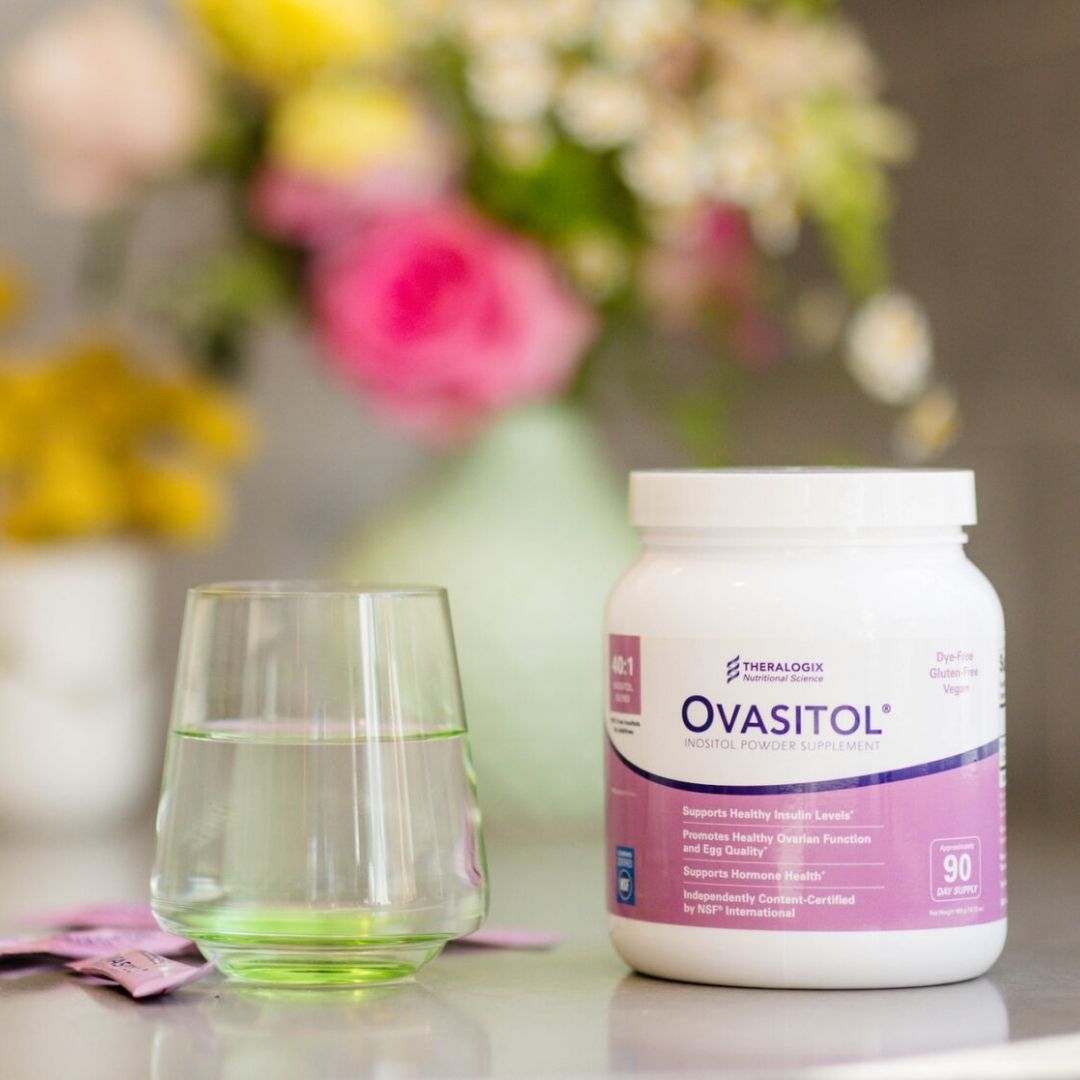
So, go with one of the only 40:1 inositol supplements that is independently tested and certified by NSF International. On my supplement website, Ovafit, you can get a 90-day supply Inositol Complete 40:1 that’s perfectly formulated for Cysters like you (and me!) P.S. The supply includes 90 single serving packets at a dose of 4,000 mg, because it usually takes 3 months to see serious results. But most women see results better than what they received with prescription medications!

What makes Inositol different than other inositol supplements is that it’s made for women with PCOS. If incorporating inositol into your supplement routine, get the option you know is made for you and your unique body.

hand pouring a packet of ovasitol in a glass of water

Put one scoop or packet into a non-carbonated hot or cold drink. 

There are two options when you buy Inositol: You can grab loose powder or individually portioned packets. Simply put one scoop or one packet in 8 oz. of your favorite non-carbonated hot or cold drink. It’s flavorless, so it shouldn’t impact your experience at all!

Take it twice a day at breakfast and lunch. 

Do this twice a day at breakfast and lunch. You can put the powder in your water, tea, smoothie, latte, or mocktail! On The Cysterhood app, you can find plenty of Inositol-friendly drink recipes like the Peach Mint Tea Cooler, Frozen Coconut Raspberry Mocktail, Lemon & Strawberry Refresher, Gingerbread Latte, Raspberry Rose Smoothie, and more! Download it to find the refreshing drink that’ll make your daily dose of Inositol with something you actually enjoy (minus the ingredients that would have triggered your symptoms)! 

Inositol in foods

Eat foods that are high in inositol too! 

Inositol is found naturally in plenty of foods… it’s just hard to get enough to make a big impact on our PCOS. However, if you’re already taking a supplement, eating additional nutrient-dense options is a great way to further support your body. Here are some foods that are high in inositol to add to your meal plan. 

Stay committed to taking it to see results!

It can take up to 3-6 months to see a change in your PCOS symptoms (that’s why it comes in a 90 day supply). So, staying consistent and committed is key! Work on making it a part of your daily routine and as long as you stay symptom free, keep taking it at least long enough to see results. 

Tallene mixing ovasitol in her glass of water
Inositol is usually side effect free, but there are a few potential side effects to look out for when you don’t take it correctly!

PCOS can be difficult to deal with. Unfortunately, we are often handed prescriptions and told to lose weight. This “treatment” can be really unhelpful and result in negative side effects from medications on top of chronic PCOS symptoms. This is why I encourage my Cysters to try naturally healing their PCOS using diet, exercise, supplements, and a few other lifestyle changes. 

Supplements are one of the best next steps to healing. They’ll give your body support as you make other changes to hopefully get your body back to thriving as it should, without the hormone balance, inflammation, and insulin resistance! You can find more PCOS-friendly supplements for healing on the Ovafit website! And, don’t forget to tune in to A Cyster and Her Mister Podcast and keep up with the weekly insights shared here on the blog

11 Vitamins To Lower Testosterone In Women with PCOS

Polycystic ovary syndrome (PCOS) is a common hormone condition that impacts women of reproductive age. It affects several hormones, including androgens, estrogen, progesterone, luteinizing hormone (LH), follicle-stimulating hormone (FSH), insulin, cortisol, and more. The imbalances of these hormones all come with side effects that make up the long list of chronic symptoms women with PCOS deal with every day! 

The hormone I want to talk about today is testosterone, which is a type of androgen and is a male sex hormone. In Cysters like us, testosterone is often elevated and can trigger the imbalance of other hormones, contribute to the development of insulin resistance, and lead to persistence of inflammation. Needless to say, when healing PCOS, lowering elevated testosterone levels is a must for reversing symptoms! 

vitamins to lower testosterone in females with pcos

11 Vitamins To Lower Testosterone In Women with PCOS

There are lots of ways to lower testosterone with PCOS effectively, but it always takes a holistic approach to do it naturally and without side effects! A balanced diet, the right kind of exercise, high-quality sleep, and high-quality supplements are all key components. 

Vitamins and minerals are a great place to start when you begin the process of lowering testosterone because they can give your body the support it needs to correct the problem and start healing your metabolic condition. Below, I’ll break down the supplements I recommend for lowering testosterone! 

What Does Testosterone Do In Females?

Yes, testosterone is a “male sex hormone.” However, testosterone is an essential part of a female’s adrenal balance! The three main sex hormones are estrogen, progesterone, and testosterone. When in perfect balance, each one has its role and helps maintain a healthy body. 

Here’s all that testosterone does for you when at healthy levels:

  • Promotes normal libido 
  • Contributes to maturation and release of eggs during ovulation
  • Promotes the production of cervical mucus 
  • Maintains bone density and strength
  • Supports muscle mass and strength 
  • Reduces fatigue 
  • Improves mood
  • Maintains healthy vaginal tissues 
  • Converts to estrogen to promote proper hormone production

What Is Considered High Testosterone?

Normal testosterone hormone levels for women over 19 years old are between 15 to 70 ng/dL (nanograms per deciliter.) So, anything higher than that would be considered high! Most women with PCOS typically have elevated testosterone levels around 48 to 150 ng/dL. This means that naturally, a Cyster’s testosterone levels are too high and are contributing to negative symptoms. 

What Can Cause High Testosterone Levels?

Of course, we know that PCOS can cause high testosterone, but how? First of all, insulin resistance, which is common in PCOS, stimulates the ovaries to produce more testosterone. Additionally, elevated levels of luteinizing hormone (LH) and general ovarian dysfunction from PCOS can cause spikes in androgen levels like testosterone. Lastly, high insulin levels can result in low levels of sex hormone-binding globulin (SHBG), which is a protein that binds to testosterone to deliver it to various organs and tissues, which can allow free testosterone levels to rise! 

Outside of PCOS, there are other issues that may cause high testosterone in females. Adrenal gland disorders, pituitary gland disorders, ovarian tumors, and various medications can all cause a rise in androgens. 

what happens if testosterone is high in females

What Happens If Testosterone Is High In Women?

Hyperandrogenism, or high testosterone, in women is no joke! It can cause a lot of health issues and chronic symptoms that can lower your quality of life. Here are the common symptoms of high testosterone levels in women:

Beyond these symptoms, high testosterone can also contribute to concerning health problems and root issues like insulin resistance, high cholesterol levels, high blood pressure, and thyroid issues. Some of these root problems can snowball into long-term health conditions and complications like type 2 diabetes, heart disease, sleep apnea, depression, endometrial cancer, and more. 

5 Vitamins To Help Lower Testosterone In Females

Vitamin D

Vitamin D, the sunshine vitamin, is not just great for our bones, it supports healthy hormone balance. It helps regulate overall hormone balance by improving insulin sensitivity and reducing inflammation. Here’s more on the benefits of vitamin D for PCOS

Vitamin E

Vitamin E, like vitamin D, doesn’t have a direct effect on testosterone, but supports testosterone levels by reducing insulin resistance and inflammation. Additionally, the natural antioxidant properties of vitamin E help your body maintain hormone balance with lower levels of oxidative stress. 

Vitamin B6

Vitamin B6 supports the production of neurotransmitters and can help our brains regulate hormone levels and manage metabolism. Additionally, women with polycystic ovary syndrome (PCOS) often have elevated levels of homocysteine, which is an amino acid that can worsen inflammation and hormonal imbalances. Vitamin B6 luckily breaks down homocysteine! 

Magnesium

Sleep is one of the number one ways our body naturally balances and manages hormone production. When we get bad sleep, which is common with PCOS, we’ll experience all sorts of hormonal imbalances. A magnesium supplement can help improve sleep which also influences our hormone balance! Additionally, magnesium can reduce insulin resistance and inflammation for better adrenal health. Here’s more on the benefits of magnesium for PCOS

Zinc

Zinc is one of the most powerful supplements to combat high testosterone levels! In fact, zinc inhibits the enzyme 5α-reductase, which converts testosterone into dihydrotestosterone (DHT), which is a more potent androgen that can cause worsened symptoms. So, by reducing the conversion of DHT, zinc lowers testosterone! To learn more, you can dive deeper into how zinc helps lower testosterone here

vitamins to help lower testosterone in females

6 Supplements to Lower Androgens

Omega-3 Fatty Acids

Omega-3 fatty acids (AKA fish oil) influence the production and metabolism of hormones to keep them from being too low or too high! It also can help reduce inflammation and improve insulin sensitivity to ensure those testosterone levels don’t spike as a result of those issues. Here are more reasons to take omega-3 for PCOS.

Inositol Complete 40:1

Inositol Complete 40:1 is one of my favorite supplements for PCOS, because it can have such a big impact on hormone balance! Ovafit’s inositol supplement is a 40:1 ratio of myo-inositol and d-chiro-inositol and it has anti-androgen effects! Plus, it can improve insulin sensitivity to decrease the production of testosterone in the ovaries. 

Testosterone Relief Tea

Supplements are great for lowering testosterone, and so are herbal teas! You may have heard of drinking spearmint tea, peppermint tea, lemon balm tea, chamomile tea, rosehip tea, and other herbal teas to improve testosterone levels . . . however, who has time to drink half a dozen teas in a day? My Testosterone Relief Tea includes all of these and can help you reduce those androgens naturally! 

two glasses of Testosterone Relief tea

Licorice Root Tea

Licorice root tea is another helpful PCOS supplement for battling androgen activity. It helps lower testosterone by slowing down how much your body makes and helping your body clear out the excess. Licorice root can also affect blood sugar and potassium levels, so it’s recommended that you use this supplement short-term or cycle it with other herbal teas. 

Flaxseed Powder

Flaxseeds are rich in plant compounds called lignans. These nutrients bind to free testosterone in the bloodstream, making it less active. When androgens are less active, they’re less likely to trigger symptoms. Flaxseed powder also supports liver detoxification and healthy estrogen metabolism, helping the body clear excess hormones more efficiently.

Flaxseed powder has a mild, slightly nutty flavor, which makes it easy to mix into everyday foods. It blends well into smoothies, oatmeal, chia pudding, and even salads. You can find plenty of PCOS-friendly recipes using flaxseeds on The Cysterhood app.

Diindolylmethane

DIM, or diindolylmethane, is a compound derived from cruciferous vegetables like broccoli, cauliflower, and Brussels sprouts. It can help balance sex hormone levels by supporting the liver as it breaks down estrogen. As estrogen metabolism improves, the body naturally produces more sex hormone–binding globulin (SHBG). And what does SHBG do? It binds to free testosterone, rendering it inactive. Because of this, DIM is a great supplement choice!

Foods that Lower Testosterone Levels
  • Flaxseeds (ground or flaxseed powder)
  • Soy foods (tofu, tempeh, edamame)
  • Cruciferous vegetables (broccoli, cauliflower, Brussels sprouts, cabbage)
  • Green tea or matcha
  • Almonds and walnuts
  • Berries
  • High-fiber foods (oats, lentils, beans)

How to Lower Testosterone in Women Naturally

Practice healthy stress-management techniques. 

Stress drives up cortisol levels, and high cortisol tells the ovaries to produce more testosterone. So, by reducing stress and incorporating self-care into your daily routine, you can also bring those testosterone levels down. Some good stress-management techniques include getting outside, doing yoga, practicing mediation, and cutting back your mental load. 

Adopt a gluten- and dairy-free anti-inflammatory diet. 

So many PCOS symptoms and root issues are driven by what we do and do not eat—high androgen levels included. To reduce testosterone levels and bring your hormones into balance, try a gluten- and dairy-free anti-inflammatory diet that prioritizes protein, healthy fats, fiber, and other nutrient-dense foods. 

Do regular, slow-weighted workouts. 

Certain kinds of exercise have been proven to reduce testosterone levels in women with PCOS. Instead of high-intensity, high-impact exercises like kickboxing, sprinting, and CrossFit, try slow-weighted workouts. This kind of mindful movement builds muscle without spiking adrenaline and cortisol levels—which is great for hormone balance. 

Get 7-9 hours of good quality sleep. 

Our bodies need sleep to balance hormones. In fact, all of our hormone-balancing efforts can fall flat if we aren’t sleeping enough. Overnight, the body goes through specific cycles that regulate hormones—including androgens and cortisol. That’s why practicing good sleep hygiene and consistently getting 7–9 hours of sleep is essential.

Take strategic vitamins and supplements. 

Of course, taking the right vitamins and supplements can be a huge help. These research-backed tools can help our bodies function at their best and balance hormones. I know I talked about a lot of different ones in this post, but to start out, consider the Metabolism Plus bundle, Inositol Complete 40:1, and Testosterone Relief Tea. Each one of these supplements is NSF-certified and specifically formulated for women with PCOS.

High testosterone contributes to many PCOS symptoms, so find ways to naturally lower those levels! 

Lowering testosterone using natural supplements is a great start to PCOS healing! However, you don’t want to grab just any supplement off the shelf. You want something third-party tested, high-quality, and specifically made for a PCOS body. Everything from the dosage to the type of vitamins matters! 

That’s why I created Ovafit, which is a research-backed, third-party tested supplement line made for PCOS. There, you can find the MetaMulti, which includes zinc and vitamin D, E, and B6. You’ll also find an omega-3 supplement and Inositol Complete 40:1! Everything you need to support your healing journey is right in one place! 

Should I Take NAC For PCOS?

If you’re on a natural healing journey to reverse the symptoms of your polycystic ovary syndrome (PCOS), you most likely have heard of the power of natural supplements! When you can address nutrient deficiencies with high-quality supplements, your body finally gets the support it needs to function at its best. 

Some of the most helpful and researched supplements Cysters can take are Ovasitol, multivitamins, curcumin, omega-3, and CoQ10! You can get all these from Ovafit, my PCOS-friendly supplement line. However, there are other supplements that you may want to consider adding to your routine! Often, Cysters consider taking probiotics, L-glutamine, adrenal support, and a supplement called NAC.    

But, what is NAC? This may be your first time hearing it, so I wanted to give my thoughts on taking an NAC supplement as a PCOS registered dietitian and as someone who has managed my PCOS for years. I’ll explain what NAC is and how it can be helpful, and I will give my recommendation on whether you should try NAC. 

Here’s what you need to know:

nac for pcos

Should I Take NAC For PCOS?

NAC is a popular supplement that you’ll find down the health aisles of a grocery store, but with so many supplements to choose from, how do you know if it’ll actually be helpful for you and your health goals? That’s why I’m here to help you sort through it all and figure out what makes sense for your PCOS supplement regimen. 

What Is NAC?

N-acetyl cysteine (NAC) is a supplement that provides your body with the amino acid, cysteine, and helps your body produce glutathione, which is an antioxidant! That means NAC is a powerful antioxidant that not only fights free radicals but also supports liver health, boosts the immune system, reduces inflammation, improves fertility, and so much more!

is NAC good for PCOS?

Is NAC Good For PCOS?

YES! In fact, NAC is a natural supplement. Studies show that NAC, berberine, and Ovasitol can work just as effectively as Metformin, but without all the side effects. 

But, what does NAC do in the body that helps our PCOS? Let’s break it down! 

First of all, NAC can boost insulin receptor activity, which can help improve insulin sensitivity! As your body better processes glucose, you can get relief from symptoms like fatigue, weight gain, cravings, and irregular periods while also improving your hormone balance and reducing your risk of long-term complications like type 2 diabetes

NAC is also great for improving fertility! By reducing oxidative stress, improving cellular health, lowering androgen levels, and more, a systematic review and meta analysis showed that NAC can improve ovulation and pregnancy rates in women with PCOS! 

For my Cysters who also struggle with facial hair, NAC can help lower testosterone levels! That means you not only can see improvements in fertility, but you may find relief from acne, hirsutism, hair loss, mood swings, and fatigue. Plus, high free testosterone and menstrual irregularity go hand-in-hand, so lowering androgens like testosterone can also help you finally get normal, regular periods. 

NAC can actually help hormonal balance overall to relieve many PCOS symptoms. It does this by reducing inflammation and boosting liver function. Your liver is essential for detoxing excess hormones and regulating the production of new hormones. So, many on NAC experience improved hormone balance!  

Yeah . . . that’s a lot! NAC can be a great supplement for PCOS! 

what does nac do for pcos

What Does NAC Do For PCOS?

  • Improves Insulin Sensitivity
  • Boosts Fertility
  • Balances Hormones 
  • Reduces Inflammation
  • Supports Liver Function
  • Regulates Menstrual Cycles
  • Improves Cholesterol Levels
  • Enhances Antioxidant Levels
  • Supports Weight Management
  • Improves Mood and Mental Health
  • Reduces Oxidative Stress
  • Enhances Immune Function
  • Supports Detoxification

Best NAC Supplement For PCOS

Pure Encapsulations

A high-quality, NSF-certified NAC supplement I recommend is Pure Encapsulations. They’re a trusted brand that does third-party testing to ensure their supplements actually work the way they advertise. 

Beyond that, Pure Encapsulations won’t compromise your PCOS diet, because it’s gluten- and dairy-free. It’s also free of GMOs, soy, artificial colors and sweeteners, peanut products, eggs, unnecessary binders and fillers, and preservatives. This is also a pretty affordable NAC supplement option since each bottle comes with a 3-month supply of 600 mg capsules! 

Thorne

Thorne is an NSF-certified supplement brand focused on science. They do lots of testing, use high-quality ingredients, and have a pristine manufacturing process. Thorne is free of all major allergens and is gluten and dairy-free, which aligns with our PCOS weight loss method. Each bottle includes 500 mg of NAC and includes a 3-month supply!

NOW Supplements 

NOW is another great organic supplement brand that’s known for being affordable. They don’t have the NSF-certification, but they are third-party tested with an A-rating from GMP Quality Insurance. One bottle of NOW Supplements NAC vitamin comes with 600 mg of NAC and 25 mg of selenium, which is another beneficial vitamin for PCOS. 

These supplements are non-GMO, vegan/vegetarian, gluten-free, kosher, dairy-free, egg-free, nut-free, and soy-free! And, each bottle comes with enough to get you through 250 days! 

NAC is a great supplement to take for PCOS!

NAC can be a beneficial supplement for PCOS, but before adding it to your routine, make sure that you discuss dosage and safety with your doctor. And, make sure you combine your supplement routine with other lifestyle changes that help your PCOS be more manageable so that you can finally live symptom-free!

You can find resources, meal plans, workout routines, and a supportive community to help you reach your health goals on The Cysterhood app. Together, we can naturally heal your PCOS!

5 reasons to take Curcumin for PCOS

5 reasons to take Curcumin for PCOS

More than just a curry ingredient, turmeric has numerous health-boosting benefits for PCOS women and should be a consistent part of our routine. There are comprehensively researched theories speculating that turmeric could ease PCOS symptoms.

Curcumin is the bright yellow pigment found in turmeric, known for its natural anti-inflammatory properties. (Curcumin is the active ingredient in tumeric.) Research suggests that curcumin can help in the management of inflammatory conditions and improve systemic markers of oxidative stress, which is recognized to play a key role in chronic inflammation found in PCOS women. 

The medicinal properties of foods and spices have been spoken about for centuries, but the benefits of tumeric for PCOS has only been explored in the past couple of decades. 

There’s compelling evidence to suggest that taking curcumin supplements could be highly beneficial for PCOS Cysters. 

Let’s take a look at the health benefits of turmeric, shall we? 

Please note this blog post is not a substitute for official medical advice and is for informational purposes only. If you are concerned about your PCOS symptoms, suspect you have an underlying health condition, or wish to start a new diet/lifestyle/supplement plan, please consult your doctor first. Neither the author(s) nor the publishers of this content take responsibility for any potential health consequences or side effects experienced by any person following this educational content. 

5 reasons to take Curcumin for PCOS

1. Turmeric and curcumin could help to reduce inflammation

Long-term, low-grade inflammation is thought to be the root cause of the most uncomfortable PCOS symptoms, such as headaches, bloating, cramping, weight gain, fatigue, food intolerances, and inflammation. Inflammation also leads to more insulin resistance, excess androgens (high testosterone levels), and harsher PCOS symptoms. The curcumin in turmeric has powerful anti-inflammatory and antioxidant properties, which are theorized to rival ibuprofen and aspirin!

Ginger Turmeric Juice Shot Benefits

You may have seen the ginger turmeric juice shot trend and it turns out it does have some benefits for women with polycystic ovary syndrome (PCOS). They include reduced fatigue after exercise, reduced aches and pains, and an increase in the amount of antioxidants you include in your diet.

To make a ginger and turmeric juice shot – you’ll need ginger root, black pepper, lemon juice, and turmeric. There is no single active ingredient here as they all perform unique functions to cleanse the body and kickstart the system.

2. Curcumin could help to improve insulin resistance

A common hallmark of PCOS is insulin resistance. This is when the cells in the muscles, fat, and liver don’t respond well to insulin and can’t use glucose from your blood for energy. To compensate, the pancreas makes more insulin, and over time, you become more and more insulin resistant, making it harder to lose weight or burn fat because your blood sugar and insulin levels are through the roof! This can lead to long-term health implications, especially for people with PCOS.

One systematic review found reason to believe that the effect of curcumin may improve insulin sensitivity in women with PCOS. Adding curcumin to your diet and exercise routine could give you the boost you need to improve insulin sensitivity.

3. Curcumin is rich in antioxidants

PCOS symptoms can be explained by chronic inflammation and oxidative stress. To treat PCOS Cysters, we need to modulate the levels of inflammatory markers and antioxidants in the body. Not only is curcumin a powerful anti-inflammatory, but it’s also a potent antioxidant. It is thought to neutralize free radicals due to its chemical structure. Free radicals are highly reactive, unstable atoms that can damage cells, causing illness and aging, and making insulin resistance even worse.

4. Curcumin could help to fight depression 

There’s growing evidence that inflammation is linked to depression, which may explain why many PCOS Cysters are prone to low moods and fatigue. Curcumin may help ease symptoms of depression by easing inflammation in the immune system. Studies show that curcumin administered to animals have found that it could: 

  • Affect serotonin and dopamine – the brain chemicals that control mood and behavior 
  • Alter parts of the brain that respond to stress
  • Protect against damage to energy-producing structures in your cells (mitochondria). 

5. Curcumin may lower the risk of cardiovascular disease

PCOS risk factors, such as being overweight, having higher blood pressure, or having insulin-resistant diabetes, are linked to cardiovascular disease. Studies indicate that the antioxidant and anti-inflammatory properties of curcumin may protect against some of the factors involved in developing heart disease, including improving cholesterol levels.  

How to take curcumin 

As a supplement
Metabolism Plus bottle

Our very own formula provides the most bioavailable turmeric, so you’re getting maximum effectiveness at a minimum dose. You’ll benefit from 100% absorption from 300mg, whereas other existing turmeric sources provide around 12% absorption from 1500mg. You can order your Curcumin from our Metabolism Plus bundle here

We take pride that our supplements are third party tested and NSF Certified, which guarantees that the amounts of vitamins and minerals contained in each dose are pure and consistent with the label. NSF certification is your key to making sure that the products you use meet strict standards for public health protection.

Simply adding turmeric to your diet may not be enough to receive all the benefits of curcumin. However, you can add it to your diet for an extra kick 

One tablespoon of ground turmeric powder contains approximately:

  • 29 kcal/123 KJ
  • 9g protein
  • 4g carbohydrates
  • 1g fiber
  • 3g fat
  • 196mg potassium
  • 7mg iron

Best Ways To Take Turmeric

Here are a few tasty ways to incorporate turmeric into your diet. 

  • Turmeric lattes
  • Turmeric teas
  • Turmeric added to soups and stews
  • Turmeric sprinkled over oven-roasted root vegetables 
  • Turmeric golden milk 
What’s the recommended curcumin/turmeric dosage? 

The recommended turmeric dosage is between 150-250 mg of curcumin and 1,000 – 1,500mg of turmeric root powder per day. Our supplement provides 300mg of curcumin. 

Are there any side effects of turmeric/curcumin? 

The side effects of turmeric are rare and typically moderate, but keep the following in mind: 

  • Turmeric is a blood thinner that can increase the risk of bruising or bleeding. If you’re on medication or plan to undergo surgery, you should consult your doctor before taking turmeric extract supplements – especially if you take blood thinning medication (anti-coagulation drugs) or diabetes medication.
  • If you are pregnant or breastfeeding, you should avoid taking medicinal quantities of turmeric/curcumin. There’s not enough medical evidence to confirm the safety of curcumin supplementation during pregnancy. However, enjoying small amounts of turmeric spice, such as in a meal or drink, is perfectly safe. 
  • In a small number of individuals using higher dosages, turmeric may cause nausea, stomach pain, dizziness, diarrhea, allergic reactions, or constipation. 
  • Turmeric may inhibit iron absorption. If you have iron deficiency anemia, avoid turmeric in high/medicinal quantities.
What is the best time of day to take curcumin?

The best time to take the supplement varies depending on the individual. Some people take it in the morning along with their other vitamins and supplements, while others prefer to take it at night to target the inflammation that may have flared up during the day. 

We’d recommend that you take it with a meal, like breakfast, as curcumin absorption increases when ingested with healthy fats.

For more tips on PCOS diet dos and don’ts, check out our podcast, A Cyster and Mister, and our handy blog posts on PCOS Weight Loss

Browse our bundle of Metabolic Plus supplements designed for PCOS, here

Pros and Cons of Metformin for PCOS

There are four types of polycystic ovary syndrome (PCOS), but most women with PCOS fall into the “insulin-resistant” PCOS category. (Find out your type by taking this quiz.) In fact, research shows up to 80% of Cysters are insulin-resistant. This insulin resistance can progress into type-2 diabetes and other long-term complications if left untreated. Plus, insulin resistance itself causes several irritating symptoms like weight gain, headaches, skin infections, and increased thirst. 

Because of the insulin resistance effect on a Cyster’s body, it’s one of the main side effects of PCOS that doctors work to treat. Often, the drug metformin is prescribed, because it can increase insulin sensitivity and alleviate symptoms. However, there can be several side effects with metformin and there are other factors to consider before making it your go-to treatment method. 

So, today, I’m breaking down the pros and cons of metformin! We’ll also discuss other treatment options if you decide Metformin isn’t for you. Here are the details:

Pros and Cons of Metformin for PCOS

Metformin is not a long-term cure for PCOS. It does not treat PCOS, however, it is seen as safer than oral contraceptives and it can help ease several difficult symptoms. Many women find they’re able to get to a more manageable body weight and improve their fertility. If you’re a Cyster looking for a way to improve your life with PCOS, this probably sounds amazing! 

But, it’s important to always weigh the pros and cons, so you know exactly what you’re getting into. An enthusiastic doctor may miss telling you some downsides and a social media influencer may only tell you the worst-case scenario. The truth is always somewhere in the middle. 

Before you dive in, here’s specifically what metformin does for PCOS

Benefits of Metformin for PCOS

Improves insulin sensitivity. 

Metformin works by triggering AMPK, which is an enzyme that stops gluconeogenesis (production of glucose.) By doing this, metformin is helping your cells respond to insulin, preventing your liver from producing too much glucose and reducing the sugar levels absorbed by the intestines. This is how metformin improves insulin sensitivity, which can alleviate many PCOS symptoms and reduce your risk of developing complications. 

Reduces glucose levels. 

As insulin resistance lowers, of course, your blood glucose levels will lower too! This is because your body is actually able to process glucose into energy, rather than storing it as fat. As blood sugar levels balance, you’ll probably see relief from symptoms like fatigue, intense cravings, frequent urination, and yeast infections. 

Helps with weight loss. 

When your body isn’t storing sugar as fat and you finally kick cravings to the curb, losing weight becomes much easier. On metformin (and similar drugs like Ozempic) many Cysters experience improvements in their BMI (body mass index.) Weight loss itself can also improve your insulin sensitivity, cholesterol levels, blood pressure, sleep health, and fertility.  

Balances testosterone levels. 

Insulin resistance can have a domino effect and impact your hormones, too. Testosterone is often elevated with insulin resistance, causing symptoms like irregular periods, hair loss, mood swings, infertility, hirsutism, and acne. Research has found metformin can indirectly help regulate testosterone by improving insulin resistance, alleviating a number of these side effects. 

Improves fertility. 

Lastly, metformin can increase your chances of conceiving and having a healthy pregnancy. Insulin resistance and hormone imbalance both can cause infertility, so medications remedying these issues have shown to be effective at increasing your chances of having a baby. 

Side Effects of Metformin for PCOS

Depletes body of nutrients like B12. 

One of the main downsides of metformin is the fact that it can deplete your body with essential nutrients like vitamin B12. You’ve probably heard of this one before, and that’s because it’s a big one! A lack of vitamin B12 can cause extreme fatigue, muscle weakness, sore tongue, mouth ulcers, and vision problems—that means metformin could worsen symptoms you’re trying to alleviate using the medication. 

Disrupts the endocrine system. 

An endocrine disruptor is any manmade chemical that interferes with your body’s hormone balance. If you remember, one of metformin’s proposed benefits is hormone balance. However, recent studies have found the hormone-balancing claim questionable, and have instead noticed endocrine-disrupting actions that could negatively affect fertility and other bodily functions. 

Alters the gut microbiome. 

Your gut health has a surprising effect on the rest of your body. It’s essential that your gut microbiome be balanced and healthy to heal PCOS. Studies have found that metformin can either improve or worsen your gut health. 

It varies from person to person, and researchers are still trying to understand the method of action that allows metformin to alter the gut microbiome in the first place. So, understanding how and why it affects people differently is even more foreign and unknown to scientists. Because of this, you should just be cautious of how metformin may affect you.

GI problems. 

One of the most common side effects of metformin is GI problems, which makes sense when you consider how it heavily affects digestion. Cysters report upset stomachs, nausea, abdominal discomfort, and diarrhea. These added symptoms can make you feel like you are spinning wheels with your PCOS healing process, almost as if you’re trading one set of side effects for another! 

Risk of developing lactic acidosis. 

Though rare, there is a risk of lactic acidosis when taking metformin. This is a serious condition where lactic acid builds up in your bloodstream and if consistent, it can ruin your kidney and liver health. This can make your cardiovascular system work in overdrive, leading to organ failure or death in extreme instances. 

Best Alternative to Metformin for PCOS

Truthfully, I don’t think metformin is the best treatment option for PCOS longterm. It comes with lots of side effects and risks, but it doesn’t actually fix the problem. While taking metformin, it can help with insulin resistance but as soon as you get off of it, your insulin resistance and hormone imbalance will likely return, unless you were making diet and lifestyle changes while you were on it. PCOS comes with many challenges and sometimes taking metformin and birth control are the best next step, but as a Registered Dietitian, I always encourage women with PCOS to take charge of their diet and lifestyle while on these medications so they won’t have to take them long term.

If you’re not happy with metformin, you can try Ovasitol which is a natural inositol supplement that has been shown to be just as effective than metformin for many women with PCOS, according to many studies. Only 11.2% of Cysters taking metformin see improvements in their weight, ovulation, and pregnancy. However, 46.7% of Cysters on inositols saw improvements in weight, ovulation, and pregnancy.

The best part? Ovasitol doesn’t have any side effects or risk factors. It simply replenishes your body’s needed ratios of myo-inositol and d-chiro-inositol, which not only helps with insulin levels and the rest of your symptoms but actually helps solve the issue at the root cause! Check it out here. It is crafted specifically for a Cyster’s needs, including dosage and inositol types! You can learn more about this option and the pros of Ovasitol and metformin in this episode of A Cyster and Her Mister.

Stopping metformin? Check out these 15 Metformin Withdrawal Symptoms PCOS.

Consider these pros and cons before taking metformin for PCOS. 

As always, talk to your doctor before considering any alternatives. However, know there is a natural way to reverse your PCOS and finally get symptom relief. You can learn more about these natural methods on the A Cyster and Her Mister podcast and on my blog! I healed my PCOS, and you can too!