
🧬 What’s Your PCOS Type? Take the Quiz →

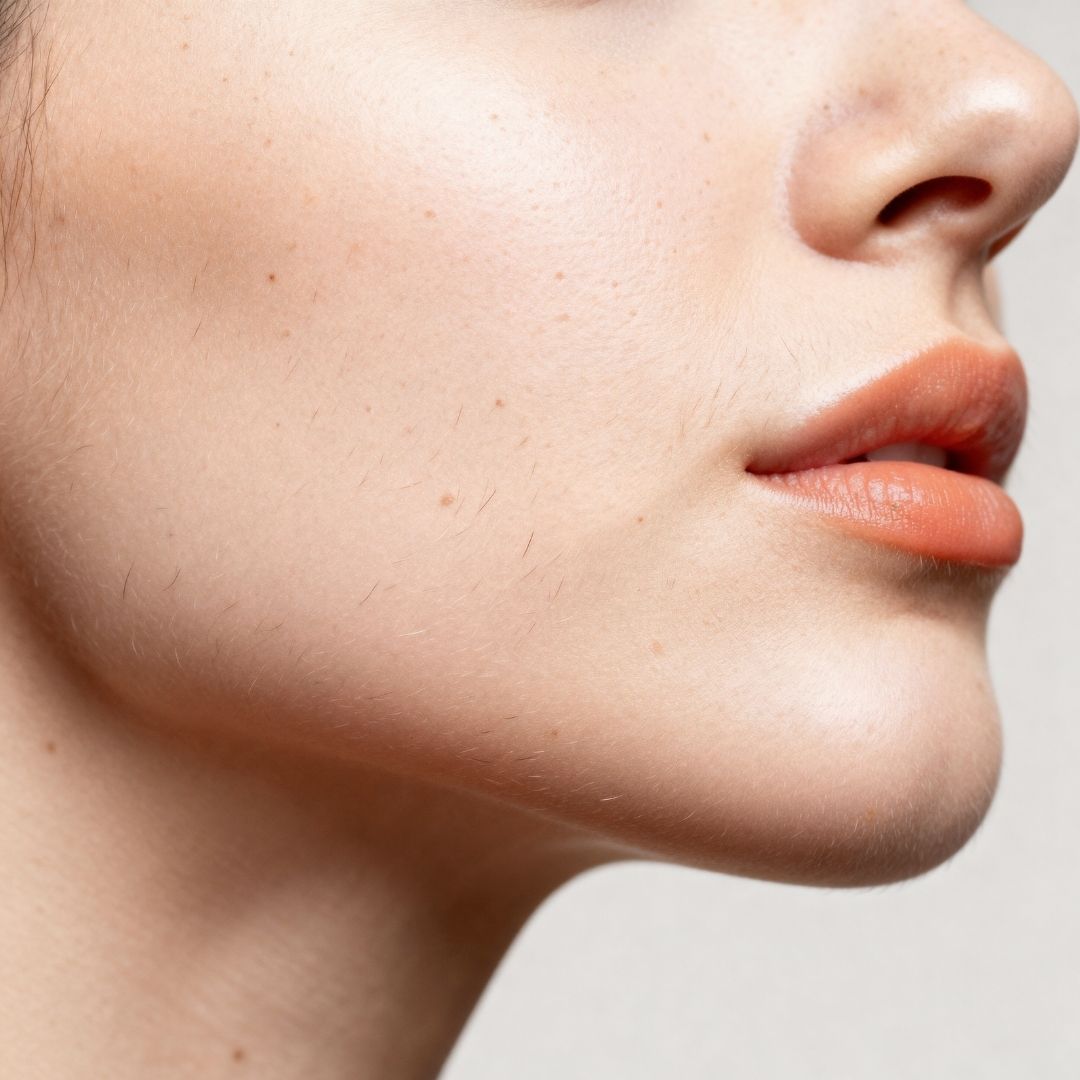
How to Stop Facial Hair Growth Due to PCOS Naturally

If you’re a woman living with polycystic ovary syndrome (PCOS), you know the long list of side effects can feel totally overwhelming. Many symptoms affect how your body feels—fatigue, pelvic pain, headaches, painful periods, joint pain, digestive issues… I could go on. However, there are other symptoms that impact the way your body looks, which can be just as challenging.

PCOS can change your appearance in ways that feel out of your control. Weight gain, acne, skin tags, dark patches, hair thinning, and excess facial or body hair can chip away at your confidence and make you feel disconnected from your own beauty and femininity. But here’s the good news: There’s a lot you can do to naturally address these issues!

In this post, I’m focusing specifically on excess facial and body hair growth with PCOS. If you’re looking for tips on the other cosmetic symptoms of PCOS, you’ll find those on the blog too. For now, let’s talk about how to reduce unwanted hair growth with PCOS.

How to stop facial hair growth due to pcos naturally

How to Stop Facial Hair Growth Due to PCOS Naturally

First of all, I know you’ve already tried shaving, waxing, and plucking with little success. This dark, coarse hair always comes back with a vengeance. I’ve dealt with it myself! That said, the next step isn’t laser hair removal or hormonal birth control pills. 

Sure, both may give you temporary results. But if you don’t get to the root of the problem, the hair will continue to resurface. Luckily, there are ways you can naturally and permanently stop PCOS facial and body hair growth. 

So before we jump into solutions, let’s talk about why PCOS causes unwanted hair in the first place. Once you understand what’s happening inside your body, you’ll be able to take steps that actually support healing. From this, my hope is that you feel more feminine, confident, and like you again!

How Does PCOS Cause Facial Hair Growth?

Facial hair growth in women with PCOS comes from high androgen levels. Androgens are male sex hormones that our ovaries are supposed to produce in small amounts. We actually need them for things like muscle building, reproductive health, cognitive function, and more! However, it’s not surprising to hear that excess male sex hormones in a female body can cause lots of problems.

When your ovaries produce too many androgens, it can stop ovulation or make it super irregular. And insulin resistance can make the imbalance even worse. About 80% of women with PCOS have this condition, and it’s when your body doesn’t respond properly to glucose. Because of this, you begin producing more insulin to deal with the extra sugar. However, that insulin also binds to receptors in the ovaries, telling them to produce even more androgens.

Okay, but why does that make you grow facial hair, right? Well, androgens stimulate hair follicles on your face, chest, upper lip, jawline, chin, stomach, and sometimes your back. It shifts these hairs into the “active growth” phase, leaving you with thick, dark hair (terminal hair) instead of the usual, basically invisible peach fuzz (vellus hair). 

If all that wasn’t enough, inflammation can also contribute to higher androgen levels. The hormonal imbalances and high insulin levels can signal to your immune system that you’re in a state of emergency. 

This triggers inflammatory activity all over. And if the root issues—high androgens and insulin resistance—aren’t addressed, you end up with chronic inflammation. And chronic inflammation can make your hair follicles more sensitive to androgens and disrupt the normal hair-growth cycle. These are all the ways PCOS can cause unwanted hair growth!

Can facial hair growth from pcos be reversed

Can Facial Hair Growth From PCOS Be Reversed?

If you want to reverse PCOS facial hair, you have to get to the root issues behind it: inflammation, insulin resistance, and high androgen levels. These three problems all fuel your facial hair growth—and they all feed into each other in a vicious cycle. Here’s how it works:

  1. High insulin levels signal your ovaries to pump out more androgens.
  2. Those extra androgens throw your hormones off balance and stress your system.
  3. This hormonal stress confuses your cortisol rhythm and activates inflammation.
  4. Your body stays in a low-grade inflammatory mode even though there’s no real threat.
  5. That lingering inflammation makes your cells less responsive to insulin.
  6. As insulin resistance gets worse, your body pumps out even more insulin to compensate.
  7. The higher insulin levels then trigger excess androgen production, restarting the cycle.

See the problem? And insulin resistance, inflammation, and hormonal imbalances don’t just trigger PCOS facial hair. These are the issues behind pretty much all of your chronic symptoms. So when you get these three things under control, you can achieve all-around symptom relief and actually reverse your PCOS. Pretty amazing, right?

But… easier said than done. You’ve got to break that cycle to stop the domino effect. There’s no single pill or quick procedure that fixes it overnight. However, healing is totally possible! In fact, I have an essential guide to naturally managing your PCOS on the blog. But for now, I’m sharing steps that can specifically help with PCOS facial hair growth.

How to stop pcos hair growth naturally

How to Stop PCOS Hair Growth Naturally

Adopt a gluten- and dairy-free anti-inflammatory diet. 

A gluten- and dairy-free anti-inflammatory diet is one of the best ways to support your body and improve all three root issues of PCOS. First, as the name suggests, it cuts out inflammatory foods like refined carbs, processed foods, gluten, and dairy. This is extremely helpful for keeping inflammation low, which naturally improves hormone levels!

And without inflammation making insulin resistance worse, you can use the diet to target that, too. By managing your sugar and carb intake—and increasing your fiber and protein—you stabilize your blood sugar. Combine that with nutrient-dense, delicious meals, and you’re well on your way to reversing PCOS symptoms, including facial and body hair growth.

I know this diet might sound restrictive or difficult to stick to, but I promise it’s not. It’s less about what you stop eating and more about what you start eating. You can find all my PCOS-friendly recipes and a built-in meal planner inside The Cysterhood app. And don’t worry—there’s no boring, bland “health food” in sight. You’ll find hundreds of tasty, satisfying recipes that curb cravings and support healing—at the same time.

Here are just a few PCOS-friendly recipes you’ll find on the app:

  • Chocolate Waffles
  • Air Fryer Chicken Nuggets
  • California Roll Bowl
  • Chicken Alfredo
  • Buffalo Chicken Pizza
  • Beef Taco Soup
  • Pumpkin Pie Fudge 
  • Funfetti Cupcakes 

Take supplements to support proper functioning.

Even if you follow the suggested diet perfectly, it’s still hard to get all the daily vitamins and minerals your body needs. That’s where supplements come in! These natural remedies help fill in the gaps and give your body exactly what it needs to balance hormones, reduce inflammation, and lower androgen levels. You just need to take the right ones.

Talk to your doctor about starting this PCOS supplement routine. Also, don’t jump into everything at once—slowly work your way up. This way, your body gets well-rounded support from the essential vitamins and minerals it needs. Below are the supplements included in the routine, along with the ways they support facial-hair management and other PCOS symptoms:  

  • Multivitamin: Inflammation and Insulin Sensitivity 
  • Omega-3: Inflammation, Insulin Sensitivity, and Androgen Levels
  • Curcumin: Inflammation, Insulin Sensitivity, and Androgen Levels
  • CoQ10: Inflammation and Insulin Sensitivity 
  • Inositol: Androgen Levels and Insulin Sensitivity 
  • Berberine: Inflammation, Insulin Sensitivity, and Androgen Levels 
  • Probiotics: Inflammation, Insulin Sensitivity, and Androgen Levels 

Reduce stress and cortisol levels.

Cortisol is your stress hormone. When your body experiences stress externally or internally, cortisol rises to trigger your emergency response system. We all know where external stressors come from: a big work project, relationship conflicts, financial struggles… The list is endless.

But internal stressors are just as damaging. Things like nutrient deficiencies, lack of sleep, hormonal imbalances, and more can all send cortisol through the roof. Basically, anything in your body that isn’t going “right” can activate your stress response. 

When cortisol spikes, your body goes into survival mode. (Yes, our bodies can be a little dramatic.) To keep you “safe,” your system increases insulin resistance to store more fat and ramps up inflammation to fight off perceived threats. See the problem?

On top of that, high cortisol pushes reproductive processes to the back burner, delaying ovulation and creating more hormonal imbalance. This includes elevated androgens, which fuel facial and body hair growth along with other PCOS symptoms.

All that to say: keeping stress in check is essential if you want to break the cycle and stop excess hair growth. Internally, you can support your body by following the other tips on this list. Externally, you can help by reducing caffeine intake (AKA liquid stress), practicing meditation and deep breathing, getting outside, setting boundaries, and lightening your mental load.

I know it is easier said than done. But even small steps to cut back on stress can lead to big improvements in your symptoms!

Drink hormone-balancing herbal tea blends. 

Like natural supplements, herbal tea can give your body nutritional support to improve metabolic, digestive, and hormonal function. These herbs have been used for thousands of years as medicine, and now research shows they actually work. Plus, sipping on a warm cup of tea in the morning or at night is super relaxing and stress-relieving. 

To help with facial hair growth from PCOS, you want herbal teas that are anti-androgenic. Basically, you want teas that help lower testosterone levels. And, fortunately, there are several herbs that directly support hormone balance and reduce inflammation. These include spearmint, nettle, lemon balm, chamomile, lavender, orange peel, cinnamon, peppermint, and calendula.

Now, I am not suggesting you buy every one of these individually and rotate them on a schedule. Instead, choose a strategic tea blend like Ovafit’s Testosterone Relief Tea, which includes these hormone-balancing and anti-inflammatory herbs. With just one or two cups a day, you can start seeing real results.

Use slow-weighted and meditative workouts. 

We all know exercise is great for building muscle, but did you know it also supports hormone balance and stabilizes insulin levels? It’s true. The right kinds of workouts make your cells more responsive to insulin. This lowers insulin resistance and signals your ovaries to produce less testosterone. The result is less facial hair growth and fewer androgen-related symptoms.

Exercise also increases your sex hormone-binding globulin (SHBG) levels. SHBG is a protein that grabs onto testosterone and prevents it from affecting other parts of your body. But that’s not all! Working out reduces inflammation and lowers stress levels, both of which are incredibly helpful for bringing androgen levels back into a healthy range.

However, not all workouts are created equal. At one point, I was kickboxing almost every day and actually gained weight and saw an increase in PCOS symptoms, including facial and body hair growth. Why? Because high-intensity workouts raise adrenaline and cortisol. When your stress hormones spike during intense exercise, they can counteract the benefits, worsening symptoms instead of improving them.

Avoid martial arts, HIIT, CrossFit, bootcamp-style classes, sprinting, intense cycling programs, plyometrics, and long-distance cardio. Instead, focus on low-impact, meditative movements like yoga, swimming, Pilates, walking, and my personal favorite: slow-weighted workouts. If you want a deeper explanation of why Sirak (my husband and a PCOS personal trainer) and I recommend slow-weighted exercise, listen to this episode of A Cyster and Her Mister.

And if you are ready to jump in now, download The Cysterhood app. Not only does it include all the delicious and nutritious recipes I mentioned earlier, but it is also full of PCOS-friendly workout routines. You will never have to guess whether your exercises are helping or hurting your healing. We designed these routines specifically for a Cyster’s unique body and needs.

Get better quality sleep every night. 

Another super beneficial way to support your body is by improving your sleep. Better sleep habits, also known as sleep hygiene, can have a huge impact on how you feel. This is true for anyone, but especially for women with PCOS. While you sleep, your body carries out essential processes that regulate blood sugar levels, balance hormones, and manage inflammation. When your sleep quality is poor, it becomes much harder to keep these things in check.

Research shows that when sleep hygiene improves, you’re likely to see lower cortisol levels, increased insulin sensitivity, healthier SHBG levels, and reduced inflammation. As your circadian rhythm strengthens, hormones like melatonin, insulin, estrogen, and progesterone move into the correct ranges, too! All these shifts work together to lower testosterone levels and improve PCOS symptoms, including excess facial and body hair growth.

You can read our full post on how to sleep better with PCOS, but here are some of our top tips:

  • Get sunlight right away in the morning
  • Maintain a consistent sleep schedule
  • Limit screen time at night 
  • Consider CBD or a melatonin supplement 
  • Keep your bedroom cool and dark—and just for sleeping 

Combine these lifestyle changes with natural, trusted topical treatments. 

I saved this one for last because so many of us are quick to reach for topical treatments to fix PCOS-related skin and hair issues. But without addressing the root problems? Things like excess hair growth, hair thinning, acne, skin tags, and darkened patches will keep coming back. I do not want you wasting money on expensive products with big promises.

That said, if you are already doing the work to balance hormones, reduce inflammation, and lower insulin resistance from the inside out, topical treatments can be a great secondary layer of support. Here are some options to discuss with your doctor:

Stop excess facial and body hair growth by healing your body from the inside out. 

At the end of the day, stopping PCOS facial hair growth naturally isn’t just about changing what you see in the mirror. It’s about feeling more in control of your body again. Once you understand what’s driving the symptoms and start addressing the root causes, the changes become noticeable. Your skin calms down, regrowth slows, and your confidence builds right alongside the progress. It’s a steady shift, but it’s totally possible to reverse unwanted hair growth long-term!

For more ways to manage cosmetic symptoms of polycystic ovarian syndrome (PCOS), read these guides next:

Can I Take Berberine and Semaglutide Together for PCOS?

Polycystic ovarian syndrome (PCOS) comes with a long list of symptoms. It’s so much more than irregular periods and acne (though those are frustrating enough on their own). And one of the most difficult symptoms to overcome both physically and mentally? Weight gain. 

The hormonal imbalances and insulin resistance that come with PCOS can make Cysters gain weight quickly, especially around the belly. (This is what we commonly refer to as PCOS belly.) And once it’s there, losing it can feel nearly impossible. These constant weight management struggles have led many women with PCOS to explore the idea of taking GLP-1 medications or supplements to help balance blood sugar and boost metabolism.

While researching, though, many women stumble upon semaglutide (GLP-1 medication) and berberine (GLP-1 supplement). Both target insulin resistance and metabolic issues from different angles, posing the question: “Can I safely take the two together for maximum results?” So, that’s exactly what I’ll be discussing today!

Can I Take Berberine and Semaglutide Together for PCOS

Can I Take Berberine and Semaglutide Together for PCOS?

In this post, I’ll start by explaining what berberine and semaglutide are and how each one works. Then, we’ll look at how they can both positively and negatively influence each other when used together. And finally, I’ll share how to take them safely and effectively to support your PCOS and weight loss goals.

What Is Berberine?

Berberine is a natural compound found in plants like barberry, goldenseal, and tree turmeric. It’s often referred to as “nature’s Ozempic” because it interacts with the same hormone pathway as semaglutide. As a natural GLP-1 booster, berberine supports blood sugar control, insulin sensitivity, and weight management.

It works by activating an enzyme called AMPK, which plays a key role in regulating your metabolism. This enzyme helps your body use sugar more efficiently! Instead of storing glucose as fat, it converts it into energy. That’s huge for Cysters, since insulin resistance drives many PCOS symptoms beyond just weight gain. Unlike quick fixes, berberine helps address the root cause of metabolic imbalance for more lasting results.

Because it’s completely natural, most people don’t experience side effects. Plus, berberine can help lower cholesterol, improve gut health, and reduce inflammation. You can read more about it in my post on berberine for PCOS. And even if you decide against taking a GLP-1 medication like Ozempic, I still recommend you start taking a berberine supplement like Ovafit’s Berberine Advanced! It can lead to big changes!

What Is Semaglutide?

Semaglutide is a prescription drug that was originally designed to help people with type 2 diabetes manage blood sugar levels. You probably know it by its brand names, like Ozempic, Wegovy, and Rybelsus. These medications work by mimicking a natural hormone in the body called GLP-1, which helps with appetite suppression, blood sugar control, and overall metabolic health. You can actually learn even more in my posts, “What Is Ozempic?” and “Should You Take Wegovy for PCOS?

Since its launch for diabetes, people have discovered how effective semaglutide can be for weight loss. Because of that, it’s now prescribed off-label to millions of people looking to reach a healthier weight. And on the surface, it seems to work really well. That’s why so many celebrities take it, and everyone seems to have a friend with a success story. 

However, while the results may seem like a miracle, it’s important to remember that there’s limited research on the long-term effects of semaglutide for weight loss or PCOS management. The drug is only officially approved by the Food and Drug Administration (FDA) for treating type 2 diabetes. So any other use should be carefully considered.

And, like most medications, semaglutide is not a cure. Sure, it may help manage symptoms while you’re taking it! However, for permanent, long-lasting change, the underlying issues of PCOS still need to be addressed.

For more on this, read our post: “GLP-1 for PCOS: Is it the Right Choice?”

Can You Take Berberine and Semaglutide Together for PCOS?

So, since both the medication and supplement have been proven effective for weight loss, you may now be wondering, “Are semaglutide and berberine safe to take together?” The short answer is yes. However, you should only consider it under medical supervision. If you’re already on semaglutide, don’t start taking a berberine supplement without talking to your doctor first. 

Combining berberine and semaglutide has been discussed as a potential strategy for addressing insulin resistance and regulating blood sugar levels, since they work through different mechanisms. Some studies even suggest the combination may influence metabolic function or appetite control in women with PCOS. However, research is limited, and results definitely vary.

Ultimately, there are both negative side effects and risks to be aware of, which is what we’ll discuss next. Here’s what you need to know: 

Berberine Semaglutide Interaction

Enhances Weight Loss

Semaglutide has been shown in clinical trials to be extremely effective for weight loss because of its interaction with the metabolism. Berberine can also help balance blood sugar and regulate metabolic function. So, when taken together, women can find that the two complement each other’s effects.

Eases Inflammation

Many women with PCOS experience chronic inflammation, which contributes to weight gain and other symptoms like fatigue, body pain, and acne. Berberine is directly anti-inflammatory, and semaglutide can indirectly help by improving blood sugar control.

Boosts Insulin Sensitivity

Up to 80% of women with PCOS have insulin resistance. This is one of the main reasons why it’s easy to gain weight and hard to lose it. However, both berberine and semaglutide have been shown in clinical trials to help cells respond better to insulin. When combined, some early research suggests that the effect can be stronger.

Lowers Blood Sugar Too Much

That said, since both can significantly lower blood sugar levels, taking semaglutide and berberine together can increase the risk of hypoglycemia (low blood sugar). Symptoms include shakiness, dizziness, and fatigue. Anyone taking both should watch for these signs and talk with their doctor if they occur.

Triggers Digestive Issues

Both berberine and semaglutide can cause digestive side effects because they slow down how fast food moves through your system. While this helps you feel full longer, it can also lead to nausea, bloating, constipation, or general stomach discomfort.

Lowers Blood Pressure

Berberine can help lower blood pressure by relaxing blood vessels, which is a good thing! However, when combined with semaglutide, which reduces appetite and calorie intake, it can sometimes lead to dehydration. Low electrolyte levels and poor hydration may cause lightheadedness, dizziness, or weakness.

Causes Fatigue or Weakness

A calorie deficit is key for weight loss, but eating too few calories can do more harm than good. Your body still needs fuel to function properly! The increased appetite suppression from taking both semaglutide and berberine together can reduce food intake too much. As a result, it’s not uncommon to experience feelings of weakness and extreme daytime sleepiness.

Reduces Nutrient Absorption

Both semaglutide and berberine can influence how your body absorbs food—but in different ways. Semaglutide slows digestion to help regulate appetite and support weight loss, while berberine helps rebalance gut bacteria and improve how nutrients are metabolized. 

Because of these effects, some people may experience changes in nutrient absorption. More specifically, in B vitamins, magnesium, and iron—all of which are important for hormone balance and PCOS symptom management. 

What to Consider When Taking Berberine and Semaglutide Together for PCOS

You should change your lifestyle before considering semaglutide. 

Semaglutide medications like Ozempic and Wegovy don’t address the root causes of PCOS. Yes, they can improve insulin resistance and promote weight loss while you’re taking them—but what happens when you stop? For most women, if you haven’t built healthy habits around food, movement, and overall lifestyle, the weight gain and other PCOS symptoms often come right back. Long-term healing requires consistent lifestyle changes, not just medication.

It may be a good idea to monitor your blood sugar.

The biggest risk of taking semaglutide and berberine together is low blood sugar. To make sure your levels aren’t dropping too much, watch for symptoms like shakiness, dizziness, fatigue, rapid heartbeat, and blurred vision. These are signs of hypoglycemia (when your blood sugar gets too low). You may also want to consider using a continuous glucose monitor (CGM) while you’re adjusting your routine. This way, you can see how your body responds in real time.

Rapid weight loss requires muscle building. 

It’s true that you can lose weight quickly on semaglutide—and even faster when combined with berberine. But when the weight comes off too fast, the results might not look the way you expect. Rapid fat loss can leave behind loose skin and a sunken look in the face (often called “Ozempic face”).

That happens because when fat disappears faster than your skin can adjust, there’s nothing underneath to fill that space. The best way to prevent that is by building muscle. Strength training helps tone your body, tighten skin, and create a healthy, strong shape as the weight comes off.

Your body will tell you when something isn’t right. 

Your body will tell you when something isn’t right. If you notice worsening symptoms like constant stomach upset, digestive discomfort, or extreme fatigue, the combination of berberine and semaglutide may not be right for you. Stop taking it and talk to your doctor right away. Don’t push through warning signs just because you’re eager for results. Real progress comes from finding what works with your body, not against it.

Know that you shouldn’t take semaglutide if you have certain health conditions. 

Some health conditions can negatively interact with semaglutide, causing (or increasing the risk) of adverse side effects. You shouldn’t take Ozempic, Wegovy, or other GLP-1 medications if you have any of these pre-existing conditions or circumstances:

  • Personal or family history of medullary thyroid carcinoma (MTC)
  • History of Multiple Endocrine Neoplasia syndrome type 2 (MEN 2)
  • Type 1 diabetes
  • Severe gastrointestinal disorders (like gastroparesis or severe IBS)
  • Pancreatitis (current or past)
  • Gallbladder disease or history of gallstones
  • Liver or kidney disease that isn’t well managed
  • Pregnancy or breastfeeding

Medication alone won’t fix all your symptoms. 

Above all else, remember that semaglutide is a band-aid for insulin resistance, not a cure. And not all of your PCOS symptoms are caused by insulin problems in the first place. 

To truly heal and live symptom-free with PCOS, you need to make intentional lifestyle changes that support your hormones every day. These mindful habit shifts are what lead to long-term progress and sustainable weight management. For more on this, check out my post on how to manage PCOS symptoms naturally.

Berberine and Semaglutide Side Effects

Berberine and Semaglutide Side Effects

  • Nausea or upset stomach
  • Bloating or constipation
  • Diarrhea or digestive discomfort
  • Dizziness or lightheadedness
  • Fatigue or low energy
  • Headaches
  • Lowered blood pressure
  • Low blood sugar (hypoglycemia)
  • Dehydration from reduced appetite or fluid loss
  • Slower digestion and nutrient absorption
  • Rapid or excessive weight loss
  • Gallbladder issues during quick weight changes
How to Take Semaglutide and Berberine for PCOS

How to Take Semaglutide and Berberine for PCOS

Start with a lower dose of each and adjust gradually.

Start with a low dose of semaglutide and take just 550 mg of berberine once a day. Gradually increase to 550 mg twice daily, and let your doctor adjust your semaglutide dose as needed. Stay in close communication with your provider and pay attention to your body’s signals until you find a balance.

Take your berberine twice a day with your biggest meals.

Always take berberine with meals to help minimize digestive side effects. If you’re starting with one 550 mg dose, take it with your largest meal of the day. Once you increase to two doses, take one with lunch and one with dinner (or your two biggest meals) for the best absorption and blood sugar support.

To learn more, check out “When Is the Best Time to Take Berberine for PCOS?

Consider doing your semaglutide injection at another time.

Semaglutide injections are only administered once a week. However, it’s super important to use them on the same day and time every week to reduce complications. To prevent interactions between semaglutide and berberine that may cause gut discomfort, try not to schedule your weekly injection during mealtime. Staggering your doses helps minimize digestive side effects and keeps your routine easier to manage.

Eat balanced, PCOS-friendly meals.

Since this combo will likely reduce your appetite significantly, it’s extremely important to make what you eat count. Nutrient-rich meals will ensure you’re getting enough protein, fiber, healthy fats, and calories to stabilize blood sugar without overeating.

For women with PCOS, I recommend following a gluten- and dairy-free, anti-inflammatory diet. Not only does it provide the nutrients your body needs, but it also helps address the root causes of PCOS, including insulin resistance, hormone imbalance, and chronic inflammation.

Even though this way of eating might sound restrictive, it’s really not! You can still enjoy all the foods you love—you just have to be strategic. To make it easier, download The Cysterhood app. It’s packed with PCOS-friendly recipes, a built-in meal planner, and tools to help you stay consistent and reach your goals.

Support digestion through hydration and intentional foods.

To avoid digestive issues, do everything you can to support gut health. Start by drinking plenty of water to maintain hydration and electrolyte balance. Then, focus on eating foods that are high in fiber, fermented, probiotic, anti-inflammatory, hydrating, or rich in polyphenols. 

Think green tea, fatty fish, cucumbers, asparagus, kimchi, kombucha, leafy greens, and oats. All of these help keep your gut balanced and digestion running smoothly.

If you’re looking for a little inspiration, head to “PCOS Lunch Recipes to Add to Your Meal Plan!”

Prioritize strength training with weight loss. 

Remember, you need muscle to maintain your overall health and achieve the look you’re going for. But don’t just jump into any workout routine. For women with PCOS taking semaglutide, the best option is slow-weighted workouts. 

These are controlled, deliberate movements that focus on proper form, muscle engagement, and steady resistance. This helps you build strength safely while supporting hormone balance and metabolism. 

You can find plenty of slow-weighted exercise routines on The Cysterhood app! Also, check out “Best Exercises for PCOS” and “How to Workout for PCOS Weight Loss.”

Make sure you have a semaglutide exit plan. 

I’m a firm believer that every medication should come with an exit plan when possible. Our bodies aren’t meant to absorb the synthetic ingredients in prescription drugs long term. In fact, this is what often leads to unwanted side effects or damage over time. Unfortunately, semaglutide hasn’t been around long enough for us to fully understand its long-term effects.

What we do know is that the results aren’t permanent. Once you stop taking semaglutide, it’s likely your symptoms and weight will return. The best way to prevent that is by focusing on nutrition, movement, and self-care while you’re still on the medication. Use this time to build healthy habits that support lasting hormone balance to make your progress sustainable.

Listen to your body and keep in contact with your doctor. 

Always listen to your body and stay in close contact with your doctor throughout your journey. Everyone responds to semaglutide and berberine differently. Because of this, it’s important to pay attention to how you feel and maintain medical supervision. 

Regular check-ins with your healthcare provider help ensure you’re staying safe, managing your dosage correctly, and getting the most benefit from your treatment while supporting your long-term PCOS health.

Take semaglutide and berberine together only with the guidance of a doctor. 

Finding balance with PCOS takes more than medication. While semaglutide and berberine can help manage insulin resistance and weight, lasting results come from the lifestyle changes you make along the way. Support your body, stay consistent, and remember: healing your hormones is a journey, not a quick fix.
Interested in naturally healing PCOS? Listen to the A Cyster and Her Mister podcast and browse the PCOS Weightloss blog for more resources.

PCOS and IVF: How to Increase Your Chances of Success

One of the most common reasons for infertility is polycystic ovarian syndrome (PCOS). Women with PCOS deal with several sex hormone imbalances that impact the reproductive system in a big way. In fact, up to 80% of Cysters trying to conceive experience infertility.

Fertility symptoms of PCOS include irregular or absent periods, lack of ovulation, ovarian cysts, difficulties with implantation, poor egg quality, recurring miscarriages, and more. Obviously, with a long list like that, it totally makes sense why getting pregnant with PCOS is difficult. 

Because of these struggles, many Cysters opt for assisted reproductive technology like in vitro fertilization (IVF). This kind of support can greatly increase a Cyster’s chance of conceiving! And starting a family is something incredibly important to so many women out there, so I’m in full support of these fertility treatments.

That said, the challenges of PCOS are still at play even when doing IVF. High androgens, low progesterone, and imbalances of estrogen can prevent conception and hinder early development. So, in this post, I want to offer some tips to increase your chances of a successful IVF journey when you have polycystic ovary syndrome (PCOS).

Here’s what you need to do:

PCOS and IVF: How to Increase Your Chances of Success

PCOS and IVF: How to Increase Your Chances of Success

In vitro fertilization (IVF) has helped millions of couples start a family. It’s a great option for Cysters as it bypasses a lot of the usual hurdles to conception associated with PCOS. It can also be combined with other natural fertility treatments (I love those!) for a compounding effect! 

IVF works by stimulating the ovaries to produce multiple eggs, which are then retrieved through a minor surgical procedure. Sperm is collected, and then the eggs are fertilized in a lab with that semen. Over the next 3-5 days, the fertilized eggs grow into embryos. Healthy embryos are then implanted into the uterus. 

Pretty cool, right? Technology can do some amazing things. In this post, we’ll discuss more about how PCOS causes infertility, why IVF is a good fertility treatment option, and how to improve your odds of a viable pregnancy. 

Can PCOS Cause Infertility? 

Yes! Nearly all the hormonal imbalances associated with PCOS affect fertility either directly or indirectly. As long as these dysregulated hormones go unmanaged, conception and full-term pregnancy can be really difficult for many Cysters. 

These are the hormones you’re dealing with:

  • High Androgens: Can disrupt ovulation and prevent follicle development
  • Imbalanced Luteinizing Hormone (LH) and Follicle-Stimulating Hormone (FSH): Can disrupt ovulation and prevent follicle development
  • High Insulin: Can trigger androgen production, which lowers egg quality and ovulation 
  • Low Progesterone: Can thin the uterine lining, preventing proper implantation 
  • High Anti-Müllerian Hormone (AMH): Can disrupt follicle development 
  • High Cortisol: Can make the body prioritize other functions over reproduction, disrupting ovulation 

Does IVF Work for PCOS?

Yes! With IVF, eggs are taken directly from the ovaries, so regular ovulation isn’t a necessity. This fertility treatment also allows for controlled hormone environments and intentional egg selection. This, ultimately, can boost the chance of conception and successful pregnancy.

However, there are some risks involved. Women with PCOS are at a higher risk of ovarian hyperstimulation syndrome (OHSS). This is when the ovaries are too responsive to fertility medications, and they release a bunch of eggs all at once. Experiencing this can be painful and cause intense hormonal shifts. That said, doctors will monitor PCOS patients closely during IVF to manage and prevent OHSS. 

Beyond OHSS, it’s important to note that you should address the hormonal issues behind your PCOS. Doing so before and during the IVF process ensures that the treatment has a better chance of being effective. Also, remember: Conception isn’t the only hurdle to a full-term pregnancy. Proper fetal development is essential to positive birth outcomes. 

So, to reduce your chances of miscarriage and foster the perfect home for your little one while they wait to be born, make necessary lifestyle changes. You can read my guide to naturally managing PCOS, but I’ll share the habits that’ll make the biggest impact below! 

What Is the Success Rate of IVF with PCOS?

The IVF success rate for women with PCOS is around 55%. This refers to the live birth rates, whereas clinical pregnancy rates are closer to 67%. In comparison, these numbers are much better than other fertility treatment options like intrauterine Insemination (IUI) or laparoscopic ovarian drilling

Women undergoing IVF also have a lower chance of having multiple births than with IUI. This is good because multiples can be much harder on your body and lower the chances of a viable pregnancy.  

What IVF Protocol Is Best for PCOS

What IVF Protocol Is Best for PCOS?

Antagonist Protocol (GnRH Antagonist Cycle)

You can ask your doctor about the details of the medical procedure, but this is the procedure most often used for women with PCOS. It prevents your body from ovulating too early, which is safer for your ovaries and helps lower OHSS risk. It’s also a shorter, more gentle ovarian stimulation protocol that tends to have fewer negative side effects. 

Mild or “Low-Dose” Stimulation Protocol

This method is all about “less is more.” It uses lower doses of medication to help your ovaries grow just 5-10 eggs at a time (rather than 15-25). Basically, instead of aiming for a large number of follicles, this protocol prioritizes fewer, higher-quality eggs. Since this whole process requires less medication, it’s also gentle and lowers your risk of OHSS. 

“Freeze-All” Strategy

This last one is a longer process, but it can be worthwhile. In this protocol, eggs are retrieved and immediately frozen. This actually gives your ovaries time to recover from the procedure, which helps prevent OHSS and other negative outcomes. When it’s time to transfer eggs, you undergo a hormonally controlled cycle to increase your chances of a successful transfer. 

How to Improve Egg Quality for IVF

How to Improve Egg Quality for IVF: PCOS Edition

Eat a balanced anti-inflammatory diet. 

Since insulin resistance can make it harder to conceive, balancing your metabolism can be super beneficial to your pregnancy goals. An anti-inflammatory, gluten- and dairy-free diet is key to increasing insulin sensitivity with PCOS. 

This improvement in insulin levels supports weight loss and balances hormones—two major hurdles to fertility! Plus, getting your blood sugar in check can reduce the risk of pregnancy complications like gestational diabetes, preeclampsia, and high birth weight. 

Take fertility-supporting supplements. 

There are lots of supplements that can help balance hormones, improve insulin sensitivity, and boost fertility overall. Some of the best fertility supplements for PCOS include Inositol, CoQ10, omega-3, and, of course, a high-quality prenatal vitamin. You can find all these on Ovafit, which is a supplement line specifically formulated for women with PCOS!

Lower your stress levels. 

Stress leads to hormonal imbalances. When we get stressed, our cortisol levels rise—which is why it’s called the “stress hormone.” If those levels become elevated, it sends our bodies into emergency mode. 

And when we’re in this state, our systems stop prioritizing reproduction, worsening all fertility markers. That’s why reducing stress through self-care is so important for supporting better egg quality and a healthy pregnancy!

Do slow-weighted workouts. 

Exercise can boost fertility by helping your body reach a healthy weight, balance hormones, and lower stress. I recommend slow-weighted workouts that keep your heart rate and cortisol levels steady. 

These workouts also build muscle, support fat loss, and improve overall body composition—giving you bigger health benefits overall. For PCOS-friendly routines, check out The Cysterhood app!

Improve your sleep hygiene. 

Sleep is essential for hormone balance. When we sleep, our bodies undergo specific processes that help manage important fertility hormones like cortisol, testosterone, estrogen, and progesterone. 

Numerous studies have shown that IVF success rates significantly improve with 7-10 hours of high-quality sleep! So, try improving your sleeping habits for a big boost in fertility and egg quality.

Drink herbal teas. 

Herbal teas have incredible hormone-balancing properties. I recommend drinking an herbal tea blend like Testosterone Relief Tea. This blend includes ten different herbal teas that have been shown to help lower androgen levels in women with PCOS. That means this tea could help regulate menstrual cycles, normalize ovulation, improve egg quality, and more! 

IVF can be a great way for Cysters struggling with infertility to conceive!

PCOS may make the path to motherhood more challenging, but it doesn’t close the door. Both intentional lifestyle changes and medical interventions can help you conceive and have a successful pregnancy. Just remember, the key to improving your fertility with PCOS is mending hormonal imbalances—which you have the power to do! For more ways to find relief and get pregnant with PCOS, check out these PCOS Weight Loss resources next: 

Can I Take Ozempic With Levothyroxine for PCOS?

By now, we’ve all heard about Ozempic and its weight management benefits. For many with polycystic ovary syndrome (PCOS), it can sound like a miracle drug. But as more people use Ozempic and other semaglutide prescriptions off-label for weight loss, the drawbacks are becoming clearer. And the truth is, Ozempic isn’t a long-term solution. It just doesn’t address the root causes behind your PCOS symptoms—and often leaves you with lingering side effects that outweigh the benefits.

That said, everyone’s journey looks different. If you’re on Ozempic and also making intentional lifestyle changes to support your health, I’m here to celebrate your progress with you! Still, it’s not just Ozempic’s side effects you need to keep in mind. This medication can also interact with others you may be taking—reducing their effectiveness, worsening side effects, or even putting your health at risk.

If you’re on levothyroxine—or your doctor is considering prescribing it—it’s important to understand how these two drugs might interact. Knowing the potential risks and drawbacks can help you make an informed decision about your symptom management plan.

Here’s what you need to know about levothyroxine and Ozempic for PCOS:

can i take ozempic with levothyroxine for pcos

Can I Take Ozempic With Levothyroxine for PCOS?

In most cases, yes, you can take levothyroxine and Ozempic (semaglutide) for PCOS. However, there is evidence that these medications do interact with one another in certain individuals. Even though Ozempic is for improving insulin resistance and levothyroxine is for thyroid hormone management, they both can have a big impact on the digestive system. We’ll get into more details about this below! 

That said, this combination should be used selectively. mainly when managing hypothyroidism alongside PCOS, Type 2 diabetes, or obesity. In these cases, Ozempic and levothyroxine together may be helpful for improving blood sugar control, supporting thyroid health, boosting metabolism, increasing energy, balancing hormones, and reducing your risk of thyroid cancer, type 2 diabetes, and other long-term complications

Of course, always discuss everything with your doctor. They’ll have the best understanding of how these medications may work together for people managing PCOS and thyroid issues.

Important note: Never use Ozempic if you have a personal or family history of Multiple Endocrine Neoplasia Syndrome type 2 (MEN2). This rare genetic disorder significantly increases the risk of developing medullary thyroid cancer! In fact, studies have shown that semaglutide can raise the risk of thyroid tumors, especially in those with a family history of medullary thyroid cancer. If you’ve been diagnosed with either, steer clear of Ozempic.

What Is Levothyroxine Used for?

Levothyroxine is FDA-approved for treating hypothyroidism, which is when your thyroid gland fails to produce adequate thyroid hormones. The underactive thyroid causes a chain reaction of hormonal imbalances, leading to weight gain, fatigue, cold intolerance, dry skin, mood issues, and more. Levothyroxine works by replacing the missing thyroid hormones to restore balance.

This can be especially important for women with PCOS, since hypothyroidism is more common in Cysters. In fact, it’s one of the four types of PCOS! Research shows thyroid disorders show up almost twice as often in people with PCOS compared to everyone else. So, if you’re using Ozempic to improve insulin resistance while taking levothyroxine for thyroid hormone support, you may find success in relieving chronic symptoms. (Here’s more on PCOS and thyroid health.)

Beyond hypothyroidism, levothyroxine is also prescribed for other thyroid-related issues, including goiter, thyroid cancer, and certain thyroid conditions during pregnancy. Essentially, if your thyroid isn’t producing enough hormones, levothyroxine can step in to fill the gap and help relieve symptoms.

That said, it’s important to remember that this medication isn’t a cure—it only works as long as you take it. This is why it’s essential to make diet, exercise, and lifestyle changes to improve hypothyroidism and PCOS for good!

does ozempic interact with levothyroxine

Does Ozempic Interact With Levothyroxine?

Ozempic has the potential to interfere with levothyroxine (and vice versa). One of the ways Ozempic works is by slowing down digestion, which helps food move more gradually through your system to support weight loss. While that can be helpful for blood sugar and appetite control, it also creates a challenge when paired with levothyroxine.

Levothyroxine needs to be absorbed at a specific point in your digestive tract to work properly. If Ozempic is slowing down gastric emptying, it can delay or reduce levothyroxine’s absorption. That means the thyroid medication is less effective!

Because of this, it’s important to have a clear treatment plan in place with your doctor if you’re prescribed both medications. Timing, dosage, and monitoring really matter here.

Here are some helpful resources for managing blood sugar levels and thyroid hormones:

how to take ozempic and levothyroxine together for pcos

How to Take Ozempic and Levothyroxine Together for PCOS

Step One: Take levothyroxine first thing in the morning. 

Levothyroxine works best on an empty stomach. Taking it first thing in the morning helps your body absorb the hormone properly. At the same time, this ensures your thyroid levels stay consistent throughout the day.

Step Two: Don’t eat or drink for at least 30 minutes. 

After taking Levothyroxine, wait at least 30-60 minutes before eating or drinking anything besides water. Food, coffee, or supplements like calcium and iron can interfere with absorption and reduce the medication’s effectiveness.

Step Three: Administer your Ozempic injections weekly at the same time each day. 

Ozempic is taken once a week, so stick to the same day and time to keep your blood sugar steady. Just be sure it doesn’t overlap with your morning levothyroxine. Try scheduling your Ozempic shot in the afternoon or evening! Not only does this help with consistency, but it’s an easy way to make sure you’re pairing it with meals.

Step Four: Get thyroid labs done more frequently. 

Since you are taking levothyroxine, regular thyroid blood tests (TSH, T4) help your doctor make sure your dose is correct. Labs may be needed more frequently when starting treatment or adjusting doses. I recommend Equilife’s Stress, Mood & Metabolism Test for regular bloodwork!

Step Five: Track your side effects and symptoms. 

Keep track of any side effects you experience while taking Ozempic and levothyroxine. For Ozempic, watch for nausea, vomiting, or digestive changes. For levothyroxine, note symptoms of over- or under-treatment, like rapid heartbeat, jitteriness, fatigue, or extreme weight changes. Monitoring your response helps your doctor adjust doses safely.

Step Six: Work on your long-term solution.

Remember, neither Ozempic nor Levothyroxine provides permanent results. They only work while you’re taking them! Once you stop, thyroid and metabolic issues will come right back. That’s why I personally believe every prescription (when possible) should come with an “exit plan.” You can raise your insulin sensitivity, balance your hormones, and support your thyroid health naturally—without relying forever on meds or expensive therapies.

For more on long-term healing, read my full guide to natural PCOS symptom management. In addition to this, I recommend starting with these key lifestyle changes: 

Ozempic and levothyroxine can be taken together for short-term relief.

For decades, our relationship with healthcare has been: “there’s a pill for that.” However, we’ve all seen that this approach rarely brings true relief. Ultimately, it just means trading one set of side effects for another, relying on synthetic fixes instead of addressing the root cause. The side effects of Ozempic and levothyroxine, especially when taken long-term, can far outweigh the benefits. You deserve long-lasting relief and real results!

Changing just a few things about your lifestyle can have a profound effect on your health. And these results? They’re permanent! Stick with these new healthy habits, and you can reverse symptoms of PCOS and hypothyroidism for good.

For more PCOS healing tips and resources, browse the PCOS Weight Loss blog and listen weekly to the A Cyster and Her Mister Podcast. I’m excited to join you on your healing journey!

PCOS and Hot Flashes: The Connection and Relief Tips

Dealing with polycystic ovary syndrome (PCOS) means managing a lot of symptoms. Even though people most commonly associate PCOS with irregular periods and infertility, there’s a lot more to it! This hormonal condition can impact so many systems of the body—from reproductive health and energy levels to brain function and metabolism. This is why naturally healing PCOS can significantly improve a Cyster’s quality of life!

Aside from infertility and irregularity, some symptoms of PCOS that women hope to naturally reverse are weight gain, acne, fatigue, excessive facial hair, and yes, those random hot flashes. I’ve covered pretty much every PCOS symptom, but I haven’t yet discussed hot flashes! And, in order to target the symptoms you want to heal, you first have to understand where they’re coming from.

So, today, I’m discussing why women with PCOS experience hot flashes. I’ll also give you some tips on finding relief from this frustrating (and sweaty) symptom. And, luckily, there’s lots of them!

PCOS and Hot Flashes: The Connection and Relief Tips

PCOS and Hot Flashes: The Connection and Relief Tips

Hot flashes are sudden, intense, and can be seriously irritating. Even though they only last a few minutes, they can be embarrassing and inconvenient—especially when they cause heavy sweating or wake you up in the middle of the night.

Not knowing when they’ll strike can also leave you feeling anxious or self-conscious. All around, getting hot flashes under control is a must when you’re healing from PCOS.

Here’s what you need to know to find relief:

How Can PCOS Cause Hot Flashes?

Fluctuations in Estrogen Levels 

Estrogen actually plays a key role in the hypothalamus, which acts as your brain’s thermostat. So, rapid changes in estrogen or chronically low estrogen can hinder your body’s ability to properly regulate temperature. Cue hot flashes! 

Fluctuations in estrogen are common with PCOS because of other hormonal imbalances that trigger a domino effect on all sex hormones. Low progesterone and high androgens, for example, make estrogen levels unstable, leading to hot flashes and other difficult PCOS symptoms. 

Insulin Resistance

Up to 80% of women with PCOS struggle with insulin resistance. This is when your body doesn’t respond correctly to glucose. Instead of transforming sugar into energy, it’s absorbed into the bloodstream and stored as fat. As blood sugar levels rise, it actually triggers the body to produce more androgens, leading to those pesky estrogen fluctuations I mentioned. 

Unfortunately, insulin resistance does more harm than that. High insulin can also lead to chronic inflammation and high cortisol (stress levels), which can make hot flashes more intense and frequent. 

Thyroid Dysfunction 

There’s a strong relationship between PCOS and thyroid dysfunction, and the thyroid is also responsible for body temperature regulation! That means Cysters with thyroid issues often experience hot flashes and temperature dysregulation. 

On top of that, thyroid hormones affect estrogen levels, worsen insulin resistance, and influence the hypothalamus, which all contribute to hot flash symptoms and heat sensitivity.

what does a hot flash feel like when you have pcos

What Does a Hot Flash Feel Like When You Have PCOS?

Hot flashes feel like a sudden rush of intense heat that starts in your chest or face and then spreads throughout your body. If you’re not sure if you’re feeling hot flashes, symptoms to watch for include:

  • Skin flushing or turning bright red
  • A rush of heat that makes you feel like you’re burning up
  • Profuse sweating on your face, neck, and chest
  • Night sweats that disrupt your sleep
  • A rapid or pounding heartbeat
  • A chill or shivery feeling once the heat passes
  • Feelings of anxiety or restlessness during the episode

How to Reduce Hot Flashes When You Have PCOS

Discuss medication and hormonal therapy side effects with your doctor.

The first step to easing hot flashes is to discuss other potential causes with your doctor. It’s possible that medications, hormonal therapies, or other PCOS management techniques are causing the hot flashes. If that’s the case, talk to them about natural ways of managing PCOS instead.

Balance insulin levels with a gluten- and dairy-free anti-inflammatory diet. 

The right foods don’t just target PCOS at the root—they heal from the inside out. When you’re eating to heal your body, you can reverse symptoms and even reduce your risk of long-term complications, like type 2 diabetes and sleep apnea. As a PCOS dietitian, I recommend a gluten- and dairy-free anti-inflammatory diet. This is an excellent approach to prioritizing lean protein, healthy fats, complex carbs, and plenty of other nutrient-dense ingredients. 

And, before you say it—no, this balanced diet isn’t restrictive! We’re not obsessing over calories or cutting all your favorite foods. Download The Cysterhood app to find PCOS-friendly versions of pizza, pasta, tray bakes, desserts, snacks, cocktails, and so much more. You can even build your own meal plan and holistic PCOS healing routine all on the app. Check it out!

Drink plenty of water and herbal tea while avoiding caffeine and alcohol. 

What you eat is important, but so is what you drink. Staying hydrated and drinking herbal teas, like our Testosterone Relief Tea, can support hormone balance, reduce inflammation, and help improve insulin sensitivity.

On the other hand, caffeine and alcohol can work against your healing goals. When trying to manage symptoms, it’s best to avoid anything that spikes blood sugar, raises cortisol, or triggers inflammation. So, do your best to limit caffeine and alcohol as much as possible.

Practice stress management with meditation, acupuncture, and walks. 

Cortisol, AKA stress hormones, wreaks havoc on the body. Elevated cortisol levels can increase insulin resistance and inflammation, which ‌throws estrogen out of balance. That hormonal chaos can lead to hot flashes and worsen other PCOS symptoms, too!

To start feeling like yourself again, it’s important to manage stress and keep cortisol in check. Here are some of my favorite ways to unwind and support hormone balance:

  • Do daily meditation 
  • Try acupuncture 
  • Get out in nature
  • Walk 30 minutes a day 
  • Practice deep breathing 
  • Do yoga or stretching 
  • Start journaling 
  • Engage in creative outlets
how to reduce hot flashes when you have pcos

Exercise regularly with slow-weighted workouts. 

You guessed it—exercise is another powerful way to naturally address estrogen fluctuations and other root causes of PCOS. But, trendy high-intensity, high-volume exercises can spike cortisol and adrenaline, which worsen PCOS symptoms like hot flashes.

Instead, focus on slow-weighted workouts that prioritize gentle strength training over heart-pounding cardio. These types of exercises support hormone balance without overwhelming your system.

You can find plenty of PCOS-friendly workouts in The Cysterhood app! Following these routines will help you get the most out of your workouts without triggering unwanted symptoms.

Get better rest by improving your sleep hygiene. 

Sleep is essential for maintaining hormone balance and regulating blood sugar levels. This means that if you feel like you’re not getting the best quality rest, it’s time to reassess your routine. And it isn’t just about getting a full eight hours a night—it comes down to how well you’re sleeping. Quality sleep is essential for giving your body the support it needs to heal.

You can try things like setting a sleep schedule, turning screens off early, getting plenty of sun during the day, and creating a bedroom oasis. You can find more ideas in my post: “How to Sleep Better with PCOS.” 

Remove endocrine-disrupting chemicals from your home. 

Endocrine disruptors are chemicals in everyday products that interfere with hormonal balance by blocking or mimicking their signals. Ditching as many endocrine-disruptors as possible will help your endocrine system maintain proper balance. Here are some endocrine disruptors to remove:

  • Plastic bottles and food containers 
  • Synthetic fragrances 
  • Non-stick cookware
  • Conventional cleaning products 
  • Flame-retardant-treated furniture and textiles
  • Receipts 

Take supplements like inositol, berberine, omega-3, and a multivitamin.

The right nutrients can be a game-changer for healing PCOS. Taking a few strategic supplements daily, alongside your natural lifestyle changes, can leave you feeling better than you ever thought possible. Below are the supplements I recommend for women with PCOS seeking relief from hot flashes and other symptoms:

You can get all these NSF-certified, PCOS-friendly supplements at Ovafit! 

Avoid triggers like spicy foods and hot environments.

Though spicy foods and warm environments aren’t the root cause of hot flashes, they can definitely make them worse. So, as you focus on healing from within, be mindful of any triggers or sensitivities that may increase your symptoms.

Wear breathable clothing and use fans and cold packs.

Lightweight, breathable clothing, fans, and cold packs are other ways you can manage your hot flashes while you work on naturally reversing your PCOS. Eventually, we hope hot flashes are a thing of the past, but for now, keep yourself cool and comfortable. 

Fluctuations in estrogen cause hot flashes, but it can be reversed! 

Hot flashes are a common symptom of PCOS linked to hormone imbalances, but relief is possible. In fact, you can reverse PCOS altogether and live symptom-free by focusing on balanced nutrition, lifestyle adjustments, stress reduction, and targeted supplements. A consistent, natural approach makes a real difference over time!

Not convinced these are the root issue of your hot flashes? You could be going through menopause. Hot flashes are really common during this transition and require a different approach to find relief. For more on this, check out our post on PCOS and menopause

Until next time—Stay cool, Cysters!

GLP-1 for PCOS: Is It the Right Choice?

Polycystic ovary syndrome (PCOS) is a chronic condition that affects a woman’s hormones and metabolism in a big way. This is why the symptoms of PCOS include things that are driving by hormonal imbalances like mood swings, irregular menstrual cycles, acne, and weight gain. That last one is a common struggle for women with PCOS, because it can feel like no matter how hard you work to lose weight, those pounds just won’t come off! 

This stubborn weight loss is likely due to insulin resistance, and as of the last few years, quite a few medications have come out with the purpose of boosting insulin sensitivity. These prescriptions are called GLP-1 medications, and they’ve become really popular.

Like a lot of women with PCOS, you might be amazed by the results of GLP-1 medications… but is it too good to be true? And, are GLP-1 medications right for you? These are all valid questions I want to answer today in this post. I’ll help you decide if GLP-1 for PCOS is something you’d like to talk about with your doctor!

glp-1 for pcos is it the right choice

GLP-1 for PCOS: Is It the Right Choice?

Though the results of GLP-1 medications may look like the holy grail of weight loss for a woman with PCOS, it’s so important you know the facts before making any decisions. So, in the rest of this post, I’m going to explain what GLP-1 medications are, how they work, and whether they’re a good choice for women with PCOS. 

Here’s what you need to know: 

What Are GLP-1 Medications?

Glucagon-like peptide-1 receptor agonists (GLP-1RAs) are prescription drugs that mimic or boost the effects of the glucagon-like peptide-1 (GLP-1), which is a hormone released in response to eating. GLP-1 receptor agonist meds help regulate blood glucose by stimulating insulin secretion when blood sugar levels are high and reducing glucagon release to prevent spikes. It also slows digestion to help you feel full longer and suppresses appetite by signaling the brain that you’re full. All this promotes weight loss and improved metabolic functioning. 

Some common GLP-1 medications are Semaglutide (Ozempic, Wegovy, and Rybelsus), Exenatide (Bydureon and Byetta), Liraglutide (Victoza and Saxenda), Trizepatide (Mounjaro), and Dulaglutide (Trulicity.) 

If you’re interested in learning more about Ozempic or Wegovy, the most popular GLP-1 medications, check out these posts:

how do glp-1 drugs work for pcos

How Do GLP-1 Drugs Work For PCOS?

GLP-1 medications are not officially FDA-approved for the treatment of PCOS, but they’re sometimes used off-label for PCOS, because of their effect on insulin resistance! Insulin resistance is a core problem with PCOS that is the cause of more than just weight gain. Insulin resistance is also responsible for fatigue, brain fog, skin tags, skin darkening, and more. Plus, it can contribute to hormonal imbalances and inflammation! This is why getting insulin resistance under control (whether it be through lifestyle changes or other methods) is so important for your PCOS healing goals! 

GLP-1 medications are seen as a potentially effective treatment option for PCOS because of their impact on metabolism and insulin resistance. The drug enhances the body’s natural ability to regulate blood sugar. It also lowers your fasting insulin levels by ensuring your body ONLY produces insulin when needed, rather than overproducing it. In clinical trials, the increased insulin sensitivity improved weight loss, ovulation, menstrual regularity, and even androgen levels, all important for managing PCOS symptoms. However, we will talk about the side effects to be aware of in a bit.

Does Insurance Cover GLP-1 For PCOS?

No. GLP-1 medications are usually not covered for patients with PCOS, because the prescription is not FDA-approved for that condition. These drugs are primarily approved for treating type 2 diabetes, so coverage is usually only available if a patient with PCOS also has type 2 diabetes or obesity as a related condition. For more information, read our post, “Will Insurance Cover Ozempic for PCOS? Costs and Options.”

Which GLP-1 Is Best For PCOS, If Any?

GLP-1 medications have become a popular topic in the PCOS space, and it’s easy to see why. These drugs can support weight loss and improve insulin sensitivity, which are two big challenges for many Cysters.

But here’s the thing: while they can offer short-term relief, they don’t address the root causes of PCOS. Once you stop taking them, symptoms like insulin resistance and weight gain often come back. That’s why we believe every medication should come with an exit plan, and for many, GLP-1s don’t provide one.

Plus, side effects like nausea, bloating, fatigue, and GI issues can make the experience challenging for some. And more serious risks (like kidney problems or pancreatitis) are worth discussing with a provider you trust.

If you’re currently on a GLP-1 and it’s helping you, that’s totally valid, and there’s no shame in seeking relief that you know works for you. But if you’re looking for a more sustainable and root-cause approach, you’re in the right place. Our goal is to help you understand your body, balance your hormones naturally, and feel empowered, not dependent.

how to increase GLP-1 naturally

How To Increase GLP-1 Naturally

If you’re feeling defeated, I’m here to remind you that you no longer have to! Just because GLP-1 medications aren’t the best choice for PCOS doesn’t mean you’re stuck with your symptoms and weight gain. There are actually SO MANY lifestyle interventions that can not only naturally increase your GLP-1, but do so without side effects. And, the best part? The improvements you make naturally can become a permanent lifestyle. As long as you maintain your positive lifestyle changes, you can heal your metabolism and reverse your PCOS. 

Here are some ways you can do just that:

Eat more protein, fiber, healthy fats, and fermented foods. 

Diet is so important when trying to naturally manage insulin resistance and increase GP1-1! The right foods can stabilize blood sugar and reduce the body’s demand for insulin over time. Plus, nutrient-dense food can provide your body with the vitamins and minerals necessary for carrying out healthy metabolic functions!

These are some of the types of food you should be prioritizing to naturally raise GLP-1:

  • Protein: Protein from eggs, fish, and poultry can stimulate GLP-1 secretion from the gut by slowing digestion and prompt insulin release that doesn’t spike blood glucose levels. 
  • Fiber: Fibers from oats, legume, flaxseeds, and fruits and vegetables slow digestion and stabilize blood sugar, leading to a higher GLP-1 release. Plus, some of them have short-chain fatty acids (SCFAs) that stimulate the production of GLP-1!
  • Fermented Foods: Fermented foods like sauerkraut, kimchi, tempeh, and miso can improve gut health and boost the production of those SCFAs, too, boosting GLP-1 release. 
  • Healthy Fats: Avocados, olive oil, nuts, and fatty fish are all examples of healthy fats, and they trigger the release of GLP-1. They slow digestion and boost nutrient absorption too, which naturally increases GLP-1. 
Tallene sitting on her kitchen counter with a plate of buckwheat noodles

Watch out for excess sugars and refined carbs. 

If you’re trying to naturally boost GLP-1, cutting back on sugar and refined carbs can make a difference. Some examples are white bread, pastries, and sugar-sweetened beverages. These foods cause quick spikes and crashes in your blood sugar, which can mess with your hormones and slow down GLP-1 production over time. They also make your body more resistant to insulin and can increase inflammation, both of which get in the way of how well GLP-1 works.

Though it’s a good idea to pull back on sugars and refined carbs, your diet doesn’t need to be restrictive. Pairing these items with a protein or fat can also help slow down blood sugar rising! It’s all about choosing the right foods and recipes that support your body and your cravings. Download The Cysterhood app to find all my PCOS-friendly recipes and meal plans to help you boost GLP-1 and heal your body! (And, yes, these recipes include cookies, brownies, smoothies, and all the other good stuff, too!) 

And, for more on my recommended gluten- and dairy-free anti-inflammatory diet, check out on how to reverse PCOS with diet!

Tallene sitting with a plate of food, holding her hand in her left hand and a fork on the right hand.

Do low-impact, slow-weighted workouts. 

Low-impact, slow-weighted workouts help your muscles use blood sugar more efficiently, which encourages your body to release more GLP-1. Plus, they’re gentle on your hormones and don’t spike stress levels the way intense workouts can. Over time, this style of movement supports better insulin sensitivity, steadier energy, and fewer cravings without burning you out or putting extra strain on your body. It’s a kind, sustainable way to care for your metabolism and hormones.

If you want more information about how to strategically workout for PCOS, listen to this episode of A Cyster and Her Mister. And, don’t forget to download The Cysterhood app, which is where I keep all my PCOS-friendly workout routines!

Tallene doing a slow-weighted lunge in workout gear and weights while Sirak points to her ankle to show proper exercise form.

Get 7-10 hours of quality sleep. 

Sleep is one of the most underrated ways to improve our health. This is especially true for women with PCOS, because sleep is essential for metabolic hormone regulation. Bad sleep can actually increase insulin resistance and lower GLP-1 levels, increasing cravings, weight gain, and blood sugar levels.

On the flip side, great quality sleep helps your body respond better to insulin and supports healthy GLP-1 production! Plus, it can indirectly improve GLP-1 by reducing stress levels and inflammation. So, prioritize getting 7-10 hours of the best quality sleep possible! 

I know this can be hard with PCOS, since sleep disorders are more common in Cysters, but there are steps you can take to make getting good rest easier. Doing things like setting a consistent sleep/unwinding routine, practicing meditative exercises, limiting screens an hour before bed, getting some sunlight throughout the day, and more can have a big impact. Here’s more on how to get better sleep with PCOS

Find ways to reduce stress. 

Stress is harder on your body than we realize, especially when having PCOS means we have higher levels of cortisol. It doesn’t just make you feel anxious, but it actually impacts your hormones and metabolism! Chronically high levels of cortisol puts our bodies in fight or flight, increasing our insulin resistance and hindering GLP-1 production. Your body’s basically too busy “surviving” to focus on things like appetite and metabolism. 

To improve your blood sugar levels and increase GLP-1, focus on reducing stress levels! Cutting caffeine, drinking Testosterone Relief Tea, getting better sleep, taking walks or doing slow weighted workouts, spending time outside, and practicing self-care can all be effective ways of lowering stress levels. 

Take supplements that naturally increase GLP-1. 

One of the best things you can do for your metabolism and hormones? The right supplements. Just like food, they help fill in nutritional gaps and provide your body with key vitamins and minerals it needs to function at its best.

If you’re looking for a natural way to support GLP-1 without the side effects of medication, Berberine Advanced is one of my top recommendations for PCOS. Berberine is a plant compound that’s been shown to activate the same GLP-1 pathways as prescription weight loss medications, supporting appetite control, blood sugar regulation, and fat metabolism. It also improves insulin sensitivity, which is key for reversing PCOS symptoms like weight gain, cravings, fatigue, and irregular periods.

Our Berberine Advanced uses Berberine Phytosome™, a patented form that’s 10x more bioavailable than standard berberine, meaning your body can absorb and use it more effectively. It’s NSF-certified, free of fillers, and designed with PCOS in mind, making it a simple, powerful tool for your hormone-healing journey.

You can get all of this and other PCOS supplements through Ovafit! These high-quality NSF-certified supplements are made specifically to address the root issues of PCOS!

Berberine supplement bottles with flowers and pills spilled over
You can lose weight naturally without GLP-1 medications and their negative side effects!

At the end of the day, GLP-1 meds might offer quick results, but they’re not a long-term fix for PCOS. The good news? You can support your metabolism and boost GLP-1 naturally and permanently without the side effects. 

With the right lifestyle changes, real PCOS healing is possible. You don’t need a prescription to take control of your metabolism. Check out more of our blog posts to learn more about how you can reach your health goals and thrive with PCOS. You’ve got this, Cysters!

How To Stop Facial Hair Growth Due To PCOS: The Hirsutism and Hormone Connection

When you were first diagnosed with polycystic ovary syndrome (PCOS), a lot of things probably started to click—maybe the irregular periods, acne, fatigue, or stubborn weight gain suddenly made more sense. But some symptoms, like facial hair growth, can feel more confusing, frustrating, or even isolating.

Excess facial or body hair (called hirsutism) is a common but often under-discussed PCOS symptom. It’s linked to higher levels of androgens—aka male hormones—and it can impact your confidence, self-esteem, and how you feel in your body.

If you’re dealing with this, you’re not alone—and there are real, science-backed ways to address it. In this post, we’ll walk through what causes facial hair growth with PCOS, and the simple, sustainable changes you can make to support your hormones and feel more at home in your skin.

how to stop facial hair growth due to pcos

How To Stop Facial Hair Growth Due To PCOS: The Hirsutism and Hormone Connection

When we’re unhappy with the way we look, it can deeply affect our confidence and sense of self-worth. It’s more than just a surface-level concern; it can hold us back from showing up fully in our lives, making connections, and embracing new opportunities. In short, we start missing out on the joy and experiences we deserve.

The good news? Unwanted facial hair growth can be reversed. But before we dive into how to naturally reduce it, it’s important to understand what causes it in the first place.

why does pcos cause facial hair growth

Why Does PCOS Cause Facial Hair Growth?

Polycystic ovary syndrome (PCOS) is a hormonal condition. Hormone imbalance is one of the core issues that causes symptoms! But, which exact hormones are causing facial hair growth? Androgens. 

High androgen levels (male sex hormones like testosterone) aren’t natural for a female body. The ovaries are meant to produce it in small amounts, but with PCOS, the ovaries produce way too much! This excessive androgen production is the cause of irregular menstrual cycles, acne, infertility, weight gain, fatigue, skin darkening, head hair loss, and unwanted facial hair growth.

Elevated androgens can also lead to high blood sugar levels and insulin resistance, which prompts the ovaries to produce more testosterone. It’s all a cycle that can be difficult to break if you don’t know what’s going on or where to start! (That’s where I come in.) We’ll get to how you can naturally balance androgens and improve insulin sensitivity below.

What Does PCOS Facial Hair Look Like?

Remember, androgens are male sex hormones, so when they’re elevated, the hair growth that results tends to resemble male-pattern growth. This means thick, coarse, dark hair appearing on areas like the chin, upper lip, jawline, sideburns, neck, and even the cheeks. Unlike the soft, barely visible peach fuzz most women have in these areas, this hair is much more noticeable and defined.

Tallene staring at the mirrow with shaving cream on her upper lip and a shaving razor in her hand

Do All Women With PCOS Have Facial Hair?

Not exactly. Depending on the type of PCOS a person has, androgen levels may not be high enough to trigger hirsutism or other symptoms associated with elevated testosterone. You can get a good idea of what PCOS type you have by taking this quiz

how to stop facial hair growth with pcos

How To Stop Facial Hair Growth With PCOS

Take supplements that promote hormone balance and insulin sensitivity. 

One of the best natural treatments for hirsutism is a good supplement routine! High-quality, NSF-certified, research-backed supplements that support hormone balance and insulin sensitivity can give your body the support it needs to ditch the facial hair and heal. 

Here are my recommended supplements to stop hirsutism: 

  • Inositol Complete 40:1 – Inositol Complete is a combination of myo- and d-chiro-inositol in the ideal 40:1 ratio. It supports healthy insulin levels, which you now know is key since insulin resistance can drive up androgen production.
  • Berberine Advanced  – Berberine is a natural compound that activates AMPK, a key enzyme for metabolic health. It improves insulin sensitivity, reduces inflammation, and helps lower testosterone levels—all of which can contribute to less hair growth over time.
  • Zinc – Zinc is an essential mineral that helps regulate androgen levels and reduces the activity of 5-alpha-reductase, the enzyme that converts testosterone into its more potent form, DHT. This is one of the many important reasons we had to include it in our PCOS multivitamin, MetaMulti.
  • Vitamin D – Vitamin D deficiency is common in women with PCOS and has been linked to higher androgen levels. And just like zinc, it’s found in OvaFit’s MetaMulti multivitamin.
Metabolism Plus supplements

Drink hormone-balancing herbal tea blends like Testosterone Relief Tea. 

You’ll often hear herbal teas recommended to improve high androgens, like spearmint tea. After looking at the latest research, we found that there are multiple herbs that are beneficial for targeting hormonal imbalances in PCOS. So we suggest getting a tea blend that combines as many of them as possible to get even more power in your cup!

Ovafit’s Testosterone Relief Tea is exactly that. It’s curated specifically to help with PCOS hyperandrogenism. It combines spearmint, lemon balm, orange peel, chamomile, rosehip, peppermint, cinnamon, nettle, lavender, and calendula tea, all shown to help improve PCOS hormone balance when you have a consistent routine! I recommend drinking it 2- 3 times a day.

two glasses of Testosterone Relief tea

Try a gluten- and dairy-free anti-inflammatory diet. 

The foods we eat have a profound effect on our hormones and blood sugar levels, of course. I recommend trying a gluten- and dairy-free anti-inflammatory diet for 30 days because for many Cysters this has helped them to reduce inflammation, boost insulin sensitivity, and balance hormones, which all had an impact on improving PCOS symptoms

I know the word “diet” can be triggering, but I promise this diet isn’t restrictive. It’s just intentional! You’ll be surprised how easy it is to keep your favorite meals even just by swapping ingredients our that are typically inflammatory. Here’s more on how to reverse PCOS with diet, and don’t forget to download The Cysterhood app to get PCOS-friendly meal plans and recipes!

bowl of grilled chicken, blueberries, broccoli, and sliced almonds next to a phone showing the recipe

Do regular slow-weighted and meditative workouts. 

When we constantly push our bodies with high-intensity workouts like HIIT, our cortisol (stress hormone) levels spike, triggering a domino effect that can raise androgen levels even more. That means more breakouts, more hair loss on the scalp… and more unwanted hair in places it shouldn’t be.

That’s why slow-weighted workouts are one of our top recommendations for managing hirsutism with PCOS. These workouts help build lean muscle and improve insulin sensitivity, which are two powerful ways to naturally reduce testosterone levels. They’re low-intensity and don’t trigger that fight-or-flight stress response, making them a hormone-friendly way to support your body and feel more in control of your symptoms.

You can find guided slow-weighted workouts in The Cysterhood app, created specifically to help you reduce symptoms like hirsutism while supporting healthy weight loss and energy levels. Movement shouldn’t make your symptoms worse!

Tallene is doing a workout lunge with dumbbells and Sirak is showing her how to correct her form.

Reduce stress levels and adopt a healthier mindset. 

Lowering stress and adopting a healthier mindset can help reduce high androgens in PCOS by calming cortisol levels, which are linked to spikes in testosterone. Because many of us Cysters already have chronically high cortisol levels, stress management can help supports hormone balance, reduce inflammation, and create a more supportive environment for easing PCOS symptoms. So, practice better self-care to keep you calm and focused! 

Prioritize getting 7-10 hours of great quality sleep. 

We know getting quality sleep with PCOS isn’t always easy—between blood sugar crashes, stress, and hormonal imbalances, restful nights can feel rare. But if you’re struggling with hirsutism, prioritizing sleep might be more important than you think. Poor sleep can increase cortisol (your stress hormone), and chronic high cortisol can throw your other hormones off balance, especially insulin and testosterone. This hormonal storm can make symptoms like facial hair, acne, and scalp hair loss even more intense.

Sleep is one of your body’s best tools for regulating hormones naturally. During deep sleep, your body works to repair cells, reset your stress response, and balance key hormones like melatonin and insulin—all of which impact androgen levels. To support hormone health and reduce hirsutism, aim for 7–9 hours of consistent, quality sleep each night.

Some tips we recommend: get morning sunlight to reset your circadian rhythm, avoid screens an hour before bed, keep your room cool and dark, and try a calming nighttime routine.

Cut out common endocrine disruptors. 

Cutting out common endocrine disruptors like BPA, phthalates, and parabens is a gentle but powerful way to support your hormones, especially if you’re struggling with symptoms like breakouts, irregular cycles, or unwanted facial hair from elevated androgens. These chemicals are found in everyday items like plastic water bottles, non-stick cookware, scented lotions, perfumes, candles, cleaning supplies, and even some makeup and period products.

Over time, these compounds can mimic or interfere with your natural hormones, contributing to the hormonal imbalance behind PCOS and hirsutism. By slowly swapping them out for cleaner, low-tox alternatives, you’re giving your body the chance to rebalance naturally and feel more in sync. Think of it as a small step with big benefits.

If you’re not sure where to start, here’s how to remove endocrine disruptors

Try acupuncture, cold exposure, and/or castor oil packs!

Natural healing methods are finally getting the scientific recognition they deserve—and for Cysters struggling with hirsutism, these tools can offer additional support by improving hormone balance and insulin sensitivity:

  • Acupuncture – By calming the nervous system and lowering cortisol, acupuncture may indirectly help lower testosterone levels, which can ease symptoms like unwanted facial hair.
  • Cold Exposure – Regular cold exposure, like cold showers or short ice baths, may help reduce inflammation and improve insulin sensitivity. Since insulin resistance can trigger higher androgen levels (which leads to hirsutism), anything that helps regulate blood sugar can help minimize facial hair growth over time.
  • Castor Oil Packs – Applying castor oil packs to the lower abdomen can improve circulation, support liver detox, and reduce pelvic inflammation. A well-functioning liver is essential for processing excess androgens, which may help reduce symptoms like chin hair and acne.

While these may not be overnight fixes, adding one or two to your weekly routine may help support the deeper healing your body needs to reduce hirsutism from the inside out. Always listen to your body and track what works best for you!

Think twice before getting laser hair removal. 

I tried it in the past, but I don’t recommend trying this method of hair removal if you want something more sustainable or long term. The high androgens make the hair thicker and darker, growing from much deeper hair follicles. Because of this, this method may not remove hair as effectively as you hoped. Plus, if the underlying hormone issue isn’t fixed, the hair will likely grow back. However, if this method is helping you control the appearance on the outside while you continue working on balancing hormones on the inside, continue doing what works best for you!

Know the risks of oral contraceptives and other anti-androgen medications. 

Some women with PCOS may choose to manage hirsutism with birth control or anti-androgen medications, and if that’s working for you, that’s completely okay! We fully support your right to choose what’s best for your body. However, it’s important to know that these treatments often mask the symptoms rather than address the root causes, like hormone imbalances or insulin resistance. They can also come with side effects and aren’t always a long-term solution.

If you’ve been told birth control is your only option, we want you to know there are other ways. Natural healing strategies, like nourishing your body with the right foods, movement, supplements, and stress support, can gently help rebalance hormones and reduce hirsutism at the root. It takes time and consistency, but the results can be longer-lasting and empowering.

For more on the risks of birth control and other PCOS meds, listen to this episode of A Cyster and Her Mister.

Balance high androgens to stop unwanted PCOS facial hair!

In the end, dealing with facial hair from PCOS isn’t about quick fixes, it’s about addressing the root cause: your hormones. By embracing natural methods like the ones above and finding which ones can become a part of your lifestyle as a natural routine, you can start to tackle the issue at its source! 

It’s all about supporting your body in a way that’s gentle, sustainable, and long-term. It might take time, but with the right approach, you can reverse your PCOS, reverse your symptoms, and say goodbye to unwanted hair growth! 

What Causes PCOS Face Shape?

Polycystic ovary syndrome (PCOS) is a hormonal condition that affects millions of women of reproductive age. Because symptoms can vary so much, PCOS is often difficult to diagnose and usually requires multiple tests and evaluations. But here’s the good news—you don’t need to wait for an official diagnosis to start making changes that support your hormones! Simple lifestyle strategies can help you take control of your symptoms and start feeling better today.

One PCOS symptom that often flies under the radar? PCOS face shape. Yes, Cyster—if you’ve noticed changes in your facial features, it could be linked to your hormones! But that’s not all—PCOS can also be behind weight gain, bloating, digestive problems, a weakened immune system, excessive hair growth. And here’s the thing: many of these symptoms stem from the same root cause that contributes to PCOS face shape.

Let’s break it all down and get to the real reasons behind these changes—so you can start seeing improvements from the inside out!

pcos face shape

What Causes PCOS Face Shape? 

Because PCOS is a hormonal disorder, it affects your entire body—including your face. Hormonal imbalances can impact facial fat distribution and inflammation, sometimes leading to changes known as ‘moon face.’

What is PCOS Moon Face?

What is PCOS Moon Face?

“Moon face” refers to some common facial features seen in women with PCOS. Often, Cysters have rounder, fuller cheeks, puffy eyelids, double chins, and even excess facial hair growth (hirsutism). Of course, the way PCOS may affect your physical appearance isn’t the most important reason to fix your PCOS face shape. However, these facial features can be a sign of an underlying problem that is probably contributing to a lot of your other chronic symptoms and the problem could be increasing your risk of common PCOS long-term complications like type 2 diabetes and heart disease. All in all, it’s a good idea to discover what’s the root cause of your moon face to support your PCOS healing journey. 

How Does PCOS Change Your Face Shape?

PCOS can change your face shape, as well as the rest of the body, due to its effect on inflammation, hormone imbalance, and insulin resistance. 

Inflammation

First of all, inflammation can cause bloating and facial swelling. Chronic inflammation is when your immune system is overactive and attacks healthy cells. This state causes our bodies to retain fluid and bloat! Inflammation can also contribute to insulin resistance, which is another culprit of PCOS moon face. 

Insulin Resistance

Insulin resistance occurs when your cells don’t process glucose (AKA sugar) properly. Instead of using it for energy, your body stores it as fat—contributing to weight gain and elevated blood sugar levels. Over time, this can also affect where fat is stored, including your face, leading to noticeable changes in facial shape.

But that’s not all—insulin resistance can also prolong inflammation and contribute to hormonal imbalances, which may worsen other PCOS symptoms like bloating, acne, and excess hair growth. Addressing insulin resistance is key to balancing hormones and reducing these effects!

Hormonal Imbalances

Hormonal imbalances are a big contributor to PCOS moon face. Progesterone is a necessary hormone for digestion, and at low levels, our bodies have a tendency to retain water. Women with PCOS are often deficient in progesterone, leading to fertility and menstrual problems. (One of the main signs of low progesterone is irregular periods or no periods.) Progesterone, though, as we’ve just discussed can impact physical appearances, too! 

Progesterone isn’t the only hormone playing a role in PCOS facial feature changes. Excess male hormones (androgens) in a Cyster’s body can worsen insulin resistance, further prompting weight gain. But, high androgen levels can also cause excess facial or body hair growth, leading to unwanted dark, coarse hair on the face. It can also lead to male pattern hair loss!

Though appearance isn’t the most important part of your healing journey, for many Cysters, getting their body back is essential to feeling empowered, confident, and joyful again. The changes in your body are signs of bigger troubles within, so let’s take some time to discuss how to lower inflammation, increase insulin sensitivity, and balance excess androgens and other hormones. Here’s what you can do to reduce PCOS moon face:

how to reduce pcos moon face

How To Reduce PCOS Moon Face

Reduce stress. 

Reducing stress is super helpful when trying to reduce PCOS moon face because stress is one of the biggest contributors to weight gain. Of course, the food we eat is a big part of it, but stress can worsen insulin resistance and hormonal imbalances! That means even when you’re eating well and exercising, you may not see change until you find ways to relieve stress. 

You can relieve stress with PCOS by spending time in nature, getting better sleep, cutting back on commitments, doing slow-weighted workouts, engaging in a hobby, and lots more! Figure out what helps you relax, and this can help with weight gain and bloating!

Drink more water. 

Staying hydrated is one of the simplest yet most effective ways to reduce fluid retention—especially in the face! When your body senses dehydration, it holds onto excess water, leading to puffiness and swelling. Drinking enough water helps flush out excess sodium and toxins, reducing bloating and inflammation.

Hydration also plays a key role in liver function, which is essential for hormone balance. Your liver helps process excess androgens and estrogen, so supporting it with proper hydration can aid in reducing hormonal imbalances that contribute to facial swelling, acne, and weight gain.

✨ Pro tip: Swap sugar-sweetened beverages for filtered water, herbal teas, or lemon water to keep inflammation low and hydration high!

Consume less salt and processed foods. 

We all know that salt is the worst when it comes to swelling. Processed foods aren’t any better! So, cutting back on these two things can do a lot for PCOS face shape. Specifically, having salt and processed food in moderation can help reduce water retention, improve insulin sensitivity, decrease inflammation, and balance hormones. Yes, all that! The way we eat can have a big impact on our PCOS symptoms, including moon face! 

Tallene sitting on her kitchen counter with a plate of buckwheat noodles

Maintain a balanced diet overall.

That being said, a balanced diet is key to healing your PCOS and living symptom-free. The goal is to make food our best friend and not our worst enemy with PCOS. Remember, we can still have delicious food and our favorite meals with PCOS-friendly modifications. There are sooo many delicious meal options and ingredient alternatives/substitutions that’ll satisfy your cravings, relieve symptoms, and help you lose weight. 

I recommend trying an anti-inflammatory gluten- and dairy-free diet for 30 days to see how you feel. Many Cysters find this approach helpful because gluten and dairy can trigger inflammation, worsen insulin resistance, and disrupt hormone balance—all key drivers of PCOS symptoms. Gluten may contribute to gut inflammation, which can lead to leaky gut and heightened immune responses, making PCOS symptoms like bloating, fatigue, and cravings worse. Dairy contains hormones and insulin-spiking proteins that can increase testosterone levels, leading to acne, weight gain, and excess facial hair growth.

Exercise regularly. 

Exercise is also great for your overall PCOS healing goals! Focusing on slow-weighted workouts or other meditative exercises can help reduce stress, lower insulin resistance, lower inflammation, balance hormones, and, of course, promote PCOS weight loss! All these things can help shape your face and get rid of PCOS moon face. 

Like I said, not all exercises are made for PCOS. High-intensity workouts that get your heart rate up and pump your body full of cortisol and adrenaline probably won’t help you reach your goals! You can learn more about PCOS exercises here and make sure you download The Cysterhood app for all the best PCOS-friendly workout plans! 

Tallene doing a slow-weighted lunge in workout gear and weights while Sirak points to her ankle to show proper exercise form.

Get better sleep.

So many of our body’s physiological processes take place while we’re asleep. That means, when we don’t get enough good quality sleep, our body can’t carry out the essential functions necessary to ditch PCOS face shape. That means if you prioritize better sleep hygiene to get those 7-9 hours of great sleep, you can see improvements in all the root issues of PCOS face shape, including insulin resistance, inflammation, and hormone imbalance. With this tip, you can literally reach your goals in your sleep. Doesn’t get much better than that!

Take Ovasitol and a multivitamin.

Even with a well-balanced PCOS-friendly diet, getting all the essential vitamins and minerals can be challenging—and that’s a big deal because nutrient deficiencies are common in women with PCOS and can contribute to inflammation, insulin resistance, and even moon face. Your body needs the right nutrients to support hormone balance, reduce inflammation, and optimize metabolism—which is why supplementing can make a huge difference!

Ovasitol is one of my favorite PCOS supplements because it helps regulate insulin resistance and hormone imbalances, two of the biggest culprits behind stubborn PCOS symptoms (including facial bloating and puffiness). Learn more about it in this episode of A Cyster and Her Mister podcast!

A high-quality multivitamin, like Ovafit’s MetaMulti, is another must-have! It’s packed with dozens of essential nutrients that many women with PCOS are deficient in—giving your body the full-spectrum support it needs to function at its best. When your body gets the nutrients it needs, you’ll start noticing changes in your energy, skin, bloating, and more!

Tallene is holding a bottle of supplements from the metabolism plus line and reading the nutrition label.

Talk to your doctor. 

If you’re struggling with PCOS symptoms, talking to a doctor is an important step. But I know how discouraging it can be when you leave an appointment with more questions than answers. Many of us have been given quick-fix solutions without real guidance on why our bodies are struggling in the first place.

That’s why it’s so important to keep searching for the right healthcare provider—someone who listens, understands PCOS, and works with you to find a treatment plan that feels right for you. They may suggest birth control, metformin, spironolactone, or other prescriptions, and while these can be helpful for some, make sure to do your own research, ask questions, and weigh the pros and cons before making your decision.

At the end of the day, you are your best health advocate—and you deserve to feel heard, supported, and empowered in your PCOS journey.

PCOS face shape happens due to hormonal imbalances, inflammation, and insulin resistance.

Once you get a PCOS diagnosis, treatment for PCOS can feel limited . . . meanwhile, the symptoms of PCOS can be overwhelming. But, don’t worry! There are so many ways to naturally reverse your PCOS and live symptom-free with PCOS! You can reverse everything from moon face and PCOS acne to heavy periods and weight gain.

Here at PCOS Weight Loss I’m all about helping you find relief from all your symptoms by presenting you all the options you may not have known were possible. To take your PCOS journey to the next level, download The Cysterhood app, join our community, and let’s do this thing together!

How PCOS Affects Egg Freezing: What Every Future Mom Needs to Know

It’s no secret that women with polycystic ovary syndrome (PCOS) often struggle to become pregnant. In fact, up to 80% of women with PCOS will experience infertility due to high levels of androgens and other hormonal dysregulation. On top of that, there’s often pressure to conceive before 35 for the best chances of a healthy pregnancy, making it seem like time isn’t on our side. But here’s the good news: there are ways to support your body and improve fertility naturally, giving you more options and flexibility on your journey.

Modern medicine has provided lots of new options for women needing fertility support. One of those options is egg freezing! If you’ve ever been curious about the process, you’re in the right place. Today, we’re diving into how PCOS can impact fertility treatments and what you can do to prepare your body for egg retrieval and freezing. Let’s break it all down together!

How PCOS Affects Egg Freezing

How PCOS Affects Egg Freezing: What Every Future Mom Needs to Know

Egg freezing is a process where healthy eggs are retrieved, frozen, and safely stored for future use—giving women the option to pause the fertility clock. But what about Cysters? Is egg freezing the right choice if you have PCOS?

Here’s what you should know:

How Does Egg Freezing Work?

Egg freezing is a complex process! However, it can be a great way to preserve your opportunities of becoming pregnant, even if you aren’t planning to at this time. Before deciding if egg freezing is the right choice for you, it’s important to fully understand the process. After all, being informed is the first step in making the best decision for your fertility journey!

Here’s how egg freezing works: 

step by step process of egg freezing
Step-by-Step Process of Egg Freezing
  • Step 1: Consultation – Your first step is meeting with a fertility specialist or reproductive endocrinologist for a deep dive into your fertility journey. This is your chance to ask questions, discuss your medical history and goals, and get a clear understanding of the egg freezing process.
  • Step 2: Baseline Testing – To understand your full reproductive picture, you’ll get labs and ultrasounds done to check in on your hormonal balances, ovarian reserve, and overall reproductive health. 
  • Step 3: Hormone Injections – The doctors will stimulate your ovaries to produce multiple eggs via hormone injections. This usually takes a couple of weeks. 
  • Step 4: Monitoring – Doctors will now monitor the growth and development of the eggs via blood tests and ultrasounds. 
  • Step 5: Receive Trigger Shot – Once the egg is the right size, you’ll get a shot of human chorionic gonadotropin (hCG) that’s often called a “trigger shot.” This preps the eggs for retrieval. 
  • Step 6: Egg Retrieval Procedure – 36 hours after the trigger shot, you’ll undergo a minor surgical procedure to retrieve the eggs. Doctors use a thin needle to collect the eggs. 
  • Step 7: Recovery – The procedure itself takes about 30 minutes, and most women can head home the same day. Some mild discomfort and light bleeding are normal, but recovery is usually quick!
  • Step 8: Assessment of Eggs – The doctor will assess the eggs to determine their maturity and quality. 
  • Step 9: Vitrification (AKA Freezing) – The high-quality eggs are rapidly frozen using a process called vitrification, which helps preserve their viability by preventing ice crystal formation.
  • Step 10: Storage – The frozen eggs are carefully stored in liquid nitrogen at extremely low temperatures to maintain their quality and viability for future use.
  • Step 11: Thawing and Assessment – When you’re ready to use your eggs, doctors thaw the ones you want and re-assess for quality. 
  • Step 12: In Vitro Fertilization – Eggs are then fertilized and developed into embryos via in-vitro fertilization. 
  • Step 13: Embryo Transfer – Once the embryos are ready, they are transferred to your (or your surrogate’s) uterus!

Can Women With PCOS Freeze Their Eggs?

YES! Freezing eggs can be a really good option for women with polycystic ovarian syndrome (PCOS)! First of all, Cysters often produce a higher number of eggs, making the chances of successful egg retrieval actually higher with PCOS. But, more than that, egg freezing can give you control over your fertility. No matter the circumstance, freezing your eggs can give you flexibility in the timing of your pregnancy.

Hormonal dysregulation, inflammation, and insulin resistance (the three core issues leading to a bulk of PCOS symptoms) can make conceiving, staying pregnant, and having a healthy pregnancy challenging. Women with PCOS often experience irregular menstrual cycles, anovulation, reduced egg quality, ovarian cysts, high blood pressure, difficulty managing blood sugar, and low progesterone levels, which are all less than ideal for pregnancy.

The good news is, there are natural ways to improve these root issues and symptoms to have a successful pregnancy with PCOS. However, if you’re still working on healing your body to boost your fertility, egg freezing is an option to increase your reproductive age window.

Curious about when you should get pregnant with PCOS? Here’s the ideal age for getting pregnant with PCOS

how to prepare for egg freezing when you have pcos

How To Prepare For Egg Freezing When You Have PCOS

Start taking steps to improve your symptoms and heal your body. 

First of all, if you’ve decided to start the egg retrieval process, congratulations! A great way to begin your journey is by taking steps to improve your reproductive health and heal your body. Because once you are ready to get pregnant, you’ll want your body to be in optimal health. Regulated hormones, increased insulin sensitivity, and reduced inflammation will help increase your chances of sustaining a healthy pregnancy! 

Here are some lifestyle changes that can help you reverse your symptoms and get control over your PCOS:

– Change your diet:

A balanced diet can make all the difference when getting to the root issues of your PCOS symptoms. For PCOS I recommend you trying a gluten- and dairy-free anti-inflammatory diet for 30 days to see if this makes an impact on your symptoms and reducing inflammation. You can find recipes and meal plans on The Cysterhood app. To boost your fertility, here is a list of foods that I recommend!

– Exercise regularly:

Slow-weighted or meditative workouts can be a great tool for improving PCOS symptoms and reproductive health. You can also find PCOS-friendly workout routines on the app! Unlike high-intensity exercise, which can spike cortisol and disrupt hormones, strength training at a controlled pace helps regulate insulin, reduce inflammation, and improve blood flow to the ovaries. It also supports a healthy metabolism and minimizes stress on the body, creating an optimal environment for hormone regulation and reproductive health.

– Take fertility-boosting supplements:

Even with a strategic diet, it’s hard to get all the right vitamins and minerals to help your body thrive. To boost the effectiveness of all your fertility and healing efforts, I recommend high-quality, NSF-certified prenatal supplements like Purely Prenatal, which provides a pre-conception multivitamin for PCOS and coenzyme Q10 for egg quality.

– Get more sleep:

Sleep is essential for supporting a healthy metabolism, immune health, and adrenal system. Take steps to improve your sleep hygiene to get high-quality rest. 

– Stay hydrated:

Drinking plenty of water can help improve hormone regulation, uterine health, and plenty of other PCOS and fertility symptoms!  

Tallene and Sirak sitting across each other talking at the table with plates with food in their hands

Learn about the whole process of egg freezing. 

Learning about the process and hearing real stories from women who’ve been through it can help you feel more prepared, both physically and emotionally. No matter where you are in your fertility journey, you deserve to feel informed, supported, and empowered every step of the way.

Meet with a fertility specialist. 

I recommend seeing a fertility specialist for your next step! You’ll discuss things like your medical history, your PCOS symptoms, your long-term pregnancy plans, and more. The right specialist should really listen to you, answer all your questions, and make you feel hopeful about your journey! 

Get labs done to establish a baseline and evaluate your ovarian reserve. 

In order to establish a baseline and get a sense of your current health, your fertility specialist will have you undergo some testing. Blood tests will give you and your doctor vital information on your hormone levels while an ultrasound will assess your ovarian reserve. They may also do an X-ray to check the inside of your uterus and fallopian tubes for any problem areas. Here, you’ll find out what’s possible in your reproductive future!  

Make a plan to financially cover the egg-freezing process. 

It’s important to be aware that fertility treatments can be a big financial investment. Before diving in, it helps to have a game plan for covering costs so you can move forward with confidence. Check in on your employer benefits, explore your savings, and set a budget that aligns with your goals. Your specialist can walk you through the full breakdown, but expect costs to range from $10,000 to $15,000, plus an annual storage fee of $500 to $1,200 for your frozen eggs. Planning ahead can ease some of the stress, so you can focus on what truly matters—your fertility journey.

Start tracking your cycle the best you can. 

To map the best times to do your egg retrieval process, start tracking your cycle. I know this can be difficult for some of us who are still trying to work with our PCOS to get our period cycles regular. However, as you make those lifestyle changes to heal your symptoms, your period is likely to become more regular. For more guidance, here’s how to track ovulation with irregular periods

Prepare for hormone stimulation.

This next stage involves taking injections to encourage your ovaries to produce multiple eggs. To support your body through the process, now’s the time to double down on those key lifestyle shifts we talked about. Prioritize nourishing foods, stress reduction, and plenty of rest. It’s also a good idea to skip alcohol and follow any personalized recommendations from your doctor or fertility specialist. The more you support your body now, the better you’ll feel throughout your journey!

Monitor your side effects and report any concerning symptoms to your doctors. 

If at any time in the process, you experience concerning symptoms, make sure you communicate that to your fertility specialist. It’s important that you stay in the best health possible, so any negative side effects need to be quickly addressed to keep you on track. 

Additionally, it’s important you know that as a Cyster you’re at a higher risk of Ovarian Hyperstimulation Syndrome (OHSS), especially if you have high AMH levels or a large ovarian reserve. Essentially, this complication happens when your ovaries respond too strongly to the process, causing ovarian swelling, fluid leakage, abdominal pressure, weight gain, and hormonal imbalances.

In extreme cases, it can also affect kidney functioning and cardiovascular health.This is why it’s so important for us Cysters to find a healthcare provider who truly listens and understands the full picture of your PCOS journey. The right doctor will take all your symptoms into account and work with you to create a plan that supports your health and well-being. So if you needed a sign to seek another doctor…this is it!

Ensure you have a plan for post-op support. 

Egg retrieval is a minor surgery, but it’s still a good idea to have someone to help you around the house for at least 24 hours post-op. You’ll be told to get rest and avoid any strenuous activity plus, you’ll be recovering from anesthesia, and it’s always a good idea to have someone monitor you after that. The process can also be an emotional process, so don’t hesitate to ask your loved ones to be there for you during this time. 

Tallene and Sirak sitting next to their counter facing each other with plates of food
Egg freezing is an option available for women with PCOS!

Egg freezing can offer peace of mind when it comes to your fertility. PCOS can be overwhelming, and the added stress of conceiving “right now” doesn’t help your reproductive health and overall PCOS journey. So, if you need more time before you’re ready physically, emotionally, or mentally to have a baby, egg freezing is a great option for women with PCOS!

For more on managing your PCOS and boosting fertility, check out the PCOS Weight Loss blog and the A Cyster and Her Mister podcast! We discuss everything from losing weight with PCOS to navigating birth control, all to help you through this whole process. We can do this together!

Are There Problems With PCOS And IUD Use?

For many women with PCOS, oral contraceptives are commonly prescribed to help manage symptoms and regulate hormones. However, if you’ve tried the pill and haven’t found relief, you’re not alone. While birth control can help alleviate certain PCOS symptoms, it doesn’t always work for everyone—and for some, it may even come with unwanted side effects. Namely, the pill can raise insulin resistance, contributing to weight gain, fatigue, skin problems, and the increased risk of developing type 2 diabetes. If you’ve struggled with side effects or feel like your birth control is only masking symptoms, exploring natural solutions could be a great next step– and we are here to help!

Polycystic ovarian syndrome (PCOS) is a common hormonal condition that leads to a variety of uncomfortable symptoms like irregular periods, excess hair growth on the face and body, head hair loss, headaches, mood swings, headaches, high blood pressure, fatigue, troubles losing weight, skin issues, and more. Many of these symptoms are due to hormonal dysregulation, which is why oral contraceptives are often prescribed as a first-line treatment! 

Birth control pills often contain estrogen and progestin, which can help manage certain PCOS symptoms for some women. However, they don’t address the root causes of PCOS, meaning symptoms may return once you stop taking them. Plus, for those dealing with insulin resistance, the pill may sometimes contribute to further symptoms. Every body is different, but if you’ve experienced this, know that there are other ways to support your hormones and feel your best!

So, what are your options? Luckily, there are other hormonal birth control options and non-hormonal birth control options that can help ease symptoms without the long list of side effects. Intrauterine devices (IUDs) are a common form of contraception that checks these boxes. In this post, I’ll break down the pros and cons of IUDs and help you decide which type of IUD may be right for you! 

Are There Problems With PCOS And IUD Use?

Are There Problems With PCOS And IUD Use?

All in all, there may be a few problems with PCOS and IUDs, but it’s a good choice for reliable contraception that likely won’t worsen your symptoms or PCOS journey. This is due to the fact that there are non-hormonal options and the hormonal options only include progestin, not estrogen, which is usually the culprit for certain PCOS symptoms. Progestin-only IUDs also haven’t been shown to have a significant impact on insulin resistance. This means when Cysters are looking for a contraceptive, IUDs might be something you’d like to consider! 

does iud help with pcos

Does IUD Help With PCOS?

Though IUDs are a wise contraception choice and can positively impact a handful of PCOS symptoms, they’re not a remedy or treatment for PCOS. IUDs would only really help with period-related PCOS symptoms, like irregular menstrual cycles, heavy period bleeding, and painful period cramps. 

Will other symptoms of PCOS be affected? Probably not. Additionally, once the IUD is removed, those who previously had irregular, heavy, and painful periods may experience them again. However, the good news is that you can actually prepare your body to alleviate these beforehand symptoms if you plan on getting your IUD removed. I recommend while you have an IUD, to start making strategic lifestyle changes to get to the root of your PCOS symptoms. If you can make lifestyle adjustments that target hormonal regulation, insulin sensitivity, and inflammation reduction, getting regular periods and living symptom-free is totally possible! This way, even when you’re off contraceptives, your PCOS journey just continues without the return of difficult period symptoms. 

What Are IUD Side Effects?

There are a few potential side effects of IUD insertion you should know about as well! Cramping and pelvic pain right after insertion are normal, but definitely talk to your doctor if it persists. Additionally, hormonal IUDs can sometimes cause missed periods and spotting, whereas non-hormonal IUDs may increase your flow. Lastly, IUDs can cause ovarian cysts, so if you’re a Cyster with a medical history of cysts on your ovaries, don’t hesitate to discuss your concerns with your doctor to see if another contraceptive may be a better choice for you!

Although rare, potential side effects of IUDs can include infection, ectopic pregnancy, expulsion, and perforation. It’s always best to discuss with your doctor whether an IUD is the right choice for you. Our goal is to equip you with the information you need to become your own best health advocate, while your doctor can help guide and support you along the way!

Which IUD Is Best For PCOS?

The best IUD for PCOS really depends on your goals. The most important thing to remember is that the primary purpose of an IUD is contraception. Having one will not treat PCOS and won’t have the same impact on your symptoms as lifestyle changes will. So, what type of IUD is best for PCOS? Let’s look into some below!

Mirena 

Mirena is a type of hormonal IUD that uses only progestin. Once inserted, it can be left in and remains effective for 8 years, which is great for family planning if you don’t plan on conceiving any time soon. It’s been known to relieve heavy periods, menstrual pain, and period irregularity. Plus, it’s been shown to lower the risk of endometrial cancer, which can be a long-term complication of PCOS

Kyleena

Kyleena is another hormonal IUD that uses progestin! This one is effective for up to 5 years, which can make it a better option if you’re looking for something in the middle of short-term and long-term. It can help make periods more regular or even stop them altogether for some people. It can lighten heavy bleeding as well!

which iud is best for pcos

Liletta

Liletta is very similar to Mirena, being that it’s a hormonal progestin-only IUD that’s effective for up to 8 years. Also like Mirena, it can lighten periods, regulate periods, relieve menstrual pain, and reduce the risk of endometrial cancer. 

Skyla

If you’re looking for a short-term contraceptive plan, Skyla is a hormonal progestin-only IUD that’s effective for just 3 years. It can help reduce period pain, regulate periods, and relieve heavy bleeding. 

ParaGard  

The ParaGard IUD, also known as the copper IUD, doesn’t use any hormones to be effective! It can stay inserted for up to 10 years, making it the most long-term contraceptive IUD on the market. ParaGard hasn’t been shown to alleviate period symptoms, so its benefit is purely in its prevention of pregnancy. 

The IUD is a generally safe and wise contraceptive choice for women with PCOS. 

The hormonal birth control pill has been used as a catch-all for women’s health problems for decades. Though it has plenty of useful applications, it’s not the only option for women with PCOS. (You can learn more about PCOS and hormonal birth control here.) However, IUDs can be another option for preventing pregnancy and relieving some PCOS symptoms while you embark on creating a lifestyle that allows you to thrive with PCOS!

For more on living with PCOS and naturally managing your symptoms, head over to the PCOS Weight Loss blog and download The Cysterhood app!