
🧬 What’s Your PCOS Type? Take the Quiz →

PCOS & Gestational Diabetes: Understanding the Risk

Most people know that polycystic ovary syndrome (PCOS) can affect your periods and fertility. But they don’t realize that its impact doesn’t stop once you conceive. It can follow you into pregnancy, increasing the risk of complications like gestational diabetes.

One of the main drivers behind a lot of PCOS symptoms is insulin resistance. It’s to blame for common struggles like fatigue, cravings, stubborn weight loss, brain fog, irregular cycles, hirsutism, fertility challenges, and more. If it goes unchecked, PCOS can even raise your risk for long-term health issues like heart disease and type 2 diabetes.

Since this condition already increases a Cyster’s risk of type 2 diabetes, it’s probably no surprise that women with PCOS are also more likely to develop gestational diabetes during pregnancy. I understand how this could cause anxiety in expecting Cysters out there, but don’t stress! There are ways to reduce your risk and have a healthy pregnancy. 

To help you fully understand what’s happening, the risk factors, and how to manage those blood sugar levels, I’ve put together this guide to PCOS and Gestational Diabetes.

Here’s what you need to know:

PCOS & Gestational Diabetes: Understanding the Risk

PCOS & Gestational Diabetes: Understanding the Risk

Gestational diabetes often pops up in the second or third trimester, and it can impact both you and your baby. When blood sugar runs high during pregnancy, it can raise your chances of high blood pressure, preeclampsia, and other complications. It can also cause your baby to grow bigger than average, which can sometimes make delivery a challenge.

Even after your little one arrives, gestational diabetes can have lasting effects. For example, you may have a higher risk of developing type 2 diabetes later in life. At the same time, your baby could be more likely to experience low blood sugar and breathing issues at birth. 

No one likes to talk about the potential of adverse pregnancy outcomes, making it a sensitive, anxiety-inducing topic. But knowing the details can help you take smart steps toward a healthier, happier pregnancy! 

Are Women With PCOS More Likely to Have Gestational Diabetes?

Yes! Let’s first look at the basics. Gestational diabetes mellitus (GDM) is a type of diabetes that only develops during pregnancy. It happens when hormones that support your baby’s growth make your body less responsive to insulin. Basically, instead of glucose turning into energy in your cells, that sugar stays in your bloodstream and can get stored as fat.

If you’ve been researching PCOS for a while, you’re probably thinking that sounds a lot like insulin resistance—and it is! Studies show up to 80% of women with polycystic ovarian syndrome (PCOS) have insulin resistance, and pregnancy can make it even trickier to manage. 

Essentially, Cysters are already starting at a disadvantage. Since insulin resistance is already a challenge for most of us before pregnancy, this increases the risk of gestational diabetes. PCOS itself is considered an independent risk factor for GDM, regardless of age, family history, or BMI. 

Previous studies have found that only 5% to 9% of women without PCOS develop gestational diabetes. Comparatively, between 14% and 28% of Cysters do develop it. In retrospect, this means that women with PCOS face a 56% to 460% higher risk of developing gestational diabetes. That’s a significantly increased risk.

how does pcos cause gestational diabetes

How Does PCOS Cause Gestational Diabetes?

Insulin Resistance

As I mentioned, insulin resistance is the main thing to blame. It starts when a Cyster’s body struggles to process glucose. When your cells aren’t responding to insulin like they should, blood sugar levels rise, and your whole metabolic system becomes dysfunctional. 

When you’re pregnant, the hormonal changes make your body even less responsive to insulin, potentially triggering gestational diabetes. 

High Androgen Levels 

Hormonal imbalance is another root issue of PCOS. One of the most common out-of-balance hormones is androgens (AKA male sex hormones). When androgen levels are high, it actually prompts your ovaries to produce more insulin. This, of course, boosts your chances of developing insulin resistance and gestational diabetes! 

High androgen levels during pregnancy are a concern on their own, too. These irregular hormones can lead to difficulties with implantation, preterm birth, and issues with fetal development. That’s why it’s important for pregnant women with PCOS to be mindful of their androgen levels.

For a deeper dive into androgens, head over to my post “High Testosterone Symptoms and PCOS.”

Chronic Inflammation

The last major root issue of PCOS is inflammation. Inflammation is your immune system’s way of fighting off illness or toxins in the body. Normally, it’s a temporary “emergency mode” that helps get your body back on track. But when inflammation becomes persistent, it can lead to chronic symptoms and a host of problems.

When your body is stuck in this survival mode, it can interfere with insulin signaling. Essentially, your body thinks something is wrong and responds by storing fat and energy for the future. This can lead to insulin resistance and significantly increase the incidence of GDM in women with PCOS. 

how to prevent gestational diabetes with pcos

How to Prevent Gestational Diabetes With PCOS

Be mindful of blood sugar balance before pregnancy, if possible. 

As I’ve discussed, insulin resistance in women with PCOS often starts long before pregnancy. The sooner you recognize the symptoms and take action, the better your chances of improving your health now and setting yourself up for a complication-free pregnancy later. Once you are pregnant, your options for managing symptoms are more limited. Things like curbing cravings and staying active can become much harder or impractical.

If you’re not sure whether you’re dealing with insulin resistance, here are some of the common symptoms Cysters experience:

  • Fatigue or low energy
  • Difficulty losing weight or unexplained weight gain
  • Strong sugar or carb cravings
  • Brain fog or trouble concentrating
  • Irregular menstrual cycles
  • Excess facial or body hair (hirsutism)
  • Skin changes, like dark patches (acanthosis nigricans)
  • High blood pressure or cholesterol issues
  • Increased thirst or frequent urination

Sound familiar? If so, you probably have insulin-resistant PCOS. Below, we’ll get into exactly how to naturally manage blood sugar levels with PCOS. 

Eat a gluten- and dairy-free anti-inflammatory diet. 

The thing that has the biggest impact on your insulin sensitivity is the food you eat. Eating a lot of processed, sugary foods can make your body less responsive to insulin over time. So, if you’re a Cyster who already struggles with insulin resistance, a balanced and intentional diet can make all the difference. 

Changing eating habits can be hard, but as a PCOS dietitian, I don’t advocate for highly restrictive diets or even super low-carb diets. They put so much stress on you and your body, and the outcome? More frustrating symptoms. Stress can actually increase insulin resistance, meaning a strict diet can backfire and worsen exactly what you’re trying to heal. 

So, what should you do? Here are the core components of a PCOS-friendly diet:

Avoid inflammatory foods: 

Remember, inflammation is not a friend to insulin sensitivity. So, cutting out inflammatory foods can help you keep chronic inflammation in check. Sugary snacks, refined carbs (like white bread, white rice, pastries, etc.), fried foods, prepackaged snacks, and processed meats are all good to cut out. I also recommend Cysters try cutting out gluten and dairy, since it’s a common trigger for women with PCOS. 

Want more information? Check out “How to Start Gluten & Dairy Free for PCOS” and “How to Reverse PCOS with Diet.”

Includes more fiber and healthy fats: 

Fiber and healthy fats help balance blood sugar and improve insulin sensitivity in PCOS. Fiber slows sugar absorption, while healthy fats reduce inflammation and support stable energy. As a result, both of these nutrients make it easier for your body to manage insulin.

Some high-fiber foods include broccoli, spinach, Brussels sprouts, berries, apples, lentils, chickpeas, oats, and quinoa. For healthy fats, aim for avocado, nuts, chia seeds, and fatty fish. Plenty of tasty ingredients to add to your daily meals. 

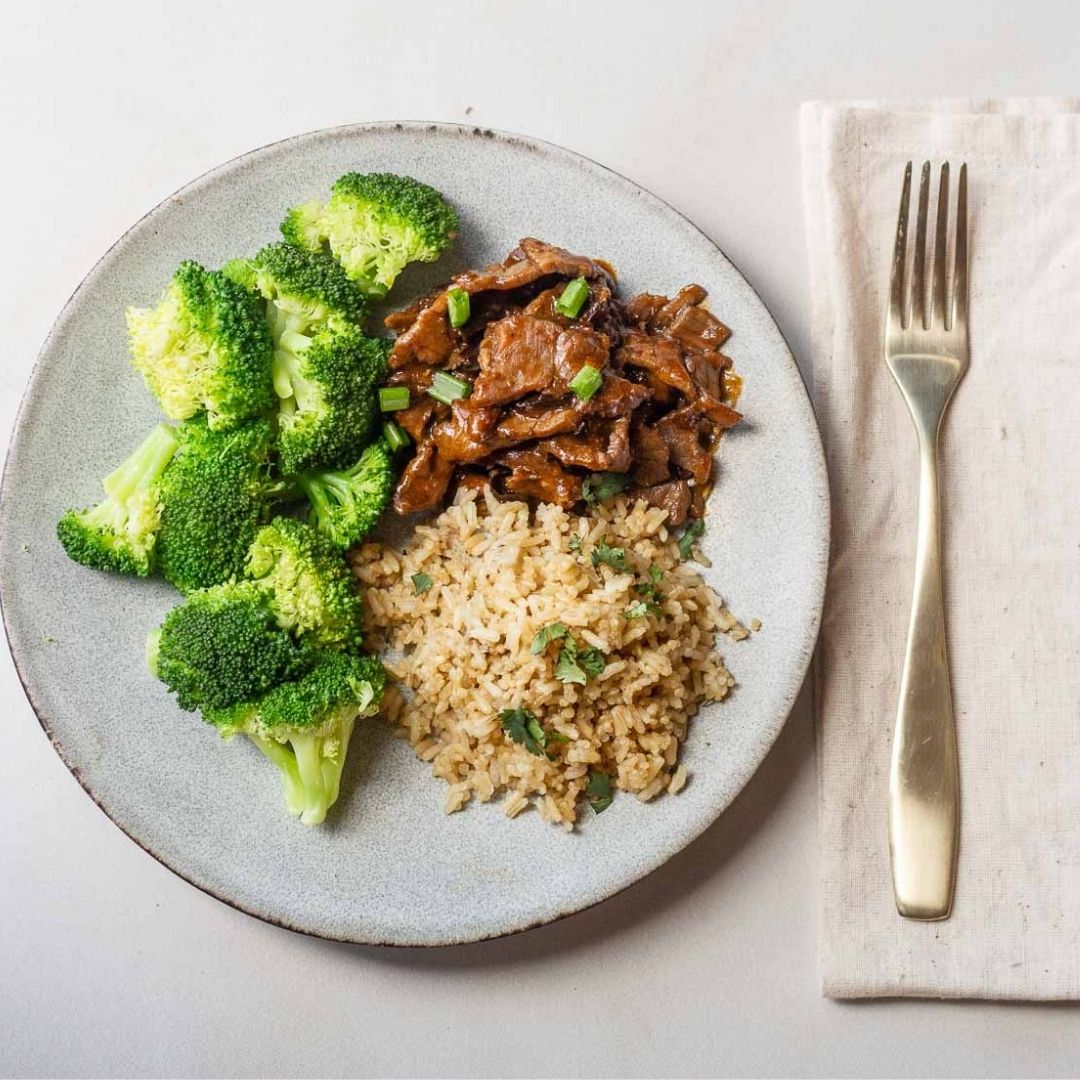
This Mongolian beef recipe that I recently posted about is a great example of a PCOS-friendly meal. You can find plenty more like this both on the blog and in The Cysterhood app!

Up your protein intake:

Protein is a great way to keep blood sugar balanced with PCOS. It slows sugar absorption, helps you feel full longer, and curbs cravings. Including protein in every meal supports steady energy and healthier insulin levels.

Aiming for about 30 grams of protein per meal is a good rule of thumb, especially for breakfast. For a more precise daily target, multiply your body weight by 1–1.2 to get the total grams of protein you should eat each day.

You can get protein from lean meats like chicken, turkey, fatty fish (salmon, mackerel, sardines), and eggs. Plant-based options like lentils, chickpeas, black beans, quinoa, nuts, and seeds also work well. Additionally, you reach your daily goal with high-quality protein powders, too! It can be as simple as adding a few scoops to smoothies, yogurt, oatmeal, or muffins.

Here’s my list of the best protein options for PCOS

Limit caffeine and alcohol intake: 

If you’re trying to get pregnant, alcohol is already off the table, so no worries there. (It’s not ideal for a PCOS diet either, since it spikes carbs and strains the liver.) But you’re also advised to limit your caffeine intake. Too much caffeine has been linked to lower birth weight, preterm birth, and, yes, high blood sugar.

Even when you’re not pregnant, caffeine raises stress hormone levels, keeping your body in that “emergency mode” I mentioned earlier. When your body feels anxious and wired, it floods your bloodstream with sugar and stores it as fat. Which, as you probably guessed, worsens insulin resistance. During pregnancy, hormone changes make caffeine’s effects even stronger.

The general guideline is to keep caffeine under 200 mg per day. Personally, I recommend going as low as possible to support insulin sensitivity. You’ll likely notice that with less caffeine and more water or other healthy alternatives, you actually feel more energized and focused.

This is a topic I’ve discussed a handful of times, but you can start with “Should I Cut Out Caffeine With PCOS?” to learn more!

Incorporate herbal teas:

Remember when I explained how high androgen levels can lead to insulin resistance? Luckily, herbal teas can help lower testosterone and balance other hormones. I recommend considering a switch from your usual morning pick-me-up, whether that’s a caffeinated tea or sugary soda, to herbal teas. There are plenty of ways to dress them up to suit your taste, and the hormone-balancing benefits are undeniable.

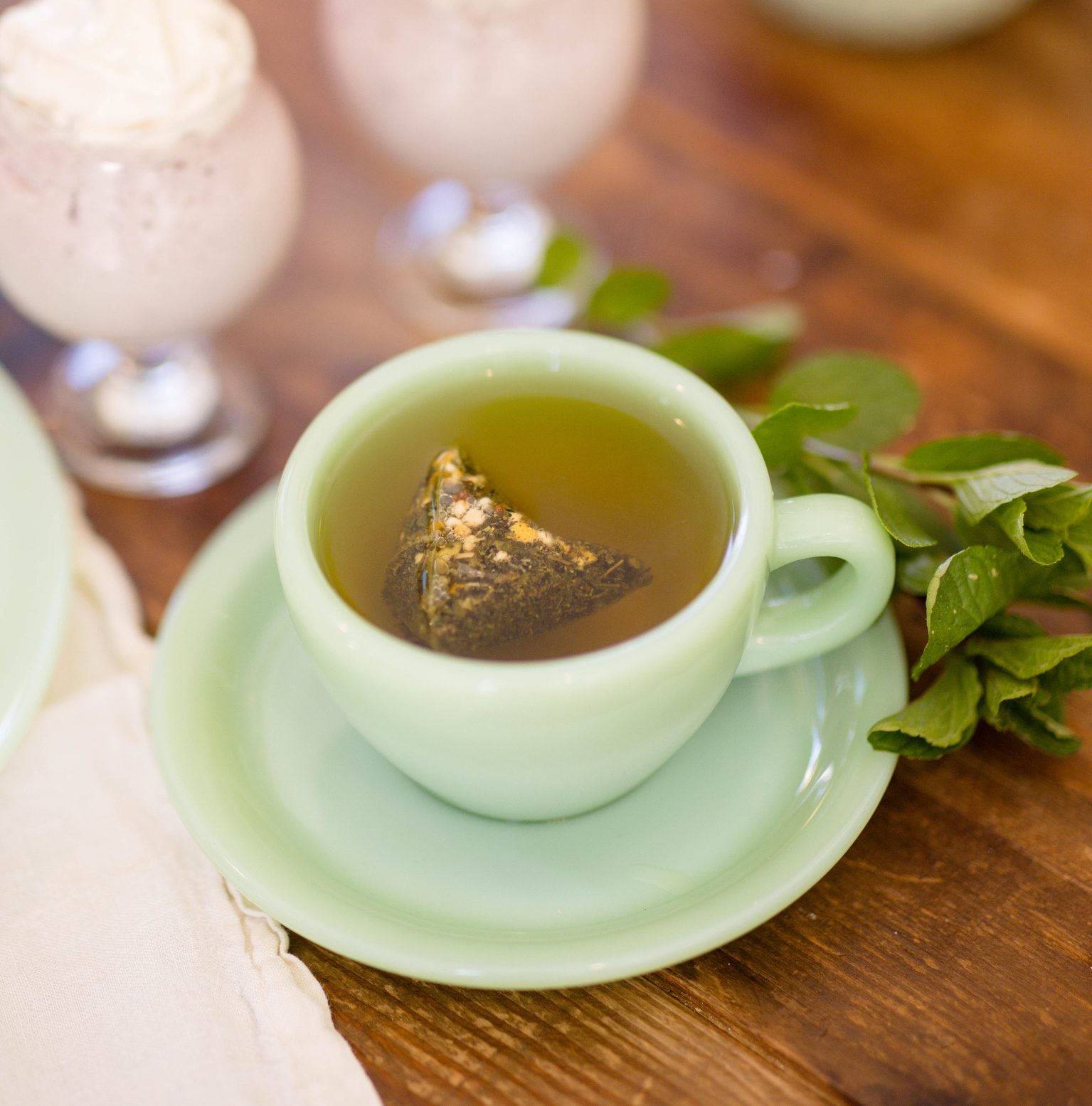
When you start looking for the best herbal teas for PCOS, the options can feel overwhelming. A strategic tea blend, however, can be just what you need to support insulin sensitivity. Try my Testosterone Relief Tea, an organic blend of research-backed herbs like spearmint, lemon balm, orange peel, chamomile, rosehip, peppermint, cinnamon, nettle, lavender, and calendula. These ingredients have been shown to help balance androgens and provide relief from PCOS symptoms. With this, you know you’re drinking something made specifically for Cysters. 

Consider your carb tolerance: 

I don’t like low-carb diets because our bodies need carbohydrates. They’re not all bad! Plus, eating too few carbs can increase stress hormones and worsen insulin resistance. And actually, you don’t even have to cut carbs as much as possible—it’s not a one-size-fits-all kind of thing. Instead, it’s better to figure out your carb tolerance. That way, you know how many carbs your body can handle to fuel energy without spiking blood sugar or triggering unwanted symptoms.

Here’s how to find your carb tolerance:

  • Start with around 15–30 grams of carbs per meal: That’s roughly ½ cup of cooked rice or quinoa, 1 slice of whole-grain bread, or ½ cup of oatmeal.
  • Pair with protein or fat: Examples include eggs, Greek yogurt, nuts, or avocado. This helps slow digestion and prevent blood sugar spikes.
  • Observe how you feel: Are you energized or crashing afterward? Optional: measure your blood sugar 1-2 hours after eating if you want more precise data.
  • Adjust gradually: Increase or decrease carb portions based on your energy, cravings, and blood sugar response.
Eat 3-4 meals a day: 

When you’re trying to improve insulin resistance, eating only 3-4 meals per day helps keep insulin levels from staying persistently high. Every time you eat, your body releases insulin to move glucose into your cells. This means that grazing all day can actually make insulin resistance worse. On the other hand, spacing meals gives your body a chance to reset and respond better to insulin.

Fewer meals also give your body time to burn stored glucose and fat for energy. This can reduce cravings, lower inflammation, and improve hormonal balance, which are all important for increasing insulin sensitivity! If you’re wondering, intermittent fasting can be useful for PCOS, too. 

Find reliable resources for managing your diet: 

Finding PCOS-friendly dishes, meal planning, tracking protein, and measuring carbs can feel overwhelming—especially if you’re pregnant! Luckily, The Cysterhood app handles all of it for you. It offers hundreds of delicious PCOS-friendly meals, a meal plan builder, and helpful trackers to keep you on course.

Don’t believe there are tasty meals that actually fall in line with a gluten- and dairy-free anti-inflammatory diet? Here are some recipes you’ll find on the app:

  • Chicken Pot Pie
  • Chili Mac and Cheese 
  • Chicken Alfredo 
  • Pork & Bacon Meatballs
  • BBQ Chicken Pizza
  • Fish Taco Bowls 
  • Ferrero Rocher Protein Smoothie 
  • Chocolate Waffles 
  • Hot Chocolate Cookies 
  • Funfetti Cookies 
  • Hibiscus Blackberry Virgin Margaritas 
  • Strawberry Basil Slushie

Does that sound restrictive? Not at all. These meals are nutrient-dense, balanced, and delicious. Whether you’re trying to conceive or managing pregnancy cravings, The Cysterhood has something to satisfy your taste buds while supporting your healing journey.

Get moving every day with gentle, slow-weighted workouts. 

Exercise isn’t just about weight loss or muscle building (though those are important for pregnancy, too). It’s more about improving insulin sensitivity and balancing hormones—both of which exercise helps with.  Aim for at least 30 minutes a day of gentle, slow-weighted workouts. These exercises focus on lifting weights slowly, through controlled movements and longer muscle engagement. As a result, this maximizes muscle activation and helps your body use more glucose.

Unlike high-intensity or fast-paced workouts that can spike stress hormones like cortisol, slow-weighted training is gentler on the adrenal system. This matters for PCOS, since chronic stress hormone elevation can worsen insulin resistance and androgen imbalances. Plus, slow-strength training increases lean muscle mass, naturally boosting metabolism and supporting long-term blood sugar control.

Starting these exercises now also means your doctor is more likely to clear you to continue them throughout your pregnancy. You can find slow-weighted workout routines tailored for PCOS on The Cysterhood app!

Manage your stress levels with self-care. 

As I’ve mentioned throughout this post, stress is harmful to your metabolism and hormone balance. Keeping cortisol levels in check is essential if you want to improve insulin sensitivity and manage PCOS symptoms. Beyond that, chronic stress can impact fetal development and birth outcomes. So, the earlier you can develop good stress management techniques, the better. 

Here are some ways you can reduce stress with PCOS:

  • Gentle movement: Slow-weighted workouts, walking, swimming, or yoga
  • Mindfulness practices: Meditation, acupuncture, deep breathing, or journaling
  • Social support: Connect with friends, family, or PCOS communities
  • Relaxation rituals: Warm baths, calming music, or reading
  • Set boundaries: Limit exposure to unnecessary stressors when possible

Prioritize 7-9 hours of great-quality sleep. 

Sleep is a powerful tool for managing insulin resistance and reducing the risk of gestational diabetes. Poor or insufficient sleep can increase cortisol levels, worsen insulin sensitivity, and disrupt hormone balance, making it harder for your body to regulate blood sugar. 

By aiming for 7-9 hours of restorative sleep each night, you give your body the chance to recover, stabilize glucose levels, and balance hormones. I know this probably sounds easier said than done, since Cysters are way more likely to experience sleep disturbance than women without PCOS. To help you get optimal rest, here’s how to sleep better with PCOS

Talk to your doctor about insulin-sensitizing supplements. 

Supplements are a great way to fill nutritional gaps and address common PCOS deficiencies. Many of these vitamins and minerals are essential for supporting insulin sensitivity, hormone balance, and overall metabolic health, so don’t skip them! Also, make sure to choose high-quality, NSF-certified, PCOS-friendly options like the ones offered by Ovafit.

Here are some of the best supplements for managing insulin resistance and lowering your risk of gestational diabetes:

  • Inositol Complete: Combines myo-inositol and D-chiro-inositol in a 40:1 ratio to improve insulin signaling, regulate menstrual cycles, and support ovarian health.
  • Berberine Advanced: Natural GLP-1 booster that enhances insulin sensitivity and supports healthy blood sugar levels
  • Omega-3 Fatty Acids: Reduce inflammation and support healthy insulin-producing cell function, aiding blood sugar control.
  • Prenatals: Prenatal vitamins can provide essential nutrients like chromium and vitamin D, which support insulin action, secretion, and sensitivity. These nutrients, along with folate, iron, and iodine, help support fertility, hormone balance, and healthy fetal development.

Before starting new supplements, make sure to talk with your doctor to make sure they’re the right fit for you.

Consider continuous glucose monitoring. 

Continuous glucose monitoring, or CGM, can be a total game-changer for seeing how your body reacts to food, exercise, and even stress. It lets you track your blood sugar in real time, spot any spikes, and make small tweaks to your meals and daily routine. 

If you have PCOS or are at risk for gestational diabetes, CGM gives you practical insights to help keep your blood sugar steady and avoid potential complications. Is regular finger-pricking a pain? Yes, but it may be worthwhile if you want to really understand your progress managing insulin sensitivity. 

To help you decide, read this post: Is it a Good Idea to do Continuous Glucose Monitoring for PCOS?

PCOS means you’re more likely to have gestational diabetes, but you can naturally reduce your risk for a healthier pregnancy. 

Having PCOS doesn’t have to mean a stressful pregnancy. With the right tools, like mindful eating, gentle movement, good sleep, and a little self-care—you can support your body, your baby, and your peace of mind. 

Every small step you take adds up, helping you feel empowered, confident, and in control. Remember: you’re not just managing PCOS. You’re creating the healthiest, happiest start possible for you and your little one. You’ve got this!

If you’re looking for more resources, head over to the blog to find posts like:

For more guidance, dive into our Essential Guide to Natural PCOS Management and tune in weekly to A Cyster and Her Mister Podcast. We can’t wait to welcome you to the community and support you on your journey!

Mongolian Beef Recipe for a PCOS-Friendly Diet

One of the hardest parts of changing your eating habits is saying goodbye to some of your favorite comfort foods. But as a PCOS dietitian, let me assure you—your diet shouldn’t feel restrictive. Any approach that only focuses on what you “can’t” eat isn’t sustainable. It doesn’t lead to long-term lifestyle change or true healing.

Instead of cutting out your favorite foods like cookies, pizza, chicken nuggets, or Chinese takeout, it’s all about finding smart ingredient swaps. You can still enjoy the flavors you love—just in a way that won’t throw off your hormones, worsen insulin resistance, or increase inflammation. And the best part? With the right resources, it’s way easier than it sounds.

I always recommend women with PCOS to try a gluten- and dairy-free anti-inflammatory diet. It’s a great way to relieve symptoms, reduce the risk of long-term complications, and promote healing from within. To make that journey easier, from cooking hormone-friendly meals to picking the right supplements, I created The Cysterhood app. It’s packed with recipes, workouts, resources, and community, all designed specifically for the PCOS body.

And to show you just how simple it can be to recreate your favorite meals in a PCOS-friendly way, I’m going to walk you through a new version of a classic: Mongolian beef. This popular Asian dish is getting a hormone-supportive upgrade.

Let’s do some quick cooking:

mongolian beef recipe for a pcos - friendly diet

Mongolian Beef Recipe for a PCOS-Friendly Diet

I LOVE this Mongolian beef recipe! It’s a meal I know won’t trigger any of my symptoms. And, not only that, but it will actually help me feel better. It’s high in protein, anti-inflammatory, fiber-rich, and packed with beneficial nutrients like vitamin C, antioxidants, iron, and more.

But instead of just giving you the recipe, I want to explain the strategy behind this PCOS-friendly version of Mongolian beef. This way, hopefully you can find ways to make healthier alternatives to your favorite meals, rather than cutting them out altogether. Plus, we’ll talk a little about Mongolian beef if you’re trying it for the first time.

What Is Mongolian Beef?

Despite the name, Mongolian beef was created in Taiwan and popularized in Asian-American restaurants in the United States. The classic version has thinly sliced beef, scallions, and a sweet and savory sauce served over rice. 

What Does Mongolian Beef Taste Like?

Mongolian beef has a bold, rich flavor that’s primarily savory, with a hint of sweetness and mild heat that makes it a foodie favorite. It’s also aromatic, thanks to fresh ginger, garlic, and other flavorful Asian herbs and spices.

how to make mongolian beef pcos-friendly

How to Make Mongolian Beef PCOS-Friendly 

Choose lean beef like sliced flank steak or sirloin. 

When choosing beef for your dish, avoid fatty cuts since they raise saturated fat levels and can increase inflammation. Leaner cuts, like flank steak or sirloin, are still great sources of protein—they just skip the excess cholesterol. Even better, they’re also packed with iron, zinc, B vitamins, and other important nutrients. If you’re on a budget, lean ground beef is a great alternative, too.

Swap soy sauce for coconut aminos. 

Dark soy sauce contains gluten and high sodium, which can trigger inflammation and hormonal imbalances for some Cysters. Luckily, there’s an easy swap: coconut aminos. They’re gluten-free, lower in sodium, and packed with beneficial amino acids that support digestion and overall health. Plus, the flavor is pretty much the same!

In addition to gluten, here are other foods to avoid with PCOS.

Use non-starchy vegetables. 

Starchy vegetables like peas, corn, carrots, and squash naturally have more carbs and sugars. While they do offer plenty of vitamins and minerals, choosing non-starchy veggies lets you enjoy those benefits without the potential impact on your blood sugar. 

Veggies like broccoli, cauliflower, bell peppers, green beans, green onions, and mushrooms are all excellent options. Not only are they gentler on blood sugar and PCOS-friendly, but they pair just as nicely with Mongolian beef.

For a thickener, use arrowroot flour. 

Cornstarch is a popular sauce ingredient used for thickening. However, it’s highly processed, calorie-dense, and offers little to no nutritional value. It can also be harder to digest and may contribute to inflammation, which isn’t ideal for hormone health. 

Arrowroot flour is a less processed, plant-based starch that’s lower in calories, easier on the digestive system, and naturally gluten-free. It gives you the same thickening power without the nutritional drawbacks.

Skip the rice or go with a low-sugar option. 

Both brown and white rice, while commonly served with Mongolian beef, are high in carbs. Now, carbs aren’t necessarily bad—our body needs them like any other nutrient! However, you want to be mindful of where you eat them throughout the day. So, if you love rice, have rice with your Mongolian beef! But maybe skip a high-carb food later in the day to stay within your Carb Tolerance Range!

If you’d rather save your carbs for dessert, rice alternatives are a great choice. You get the same texture and flavor balance you’re looking for, and you also get some added nutritional benefits. Cauliflower rice, broccoli rice, and quinoa are all great options.

Prioritize flavorful anti-inflammatory ingredients. 

I’ve already talked about how there are several inflammatory ingredients we often find in Mongolian beef. Soy sauce, brown sugar, corn starch, vegetable oil, and MSG are usually the main culprits. This means that, for a PCOS-friendly version of the dish, you should try to avoid them when you can. 

Instead, prioritize adding alternative and complementary anti-inflammatory ingredients like: 

  • Coconut aminos
  • Fish sauce
  • Broccoli
  • Garlic
  • Ginger
  • Dried red chilis
  • Avocado oil
  • Toasted sesame oil
  • Red pepper flakes
  • Mushrooms
  • Sesame seeds
  • Lime juice

All are rich in antioxidants and other nutrients that support your body and add flavor!

Be mindful of your carb tolerance. 

When you’re trying to make everything PCOS-friendly, it’s easy to think that going zero carb is the answer. But low carb isn’t always best for a PCOS body, and in fact, carbs aren’t the enemy! We actually need them. That said, everyone’s body responds differently to this macronutrient. Going too low can deprive your body of what it needs, trigger stress responses, and even worsen insulin resistance, inflammation, and hormone imbalance.

If you want to learn more, here’s why I don’t recommend a strict low-carb diet for PCOS. Instead, the key is understanding your personal carb tolerance and being mindful of portion sizes and food choices. If you handle higher carbs well without blood sugar spikes or symptom flare-ups, there’s no need to stress over the extra starch. But if higher carbs cause issues, it’s smart to reduce starches and keep your meals balanced to support your hormones and overall health.

Aim for a balanced plate overall. 

When creating a PCOS-friendly meal like Mongolian beef, it’s important to aim for a balanced plate. What does this mean, exactly? You want to include all three macronutrients: protein, healthy fats, and carbohydrates. And, fortunately, this dish is the perfect example of that! First off, the lean beef provides protein to support hormone production and keep you full. Additionally, healthy fats from avocado and sesame oils reduce inflammation and nourish your hormones.

The carbohydrates come primarily from fiber-rich, non-starchy vegetables—like broccoli and scallions. At the same time, these veggies offer essential vitamins and minerals and help steady blood sugar levels. However, you could add rice or quinoa if you wanted, depending on your carb tolerance. By combining these macros thoughtfully, you create a satisfying meal that supports hormone balance, manages cravings, and promotes long-term healing. And, of course, we can’t forget about how great it tastes! 

mongolian beef and broccoli recipe

Mongolian Beef and Broccoli Recipe

Ingredients

  • 1 lb skirt steak, beef flap, or sirloin, thinly sliced against the grain
  • 2 tbsp coconut aminos (divided: marinade + stir-fry)
  • 1 tbsp fish sauce (divided: marinade + stir-fry)
  • 1 tsp toasted sesame oil
  • ½ tsp baking soda
  • 1 ½ tsp arrowroot starch
  • 1 head broccoli, cut into bite-sized florets
  • 3 scallions, cut into 3-inch lengths, white and green parts separated
  • 3 large garlic cloves, finely minced
  • 4-inch piece fresh ginger, thinly sliced
  • 2 dried red chili peppers, deseeded and thinly sliced
  • 4 tbsp avocado oil (divided: 2 tbsp for searing beef, 1 tbsp for stir-fry, 1 tbsp extra)
  • ½ lime, juiced

Instructions

Step 1: Marinate the beef. 

Slice the beef against the grain into thin strips. In a bowl, combine coconut aminos, fish sauce, sesame oil, baking soda, and arrowroot starch. Mix well with the beef and set aside in the fridge to marinate until the sauce has thickened and the flavors have blended.

Step 2: Par-cook the broccoli. 

Place the broccoli florets in a microwave-safe container and add 1–2 tablespoons of water. Loosely cover with a matching lid or a damp paper towel. Microwave for 2 minutes, until the broccoli is tender but still slightly crisp. Set aside.

Step 3: Prepare the aromatics. 

Mince the garlic, and slice the ginger and scallions into thin slices. Separate the white and green parts of the scallions. Scrape out the seeds from the dried chili peppers and slice them into thin strips.

Step 4: Sear the beef. 

Heat 2 tablespoons of avocado oil in a skillet or cast-iron pan over medium-high heat. Working in batches, add the beef in a single layer. Be careful not to overcrowd the pan, as this will cause the beef to steam instead of sear. 

Cook without stirring for 1–2 minutes, until the underside is browned and crisp. Flip the slices (I use tongs) and sear the other side for about 30 seconds. Set the beef and the pan juice aside in a bowl.

Step 5: Stir-fry the aromatics. 

In the same pan, add 1 more tbsp cooking oil. Then saute the garlic, ginger, chili, and scallions over medium-high heat for about 30 seconds. 

Step 6: Add sauce, toss, and serve. 

Add the coconut aminos, fish sauce, and a squeeze of lime juice to the pan. Return the beef and broccoli to the skillet, along with the green parts of the scallions. Toss everything together for about 30 seconds, until well-coated and heated through. Serve immediately.

Enjoy this authentic Asian meal without compromising your goals.

Enjoying your favorite meals doesn’t have to mean sacrificing your health, especially with PCOS. By making thoughtful swaps and balancing your plate with the right ingredients, you can still savor dishes like Mongolian beef without triggering symptoms or inflammation. 

Remember, it’s all about finding what works for your body and making sustainable choices that support your hormones and overall well-being. So go ahead, cook this PCOS-friendly Mongolian beef, and enjoy every flavorful bite knowing you’re nourishing yourself from the inside out!

On The Cysterhood app, find even more PCOS-friendly, Asian-inspired meals. You’ll find favorites like Green Bean & Orange Chicken Stir Fry, California Sushi Bowl, Korean Beef Lemon Wraps, and so many more! 

5 Ways to Shift Your Mindset to Healthy Eating

Are you struggling to stick to your diet?

You’re not alone. Research shows that when someone publicly shares their goals, they have around a 65% chance of success. However, having a specific accountability partner boosts that chance to 95%!

A great place to share your goals is with us! Follow us on the ‘gram and tag us in a story declaring your new goal or you can hop in The Cysterhood and share with women just like you.

You feel like you want your body and metabolism to just work, right? But trying to lose weight with PCOS can be incredibly frustrating with conventional tactics. Trust me, I’ve dedicated over 10 years to my own research and become a Registered Dietitian to find the method that has now worked for thousands of women, including myself.

With PCOS Weight Loss, not only is there the pressure of wanting to look and feel good but there are the long-term health implications of PCOS to think about. Of course, we all want to be able to eat without gaining weight immediately, bloating or making our PCOS-related symptoms worse.

Add to that the fact that most doctors just tell us to ‘lose weight’… it’s no wonder we are left feeling demotivated, confused, and fatigued.

4 Ways to Shift Your Mindset to Healthy Eating

5 Ways to Shift Your Mindset to Healthy Eating

Losing weight and keeping it off starts with your mindset.

There are plenty of tools and mindset tweaks we can make to ensure we’re able to lose weight and keep it off. Here are a few…

Stop thinking of a new healthy lifestyle as a ‘diet’

Diets make us feel like we’re doing one thing and one thing only… restricting calories! That’s the last thing we need to do with PCOS. We need to be nourishing our hormones with foods that promote balance, stable blood sugar, and anti-inflammatory components.

If we’re cutting calories, it’s so easy to fall ‘off the wagon’ or feel like we’ve failed. The strict parameters and heavy focus on the scale are not a long-term mindset for PCOS Weight Loss. What we’re looking for is a lifestyle change. That’s when the focus shifts towards how we feel. You ask yourself, can I do this forever? Do I feel good?

For example, let’s say you tried going gluten and dairy free. If you find that this has led to weight loss and a decrease in acne, bloating, fatigue and low mood…it’s a lot easier to stick to long-term! The focus shifts from what you’re missing out on, to what you’re doing to maintain balance and feel good.

4 Ways to Shift Your Mindset to Healthy Eating

Think long term

Diets are often used as a ‘hit it and quit it’ fix before a vacation or special event. But for those with PCOS, that type of fluctuation is not good for our body. PCOS is a lifelong condition, so we must find something that works for us long-term.

For example, we teach (inside our app, The Cysterhood) how going gluten and dairy-free could improve PCOS symptoms… but we don’t expect you to do it overnight! Instead, we set small, manageable goals and support you month-to-month to move closer towards them. Whether that’s trying a new recipe or switching to a new plant-based milk, we’re here to help you see if this lifestyle is right for you and show you how you can stick with it for a lifetime

Here’s more on how to eat a balanced diet for PCOS.

Don’t wait for cravings to arise

Diets are plagued by cravings because you could be quite suddenly depriving yourself of something you love, or are used to having, and that can often lead to binge eating. If this is something you struggle with, consider working with a dietitian one-on-one before diving into the gluten and dairy free lifestyle.

Cravings are more prevalent for PCOS women because of insulin resistance. It takes a bit of time, but your lifestyle changes can kick cravings to the curb for good and ensure your body and mind are supported to deal with them before they strike!

For example, you may have heard a high-carb diet isn’t recommended for PCOS. But cutting out all carbs overnight? That can lead to some monster cravings! In The Cysterhood, we recommend easing into discovering your unique carb tolerance. And if you need support in the process, which most of us do, try a supplement like Ovasitol to ease those cravings whilst supporting your reproductive health.

Measure success beyond the scale.

When you start eating healthy, it’s really easy to only be paying attention to the numbers on the scale. Weight loss may be your primary goal, but I’d challenge you to think outside that objective. Instead, consider what PCOS symptoms you want to reverse: energy levels, mood, cycle regularity, skin health, fertility—this list goes on! Things I looked at instead of the scale were inches around my body, how my clothes were fitting, and the changes in my energy throughout the day.

Jot all those things down and map improvements in all those symptoms. Can you also keep track of your weight? Sure, but seeing the big picture of your progress will remind you that healthy eating isn’t just about going down a pant size. It’s about healing!

Get accountability and support

A lifestyle change is a much bigger transformation than a simple ‘diet’ can offer. It requires support and accountability to stick to it, overcome self-limiting beliefs, and see results. When it comes to PCOS, you’ll want to be surrounded by women who understand our unique struggle.

That’s why we’ve created The Cysterhood, the largest community of PCOS women learning to reverse their symptoms and lose weight.

Not only do you get access to tons of gluten and dairy free recipes, but you’ll also be welcomed in our private group with thousands of incredible women who are going through the same changes you are (plus you get to chat with me there)!

If you’re ready to feel good for good, then let us welcome you in!

Facts About PCOS That Change Everything: Why Tallene Is Passionate About PCOS Education

Vulnerability time. Today I’m sharing some of the difficult parts of my personal story in the hopes that my experience will provide encouragement and solidarity if you’ve been diagnosed with polycystic ovary syndrome (PCOS). It can be a scary diagnosis, and because of the chronic nature of the symptoms, it can also feel like you’re doomed to discomfort, unexplainable weight gain, and even infertility. But I am living proof that a PCOS diagnosis is reversible, and managing it can become your superpower.

Tallene PCOS Education

Facts About PCOS That Change Everything: Why Tallene Is Passionate About PCOS Education

I love sharing my journey with polycystic ovary syndrome (PCOS), because there was so much that I learned along the way that made me say, “Ah! If only I knew this sooner?” So, in this post, I wanted to share my experience and what I learned along the way in hopes it’ll help the next Cyster!

First of all, let’s clarify what PCOS is. PCOS is a common hormone disorder that affects women of reproductive age. It doesn’t *just* cause irregular periods and ovarian cysts like people think. Symptoms of PCOS include fatigue, weight gain, mood swings, excessive hair growth, and acne. These are due to root issues like inflammation, insulin resistance, and high levels of androgens and other hormonal imbalances.

Not only is PCOS difficult to live with day-to-day, but it increases you risk of long-term complications like type 2 diabetes, ovarian cancer, cardiovascular disease, and sleep apnea. It’s a lot to deal with! People with PCOS find out they have this condition usually through a blood test and symptom evaluation by a professional. Once a diagnosis is made . . . of there seems to be little hope for healing. Cysters are prescribed birth control pills and told to lose weight.

It’s incredibly frustrating. Just know, I’ve been there. Here’s my story:

My PCOS Diagnosis and Weight Loss Struggles

I’m Tallene, creator and founder of PCOS Weight Loss, and yes, a fellow Cyster. I was diagnosed with PCOS at age 18 when I was rushed to the emergency room for a ruptured ovarian cyst (small fluid-filled sacs on the ovaries). In a way, the diagnosis was a relief, because it explained so much of the frustration I had been feeling regarding my weight. I was kickboxing twice a day and not losing a single pound, and cutting calories only left me feeling hungry and crabby. In short, I was miserable.

In desperation, I asked my doctor for more information on how to manage my diagnosis—but I was so disheartened to learn that birth control was my only option. I didn’t want to accept it; there must have been a more natural way! After two years I made the bold decision to quit synthetic hormones. Unfortunately, my weight ballooned to an extra thirty pounds heavier, despite all my efforts to continue exercising and eating right.

I hated the idea of birth control. But I also hated the excess weight and felt powerless to control it. Nothing was working. I was all the more determined to research all I could about the disorder. I consulted with naturopathic doctors and sought alternative remedies for my condition. I knew there must be alternative solutions out there… natural ways to empower my body to heal itself. 

Facts About PCOS That Change Everything

Learning to Say “Ciao!” to Chronic Inflammation

In 2011 I had the opportunity of a lifetime: a summer in Italy studying the culinary arts! And although it may seem unlikely seeing I was in the land of pasta and parmesan, I learned to cut out gluten and dairy. Yes, I said “Ciao!” to spaghetti, fettuccine, and linguine, and all the cheese you sprinkle on top. But you know what else makes up Italian cuisine? A Mediterranean diet: locally prepared meats, healthy oils, plenty of fish, and lots and lots of fresh vegetables. I was onto something.

The dietary changes seemed to unlock my weight loss mystery. It turns out that both gluten and dairy can cause a lot of inflammation in the body, something that was detrimental to my PCOS condition. Of course, gluten and dairy are in a lot of foods, and it was a little intimidating to make the decision to cut out these major food staples. But thanks to a job at a gluten and dairy-free grocery store when I got back, it was actually easy to adopt this new lifestyle. And because my body felt so much better, I decided to avoid gluten and dairy for good.

I knew I was heading in the right direction. What else could I tweak to improve my health, I wondered. Perhaps my exercise regime needed a little fixing. So I swapped kickboxing for yoga, and boom! I lost ten pounds. Turns out that yoga addresses chronic inflammation as well as manages stress, which was the key to managing my PCOS holistically.

Rediscovering Better Health

The gains I had made were all the more motivating to continue researching and learning. The next step on the journey was enrolling in grad school to study Nutritional Science. On the medication front, I started taking the supplement Ovasitol, and miracle of miracles, my menstrual cycles became regular once again. That was a HUGE breakthrough since the time I decided to quit birth control four years prior. 

My body was healing. The right foods and the right supplements gifted me real results. I couldn’t wait to share my own experience with my clients. 

In 2016 I started working with a (very cute!) PCOS personal trainer named Sirak. He introduced me to slow, weighted exercises, which were really different from the hours of kickboxing I used to do at the gym. The result? Ten pounds just melted off. 

I finally passed the necessary exams to become a registered dietitian, and I decided to specialize (surprise, surprise!) in helping other women understand and manage PCOS. My journey of challenge and hardship had become a means to help thousands of women, and I couldn’t imagine a more fulfilling career.

Hope for Women with PCOS

Hope for Women with PCOS

Sirak and I married in 2019, and together we have developed a program that offers support and real solutions for women with PCOS who want to get control back of their health. My hope is that women will discover effective options for their PCOS symptoms without having to navigate the murky misinformation I had to sort through. My dream is to be the resource to other women that wasn’t available to me all those years ago.

Sirak and I make a great team. He edits and produces the content for our program, keeps PCOS management entertaining and hosts our podcast with me.  

Even though I had to learn the best methods for managing PCOS over the course of a decade, you don’t have to! Together Sirak and I have created an easy and supportive program, and our “Cysterhood” of women reversing their symptoms has become the largest, most supportive community for women with PCOS.

Embrace Your Own Superpower

So how can PCOS become your superpower? Let my personal story serve as an inspiring example. Even though PCOS may have been a devastating diagnosis initially, it was the catalyst for preventative health, the reason for meeting my soulmate and husband, and it has led to a fulfilling career helping a community of women. I’ve heard before that the bit of extra testosterone in women with PCOS, makes us more driven and determined…and I agree. I am living proof that you don’t just have to live with PCOS… you can thrive! 

Are you ready to thrive? You can start by taking a quick (and fun!) quiz to determine your PCOS Type. I want to help you regain control of your PCOS and ultimately reverse your symptoms!

6 PCOS-Friendly Protein Bars

One of the key components to getting our PCOS under control is small lifestyle changes, including our diet. A balanced, gluten- and dairy-free anti-inflammatory diet can get right to the root causes of polycystic ovarian syndrome (PCOS) and help Cysters finally get relief from their symptoms! Unlike diets that cut calories, a sustainable PCOS diet isn’t overly complicated and gives us the opportunity to prioritize whole foods and getting plenty of nutrients like protein! 

You’ve probably been told at some point to eat plenty of protein, which is one of the keys to a balanced diet. The right amount of protein can make all the difference in supporting your goals of naturally managing your PCOS and reversing your symptoms! 

pcos friendly protein bars

6 PCOS-Friendly Protein Bars 

Yes, protein is VERY important to a PCOS diet. However, sometimes it’s difficult to get all the protein you need from traditional sources (especially if you’re vegan/vegetarian or don’t care much for meat). That’s where supplemental protein sources like protein bars can really come in handy! However, it is important to remember that not all protein bars are equal and can be filled with added ingredients that might do more harm for your PCOS than natural protein sources. While having a few here and there can be okay, just remember not to make these your main source of protein.

So, today I’m going to walk you through the benefits of a protein-rich diet for PCOS and give you a list of protein bars to try out. They’re a great option for snack replacement or meal boosts to help you reach all your protein goals! 

Here’s what you need to know:

is a high protein diet good for pcos

Is A High Protein Diet Good For PCOS?

Absolutely! Many women with PCOS struggle with insulin resistance, which triggers difficult symptoms of PCOS like weight gain, difficulty losing weight, intense cravings, and fatigue. Plus, high insulin levels can also lead to a cycle of inflammation and hormonal imbalances that trigger even more difficult but common symptoms. 

That means that managing insulin resistance is one of the most important parts of naturally reaching your health goals with PCOS! Eating plenty of protein can help you do just that. Protein helps regulate blood sugar levels, increase satiety, boost your metabolism, support muscle mass, and even improve hormone regulation. 

This is because protein is digested slowly, allowing carbs to be absorbed more gradually into the body to prevent insulin spikes and promote the feeling of fullness. Plus, our bodies burn more calories when they digest protein. 

For a successful PCOS-friendly diet, sufficient amounts of protein in our meals and snacks are ESSENTIAL! Luckily you can find lots of high-protein, PCOS-friendly meals on The Cysterhood app. Want to know some of my faves? Ferrero Rocher Protein Smoothie, Blackberry Coconut Chia Pudding, Beef Taco Soup, BBQ Chicken Thighs . . . I could go on. But, you can find all these and more on the app! 

How Much Protein Does A Woman With PCOS Need?

How Much Protein Does A Woman With PCOS Need?

You should aim for 2.65 – 3.53 grams of protein per pound of body weight per day. Another good rule of thumb is 25 – 30 grams of protein per meal. (And, make sure breakfast is closer to 30!) Combined with a whole-grain carb source, healthy fats, and vegetables, your PCOS-friendly meal can help alleviate your symptoms and set you up for success! 

are protein bars good for pcos

Are Protein Bars Good For PCOS?

Protein bars can be a good snack or meal addition for a woman with PCOS! The only concern is that protein bars have low nutrient variety, so they shouldn’t be a meal replacement. You need all those vitamins and minerals from a balanced and varied diet! If you eat a great meal but are still a little shy of that 30 grams of protein per meal goal, you could add a protein bar to get you the rest of the way. 

I also recommend that women with PCOS have a properly paired snack in the morning or the afternoon (or both) between meals to maintain blood sugar levels. This means pairing a protein with a carb or healthy fat. A quick snack that can help you reach your goals and satiate your cravings can be a protein bar! There are lots of tasty options out there that’ll definitely feel like a treat. 

But, will any protein bars do? No. Truthfully, there’s a lot of junk out there. Many protein bars have high sugar content, artificial ingredients, and high caloric density. An excessive amount of this can be detrimental to reaching our PCOS goals! Plus, I’m sure you’ve experienced that some protein bars just don’t taste good. Below, I’ll give you some recommendations of high-quality protein bars that fit a PCOS diet and taste great. 

Here are my top picks:

What Are The Best Protein Bars For PCOS?

GoRaw Organic Sprouted Pumpkin Seed Bars

As I said, lots of protein bars can be full of junk, but that’s not the case with these GoRaw protein bars! Each bar only has 5 ingredients, and none of those are artificial sweeteners or additives. Instead, they include sprouted pumpkin seeds, sprouted flaxseeds, dates, raw agave nectar, and sea salt. That’s it! 

They’re also nut-free, gluten-free, soy-free, non-GMO, organic, vegan-friendly, and low sugar. So, you know they don’t have anything in particular that may trigger your symptoms! The only downside to this option is that it only has 11 grams of protein per bar, which is less than some others on this list. However, it’s a good supplemental protein source as a snack or meal boost! 

You’ll also love these GoRaw bars if you’re more of a salty snack kind of person over a sweet treat gal. 

Misfits Vegan Protein Bar

I personally think these are some of the better tasting protein bars out there! From Peanut Butter Jelly and Caramel Fudge to Cookie Dough and Brownie Batter, you’re sure to find something you’ll like! Plus, these bars use xylitol as a sweetener, which I sometimes use for baking. P.S. just remember keep any xylitol products away from your pets!

These bars include 15 grams of protein and up to 12 grams of fiber. They’re also low sugar, gluten-free, low carb, dairy-free and non-GMO. All the ingredients are 100% natural and the company uses sustainable practices.

Orgain Organic Vegan Protein Bars

The other two protein bars that I’ve mentioned are on the higher prices range, but this is a more affordable option that’s still pretty high-quality! They taste great, are all-organic, and include all non-GMO, gluten-free, dairy-free, soy-free, and vegan ingredients like pea protein, brown rice protein, and chia seeds. This option is also low sugar, so you won’t be spiking your blood sugar levels!

Though this option is low on sugar, it does have a higher calorie count than some other options, so just ensure you keep track of that. They also only include around 10 grams of protein, which is lower than some others on the list. However, they’re still a great supplemental protein source if you have a balanced diet! 

BHU Foods Organic Low Carb Protein Bars

Now, here’s a high-protein option! These low-carb, organic protein bars are packed with up to 20 grams of protein. They’re gluten- and dairy-free and don’t include any artificial ingredients. Although I don’t recommend focusing on tracking your calories or staying within a strict range, you might be interested to know that these bars are typically around 200 calories.

What else is there to love about BHU protein bars? They’re the texture of cookie dough and come in a ton of delicious flavors like chocolate chip, caramel peanut, peanut butter chocolate chip, white chocolate macadamia nut, and more! These will definitely feel like a treat after a good meal or for an afternoon snack. 

1st Phorm Vegan Power Pro Bar

These protein bars are special because they’re made specifically for people who don’t eat dairy and/or are on a vegan diet. Unlike other protein bars on this list, these from 1st Phorm actually include a blend of essential vitamins to give the bars more nutrient variety! If all that wasn’t enough, these are organic, gluten-free, and low-sugar. 

Each bar is 15 grams of protein! The texture can take some getting used to, but between the apple cinnamon, double chocolate, and chocolate mint cookie flavors, you’ll definitely find something you enjoy. (And, if you don’t, they have a 30-day money back guarantee.) 

Aloha Protein Bars 

For this last one, we have another brand that includes both fiber and protein! There are 13 grams of fiber and 14 grams of protein in each of these protein bars! Each of the flavors is organic, vegan, gluten-free, dairy-free, soy-free, and stevia-free. They’re sweetened with dates and raw agave nectar, making them low-sugar but still great tasting. 

If you tend to be picky about flavors or just like variety, you won’t be disappointed in this brand. There are 17 flavors! They have the standard flavors like chocolate chip cookie dough and peanut butter cup, but there are unique options too like maple sea salt, banana bread chocolate chip, blueberry, and lemon cashew! Just order some variety packs and find your faves! 

PCOS-Friendly Protein Bars
Protein bars are a great way to supplement your protein intake at meal time or snack time! 

Protein is an essential part of your PCOS diet. To help you reach that goal of 30 grams of protein per meal, you may need a little help! You can use protein bars or protein powders to get your appropriate intake. (If you want PCOS powder recommendations, here’s the best protein for women and weight loss!) 

Download The Cysterhood app for more protein-filled recipes! Because we have PCOS, we still may be short on other essential nutrients too! To give yourself another boost as you work towards improving your nutrient deficiencies, check out my Ovafit supplement line. Each high-quality supplement is formulated specifically to support a healthy PCOS body. Supplements, protein, and a balanced diet are great first steps to help you find a life symptom-free with PCOS!

8 PCOS Lunch Recipes to Add to Your Meal Plan

Good nutrition is essential for naturally healing your PCOS symptoms and reaching your health goals! Exercise, supplements, self-care, and the right foods can make all the difference in reversing your PCOS symptoms, combatting weight gain, and reaching all your health goals. These simple lifestyle changes can reduce inflammation, balance hormones, and lower insulin resistance, which are the three things causing most of the chronic issues of our metabolic disorder. 

As a registered dietitian for PCOS and a Cyster myself, I’ve devoted myself to finding the perfect meal plan for women with PCOS who are trying desperately to heal their unique bodies by targeting the root causes of their hormonal imbalances. I recommend a gluten- and dairy-free anti-inflammatory diet with nutrient-rich food choices that support our PCOS bodies! To target our metabolism and hormonal imbalances that impact our energy and cravings, I recommend having larger meals in the morning and a smaller dinner.

You can learn more about my PCOS diet recommendations on the blog, but today we want to talk about lunch! Lunchtime is always a time crunch and prioritizing healthy, balanced meals can be difficult when you’re a busy mom, a working professional, or even a student! So, today, I want to share some of my favorite, quick PCOS-friendly lunch ideas to keep you on track even during the craziest part of the day! 

Here are a few lunch recipes to check out on The Cysterhood app:

PCOS Lunch Recipes

8 PCOS Lunch Recipes to Add to Your Meal Plan 

Grapefruit Avocado Salmon Salad 

Hot girl salads make the perfect lunches for a woman with PCOS! They’re light, quick, and delicious. This one specifically is great for improving all three root issues of PCOS: insulin resistance, hormone imbalance, and inflammation. Why? Because it’s FULL of healthy fats! Both avocado and salmon have omega-3 fatty acids while also being super tasty and high in other nutrients like protein. (Here’s more on avocados for PCOS!) 

To add flavor to this already tasty dish, you’ll make a dressing with grapefruit, olive oil, and dijon mustard. The different flavors compliment each other and grapefruit is also full of vitamin C and antioxidants. This meal has 60 grams of protein and only 45 grams of carbs, which can be a good ratio for controlling our blood sugar spikes. This means managing cravings, supporting insulin sensitivity, and preventing energy crashes.

You can find this recipe along with all the others on this list on The Cysterhood app! 

Grapefruit Avocado Salmon Salad

Lettuce Wrapped Burgers 

I always tell Cysters they shouldn’t give up their favorite foods when they are transforming their lifestyle to be more PCOS friendly. Instead, swap the ingredients that trigger your symptoms and replace them with alternatives that support your PCOS. With burgers, for example, I like to swap the bread and cheese! Doesn’t sound like much of a burger, does it? To make it PCOS friendly, I will use gluten-free bread crumbs and dairy-free cheese slices. And, to replace the bun, I will use lettuce! This also helps me get more fiber (great for insulin resistance) while allowing me to eat other sources of carbs.

You can put this together in under 30 minutes and have enough leftovers for a few days’ lunches! For those who have a lower Carb Tolerance Range (which I teach here on the blog and in The Cysterhood app) this is a great meal prep option. However, it only includes 26 grams of protein, so you’ll want to up that by having a second burger or adding quinoa, chickpeas, eggs, or non-dairy Greek yogurt on the side! 

PCOS Lunch Recipes list

Red Curry Lentil Soup

Here’s another great meal prep option! Soups are easy to prepare in advance, freeze, and warm up one portion at a time for lunch. This red curry lentil soup is vegan, and full of protein! Lentils contain 18 grams of protein per cup, making it one of the best non-meat sources of protein. They’re also rich in fiber, low in fat, and packed with essential nutrients like iron, folate, and potassium. 

Though lentils are a great protein source, one serving is still only about  32 grams of protein. So, if you’re not committed to a vegan or vegetarian lifestyle, consider adding a side of roasted chicken. That way, you’ll stay full and focused all afternoon! But, this meal isn’t just healthy, like all the recipes on The Cysterhood app, it’s full of flavor. The red curry lentil soup is decorated with cilantro, lime juice, a variety of vegetables, and red curry, of course.  

Red Curry Lentil Soup

Air Fryer Sweet Potato Fries with Air-Fried Eggs

The air fryer is the best kitchen invention since the microwave, and its a must for Cysters. It comes in handy at lunch time, especially when you want something with great texture and flavor in half the time. In The Cysterhood app I have an entire category dedicated to air fryer recipes, but this one is one of my favorites! 

You just chop and season your sweet potatoes and let the air fryer do its thing. You can make eggs just how you like them in your air fryer. Just crack it and put it on a pan on the oven rack for over-hard, over-medium, or over-easy eggs. You can even make hassle-free hard-boiled eggs in the air fryer if that’s your favorite cooking method! But first, I recommend looking up your specific air fryer’s temperature and time recommendations because they all are different.

This recipe is fast and easy for lunch, and packs in lots of your essential nutrients. Sweet potatoes are high in fiber, vitamin C, vitamin A, vitamin B6, and antioxidants. Of course, eggs provide protein, and they’re also rich in vitamins B12, B2, B5, A, D, E, K, and more! Here’s more on how eggs are good for PCOS. I also like to add avocado on the side for healthy fats.

Air Fryer Sweet Potato Fries with Air-Fried Eggs

Chipotle Turkey Bowl

Bowls are great for lunches, because it’s a simple way to get a balanced meal (with grains, vegetables, and protein) that’s packable, delicious, and easy to assemble. When you meal prep, you can have all the ingredients in separate containers in the fridge and take what you need when its time to combine. This bowl’s protein sources are ground turkey, dairy-free Greek yogurt, and kidney beans. Each serving offers around 46 grams of protein, which is perfect for lunch. 

To assemble this masterpiece, you’ll need lettuce, beans, corn, pickled jalapenos, lime wedges, salsa, taco seasoning, and homemade avocado dressing! If you want, you could also add black beans, bell peppers, tomatoes, dairy-free cheese, or even some crushed up Nacho Bean Chips from Beanfields (Sirak and I are obsessed, and they add more protein!) 

Chipotle Turkey Bowl PCOS Lunch Recipes

Chili Mac and Cheese

If you want something warm and nostalgic, pack chili mac and “cheese” in your lunchbox or prepare it on your lunch break! It’s a one-pan meal (well, technically two, if you count boiling the pasta water) that you can cook in under 30 minutes. Start by browning your ground beef, and then add all the mix-ins, including garlic, tomato paste, zucchini, tomatoes, beef broth, oregano, and hot sauce! 

Once everything is ready, combine it with your cooked elbow pasta and top it with your favorite dairy-free cheese. It’s 37 grams of protein and the variety of vegetables and spices are perfect for helping you get some of your daily nutrients. And, as I mentioned, this chili mac and cheese warms up great if made ahead of time, so it’s one of my personal go-to meal prep options! 

Chili Mac and Cheese

Chicken Salad Sandwich

Who doesn’t love a refreshing, rich, and savory chicken salad sandwich at lunchtime? This is another recipe that fits in the lower Carb Tolerance Ranges and is high in protein, which is perfect for managing blood sugar levels and fending off those afternoon cravings without making you feel bloated and sluggish with a heavy meal. 

You may be saying: Wait, isn’t a PCOS diet meant to be gluten- and dairy-free? Correct! But just like our Lettuce Wrapped Burger from earlier, we’re substituting ingredients that won’t trigger our symtoms! This recipe uses gluten-free bread and dairy-free yogurt to get the same great flavor as a chicken salad sandwich without the inflammatory ingredients. 

You can find this recipe, of course, on The Cysterhood app! It’s definitely a leveled-up chicken salad sandwich using rotisserie chicken, strawberries, almonds, celery, and more to add lots of texture variety and dimensions of flavor. I can’t wait for you to try it!

Chicken Salad Sandwich | PCOS Lunch Recipes

Mediterranean Chicken Tahini Wrap

This last idea is a wrap! (Get it?) But, seriously, wraps are an ideal lunchtime choice, because they’re easy to assemble and store for a quick grab-and-go meal. For this recipe, you start by cooking the chicken and vegetables! You can easily roast it in the oven or take it outside for a smoky grilled chicken and veggie version. From there, it’s just a matter of making some tahini sauce and wrapping everything up in a gluten-free tortilla

This meal includes 32 grams of protein, and the variety of veggies offers vitamins A, C, B6, E, folate, and K1 as well as potassium, manganese, magnesium, and calcium. Pack them for lunch or eat them right away just don’t forget that side of tahini sauce. It’s delicious!

Mediterranean Chicken Tahini Wrap
How To Build PCOS-Friendly Lunches 

How To Build PCOS-Friendly Lunches 

Also try: Mongolian Beef Recipe for a PCOS-Friendly Diet

Which quick, PCOS-friendly meal are you cooking for lunch?

I hope this post reminded you that you can eat nutritious and delicious meals that help your PCOS even when you’re strapped for time! All these recipes are great for meal prepping or cooking up quickly when you have less than an hour to make yourself a meal.

Skipping meals is never a good idea with PCOS, so grab your calendar, plan out your lunches, and let yourself experience the relief that comes with a PCOS lifestyle! With the help of The Cysterhood meal plans and resources, you can re-discover what life is like PCOS symptom-free!

How to Know if a Food Contains Dairy

“Tallene, I’m trying to eat dairy free… but what can I eat?!”

Could going dairy-free help heal PCOS symptoms?

We get this question a lot. Dairy can be hiding under multiple disguises, especially when it comes to processed or pre-prepared foods. Once you get familiar with the different names of dairy derivatives and relatives, you’ll be able to spot them immediately!

Please note this blog post is not a substitute for official medical advice and is for informational purposes only. If you are concerned about your PCOS symptoms, suspect you have a food allergy or underlying health condition, or wish to start a new diet/lifestyle/supplement plan, please consult your doctor first. Neither the author(s) nor the publishers of this content take responsibility for any potential health consequences or side effects experienced by any person following this educational content.

The difference between dairy-free & lactose-free

Whilst lactose is one of the proteins that PCOS Cysters may want to avoid, it’s not the only culprit of inflammation.

The difference between lactose-free products and dairy-free products is that lactose-free foods are still made from dairy, but the lactose enzyme has been removed.

Foods labeled ‘dairy-free’, meanwhile, contain no dairy at all. They’re usually made from plant or nut extracts, like coconut, soy, or almond milk. Dairy-free ice cream, for instance, is typically made from oat or nut milk. 

If it’s not clear if something contains dairy, check the label and read the ingredients:

There are a few ingredients to scan the label for if you’re trying to eat dairy-free for PCOS. 

Here are a few that pop up most often: 

  • Casein and caseinates – (ammonium caseinate, calcium caseinate, hydrolyzed casein, iron caseinate, magnesium caseinate, potassium caseinate, sodium caseinate, zinc caseinate). Casein is what makes milk white and there are high levels of it in cow’s milk.
  • Ingredients that start with “lac” – Lactalbumin, lactalbumin phosphate, lactate solids, lactitol monohydrate, lactoglobulin, and lactulose. These are all forms of lactose (otherwise known as milk sugar), the dairy protein.
  • Rennet – Often found in cheese, but used in other food products too, rennet is an animal product that’s found in a cow’s stomach.
  • Whey protein – Whey is the liquid remaining after milk has been curdled and strained. 

Labeling laws require that food labels identify the food source of all major allergens and intolerances to make the food (e.g. the ingredients list may state something along the lines of “whey (milk)” to make the allergen clear). Consumers may also spot advisory allergen labeling (e.g. “may contain milk products” or “produced in a factory that also uses dairy ingredients”) to indicate the potential risk of cross-contamination during the manufacturing process. 

What’s the difference between a dairy allergy, dairy sensitivity, and lactose intolerance?

How to Know if a Food Contains Dairy

If you’ve ever asked for your food to be dairy-free in a restaurant, you may have been asked if it’s because you’re lactose intolerant or have a milk allergy.

People who are lactose intolerant simply can’t digest dairy and it gives them unpleasant side effects, similar to those experienced by some PCOS Cysters. A dairy or cow’s milk protein allergy, however, is much more dangerous. Contact with dairy can cause a severe allergic reaction. Milk is the third most common food – after peanuts and tree nuts – to cause anaphylaxis, which causes the body to go into shock and can be life-threatening. 

As for dairy sensitivity, that’s the category where I and many Cysters fall under. This is when our body treats dairy as an invader and has an inflammatory response, resulting in cystic acne, bloating, moodiness, and so on. What’s more, dairy spikes insulin levels because it contains a hormone called ‘insulin-like growth factor 1’ (IGF-1). We PCOS Cysters are already doing the best we can to keep our insulin hormone stable, so dairy certainly isn’t helpful! 

Are Eggs Dairy-Free?

Eggs are completely dairy-free, milk-free, and a great source of protein! You’ll often find eggs as the binding ingredient in gluten and dairy-free foods. If you suspect that your body cannot tolerate eggs, try cutting them out for 30 days and see how you feel.

How to Know if a Food Contains Dairy

Read the ingredient list.

Some surprising foods contain dairy. A while back, I discovered that Pamela’s gluten-free flour contains dairy! I forgot to read the label when I saw “gluten-free flour”…whoops! 

But that’s not all, folks! Dairy traces and ingredients can also be found in chewing gum, deli meats, bread, canned fish, chips, and even alcohol! 

What can we do? Always read labels and look for the part that says “Contains: Milk.”

Look for dairy derivatives.

There are ingredients that aren’t obviously dairy that are! Look for casein, caseinate, lactalbumin, lactoglobulin, and lactulose, which all come from milk!

Ask when in doubt.

If you’re worried about something containing dairy and the ingredient list is just too unclear, give the company a call! Then you know for sure if you can keep that product in your pantry.

Don’t get overwhelmed by going dairy-free, Cyster. We can help!

If going dairy-free is something you’re planning on doing for your PCOS… then you can find support from The Cysterhood! The app has TONS of recipes that all support a gluten- and diary-free anti-inflammatory diet that’s perfect for healing PCOS and reversing your symptoms.

Not only will you learn about the impact of dairy on PCOS in our 5 Stage Success Path, but you’ll also get access to some delicious dairy-free recipes like our dairy-free chicken Alfredo recipe, and 14 Products to Help Heal PCOS.

What To Eat During Each Phase Of the Menstrual Cycle

When we think of our menstrual cycle, we usually think of our period, but that’s just ¼ of the process! Of course, that’s usually the most difficult part of the cycle, but each phase of your menstrual cycle can impact your body in a big way. Since each part is controlled by different hormone fluctuations, you probably feel changes in your mood, appetite, sleeping patterns, and more throughout your cycle. 

Understanding what’s happening during each phase of the menstrual cycle can help you be intentional about your lifestyle to support the healthiest symptom-free body. However, we all know with PCOS periods can be anything but regular . . . and a lot of your chronic symptoms are due to hormonal imbalances. This is why it’s so important to work on naturally regulating your period and tracking your cycle, so not only can you get relief from your PCOS hormonal changes, but your menstrual cycle hormone changes too!

One of the best ways you can support a healthy body every day of the month and in every phase of your cycle is by being intentional about what you eat. The food you eat has power and can help with hormone regulation, inflammation reduction, and blood sugar balance! So, today, I’m going to break down what foods you should eat in each phase of your menstrual cycle!

Here’s what you should do:

what to eat during each phase of the menstrual cycle

What To Eat During Each Phase Of the Menstrual Cycle 

Phase One: Your Period (Day 1-5) 

The first phase of the menstrual cycle is the dreaded period! During this phase, your estrogen, progesterone, and serotonin levels drop triggering the shedding of your uterine lining. These dips in your hormones can cause cramping, bloating, fatigue, mood swings, and cravings. Plus, bleeding (especially heavy bleeding) can cause drop in iron levels, which can further contribute to fatigue, headaches, and chills. Lastly, inflammation increases during your period due to a hormone called prostaglandins, that can be another contributor to period cramping and body aches. 

  • Water: Drinking plenty of water should help with that uncomfortable bloat that comes with your period. 
  • Fruits: Fruits can help curb cravings for sweeter treats since they have natural sugar in them and they can help you stay hydrated! Here are some fruits that are good for PCOS
  • Leafy Green Vegetables: Iron-rich foods like spinach, kale, and other leafy greens can help counteract that drop in iron that sometimes happens. 
  • Ginger: A warm cup of ginger tea can reduce inflammation that may be giving you body aches and nausea. 
  • Chicken: SInce it’s high in protein and iron, chicken can help you fight cravings and bring those iron levels back up. 
  • Fish: It’s also high in iron and protein! However, fish is also rich in omega-3, which is mood-boosting and can help ease inflammation. Here are more PCOS benefits of omega-3.
  • Non-Dairy Yogurt: Probiotic-rich yogurt can help maintain a healthy gut, which is good for reducing bloat, inflammation, and any other period-related digestive problems. 
  • Nuts and Seeds: These are good sources of magnesium, which can help reduce muscle cramps and improve mood.
  • Dark Chocolate: In moderation, dark chocolate can be a good source of magnesium and can help satisfy cravings! Yeah! Eat your chocolate! 
what to eat during each phase of the menstrual cycle

Phase Two: Follicular Phase (Day 6-14)

During the follicular phase of your menstrual cycle, your estrogen starts gradually rising again. Additionally, follicle-stimulating hormone (FSH) is released to stimulate the growth of a new egg. This can cause symptoms like fatigue, bloating, breast tenderness, and mood swings. It’s best at this time to eat foods that support hormone balance as your estrogen rises. 

Tallene holding a fork with broccoli and looking at her phone over a plate of vegetables and chicken
  • Leafy Greens and Cruciferous Vegetables: Spinach, kale, broccoli, and brussels sprouts are rich in vitamins and minerals that support estrogen metabolism.
  • Healthy Fats: Avocados, nuts, seeds, and olive oil provide essential fatty acids that support hormone production! 
  • Fermented Foods: Gut health can have a big impact on hormone balance, including estrogen. So, try fermented foods like kombucha, sauerkraut, kimchi, and non-dairy yogurt.
  • Water-Dense Vegetables: Cucumbers, celery, and fennel help keep you hydrated and support the detoxification of hormones for better balance. 

Phase Three: Ovulation (Day 15-25)

Now onto ovulation! When you ovulate, your estrogen and luteinizing hormones (LH) surge to release an egg for conception! This can increase inflammation. You may have some abdominal pain and bloating at this time, but generally, this is when your body’s energy levels spike and your blood sugar levels are at their lowest. You want to eat foods that support that extra energy and optimize your fertility! 

  • Leafy Greens: Spinach, kale, and arugula are rich in vitamins and minerals that support overall health and hormone balance.
  • Lean Proteins: Chicken, turkey, and fish like salmon are great sources of protein and healthy fats, which can support your body’s increased energy and reduce inflammation.
  • Fruits: Berries, citrus fruits, and pomegranates are high in antioxidants, which can help reduce inflammation and support reproductive health.
  • Nuts and Seeds: Walnuts, flaxseeds, and chia seeds are rich in omega-3 fatty acids, which can help reduce inflammation and support hormone production.
  • Cruciferous Vegetables: Broccoli, cauliflower, and Brussels sprouts contain compounds that support estrogen metabolism.
  • Healthy Fats: Avocados and olive oil provide essential fatty acids that support hormone production!
  • Fermented Foods: As mentioned, foods like kombucha and non-dairy yogurt are good for the gut, which is good for reducing bloat and regulating hormones. 

Read this post for more information about mood swings during ovulation for women with PCOS.

Phase Four: Luteal Phase (Day 25-28)

The final phase of the menstrual cycle is the luteal phase. Here, your body has an increase in progesterone to prepare the uterine lining for a potential pregnancy. Your estrogen will either stay the same or decrease slightly here. Often inflammation and blood sugar levels increase here too. During this phase, you have those dreaded PMS symptoms like bloating, cravings, mood swings, and fatigue.

chocolate oats in a bowl with raspberries and sliced almonds
  • Dark Chocolate: A delicious way to boost magnesium levels, which can help reduce cramps and improve mood. 
  • Leafy Greens: Spinach, kale, and Swiss chard are great sources of magnesium too.
  • Gluten-free Whole Grains: Quinoa and oats provide sustained energy and help stabilize blood sugar levels. Here’s more on why oats are good for PCOS
  • Legumes: Chickpeas, lentils, and beans are rich in fiber and protein, aiding in digestion and maintaining stable energy levels.
  • Healthy Fats: Avocados are packed with healthy fats that support hormone production.
  • Bananas: Help reduce bloating and improve mood due to the vitamin B6 inside!
  • Cucumbers: Help keep you hydrated and reduce bloating by keeping you hydrated.
eating the right foods can help you relieve symptoms

Eating the right foods at the right time can help you relieve symptoms! 

Many Cysters feel like living in their bodies is a little bit of a rollercoaster. Tracking all these phases and symptoms of our menstrual cycle can be overwhelming! However, when you put PCOS on top of that, it’s a whole other ballgame of symptoms and chaos. Luckily, with the right foods and lifestyle changes, you can reverse your chronic PCOS symptoms and thrive through every phase of your menstrual cycle! 

You can find all the best PCOS recipes that support your healing on The Cysterhood app. There, you’ll find meal plans, workout guides, resources, and a whole community of Cysters to support your journey. You can live symptom-free with PCOS using totally natural methods. Healing is just around the corner!

8 Hormone Balancing Teas

Hormones are chemical messengers that are produced by glands in our body. They travel through our bloodstream to different organs and tissues, where they help make all the bodily functions carry on optimally! They’ll support and control pretty much everything, including  growth, metabolism, reproduction, mood, and more. 

Hormones are like the body’s communication system, making sure all the processes work together in harmony! So, if your hormones are imbalanced, you can feel its effects throughout your body. Polycystic ovarian syndrome is an endocrine condition, which means it’s all about the hormones! Cysters experience all sorts of hormonal imbalances that contribute to symptoms like irregular periods, hair loss, acne, weight gain, mood issues, fatigue, and a whole lot more. 

Thankfully, there are a lot of natural methods of balancing hormones that don’t have any side effects! A balanced diet, slow-weighted exercise, supplements, and a few lifestyle changes can make a HUGE difference and help you reverse your PCOS. Beyond that, there are a lot of things you can do to support that natural healing journey like meditating, eating certain herbs, spending time in nature, and drinking certain teas! The last one is what I am talking about today!  

There are quite a few teas that can help balance hormones and relieve PCOS symptoms. They’ll help you get the most out of your PCOS reversal efforts! So, I’ll give you some of my top tea recommendations and break down the different types of tea you’ll see out there. 

Here’s the tea: 

hormone balancing teas

8 Hormone Balancing Teas

Spearmint Tea

Spearmint tea has been shown to have anti-androgenic effects. That means it can help balance high levels of testosterone and other male sex hormones in a Cyster’s body. This is beneficial to support women’s health because high androgens can trigger a lot of symptoms Cysters deal with like hair loss, excessive body hair growth, infertility, irregular menstrual cycles, acne, weight gain, mood problems, and more. It is recommended to drink 3 cups of spearmint tea per day to see the anti-androgenic effects!

Nettle Tea

Research suggests that nettle tea may help regulate blood sugar levels, which could be beneficial for managing PCOS symptoms. Nettle tea contains compounds that may have anti-inflammatory effects, which could help alleviate inflammatory symptoms like cystic acne, bloating and fatigue.

Chamomile Tea

Chamomile tea has anti-inflammatory effects that can help reduce stress in women with PCOS. You may find that you’re constantly feeling anxious, fatigued and just drained. Try a cup of chamomile tea at night before you go to bed to help you wind down and get a good night’s rest. Reducing your cortisol, stress hormone, at night will help you get better quality sleep and wake up feeling energized.

list of hormone balancing teas
xr:d:DAF7bMmkOUk:419,j:5295531926476328823,t:24041218

Milk Thistle Tea 

Milk thistle tea is another great tea option to promote liver functioning! Remember, when your liver is healthy, your body can more effectively flush out toxins and expel excess hormones. The active ingredient silymarin is what’s responsible for milk thistle tea’s liver supporting benefits. It’s also anti-inflammatory, which further supports hormone balance! 

Lemon Balm Tea

Lemon balm herbal tea has a more indirect impact on hormones, but it can still help support your PCOS health goals! Studies show that lemon balm tea can have a calming and stress-reducing effect. 

Stress produces a hormone called cortisol that can send lots of hormones out of whack! High cortisol can also worsen inflammation and insulin resistance, worsening other PCOS symptoms. Stress management is super important for your healing journey and it seems lemon balm tea can help! 

Ginger Tea

Ginger tea is another tea that can indirectly improve hormone levels by reducing inflammation. Inflammation puts your whole body in fight-or-flight as your immune system attacks your healthy cells. High insulin resistance can disrupt hormones, causing symptoms like lowered immunity, fatigue, digestive issues, skin problems, and mood swings. So, keeping inflammation down is key for symptom reversal and hormone balance!  

Matcha

Matcha is a type of green tea that can help with hormone balance in lots of ways! First of all, it can relieve inflammation and high insulin levels, just like ginger. It also helps reduce stress hormone levels and boosts your overall liver health! Since the liver is essential for hormone production and management, a healthy liver is essentials to keep hormones levels on track. Lastly, matcha has a high antioxidant content to improve the health of endocrine glands, which are also essential for hormone production and regulation! Here’s more on matcha for PCOS.

Red Raspberry Leaf

Red raspberry leaf tea is a favorite for women looking to support reproductive health. It can help relieve menstrual cramps and ease heavy bleeding, which is especially helpful for Cysters who struggle with difficult periods. This tea also tones the uterus, supporting menstrual health and preparing the body for labor.

While it doesn’t directly balance hormones, it can indirectly support hormonal balance. Many PCOS hormonal imbalances stem from irregular menstrual cycles. By helping to regulate periods, red raspberry leaf tea can contribute to overall reproductive hormone balance.

Additionally, this tea is rich in nutrients like vitamins A, C, E, B-complex, magnesium, calcium, iron, and potassium. The vitamins and minerals support overall health with these nutrients helps your body properly maintain hormone production and regulation.

Testosterone Relief Tea

This is THE best tea for hormone balance with PCOS. As you can see, there are a lot of teas that could benefit your PCOS body. However, you’re not going to be drinking 12 different teas a day, probably! So, a tea blend can work wonders to get your hormones regulated and relieve your PCOS symptoms. My Testosterone Relief Tea from my Ovafit supplement line has been specifically curated to help Cysters reduce their androgen levels through its intelligent blend of beneficial teas.

This blend includes spearmint tea, lemon balm tea, orange peel tea, chamomile tea, rosehip tea, peppermint tea, cinnamon tea, nettle tea, lavender tea, and calendula tea. And, yes, it’s still tasty! The Testosterone Relief Tea comes in plastic-free tea bags that are sustainable and totally healthy to use (no microplastics here.) Additionally, this tea is free of caffeine, refined-sugar, additives, or preservatives. Again, that means it only supports your PCOS healing journey! No detractors! Try it out for 30 days and see if you feel a difference in your PCOS symptoms stemming from high androgens.

4 ways to drink tea

4 Ways to Drink Tea

Pre-Bagged Tea

Pre-bagged tea is the easiest way to make sure you are getting your tea in your daily routine. Just throw it in your purse and whip it out next time you’re at a coffee shop, instead of ordering more caffeine you can choose tea to help improve your hormone health. However, make sure that the tea bags are not made of micro plastics! Be sure that you are choosing plant based bags, the last thing we need is more BPA and endocrine disrupting chemicals.

Instant Tea

Instant tea is brewed, concentrated, dried, and powdered, allowing it to be stirred directly into hot water without brewing. It’s definitely one of the easiest ways to drink tea, but the tea can lose a lot of nutritional value and flavor through the extensive processing. 

Loose-Leaf Tea

Loose-leaf tea is one of the best ways to get full-benefit from your tea while also getting some great flavor! It comes in bags or tins of loose tea leaves that you have to portion and brew on your own. This requires some basic tea-making tools like an infuser, thermometer, measuring spoons, etc. Loose-leaf tea tends to be more expensive and not everyone likes the lengthy brewing process, but it is one of the best ways to absorb the health benefits.  

Crystalized Tea 

Crystallized tea is similar to the process of drinking instant tea. You get the tea in biodegradable bags and you measure out the amount you need and mix it right into your water, cold or hot.

Tea is a great way to support your symptom-free PCOS goals! 

PCOS can be difficult to manage, but with a few lifestyle changes and the support of healthy teas, you can start seeing symptom relief. For more on how to see a full reversal of your PCOS, check out the blog, listen to the podcast, and download The Cysterhood app! I’m a Registered Dietitian with PCOS myself and I’m here with my community to help you find healing and happiness with polycystic ovarian syndrome. You can do this!

26 PCOS Smoothie Recipe Ingredients

As most Cysters’ know, doctors and scientists are still trying to fully understand polycystic ovary syndrome (PCOS). They’re not exactly certain of the cause, but what we do know is there is no full-on cure. We also know that PCOS has something to do with hormonal imbalance, inflammation, and insulin resistance. 

These three issues are all related to one another and cause a bunch of difficult PCOS symptoms, including irregular periods, gut issues, excess body hair, acne, infertility, fatigue, mood swings, weight gain, and more. Though there’s no cure for PCOS, you CAN naturally heal your PCOS and reverse your symptoms with the help of certain lifestyle and diet changes!

For PCOS, I recommend trying a gluten- and dairy-free diet. Anti-inflammatory ingredients can give you an edge in fighting this inflammatory condition. I won’t say it’s quick to transition your diet, though, it took me a year to really get used to it and be consistent. But progress, not perfection is what we strive for! Start by swapping out your breakfast for something gluten and dairy free, like a smoothie. Smoothies are a great way to kick cravings and get in some essential nutrients for PCOS. 

So, today, I’m sharing a round-up of PCOS-friendly smoothie ingredients that you can mix and match to create delicious beverages. When you use these ingredients and commit to a PCOS diet, you will likely see improved insulin sensitivity, easier weight loss, better-regulated periods, and other examples of symptom relief. Here are some things to add to your PCOS smoothies:

PCOS Smoothie Recipe Ingredients

26 PCOS Smoothie Recipes Ingredients 

Xylitol

We all like our smoothies to be a little sweet, but I recommend avoiding more added sugar like honey, sweetened almond milk, or excessive amounts of fruit. If you want a touch of sweetness, there are natural sweeteners out there, however, not all of them are all that much better for you! I recommend xylitol because it’s the only sweetener that’s actually good for you, your gums and your gut. There are several studies that show how xylitol actually helps with digestive, immune, and metabolic health. Plus, it won’t raise your blood sugar levels! So, if you need a natural sweetener, go with xylitol.

Fruit

Fruits are another great way to get some sweetness to your smoothie naturally. Many fruits have plenty of vitamins, minerals, and antioxidants. However, remember that though fruits have natural sugar (fructose) and that’s better than what you’d find in a snack cake, it is still sugar. So, it’s good to be mindful of which fruits to use if you’re really deep in the insulin resistance struggle. For example, berries are low on the glycemic index, which mean they won’t raise your blood sugar as much, so they’re a good option. Here’s a blog I wrote on the best fruits for PCOS and your smoothies! 

Pumpkin

Here’s a fun ingredient you can add to your smoothie, especially in the fall! Pumpkins are high in fiber, vitamin C, potassium, and antioxidants. Plus, we all love pumpkin flavor in our beverages, don’t we? Anyway, pumpkin puree in your smoothies paired with cinnamon or nutmeg can make for a delicious fall treat. Turn your smoothie into a pumpkin pie. When you download The Cysterhood app, you can find my Pumpkin Pie Protein Smoothie recipe!

Pumpkin PCOS Smoothie Recipe Ingredients

Avocado

Allergic to nuts? Avocado is a healthy fat alternative for your smoothie. When you’re looking for veggies to add to your PCOS diet, you want to opt for low-sugar options like avocados rather than starchy vegetables like peas. Avocados are great for your health with omega-3s and plenty of fiber, but they also add a creamy texture to your smoothie without compromising the flavor. If you end up loving avocados as much as I do, head over to our post with some great avocado recipes for PCOS.

Spearmint

I’m sure you’ve heard me say it before, but studies show that spearmint helps PCOS women reduce testosterone levels. In face, three cups of spearmint tea can significantly improve our testosterone levels, which is great for helping improve symptoms like irregular periods and ovarian cysts. I like to add spearmint from our garden into my blueberry smoothie with a squeeze of lemon!

Tea

Certain teas, like spearmint tea, decaf green tea, and dandelion root tea, have PCOS benefits. You can find a full list of teas for PCOS on the blog, but what if tea isn’t your thing? I get that! Not everyone acclimates quickly to the acquired taste. However, if you want the positive health effects of tea without dealing with a flavor you don’t like, add your tea to a smoothie as one of the base liquids! 

Rosewater

Rosewater is another great liquid to add to your smoothies for good consistency and added health benefits. Rosewater contains antioxidants and vitamins A, C, D, E, and B3. It’s been shown to help with digestive health, immune health, and even mood swings. You’ll also love the subtle floral flavor that adds dimension to your delicious smoothies! I have a Raspberry Rose Smoothie recipe in The Cysterhood app you can try!

PCOS Smoothie Recipe Ingredients

Almond Milk

The downside of using rosewater or tea for your smoothie’s liquid is that they won’t add any creaminess or smoothness to your drink. Milk is usually what people prefer for a richer smoothie, however, I suggest that women with PCOS try going dairy-free to see if it helps improve symptoms. So, unsweetened almond milk (as well as almond butter) is a great dairy alternative that still adds lots of texture and flavor. 

Cashew Milk

If you really like nutty flavor, cashew milk adds a lot of butteriness to smoothies (and your morning coffee or cereal!) It also contains inositol, which is a really beneficial nutrient for women with PCOS. You can learn more about it, and other foods that are high in inositol, HERE.  

Coconut

Coconut is great overall. Shaved coconut, coconut yogurt, coconut water, and coconut cream are all tasty in smoothies and give you a dairy fix with no dairy! It’s sweet, healthy, and adds a tropical flavor that pairs well with lots of fruits. 

Natural Peanut Butter

Peanut butter is a nostalgic and tasty flavor you don’t have to give up with a PCOS diet. That is, as long as you’re using peanut butter without added sugar. The bottle should contain one ingredient- peanuts. You can combine peanut butter with flavors like apple, banana, strawberries, peaches, and chocolate (of course) for a delicious PCOS-friendly smoothie. If you want to try my High Protein Peanut Butter Smoothie recipe, download The Cysterhood app!

Lemon and Lime Juice

Lemon and lime juice adds some of the liquid content you need to get your desired smoothie consistency with an included tropical tang. Even if you’re using another liquid, a little bit of lemon or lime juice in the mix can bring some welcome freshness. 

PCOS Smoothie Recipe Ingredients List #1

Vanilla

Vanilla extract adds depth and sweetness to a smoothie without adding extra sugar or other unhealthy ingredients. Just a little will go a long way to bring more creamy, sweet goodness to a chocolate, peanut butter, or cream-based smoothie. Yum!

Mint

Mint, and plenty of other herbs, have several health benefits for women with PCOS. Mint has vitamin A, fiber, iron, manganese, and folate. Studies have shown mint can help with digestive issues, too. A little mint in a green smoothie makes it the perfect morning pick-me-up. You can find my Green Goddess Smoothie recipe on the app

Cinnamon, Cloves, and Nutmeg

If you’re not looking for freshness, but instead looking for spices to compliment flavors like pumpkin, apple, or blueberry, add cinnamon, cloves, and/or nutmeg. Cinnamon has even been shown to help with period regulation and ovulation.

Cacao Powder

Yes, you can have a chocolate smoothie. In fact, one of my favorite smoothies to make is a Ferrero Rocher inspired. It’s absolutely delicious! (Of course, it’s on the app.) The problem with chocolate is the added sugar and dairy, not the cacao itself. So, using xylitol and dairy alternatives makes that added cacao taste like chocolate, plus it’s completely PCOS-friendly!

Cacao Nibs

We all love chocolate, and a sprinkle of cacao nibs in your smoothie can make it feel like a dessert! Remember, the problem with chocolate is the sugar, not the chocolate itself, so there’s no shame in making your smoothie into a real chocolaty treat with cacao nibs!

Collagen Powder

Alright, now we’re getting into supplements territory. These things won’t add any extra flavor to your smoothies, but they’ll pack it full of beneficial nutrients. Collagen, for example, is one of the most abundant proteins in our body, and consuming it through foods and supplements can help improve skin health, cardiovascular health, chronic pain, and weight loss. It’s a type of protein powder, so it naturally makes you feel full to reduce cravings

Protein Powder

This is a must. There are lots of different types of protein powder, and choosing one can be really overwhelming, however, I list out my favorite protein powder brands and give you an easy guide in this episode of A Cyster and Her Mister. Protein is so important because it’s the key thing that helps us manage those pesky insulin levels. So, grab a quality protein powder, and don’t let any smoothie go protein-powder free. 

Ovasitol

Struggling with cravings, irregular periods and weight gain? Ovasitol is my favorite supplement for PCOS. Research shows that it’s actually more helpful than a commonly prescribed PCOS medication, Metformin. It can help reduce insulin resistance, lower testosterone, improve fertility, regulate periods, and better your mood. This one supplement has the potential to improve so many PCOS symptoms, so talk to your doctor and consider adding Ovasitol Powder to your smoothies. 

Maca Powder

Maca is actually a type of vegetable in the broccoli and cauliflower family. Maca powder is often used in things because it doesn’t add any significant flavor, but it does have positive hormone-balancing effects and is anti-inflammatory

Chia Seeds

Chia seeds will add a pleasing texture to your smoothies and also promote a healthy body! They’re full of nutrients and antioxidants and can help with fertility and detoxifying excess hormones. They have more antioxidants than blueberries, more iron than spinach and more calcium than milk! Add 2 tablespoons to your smoothie every day and reap the benefits.

Hazelnuts

Hazelnuts are delicious nuts that are rich in vitamins and minerals and can help with quite a few PCOS symptoms. Research finds the nutrients in hazelnuts can aid digestion, heart health, blood sugar regulation, inflammation, immunity, and fertility. Try combining them with your chocolate-based smoothies for Nutella vibes!

Fennel

I love adding fennel to smoothies! Not only does it have a sweet, licorice-like taste that pairs well with lots of fruits and vegetables, but it’s also super good for you! It helps with healthy digestion, it’s anti-inflammatory, it’s full of antioxidants and it’s rich in fiber! Oh, and it has high water content to ensure your smoothie is super hydrating.

Tofu

Protein powders, nuts, seeds, and, yes, tofu are all great ways to add protein to your smoothies. It doesn’t add an umami flavor when added but instead adds a creamy texture similar to avocado. Since it’s plant-based and nutrient-dense, it’s a great way to get your ideal smoothie consistency. 

Flaxseeds

If you like a more grainy texture to your smoothie, flaxseeds are a good contrast to tofu or avocado. Flaxseeds add omega-3 fatty acids and protein to your smoothie for PCOS! That means it’s a treat perfect for guilt-free PCOS snacking. 

Spinach or Kale

Spinach and kale are classic additions to smoothies! They don’t add flavor, but when steamed and blended, give you an extra boost of nutrients and color. There’s really no fruit smoothie that wouldn’t benefit from some steamed leafy greens. 

Pcos smoothie recipes ingredients List #2
There are plenty of ways to make delicious PCOS smoothie recipes using these ingredients!

I hope this ingredient list gave you some great ideas for your own smoothies! Your diet has so much power over your body, and it’s one of the best ways to naturally heal your PCOS and reduce your symptoms. If you’re feeling overwhelmed by all the change, I get it! Download The Cysterhood app for all of my step-by-step smoothie recipes AND my catalog of other meals and treats to keep you healthy and happy as you adjust to your new superpower: a PCOS-friendly diet!