
🧬 What’s Your PCOS Type? Take the Quiz →

Mood Swings During Ovulation for Women with PCOS

When we think about the menstrual cycle, there’s really only one phase everyone expects symptoms: your period. Cramping, fatigue, cravings, and bleeding (of course) are all common during this stage. But the rest of the cycle? Most women don’t have any noticeable side effects or changes to report. 

However, ovulation is definitely an exception. Research actually suggests that 20–40% of women experience symptoms during ovulation. And if you’re a woman with polycystic ovary syndrome (PCOS), you likely experience many heightened ovulatory symptoms. Hormonal imbalances, for example, can trigger bloating, pelvic pressure, headaches, and, commonly dismissed, mood swings.

While the physical symptoms of PCOS are challenging, it’s usually the impact on mental health that hits the hardest. For many Cysters, ovulation can come with emotional shifts that can make us feel totally out of control. So in this post, I want to explore why women with PCOS experience mood swings during ovulation, and share practical, natural ways to relieve ovulation symptoms. 

Mood Swings During Ovulation for Women with PCOS

Mood Swings During Ovulation for Women with PCOS

Before we get too deep into ovulation, it’s important to understand how the entire menstrual cycle works. Many Cysters are already very familiar with what menstruation is like with PCOS. They expect heavy, painful, or irregular periods and may even understand why they happen.

However, women often overlook the other phases of menstruation. To better understand what’s happening during your period, ovulation, and everything in between, read my post on the four stages of the menstrual cycle. It’s a great foundation for understanding how hormonal shifts throughout your cycle influence symptoms, mood, and overall hormone balance.

Today, I’m discussing mood swings. But, for additional ovulation symptom support, I also have a post on PCOS bloating during ovulation and PCOS ovulation pain. If you also struggle with either of these symptoms, read those articles next!

Are Mood Swings Common During Ovulation for Women with PCOS?

Yes! PCOS affects the way your brain responds to hormonal shifts, stress signals, and blood sugar changes. That means mood swings aren’t uncommon at any stage of the cycle! But they’re especially prominent during ovulation because of the rapid hormone changes happening at that time.

You can read about this more in my post on PCOS and mood swings

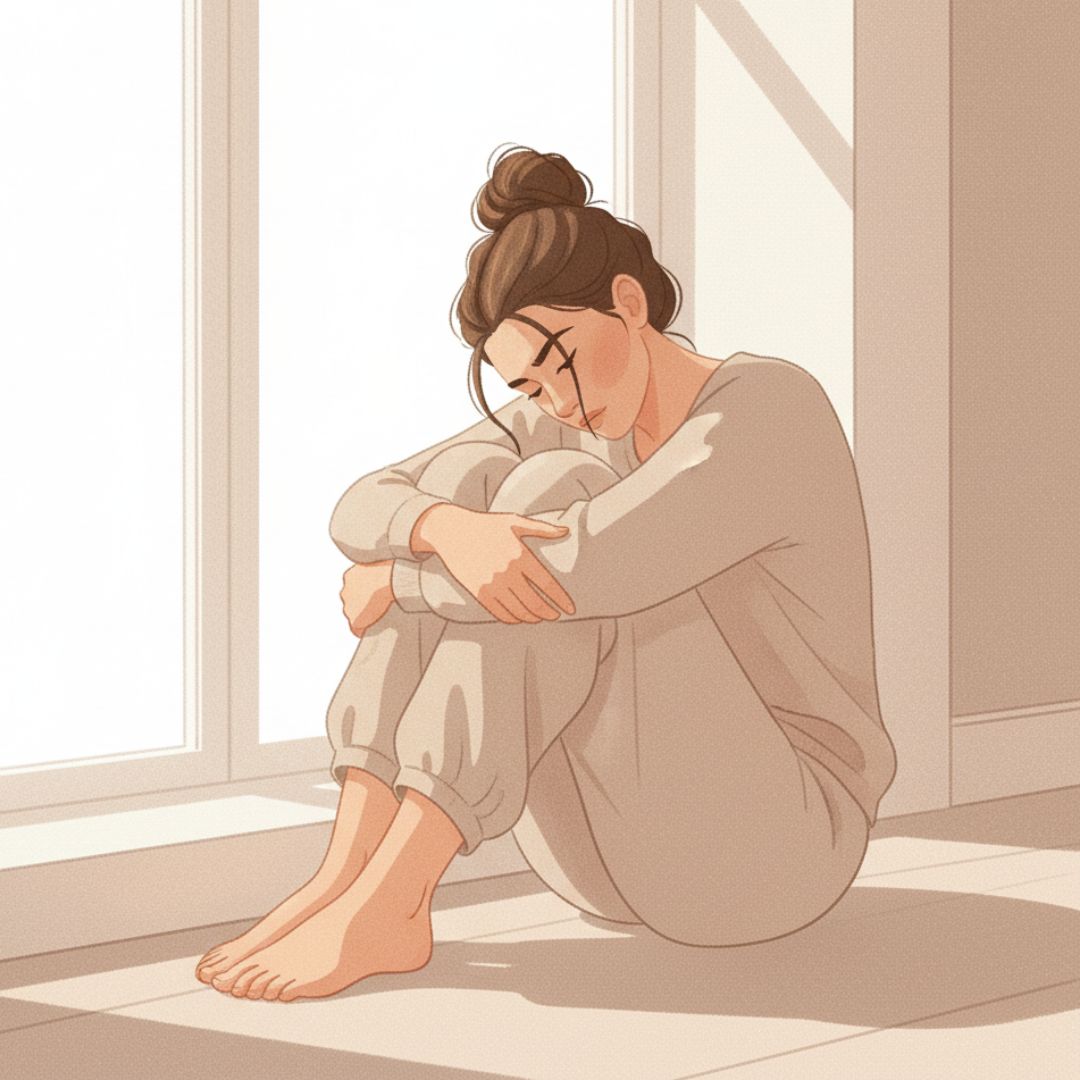
What Do Mood Swings Feel Like During Ovulation for Women with PCOS?

  • Sudden irritability or feeling “on edge” for no obvious reason
  • Heightened anxiety or restlessness, even if nothing stressful is happening
  • Emotional sensitivity or tearfulness
  • Feeling overstimulated or overwhelmed more easily
  • Brain fog or trouble concentrating
  • Increased frustration with things that normally wouldn’t bother you
  • Feeling emotionally reactive in conversations or relationships
  • A mix of high energy and emotional intensity, followed by a crash
  • Difficulty sleeping or feeling wired but tired
what causes mood swings during ovulation for women with pcos?

What Causes Mood Swings During Ovulation for Women with PCOS?

Estrogen Fluctuations 

Estrogen naturally rises throughout the first half of the cycle to help mature an egg and trigger ovulation. That part is normal. The issue is that estrogen directly influences serotonin and dopamine, two neurotransmitters that play a huge role in mood and emotional regulation.

When estrogen levels fluctuate more dramatically than they should, which is common in PCOS, it can disrupt nervous system balance and make your mood feel unstable or unpredictable.

High Androgens

High androgens (male sex hormones like testosterone) are common in PCOS. It’s one of the main drivers of symptoms like hair loss, acne, excessive hair growth on the face and body, and weight gain. Elevated androgens can also interfere with normal ovulation and even cause cysts (small fluid-filled sacs) to form on the ovaries. This is exactly why many women with PCOS ovulate irregularly or not at all.

When your body experiences delayed ovulation, estrogen continues to rise without the normal release that comes from on-time ovulation. This can lead to excessively high estrogen followed by a sudden drop once ovulation finally happens. That hormonal swing can result in big mood changes because of estrogen’s effect on the nervous system!

Here are more common symptoms of high testosterone with PCOS

Low and Delayed Progesterone 

Your body releases progesterone only after ovulation. Progesterone’s job here is to calm the nervous system and help stabilize mood after estrogen drops. That means that when ovulation happens late or inconsistently, progesterone levels remain low or arrive too late to provide that calming effect.

Without enough progesterone to oppose the estrogen, the body struggles to regulate emotions. Many women notice increased irritability, anxiety, poor sleep, and lower stress tolerance during ovulation.

For more on the importance of this reproductive hormone, listen to my episode of A Cyster and Her Mister called ”PCOS and the Progesterone Hormone with Dr. Samina Mitha.” 

High Cortisol 

Ovulation asks a lot of your body. It takes extra energy, immune support, and hormone coordination to release an egg. So, it’s actually normal for stress hormones like cortisol to rise a bit during this time.

For women with PCOS, however, cortisol already tends to run high or stay elevated longer than it should. So when cortisol bumps up around ovulation, it can push the nervous system into overdrive. That’s when Cysters tend to feel the most anxiety, restlessness, and mood instability.

Insulin Resistance 

As I mentioned, ovulation demands a lot from our bodies. However, our reproductive system struggles to get energy from our metabolic system due to insulin resistance. (Not all women with PCOS have insulin resistance, but most do.) 

When your body struggles to meet those energy demands, blood sugar levels can swing more than usual. Those ups and downs can affect brain function, raise stress hormones, and make mood symptoms like irritability, fatigue, brain fog, and emotional crashes more intense.

how to control mood swings during ovulation for women with pcos

How to Control Mood Swings During Ovulation for Women with PCOS

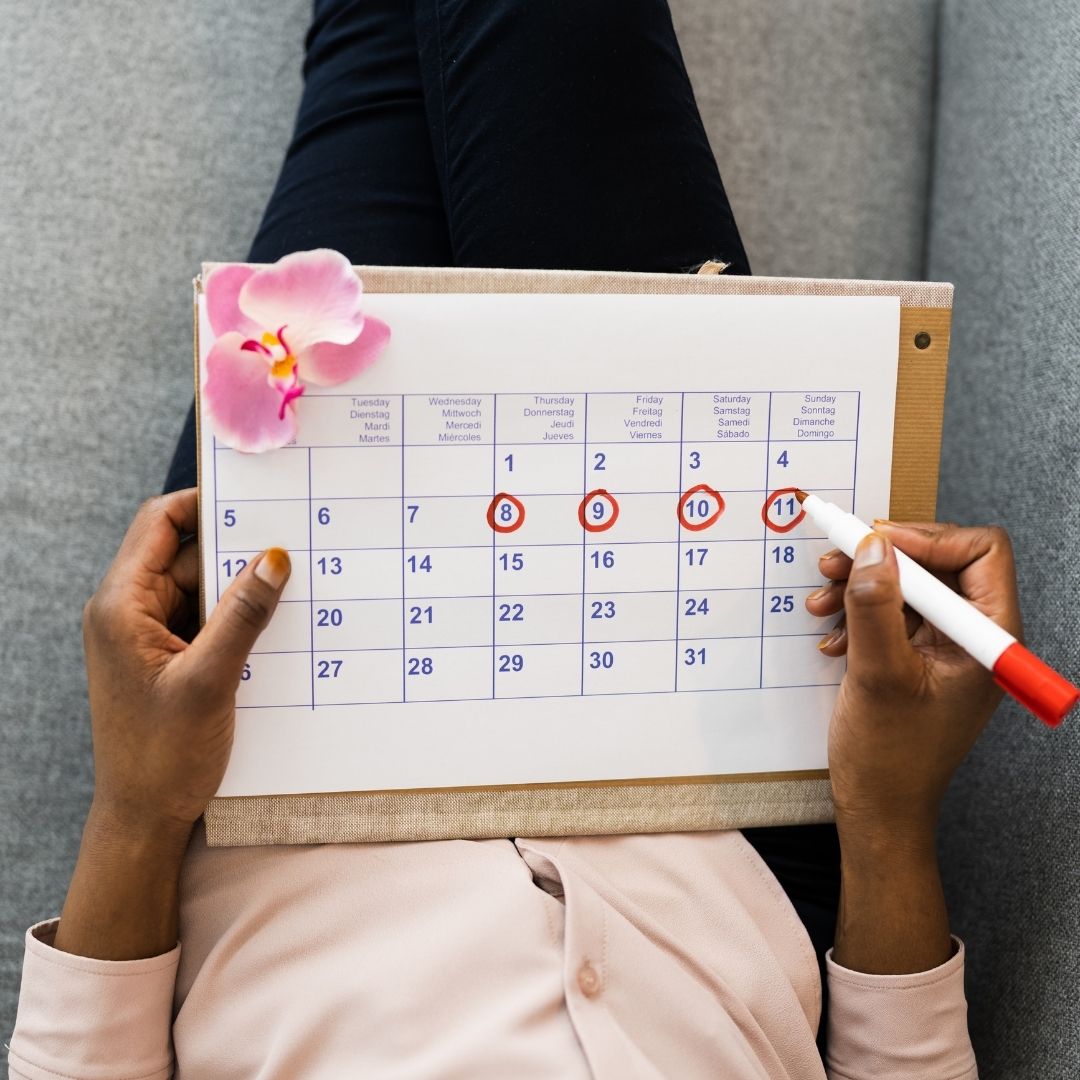
Track your cycle to anticipate mood shifts.

Before taking any other steps, start tracking your menstrual cycle. This can be hard for people with PCOS because of the irregularity of everything, but it is possible! Read this guide to tracking ovulation with PCOS and begin noting your symptoms and cycle patterns. Over time, this will help you anticipate mood shifts and measure your progress as you work to balance your hormones.

Here’s a list of the best ovulation tests for PCOS to help you get started. 

Be intentional about what, when, and how you eat.

Since blood sugar has a big effect on your emotions, it’s important to make intentional changes to what, when, and how you eat. This can help improve insulin sensitivity and hormone balance. (Plus, it’s great for reducing your risk of things like heart disease, type 2 diabetes, and high blood pressure.) 

Here are a few tips:

  • Adopt a gluten- and dairy-free anti-inflammatory diet to remove common drivers of inflammation, hormonal imbalances, and insulin resistance. 
  • Eat balanced meals with protein, fiber, and healthy fats to stabilize blood sugar.
  • Time your meal consistently throughout the day to prevent cortisol spikes. If you’re wondering, here’s how I feel about intermittent fasting with PCOS as a dietitian. 
  • Slow down when you eat. Mindful eating prevents increases in cortisol during meals.
  • Limit ultra-processed foods and added sugars, which can trigger blood sugar swings.

Here’s more on how to reverse PCOS with the right foods.

Take supplements that support your hormones and metabolism.

Even with an intentional diet, it’s difficult to get all your daily recommended vitamins and minerals. However, your body really needs key nutrients to carry out essential metabolic and reproductive processes. 

Thankfully, there’s lots of research out there that shows that certain supplements can act as insulin sensitizers and hormone balancers for women with PCOS! Here are the research-backed supplements for PCOS I recommend: 

Stay hydrated and add electrolytes when needed.

Hydration plays a much bigger role in mood management than people realize. Even mild dehydration can increase cortisol levels, leading to irritability and fatigue. And during ovulation, natural fluid shifts mean our body actually needs more hydration support. So, drink plenty of water and add electrolytes to support deeper hydration and nervous system functioning. 

Avoid drinking caffeine and alcohol when possible.

Caffeine and alcohol both place extra stress on the nervous system. Caffeine especially is like liquid stress to the PCOS body, consistently raising cortisol and adrenaline levels. Mood issues related to alcohol have more to do with its effect on blood sugar, sleep, and hormone clearance. 

Since hormones are already fluctuating during ovulation, it’s best to limit caffeine and alcohol at this point in the menstrual cycle. This will ensure you’re not adding more fuel to the fire. But, if you still want a fun drink for your daily ritual, you’ll find plenty of mocktails and happy sips on The Cysterhood app. 

Swap intense workouts for gentler movements.

If you’re already exercising, I first want to celebrate that. You’re already taking steps to care for yourself and improve your PCOS symptoms! That said, not all workouts are equally beneficial to a PCOS body. At one time, I was kickboxing multiple times a day, and I actually gained weight, and my symptoms got worse. 

Sounds crazy, right? Here’s what happened: high-intensity exercises like HIIT, sprinting, kickboxing, and tabata elevate your heart rate, raise adrenaline, and . . . spike cortisol levels. Instead of helping your body heal, these workouts can actually contribute to the chaos. 

So, swap intense movement for gentler options. I recommend slow-weighted workouts for PCOS, but you can also sprinkle in walking, Pilates, and yoga for additional gains. For PCOS-friendly workout routines, download The Cysterhood app. 

Prioritize better sleep hygiene and stress management.

Sleep is one of the most powerful tools for regulating mood. Poor sleep increases cortisol, worsens insulin resistance, and reduces your brain’s ability to cope with hormonal changes. Prioritizing consistent sleep and stress-reducing habits helps buffer mood swings and improve emotional resilience throughout ovulation.

Of course, I understand that’s easier said than done with PCOS. After all, Cysters are more likely to experience sleep disturbances than other women. To help, check out my resource for getting better sleep with PCOS. I hope it helps you get some quality rest! 

Limit your exposure to endocrine disruptors.

Endocrine disruptors are chemicals that interfere with hormone signaling. Common sources include things like plastics, artificial fragrances, and certain cleaning or beauty products. For women with PCOS, whose hormone systems are already sensitive, reducing exposure can help support estrogen balance, reduce inflammation, and make mood swings less severe over time.

Here’s how to remove endocrine disruptors for PCOS

Mood swings are common with PCOS ovulation, but you can reverse them!

Mood swings during ovulation are common for women with PCOS, and they’re driven by real hormonal and metabolic changes. Estrogen fluctuations, delayed progesterone, insulin resistance, and stress hormone dysregulation all play a role in how the brain responds during this phase of the cycle.
While there’s no one-size-fits-all approach to PCOS, consistent lifestyle support can make ovulation feel more manageable and predictable instead of disruptive. For more help, browse the PCOS Weight Loss blog and listen regularly to A Cyster and Her Mister.

How to Predict Ovulation With PCOS

Polycystic ovarian syndrome (PCOS) affects all aspects of a Cyster’s life, but one of the biggest and best known areas of struggle is fertility. The hormonal imbalances of PCOS can make conceiving difficult and periods irregular. However, focusing on lifestyle changes to improve PCOS hormonal side effects and tracking your ovulation can be a big help! 

Here’s more on that naturally reversing PCOS through lifestyle change thing, but today I’m dedicating this post to predicting ovulation! Ovulating is the only window of time in the menstrual cycle where a woman is can conceive, so figuring out when you’re ovulating can be the key to conceiving. 

Here’s how to predict ovulation with PCOS:

how to predict ovulation with pcos

How to Predict Ovulation With PCOS

Step 1: Learn about your cycle. 

Before you start trying to predict when you ovulate, it’s a good idea to learn what a regular cycle actually looks like! And, I mean the entire cycle, not just your period. This is how a menstrual cycle works:

Menstruation

The first 3-7 days of your menstrual cycle is your period. This is when the thickened lining of the uterus sheds away through the vagina. 

Follicular Phase

The second phase is about 10-14 days long and this is where your body prepares itself again for ovulation and the uterine wall that was just shed starts building up again. Also, in this phase, the follicle-stimulating hormone (FSH) prompts the ovaries to produce 5-20 follicles that are all immature eggs. Usually only one follicle will become an egg. Sometimes with PCOS, you have all the hormones to complete this phase, and you end up producing more than one follicle. But then, the body doesn’t have enough of the right hormones to get to ovulation so you end up with polycystic ovaries.

Ovulation

Here’s your fertility window! There’s about a 5 day window where you’ll be able to get pregnant as the mature egg moves down the fallopian tube to the uterus. Your cervical position rises and it becomes softer and moist to allow sperm to enter. Here, you either get pregnant or you move to the final phase. 

Luteal Phase

This phase is about 8-10 days long and here unfertilized eggs change into the corpus luteum. This is where you get a lot of hormone shifts as the follicle holding the egg produces progesterone and estrogen to support a pregnancy.

Since the egg is not fertilized, the body breaks down the corpus luteum, hormone levels drop, and the menstruation phase begins again! 

Step 2: Log what you can in cycle tracking apps. 

Being generally aware of this cycle is a good start, but I don’t actually expect you to have it memorized and count your cycle days all the time. To help you track ovulation and the rest of the cycle, use a period tracking app. 

However, these apps won’t be absolutely correct since predicting ovulation in women with PCOS is much harder! Irregular cycles make it hard for apps (and people) to track ovulation simple by counting days. But, this is a good start, and many of the apps get better at predicting your cycle the longer you use it. 

Step 3: Pay attention to your cervical mucus.

Everything I’ve mentioned so far is great for a woman with regular cycles, but as mentioned, many women with PCOS have anything but a normal, predictable cycle due to hormonal imbalance. So, some of the best ways to track ovulation is using physical signs of each phase. Cervical mucus is usually a pretty good indicator of where you are in the menstrual cycle! 

  • After Menstruation: Tacky, usually white or yellow 
  • Follicular Phase: Creamy and cloudy (like yogurt)
  • Ovulation: Consistency of egg whites, wet and slippery
  • Luteal Phase: Dry and sticky

It may sound a little gross, but observing your mucus when you go to the bathroom can be a really effective way of determining where you are in your menstrual cycle. 

Step 4: Take your basal body temperature. 

Your basal body temperature rises and lowers throughout your cycle. Using a piece of graph paper and a basal body thermometer, you can track your body temperature. You simply check your temperature right away in the morning at the same time each day, and look for variations. 

These variations will be very small! For example, if your temperature is normally 97 F, right before ovulation you will see your basal temperature drop by as little as 0.4 F, going to 96.6. After ovulation, it’ll rise by sometimes just as little, going from 96.6 past its usual 97 F to 97.4 F. However, it could rise or lower up to a degree. 

To do this successfully, you’ll have to take your temperature every day for a few months to establish your baseline and norms. After that, though, it can be pretty accurate! 

Step 5: Use ovulation prediction kits. 

When you can start to gauge approximately when you may be ovulating using the other indicators above, ovulation test kits are the perfect way to know for sure! They measure your luteinizing hormone (LH) to tell you definitively if you’re in your fertile window of ovulation. I’ll break down how to use those below:

How To Use Ovulation Kits With PCOS

How To Use Ovulation Kits With PCOS 

Step 1: Get your supplies. 

First, you’ll need to gather supplies. You’ll need ovulation test strips, a reusable specimen cup, and a test strip results logging app like Premom

Step 2: Track your cycle and ovulation signs. 

Next, pay attention to your body and try to track your ovulation using the methods above. When you think you might be ovulating, take a test. 

Step 3: Produce a urine sample. 

Go ahead and produce a urine sample in the reusable specimen cup. You can also use disposable mouthwash cups if you prefer. 

Step 4: Dip and hold your test strip in the urine below the max line. 

Take out one test strip, and dip it into the urine, but don’t go past the max fill line printed on the strip. Hold it there for the directed time on the box. 

Step 5: Wait and interpret line darkness. 

Lay out the test strip, and wait for the lines to appear. Two lines will almost always appear, but they get darker within your fertile days. The darker that line appears (and the better it matches that control line) the closer you are to peak ovulation. 

These test strips measure the amount of luteinizing hormone (LH) in your body, so it darkens as you get closer to ovulation.

Step 6: Keep testing until you peak or there is no second line. 

Keep testing to figure out whether you’re heading toward ovulation or leaving it. As mentioned, once that second line is very dark, your chances of conceiving are the highest of your entire cycle!

Step 7: Log the information in a tracking app.

Log all of your test strip information in your app. That way, you can better understand and predict your cycle for the next go round. 

How to Predict Ovulation With PCOS
It is possible to predict ovulation with PCOS! 

Predicting ovulation with PCOS isn’t easy at all. We all know what PCOS periods are like, and they’re generally irregular, painful, and heavy. However, there are ways of getting it back on track! You can read more about it in the post How to Regulate Periods with PCOS and hear more about it in the episode of A Cyster and Her Mister called How to Master Your Cycle & Fertility. And, once your periods are managed, you can focus on improving ovulation and egg quality to finally put infertility behind you. 

Just check out what happened to this Cyster! She took our recommendations to go gluten- and dairy-free and take Inositol to her doctor, and she finally experienced normal ovulation and conceived totally naturally. WOW!

Conceiving is one of the most difficult things a woman with PCOS goes through, with 70%-80% of Cysters experiencing infertility. There is so much wrapped up in it both physically and emotional, and the longing to be a mother is real. We’re here to help! Find more information about naturally reversing your PCOS on the blog, and join our amazing community by downloading The Cysterhood app where thousands of women like you are taking charge of their health to reach all of their life goals. We got this!

Should You Take Spironolactone for PCOS?

Polycystic ovarian syndrome (PCOS) is a common hormonal condition experienced by women of reproductive age. Since it’s hormonal, you can have a LOT of symptoms that make day-to-day life difficult. Because of this, Cysters often wisely seek out ways to improve their PCOS and live symptom-free! 

There are lots of ways to naturally treat PCOS, but after consulting with a doctor, some Cysters have a need for prescription medications. One of the most common drugs to help with the hormonal issues associated with PCOS is spironolactone! 

So, today, I’m going to dive in and give you all the details on what spironolactone is and how it can be used for PCOS. This information will help equip you with the tools to talk with your own doctor and see if spironolactone is a good choice for your healing journey.  

should you take spironolactone for pcos

Should You Take Spironolactone for PCOS?

There are lots of medications that are prescribed for PCOS. You’ve probably heard taking birth control pills or metformin, but spironolactone is another common PCOS drug. Of course, my focus is on naturally healing your PCOS, but I know that every body and circumstance is different! So, today, I’ll be giving you an honest look at spironolactone for PCOS!

What is Spironolactone? 

Spironolactone is a prescription medication that has lots of uses! It’s a potassium-sparing diuretic that makes it useful for improving blood pressure and fluid retention problems. Aside from the diuretic benefits, spironolactone has also been shown to block aldosterone, which is responsible for high levels of male hormones in the female body. The balance of sex hormones is essential to a healthy body, so spironolactone can help improve symptoms of endocrine disorders like polycystic ovarian syndrome. 

What Does Spironolactone Do for PCOS? 

Spironolactone is often prescribed to Cysters to help with high testosterone! Elevated androgen levels are present in about 50% of PCOS cases and they can be the cause of a lot of PCOS symptoms. Things like hirsutism, acne, irregular periods, hair loss, mood swings, weight gain, infertility, and more can all find their root in high testosterone levels. Since so many symptoms of PCOS come from imbalanced sex hormone levels, some women find relief from taking spironolactone! 

Like all prescription drugs, spironolactone has a few common side effects. You may experience dizziness, nausea, vomiting, headaches, fatigue, breast tenderness, muscle cramps, skin problems, and irregular menstrual periods. It’s my opinion that all medication should have an exit plan, so know that there are also natural ways to reduce testosterone levels with PCOS and find symptom relief totally side effect-free! 

how does spironolactone help for pcos

How Does Spironolactone Help for PCOS?

Improves hormonal acne.

High testosterone levels can lead to an overproduction of sebum, which is the oil that keeps our skin moisturized and healthy. Too much of it clogs our pores and lets bacteria grow. Eventually, acne forms! This is the reason a lot of Cysters struggle with acne way past their teen years! Since spironolactone can help regulate testosterone levels, it often relieves acne for women with PCOS! Here are more natural ways of improving hormonal acne with PCOS

Reduces unwanted body hair. 

Hirsutism is when women develop hair on areas of the body associated with male-pattern hair growth. (Think chin, upper lip, chest, etc.) High testosterone can cause this by stimulating the hair follicles in those areas to develop thicker and darker hair than normal. Women taking spironolactone usually see improvements in hirsutism since it lowers those androgen levels! 

Reverses hair loss. 

On that same note, high androgens can cause male-pattern baldness in women with PCOS. This happens because when free testosterone is converted to dihydrotestosterone (DHT) it often binds with hair follicles on the head and shrinks them over time. Once hair follicles get so small, they can’t produce hair any more. 

In women without PCOS, hair loss like this isn’t as common since testosterone levels aren’t high enough to have a significant effect. So, spironolactone can reverse hair loss and help protect your hair follicles from shrinking as a result of DHT! Beyond the medication route, there are other ways to improve hair loss naturally with PCOS

Regulates menstrual cycles. 

So, you’ll probably notice that one of the side effects of spironolactone is irregular menstrual periods. This one really depends on the person and your current hormone state. If your menstrual cycle is already irregular (like most women with PCOS), spironolactone can help regulate it by balancing those sex hormones. However, some women who already had regular cycles found spironolactone messed up their cycles due to the same anti-androgen effects. You may or may not see improvements here, but if you don’t, here’s how you can regulate your period with PCOS

how does spironolactone help for pcos
Blocks the development of ovarian cysts. 

Cysts form on ovaries when Cysters have an overproduction of androgens and that hormonal imbalance disrupts the normal growth and release of eggs. (Basically, high testosterone messes up your periods, like we discussed.) If eggs can’t release properly, they can form small follicles (cysts) on the ovaries that eventually grow and can become super painful. Spironolactone can help manage this by regulating periods and reducing the activity of sebaceous glands. 

Relieves bloating and water retention. 

I’ve talked a lot about the hormone balancing effects of spironolactone, but it’s also a diuretic! Many women with PCOS experience bloating and water retention from insulin resistance as well as high testosterone, which contributes to high body weight. However, spironolactone can help flush out the excess fluid and help you find relief and balance!

Betters insulin sensitivity. 

High testosterone and insulin resistance go hand-in-hand. Excess androgens interfere with insulin functioning and the cells become less responsive. When this happens, the body produces more insulin to keep blood sugar levels in check, raising insulin levels and insulin resistance! 

Insulin resistance is something a lot of Cysters struggle with (up to 80%!) and it contributes to things like weight gain, headaches, cravings, fatigue, irregular periods, acne, skin problems, and more! It can even lead to type 2 diabetes if not managed. Spironolactone can help with insulin resistance because it helps manage those testosterone levels! However, there are a lot more ways to improve insulin sensitivity like getting on a PCOS-friendly balanced diet and exercising

Pros and Cons of Spironolactone for PCOS

Pros
  • Lowers high testosterone levels
  • Reduce water retention and bloating
  • Betters insulin sensitivity 
  • Improves acne, unwanted body hair, and hair loss
  • Regulates menstrual cycle
  • Blocks the development of ovarian cysts
Cons
  • Doesn’t fix the root issue
  • Worsened menstrual irregularity
  • Increased fatigue
  • Possible digestive problems, dizziness, and headaches
  • Potential muscle cramps, skin problems, and breast tenderness
Spironolactone can help relieve symptoms in some women with PCOS.

There are a lot of medications out there used to mask the symptoms of PCOS. However, few of them actually solve the problem. While you’re on the medication, it will work! But, when you get off it, your body will return to the state it was before. Instead, I recommend trying natural remedies like changing your diet, exercise habits, and other aspects of your lifestyle to lower your testosterone levels on your own and find true freedom from PCOS symptoms!

You can learn more about this by reading the PCOS Weight Loss blog, listening to the A Cyster and Her Mister Podcast, and downloading The Cysterhood app. All are AMAZING resources for finding the root of your symptoms and healing your PCOS. Of course, consult with a doctor before trying anything new, but know there is hope for living a life totally symptom-free!

Can You Get PCOS After Having Kids? What the Research Says

Polycystic ovary syndrome (PCOS) is a common hormonal condition that usually shows up in your teens or early twenties. The first signs are generally heavy, painful periods, acne, weight gain, hair loss, and ovarian cysts. If the symptoms go unaddressed once they’re identified, usually they worsen throughout your reproductive years. That said, the intensity of PCOS can vary a lot!

Some women, for example, will experience severe PCOS symptoms that can really diminish their quality of life. At the same time, other women may remain unaware of their condition for years, with non-existent or mild side effects. 

Some even wonder if it’s possible to develop PCOS after using birth control, suffering a miscarriage, or having kids, because that’s when they first noticed symptoms. I’ve answered a couple of those questions in other posts, but today I want to discuss whether pregnancy and giving birth can cause PCOS. 

Here’s the truth:

Can You Get PCOS After Having Kids

Can You Get PCOS After Having Kids? What the Research Says

No. Having kids isn’t the catalyst for anyone’s polycystic ovarian syndrome (PCOS). That said, if you’re just now feeling the symptoms of PCOS or were recently diagnosed postpartum, I don’t want to undermine what you’re experiencing. Here’s what likely happened…

Chances are, you’ve always had PCOS. But for whatever reason, you didn’t experience symptoms intense enough to make you take action. Maybe you’ve lived a generally healthy lifestyle—with balanced eating habits, regular movement, and good sleep. As a result, this could’ve kept the root issues of PCOS at bay. When those foundations are solid, symptoms often stay minimal or even unnoticeable.

It’s also possible you were dealing with a milder presentation of PCOS. The condition varies so much from person to person! Your hormonal imbalances or insulin resistance may have simply been more moderate before kids. In that case, symptoms can be subtle and easy to overlook.

In any case, I know your next question: So why am I feeling PCOS now? Well, pregnancy is hard on the body. So much changes—not only hormonally, but also in how your body manages stress, blood sugar, inflammation, and recovery. Those shifts can reveal underlying PCOS patterns that weren’t as obvious before pregnancy.

Plus, you’re probably not caring for yourself in the same way you were before kids. Increased stress, broken sleep, higher caffeine intake—basically the staples of the newborn stage—all worsen the core drivers of PCOS. So PCOS didn’t suddenly appear; the conditions in your body simply changed, giving it the opportunity to take the spotlight and intensify symptoms. 

I’ve talked about the link between pregnancy, PCOS, and the postpartum stage before. If you’re interested (for now or in the future), make sure to check out: “Effects of PCOS on pregnancy” and “PCOS pregnancy tips!”

How Can Pregnancy Make PCOS Symptoms Worse?

  • Increased insulin resistance: Pregnancy naturally raises insulin resistance to support fetal growth. This can trigger high blood pressure and blood sugar.
  • Higher androgen levels: Pregnancy can shift hormone production in ways that increase androgens (male sex hormones) for some women. Like lowering SHBG levels, fluctuating progesterone, and increasing cortisol. 
  • Inflammation spikes: Pregnancy is a pro-inflammatory state, meaning your body is operating with higher baseline inflammation to support the massive changes happening inside you.
  • Changes in cholesterol levels: Cholesterol and triglycerides naturally rise during pregnancy. For some women, this means higher LDL and triglycerides and lower HDL, which can worsen metabolic PCOS patterns.
  • Greater cortisol output: All the physical stress, broken sleep, and recovery that comes with having a baby can send your cortisol levels sky-high, which can make insulin resistance and inflammation even worse.
  • Thyroid fluctuations: During pregnancy and postpartum, shifts in estrogen, progesterone, and immune activity can temporarily disrupt thyroid hormone production.
What Happens When You Have PCOS After Having Kids

What Happens When You Have PCOS After Having Kids?

If you’re unsure if what you’re seeing postpartum is PCOS, I want to help. It’s true that most women, regardless of health status, say their bodies are never the same after pregnancy. But, if you’re dealing with the following symptoms, it may be wise to get your hormone levels checked and talk with your doctor about PCOS.

Irregular Menstrual Cycles

Because of the increased androgens (male hormones), you may notice irregular periods and ovulation cycles. Not only is the timing irregular, but often the symptoms are intensified. Think heavier flow, worsened cramps, heightened pelvic pain, more fatigue, insatiable cravings… you get the idea. Here’s more on what periods are like with PCOS, for more signs to look out for.

Increased Fatigue

Of course, caring for a baby on its own will leave anyone feeling more tired. However, there are real physiological changes that can trigger extreme daytime sleepiness. Increased insulin resistance can cause blood sugar to swing up and down, leading to sudden energy crashes.

At the same time, elevated cortisol disrupts restorative sleep and overworks the adrenal system. And on top of that, thyroid shifts can slow down your metabolism, reducing the body’s ability to produce steady energy.

So yes, feeling a little more tired is normal—but you shouldn’t be falling asleep in the middle of conversations or nodding off at stoplights. That level of exhaustion is definitely cause for concern.

Stubborn Weight Gain

Of course, every woman gains weight during pregnancy. How much is considered normal depends on your body mass index (BMI), but most women gain somewhere between 15 and 35 pounds. And with the chaos of parenthood, those pounds aren’t going to melt off in a month or two. That said, you shouldn’t continue gaining a significant amount of weight after pregnancy.

If you notice the scale keeps climbing, and losing weight feels impossible despite your best efforts, you may be dealing with PCOS. High insulin levels, thyroid dysfunction, and chronic inflammation can all work against you. This not only affects your body image and overall health, but it also increases the risk of long-term complications like type 2 diabetes and cardiovascular disease. It’s definitely not a symptom to brush off as a normal part of motherhood.

Hair Changes

PCOS affects sex hormones, as I’ve discussed. Androgens like testosterone are often elevated—and can spike even higher after pregnancy. Those excess male hormones stimulate hair follicles on your face and body. This can inevitably lead to excessive hair growth on the chest, upper lip, jawline, chin, stomach, and even the back.

Meanwhile, the same androgens shrink hair follicles on the scalp. This causes female-pattern hair thinning, which shows up as shedding around the crown, widening part lines, and overall hair loss. It’s not a fun combination. And while temporary hair changes can happen during pregnancy and shortly after birth, it’s uncommon for the issue to persist for months or years. When it does, PCOS is a much more likely explanation.

Acne Flare-Ups

Acne is another result of high androgen levels. These male hormones prompt the sebaceous glands to produce more oil while chronic inflammation makes pores more reactive. The combination leads to oily skin, clogged pores, and breakouts. So, if you’re feeling like a teenager again with hormonal acne after having kids, it may be a sign of PCOS. 

Persistent Mood Swings

Again, mood swings are pretty normal during and after pregnancy. However, the baby blues should resolve within 2–6 weeks postpartum. If you have underlying PCOS, those emotional ups and downs may continue long after your kids get older and pregnancy is behind you. There are a few reasons for this.

First, elevated androgens can interfere with neurotransmitters like serotonin and dopamine, which directly influence mood. High cortisol output also disrupts how the brain communicates with the rest of the body, increasing irritability and emotional dysregulation.

On top of that, thyroid changes can play a major role. If your thyroid slows down (hypothyroidism), the brain doesn’t get a steady energy supply. This leads to depression, irritability, and difficulty concentrating. If your thyroid speeds up (hyperthyroidism), the excess stimulation can leave you feeling overstimulated, anxious, and emotionally volatile. 

If any of this sounds familiar, you could be dealing with PCOS.

Frequent Headaches and Body Aches

I’ve talked a lot about how PCOS-related hormone levels can trigger symptoms. However, inflammation from PCOS can cause its own set of unpleasant side effects! Chronic inflammation increases pain sensitivity, while high cortisol tightens muscles, raises tension, disrupts sleep, and contributes to headaches. 

Blood sugar swings and thyroid fluctuations can also make headaches, joint stiffness, and muscle pain more common. All of this can be so hard to deal with when trying to raise a family! And I can’t emphasize this enough: any chronic pain after having kids is not normal. Whether it’s due to PCOS or something else, it’s definitely something you should look into.

Secondary Infertility

Here’s a big one. Maybe conceiving your first child wasn’t very difficult, but now you’re struggling to get pregnant again. If underlying PCOS has surfaced postpartum, you’re no longer working with the same reproductive conditions you had the first time around.

Insulin resistance and irregular hormone levels can make ovulation unpredictable—or stop it altogether. They can reduce egg quality, thicken the uterine lining (making implantation harder), and interfere with healthy embryo development. This is why so many women with PCOS struggle with conception and miscarriage.

Just because baby number one came easily doesn’t mean PCOS isn’t in the picture. With so many hormonal changes happening postpartum, it’s worth talking to your doctor about the possibility of PCOS if you’re dealing with secondary infertility alongside other symptoms on this list.

How to Manage PCOS After Having Kids

How to Manage PCOS After Having Kids

If you were relatively symptom-free with PCOS prior to pregnancy (so much so you didn’t even know you had it!), don’t get discouraged. You can totally get back to feeling like yourself again! There’s no quick cure for PCOS, but it’s not a life sentence. Once you address the underlying dysfunctions triggering your symptoms? You can reverse your PCOS patterns and regain your energy, confidence, and sense of normalcy.

Of course, this doesn’t happen overnight. It takes a series of small, sustainable lifestyle changes that, when combined, can make a tremendous difference in your health. And yes—any change feels harder when you’re a mom. That’s why today I want to share ways to manage your PCOS with your whole family. These are simple steps you can all take together to build a healthier future—hopefully a future free of PCOS symptoms!

Here’s what you can do together:

Get the whole family on a PCOS-friendly diet.

One of the best ways to balance hormones, reduce inflammation, and lower insulin resistance is by eating well. I recommend a gluten- and dairy-free anti-inflammatory diet for the whole family. Chances are, you already care about helping your kids eat a healthy diet. That said, why not plan meals that support their growth and your PCOS healing at the same time?

And, no, this way of eating isn’t restrictive or “non-kid-friendly.” What kid wouldn’t love air fryer chicken nuggets, frozen yogurt bark, chocolate waffles, or sloppy joes? All of those recipes (and so many more!) are inside The Cysterhood app. Every meal and snack is built around nutrient-dense whole ingredients, plenty of fiber, high-quality protein, and healthy fats.

Not to mention, each recipe is full of flavors your family will actually enjoy. Plus, the app includes a built-in meal planner to make feeding a busy household so much easier.

To help your family shift toward a PCOS-friendly way of eating, try these tips:

  • Start with simple, balanced meals with plenty of protein and other nutrients. 
  • Keep kid-approved recipes on rotation so nothing feels restrictive. 
  • Swap in gluten and dairy alternatives that still taste familiar and comforting.
  • Stock up on PCOS-friendly snacks your whole family will love. 
  • Batch-cook or mealprep to avoid grabbing fast food or low-nutrient quick meals. 
  • Let kids help in the kitchen to spark curiosity and buy-in around new foods. 
  • Drink more water together and remove caffeine and sugary juices from the home. 
  • Use The Cysterhood meal planner for easy planning and accountability.  

Create a personalized supplement plan for each person.

Supplements can be beneficial for almost anyone—kids included! Even if you follow The Cysterhood meal plans perfectly, it’s still unlikely you’ll meet every daily vitamin and mineral recommendation. It’s just too challenging with real-life schedules and picky eaters. That’s where supplements can help support your symptoms by promoting better hormone balance, reducing inflammation, and improving insulin sensitivity.

For you, I recommend following this PCOS supplement routine. This includes science-backed options like Inositol Complete 40:1, Berberine Advanced, a high-quality multivitamin, curcumin, omega-3s, and CoQ10. Ease into the routine instead of starting everything at once, and give your body time to respond and your symptoms time to improve.

For your kids, talk to their pediatrician about adding a multivitamin and omega-3 supplement. Both can support healthy growth, brain development, and overall wellness—while also helping them build good self-care habits early on. Also, I recommend avoiding gummy vitamins since they’re not very bioavailable! Liquid formulas and chewable tablets, however, are great kid-friendly alternatives.

Set up daily movement and playtime with the kids.

Exercise can help with all three root issues of PCOS. As physical activity increases your body’s demand for glucose, insulin resistance goes down. When insulin stabilizes, the ovaries produce less testosterone, creating a positive chain reaction for overall hormone balance. Your muscles also release myokines during exercise—compounds that actively reduce inflammation. All good things!

But with PCOS, you want to avoid high-intensity exercise that spikes cortisol and throws hormones even further out of whack. Skip workouts like HIIT, bootcamp-style classes, long-distance running, kickboxing, and CrossFit—who has time for those with kids anyway, right? Instead, try weaving PCOS-friendly movement into your day in a way that feels natural and sustainable.

Here’s how you can do it:

  • Take family walks after meals to help lower blood sugar and support digestion.
  • Have daily dance parties with your kids for gentle cardio that feels fun, not stressful.
  • Stretch together before bedtime to calm the nervous system and model good movement habits.
  • Turn playground time into movement time by walking laps, doing light strength exercises, or staying active instead of sitting on the sidelines.
  • Choose weekend activities that get everyone moving, like hiking, biking, swimming, or exploring a local park.
  • Do slow-weighted workouts when the kids are asleep (light dumbbells, resistance bands, or bodyweight training) to build muscle without spiking cortisol. You can find routines on The Cysterhood app! 

Prioritize healthy sleep routines for everyone.

Factors like hormone balance and metabolic health depend heavily on good-quality sleep. And trust me, I know that getting enough rest with kids can be a challenge! However, establishing healthy sleep habits is one of the best things you can do for your PCOS symptoms. When your family prioritizes sleep too, you may notice fewer tantrums, better focus at school, stronger immune systems, and overall calmer days.

These are some steps you can take as a family to improve sleep hygiene:

  • Create consistent bedtimes and wake times for everyone, even on weekends.
  • Establish a calming nighttime routine—bath, books, stretching, or quiet play.
  • Limit screens for at least an hour before bed to prevent melatonin disruption.
  • Dim the lights in the evening to signal to the brain that it’s time to wind down.
  • Keep bedrooms cool, dark, and quiet to support deeper, higher-quality sleep.
  • Model healthy sleep habits yourself and show that rest is a family priority.

Here’s more on how to sleep better with PCOS

Build stress-relieving activities into your daily routine.

Women with PCOS tend to have higher baseline cortisol levels to begin with—but after having kids? That number goes through the roof. And when cortisol stays elevated, it can worsen hormone imbalance, increase insulin resistance, and drive inflammation. Essentially, your body stays stuck in “emergency mode,” making it nearly impossible to heal or achieve consistent symptom relief.

Relieving stress is essential for PCOS healing. It may even be one of the biggest factors behind your symptom flare after having kids! So taking steps as a family to reduce chaos, manage stress, and process emotions in healthy ways can make a huge difference.

This is what I recommend for families:

  • Create predictable routines for mornings, meals, and bedtime to reduce daily chaos.
  • Build in quiet time each day—reading, coloring, puzzles, or simply resting together.
  • Practice deep breathing or mindfulness as a family to calm the nervous system.
  • Get outside daily for fresh air, sunlight, and grounding movement.
  • Limit overstimulation by reducing noise, clutter, and excessive screen time.
  • Cut down on the commitments—it’s not healthy to say yes to everything. 

Remove and replace endocrine-disrupting chemicals in the home.

Endocrine disruptors are chemicals found in everyday products that interfere with your body’s hormones. They can mimic, block, or change the way your hormones work, making imbalances even worse. This is especially challenging for women with PCOS, who already struggle with hormone regulation. Nonetheless, these chemicals aren’t good for anyone else in your family either.

Research shows that endocrine disruptors can affect brain development, alter metabolism, disrupt puberty timing, weaken the immune system, and increase inflammation in kids. So for your health and your family’s long-term well-being, it’s worth replacing as many endocrine-disrupting products as possible.

I have a whole podcast episode on how to remove endocrine disruptors from your home! However, here are some things you can do right now:

  • Swap plastic for glass or stainless steel when storing food or drinks.
  • Choose fragrance-free or naturally scented products to avoid phthalates in artificial fragrances.
  • Use cleaner cleaning products or DIY options like vinegar, baking soda, and castile soap.
  • Open windows daily to reduce indoor air pollutants and improve ventilation.
  • Vacuum and dust regularly—many endocrine disruptors collect in household dust.
  • Filter your drinking water, especially if your area has PFAS or heavy metals in the supply.
You can’t get PCOS after kids, but you may uncover it!

Discovering you have PCOS can feel overwhelming, but it can also be empowering! Once you know why you’re having symptoms and can name the cause, you can finally take steps to get your life back. PCOS includes so many different symptoms and root causes, but with the right lifestyle shifts? You and your family can work together to balance your hormones, ease inflammation, and live symptom-free with PCOS

If you want more guidance, recipes, science-backed strategies, and step-by-step support, head to the PCOS Weight Loss blog. You’ll find everything you need to continue healing—one small habit at a time!

How to Stop Facial Hair Growth Due to PCOS Naturally

If you’re a woman living with polycystic ovary syndrome (PCOS), you know the long list of side effects can feel totally overwhelming. Many symptoms affect how your body feels—fatigue, pelvic pain, headaches, painful periods, joint pain, digestive issues… I could go on. However, there are other symptoms that impact the way your body looks, which can be just as challenging.

PCOS can change your appearance in ways that feel out of your control. Weight gain, acne, skin tags, dark patches, hair thinning, and excess facial or body hair can chip away at your confidence and make you feel disconnected from your own beauty and femininity. But here’s the good news: There’s a lot you can do to naturally address these issues!

In this post, I’m focusing specifically on excess facial and body hair growth with PCOS. If you’re looking for tips on the other cosmetic symptoms of PCOS, you’ll find those on the blog too. For now, let’s talk about how to reduce unwanted hair growth with PCOS.

How to stop facial hair growth due to pcos naturally

How to Stop Facial Hair Growth Due to PCOS Naturally

First of all, I know you’ve already tried shaving, waxing, and plucking with little success. This dark, coarse hair always comes back with a vengeance. I’ve dealt with it myself! That said, the next step isn’t laser hair removal or hormonal birth control pills. 

Sure, both may give you temporary results. But if you don’t get to the root of the problem, the hair will continue to resurface. Luckily, there are ways you can naturally and permanently stop PCOS facial and body hair growth. 

So before we jump into solutions, let’s talk about why PCOS causes unwanted hair in the first place. Once you understand what’s happening inside your body, you’ll be able to take steps that actually support healing. From this, my hope is that you feel more feminine, confident, and like you again!

How Does PCOS Cause Facial Hair Growth?

Facial hair growth in women with PCOS comes from high androgen levels. Androgens are male sex hormones that our ovaries are supposed to produce in small amounts. We actually need them for things like muscle building, reproductive health, cognitive function, and more! However, it’s not surprising to hear that excess male sex hormones in a female body can cause lots of problems.

When your ovaries produce too many androgens, it can stop ovulation or make it super irregular. And insulin resistance can make the imbalance even worse. About 80% of women with PCOS have this condition, and it’s when your body doesn’t respond properly to glucose. Because of this, you begin producing more insulin to deal with the extra sugar. However, that insulin also binds to receptors in the ovaries, telling them to produce even more androgens.

Okay, but why does that make you grow facial hair, right? Well, androgens stimulate hair follicles on your face, chest, upper lip, jawline, chin, stomach, and sometimes your back. It shifts these hairs into the “active growth” phase, leaving you with thick, dark hair (terminal hair) instead of the usual, basically invisible peach fuzz (vellus hair). 

If all that wasn’t enough, inflammation can also contribute to higher androgen levels. The hormonal imbalances and high insulin levels can signal to your immune system that you’re in a state of emergency. 

This triggers inflammatory activity all over. And if the root issues—high androgens and insulin resistance—aren’t addressed, you end up with chronic inflammation. And chronic inflammation can make your hair follicles more sensitive to androgens and disrupt the normal hair-growth cycle. These are all the ways PCOS can cause unwanted hair growth!

Can facial hair growth from pcos be reversed

Can Facial Hair Growth From PCOS Be Reversed?

If you want to reverse PCOS facial hair, you have to get to the root issues behind it: inflammation, insulin resistance, and high androgen levels. These three problems all fuel your facial hair growth—and they all feed into each other in a vicious cycle. Here’s how it works:

  1. High insulin levels signal your ovaries to pump out more androgens.
  2. Those extra androgens throw your hormones off balance and stress your system.
  3. This hormonal stress confuses your cortisol rhythm and activates inflammation.
  4. Your body stays in a low-grade inflammatory mode even though there’s no real threat.
  5. That lingering inflammation makes your cells less responsive to insulin.
  6. As insulin resistance gets worse, your body pumps out even more insulin to compensate.
  7. The higher insulin levels then trigger excess androgen production, restarting the cycle.

See the problem? And insulin resistance, inflammation, and hormonal imbalances don’t just trigger PCOS facial hair. These are the issues behind pretty much all of your chronic symptoms. So when you get these three things under control, you can achieve all-around symptom relief and actually reverse your PCOS. Pretty amazing, right?

But… easier said than done. You’ve got to break that cycle to stop the domino effect. There’s no single pill or quick procedure that fixes it overnight. However, healing is totally possible! In fact, I have an essential guide to naturally managing your PCOS on the blog. But for now, I’m sharing steps that can specifically help with PCOS facial hair growth.

How to stop pcos hair growth naturally

How to Stop PCOS Hair Growth Naturally

Adopt a gluten- and dairy-free anti-inflammatory diet. 

A gluten- and dairy-free anti-inflammatory diet is one of the best ways to support your body and improve all three root issues of PCOS. First, as the name suggests, it cuts out inflammatory foods like refined carbs, processed foods, gluten, and dairy. This is extremely helpful for keeping inflammation low, which naturally improves hormone levels!

And without inflammation making insulin resistance worse, you can use the diet to target that, too. By managing your sugar and carb intake—and increasing your fiber and protein—you stabilize your blood sugar. Combine that with nutrient-dense, delicious meals, and you’re well on your way to reversing PCOS symptoms, including facial and body hair growth.

I know this diet might sound restrictive or difficult to stick to, but I promise it’s not. It’s less about what you stop eating and more about what you start eating. You can find all my PCOS-friendly recipes and a built-in meal planner inside The Cysterhood app. And don’t worry—there’s no boring, bland “health food” in sight. You’ll find hundreds of tasty, satisfying recipes that curb cravings and support healing—at the same time.

Here are just a few PCOS-friendly recipes you’ll find on the app:

  • Chocolate Waffles
  • Air Fryer Chicken Nuggets
  • California Roll Bowl
  • Chicken Alfredo
  • Buffalo Chicken Pizza
  • Beef Taco Soup
  • Pumpkin Pie Fudge 
  • Funfetti Cupcakes 

Take supplements to support proper functioning.

Even if you follow the suggested diet perfectly, it’s still hard to get all the daily vitamins and minerals your body needs. That’s where supplements come in! These natural remedies help fill in the gaps and give your body exactly what it needs to balance hormones, reduce inflammation, and lower androgen levels. You just need to take the right ones.

Talk to your doctor about starting this PCOS supplement routine. Also, don’t jump into everything at once—slowly work your way up. This way, your body gets well-rounded support from the essential vitamins and minerals it needs. Below are the supplements included in the routine, along with the ways they support facial-hair management and other PCOS symptoms:  

  • Multivitamin: Inflammation and Insulin Sensitivity 
  • Omega-3: Inflammation, Insulin Sensitivity, and Androgen Levels
  • Curcumin: Inflammation, Insulin Sensitivity, and Androgen Levels
  • CoQ10: Inflammation and Insulin Sensitivity 
  • Inositol: Androgen Levels and Insulin Sensitivity 
  • Berberine: Inflammation, Insulin Sensitivity, and Androgen Levels 
  • Probiotics: Inflammation, Insulin Sensitivity, and Androgen Levels 

Reduce stress and cortisol levels.

Cortisol is your stress hormone. When your body experiences stress externally or internally, cortisol rises to trigger your emergency response system. We all know where external stressors come from: a big work project, relationship conflicts, financial struggles… The list is endless.

But internal stressors are just as damaging. Things like nutrient deficiencies, lack of sleep, hormonal imbalances, and more can all send cortisol through the roof. Basically, anything in your body that isn’t going “right” can activate your stress response. 

When cortisol spikes, your body goes into survival mode. (Yes, our bodies can be a little dramatic.) To keep you “safe,” your system increases insulin resistance to store more fat and ramps up inflammation to fight off perceived threats. See the problem?

On top of that, high cortisol pushes reproductive processes to the back burner, delaying ovulation and creating more hormonal imbalance. This includes elevated androgens, which fuel facial and body hair growth along with other PCOS symptoms.

All that to say: keeping stress in check is essential if you want to break the cycle and stop excess hair growth. Internally, you can support your body by following the other tips on this list. Externally, you can help by reducing caffeine intake (AKA liquid stress), practicing meditation and deep breathing, getting outside, setting boundaries, and lightening your mental load.

I know it is easier said than done. But even small steps to cut back on stress can lead to big improvements in your symptoms!

Drink hormone-balancing herbal tea blends. 

Like natural supplements, herbal tea can give your body nutritional support to improve metabolic, digestive, and hormonal function. These herbs have been used for thousands of years as medicine, and now research shows they actually work. Plus, sipping on a warm cup of tea in the morning or at night is super relaxing and stress-relieving. 

To help with facial hair growth from PCOS, you want herbal teas that are anti-androgenic. Basically, you want teas that help lower testosterone levels. And, fortunately, there are several herbs that directly support hormone balance and reduce inflammation. These include spearmint, nettle, lemon balm, chamomile, lavender, orange peel, cinnamon, peppermint, and calendula.

Now, I am not suggesting you buy every one of these individually and rotate them on a schedule. Instead, choose a strategic tea blend like Ovafit’s Testosterone Relief Tea, which includes these hormone-balancing and anti-inflammatory herbs. With just one or two cups a day, you can start seeing real results.

Use slow-weighted and meditative workouts. 

We all know exercise is great for building muscle, but did you know it also supports hormone balance and stabilizes insulin levels? It’s true. The right kinds of workouts make your cells more responsive to insulin. This lowers insulin resistance and signals your ovaries to produce less testosterone. The result is less facial hair growth and fewer androgen-related symptoms.

Exercise also increases your sex hormone-binding globulin (SHBG) levels. SHBG is a protein that grabs onto testosterone and prevents it from affecting other parts of your body. But that’s not all! Working out reduces inflammation and lowers stress levels, both of which are incredibly helpful for bringing androgen levels back into a healthy range.

However, not all workouts are created equal. At one point, I was kickboxing almost every day and actually gained weight and saw an increase in PCOS symptoms, including facial and body hair growth. Why? Because high-intensity workouts raise adrenaline and cortisol. When your stress hormones spike during intense exercise, they can counteract the benefits, worsening symptoms instead of improving them.

Avoid martial arts, HIIT, CrossFit, bootcamp-style classes, sprinting, intense cycling programs, plyometrics, and long-distance cardio. Instead, focus on low-impact, meditative movements like yoga, swimming, Pilates, walking, and my personal favorite: slow-weighted workouts. If you want a deeper explanation of why Sirak (my husband and a PCOS personal trainer) and I recommend slow-weighted exercise, listen to this episode of A Cyster and Her Mister.

And if you are ready to jump in now, download The Cysterhood app. Not only does it include all the delicious and nutritious recipes I mentioned earlier, but it is also full of PCOS-friendly workout routines. You will never have to guess whether your exercises are helping or hurting your healing. We designed these routines specifically for a Cyster’s unique body and needs.

Get better quality sleep every night. 

Another super beneficial way to support your body is by improving your sleep. Better sleep habits, also known as sleep hygiene, can have a huge impact on how you feel. This is true for anyone, but especially for women with PCOS. While you sleep, your body carries out essential processes that regulate blood sugar levels, balance hormones, and manage inflammation. When your sleep quality is poor, it becomes much harder to keep these things in check.

Research shows that when sleep hygiene improves, you’re likely to see lower cortisol levels, increased insulin sensitivity, healthier SHBG levels, and reduced inflammation. As your circadian rhythm strengthens, hormones like melatonin, insulin, estrogen, and progesterone move into the correct ranges, too! All these shifts work together to lower testosterone levels and improve PCOS symptoms, including excess facial and body hair growth.

You can read our full post on how to sleep better with PCOS, but here are some of our top tips:

  • Get sunlight right away in the morning
  • Maintain a consistent sleep schedule
  • Limit screen time at night 
  • Consider CBD or a melatonin supplement 
  • Keep your bedroom cool and dark—and just for sleeping 

Combine these lifestyle changes with natural, trusted topical treatments. 

I saved this one for last because so many of us are quick to reach for topical treatments to fix PCOS-related skin and hair issues. But without addressing the root problems? Things like excess hair growth, hair thinning, acne, skin tags, and darkened patches will keep coming back. I do not want you wasting money on expensive products with big promises.

That said, if you are already doing the work to balance hormones, reduce inflammation, and lower insulin resistance from the inside out, topical treatments can be a great secondary layer of support. Here are some options to discuss with your doctor:

Stop excess facial and body hair growth by healing your body from the inside out. 

At the end of the day, stopping PCOS facial hair growth naturally isn’t just about changing what you see in the mirror. It’s about feeling more in control of your body again. Once you understand what’s driving the symptoms and start addressing the root causes, the changes become noticeable. Your skin calms down, regrowth slows, and your confidence builds right alongside the progress. It’s a steady shift, but it’s totally possible to reverse unwanted hair growth long-term!

For more ways to manage cosmetic symptoms of polycystic ovarian syndrome (PCOS), read these guides next:

PCOS Supplement Routine: A Daily Plan for Hormone Balance

Supplements are one of the best ways to support your body. Whether you’re just trying to stay healthy or you’re hoping to get PCOS symptoms under control, a solid supplement routine can make a real impact. These products are not only powerful, but they’re also safe and natural. This allows you to actually get to the root of your polycystic ovary syndrome (PCOS)—no more masking symptoms or negative side effects!

The problem? There are thousands of options on the shelves. Entire stores are filled wall-to-wall with powders, pills, and tinctures. It’s SO overwhelming. Even when you do figure out what to take, you’re usually left guessing on timing, pairing, and dosage. Directions are vague, inconsistent, or missing entirely—and you deserve better than guesswork.

As a woman with PCOS myself, I was fed up with the supplement industry. It’s unregulated by the FDA, so companies can make almost any claim they want. And, even the good brands weren’t formulating with PCOS or endocrine disorders in mind. That is exactly why I created Ovafit, a third-party tested supplement line designed to be accessible, science-backed, and aligned with a Cyster’s unique biology.

To take the stress out of it all, today I’m sharing the optimal PCOS supplement routine. When you follow this order and timing, you give your body the support it needs to actually heal and minimize chronic symptoms. It’s one of the simplest lifestyle upgrades you can make for your long-term health.

PCOS Supplement Routine: A Daily Plan for Hormone Balance

PCOS Supplement Routine: A Daily Plan for Hormone Balance

In this post, we’re going to cover one key part of my natural PCOS treatment protocol: supplements. Just like common PCOS prescriptions, these vitamins and minerals have been shown to help you feel better with PCOS. The difference is that supplements support long-term change by helping your body rebalance itself rather than just covering symptoms.

Below, you’re going to hear about a lot of PCOS supplements. But let me remind you to always discuss new treatments with your doctor before starting them. And don’t start several new supplements at the same time. If you react to something, it’s almost impossible to pinpoint the trigger when you’ve added multiple things at once.

I know you’re eager for improvement, but take everything slow! And let’s answer a question you’ve probably been wondering about:

Is There an All-in-One PCOS Supplement?

No, there’s not an all-in-one dietary supplement for PCOS. Wouldn’t that be nice? Unfortunately, Cysters deal with several nutrient deficiencies and dysregulated systems, so one blend can’t cover it all. Trust me, if that were possible, I’d have it up on my website right now!

All that said, if you want a simple, effective foundation to build on, start with inositol and a multivitamin. Together, they support the systems most commonly disrupted in PCOS.

What Supplements Help PCOS

What Supplements Help PCOS?

Inositol

Inositol is my favorite supplement for PCOS. For many women, this is the one that makes the biggest impact in the least amount of time. It’s so effective that clinical trials found that inositol supplementation is more beneficial than the common synthetic prescription Metformin. (Which is commonly used for PCOS.) 

But what does it do? SO many things. Here are a few:

  • Improves insulin sensitivity
  • Reduces sugar cravings
  • Helps regulate menstrual cycles
  • Supports more consistent ovulation
  • Improves egg quality and improves pregnancy rate
  • Lowers androgen levels and improves overall hormonal balance
  • Supports weight management
  • Can reduce acne and excess hair growth
  • Supports mood and stress balance
  • May support thyroid health

Multivitamin or Prenatal 

You can’t go wrong with a good multivitamin. A high-quality multivitamin will include dozens of daily vitamins and minerals that help support pretty much everything—from the metabolism to the immune system. Research shows that PCOS bodies often need magnesium, chromium, iodine, calcium, B vitamins, iron, zinc, and vitamin D supplementation to address all the common deficiencies. A multivitamin can cover all of that!

If you’re pregnant or trying to conceive, a prenatal is the ideal choice. They’re specially formulated to address the changing nutritional needs of a pregnant woman (and her growing baby). But, essentially, they function as a more targeted multivitamin. So if you’re already taking a prenatal, you don’t need a regular multivitamin on top of it.

Berberine

A common struggle Cysters face is higher body weight and difficulty losing it. It’s not your fault. Up to 80% of women with PCOS have insulin resistance, which disrupts glucose metabolism. Instead of using sugar for energy, it gets stored as fat and absorbed into the bloodstream.

This is where berberine can help. It’s a natural GLP-1 booster shown to lower blood sugar and improve insulin sensitivity. That alone can make reaching your ideal body mass index (BMI) much easier, but the benefits don’t stop there. Berberine may also help lower testosterone levels, support gut health, and improve cholesterol balance!

To learn more, listen to this A Cyster & Her Mister Podcast episode, titled “Berberine for PCOS: What No One Tells You (Nature’s Ozempic?).”

Coenzyme Q10

CoQ10 is incredible for two major areas: energy and reproduction. Coenzyme Q10 helps your body produce ATP, which acts as fuel for your cells. This translates to better energy, sharper focus, and overall improved daily functioning. It also supports egg quality, ovulation, and general fertility health.

And even if pregnancy isn’t on your radar, it’s still important to nurture your reproductive system. Balanced hormones, reduced pelvic pain, and healthier cycles all start with better cellular energy—and CoQ10 plays a major role in that.

Here’s more on the benefits of CoQ10 for PCOS!

Omega-3 Fatty Acids

Fatty acids make up about 60% of our brains. That’s a HUGE percentage! However, our body doesn’t naturally produce it. That means if you’re low, you’re just low unless you consume foods with healthy fats. You can’t make any more on your own. 

And because omega-3s are involved in so many essential processes, a deficiency can affect everything from cognition to inflammation. If you’re not getting enough through food alone, supplementation is a great next step!

Here are just some of the benefits of a high-quality omega-3 supplement:

  • Reduces inflammation
  • Improves insulin sensitivity
  • Supports hormone balance
  • May reduce period pain
  • Supports egg quality
  • Improves cholesterol levels
  • Helps skin and hair health
  • Supports mood and mental well-being

Curcumin

Inflammation is a major driver of chronic symptoms. Some inflammation side effects of PCOS include things like fatigue, bloating, body pain, brain fog, and even hormonal imbalance. Bringing it down is super important, and curcumin is one of the best natural tools to get the job done. It’s a compound found in turmeric, and it is naturally anti-inflammatory and packed with antioxidant benefits!

When we reduce inflammation, everything just works better—your energy, your mood, your digestion, and even your cycles. Curcumin helps your body get there by supporting insulin, calming hormonal chaos, and keeping oxidative stress in check.

Here are more benefits of curcumin for PCOS!

Probiotics 

Chronic inflammation can wreak havoc on your digestive system. It can weaken the gut lining, slow digestion, disrupt nutrient absorption, and throw off the balance of healthy bacteria your body relies on. This becomes a major issue because the gut is one of the body’s central communication hubs. Essentially, it helps regulate metabolism, immunity, hormone balance, and even mood. When the gut is struggling, everything else becomes harder to manage—especially with PCOS.

That’s where probiotics come in. Probiotics help rebuild a healthy microbiome by replenishing beneficial bacteria, strengthening the gut lining, reducing inflammation, and improving digestion. They also support smoother hormone regulation and better insulin sensitivity, two areas where women with PCOS often need the most help. Adding a high-quality probiotic to your routine is a simple, effective way to repair gut function. And with that, you create a stronger foundation for overall PCOS symptom relief.

For more information, check out “Gut Health and PCOS.”

Herbal Tea

Herbal tea can be a simple but powerful addition to a PCOS routine. Many blends contain ingredients that naturally support hormone balance, reduce inflammation, and calm the nervous system—all things Cysters need daily.

Warm herbal tea can also help manage stress, which is huge for lowering cortisol and supporting more regular cycles. Plus, certain herbs like spearmint, ginger, and cinnamon have research behind them for improving insulin sensitivity and easing common PCOS symptoms. It’s a soothing, low-effort habit that works behind the scenes to support your overall health.

How to Treat PCOS with Supplements

How to Treat PCOS with Supplements

Everyone’s supplement routine looks a little different—we all respond differently. This is just the approach that’s worked best for me, based on my body, my reactions, and my experience. However, I’ll explain why I take each supplement when I do, so you can feel more confident mapping out a schedule that serves you. 

Supplements to take in the Morning with Breakfast

MetaMulti (Multivitamin)

Morning is the ideal time for a multivitamin because B vitamins and minerals support early-day energy, metabolism, and focus. Taking it later in the day can disrupt sleep. So, start your morning with the MetaMulti to help your body use those nutrients when you’re most active.

Omega-3 (1000 mg)

Omega-3 fats absorb best when taken with a meal that includes dietary fat, meaning you should take them at breakfast. Morning dosing also helps reduce inflammation early in the day, supporting stable hormones and mood.

Want help with meal-planning? Download The Cysterhood app for PCOS breakfast recipes that incorporate healthy fats.

Inositol Complete 40:1 (2,000 mg of myo, 50mg of D-chiro) – First Dose 

Your first scoop in the morning kickstarts balanced blood sugar and reduces cravings right from the start of your day. Splitting the dose AM + PM aligns with how inositol works best—steady support across 24 hours.

Berberine Advanced (550 mg) –  First Dose

Breakfast is often your first big glucose spike, and berberine helps flatten that response so you stay energized and balanced. Taking it with food also improves absorption and reduces the chance of getting an upset stomach. 

Testosterone Relief Tea

A warm cup in the morning helps calm cortisol and support hormonal balance before the day ramps up. It’s also a soothing way to reduce stress and practice self-care!

Supplements to take in the Afternoon with Lunch

Curcumin (300 mg)

Curcumin is best absorbed when taken with food, so always take it with a PCOS-friendly meal. However, instead of taking it with breakfast, many healthcare professionals recommend you take it with lunch. This can support inflammation control throughout the afternoon, when stress and blood sugar can fluctuate.

Confession: To simplify my routine, I just take it at dinner with my CoQ10. That way, I only have two rounds of supplements each day!

Supplements to take in the Evening with Dinner

Probiotics 

It’s best to take probiotics first thing in the morning because your stomach acid is lowest after an overnight fast. Basically, this helps more of the healthy bacteria survive. Taking them on an empty stomach also helps them move through your digestive system faster, so they can reach the gut and start working more effectively.

If you can’t figure out which ones to take, read my post on the best probiotics for PCOS. Ultimately, though, I recommend a primary probiotic, like Pure Encapsulations Probiotic G.I., and then a secondary spore probiotic, like MegaSporeBiotic.

Inositol Complete 40:1 (2,000 mg of myo, 50mg of D-chiro) – Second Dose

Your evening scoop helps regulate nighttime blood sugar and supports deeper, more restorative sleep. It also helps curb late-night cravings, which is a common challenge for many Cysters.

Berberine Advanced (550 mg) –  Second Dose

Dinner is typically your largest meal, so taking berberine here helps stabilize the biggest glucose response of the day. It also supports overnight metabolic balance, which is super important for weight management and hormone health.

CoQ10 (125 mg) 

CoQ10 is fat-soluble, so it absorbs best with a heavier meal, which makes the evening an ideal time to take it. Because it supports cellular repair and mitochondrial function, taking it at night gives your body the fuel it needs to restore hormone balance. Not only can you recover while you sleep, but CoQ10 doesn’t act like a stimulant or affect rest.

Testosterone Relief Tea

A second serving in the evening helps calm your nervous system and make winding down easier. This is the perfect time to lower stress hormones and support deeper, more restful sleep.

PCOS Supplement Schedule

Breakfast:

  • Probiotics
  • MetaMulti
  • Omega-3
  • Inositol Complete 40:1 (First Dose)
  • Berberine Advanced (First Dose)
  • Testosterone Relief Tea 

Lunch:

  • Curcumin 

Dinner:

  • Inositol Complete 40:1 (Second Dose)
  • Berberine Advanced (Second Dose)
  • CoQ10
  • Testosterone Relief Tea
Big impact comes from the smallest changes.

Sometimes the biggest progress with PCOS comes from the smallest daily habits—and a solid supplement routine is one of them. When you consistently give your body the support it needs, everything from your energy to your hormones starts to shift in the right direction. So stay patient, stay consistent, and trust the process. Your body is incredibly capable of healing! This routine can help you move closer to the version of yourself you want to feel every single day.

You can find more PCOS healing resources and support on the PCOS Weight Loss blog. And don’t forget to listen to A Cyster and Her Mister Podcast, where I interview expert guests on topics related to natural PCOS healing. Symptom relief is just around the corner, Cysters!

Pecan Pie Overnight Oats: A PCOS-Friendly Breakfast Treat

If you’re living with PCOS, you know that balancing blood sugar and keeping insulin levels steady is key to managing symptoms. Breakfast can be a tricky meal—too high in sugar and carbs, and you risk energy crashes and cravings later in the day. That’s why this Pecan Pie Overnight Oats recipe is perfect: it’s loaded with protein, healthy fats, and fiber to help you stay full and satisfied, without spiking your blood sugar.

Not only is this breakfast nourishing, it’s also incredibly convenient. You prep it the night before, store it in the fridge, and wake up to a ready-to-eat, delicious, nutrient-packed meal. Plus, it tastes just like dessert in the morning—pecan pie for breakfast, anyone?

Pecan Pie Overnight Oats

Why This Recipe Works for PCOS

💪High in Protein: Protein helps stabilize blood sugar, improves satiety, and supports muscle maintenance. With protein powder, hemp seeds, and nut butter, this recipe delivers nearly 95 grams of protein across three servings.

🥣Fiber-Rich: Oats, chia seeds, and pecans provide soluble and insoluble fiber, which help slow digestion and improve gut health—something especially important for women with PCOS.

🥑Healthy Fats: Pecans and nut butter are packed with monounsaturated and polyunsaturated fats, which support hormone balance and help control cravings.

🍽️Low Glycemic Load: Unlike traditional oatmeal topped with sugar or syrup, this recipe relies on natural fats and fiber to keep blood sugar levels steady, making it a PCOS-friendly choice.

Pecan Pie Overnight Oats

Here’s how I build this recipe to be delicious, hormone-supportive, and easy enough to whip up any day of the week.

Prep time: 10 minutes
Chill time: 1–2 hours
Servings: 12 (or 24 bite-sized pieces)

✨ Ingredients

  • 1 cup pecans
  • 2 cups old fashioned oats
  • 2 Tbsp chia seeds
  • 3 Tbsp hemp seeds
  • 2 ½ cups hemp milk
  • 2 scoops protein powder
  • 2 Tbsp drippy nut butter (cashew or almond work great)
  • 1 tsp vanilla extract
  • ¼ tsp nutmeg
  • 1 tsp cinnamon

👩🏻‍🍳Instructions

  1. Toast the Pecans: In a medium skillet, toast the pecans until fragrant. Let them cool, then chop them in a small food processor. Transfer to a small bowl and set aside.
  2. Mix the Base: In a large bowl, combine oats, hemp seeds, chia seeds, milk, protein powder, nut butter, spices, a pinch of salt, and vanilla. Stir until well combined.
  3. Refrigerate Overnight: Cover the bowl and refrigerate for at least 5 hours or overnight.
  4. Morning Prep: In the morning, give the oats a good stir. Add a splash of milk if needed to reach your desired consistency.
  5. Serve: Top with toasted pecans or layer them in jars with a layer in the middle. Pro Tip: Don’t stir the pecans into the oats at night—you want them crunchy, not soggy!

Tips for Customizing Your Pecan Pie Overnight Oats

  • Lower Carb Option: If you’re sensitive to carbs, try reducing the oats slightly or swapping in more chia seeds for fiber.
  • Sweeten Naturally: If you prefer sweeter oats, add a dash of cinnamon.
  • Make It Portable: Layer your oats in jars for grab-and-go breakfasts. Perfect for busy mornings or meal prep!

This Pecan Pie Overnight Oats recipe proves that healthy, PCOS-friendly breakfasts can still be indulgent. With protein, fiber, and healthy fats in every bite, it’s the perfect way to start your day feeling satisfied and energized.

And if you love this recipe, you’ll be happy to know there are tons of other hormone-balancing, PCOS-friendly snack and dessert recipes in The Cysterhood app, designed to make healthy indulgence easy and accessible. And don’t forget to visit the blog for more PCOS breakfast ideas.

For more tips, guides, and practical advice on thriving with PCOS, visit PCOS Weight Loss blog to take back control of your health.

Can You Develop PCOS After Pregnancy? What to Expect Postpartum

Did you know pregnancy can actually change your DNA? It’s true! When you’re pregnant, your body goes through a ton of changes—some temporary; some permanent. (As someone who’s expecting, I can definitely vouch for all the crazy shifts!) Because pregnancy impacts hormones and metabolism, many women notice new postpartum symptoms that can look a lot like PCOS.

Some of these side effects that overlap with PCOS include irregular periods, weight gain, acne, excessive hair growth or loss, mood swings, cravings, and fatigue. Naturally, this makes a lot of women wonder: Did pregnancy actually trigger polycystic ovary syndrome (PCOS)? I’ll answer that question today! And if you’re a pregnant Cyster curious about what your body might feel like postpartum, this post is for you, too.

Here’s what you need to know about pregnancy and PCOS:

Can You Develop PCOS After Pregnancy

Can You Develop PCOS After Pregnancy? What to Expect Postpartum

No. Pregnancy doesn’t directly cause PCOS. However, it can trigger new symptoms in women who didn’t even know they had the condition. Most Cysters notice signs of PCOS during puberty. But if your lifestyle naturally keeps insulin resistance and hormones in check, your symptoms may stay mild or hidden. 

Pregnancy, with its major hormonal and metabolic shifts, can sometimes bring these symptoms to the surface postpartum. It may simply reveal PCOS that was always there!

What Happens to PCOS Symptoms After Pregnancy

What Happens to PCOS Symptoms After Pregnancy?

Surprisingly, PCOS symptoms often improve postpartum. This is because pregnancy can act like a “hormone reset.” While your body focuses on supporting your baby via all the physiological changes, it indirectly masks underlying PCOS issues. 

For example, high estrogen and progesterone during and after pregnancy suppress male hormones like testosterone. This means you might actually notice relief from symptoms related to high androgens—like excess facial hair, acne, or irregular periods. For some, this even boosts fertility to conceive the next baby! As androgen levels decline, ovulation improves.

Regulated androgen levels can also have an indirect impact on blood sugar. Some, but not all, Cysters experience better insulin sensitivity during and after pregnancy due to improved hormonal balance. This can actually ease symptoms like sugar cravings, skin issues, and brain fog.

But don’t get too carried away—these improvements aren’t permanent. If the underlying PCOS issues aren’t addressed outside of pregnancy, symptoms are likely to return as your body gets back to “normal.” Also, it’s important to note that not every Cyster sees these temporary improvements postpartum. For many, symptoms like fatigue, weight gain, mood swings, and sleep disturbances can actually worsen. 

Additionally, women with PCOS are also more likely to experience a variety of pregnancy complications such as gestational diabetes (GDM), preeclampsia, and pregnancy-induced hypertension. They’re also at increased risk of postpartum complications like hemorrhage, delayed return of cycles, persistent insulin resistance, or type 2 diabetes. All these can worsen symptoms and a Cyster’s overall quality of life.

Here’s more on how PCOS affects pregnancy

How to Manage PCOS Symptoms After Pregnancy

How to Manage PCOS Symptoms After Pregnancy

Prep PCOS-friendly meals.

They always tell you to maintain a “healthy diet” postpartum. But that’s easier said than done! It’s hard to remember to eat at all, let alone eat well. Still, what you eat plays a huge role in hormone balance and managing insulin resistance. Because of this, adopting a gluten- and dairy-free anti-inflammatory diet can make a real difference in how you feel. 

To get balanced meals on the table, prep as much as you can before the baby arrives. If your little one is already here, set aside an afternoon to cook and freeze a few PCOS-friendly meals. For inspiration, check out The Cysterhood app, which has hundreds of simple, delicious recipes. Download it today and use the built-in meal planner—it makes healthy eating so much easier!

Also, check out my posts, “PCOS Chicken Recipes Your Hormones Will Love” and “PCOS Breakfast Recipes for Symptom Relief.”

Keep healthy, quick bites close by. 

Whether you’re breastfeeding or simply struggling to eat three full meals, having healthy snack options within reach is essential. Life with a newborn is beyond hectic, and it’s easy to let balanced eating fall by the wayside. Quick, nourishing bites help you stay fueled, curb sugar cravings, and avoid skipping meals—even on the toughest days.

Need ideas? Here are some of my favorite PCOS-friendly snack ideas

Prioritize gentle, consistent movement. 

It can take 4-6 weeks (sometimes more) to fully recover from birth. During this time, it’s tempting to skip all physical activity, but gentle movement can actually help your body heal. 

Talk to your doctor about safe ways to incorporate light, consistent activity from the start. Doing so can support a smoother postpartum recovery, help regulate hormones, and set you up for long-term success in managing your PCOS symptoms.

Revisit your supplements with your doctor. 

During pregnancy, your doctor probably emphasized the importance of a prenatal vitamin. Postpartum, nutritional supplements are just as important! Ensuring you get the recommended daily vitamins and minerals is crucial to regulating hormone levels and fighting insulin resistance. 

And, since maintaining proper nutrition with a newborn can be a challenge (to say the least), supplements are game-changing! A consistent schedule helps give you the support you need to keep PCOS symptoms at bay.

Talk with your doctor about starting these key supplements:

  • Inositol: supports insulin sensitivity and hormone balance
  • Berberine: helps regulate blood sugar and metabolic function
  • Multivitamin: fills in nutrient gaps and supports overall health
  • Omega-3: supports heart, brain, and hormone health
  • CoQ10: supports energy and reproductive health
  • Curcumin: has anti-inflammatory benefits

You can get all these essential supplements on the Ovafit Shop!

Get as much sleep as you can.

I know, I know—telling a new mom to get more sleep is kind of ridiculous. So, I am not saying get 7-9 hours of great quality, uninterrupted sleep. We both know that won’t happen. That said, getting as much sleep as you can is really important. While we sleep, our bodies carry out essential functions that help keep hormone and insulin levels in check.

So, to manage symptoms of PCOS, I’m simply suggesting you get as much sleep as you can. Even if that means housework goes undone or you call a friend to babysit while you get a quick nap. As the baby gets older and establishes a solid sleep routine, don’t forget to continue prioritizing your whole sleep quality. It’s essential for true postpartum recovery.

Establish a strong support system. 

Speaking of calling a friend—a village really is everything when you’ve got a new baby. Sure, things like free babysitting, meal trains, and other tangible help are amazing. 

But even if your friends can only offer advice, encouragement, or a shoulder to cry on, that’s more than enough. Having people in your corner can help you get through the tough days, manage stress, and stay in a positive mindset.

Practice good stress management. 

Having a new baby can be stressful—and with stress comes elevated cortisol levels, high blood pressure, and increased inflammation. These factors can take a toll on your body and mind, potentially worsening PCOS symptoms like fatigue, mood swings, bloating, body aches, and weight gain. So, make an intentional self-care plan to keep stress levels low. 

Here are some suggestions for those postpartum months:

  • Meditate or practice deep breathing—even while holding your little one
  • Use noise-reducing earplugs to carve out quiet moments
  • Take time for yourself with a shower, a short walk, or a quiet coffee
  • Connect regularly with your support network
  • Write down daily wins, even the small ones
  • Diffuse calming essential oils like lavender or chamomile
  • Limit screen time and social media to reduce mental clutter

Stay hydrated throughout the day. 

This one is important for so many reasons! If you’re breastfeeding, staying hydrated is essential for maintaining your milk supply. But it’s also a key player in managing PCOS symptoms. Drinking enough water gives your body the fuel it needs to function properly. Here’s what you’re really taking care of when you stay hydrated:

  • Your liver and kidneys need water to flush out excess hormones
  • Your metabolism relies on water to help stabilize blood sugar
  • Your digestive system uses water to absorb nutrients efficiently

The bottom line? Drink plenty of water—it makes a bigger difference than you might think.

Get a pelvic floor therapy consultation. 

If you deal with a lot of PCOS-related pelvic or abdominal pain, this tip is for you. All the strain from pregnancy and delivery (whether C-section or vaginal) can damage your pelvic floor muscles. These muscle injuries can contribute to significant pain during periods, bowel movements, and sex. 

So, it’s a good idea to schedule a pelvic floor therapy consultation shortly after giving birth. A professional can assess whether there’s any muscle damage and help you prevent long-term pelvic floor pain. And, though you may have heard about doing Kegels, never start them without guidance from a physical therapist. Post-baby, muscles can be either too loose or too tight—doing Kegels at the wrong time can actually make things worse.

A pelvic floor specialist can create a personalized treatment plan (if needed) to help you heal properly and avoid chronic pain down the line.

Be aware of postpartum depression and anxiety symptoms.

If you have PCOS, you’re already at a higher risk for experiencing symptoms of depression and anxiety. After giving birth, those emotional ups and downs can intensify as your hormones shift dramatically. While postpartum mood swings aren’t totally uncommon, they should get better with time. It’s really important to recognize when what you’re feeling is more than the typical “baby blues.”

If you suspect you might be dealing with postpartum depression or anxiety, know that help is available—and you don’t have to go through it alone. Talk to your OBGYN or primary care provider if you’re experiencing any of the following:

  • Persistent feelings of hopelessness or emptiness
  • Loss of interest in your baby or daily life
  • Thoughts of harming yourself or your baby
  • Intense anxiety or panic attacks
  • Difficulty sleeping or eating due to worry or sadness
  • Feeling detached from reality or unable to care for yourself or your child

I also go a little more in-depth about mental health and PCOS in “The Link Between PCOS, Depression, and Anxiety!

Avoid caffeine even on days you’re really tired.

I know a caffeine fix is super tempting when you’ve been up all night with your baby or battling serious fatigue—but try to avoid it. Caffeine acts like liquid stress, raising your cortisol and adrenaline levels. It can also throw off other hormones and worsen PCOS symptoms like weight gain, mood swings, and even fatigue.

And, yes, caffeine can actually make you more tired. When you drink too much, your body’s demand for cortisol spikes, and your endocrine system can’t keep up. It’s called adrenal fatigue! This leaves you feeling sleepy rather than energized. Instead, try natural energy boosters like staying hydrated, moving your body with light exercise, and getting some sunshine.

Start tracking your cycle when your period returns. 

Tracking your cycle is a smart move for anyone with PCOS. Your menstrual cycle is a powerful indicator of overall health and symptom changes. As your period becomes more regular, it’s a clear sign that your efforts to balance hormones and improve insulin sensitivity are actually paying off. Plus, cycle tracking is how you do natural family planning, giving your body time to recover before the next baby.

Since your reproductive system essentially “resets” postpartum, it’s the perfect time to start tracking. Once your period returns, log it in a period-tracking app and consider tracking ovulation and symptoms, too. Over time, this will give you a comprehensive picture of your reproductive health.

Be patient and kind to yourself. 

This stage is hard. Usually much harder than people think! (Or, so I’ve heard. I’ll know firsthand in a few months.) Don’t pressure yourself to lose weight quickly, eat “perfectly,” or jump back on the resistance machine right away. Give yourself time. Be patient with your body and your recovery, and celebrate every win, no matter how small. You’re doing an amazing job!

Pregnancy doesn’t cause PCOS, but it can change things!

Remember: postpartum life with PCOS is a journey, not a race. Your body has done something incredible, and it deserves patience, care, and compassion. Focus on small, consistent steps, listen to what your body needs, and give yourself credit for every win along the way. You’ve got this.

For more guidance on how to naturally manage PCOS, browse the rest of the blog and listen twice a month to the A Cyster and Her Mister Podcast. To hear more about my own pregnancy journey, listen to the episodes called PCOS to Pregnancy: The Supplements, Diet, & Lifestyle Changes that Worked

And, whether you’re pregnant or planning for pregnancy, check out these posts next:

Mongolian Beef Recipe for a PCOS-Friendly Diet

One of the hardest parts of changing your eating habits is saying goodbye to some of your favorite comfort foods. But as a PCOS dietitian, let me assure you—your diet shouldn’t feel restrictive. Any approach that only focuses on what you “can’t” eat isn’t sustainable. It doesn’t lead to long-term lifestyle change or true healing.

Instead of cutting out your favorite foods like cookies, pizza, chicken nuggets, or Chinese takeout, it’s all about finding smart ingredient swaps. You can still enjoy the flavors you love—just in a way that won’t throw off your hormones, worsen insulin resistance, or increase inflammation. And the best part? With the right resources, it’s way easier than it sounds.

I always recommend women with PCOS to try a gluten- and dairy-free anti-inflammatory diet. It’s a great way to relieve symptoms, reduce the risk of long-term complications, and promote healing from within. To make that journey easier, from cooking hormone-friendly meals to picking the right supplements, I created The Cysterhood app. It’s packed with recipes, workouts, resources, and community, all designed specifically for the PCOS body.

And to show you just how simple it can be to recreate your favorite meals in a PCOS-friendly way, I’m going to walk you through a new version of a classic: Mongolian beef. This popular Asian dish is getting a hormone-supportive upgrade.

Let’s do some quick cooking:

mongolian beef recipe for a pcos - friendly diet

Mongolian Beef Recipe for a PCOS-Friendly Diet

I LOVE this Mongolian beef recipe! It’s a meal I know won’t trigger any of my symptoms. And, not only that, but it will actually help me feel better. It’s high in protein, anti-inflammatory, fiber-rich, and packed with beneficial nutrients like vitamin C, antioxidants, iron, and more.

But instead of just giving you the recipe, I want to explain the strategy behind this PCOS-friendly version of Mongolian beef. This way, hopefully you can find ways to make healthier alternatives to your favorite meals, rather than cutting them out altogether. Plus, we’ll talk a little about Mongolian beef if you’re trying it for the first time.

What Is Mongolian Beef?

Despite the name, Mongolian beef was created in Taiwan and popularized in Asian-American restaurants in the United States. The classic version has thinly sliced beef, scallions, and a sweet and savory sauce served over rice. 

What Does Mongolian Beef Taste Like?

Mongolian beef has a bold, rich flavor that’s primarily savory, with a hint of sweetness and mild heat that makes it a foodie favorite. It’s also aromatic, thanks to fresh ginger, garlic, and other flavorful Asian herbs and spices.

how to make mongolian beef pcos-friendly

How to Make Mongolian Beef PCOS-Friendly 

Choose lean beef like sliced flank steak or sirloin. 

When choosing beef for your dish, avoid fatty cuts since they raise saturated fat levels and can increase inflammation. Leaner cuts, like flank steak or sirloin, are still great sources of protein—they just skip the excess cholesterol. Even better, they’re also packed with iron, zinc, B vitamins, and other important nutrients. If you’re on a budget, lean ground beef is a great alternative, too.

Swap soy sauce for coconut aminos. 

Dark soy sauce contains gluten and high sodium, which can trigger inflammation and hormonal imbalances for some Cysters. Luckily, there’s an easy swap: coconut aminos. They’re gluten-free, lower in sodium, and packed with beneficial amino acids that support digestion and overall health. Plus, the flavor is pretty much the same!

In addition to gluten, here are other foods to avoid with PCOS.

Use non-starchy vegetables. 

Starchy vegetables like peas, corn, carrots, and squash naturally have more carbs and sugars. While they do offer plenty of vitamins and minerals, choosing non-starchy veggies lets you enjoy those benefits without the potential impact on your blood sugar. 

Veggies like broccoli, cauliflower, bell peppers, green beans, green onions, and mushrooms are all excellent options. Not only are they gentler on blood sugar and PCOS-friendly, but they pair just as nicely with Mongolian beef.

For a thickener, use arrowroot flour. 

Cornstarch is a popular sauce ingredient used for thickening. However, it’s highly processed, calorie-dense, and offers little to no nutritional value. It can also be harder to digest and may contribute to inflammation, which isn’t ideal for hormone health. 

Arrowroot flour is a less processed, plant-based starch that’s lower in calories, easier on the digestive system, and naturally gluten-free. It gives you the same thickening power without the nutritional drawbacks.

Skip the rice or go with a low-sugar option. 

Both brown and white rice, while commonly served with Mongolian beef, are high in carbs. Now, carbs aren’t necessarily bad—our body needs them like any other nutrient! However, you want to be mindful of where you eat them throughout the day. So, if you love rice, have rice with your Mongolian beef! But maybe skip a high-carb food later in the day to stay within your Carb Tolerance Range!

If you’d rather save your carbs for dessert, rice alternatives are a great choice. You get the same texture and flavor balance you’re looking for, and you also get some added nutritional benefits. Cauliflower rice, broccoli rice, and quinoa are all great options.

Prioritize flavorful anti-inflammatory ingredients. 

I’ve already talked about how there are several inflammatory ingredients we often find in Mongolian beef. Soy sauce, brown sugar, corn starch, vegetable oil, and MSG are usually the main culprits. This means that, for a PCOS-friendly version of the dish, you should try to avoid them when you can. 

Instead, prioritize adding alternative and complementary anti-inflammatory ingredients like: 

  • Coconut aminos
  • Fish sauce
  • Broccoli
  • Garlic
  • Ginger
  • Dried red chilis
  • Avocado oil
  • Toasted sesame oil
  • Red pepper flakes
  • Mushrooms
  • Sesame seeds
  • Lime juice

All are rich in antioxidants and other nutrients that support your body and add flavor!

Be mindful of your carb tolerance. 

When you’re trying to make everything PCOS-friendly, it’s easy to think that going zero carb is the answer. But low carb isn’t always best for a PCOS body, and in fact, carbs aren’t the enemy! We actually need them. That said, everyone’s body responds differently to this macronutrient. Going too low can deprive your body of what it needs, trigger stress responses, and even worsen insulin resistance, inflammation, and hormone imbalance.

If you want to learn more, here’s why I don’t recommend a strict low-carb diet for PCOS. Instead, the key is understanding your personal carb tolerance and being mindful of portion sizes and food choices. If you handle higher carbs well without blood sugar spikes or symptom flare-ups, there’s no need to stress over the extra starch. But if higher carbs cause issues, it’s smart to reduce starches and keep your meals balanced to support your hormones and overall health.

Aim for a balanced plate overall. 

When creating a PCOS-friendly meal like Mongolian beef, it’s important to aim for a balanced plate. What does this mean, exactly? You want to include all three macronutrients: protein, healthy fats, and carbohydrates. And, fortunately, this dish is the perfect example of that! First off, the lean beef provides protein to support hormone production and keep you full. Additionally, healthy fats from avocado and sesame oils reduce inflammation and nourish your hormones.

The carbohydrates come primarily from fiber-rich, non-starchy vegetables—like broccoli and scallions. At the same time, these veggies offer essential vitamins and minerals and help steady blood sugar levels. However, you could add rice or quinoa if you wanted, depending on your carb tolerance. By combining these macros thoughtfully, you create a satisfying meal that supports hormone balance, manages cravings, and promotes long-term healing. And, of course, we can’t forget about how great it tastes! 

mongolian beef and broccoli recipe

Mongolian Beef and Broccoli Recipe

Ingredients

  • 1 lb skirt steak, beef flap, or sirloin, thinly sliced against the grain
  • 2 tbsp coconut aminos (divided: marinade + stir-fry)
  • 1 tbsp fish sauce (divided: marinade + stir-fry)
  • 1 tsp toasted sesame oil
  • ½ tsp baking soda
  • 1 ½ tsp arrowroot starch
  • 1 head broccoli, cut into bite-sized florets
  • 3 scallions, cut into 3-inch lengths, white and green parts separated
  • 3 large garlic cloves, finely minced
  • 4-inch piece fresh ginger, thinly sliced
  • 2 dried red chili peppers, deseeded and thinly sliced
  • 4 tbsp avocado oil (divided: 2 tbsp for searing beef, 1 tbsp for stir-fry, 1 tbsp extra)
  • ½ lime, juiced

Instructions

Step 1: Marinate the beef. 

Slice the beef against the grain into thin strips. In a bowl, combine coconut aminos, fish sauce, sesame oil, baking soda, and arrowroot starch. Mix well with the beef and set aside in the fridge to marinate until the sauce has thickened and the flavors have blended.

Step 2: Par-cook the broccoli. 

Place the broccoli florets in a microwave-safe container and add 1–2 tablespoons of water. Loosely cover with a matching lid or a damp paper towel. Microwave for 2 minutes, until the broccoli is tender but still slightly crisp. Set aside.

Step 3: Prepare the aromatics. 

Mince the garlic, and slice the ginger and scallions into thin slices. Separate the white and green parts of the scallions. Scrape out the seeds from the dried chili peppers and slice them into thin strips.

Step 4: Sear the beef. 

Heat 2 tablespoons of avocado oil in a skillet or cast-iron pan over medium-high heat. Working in batches, add the beef in a single layer. Be careful not to overcrowd the pan, as this will cause the beef to steam instead of sear. 

Cook without stirring for 1–2 minutes, until the underside is browned and crisp. Flip the slices (I use tongs) and sear the other side for about 30 seconds. Set the beef and the pan juice aside in a bowl.

Step 5: Stir-fry the aromatics. 

In the same pan, add 1 more tbsp cooking oil. Then saute the garlic, ginger, chili, and scallions over medium-high heat for about 30 seconds. 

Step 6: Add sauce, toss, and serve. 

Add the coconut aminos, fish sauce, and a squeeze of lime juice to the pan. Return the beef and broccoli to the skillet, along with the green parts of the scallions. Toss everything together for about 30 seconds, until well-coated and heated through. Serve immediately.

Enjoy this authentic Asian meal without compromising your goals.

Enjoying your favorite meals doesn’t have to mean sacrificing your health, especially with PCOS. By making thoughtful swaps and balancing your plate with the right ingredients, you can still savor dishes like Mongolian beef without triggering symptoms or inflammation. 

Remember, it’s all about finding what works for your body and making sustainable choices that support your hormones and overall well-being. So go ahead, cook this PCOS-friendly Mongolian beef, and enjoy every flavorful bite knowing you’re nourishing yourself from the inside out!

On The Cysterhood app, find even more PCOS-friendly, Asian-inspired meals. You’ll find favorites like Green Bean & Orange Chicken Stir Fry, California Sushi Bowl, Korean Beef Lemon Wraps, and so many more! 

PCOS and IBS: Understanding the Gut-Hormone Connection

Did you know that up to 70% of women with PCOS go undiagnosed? This high number is largely because there’s no single test that definitively confirms polycystic ovary syndrome (PCOS), and its wide range of symptoms often overlap with other conditions. Sometimes, women receive incorrect diagnoses, while other times, they may have multiple coexisting conditions that all require attention. 

That’s why it’s crucial to fully understand which conditions you’re dealing with, identify which symptoms belong to which diagnoses, and recognize how they interact. This way, you can create an effective, personalized treatment plan. This is the first step in addressing your unique health needs and finding much-deserved symptom relief.

But what conditions are often diagnosed with PCOS? We’ve discussed hypothyroidism, metabolic syndrome, sleep apnea, ADHD, Lupus, depression, type 2 diabetes, endometriosis, and Hashimoto’s—and today, I’m discussing Irritable Bowel Syndrome (IBS). I’ll break down the connection between IBS and PCOS so you can start healing and finding symptom relief!

PCOS and IBS: Understanding the Gut-Hormone Connection

PCOS and IBS: Understanding the Gut-Hormone Connection

When you decide to start managing your PCOS, the long list of chronic symptoms can make the process feel overwhelming. Add another condition with even more symptoms to the to-do list and the task feels even more demanding!

Luckily, when you understand the connection between your conditions, like PCOS and IBS, you can start targeting the root causes of your symptoms. And from there? Relief isn’t just possible; it’s totally within reach through natural, intentional lifestyle changes you can make on your own.

Here’s what you need to know:  

are ibs and pcos related

Are IBS And PCOS Related?

Yes! There does seem to be a connection between IBS and PCOS. This is because there tends to be a higher prevalence of IBS in women already diagnosed with polycystic ovarian syndrome (PCOS). But, before we get too far, let’s talk about IBS:

What is Irritable Bowel Syndrome (IBS)?

IBS is a chronic gut disorder that hinders how your digestive system functions. With this condition, there is no visible damage or disease, but for some reason, the gut doesn’t function properly. With the movement of irritable bowel syndrome (IBS), flare-ups and remission can ebb and flow, making symptom management difficult. And, like PCOS, the root issue isn’t totally clear, but several factors are at play.

Inflammation, dysregulation in the gut-brain axis, hormonal changes, food sensitivities, and imbalances of gut bacteria all seem to contribute to IBS. Symptoms of IBS include bloating, abdominal pain, gas, diarrhea, constipation, and issues with bowel habits and stool consistency. If you’re a Cyster, you’re probably thinking that a lot of these symptoms are similar to PCOS symptoms!

The Connection Between PCOS and IBS

Both PCOS and IBS are associated with gut health issues. The gut is the hub of communication of the whole body. So, when there’s an issue with your digestive system, it impacts hormone balance, inflammation, cognitive health, and more! Therefore, it’s possible that both conditions have the same cause or that one condition could trigger the other. 

Similarities of PCOS and IBS
Hormonal Imbalances:

Both PCOS and IBS have similar imbalances of sex hormones. Testosterone, estrogen, progesterone, follicle-stimulating hormone (FSH), and luteinizing hormone (LH) are often dysregulated in both conditions. Ultimately, these hormones can all impact gut motility and sensitivity. 

Inflammation: 

Inflammation is natural. It’s how the body fights off injury, infection, and stress. However, when inflammation is constant, it does more harm than good. In both IBS and PCOS, inflammation is chronic. This means it disrupts the balance of gut bacteria, weakens the intestinal lining, increases foot sensitivities, and makes the digest system more reactive overall. 

Gut-Brain-Hormone Axis Connection:

Remember when I said the gut is the central hub of communication for the whole body? Well, in both PCOS and IBS, the gut-brain-hormone axis (the system that allows your gut, brain, and hormones to “talk” to each other) can become disrupted. 

As stress increases, this communication breakdown gets worse, creating a vicious cycle. Mood issues (like anxiety or depression) can trigger gut symptoms, while digestive problems can worsen mental health. It becomes a constant feedback loop that makes both conditions harder to manage unless the root problem is addressed. 

Overlapping Symptoms: 

There are a lot of overlapping symptoms of PCOS and IBS. This, of course, suggests similar root issues, which is good news! Similar root issues mean similar treatment plans, too. Here are the overlapping symptoms of PCOS and IBS:

  • Bloating
  • Abdominal Pain
  • Pelvic pain or Pressure
  • Constipation
  • Diarrhea 
  • Gas
  • Fatigue 
  • Brain Fog
  • Mood Swings
  • Food Sensitivities or Intolerances
  • Weight Gain or Difficulty Losing Weight
  • Sugar Cravings
  • Irregular Bowel Movements
  • Sleep Disturbances
  • Skin Issues 

Does PCOS Cause IBS Symptoms? 

Short answer? No, PCOS doesn’t directly cause IBS symptoms. However, if you’re a woman dealing with both, the root issues behind PCOS can worsen IBS symptoms—and vice versa. The two conditions often feed off each other, making symptom management more complex if both aren’t addressed. 

So, IBS in women with PCOS is often harder to manage than in women with IBS alone. One of the biggest reasons this combination is so challenging is because of insulin resistance, which is common in PCOS. Insulin resistance can negatively affect gut health, hormone imbalance, and inflammation—all of which fuels IBS symptoms.

When we eat glucose (AKA sugar), our cells convert that glucose into energy and release insulin to manage everything else. However, when you have insulin resistance, your body doesn’t respond effectively. Instead of converting the sugar into energy, your body stores it as fat and absorbs it into the bloodstream. This process can lead to high levels of testosterone, trigger inflammation, and worsen gut health. And from this, you can experience gut dysbiosis, gut motility issues, worsened gut sensitivity, and more. As I said, it’s all one big feedback loop. 

Additionally, high insulin levels lead to intense sugar cravings. If you give in to those cravings and eat a lot of highly processed carbs, that can be bad for gut health, too. Other reasons for worsened symptoms are the prevalence of stress, changes in the menstrual cycle, inflammation, and imbalances of male and female sex hormones in both conditions. Needless to say, living with both IBS and PCOS can seriously impact your quality of life—especially if the conditions are left unmanaged.

how to manage pcos and irritable bowel syndrome

How To Manage PCOS And Irritable Bowel Syndrome

Adopt a gluten- and dairy-free, anti-inflammatory diet.

One of the best ways to manage the root issues of IBS and PCOS is with an intentional diet! You can experience HUGE symptom relief from both conditions just by changing the way you nourish your body. Many women looking for symptom relief often turn to the FODmap diet, but it doesn’t always work for everyone. I recommend a gluten- and dairy-free anti-inflammatory diet to balance hormones, reduce inflammation, and boost insulin sensitivity. You can find all of my favorite PCOS-friendly (and IBS-friendly!) recipes on The Cysterhood app.

Keep a journal to identify trigger foods. 

Though a gluten- and dairy-free diet is a good start, several other foods could be triggering your gut symptoms as well. Keep a food journal to track how your symptoms are impacted by what you eat. Here’s a physical food sensitivity journal, but there are great apps for food sensitivity tracking, too! 

Be mindful of your macros. 

To support your digestion, it’s important to eat balanced meals that include a good ratio of fat, carbs, and protein (macros). This can help with many gut issues of PCOS and IBS, including bloating, blood sugar crashes, constipation, and even food cravings. Balanced meals also support hormone regulation, steady energy, and a more resilient gut-brain connection—key to managing both conditions long-term.


Need help with this? Here’s how to track your macros

Include prebiotic and probiotic foods. 

Prebiotic- and probiotic-rich foods can also be beneficial for digestive health. Think of foods like onions, garlic, asparagus, artichokes, apples, oats, kimchi, miso, kombucha, and coconut yogurt. If you’ve downloaded The Cysterhood app, there are tons of recipes on there that include these nutrient-dense ingredients.  

Take strategic vitamins and supplements. 

Supporting your digestion nutritionally is so important when managing IBS and PCOS. However, nutrient gaps are inevitable even with a healthy diet. This is why it’s essential to talk to your doctor about supplements that can improve your gut health, hormone balance, insulin resistance, and inflammation.

Here’s what I recommend:

Stay hydrated with water and herbal teas. 

Hydration plays a key role in hormone balance, digestion, and inflammation, so be sure to drink plenty of water. However, herbal teas can offer additional benefits including calming inflammation, supporting liver detox, easing bloating, and promoting proper adrenal health. For a powerful herbal tea blend, drink a cup of Testosterone Relief Tea twice a day for significant symptom improvement! 

Do daily, gentle, slow-weighted workouts. 

The right type of exercise can also give your body a big boost if you’re dealing with IBS and PCOS. I recommend gentle, slow-weighted workouts. These don’t just help you work out the muscles and improve insulin sensitivity—they calm the body for better gut-brain communication. You can find workout routines on The Cysterhood app that are great for IBS and PCOS. 

Prioritize good quality sleep. 

Poor quality sleep can have a domino effect on almost every part of the body, including the metabolic, adrenal, and digestive system. Prioritize getting the best 7-10 hours of good quality sleep possible. If you’re not sure where to start, here’s how to get better sleep with PCOS and IBS. 

Incorporate stress management techniques. 

We’ll say it one more time: stress is BAD for gut-brain communication! So, work on incorporating stress management techniques into your daily routine. Things like mediation, walking, deep breathing, acupuncture, creative expression, aromatherapy, and mindful eating are all great places to start. 

PCOS and IBS are connected and can be managed naturally—together!

Getting to know how PCOS and IBS are connected is the first step to symptom relief. When you tackle things like inflammation, hormonal imbalances, and insulin resistance with natural lifestyle tweaks, you can ease and even reverse your conditions. Managing both doesn’t have to be overwhelming; it’s totally doable. And, when you join The Cysterhood, you’ve got everything you need to make it happen!