

🧬 What’s Your PCOS Type? Take the Quiz →

How to Stop Facial Hair Growth Due to PCOS Naturally

If you’re a woman living with polycystic ovary syndrome (PCOS), you know the long list of side effects can feel totally overwhelming. Many symptoms affect how your body feels—fatigue, pelvic pain, headaches, painful periods, joint pain, digestive issues… I could go on. However, there are other symptoms that impact the way your body looks, which can be just as challenging.

PCOS can change your appearance in ways that feel out of your control. Weight gain, acne, skin tags, dark patches, hair thinning, and excess facial or body hair can chip away at your confidence and make you feel disconnected from your own beauty and femininity. But here’s the good news: There’s a lot you can do to naturally address these issues!

In this post, I’m focusing specifically on excess facial and body hair growth with PCOS. If you’re looking for tips on the other cosmetic symptoms of PCOS, you’ll find those on the blog too. For now, let’s talk about how to reduce unwanted hair growth with PCOS.

How to stop facial hair growth due to pcos naturally

How to Stop Facial Hair Growth Due to PCOS Naturally

First of all, I know you’ve already tried shaving, waxing, and plucking with little success. This dark, coarse hair always comes back with a vengeance. I’ve dealt with it myself! That said, the next step isn’t laser hair removal or hormonal birth control pills. 

Sure, both may give you temporary results. But if you don’t get to the root of the problem, the hair will continue to resurface. Luckily, there are ways you can naturally and permanently stop PCOS facial and body hair growth. 

So before we jump into solutions, let’s talk about why PCOS causes unwanted hair in the first place. Once you understand what’s happening inside your body, you’ll be able to take steps that actually support healing. From this, my hope is that you feel more feminine, confident, and like you again!

How Does PCOS Cause Facial Hair Growth?

Facial hair growth in women with PCOS comes from high androgen levels. Androgens are male sex hormones that our ovaries are supposed to produce in small amounts. We actually need them for things like muscle building, reproductive health, cognitive function, and more! However, it’s not surprising to hear that excess male sex hormones in a female body can cause lots of problems.

When your ovaries produce too many androgens, it can stop ovulation or make it super irregular. And insulin resistance can make the imbalance even worse. About 80% of women with PCOS have this condition, and it’s when your body doesn’t respond properly to glucose. Because of this, you begin producing more insulin to deal with the extra sugar. However, that insulin also binds to receptors in the ovaries, telling them to produce even more androgens.

Okay, but why does that make you grow facial hair, right? Well, androgens stimulate hair follicles on your face, chest, upper lip, jawline, chin, stomach, and sometimes your back. It shifts these hairs into the “active growth” phase, leaving you with thick, dark hair (terminal hair) instead of the usual, basically invisible peach fuzz (vellus hair). 

If all that wasn’t enough, inflammation can also contribute to higher androgen levels. The hormonal imbalances and high insulin levels can signal to your immune system that you’re in a state of emergency. 

This triggers inflammatory activity all over. And if the root issues—high androgens and insulin resistance—aren’t addressed, you end up with chronic inflammation. And chronic inflammation can make your hair follicles more sensitive to androgens and disrupt the normal hair-growth cycle. These are all the ways PCOS can cause unwanted hair growth!

Can facial hair growth from pcos be reversed

Can Facial Hair Growth From PCOS Be Reversed?

If you want to reverse PCOS facial hair, you have to get to the root issues behind it: inflammation, insulin resistance, and high androgen levels. These three problems all fuel your facial hair growth—and they all feed into each other in a vicious cycle. Here’s how it works:

  1. High insulin levels signal your ovaries to pump out more androgens.
  2. Those extra androgens throw your hormones off balance and stress your system.
  3. This hormonal stress confuses your cortisol rhythm and activates inflammation.
  4. Your body stays in a low-grade inflammatory mode even though there’s no real threat.
  5. That lingering inflammation makes your cells less responsive to insulin.
  6. As insulin resistance gets worse, your body pumps out even more insulin to compensate.
  7. The higher insulin levels then trigger excess androgen production, restarting the cycle.

See the problem? And insulin resistance, inflammation, and hormonal imbalances don’t just trigger PCOS facial hair. These are the issues behind pretty much all of your chronic symptoms. So when you get these three things under control, you can achieve all-around symptom relief and actually reverse your PCOS. Pretty amazing, right?

But… easier said than done. You’ve got to break that cycle to stop the domino effect. There’s no single pill or quick procedure that fixes it overnight. However, healing is totally possible! In fact, I have an essential guide to naturally managing your PCOS on the blog. But for now, I’m sharing steps that can specifically help with PCOS facial hair growth.

How to stop pcos hair growth naturally

How to Stop PCOS Hair Growth Naturally

Adopt a gluten- and dairy-free anti-inflammatory diet. 

A gluten- and dairy-free anti-inflammatory diet is one of the best ways to support your body and improve all three root issues of PCOS. First, as the name suggests, it cuts out inflammatory foods like refined carbs, processed foods, gluten, and dairy. This is extremely helpful for keeping inflammation low, which naturally improves hormone levels!

And without inflammation making insulin resistance worse, you can use the diet to target that, too. By managing your sugar and carb intake—and increasing your fiber and protein—you stabilize your blood sugar. Combine that with nutrient-dense, delicious meals, and you’re well on your way to reversing PCOS symptoms, including facial and body hair growth.

I know this diet might sound restrictive or difficult to stick to, but I promise it’s not. It’s less about what you stop eating and more about what you start eating. You can find all my PCOS-friendly recipes and a built-in meal planner inside The Cysterhood app. And don’t worry—there’s no boring, bland “health food” in sight. You’ll find hundreds of tasty, satisfying recipes that curb cravings and support healing—at the same time.

Here are just a few PCOS-friendly recipes you’ll find on the app:

  • Chocolate Waffles
  • Air Fryer Chicken Nuggets
  • California Roll Bowl
  • Chicken Alfredo
  • Buffalo Chicken Pizza
  • Beef Taco Soup
  • Pumpkin Pie Fudge 
  • Funfetti Cupcakes 

Take supplements to support proper functioning.

Even if you follow the suggested diet perfectly, it’s still hard to get all the daily vitamins and minerals your body needs. That’s where supplements come in! These natural remedies help fill in the gaps and give your body exactly what it needs to balance hormones, reduce inflammation, and lower androgen levels. You just need to take the right ones.

Talk to your doctor about starting this PCOS supplement routine. Also, don’t jump into everything at once—slowly work your way up. This way, your body gets well-rounded support from the essential vitamins and minerals it needs. Below are the supplements included in the routine, along with the ways they support facial-hair management and other PCOS symptoms:  

  • Multivitamin: Inflammation and Insulin Sensitivity 
  • Omega-3: Inflammation, Insulin Sensitivity, and Androgen Levels
  • Curcumin: Inflammation, Insulin Sensitivity, and Androgen Levels
  • CoQ10: Inflammation and Insulin Sensitivity 
  • Inositol: Androgen Levels and Insulin Sensitivity 
  • Berberine: Inflammation, Insulin Sensitivity, and Androgen Levels 
  • Probiotics: Inflammation, Insulin Sensitivity, and Androgen Levels 

Reduce stress and cortisol levels.

Cortisol is your stress hormone. When your body experiences stress externally or internally, cortisol rises to trigger your emergency response system. We all know where external stressors come from: a big work project, relationship conflicts, financial struggles… The list is endless.

But internal stressors are just as damaging. Things like nutrient deficiencies, lack of sleep, hormonal imbalances, and more can all send cortisol through the roof. Basically, anything in your body that isn’t going “right” can activate your stress response. 

When cortisol spikes, your body goes into survival mode. (Yes, our bodies can be a little dramatic.) To keep you “safe,” your system increases insulin resistance to store more fat and ramps up inflammation to fight off perceived threats. See the problem?

On top of that, high cortisol pushes reproductive processes to the back burner, delaying ovulation and creating more hormonal imbalance. This includes elevated androgens, which fuel facial and body hair growth along with other PCOS symptoms.

All that to say: keeping stress in check is essential if you want to break the cycle and stop excess hair growth. Internally, you can support your body by following the other tips on this list. Externally, you can help by reducing caffeine intake (AKA liquid stress), practicing meditation and deep breathing, getting outside, setting boundaries, and lightening your mental load.

I know it is easier said than done. But even small steps to cut back on stress can lead to big improvements in your symptoms!

Drink hormone-balancing herbal tea blends. 

Like natural supplements, herbal tea can give your body nutritional support to improve metabolic, digestive, and hormonal function. These herbs have been used for thousands of years as medicine, and now research shows they actually work. Plus, sipping on a warm cup of tea in the morning or at night is super relaxing and stress-relieving. 

To help with facial hair growth from PCOS, you want herbal teas that are anti-androgenic. Basically, you want teas that help lower testosterone levels. And, fortunately, there are several herbs that directly support hormone balance and reduce inflammation. These include spearmint, nettle, lemon balm, chamomile, lavender, orange peel, cinnamon, peppermint, and calendula.

Now, I am not suggesting you buy every one of these individually and rotate them on a schedule. Instead, choose a strategic tea blend like Ovafit’s Testosterone Relief Tea, which includes these hormone-balancing and anti-inflammatory herbs. With just one or two cups a day, you can start seeing real results.

Use slow-weighted and meditative workouts. 

We all know exercise is great for building muscle, but did you know it also supports hormone balance and stabilizes insulin levels? It’s true. The right kinds of workouts make your cells more responsive to insulin. This lowers insulin resistance and signals your ovaries to produce less testosterone. The result is less facial hair growth and fewer androgen-related symptoms.

Exercise also increases your sex hormone-binding globulin (SHBG) levels. SHBG is a protein that grabs onto testosterone and prevents it from affecting other parts of your body. But that’s not all! Working out reduces inflammation and lowers stress levels, both of which are incredibly helpful for bringing androgen levels back into a healthy range.

However, not all workouts are created equal. At one point, I was kickboxing almost every day and actually gained weight and saw an increase in PCOS symptoms, including facial and body hair growth. Why? Because high-intensity workouts raise adrenaline and cortisol. When your stress hormones spike during intense exercise, they can counteract the benefits, worsening symptoms instead of improving them.

Avoid martial arts, HIIT, CrossFit, bootcamp-style classes, sprinting, intense cycling programs, plyometrics, and long-distance cardio. Instead, focus on low-impact, meditative movements like yoga, swimming, Pilates, walking, and my personal favorite: slow-weighted workouts. If you want a deeper explanation of why Sirak (my husband and a PCOS personal trainer) and I recommend slow-weighted exercise, listen to this episode of A Cyster and Her Mister.

And if you are ready to jump in now, download The Cysterhood app. Not only does it include all the delicious and nutritious recipes I mentioned earlier, but it is also full of PCOS-friendly workout routines. You will never have to guess whether your exercises are helping or hurting your healing. We designed these routines specifically for a Cyster’s unique body and needs.

Get better quality sleep every night. 

Another super beneficial way to support your body is by improving your sleep. Better sleep habits, also known as sleep hygiene, can have a huge impact on how you feel. This is true for anyone, but especially for women with PCOS. While you sleep, your body carries out essential processes that regulate blood sugar levels, balance hormones, and manage inflammation. When your sleep quality is poor, it becomes much harder to keep these things in check.

Research shows that when sleep hygiene improves, you’re likely to see lower cortisol levels, increased insulin sensitivity, healthier SHBG levels, and reduced inflammation. As your circadian rhythm strengthens, hormones like melatonin, insulin, estrogen, and progesterone move into the correct ranges, too! All these shifts work together to lower testosterone levels and improve PCOS symptoms, including excess facial and body hair growth.

You can read our full post on how to sleep better with PCOS, but here are some of our top tips:

  • Get sunlight right away in the morning
  • Maintain a consistent sleep schedule
  • Limit screen time at night 
  • Consider CBD or a melatonin supplement 
  • Keep your bedroom cool and dark—and just for sleeping 

Combine these lifestyle changes with natural, trusted topical treatments. 

I saved this one for last because so many of us are quick to reach for topical treatments to fix PCOS-related skin and hair issues. But without addressing the root problems? Things like excess hair growth, hair thinning, acne, skin tags, and darkened patches will keep coming back. I do not want you wasting money on expensive products with big promises.

That said, if you are already doing the work to balance hormones, reduce inflammation, and lower insulin resistance from the inside out, topical treatments can be a great secondary layer of support. Here are some options to discuss with your doctor:

Stop excess facial and body hair growth by healing your body from the inside out. 

At the end of the day, stopping PCOS facial hair growth naturally isn’t just about changing what you see in the mirror. It’s about feeling more in control of your body again. Once you understand what’s driving the symptoms and start addressing the root causes, the changes become noticeable. Your skin calms down, regrowth slows, and your confidence builds right alongside the progress. It’s a steady shift, but it’s totally possible to reverse unwanted hair growth long-term!

For more ways to manage cosmetic symptoms of polycystic ovarian syndrome (PCOS), read these guides next:

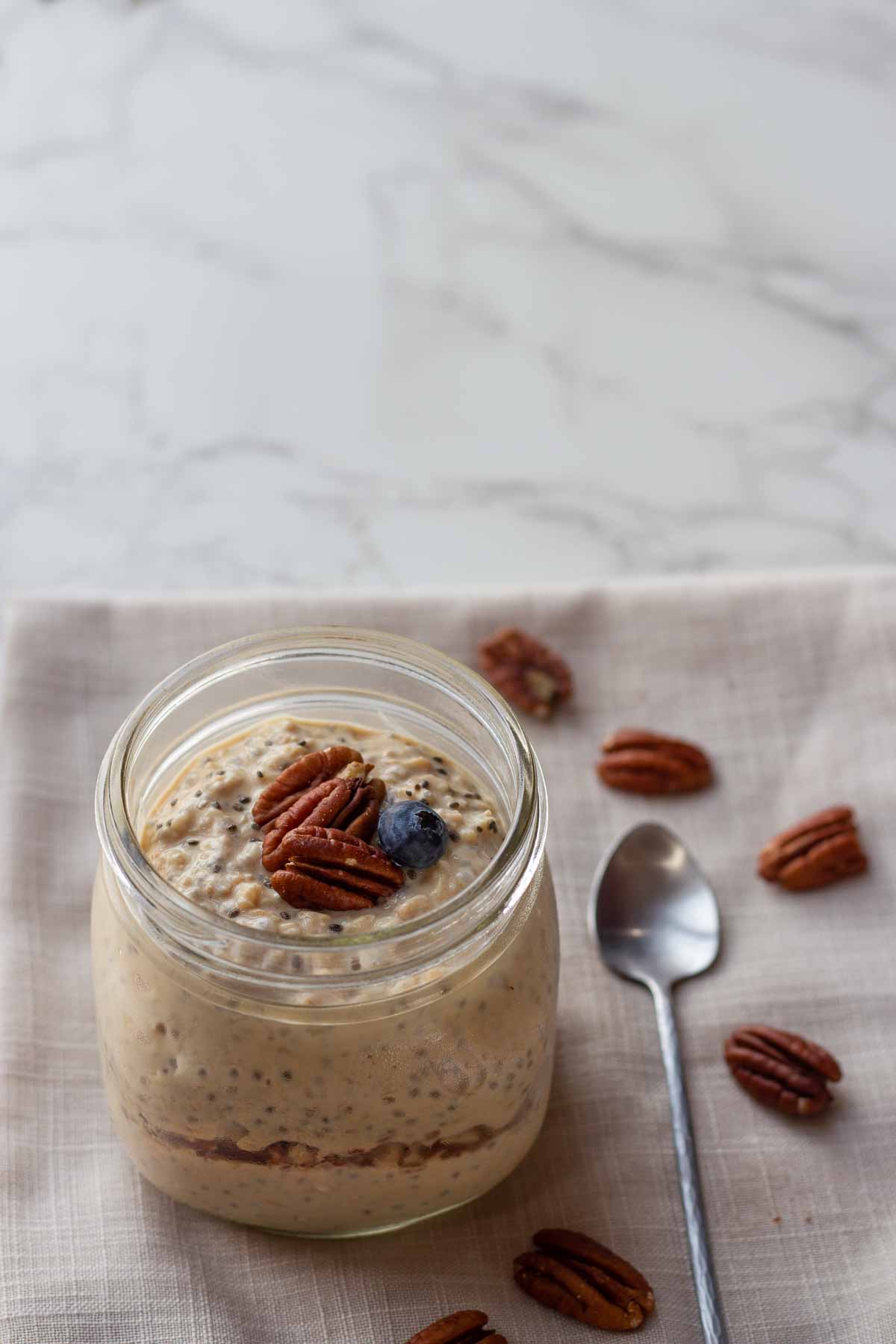
Pecan Pie Overnight Oats: A PCOS-Friendly Breakfast Treat

If you’re living with PCOS, you know that balancing blood sugar and keeping insulin levels steady is key to managing symptoms. Breakfast can be a tricky meal—too high in sugar and carbs, and you risk energy crashes and cravings later in the day. That’s why this Pecan Pie Overnight Oats recipe is perfect: it’s loaded with protein, healthy fats, and fiber to help you stay full and satisfied, without spiking your blood sugar.

Not only is this breakfast nourishing, it’s also incredibly convenient. You prep it the night before, store it in the fridge, and wake up to a ready-to-eat, delicious, nutrient-packed meal. Plus, it tastes just like dessert in the morning—pecan pie for breakfast, anyone?

Pecan Pie Overnight Oats

Why This Recipe Works for PCOS

💪High in Protein: Protein helps stabilize blood sugar, improves satiety, and supports muscle maintenance. With protein powder, hemp seeds, and nut butter, this recipe delivers nearly 95 grams of protein across three servings.

🥣Fiber-Rich: Oats, chia seeds, and pecans provide soluble and insoluble fiber, which help slow digestion and improve gut health—something especially important for women with PCOS.

🥑Healthy Fats: Pecans and nut butter are packed with monounsaturated and polyunsaturated fats, which support hormone balance and help control cravings.

🍽️Low Glycemic Load: Unlike traditional oatmeal topped with sugar or syrup, this recipe relies on natural fats and fiber to keep blood sugar levels steady, making it a PCOS-friendly choice.

Pecan Pie Overnight Oats

Here’s how I build this recipe to be delicious, hormone-supportive, and easy enough to whip up any day of the week.

Prep time: 10 minutes
Chill time: 1–2 hours
Servings: 12 (or 24 bite-sized pieces)

✨ Ingredients

  • 1 cup pecans
  • 2 cups old fashioned oats
  • 2 Tbsp chia seeds
  • 3 Tbsp hemp seeds
  • 2 ½ cups hemp milk
  • 2 scoops protein powder
  • 2 Tbsp drippy nut butter (cashew or almond work great)
  • 1 tsp vanilla extract
  • ¼ tsp nutmeg
  • 1 tsp cinnamon

👩🏻‍🍳Instructions

  1. Toast the Pecans: In a medium skillet, toast the pecans until fragrant. Let them cool, then chop them in a small food processor. Transfer to a small bowl and set aside.
  2. Mix the Base: In a large bowl, combine oats, hemp seeds, chia seeds, milk, protein powder, nut butter, spices, a pinch of salt, and vanilla. Stir until well combined.
  3. Refrigerate Overnight: Cover the bowl and refrigerate for at least 5 hours or overnight.
  4. Morning Prep: In the morning, give the oats a good stir. Add a splash of milk if needed to reach your desired consistency.
  5. Serve: Top with toasted pecans or layer them in jars with a layer in the middle. Pro Tip: Don’t stir the pecans into the oats at night—you want them crunchy, not soggy!

Tips for Customizing Your Pecan Pie Overnight Oats

  • Lower Carb Option: If you’re sensitive to carbs, try reducing the oats slightly or swapping in more chia seeds for fiber.
  • Sweeten Naturally: If you prefer sweeter oats, add a dash of cinnamon.
  • Make It Portable: Layer your oats in jars for grab-and-go breakfasts. Perfect for busy mornings or meal prep!

This Pecan Pie Overnight Oats recipe proves that healthy, PCOS-friendly breakfasts can still be indulgent. With protein, fiber, and healthy fats in every bite, it’s the perfect way to start your day feeling satisfied and energized.

And if you love this recipe, you’ll be happy to know there are tons of other hormone-balancing, PCOS-friendly snack and dessert recipes in The Cysterhood app, designed to make healthy indulgence easy and accessible. And don’t forget to visit the blog for more PCOS breakfast ideas.

For more tips, guides, and practical advice on thriving with PCOS, visit PCOS Weight Loss blog to take back control of your health.

PCOS Sleep Routine: Quality Rest for Hormone Health

When we talk about getting healthy, most of us focus on what we eat and how we exercise. Sure, those are two crucial pillars of wellness—but the third, often overlooked, pillar is sleep. Quality sleep supports every system in the body: it balances hormones, regulates metabolism, eases inflammation, and so much more. So, when you’re managing PCOS, good sleep isn’t just nice to have . . . it’s essential.

However, getting quality rest with polycystic ovary syndrome (PCOS) is easier said than done. Research shows that women with PCOS are up to six times more likely to experience sleep disturbances than those without the condition. And here’s the frustrating part: poor sleep can exacerbate PCOS symptoms, creating a cycle that feels almost impossible to break.

In this post, we’ll crack the code to better sleep with PCOS. A consistent nighttime routine paired with a few smart lifestyle changes can make a huge difference. Once you start sleeping better, your body finds balance again, and symptoms often improve too. Then, you’ll rest easier knowing you’re finally on the right path!

PCOS Sleep Routine: Quality Rest for Hormone Health

What Is a PCOS Sleep Routine?

A PCOS sleep routine helps regulate your internal clock, improving sleep quality and supporting overall health. For someone with this condition, though, healthy habits go beyond when you go to bed and wake up. It’s also about practicing good sleep hygiene throughout the entire day.

Things like spending time in nature and managing your sugar intake are just two examples of how daytime habits can influence nighttime rest. I’ll dive into all the healthy sleep habits in a bit, but first, let’s explore how PCOS affects sleep.

How Does PCOS Affect Sleep?

High Androgen Levels 

Most women with PCOS have high androgen levels. These are elevated male sex hormones that are responsible for symptoms like hirsutism, hair loss, acne, irregular menstrual cycles, and even poor sleep! Elevated androgen levels can increase neural excitability and alter circadian rhythm signaling. As a result, the brain is more alert at night, which hinders restorative sleep.

To learn more, check out “High Testosterone Symptoms and PCOS.”

Insulin Resistance 

Insulin resistance is when your body doesn’t process glucose correctly, leading to big swings in blood sugar levels. This can cause spikes in cortisol and adrenaline at night, which can keep you wide awake even when you feel tired. 

Chronic Inflammation 

Cysters often experience inflammation as well, which goes hand-in-hand with high cortisol and insulin resistance. When our bodies sense stress, they activate all defenses, triggering the immune system’s inflammatory response.

What begins as temporary inflammation can become chronic, with immune cells sometimes attacking healthy tissue. This leaves you feeling run-down and sore. Despite this fatigue, inflammatory proteins can cross the blood-brain barrier and disrupt the brain’s sleep-regulation system, making it harder to fall asleep and stay asleep.

High Body Weight 

The increased insulin resistance and hormonal imbalance that many Cysters face make it easy to gain weight and hard to lose it. (Even when you’re really trying.) And if your body weight reaches a certain point, it can really affect your sleep. Excess fat around the neck and abdomen can restrict airflow, increasing the chances of developing obstructive sleep apnea and other sleep disorders. 

Here’s more on PCOS and sleep apnea.

Low Progesterone 

When your menstrual cycles are irregular with PCOS, it can lower the production of progesterone. This causes a few chronic symptoms—one of which is poor quality of sleep. This is because progesterone has a naturally relaxing effect on the brain that is important for winding down at night. Without it, you stay wired, which makes it really hard to fall asleep. 

Irregular Luteinizing Rhythms 

Irregular luteinizing hormone (LH) rhythms are another reason sleep can be disrupted in women with PCOS. LH normally follows a daily rhythm, rising and falling in sync with the body’s internal clock. But in PCOS, LH levels tend to stay elevated and lose their natural rhythm. This hormonal imbalance can interfere with melatonin production and overall circadian timing, making it harder to fall asleep, stay asleep, and wake feeling refreshed.

High Cortisol Levels 

Cortisol is the “stress hormone.” It’s meant to be balanced with our melatonin level. The two together help us feel alert and focused yet calm and relaxed. However, internal and external stress can raise cortisol levels, making us wired, anxious, and restless. At night, it even suppresses melatonin secretion—stress takes over everything! Of course, when you’re feeling panicked and overwhelmed, it’s hard to fall asleep.

Disrupted Melatonin Level 

As I said, melatonin is the natural foil to cortisol. When the two are balanced well, you have a productive sleep-wake cycle. However, low or mistimed melatonin can delay sleep and make it harder to get deep, restorative rest. Things like high androgens, low progesterone, chronic inflammation, and stress all disrupt your natural melatonin levels. 

Mental Health Struggles 

Unmanaged PCOS can really lower a Cyster’s quality of life. Things like infertility, difficulty losing weight, chronic fatigue, and body pain can make every day feel impossible. Because of this, up to 50% of women with PCOS have depression and/or anxiety—some studies put the number as high as 83%. And these mental health struggles elevate cortisol, dysregulate serotonin, and fragment your sleep cycle. 

Do Women with PCOS Need More Sleep?

Yes and no. On one hand, individuals with PCOS do struggle to get truly restorative sleep. So, sleeping another hour or so can help you get enough quality rest to balance hormones, regulate insulin, and lower inflammation. 

That said, there’s no evidence that people with PCOS biologically need more sleep than others. If you’re struggling with fatigue and poor sleep, there are probably other lifestyle factors that need to change to support your body’s ability to rest well. (More on that in a minute.)

Given that, get a couple extra hours of sleep for now if you need to. But as you move further along in your PCOS healing journey, your energy will naturally improve. And, trust me, you’ll find you’re waking up refreshed with less sleep.

How many hours should someone with PCOS get?

How Many Hours of Sleep Should Someone with PCOS Get?

Shoot for 7–9 hours of quality sleep every night. The keyword there is quality. It’s not just about how long you’re in bed—it’s about how deeply your body rests and repairs. To get truly restorative sleep, you need to focus on healing the root causes behind your PCOS. 

Here’s my guide to naturally reversing your polycystic ovarian syndrome (PCOS) for symptom relief. 

Developing a strong, consistent PCOS sleep routine—with good sleep hygiene, stress management, and daily movement—will help your body regulate naturally. This means your rest will become deeper, more refreshing, and generally restorative.

What Are the Most Common PCOS Sleep Disorders?

  • Sleep Apnea
  • Insomnia
  • Circadian Rhythm Disruption
  • Restless Legs Syndrome (RLS)
  • Excessive Daytime Sleepiness
How to Get Better Sleep with PCOS

How to Get Better Sleep with PCOS

Get morning sunlight exposure.

Getting sunlight within the first hour of waking helps reset your circadian rhythm, balance melatonin production, and boost serotonin levels. And, you guessed it, this makes falling asleep at night much easier! So, for healthy sleep, try heading out for a morning walk and see how you feel by nighttime.

Maintain a consistent sleep schedule.

Remember earlier when I mentioned how good sleep hygiene isn’t just about when you go to bed and wake up? That’s still true—but it does help. Maintaining a schedule helps regulate your internal clock, stabilizing hormones like cortisol and melatonin for a more restful sleep.

Do slow-weighted workouts.

Gentle, slow-weighted workouts reduce insulin resistance and cortisol levels without overstressing your body. This can help you fall asleep faster and sleep more soundly. For PCOS-friendly exercise routines, download The Cysterhood app. 

Practice daily stress relief.

Chronic stress raises cortisol, which can keep your body in “fight-or-flight” mode at night. Simple stress management techniques, such as walking, journaling, or deep breathing can calm your nervous system before bed.

Balance blood sugar before bed.

Eating balanced meals and including protein or healthy fat in your evening snack helps keep blood sugar stable overnight. In turn, this helps prevent energy spikes that disrupt sleep. Here are some PCOS-friendly snack ideas

Take sleep-supporting supplements.

Supplements like magnesium glycinate, Inositol, and omega-3s can support relaxation, hormonal balance, and deeper sleep quality. Read our post about PCOS supplement routine.

Limit screen time and blue light at night.

Blue light from phones and TVs suppresses melatonin. Try turning off screens an hour before bed or using blue-light filters to help your body wind down naturally.

Establish a relaxing wind-down routine.

Create a nightly ritual that signals to your body it’s time to rest. Include activities like reading, stretching, or sipping on herbal tea. Consistency helps train your brain to associate these habits with sleep.

Try mindfulness or guided sleep meditations.

Meditation or breathing exercises before bed can quiet racing thoughts, lower heart rate, and improve your ability to drift off peacefully. It’s all about winding down the right way.

Create a calming bedroom oasis.

Keep your sleep space cool, dark, and clutter-free. Use calming scents like lavender or chamomile to make your room a place that your body associates with rest.

Keep your bedroom cool.

A cooler room temperature (around 65–68°F) helps your body naturally lower its core temperature. That lower temperature signals that it’s time to fall (and stay) asleep.

A PCOS sleep routine can help you get better rest and find symptom relief. 

Getting quality sleep is one of the most powerful tools you have for managing PCOS. By addressing the root causes behind your symptoms and building a consistent, supportive sleep routine, you can wake up feeling genuinely rested.

For more tips, guides, and practical advice on thriving with PCOS, visit PCOS Weight Loss blog to take back control of your health. Sleep well, Cysters!

Can You Develop PCOS After Pregnancy? What to Expect Postpartum

Did you know pregnancy can actually change your DNA? It’s true! When you’re pregnant, your body goes through a ton of changes—some temporary; some permanent. (As someone who’s expecting, I can definitely vouch for all the crazy shifts!) Because pregnancy impacts hormones and metabolism, many women notice new postpartum symptoms that can look a lot like PCOS.

Some of these side effects that overlap with PCOS include irregular periods, weight gain, acne, excessive hair growth or loss, mood swings, cravings, and fatigue. Naturally, this makes a lot of women wonder: Did pregnancy actually trigger polycystic ovary syndrome (PCOS)? I’ll answer that question today! And if you’re a pregnant Cyster curious about what your body might feel like postpartum, this post is for you, too.

Here’s what you need to know about pregnancy and PCOS:

Can You Develop PCOS After Pregnancy

Can You Develop PCOS After Pregnancy? What to Expect Postpartum

No. Pregnancy doesn’t directly cause PCOS. However, it can trigger new symptoms in women who didn’t even know they had the condition. Most Cysters notice signs of PCOS during puberty. But if your lifestyle naturally keeps insulin resistance and hormones in check, your symptoms may stay mild or hidden. 

Pregnancy, with its major hormonal and metabolic shifts, can sometimes bring these symptoms to the surface postpartum. It may simply reveal PCOS that was always there!

What Happens to PCOS Symptoms After Pregnancy

What Happens to PCOS Symptoms After Pregnancy?

Surprisingly, PCOS symptoms often improve postpartum. This is because pregnancy can act like a “hormone reset.” While your body focuses on supporting your baby via all the physiological changes, it indirectly masks underlying PCOS issues. 

For example, high estrogen and progesterone during and after pregnancy suppress male hormones like testosterone. This means you might actually notice relief from symptoms related to high androgens—like excess facial hair, acne, or irregular periods. For some, this even boosts fertility to conceive the next baby! As androgen levels decline, ovulation improves.

Regulated androgen levels can also have an indirect impact on blood sugar. Some, but not all, Cysters experience better insulin sensitivity during and after pregnancy due to improved hormonal balance. This can actually ease symptoms like sugar cravings, skin issues, and brain fog.

But don’t get too carried away—these improvements aren’t permanent. If the underlying PCOS issues aren’t addressed outside of pregnancy, symptoms are likely to return as your body gets back to “normal.” Also, it’s important to note that not every Cyster sees these temporary improvements postpartum. For many, symptoms like fatigue, weight gain, mood swings, and sleep disturbances can actually worsen. 

Additionally, women with PCOS are also more likely to experience a variety of pregnancy complications such as gestational diabetes (GDM), preeclampsia, and pregnancy-induced hypertension. They’re also at increased risk of postpartum complications like hemorrhage, delayed return of cycles, persistent insulin resistance, or type 2 diabetes. All these can worsen symptoms and a Cyster’s overall quality of life.

Here’s more on how PCOS affects pregnancy

How to Manage PCOS Symptoms After Pregnancy

How to Manage PCOS Symptoms After Pregnancy

Prep PCOS-friendly meals.

They always tell you to maintain a “healthy diet” postpartum. But that’s easier said than done! It’s hard to remember to eat at all, let alone eat well. Still, what you eat plays a huge role in hormone balance and managing insulin resistance. Because of this, adopting a gluten- and dairy-free anti-inflammatory diet can make a real difference in how you feel. 

To get balanced meals on the table, prep as much as you can before the baby arrives. If your little one is already here, set aside an afternoon to cook and freeze a few PCOS-friendly meals. For inspiration, check out The Cysterhood app, which has hundreds of simple, delicious recipes. Download it today and use the built-in meal planner—it makes healthy eating so much easier!

Also, check out my posts, “PCOS Chicken Recipes Your Hormones Will Love” and “PCOS Breakfast Recipes for Symptom Relief.”

Keep healthy, quick bites close by. 

Whether you’re breastfeeding or simply struggling to eat three full meals, having healthy snack options within reach is essential. Life with a newborn is beyond hectic, and it’s easy to let balanced eating fall by the wayside. Quick, nourishing bites help you stay fueled, curb sugar cravings, and avoid skipping meals—even on the toughest days.

Need ideas? Here are some of my favorite PCOS-friendly snack ideas

Prioritize gentle, consistent movement. 

It can take 4-6 weeks (sometimes more) to fully recover from birth. During this time, it’s tempting to skip all physical activity, but gentle movement can actually help your body heal. 

Talk to your doctor about safe ways to incorporate light, consistent activity from the start. Doing so can support a smoother postpartum recovery, help regulate hormones, and set you up for long-term success in managing your PCOS symptoms.

Revisit your supplements with your doctor. 

During pregnancy, your doctor probably emphasized the importance of a prenatal vitamin. Postpartum, nutritional supplements are just as important! Ensuring you get the recommended daily vitamins and minerals is crucial to regulating hormone levels and fighting insulin resistance. 

And, since maintaining proper nutrition with a newborn can be a challenge (to say the least), supplements are game-changing! A consistent schedule helps give you the support you need to keep PCOS symptoms at bay.

Talk with your doctor about starting these key supplements:

  • Inositol: supports insulin sensitivity and hormone balance
  • Berberine: helps regulate blood sugar and metabolic function
  • Multivitamin: fills in nutrient gaps and supports overall health
  • Omega-3: supports heart, brain, and hormone health
  • CoQ10: supports energy and reproductive health
  • Curcumin: has anti-inflammatory benefits

You can get all these essential supplements on the Ovafit Shop!

Get as much sleep as you can.

I know, I know—telling a new mom to get more sleep is kind of ridiculous. So, I am not saying get 7-9 hours of great quality, uninterrupted sleep. We both know that won’t happen. That said, getting as much sleep as you can is really important. While we sleep, our bodies carry out essential functions that help keep hormone and insulin levels in check.

So, to manage symptoms of PCOS, I’m simply suggesting you get as much sleep as you can. Even if that means housework goes undone or you call a friend to babysit while you get a quick nap. As the baby gets older and establishes a solid sleep routine, don’t forget to continue prioritizing your whole sleep quality. It’s essential for true postpartum recovery.

Establish a strong support system. 

Speaking of calling a friend—a village really is everything when you’ve got a new baby. Sure, things like free babysitting, meal trains, and other tangible help are amazing. 

But even if your friends can only offer advice, encouragement, or a shoulder to cry on, that’s more than enough. Having people in your corner can help you get through the tough days, manage stress, and stay in a positive mindset.

Practice good stress management. 

Having a new baby can be stressful—and with stress comes elevated cortisol levels, high blood pressure, and increased inflammation. These factors can take a toll on your body and mind, potentially worsening PCOS symptoms like fatigue, mood swings, bloating, body aches, and weight gain. So, make an intentional self-care plan to keep stress levels low. 

Here are some suggestions for those postpartum months:

  • Meditate or practice deep breathing—even while holding your little one
  • Use noise-reducing earplugs to carve out quiet moments
  • Take time for yourself with a shower, a short walk, or a quiet coffee
  • Connect regularly with your support network
  • Write down daily wins, even the small ones
  • Diffuse calming essential oils like lavender or chamomile
  • Limit screen time and social media to reduce mental clutter

Stay hydrated throughout the day. 

This one is important for so many reasons! If you’re breastfeeding, staying hydrated is essential for maintaining your milk supply. But it’s also a key player in managing PCOS symptoms. Drinking enough water gives your body the fuel it needs to function properly. Here’s what you’re really taking care of when you stay hydrated:

  • Your liver and kidneys need water to flush out excess hormones
  • Your metabolism relies on water to help stabilize blood sugar
  • Your digestive system uses water to absorb nutrients efficiently

The bottom line? Drink plenty of water—it makes a bigger difference than you might think.

Get a pelvic floor therapy consultation. 

If you deal with a lot of PCOS-related pelvic or abdominal pain, this tip is for you. All the strain from pregnancy and delivery (whether C-section or vaginal) can damage your pelvic floor muscles. These muscle injuries can contribute to significant pain during periods, bowel movements, and sex. 

So, it’s a good idea to schedule a pelvic floor therapy consultation shortly after giving birth. A professional can assess whether there’s any muscle damage and help you prevent long-term pelvic floor pain. And, though you may have heard about doing Kegels, never start them without guidance from a physical therapist. Post-baby, muscles can be either too loose or too tight—doing Kegels at the wrong time can actually make things worse.

A pelvic floor specialist can create a personalized treatment plan (if needed) to help you heal properly and avoid chronic pain down the line.

Be aware of postpartum depression and anxiety symptoms.

If you have PCOS, you’re already at a higher risk for experiencing symptoms of depression and anxiety. After giving birth, those emotional ups and downs can intensify as your hormones shift dramatically. While postpartum mood swings aren’t totally uncommon, they should get better with time. It’s really important to recognize when what you’re feeling is more than the typical “baby blues.”

If you suspect you might be dealing with postpartum depression or anxiety, know that help is available—and you don’t have to go through it alone. Talk to your OBGYN or primary care provider if you’re experiencing any of the following:

  • Persistent feelings of hopelessness or emptiness
  • Loss of interest in your baby or daily life
  • Thoughts of harming yourself or your baby
  • Intense anxiety or panic attacks
  • Difficulty sleeping or eating due to worry or sadness
  • Feeling detached from reality or unable to care for yourself or your child

I also go a little more in-depth about mental health and PCOS in “The Link Between PCOS, Depression, and Anxiety!

Avoid caffeine even on days you’re really tired.

I know a caffeine fix is super tempting when you’ve been up all night with your baby or battling serious fatigue—but try to avoid it. Caffeine acts like liquid stress, raising your cortisol and adrenaline levels. It can also throw off other hormones and worsen PCOS symptoms like weight gain, mood swings, and even fatigue.

And, yes, caffeine can actually make you more tired. When you drink too much, your body’s demand for cortisol spikes, and your endocrine system can’t keep up. It’s called adrenal fatigue! This leaves you feeling sleepy rather than energized. Instead, try natural energy boosters like staying hydrated, moving your body with light exercise, and getting some sunshine.

Start tracking your cycle when your period returns. 

Tracking your cycle is a smart move for anyone with PCOS. Your menstrual cycle is a powerful indicator of overall health and symptom changes. As your period becomes more regular, it’s a clear sign that your efforts to balance hormones and improve insulin sensitivity are actually paying off. Plus, cycle tracking is how you do natural family planning, giving your body time to recover before the next baby.

Since your reproductive system essentially “resets” postpartum, it’s the perfect time to start tracking. Once your period returns, log it in a period-tracking app and consider tracking ovulation and symptoms, too. Over time, this will give you a comprehensive picture of your reproductive health.

Be patient and kind to yourself. 

This stage is hard. Usually much harder than people think! (Or, so I’ve heard. I’ll know firsthand in a few months.) Don’t pressure yourself to lose weight quickly, eat “perfectly,” or jump back on the resistance machine right away. Give yourself time. Be patient with your body and your recovery, and celebrate every win, no matter how small. You’re doing an amazing job!

Pregnancy doesn’t cause PCOS, but it can change things!

Remember: postpartum life with PCOS is a journey, not a race. Your body has done something incredible, and it deserves patience, care, and compassion. Focus on small, consistent steps, listen to what your body needs, and give yourself credit for every win along the way. You’ve got this.

For more guidance on how to naturally manage PCOS, browse the rest of the blog and listen twice a month to the A Cyster and Her Mister Podcast. To hear more about my own pregnancy journey, listen to the episodes called PCOS to Pregnancy: The Supplements, Diet, & Lifestyle Changes that Worked

And, whether you’re pregnant or planning for pregnancy, check out these posts next:

Is Berberine Better at Night or Morning for PCOS?

Berberine is one of the best resources in your PCOS tool kit. Research actually shows that a berberine supplement can be more effective than metformin at relieving PCOS symptoms. The best part? It’s completely natural and doesn’t just mask symptoms—it actually gets to the root issues!

If you’re intentional and strategic with your supplements, you know that timing matters. Taking each one at the right time of day can reduce side effects, improve absorption, and maximize benefits. Setting the right schedule for each supplement really makes a big difference!

So, if you’re already sold on taking a berberine supplement, but want to know how to get the best results, you’ve come to the right place! (And if you’re not sure about this supplement, read my breakdown of berberine for PCOS.) In this post, I’ll explain when you should take berberine and how to easily incorporate it into your supplement regimen. 

Is Berberine Better at Night or Morning for PCOS

Is Berberine Better at Night or Morning for PCOS? 

As I said, berberine is a natural compound. It comes from plants like goldenseal, barberry, Oregon grape, and tree turmeric. It’s actually considered an “alkaloid,” and has been used in traditional medicine for ages. 

That said, berberine’s effectiveness isn’t just an old wives’ tale. Research shows it can actually help with the three biggest polycystic ovary syndrome (PCOS) troublemakers—insulin resistance, inflammation, and hormone imbalance. In other words, berberine doesn’t just tackle surface-level symptoms, it can help reverse them. 

On its own, can berberine heal your PCOS? No. But when combined with other research-backed supplements, the right foods and eating habits, slow weighted workouts, and other intentional lifestyle changes, the symptom relief can be life-changing! 

But let’s take it one step at a time. Here’s what you need to know about berberine and PCOS:

What Does Berberine Do for PCOS Checklist

What Does Berberine Do for PCOS? 

Improves Insulin Sensitivity and Blood Sugar Levels

Up to 80% of women with PCOS struggle with insulin resistance. This raises blood sugar levels and hinders metabolic functioning. The result is weight gain, fatigue, skin darkening, and sugar cravings. It also increases the risk of long-term complications of PCOS, like heart disease and type 2 diabetes. 

However, berberine has been shown to be insulin-sensitizing. It does this by activating the AMPK protein complex, which helps cells take in glucose more efficiently and burn more fat for energy. This makes it a natural GLP-1 booster—think of it as nature’s Ozempic! And since it’s so effective at balancing blood sugar, it supports healthy metabolism. Not only does this help ease the symptoms of insulin resistance, but it can also reduce the risk of future health issues.

Lowers Testosterone and Other Androgens

High insulin levels actually alert our ovaries to produce more androgens. So, by improving insulin sensitivity, berberine indirectly (but effectively) helps lower testosterone levels. It also helps reduce testosterone by increasing sex hormone-binding globulin (SHBG). That’s a hormone that binds to testosterone in the blood, rendering it inactive. It’s super important for keeping androgens in check! 

Symptoms of high testosterone with PCOS include hirsutism, acne, irregular periods, infertility, mood issues, and hair thinning. And, here’s the thing: unlike PCOS prescriptions, berberine can actually fix the problem at the source.

Balances Luteinizing Hormone and Follicle Stimulating Hormone 

High testosterone levels also impact other hormones in the body, too. When androgens are high, it can disrupt the normal ratio of luteinizing hormone (LH) and follicle stimulating hormone (FSH). Imbalances in these hormones are linked to infertility and polycystic ovaries, so it’s essential to keep them regulated. Luckily, you can achieve this by managing your testosterone levels!

Reduces Inflammation

Inflammation is another challenge Cysters face daily. In fact, inflammation is so rampant in this condition that doctors are considering whether PCOS may be an autoimmune disease!  Inflammation worsens a lot of the symptoms I already listed, but it can also cause digestive, immune, and cognitive issues. 

Luckily, berberine is anti-inflammatory. It reduces molecules, cytokines, proteins, and oxidative stress that trigger inflammation. Plus, improvements in hormonal and metabolic imbalance will naturally support lower inflammation as well! It all works together! 

Improves Cholesterol Levels

Studies show berberine can also support a healthier cholesterol profile. It increases LDL receptor activity in the liver, helping clear more LDL (“bad”) cholesterol from the bloodstream. At the same time, it reduces triglyceride production and can raise HDL (“good”) cholesterol. These changes help improve how your body processes fats while helping you maintain steadier energy levels throughout the day.

Lowers Blood Pressure

High blood sugar and high cholesterol are two major precursors to cardiovascular disease, so keeping them under control is super important. Berberine supports healthy blood pressure by relaxing and widening blood vessels and activating AMPK. (Remember, that protein complex is what regulates energy and circulation). It also reduces inflammation and improves lipid balance, easing pressure on the cardiovascular system overall.

how to safely and effectively take berberine for pcos

When Does Berberine Start Working for PCOS? 

Berberine targets a lot of PCOS problems—which is a good thing, of course! However, it also means that how quickly it starts working really depends on your goals and current symptoms. Here’s when you can see improvements in targeted areas:

Should You Take It in the Morning or at Night for PCOS? 

Truthfully, there’s no strict rule for when to take berberine. It really depends on your body. Both morning and evening doses have their pros and cons. The best approach? Do both! Split your dose and take it with meals (like breakfast and dinner). This helps your body absorb it more effectively, maintain stable blood sugar throughout the day, and minimize the chance of stomach issues. When following the right routine, most people don’t notice any negative symptoms at all!

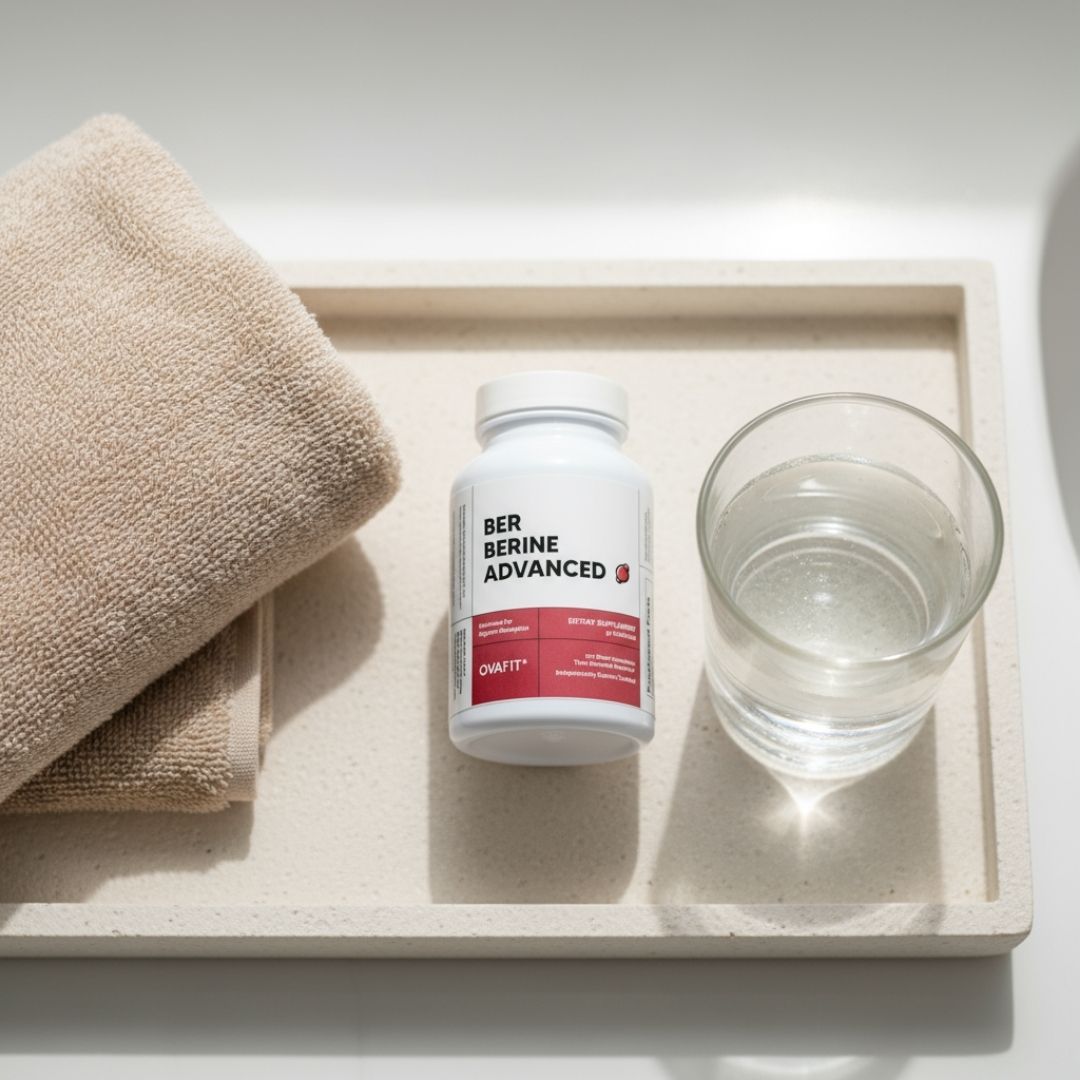
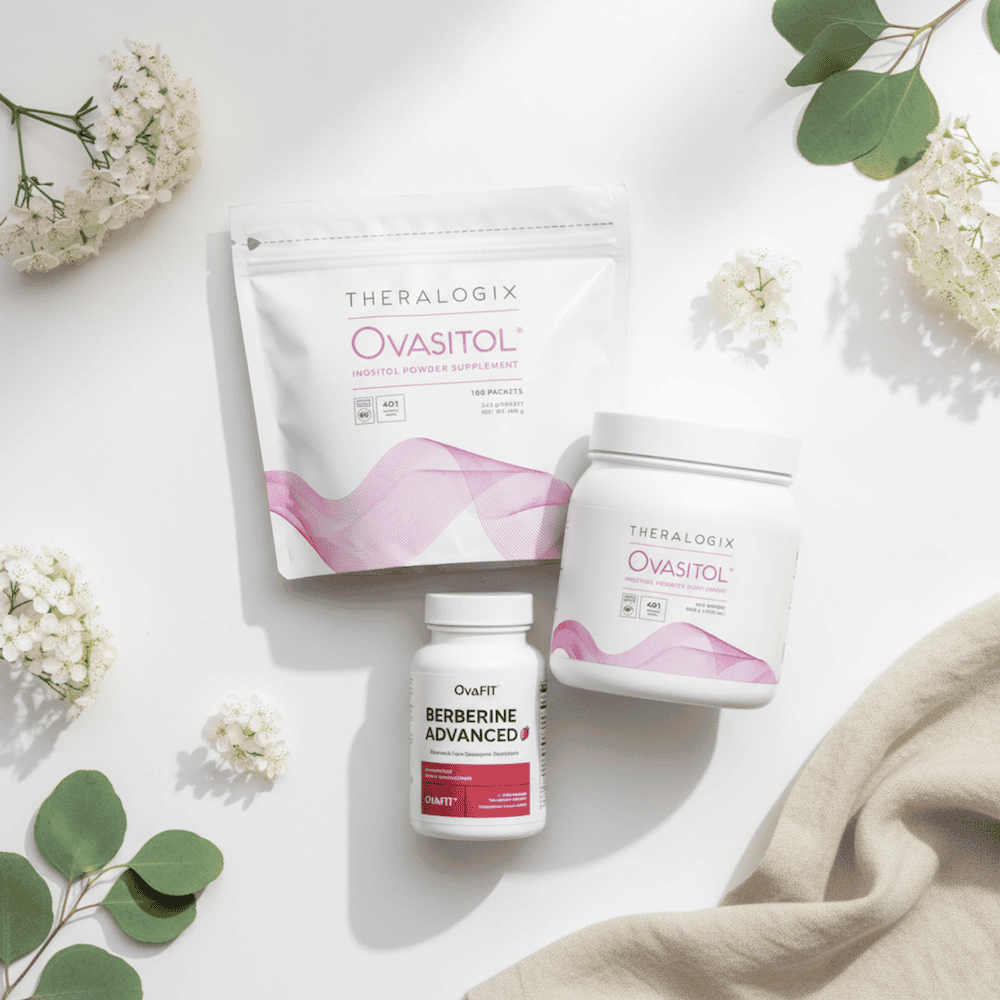
Taking a split-dose is exactly what I recommend with our Berberine Advanced supplement from Ovafit! Our research shows that this routine delivers the best results. However, timing isn’t the only thing that makes this formula effective. It’s made with Berberine Phytosome™, a special form of berberine that’s absorbed ten times more easily by the body. This helps you achieve faster and more noticeable benefits! 

Why Take in the Morning? 

Pros of Taking Berberine in the Morning:

  • May help control post-breakfast blood sugar spikes
  • Can boost daytime energy and metabolism
  • Supports insulin sensitivity during active hours

Cons of Taking Berberine in the Morning:

  • Can cause mild digestive discomfort on an empty stomach
  • Less impact on overnight fasting blood sugar

Why Take at Night? 

Pros of Taking Berberine at Night:

  • Can improve fasting blood sugar and overnight glucose control
  • May help regulate liver glucose production while sleeping

Cons of Taking Berberine at Night:

  • Can cause mild digestive issues if taken right before bed
  • Some people may experience mild insomnia or restlessness
  • Less effect on controlling post-meal blood sugar earlier in the day
Take berberine twice a day with meals for best results!

Berberine is one of the best supplements for PCOS! While timing matters, the most effective approach is a split-dose with meals. When combined with a healthy lifestyle, other supplements, and consistent routines, it can make a noticeable difference in your symptoms and overall well-being. 

If you’re ready to get started, head over to Ovafit and sign up to receive your daily doses of Berberine Advanced! You’ll receive a fresh bottle every 6 weeks, so you never run out. The best part? You save 15% by subscribing! While you’re at it, join The Cysterhood by downloading the app. You’ll find tons of PCOS resources and a supportive community to guide you through your entire journey. Can’t wait to see you there!

PCOS and IVF: How to Increase Your Chances of Success

One of the most common reasons for infertility is polycystic ovarian syndrome (PCOS). Women with PCOS deal with several sex hormone imbalances that impact the reproductive system in a big way. In fact, up to 80% of Cysters trying to conceive experience infertility.

Fertility symptoms of PCOS include irregular or absent periods, lack of ovulation, ovarian cysts, difficulties with implantation, poor egg quality, recurring miscarriages, and more. Obviously, with a long list like that, it totally makes sense why getting pregnant with PCOS is difficult. 

Because of these struggles, many Cysters opt for assisted reproductive technology like in vitro fertilization (IVF). This kind of support can greatly increase a Cyster’s chance of conceiving! And starting a family is something incredibly important to so many women out there, so I’m in full support of these fertility treatments.

That said, the challenges of PCOS are still at play even when doing IVF. High androgens, low progesterone, and imbalances of estrogen can prevent conception and hinder early development. So, in this post, I want to offer some tips to increase your chances of a successful IVF journey when you have polycystic ovary syndrome (PCOS).

Here’s what you need to do:

PCOS and IVF: How to Increase Your Chances of Success

PCOS and IVF: How to Increase Your Chances of Success

In vitro fertilization (IVF) has helped millions of couples start a family. It’s a great option for Cysters as it bypasses a lot of the usual hurdles to conception associated with PCOS. It can also be combined with other natural fertility treatments (I love those!) for a compounding effect! 

IVF works by stimulating the ovaries to produce multiple eggs, which are then retrieved through a minor surgical procedure. Sperm is collected, and then the eggs are fertilized in a lab with that semen. Over the next 3-5 days, the fertilized eggs grow into embryos. Healthy embryos are then implanted into the uterus. 

Pretty cool, right? Technology can do some amazing things. In this post, we’ll discuss more about how PCOS causes infertility, why IVF is a good fertility treatment option, and how to improve your odds of a viable pregnancy. 

Can PCOS Cause Infertility? 

Yes! Nearly all the hormonal imbalances associated with PCOS affect fertility either directly or indirectly. As long as these dysregulated hormones go unmanaged, conception and full-term pregnancy can be really difficult for many Cysters. 

These are the hormones you’re dealing with:

  • High Androgens: Can disrupt ovulation and prevent follicle development
  • Imbalanced Luteinizing Hormone (LH) and Follicle-Stimulating Hormone (FSH): Can disrupt ovulation and prevent follicle development
  • High Insulin: Can trigger androgen production, which lowers egg quality and ovulation 
  • Low Progesterone: Can thin the uterine lining, preventing proper implantation 
  • High Anti-Müllerian Hormone (AMH): Can disrupt follicle development 
  • High Cortisol: Can make the body prioritize other functions over reproduction, disrupting ovulation 

Does IVF Work for PCOS?

Yes! With IVF, eggs are taken directly from the ovaries, so regular ovulation isn’t a necessity. This fertility treatment also allows for controlled hormone environments and intentional egg selection. This, ultimately, can boost the chance of conception and successful pregnancy.

However, there are some risks involved. Women with PCOS are at a higher risk of ovarian hyperstimulation syndrome (OHSS). This is when the ovaries are too responsive to fertility medications, and they release a bunch of eggs all at once. Experiencing this can be painful and cause intense hormonal shifts. That said, doctors will monitor PCOS patients closely during IVF to manage and prevent OHSS. 

Beyond OHSS, it’s important to note that you should address the hormonal issues behind your PCOS. Doing so before and during the IVF process ensures that the treatment has a better chance of being effective. Also, remember: Conception isn’t the only hurdle to a full-term pregnancy. Proper fetal development is essential to positive birth outcomes. 

So, to reduce your chances of miscarriage and foster the perfect home for your little one while they wait to be born, make necessary lifestyle changes. You can read my guide to naturally managing PCOS, but I’ll share the habits that’ll make the biggest impact below! 

What Is the Success Rate of IVF with PCOS?

The IVF success rate for women with PCOS is around 55%. This refers to the live birth rates, whereas clinical pregnancy rates are closer to 67%. In comparison, these numbers are much better than other fertility treatment options like intrauterine Insemination (IUI) or laparoscopic ovarian drilling

Women undergoing IVF also have a lower chance of having multiple births than with IUI. This is good because multiples can be much harder on your body and lower the chances of a viable pregnancy.  

What IVF Protocol Is Best for PCOS

What IVF Protocol Is Best for PCOS?

Antagonist Protocol (GnRH Antagonist Cycle)

You can ask your doctor about the details of the medical procedure, but this is the procedure most often used for women with PCOS. It prevents your body from ovulating too early, which is safer for your ovaries and helps lower OHSS risk. It’s also a shorter, more gentle ovarian stimulation protocol that tends to have fewer negative side effects. 

Mild or “Low-Dose” Stimulation Protocol

This method is all about “less is more.” It uses lower doses of medication to help your ovaries grow just 5-10 eggs at a time (rather than 15-25). Basically, instead of aiming for a large number of follicles, this protocol prioritizes fewer, higher-quality eggs. Since this whole process requires less medication, it’s also gentle and lowers your risk of OHSS. 

“Freeze-All” Strategy

This last one is a longer process, but it can be worthwhile. In this protocol, eggs are retrieved and immediately frozen. This actually gives your ovaries time to recover from the procedure, which helps prevent OHSS and other negative outcomes. When it’s time to transfer eggs, you undergo a hormonally controlled cycle to increase your chances of a successful transfer. 

How to Improve Egg Quality for IVF

How to Improve Egg Quality for IVF: PCOS Edition

Eat a balanced anti-inflammatory diet. 

Since insulin resistance can make it harder to conceive, balancing your metabolism can be super beneficial to your pregnancy goals. An anti-inflammatory, gluten- and dairy-free diet is key to increasing insulin sensitivity with PCOS. 

This improvement in insulin levels supports weight loss and balances hormones—two major hurdles to fertility! Plus, getting your blood sugar in check can reduce the risk of pregnancy complications like gestational diabetes, preeclampsia, and high birth weight. 

Take fertility-supporting supplements. 

There are lots of supplements that can help balance hormones, improve insulin sensitivity, and boost fertility overall. Some of the best fertility supplements for PCOS include Inositol, CoQ10, omega-3, and, of course, a high-quality prenatal vitamin. You can find all these on Ovafit, which is a supplement line specifically formulated for women with PCOS!

Lower your stress levels. 

Stress leads to hormonal imbalances. When we get stressed, our cortisol levels rise—which is why it’s called the “stress hormone.” If those levels become elevated, it sends our bodies into emergency mode. 

And when we’re in this state, our systems stop prioritizing reproduction, worsening all fertility markers. That’s why reducing stress through self-care is so important for supporting better egg quality and a healthy pregnancy!

Do slow-weighted workouts. 

Exercise can boost fertility by helping your body reach a healthy weight, balance hormones, and lower stress. I recommend slow-weighted workouts that keep your heart rate and cortisol levels steady. 

These workouts also build muscle, support fat loss, and improve overall body composition—giving you bigger health benefits overall. For PCOS-friendly routines, check out The Cysterhood app!

Improve your sleep hygiene. 

Sleep is essential for hormone balance. When we sleep, our bodies undergo specific processes that help manage important fertility hormones like cortisol, testosterone, estrogen, and progesterone. 

Numerous studies have shown that IVF success rates significantly improve with 7-10 hours of high-quality sleep! So, try improving your sleeping habits for a big boost in fertility and egg quality.

Drink herbal teas. 

Herbal teas have incredible hormone-balancing properties. I recommend drinking an herbal tea blend like Testosterone Relief Tea. This blend includes ten different herbal teas that have been shown to help lower androgen levels in women with PCOS. That means this tea could help regulate menstrual cycles, normalize ovulation, improve egg quality, and more! 

IVF can be a great way for Cysters struggling with infertility to conceive!

PCOS may make the path to motherhood more challenging, but it doesn’t close the door. Both intentional lifestyle changes and medical interventions can help you conceive and have a successful pregnancy. Just remember, the key to improving your fertility with PCOS is mending hormonal imbalances—which you have the power to do! For more ways to find relief and get pregnant with PCOS, check out these PCOS Weight Loss resources next: 

Can You Take Berberine and Inositol Together for PCOS?

Supplements are one of the most effective ways to support your PCOS healing journey. I talk a lot about the importance of a nutrient-dense diet, but let’s be honest. Getting every essential vitamin and mineral from just three or four meals a day is nearly impossible. Supplements help bridge those nutritional gaps, ensuring your body always has exactly what it needs to function at its best.

Why is this important for polycystic ovary syndrome (PCOS) specifically? Because a PCOS body is already struggling to carry out essential processes. The metabolic, endocrine, cardiovascular, nervous, and reproductive systems all face daily obstacles that prevent them from functioning optimally. This is exactly what leads to PCOS’s long list of chronic symptoms. 

Okay, so you know you need to take supplements… but which ones actually make a difference? Of all the research-backed supplements for PCOS, two are the stand-outs: berberine and inositol. Yet, because their benefits often overlap, many women wonder whether it’s safe (or even necessary) to take them together.

In this post, I’ll explain the science-backed benefits of berberine and inositol for PCOS. Then, I’ll explore how to safely take these two natural supplements together. 

Note: Recently, PCOS got a much-needed name change. It’s now called “polyendocrine metabolic ovarian syndrome” or PMOS. This better explains that the condition is a whole-body hormonal and metabolic issues. It’s not just an ovarian disorder. I love the new name and you’ll see me using it in new posts!

can you take berberine and inositol

Can You Take Berberine and Inositol Together for PCOS?

If you’re a Cyster dealing with what feels like an endless amount of frustrating symptoms, you’re not alone. Many women with PCOS experience difficulty losing weight, fatigue, irregular menstrual cycles, hirsutism, acne, ovarian cysts, and more. I understand how overwhelming the symptoms are—and how exhausting the search for relief can be.


The good news? Berberine and inositol have been shown in clinical studies to potentially improve ALL of these symptoms. In fact, research suggests that these two natural supplements may be more effective for PCOS management than metformin, a common synthetic drug prescribed for PCOS. 

To make things simple, I’ve broken down how each supplement works, how they complement one another, and what a safe routine can look like. Check it out:

what is inositol and what does inositol do for pcos

What Is Berberine and What Does Berberine Do for PCOS?

Berberine is a natural plant compound that acts as a natural GLP-1 booster. I like to call it nature’s Ozempic! By activating an enzyme called AMP-activated protein kinase (AMPK), berberine helps your cells use glucose more efficiently and improves insulin sensitivity.

This helps stabilize blood sugar levels and reduces excess glucose production by the liver. All of this is amazing for helping you achieve a healthy body mass index (BMI) and easing metabolic symptoms, like sugar cravings and fatigue.

Keeping blood sugar balanced also does wonders for your heart, but that’s not the only cardiovascular perk. Research shows berberine can lower total cholesterol, LDL (“bad”) cholesterol, and triglycerides, helping balance a Cyster’s overall lipid profile. Since heart disease and type 2 diabetes are two of the biggest long-term complications linked to PCOS, these benefits are huge!

And here’s another win: when you improve insulin sensitivity, testosterone levels drop. High blood sugar can actually trigger your ovaries to produce more male sex hormones. That means improving insulin resistance can bring your hormones back into balance, too. Plus, berberine’s anti-inflammatory properties further support hormone regulation and blood sugar control.

Since berberine targets all three root issues of PCOS—inflammation, hormone imbalance, and insulin resistance—it’s no wonder so many women see major improvements in their symptoms once they start taking it!

Here’s more on berberine for PCOS. 

What Is Inositol and What Does Inositol Do for PCOS?

Inositol is another naturally occurring compound. It’s not technically a vitamin, but actually a type of sugar alcohol that comes in many forms. The most beneficial for PCOS are myo-inositol (MI) and D-chiro-inositol (DCI). These inositols play a huge role in the body, helping insulin communicate between cells.

Specifically, myo-inositol boosts glucose uptake in the cells. Basically, it helps your body convert more sugar into energy instead of letting it sit in your bloodstream. Then, D-chiro-inositol helps the body store and metabolize glucose properly afterward. Together, these forms of inositol act as natural insulin sensitizers, making it easier to reach a healthy weight and feel more energized.

Not only can inositol help balance hormones, but it may also improve heart health by reducing “bad” cholesterol. And since excess insulin raises androgen levels, improving blood sugar and overall metabolic health can help lower those male sex hormones as well. This can trigger a chain reaction that supports healthier hormone balance overall. As hormones rebalance, it becomes easier for your body to regulate insulin and reduce inflammation long-term.

Speaking of inflammation, inositol can help directly with that, too. This natural compound reduces inflammatory cytokines, which are the molecules that trigger chronic inflammation. Inositol also supports mitochondrial function, helping lower oxidative damage that often contributes to inflammation. Much like berberine, inositol provides well-rounded support for your body, targeting the root causes of PCOS symptoms.

Here’s more on why it’s one of my favorite supplements for PCOS. You can also check out “Foods Rich in Inositol” for an extra boost of support!

Benefits of Berberine and Inositol for PCOS
  • Regulates menstrual cycles
  • Promotes consistent ovulation
  • Enhances fertility
  • Helps clear acne
  • Reduces facial and body hair growth
  • Improves scalp hair health
  • Supports weight loss
  • Curbs sugar cravings
  • Alleviates bloating
  • Minimizes water retention
  • Improves mood 
  • Boosts energy levels
  • Prevents headaches

Can You Take Inositol and Berberine Together for PCOS?

Yes! You can absolutely use berberine and inositol together. In fact, studies show that combining the two has a synergistic effect, meaning inositol boosts the effectiveness of berberine and vice versa! While both target similar systems in the body, they work in totally different ways. Essentially, they attack the problem from two separate angles to create a powerful, compounding benefit.

As I mentioned, the key to real PCOS healing is addressing the three root issues behind most (if not all) of your chronic symptoms: inflammation, hormonal imbalances, and insulin resistance. Berberine and inositol are a super-effective duo that helps bring your body back into balance. So, what does this mean for your healing journey? That both supplements support long-term (and even permanent) symptom relief.

That said, you do want to be mindful of how your body responds to the supplements. It is possible that high doses of berberine or inositol could lower your blood sugar too much. If this happens, you’ll begin to notice negative side effects and potential health problems. However unlikely, it’s still a good idea to be aware of the risks!

Related: Can I Take Berberine and Semaglutide Together for PCOS?

How Much Inositol Per Day For Weight Loss?

Most research on inositol for weight management and hormone support uses around 4 grams of myo-inositol per day. Many formulations also include D-chiro-inositol in a 40:1 ratio for additional metabolic and hormonal support. This dose of inositol may help support not only weight management, but overall blood sugar balance, insulin sensitivity, and hormone health, too.

The easiest way to get your daily dose is with Inositol Complete 40:1. Each scoop contains 2,000mg of myo-inositol and 50mg of D-chiro-inositol. Just mix it into your favorite drink twice a day to help support balanced hormones, steady energy, and healthy metabolic function.

Inositol or Berberine for Insulin Resistance

Berberine is one of the best supplements for insulin resistance. It can help improve insulin sensitivity and many of the metabolic symptoms of PCOS by activating AMPK. This is like the body’s metabolic master switch, helping regulate how your body uses energy, processes glucose, and supports healthy metabolic function.

However, insulin resistance isn’t an isolated issue. Your insulin and blood sugar levels can fluctuate due to hormonal imbalances like high testosterone and other elevated androgens. So, berberine and inositol often work beautifully together, helping address multiple root issues of PCOS at once. Together, they can help support healthy blood sugar balance, hormone function, and insulin signalling!

how to take berberine and inositol together for pcos

How to Take Berberine and Inositol Together for PCOS

Step One: Choose high-quality, NSF-certified supplements. 

First, you want a dietary supplement that’s high-quality and backed by third-party testing. And, as Cysters, it’s important our supplements are tailored to our unique bodies, which is why I created Ovafit. It’s an NSF-certified supplement line designed specifically with the PCOS body in mind. And yes, it includes both a berberine and an inositol supplement!

Inositol Complete 40:1 contains a 40:1 ratio of myo-inositol to D-chiro-inositol, the recommended balance for women with PCOS. Berberine Advanced, on the other hand, is formulated with Berberine Phytosome™, which is 10x more bioavailable than standard berberine. As a result, you can expect better results from the same dosage! Both are gluten-, dairy-, soy-, and dye-free, so you don’t have to worry about them interfering with your anti-inflammatory diet. 

These are hands-down two of the best supplements for Cysters ready to take control of their PCOS and find serious symptom relief.

Step Two: Confirm you have the right forms and dosage. 

As I mentioned earlier, there are multiple forms of inositols. You need to ensure you’re choosing a supplement with that 40:1 ratio of MI and DCI. I also recommend 2,000 mg twice a day for a good starting dosage of inositol. For berberine, you’ll get the best results with the Berberine Phytosome™. The recommended dose for this supplement is around 500 mg twice daily. 

That said, always check with a doctor before starting any new supplement. They can interfere with prescriptions and be unfit for people with certain medical histories. Therefore, your doctor should always be involved in your supplement routine!

Step Three: Take each twice a day with breakfast and dinner. 

Both supplements work best when taken with meals, ideally breakfast and dinner. For inositol, mix one scoop into any hot or cold non-carbonated drink you’re enjoying with your meal. (You can even find fun ways to take Inositol on The Cysterhood app—think mocktails, popsicles, and specialty drinks!) For Berberine Advanced, just take the capsules before your two biggest meals of the day.

Here are more details on when to take berberine for PCOS

Step Four: Consider other lifestyle changes.

Supplements aren’t magic pills—they won’t instantly fix all your symptoms. They’re powerful, but they’re just one piece of the puzzle. To see significant results and reach your PCOS healing goals, there are other intentional lifestyle changes you need to make. Every smart choice will help amplify the effectiveness of your efforts, getting you closer to a symptom-free life!

I recommend reading my full guide on how to manage PCOS naturally, but here are some of the big ones:

  • Gluten- and Dairy-Free Diet
  • Slow-Weighted Exercise
  • Better Sleep
  • Reduced Caffeine
  • Improved Hydration
  • Testosterone Relief Tea

Step Five: Monitor your side effects and PCOS symptoms. 

Although side effects with Inositol and berberine aren’t super common, they can happen. Listen to your body while you’re taking any supplements, and let it tell you when something’s not right. If you experience any digestive issues, headaches, skin irritation, chest pain, or other concerning new symptoms, contact your doctor right away. Your dosage or supplement form may need to be adjusted for better tolerance.

Step Six: Stay consistent; it can take a few months to see results. 

Results won’t happen overnight. When you reverse PCOS naturally, you’ll never see instant improvements in every symptom. Sure, some prescription medications promise quick relief, but those solutions aren’t long-term. They just mask the problem, and symptoms often return once you stop the medication.

The key is to invest in your health and play the long game. Keep taking your supplements (as long as your body tolerates them) and consistently implement positive lifestyle changes. It may take a few months to notice results, but when they come, they’re often worth the wait!

You can take berberine and inositol together for PCOS symptom relief. 

Berberine and inositol are both strong research-backed supplements for PCOS. And, with the right dosage, you can take both compounds simultaneously. Together, they target the root causes of PCOS—insulin resistance, inflammation, and hormonal imbalance—for deeper, lasting results.

If you’re ready to purchase PCOS-friendly supplements like Berberine Advanced and Inositol, head to Ovafit.org. And for more PCOS healing resources, stick around on the blog and download The Cysterhood app. 

Uterine Fibroids and PCOS: Symptoms, Causes, and Treatments

Polycystic ovary syndrome (PCOS) isn’t the only condition that affects women’s reproductive health. There are several others with overlapping symptoms, which can make it tricky to tell them apart. That’s why getting an accurate diagnosis is so important—it’s the first step toward finding the right treatment (and finally getting relief!).

One condition that’s often mistaken for PCOS is uterine fibroids. They share a lot of similar symptoms and both affect the uterus, hormones, and overall reproductive health. To help you sort it all out, here’s a simple guide to the key similarities and differences between PCOS and fibroids.

Here’s what you need to know:

uterine fibroids and pcos

Uterine Fibroids and PCOS: Symptoms, Causes, and Treatments

In this post, I’ll break down the symptoms, causes, and risk factors of both polycystic ovarian syndrome (PCOS) and uterine fibroids. Understanding the differences between the two will help you feel more confident talking to your doctor about what’s really happening. 

By the end, you’ll have a clearer picture of each condition and some guidance on how to take back control of your health. 

Are Fibroids and PCOS the Same Thing?

No, PCOS and uterine fibroids are not the same thing. PCOS is a hormonal condition that impacts the whole body, including the ovaries. Women with PCOS may experience ovarian cysts, which are painful, fluid-filled sacs that can grow due to hormone imbalances. 

This can be confused with uterine fibroids, which are noncancerous growths in the uterus. Uterine fibroids aren’t in the ovaries, but rather in the muscle tissue of the uterine wall. That said, both ovarian cysts and fibroids can cause pelvic pain, bloating, irregular periods, and pain during sex, which is why they’re often mixed up. However, uterine fibroids affect only the muscle tissues as a localized physical condition whereas PCOS’s hormonal imbalances affect multiple systems of the body.

Side note: Endometriosis also shares several symptoms with uterine fibroids and PCOS. It’s worth learning more about this condition as well. Read my post on endometriosis vs. PCOS for a clear comparison and to see how each condition presents differently.

What Is the Difference Between Uterine Fibroids and PCOS?

Definition: Fibroids vs. PCOS

Uterine fibroids are easy to define: noncancerous growths in the uterus. PCOS is a bit more complex. It’s a hormonal and metabolic condition that can cause a wide range of symptoms, driven by chronic inflammation, insulin resistance, and the hormonal imbalances characteristic of PCOS.

Where They Occur

One common symptom of PCOS is the presence of polycystic ovaries. These cysts form on the ovaries when androgen levels are high and the menstrual cycle is disrupted. Uterine fibroids, on the other hand, are in the uterus itself in various levels of tissue. 

They can be submucosal (under the inner lining), intramural (within the muscular wall), or subserosal (on the outer surface). The main point is that ovarian cysts and uterine fibroids occur in separate locations and affect different parts of the reproductive system. 

Causes and Risk Factors

Both PCOS and uterine fibroids primarily affect women of reproductive age. The risk of either condition is higher if a woman has a family history or higher body fat. However, hormonal imbalances seem to be at play, too. 

High levels of estrogen and progesterone seem to be risk factors for uterine fibroids. In contrast, high estrogen, low progesterone, high androgens, and high insulin come with PCOS. In both conditions, the exact cause isn’t known, but these things seem to increase your risk of developing uterine fibroids or PCOS. 

Diagnosis Methods

Medical professionals diagnose uterine fibroids through a pelvic exam, ultrasound, MRI, or hysterosonography. PCOS is harder to diagnose, but many Cysters learn they have it through a combination of a blood test, ultrasound, and medical history evaluation. Here’s more on how doctors detect PCOS

Treatment Options

Both PCOS and uterine fibroids have some kind of hormonal trigger. Because of this, both can be prevented and managed with lifestyle changes like improving your diet, increasing physical activity level, and maintaining a good sleep routine. However, uterine fibroids that have already formed need to be removed through surgery or other medical procedures. Ovarian cysts with PCOS often resolve themselves. 

Common Symptoms

There are several overlapping symptoms of PCOS and uterine fibroids, including:

  • Pelvic pain 
  • Irregular periods
  • Bloating 
  • Pain during sex
  • Fertility issues 

These are all the symptoms of uterine fibroids, and each one can also be experienced by those with PCOS. That said, PCOS has many additional symptoms, like excessive facial hair, hair thinning, acne, weight gain, fatigue, dark skin patches, mood swings, and digestive problems. So, if you’re experiencing these extra symptoms along with the ones listed above? It’s more likely that you have PCOS rather than uterine fibroids.

Does PCOS Cause Uterine Fibroids?

There’s currently no evidence that suggests PCOS causes uterine fibroids. Some studies show women with PCOS are more likely to develop uterine fibroids, like this Boston University Slone Epidemiology Center study. In contrast, other studies suggest women with PCOS are less likely to have this comorbidity. 

Why the potential increased risk? It’s thought that uterine fibroids form because of imbalances of estrogen and progesterone. Specifically, high estrogen and high progesterone. It’s possible that’s an isolated thing, but common hormonal fluctuations with PCOS could potentially be to blame as well. However, this seems questionable, since women with PCOS often have higher estrogen but low progesterone. This combination typically does not create a hormonal environment that supports fibroid growth.

Can You Have PCOS and Fibroids at the Same Time?

Can You Have PCOS and Fibroids at the Same Time?

Yes. These are separate conditions that a woman could experience simultaneously. It just depends on hormone levels, family history, and other underlying health conditions. 

If you’re curious, read this one next: Can you have PCOS and endometriosis?

How to Treat Uterine Fibroids With PCOS

How to Treat Uterine Fibroids With PCOS

  • Remove fibroids with minimally invasive procedures or surgery: Uterine fibroids usually have to be removed by a medical professional—they don’t go away on their own. Procedures like uterine fibroid embolization (UFE), myomectomy, or laparoscopy can be helpful for removing fibroids. The rest of these tips help you prevent them! 
  • Follow an anti-inflammatory, gluten- and dairy-free diet: A mindful, balanced diet can help balance your hormones and reduce inflammation to reduce the risk of fibroid growth. You can find fibroid- and PCOS-friendly meal plans and recipes on The Cysterhood app! 
  • Drink Testosterone Relief Tea: Many herbal teas can actually support hormone balance. Yes, this tea is labeled for testosterone, but research shows it can promote overall hormonal balance to help prevent uterine fibroids and other endocrine issues.
  • Engage in regular slow-weighted workouts: Exercise is great for your hormone balance and for lowering body weight, which is a big risk factor for both PCOS and uterine fibroids. Here’s how to work out with PCOS, if you’re looking to get started! 
  • Prioritize quality sleep: When you sleep at night, your body carries out vital processes that keep hormones balanced. Focus on improving sleep hygiene to improve your health and reverse PCOS symptoms and uterine fibroids. 
  • Take hormone-balancing supplements: Supplements like Inositol Complete 40:1, Berberine Advanced, and Ovafit’s Metabolism Plus bundle are incredible for hormone balance and overall symptom relief. 
  • Remove endocrine disruptors: There are chemicals in products we use every day that can elevate our estrogen levels. Here’s how to remove these endocrine disruptors to reduce your risk of experiencing PCOS symptoms and uterine fibroids. 

Uterine fibroids and PCOS are distinct conditions, but could be linked.

Sometimes, getting an accurate diagnosis can be really challenging. And treating your symptoms can feel impossible if you don’t know what you’re dealing with. I hope this post helps you understand the differences between uterine fibroids and PCOS, allowing you to better navigate what’s happening in your body.

For more information on PCOS and natural symptom management, browse the PCOS Weight Loss blog and listen weekly to A Cyster and Her Mister

Can I Take Ozempic With Levothyroxine for PCOS?

By now, we’ve all heard about Ozempic and its weight management benefits. For many with polycystic ovary syndrome (PCOS), it can sound like a miracle drug. But as more people use Ozempic and other semaglutide prescriptions off-label for weight loss, the drawbacks are becoming clearer. And the truth is, Ozempic isn’t a long-term solution. It just doesn’t address the root causes behind your PCOS symptoms—and often leaves you with lingering side effects that outweigh the benefits.

That said, everyone’s journey looks different. If you’re on Ozempic and also making intentional lifestyle changes to support your health, I’m here to celebrate your progress with you! Still, it’s not just Ozempic’s side effects you need to keep in mind. This medication can also interact with others you may be taking—reducing their effectiveness, worsening side effects, or even putting your health at risk.

If you’re on levothyroxine—or your doctor is considering prescribing it—it’s important to understand how these two drugs might interact. Knowing the potential risks and drawbacks can help you make an informed decision about your symptom management plan.

Here’s what you need to know about levothyroxine and Ozempic for PCOS:

can i take ozempic with levothyroxine for pcos

Can I Take Ozempic With Levothyroxine for PCOS?

In most cases, yes, you can take levothyroxine and Ozempic (semaglutide) for PCOS. However, there is evidence that these medications do interact with one another in certain individuals. Even though Ozempic is for improving insulin resistance and levothyroxine is for thyroid hormone management, they both can have a big impact on the digestive system. We’ll get into more details about this below! 

That said, this combination should be used selectively. mainly when managing hypothyroidism alongside PCOS, Type 2 diabetes, or obesity. In these cases, Ozempic and levothyroxine together may be helpful for improving blood sugar control, supporting thyroid health, boosting metabolism, increasing energy, balancing hormones, and reducing your risk of thyroid cancer, type 2 diabetes, and other long-term complications

Of course, always discuss everything with your doctor. They’ll have the best understanding of how these medications may work together for people managing PCOS and thyroid issues.

Important note: Never use Ozempic if you have a personal or family history of Multiple Endocrine Neoplasia Syndrome type 2 (MEN2). This rare genetic disorder significantly increases the risk of developing medullary thyroid cancer! In fact, studies have shown that semaglutide can raise the risk of thyroid tumors, especially in those with a family history of medullary thyroid cancer. If you’ve been diagnosed with either, steer clear of Ozempic.

What Is Levothyroxine Used for?

Levothyroxine is FDA-approved for treating hypothyroidism, which is when your thyroid gland fails to produce adequate thyroid hormones. The underactive thyroid causes a chain reaction of hormonal imbalances, leading to weight gain, fatigue, cold intolerance, dry skin, mood issues, and more. Levothyroxine works by replacing the missing thyroid hormones to restore balance.

This can be especially important for women with PCOS, since hypothyroidism is more common in Cysters. In fact, it’s one of the four types of PCOS! Research shows thyroid disorders show up almost twice as often in people with PCOS compared to everyone else. So, if you’re using Ozempic to improve insulin resistance while taking levothyroxine for thyroid hormone support, you may find success in relieving chronic symptoms. (Here’s more on PCOS and thyroid health.)

Beyond hypothyroidism, levothyroxine is also prescribed for other thyroid-related issues, including goiter, thyroid cancer, and certain thyroid conditions during pregnancy. Essentially, if your thyroid isn’t producing enough hormones, levothyroxine can step in to fill the gap and help relieve symptoms.

That said, it’s important to remember that this medication isn’t a cure—it only works as long as you take it. This is why it’s essential to make diet, exercise, and lifestyle changes to improve hypothyroidism and PCOS for good!

does ozempic interact with levothyroxine

Does Ozempic Interact With Levothyroxine?

Ozempic has the potential to interfere with levothyroxine (and vice versa). One of the ways Ozempic works is by slowing down digestion, which helps food move more gradually through your system to support weight loss. While that can be helpful for blood sugar and appetite control, it also creates a challenge when paired with levothyroxine.

Levothyroxine needs to be absorbed at a specific point in your digestive tract to work properly. If Ozempic is slowing down gastric emptying, it can delay or reduce levothyroxine’s absorption. That means the thyroid medication is less effective!

Because of this, it’s important to have a clear treatment plan in place with your doctor if you’re prescribed both medications. Timing, dosage, and monitoring really matter here.

Here are some helpful resources for managing blood sugar levels and thyroid hormones:

how to take ozempic and levothyroxine together for pcos

How to Take Ozempic and Levothyroxine Together for PCOS

Step One: Take levothyroxine first thing in the morning. 

Levothyroxine works best on an empty stomach. Taking it first thing in the morning helps your body absorb the hormone properly. At the same time, this ensures your thyroid levels stay consistent throughout the day.

Step Two: Don’t eat or drink for at least 30 minutes. 

After taking Levothyroxine, wait at least 30-60 minutes before eating or drinking anything besides water. Food, coffee, or supplements like calcium and iron can interfere with absorption and reduce the medication’s effectiveness.

Step Three: Administer your Ozempic injections weekly at the same time each day. 

Ozempic is taken once a week, so stick to the same day and time to keep your blood sugar steady. Just be sure it doesn’t overlap with your morning levothyroxine. Try scheduling your Ozempic shot in the afternoon or evening! Not only does this help with consistency, but it’s an easy way to make sure you’re pairing it with meals.

Step Four: Get thyroid labs done more frequently. 

Since you are taking levothyroxine, regular thyroid blood tests (TSH, T4) help your doctor make sure your dose is correct. Labs may be needed more frequently when starting treatment or adjusting doses. I recommend Equilife’s Stress, Mood & Metabolism Test for regular bloodwork!

Step Five: Track your side effects and symptoms. 

Keep track of any side effects you experience while taking Ozempic and levothyroxine. For Ozempic, watch for nausea, vomiting, or digestive changes. For levothyroxine, note symptoms of over- or under-treatment, like rapid heartbeat, jitteriness, fatigue, or extreme weight changes. Monitoring your response helps your doctor adjust doses safely.

Step Six: Work on your long-term solution.

Remember, neither Ozempic nor Levothyroxine provides permanent results. They only work while you’re taking them! Once you stop, thyroid and metabolic issues will come right back. That’s why I personally believe every prescription (when possible) should come with an “exit plan.” You can raise your insulin sensitivity, balance your hormones, and support your thyroid health naturally—without relying forever on meds or expensive therapies.

For more on long-term healing, read my full guide to natural PCOS symptom management. In addition to this, I recommend starting with these key lifestyle changes: 

Ozempic and levothyroxine can be taken together for short-term relief.

For decades, our relationship with healthcare has been: “there’s a pill for that.” However, we’ve all seen that this approach rarely brings true relief. Ultimately, it just means trading one set of side effects for another, relying on synthetic fixes instead of addressing the root cause. The side effects of Ozempic and levothyroxine, especially when taken long-term, can far outweigh the benefits. You deserve long-lasting relief and real results!

Changing just a few things about your lifestyle can have a profound effect on your health. And these results? They’re permanent! Stick with these new healthy habits, and you can reverse symptoms of PCOS and hypothyroidism for good.

For more PCOS healing tips and resources, browse the PCOS Weight Loss blog and listen weekly to the A Cyster and Her Mister Podcast. I’m excited to join you on your healing journey!

Pilates for PCOS: How Gentle Movement Supports Hormone Health

Working out is one of the best things you can do for your health. Of course, we usually think of exercise as a way to lose weight, but it actually does way more than that. The right workouts can boost your mood, relieve pain, regulate metabolism, enhance brain function, support the immune system, and improve sleep. These benefits are enough to inspire any woman to get moving, but they’re especially motivating for women with PCOS. 

Women with polycystic ovary syndrome (PCOS) struggle with three main root issues: hormonal imbalance, insulin resistance, and inflammation. This leads to a huge list of chronic symptoms like weight gain, irregular periods, fatigue, mood swings, and more. But, the right exercise can improve ALL these symptoms naturally—especially when combined with other intentional lifestyle changes. 

So, in this post, I’ll be discussing Pilates—a popular and effective exercise for Cysters. Here’s what you need to know:

Pilates for PCOS: How Gentle Movement Supports Hormone Health

Pilates for PCOS: How Gentle Movement Supports Hormone Health

If you’ve been reading the blog or listening to the podcast for a while, you know I recommend low-intensity, low-impact exercises for PCOS. The best option by far for Cysters is slow-weighted workouts. (You can find slow-weighted exercise routines on The Cysterhood app.)

When you lift weights slowly, your muscles stay under tension longer, which makes them work harder without the need for super heavy loads or high intensity. This builds strength without overstimulating the nervous system or spiking cortisol like high-intensity workouts often can. The result is stronger muscles, steadier blood sugar levels, and better hormone balance!

However, we all need a little variety in our workouts. Each type of exercise strengthens different muscle groups and targets different systems, keeping the whole body balanced. Other beneficial exercises include walking, swimming, yoga, and Pilates! 

Is Pilates Good for PCOS?

Yes! Pilates is great for people with PCOS. It uses slow, intentional movements and low-impact strength training to keep your muscles engaged without raising adrenaline or cortisol. Pilates also involves core activation, breathwork, and stretching—all of which strengthen your body, calm your nervous system, and support hormone balance. And the best part? You’ll finish feeling centered, strong, and energized rather than groggy and exhausted. (High-intensity workouts, we’re looking at you.) 

benefits of pilates for women with pcos

What Are the Benefits of Pilates for Women with PCOS?

  • Balances Hormone Levels: Pilates can help lower cortisol levels, improve insulin resistance, and balance hormones overall. 
  • Reduces Stress and Anxiety: Controlled breathing and mindful movement calm the nervous system, helping reduce stress and reduce those cortisol levels. 
  • Supports Weight Loss: Low-impact strength and core exercises help boost metabolism for easier weight management!
  • Improves Circulation and Flexibility: Stretching can help reduce inflammation, which can ease body pain, soothe digestive issues, and support immune function. 
  • Boosts Energy and Mood: Gentle exercise can boost brain function, fight fatigue, and ease symptoms of anxiety and depression.
how to do pilates for pcos

How to Do Pilates for PCOS

Always opt for gentle, low-impact movement. 

Pilates naturally involves slow, gentle movements. Keep it that way! It can be tempting to move faster and add heavier weights to elevate your heart rate and increase resistance. After all, that’s how people work out on TV, right? But PCOS bodies require a different approach. Low-impact, low-intensity exercises are the most beneficial when you want to build muscle, lose weight, and balance hormones while reducing inflammation. 

Focus on core-strengthening exercises. 

When I say “core,” I’m not just talking about your abs. Sure, a six-pack might look nice, but that’s not our goal here. Core-strengthening Pilates movements do so much more! They support your pelvic muscles and help maintain proper alignment, which can ease joint and pelvic pain common with PCOS. On top of that, a stable core enhances the effectiveness of your other exercises, allowing you to work harder safely. This also means you won’t have to worry as much about the risk of injury or unnecessary stress.

Incorporate controlled breathing techniques. 

Breathwork pairs perfectly with Pilates. Gentle, intentional movements combined with deep, mindful breaths help calm the nervous system, increase oxygen flow to your muscles, and strengthen the mind-body connection. This not only supports muscle growth but also helps reduce insulin resistance and cortisol. As a result, this workout is excellent for promoting hormone balance and easing PCOS symptoms.

Integrate mindful stretching, too. 

Body and joint pain from PCOS happens when tension builds in muscles from stress, overuse, injury, inflammation, and even poor posture. However, strategic stretching with your Pilates workouts can release muscle tension, improve mobility, and even encourage better movement patterns to make your workouts more effective. 

Do 15-30-minute sessions, 2-3 times a week. 

You get the best results from Pilates with short, consistent sessions. They keep stress hormones from spiking and allow your body to recover more effectively. Plus, doing shorter workouts more often actually helps speed up the hormone-balancing and insulin-sensitizing benefits. On your off days, try slow-weighted workouts or other meditative exercises like yoga, swimming, or walking.

Pair Pilates with other strategic lifestyle changes. 

Pilates is a great start on your road to reversing PCOS. However, to find true symptom relief, your body needs natural support from all sides. Things like an anti-inflammatory, gluten- and dairy-free diet, a strategic supplement regimen, and improved sleep hygiene can go a long way! For a full list of beneficial lifestyle changes, read my essential guide to managing PCOS symptoms naturally

Pilates is an effective addition to your PCOS workout routine!

When exercising for PCOS, it’s about more than just losing weight. It’s about balancing hormones and feeling better. To see results, you need a workout plan with purpose and intentionality. Pilates works because it’s low-impact, low-intensity, core-focused, and hormone-friendly. So, if you’re ready to start exercising or want to add a new exercise to your routine, Pilates is a smart choice for PCOS!

For more on this topic, listen to the episodes of A Cyster and Her Mister called How to Workout with PCOS and How to Workout with PCOS Pt. 2. In each episode, Sirak (PCOS personal trainer) and I (PCOS dietitian) break down the dos and don’ts of exercising for PCOS, so you can have the best result possible. Living symptom-free with PCOS is just around the corner!