
🧬 What’s Your PCOS Type? Take the Quiz →

Macros for PCOS: Fueling Your Body

There are so many ways to reverse polycystic ovary syndrome (PCOS) and reverse your symptoms naturally. The key is getting to the core of your symptoms by making one intentional lifestyle change at a time. One of the best ways to get to those root issues? Nutrition. As a PCOS dietitian, I am so passionate about helping Cysters make a real impact on their body using delicious, but strategic, foods and eating habits. A gluten- and dairy-free anti-inflammatory diet can improve insulin sensitivity, reduce inflammation, and balance hormones, reversing symptoms of PCOS like weight gain, difficulty losing weight, fatigue, and cravings

If you’ve been researching nutrition for a while, you know that eating well isn’t just about what you eat. It’s mostly about that, yes! But, it’s also about being intentional with our meals and exercises that target the root causes of our symptoms. This is why The Cysterhood app not only includes hundreds of recipes, but it also has a handy meal planner, a carb and calorie tracker, and routine builder. It’s also why I recommend tracking your macros! 

Not sure what tracking macros is? That’s what I’m going to discuss today! I’ll break down what macros are, what your macros need to be, and how to track them to level-up your nutrition habits! 

macros for pcos fueling your body the right way

Macros for PCOS: Fueling Your Body the Right Way 

Not all foods are created equal—you know that! But, foods aren’t simply good for you or bad for you. It’s a lot more nuanced than that! Instead of focusing on restrictive dieting, you should instead focus on eating balanced foods. You want a variety of protein, fats, and carbs in your carb tolerance range in the right ratios to best support your body and manage PCOS. This is what tracking macros is all about!

Here’s what you need to know:

What Are Macros & Why Are Macros Important For PCOS?

Macronutrients (macros) are the name for the three main nutrients that support our body: carbohydrates, protein, and fat. Carbs help give you energy. Protein is essential for muscle tissue repair, hormone production, and immune health. And, fats help with cognitive function, cellular health, and hormone balance. You need all of them for a healthy body! However, too much of one and not enough of another can make it hard for you to reach your health goals, even when you’re eating PCOS-friendly foods. 

Too many carbs can worsen insulin resistance (which is already super common in women with PCOS) and contribute to belly fat, but too little will have you feeling fatigued. That’s why we recommend discovering your unique Carb Tolerance Range (we help you find this in The Cysterhood App!). Too much protein can displace other nutrients, but too little can make it difficult to balance blood sugar levels, fight cravings, and feel energized. And, too much fat can increase inflammation and delay digestion, but too little can throw off hormones and decrease vitamin absorption.

So, to lose weight, improve symptoms, and reverse PCOS, it’s a good idea to be mindful of macronutrient balance! 

what should macros be for pcos

What Should Macros Be For PCOS?

Protein: 30-35%

Protein should make up 30-35% of your daily calorie intake. For PCOS, I recommend you aim on the higher side! Some great high-protein foods include salmon, lentils and beans, chicken, turkey, and eggs

Fat 30-35%

Healthy fats like olive oil, avocados, nuts, nut butters, coconut flakes, and chia seeds should make up 30-35% of your macronutrient balance. Skip fats from fried foods, processed meats, and packaged baked goods. 

Carbs 30-40%

For carbohydrates, aim for 30-40%. The total percentage depends on your carb tolerance, but you should generally aim for the lower side of things to manage insulin levels. And, for your daily carb intake, don’t jump to processed foods and sugar drinks. Instead, choose low-glycemic fruits (like berries), starchy vegetables (like squash and sweet potatoes), and whole grains (like quinoa). A little dark chocolate is good, too!

how to count macros when you have pcos

How To Count Macros When You Have PCOS

Step 1: Calculate your calorie needs. 

Before you can calculate your macros, you need to know your goal total calories for the day. It has to do with your weight, height, physical activity levels, and goals! Here’s an in-depth calorie calculator from the Mayo Clinic

Step 2: Set your macro goals. 

Next, break up your macros based on the percentages above! For protein, aim for about 1 gram of protein per pound of your body weight. Then, aim for 30-35% of your calorie intake coming from fat, which will shake out to 60-80 grams of fat. Any calories you have left after that should go to carbs!

Step 3: Find a macro tracking app. 

Tracking macros can be done on pen and paper, but it’s not always easy to know whether a food is fat, protein, or carbs. Use a macro tracking app to keep it all straight for you! Here are some popular ones:

Step 4: Eat PCOS-friendly foods.

Now that you know how your macronutrients break down, it’s time to fill your plate (or your meal planner.) You can build out your plan on The Cysterhood app, which is full of PCOS- friendly foods and delicious meals that will keep you on track without giving up your favorite dishes. I’m talking pizza, brownies, burgers—it’s all about intentional ingredients and nutrient balance! 

Step 5: Pair macros strategically. 

Every meal or snack should include all three macros. Protein and fat help slow down the digestion of carbs, which prevent blood sugar spikes and crashes that can lead to cravings, fatigue, and insulin resistance. When your meals are balanced with all three, you’ll enjoy steady energy, feel fuller for longer, and support more stable hormones. 

Step 6: Prep and plan your meals.

It’s hard to follow any diet without a plan. When you’re hungry, and aren’t sure what to eat, it’s easy to grab processed, quick foods that don’t offer great nutritional value or macro balance. So, to set yourself up for success, plan your meals in advance! Here’s a 7-day PCOS diet plan to get you started, then you can build your own meal plan on The Cysterhood app! 

Step 7: Track your symptoms, too. 

Remember, the goal of your anti-inflammatory, gluten- and dairy-free diet is to help reverse PCOS and live symptom-free. So, as you’re logging your macros and eating well, also track the improvements in your symptoms. Seeing real progress will keep you motivated and help turn these healthy habits into long-term lifestyle change.

Step 8: Adjust your macros when needed.  

Your macro needs may change over time. Here are some signs it may be time to change things up:

  • You stop seeing progress in symptoms or weight loss. (Lower carbs and fat. Increase protein.) 
  • Your physical activity levels change. (Increase carbs and protein.)  
  • You start experiencing new symptoms. (Reevaluate macro balance.)
  • Your goals change. Like, you shift to muscle building over weight loss. (Increase protein and carbs.) 
  • You’ve increased your carb tolerance. (Add more complex carbs.) 
  • You’re feeling too hungry or too full. (Reevaluate macro balance.)
What Should I Add to My PCOS Grocery List for Balanced Macros?
Dairy-Free Alternatives
  • Unsweetened almond milk, oat milk, or coconut milk
  • Dairy-free cheeses
  • Dairy-free yogurts (coconut or almond-based, unsweetened)
  • Nutritional yeast (for cheesy flavor)
Gluten-Free Grains & Grain Alternatives
  • Oats
  • Quinoa
  • Almond flour, coconut flour, cassava flour
  • Brown rice, wild rice
  • Buckwheat
Protein
  • Organic chicken
  • Grass-fed lean beef
  • Wild salmon
  • Lentils and chickpeas
  • Canned or dried beans (black beans, kidney beans)
  • Organic tofu or tempeh (if you can tolerate soy with PCOS)
  • Collagen peptides (dairy-free)
  • Grass-fed beef jerky or turkey sticks (no added sugar)
Vegetables
  • Zucchini, bell peppers, and cucumbers
  • Sweet potatoes
  • Garlic and onions
  • Avocado
  • Leafy greens (spinach, kale, arugula)
  • Cruciferous veggies (broccoli, cauliflower, Brussels sprouts)
Fruits
  • Berries (blueberries, raspberries, blackberries)
  • Lemons and limes
  • Apples
  • Pears
Oils, Nuts, and Seeds
  • Avocado oil
  • Coconut oil
  • Extra virgin olive oil
  • Chia seeds, flaxseeds
  • Walnuts, almonds, pumpkin seeds, sunflower seeds
  • Nut butters (almond, cashew, sunflower—no sugar added)
Treats & Sweeteners
  • Dark chocolate (70%+ cacao, dairy-free)
  • Raw cacao powder
  • Coconut flakes (unsweetened)
Condiments & Sauces
  • Coconut aminos
  • Tahini
  • Mustard, hummus (check for additives)
  • Tomato paste, salsa (sugar-free)
Herbs & Spices
  • Turmeric
  • Cinnamon
  • Ginger
  • Oregano
  • Thyme
  • Rosemary
  • Parsley
  • Cilantro
  • Cumin
  • Coriander
  • Paprika
  • Basil
  • Sea salt
Beverages
Macros are a great way to get the most out of your meals!

The bottom line? Macros aren’t just numbers—they’re tools. When used with intention, they can help you stop guessing and start truly nourishing your body. For women with PCOS, this means fewer symptoms, more energy, and finally feeling in control of your health. You don’t need to eat perfectly. You just need to eat with purpose. And, when you do, food becomes your most powerful form of medicine! That, along with other lifestyle changes that naturally manage PCOS, can make a big BIG difference in your health. 

Though a gluten- and dairy-free, anti-inflammatory diet and macro tracking is great for healing PCOS, it can still be hard to get all your recommended, daily vitamins and minerals. That’s why I recommend taking PCOS-friendly supplements to fill the gaps. You can find the full line on Ovafit! And, for more on how to use nutrition to reverse PCOS, browse the PCOS Weight Loss blog and listen to A Cyster and Her Mister podcast

PCOS Bloating: Why It Happens and What To Do About It

Polycystic ovarian syndrome (PCOS) is a complex hormonal disorder that affects lots of systems in the body. Yes, PCOS can impact more than just the reproductive system! This is why the symptoms of PCOS are so vast and can encompass the whole body. Things like irregular periods, excess facial hair growth, acne, fatigue, mood swings, infertility, weight gain, sleep issues, and digestive system problems are all very common symptoms in people with PCOS. 

Today, I am going to focus on that last one! Digestive issues include food sensitivities, poor nutrient absorption, cramping, bathroom struggles, and BLOATING. Bloating is so common with PCOS, that it even has a name. They call it “PCOS belly” and this describes how a Cyster’s belly is sometimes prominent due to hormonal imbalances that affect fat distribution. This causes more fat storage in her abdominal cavity. Many times this can give a bloated look and can negatively affect our confidence, and it can feel extremely uncomfortable, too! 

Luckily, there are lots of ways to reduce bloating, relieve digestive issues, and reverse your symptoms naturally. So let’s dive into this!

PCOS Bloating: Why It Happens and What To Do About It

PCOS Bloating: Why It Happens and What To Do About It

First of all, what is bloating? Bloating is when your stomach feels full and tight because of excess gas and other digestive issues. Many women experience this pressure during certain parts of their menstrual cycle, but women with PCOS often feel it all the time! It can get extremely uncomfortable and can seriously affect our quality of life. 

how does pcos cause bloating

How Does PCOS Cause Bloating?

There are quite a few ways polycystic ovary syndrome (PCOS) can contribute to bloating. PCOS is primarily a hormone condition, and those fluctuations in hormones trigger inflammation and disrupt the digestive process by altering the balance of flora and bile acids in your gut microbiota. Plus, low progesterone can cause fluid retention, which can lead to bloating.

Having high testosterone leads to belly fat with PCOS as well. Most women with PCOS struggle with high testosterone. Having high testosterone makes us store fat deeper in our abdominal cavity. The deeper fat is stored, the more dangerous it is for your health compared to the fat that’s stored just under your skin.

But, that’s not all. Women with PCOS are more prone to digestive disorders like irritable bowel syndrome (IBS), GERD, and chronic constipation. And, if you’re on any common PCOS prescriptions like metformin, clomiphene, or hormonal birth control, that could cause bloating, too. It all plays a role! 

how to get rid of pcos bloating

How To Get Rid of PCOS Bloating

Eat more fiber. 

One of the essential elements of managing PCOS effectively is a balanced diet! And including fiber is a MUST not just for our well-being but for mending our bloating issues. It helps by improving insulin sensitivity, which can worsen hormonal imbalances and inflammation. Additionally, fiber helps promote regular bowel movements and gut health.  

High-fiber foods include legumes, quinoa, sweet potatoes, nuts, seeds like chia seeds, fruits, and cruciferous vegetables! (Which include asparagus, beans, broccoli, brussels sprouts, cabbage, and cauliflower.) Whole grains are also a great source of fiber, just be sure that they’re gluten free. You can find LOTS of high-fiber meals and snacks on The Cysterhood app! Give it a download for all my favorite PCOS-friendly recipes. You can also read about the connection between PCOS and IBS in this post.

balanced meal

Cut inflammatory foods. 

Inflammation is a big part of why Cysters experience bloating and poor gut health. It can actually contribute to a lot of PCOS issues and perpetuate a cycle of hormonal imbalance and insulin resistance, too. I recommend trying to reduce inflammatory foods like dairy products, gluten, fried foods, processed snacks, and alcohol for 30 days (then reintroducing these back afterward to see how much you can tolerate). The less chronic inflammation in our bodies, the better our gut health can be!  

Manage blood sugar levels. 

Insulin resistance is when your body becomes less reactive to glucose. So, instead of converting it to energy, your cells absorb the sugar as fat and raise your insulin levels. This can trigger inflammation and cause hormone imbalances like hyperandrogenism! Both leading to belly fat. Knowing your Carb Tolerance Range and focusing on an anti-inflammatory, balanced PCOS diet to manage your blood sugar levels, reduce bloating, and find lots more symptom relief! 

Practice mindful eating.

Mindful eating is when you slow down, chew thoroughly, and pay attention to your body’s while you eat. It’s not just to prevent you from overeating, but it’s actually super helpful for reducing bloating! Mindful eating reduces the amount of air swallowed and gives the digestive system time to properly break down food.

Stay hydrated. 

Our bodies can’t carry out its thousands of daily chemical reactions and processes optimally without water! We NEED to stay hydrated to feel our best. When we’re dehydrated, our body actually retains fluid (yes, tool little water can lead to water retention!) which can cause constipation. However, when we’re hydrated, it helps everything get flushed out to reduce bloating!

Exercise regularly. 

Regular exercise lowers insulin resistance, hormonal imbalances, and inflammation—the three things that contribute the most to PCOS symptoms like boating! Doing physical activity like slow-weighted workouts can help deflate that bloat and encourage healthy digestion. Just make sure you keep the workouts low-impact, such as lifting weights over high-intensity cardio. Raising your heart rate for long periods of time and pumping your body full of adrenaline (like in a 60 minute cardio kickboxing class) can sometimes worsen symptoms! You can find PCOS-friendly workouts on The Cysterhood app as well! 

PCOS exercise

Take probiotics and curcumin. 

Probiotics are supplements that help with the balance of good and bad bacteria in our gut microbiome. When your gut bacteria is balanced, you’ll likely find relief from most of your GI issues including bloating! 

Another natural supplement that’s super helpful for bloating is curcumin aka turmeric! It has anti-inflammatory health benefits that can help improve your gut health and reduce bloating. Plus, curcumin has plenty of other PCOS benefits too! Just make sure you get high-quality vitamins like my PCOS-friendly supplement line Ovafit

Take probiotics and curcumin

Trade soda for herbal tea or kombucha. 

Carbonation and sugar can both lead to significant bloat. So, if you’re drinking a few sodas every day, this most likely won’t help you reduce bloating. Swap your soda for herbal tea like peppermint tea or chamomile. They both have ingredients that relax the muscles in the digestive tract to relieve gas and bloating. Ginger is also a good choice because it’s anti-inflammatory. If you’re interested in grabbing some tea, try Tesosterone Relief Tea that can also help you lower androgen levels!

If you like kombucha, that’s another good alternative for a healthy gut! It’s a fermented drink that naturally contains probiotics, which we’ve already discussed are great for bloating relief! Here are other PCOS benefits of kombucha as well! I like to pour about half a cup and put in a bunch of ice, this makes it super refreshing and low sugar since I’m drinking less than I would if I had the whole bottle.

Hormone Balancing Tea

Strive for quality sleep. 

Sleep is essential for proper hormone balance. Ensuring you get 8 hours of good sleep can help you see big improvements in all your PCOS symptoms, including digestive problems and bloating

Of course, good sleep isn’t always a breeze with PCOS since Cysters are much more likely to experience sleep disorders. Sleep apnea and insomnia are very common! But, with strategies in the post called How to Get Better Sleep with PCOS, we hope we can help you figure out a nightly routine that works for you. 

There are lots of ways to relieve bloating with PCOS! 

There is no reason you should live with any chronic symptoms that reduce your quality of life. Bloating combined with all the other symptoms of PCOS can be really difficult to deal with day after day. However, you can find natural healing from your PCOS and live symptom-free!

Find out more on the blog, on my podcast, and on The Cysterhood app. We can do this together!

Best Multivitamins for PCOS: What Sets the Best Formulas Apart

Polycystic ovary syndrome (PCOS) is a hormonal condition that affects females of reproductive age. Since it disrupts hormonal balance, PCOS can impact many parts of the body and interfere with a range of normal bodily functions. This is why women with PCOS experience a wide variety of symptoms like weight gain, hair loss, irregular menstrual cycles, acne, mood swings, and more.

Hormone imbalances cause a wide range of symptoms because they can also lead to issues like poor insulin sensitivity, chronic inflammation, and vitamin deficiencies, all of which contribute to the long list of PCOS symptoms. The good news? These side effects can be managed naturally! A handful of intentional lifestyle changes can get to the root of your PCOS problems to not only reduce symptoms but potentially reverse your condition!

A big part of those habit shifts? SUPPLEMENTS. The best supplements for PCOS can not only address nutrient deficiencies, but they can also ease symptoms by improving insulin resistance, hormone balance, and inflammation! There are a lot of supplements out there that can benefit Cysters with PCOS, but I’m always an advocate for only making one or two changes at a time to track your progress without getting super overwhelmed.

Where’s the best place to start when it comes to supplements for PCOS? A high-quality multivitamin! It’s one of the simplest ways to begin supporting your body while working on the root issues of PCOS—like insulin resistance, inflammation, and hormone imbalance.

But here’s the thing: not all multivitamins are created equal. That’s why we created MetaMulti, a science-backed, NSF-certified multivitamin made specifically for women with PCOS. It takes the guesswork out of what to buy and helps ensure you’re getting the right nutrients, in the right forms, and in the right amounts to actually support your healing journey.

In this blog, we’ll break down exactly what to look for in a multivitamin so you know how to choose one that works with your body—not against it.

Best Multivitamins for PCOS: What Sets the Best Formulas Apart

Best Multivitamins for PCOS: What Sets the Best Formulas Apart

No matter how good your diet is, it’s difficult to get all the recommended daily nutrients to keep your body functioning at its best. And when you add PCOS into the mix? Getting the right vitamins and minerals and keeping up with the nutrient gaps becomes even harder. You need essential nutrients for your adrenal system and metabolism to work like they’re supposed to, which is why taking a multivitamin made for our metabolic disorder is such a good idea for managing PCOS. 

In order to get all the positive effects of a multivitamin, you need something that’s super high-quality and includes the vitamins and minerals your unique PCOS body needs. 

Can PCOS Cause Vitamin Deficiency?

Yes, PCOS can indirectly cause vitamin deficiencies. Insulin resistance can interfere with the body’s ability to absorb nutrients like magnesium, chromium, and vitamin D. Chronic inflammation can also mess with absorption while increasing your body’s need for antioxidants and anti-inflammatory nutrients like omega-3, zinc, and vitamin E. 

Of course, PCOS involves hormonal imbalances, and those can trigger deficiencies too! The impact on the metabolism and digestive system can reduce the absorption of B vitamins and iron! All this on top of the fact that 48% of Americans have a magnesium deficiency, 42% have a calcium deficiency, 35% have a vitamin D deficiency, and 22% have an iron deficiency . . . a multivitamin is an essential part of any woman’s routine, but especially those with PCOS! Here’s what to look for in a multivitamin designed for PCOS support:

what vitamins are good for pcos

What Vitamins Are Good For PCOS?

  • Vitamin A
  • Vitamin C
  • Pantothenic Acid
  • Choline
  • Vitamin D3
  • Vitamin E
  • Magnesium
  • Zinc
  • Vitamin K
  • Thiamin
  • Riboflavin
  • Niacin
  • Vitamin B6
  • Vitamin B12
  • Biotin
  • Iron
  • Iodine
  • Selenium
  • Copper
  • Manganese
  • Chromium
  • Molybdenum
  • Boron
  • Vanadium
  • Folate
  • Calcium
what is the best multivitamin for pcos

What Is The Best Multivitamin for PCOS?

NSF-Certified 

An NSF certification is a third-party verification from the National Sanitation Foundation that ensures a supplement meets strict standards for quality, safety, and label accuracy. There aren’t many regulations on supplements, so if you want a supplement that’s actually worth your money, you need to be certain it’s actually effective, safe, and matches what’s on the label! An NSF certification confirms your supplements:

  • Actually include the listed ingredients in the amounts listed 
  • Are free from contaminants like heavy metals, pesticides, and microbes 
  • Are produced in a facility that follows the FDA’s GMP guidelines for cleanliness, consistency, and quality

Bioavailable 

It’s not just what you take—it’s how well your body can absorb it. That’s why choosing supplements with high bioavailability is so important, especially for us Cysters. You could be taking all the right nutrients, but if they’re not in forms your body can actually use, they won’t do much to support your PCOS symptoms. Look for multivitamins that include well-absorbed forms of vitamins and minerals—and even better if they use advanced delivery systems that help boost absorption (some examples are chelated minerals and phytosome technology)!

Suits a Gluten- and Dairy-Friendly Diet

If you’ve been following my blog or podcast for a while you know I recommend a gluten- and dairy-free anti-inflammatory diet. It’s important that your supplements also support that diet! If gluten and dairy are a trigger for your PCOS symptoms, ensure that your supplements are also gluten- and dairy-free! (Sometimes gluten and lactose are used as fillers or stabilizers.) PS. To find out if gluten and/or dairy trigger your symptoms, try substituting them for 30 days and reintroducing them afterwards. You’ll notice a change in how you feel if it has a positive impact!

Includes Iron

Iron is one of the most common nutrient deficiencies in women with PCOS, but not every multivitamin includes it—so be sure to check the label! And if your multivitamin does have iron, bonus points if it also includes vitamin C. That’s because vitamin C helps your body absorb iron more effectively, which can make a big difference in energy levels, mood, and overall hormone support.

Right Dosage 

Getting the right amount of vitamins and minerals is just as important as taking them in the first place. Too little may not do much—and too much can actually make things worse. For example, high doses of vitamin A can throw off hormonal balance, while not getting enough magnesium can make insulin resistance even harder to manage.

We know how overwhelming it can be to figure out which forms and doses are best—so we took the guesswork out of it. Our MetaMulti multivitamin is thoughtfully formulated using the latest research to include optimal dosages tailored specifically for women with PCOS, so you can feel confident you’re giving your body exactly what it needs.

Multivitamin bottle next to a slice avocado, lemon, lime, and blackberries

Designed for PCOS

As a woman with PCOS you have unique nutritional needs. Your body is dealing with different challenges and your goals are going to be different than those without PCOS! It’s essential that your multivitamin be specialized to reduce insulin resistance, improve hormone balance, and ease inflammation. 

You need the right dosage of highly bioavailable vitamins and minerals. And, the supplements must be NSF-certified to confirm quality and safety of your multivitamin. This all may sound like a tall order, but my supplements line, Ovafit, has a multivitamin that checks all the boxes! It’s packed with 26 essential nutrients to address common deficiencies in women with PCOS. It’s NSF-certified and expertly formulated by PCOS dietitians and doctors!

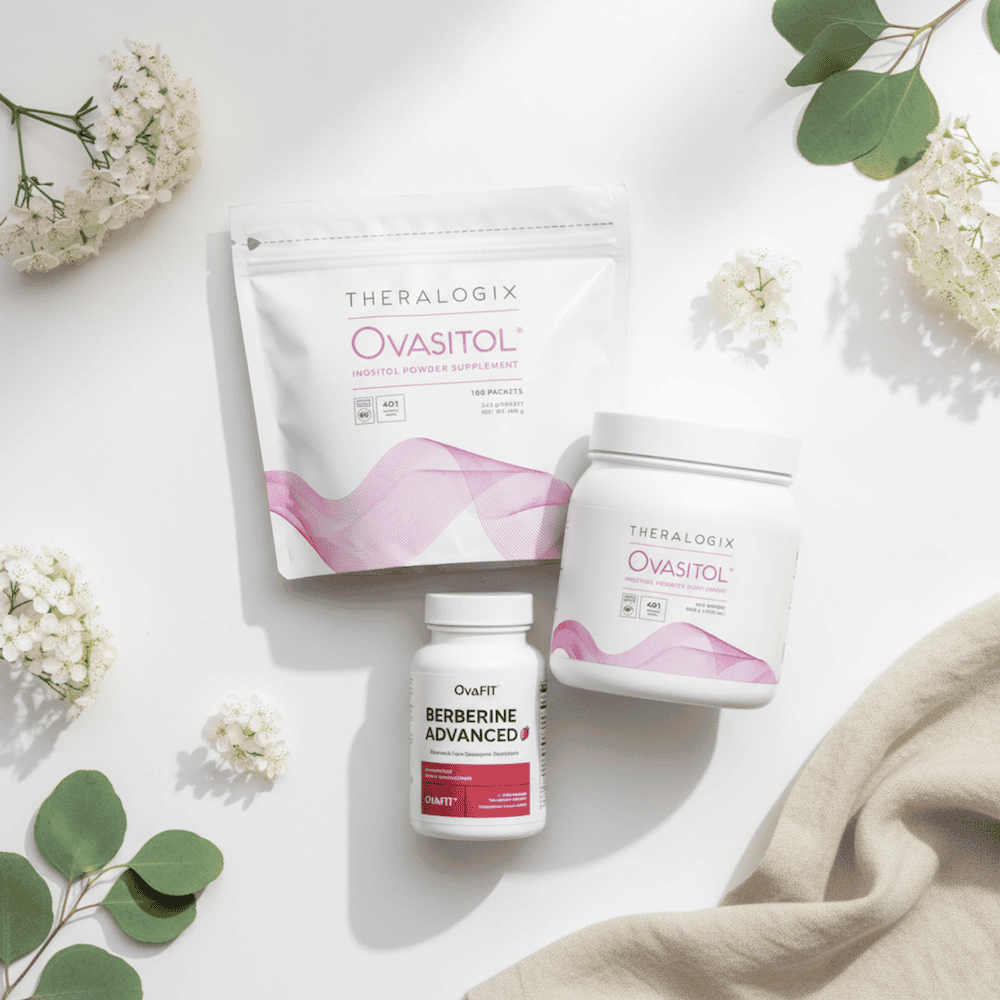
You can grab a 90-day supply of Ovafit’s MetaMulti here! However, if you want to try out our full supplement line to address all of your nutrient gaps, grab the Inositol (40:1 ratio of myo-inositol and d-chiro-inositol), our Berberine Advanced supplement, and our Metabolism Plus bundle that includes the MetaMulti as well as curcumin, omega-3, and CoQ10. This provides a well-rounded supplement regimen to support your healing goals! 

Ovafit MetaMulti for PCOS
Ovafit’s MetaMulti is the best multivitamin for PCOS!

Choosing the right multivitamin can make a big difference in how you manage your PCOS. When your supplement is designed specifically for your unique needs, contains the right forms and dosages of nutrients, and is NSF-certified for quality and safety, you’re setting yourself up for real results!

Whether you’re just starting your healing journey or looking to level up your routine, a targeted multivitamin like Ovafit’s MetaMulti can be a game-changer in supporting your hormones, metabolism, and overall health without the side effects of common PCOS prescriptions. For more ways to naturally reverse PCOS, download The Cysterhood app for meal plans, workout routines, community support, and plenty of other resources!

PCOS And Thyroid: Symptoms, Connections, and Solutions

Polycystic ovary syndrome (PCOS) isn’t just about irregular menstrual cycles; it’s a complex endocrine condition that impacts the body in lots of different ways. Because of this, there are quite a few related or overlapping disorders of PCOS that Cysters are diagnosed with as they dive deeper into their condition. 

Prediabetes, metabolic syndrome, obstructive sleep apnea, depression, anxiety, celiac disease, lupus, non-alcoholic fatty liver disease (NAFLD), and thyroid disorders are all linked to PCOS! Today, I want to use this post to talk about thyroid problems like hypothyroidism and Hashimoto’s thyroiditis. I’ll explain the relationship between PCOS and thyroid problems and give you some tips to reverse both issues at once!

pcos and thyroid symptoms connections and solutions

PCOS And Thyroid: Symptoms, Connections, and Solutions

PCOS and hypothyroidism deal with the same core problems. People with thyroid disorders often also experience similar symptoms of PCOS including:

  • Irregular or missed periods
  • Fatigue and low energy
  • Weight gain or difficulty losing weight
  • Thinning hair or hair loss
  • Cold intolerance
  • Depression, anxiety, or mood swings
  • Blood sugar instability or sugar cravings
  • Brain fog and poor concentration
  • Infertility or trouble getting pregnant
  • Constipation
  • Weakened immune system

With a list that long, you’re probably not surprised to hear women with a diagnosis of PCOS are at a significantly higher risk of developing thyroid disorders over the general population . . . but, why? Here’s the connection:

Are Thyroid Problems and PCOS Related?

Yes! There are actually three different ways that PCOS and thyroid disorders like hypothyroidism, Hashimoto’s thyroiditis, and autoimmune thyroid disease (ATD) are related. 

  • Disrupted hypothalamic-pituitary axis: Both PCOS and thyroid disorders impact the hypothalamic-pituitary axis, which is the command center of hormone management! Basically, this is the mechanism that allows your brain to talk to your endocrine glands. So, when it’s disrupted, your brain can’t tell your body what hormones to produce. This leads to imbalances of sex hormones and cortisol (what we know as PCOS), plus the imbalances of thyroid hormones (there’s thyroid disease). 
  • Insulin resistance: Insulin resistance is when your body can’t correctly process glucose, and instead of converting the sugar to energy, it’s absorbed into the bloodstream and stored as fat. This prompts your body to produce an excess of insulin to counteract the error, and all this extra insulin and the high blood sugar actually trigger imbalances of sex and thyroid hormone levels while slowing down the metabolism. 
  • Autoimmunity and inflammation: Another thing women with PCOS and women with thyroid disease deal with is autoimmunity. This is where an overactive immune system attacks healthy cells. It even targets the thyroid gland, ovaries, insulin receptors, and gut barrier, impairing their functioning, prompting inflammation, and contributing to the symptoms of PCOS and thyroid disease. 
can pcos affect thyroid functions

Can PCOS Affect Thyroid Functions?

Yes, PCOS can affect thyroid function, and the connection actually goes both ways! Chronic inflammation, insulin resistance, and hormonal imbalances common in PCOS can disrupt how the thyroid functions, potentially slowing metabolism and affecting energy, mood, and weight. This is what’s going on in “Thyroid PCOS” (one of the four types of PCOS). 

On the flip side, thyroid dysfunction can worsen PCOS symptoms. Low thyroid hormone levels can reduce sex hormone binding globulin (SHBG), which increases androgen levels (male sex hormones). This can impact PCOS acne, hair loss, hirsutism, menstrual irregularity, and infertility even more. 

How To Reverse Thyroid and PCOS Symptoms

How To Reverse Thyroid and PCOS Symptoms 

Get your hormone levels checked. 

Because PCOS and thyroid issues often go hand-in-hand, it’s a good idea to have your hormones checked regularly—especially if your symptoms aren’t improving. While a basic blood test might give you a snapshot, functional lab testing goes a step further, offering a more in-depth look at key hormones like free testosterone, thyroid panels, and even your insulin resistance index. This type of testing can help you get a clearer picture of what’s really going on so you can personalize your treatment plan and feel more confident managing your symptoms. Ask your doctor if functional lab testing is something they offer! At-home lab testing kits are also available.

Try a gluten- and dairy-free anti-inflammatory diet. 

Nutrition plays a huge role in supporting hormone balance, reducing inflammation, and improving insulin sensitivity—three key areas to focus on when you’re managing both PCOS and thyroid conditions. Many Cysters find relief by trying a gluten- and dairy-free anti-inflammatory approach. Why? Gluten has been shown to trigger immune responses in people with autoimmune thyroid disease, and dairy can contribute to inflammation and digestive issues. While every body is different, removing these triggers for at least 30 days can be a helpful way to see how your body responds and reduce the symptoms at the root—like fatigue, bloating, brain fog, and hormonal imbalances.

Here’s more on my recommended PCOS-friendly diet, and to get all of my favorite PCOS-friendly recipes and meal plans, download The Cysterhood app.

Tallene sitting with a plate of food, holding her hand in her left hand and a fork on the right hand.

Practice better stress management. 

Remember, the hypothalamic-pituitary (HPT) axis we talked about earlier? The key to communication between the endocrine glands and the brain? Well, chronic stress actually interferes with the function of the HPT axis, suppressing thyroid function and lowering thyroid hormones over time. This makes symptoms of thyroid disease way worse, but it also impacts PCOS!

Since the HPT axis is where all hormones are regulated, it sends sex hormones associated with PCOS out of balance, too. Beyond that, high cortisol levels worsen insulin resistance as part of your body’s natural fight-or-flight response. The poor hormone balance and insulin resistance, of course, contribute big time to PCOS symptoms. 

So, that means to manage both conditions, stress management is key! Try getting in nature, lowering screen time, slow weighted workouts, meditating, acupuncture, journaling, or anything else that helps you unwind! (Oh, also consider cutting caffeine. It’s like liquid stress!) 

Do daily slow-weighted workouts. 

Exercise is good for your body. Everyone knows that! However, not all exercises are equal for someone with PCOS or thyroid disease. High intensity exercises that raise your heart rate and pump your body full of adrenaline and stress hormones are not going to help you ease symptoms. In fact, they’ll probably make them worse. 

Instead, you need to try slow-weighted workouts! Not only will they keep stress levels in check, but these types of exercises can also help increase insulin sensitivity and promote hormone balance! For PCOS-friendly workout plans, download The Cysterhood app. 

Tallene is doing a workout lunge with dumbbells and Sirak is showing her how to correct her form.

Get 7-9 hours of quality sleep.

While we sleep, our bodies go through essential processes that help regulate hormone production—including stress hormones like cortisol, thyroid hormones like T3 and T4, and even sex hormones like estrogen and progesterone. Quality sleep also helps support insulin sensitivity and reduce inflammation, both of which are key when managing PCOS and thyroid conditions.

But when we don’t sleep well, it can throw our whole hormonal system off balance. You might wake up feeling more tired, anxious, foggy, or even hungrier than usual—which are all signs your hormones are struggling to keep up. That’s why prioritizing 7–9 hours of restorative sleep every night isn’t just about rest—it’s one of the most powerful things you can do to support your thyroid, metabolism, and mood.

If you’re not sure how to do that, read this post on How to Get Better Sleep with PCOS! It’s all about simple sleep hygiene tactics that can make a big impact on the quality of our rest. 

Remove endocrine disruptors. 

There are chemicals in everyday products that can interfere with our body’s endocrine system by mimicking, blocking, and altering hormone signalling. Even with other tips on this list, getting thyroid and PCOS-related hormones balanced will be hard if the cosmetics, cleaners, and other household products you use are working against you. 

Here’s my podcast episode on how to remove PCOS endocrine disruptors, so you can get started eliminating toxic products. You’ll find endocrine disruptors in all sorts of surprising places, like in shopping receipts, sunscreen, shampoo, candles, hair dye, and so much more!  

Support your body with the right supplements. 

Even with a balanced diet, getting all the essential vitamins and minerals in your diet can be super hard. However, for all of our bodily functions and processes to carry-out as planned, you NEED all the recommended daily nutrients. A lot of supplements can directly help with hormone balance, inflammation, and insulin resistance to improve thyroid and PCOS symptoms! Here’s what I recommend:

  • Multivitamin: A high-quality multivitamin will have lots of essential vitamins and nutrients to support hormone health and relieve symptoms. 
  • Curcumin: Curcumin is anti-inflammatory and has antioxidant properties to reduce inflammation, improve insulin sensitivity, and promote hormone balance. 
  • Omega-3: Omega-3 fatty acids help reduce inflammation and insulin resistance, supporting hormone balance and calming autoimmune activity in PCOS and thyroid disorders.
  • Inositol or Berberine: Inositol and berberine supports both PCOS and thyroid health by improving insulin sensitivity, helping to balance sex hormones, and reducing autoimmune antibodies! Inositol supports insulin signaling and hormone balance through inositol, while Berberine Advanced improves insulin sensitivity through a different mechanism. Many women feel they work even better together, but some prefer the ease of Berberine Advanced—with just two easy capsules a day—compared to mixing a powder in water. It’s a simple, convenient option that fits easily into your routine. However, always talk with your healthcare provider before switching or combining supplements.

You can find most of these in my NSF-certified supplement line, Ovafit! They’re supplements curated specifically with PCOS in mind, using only the best ingredients and advanced technology to support symptom reversal and PCOS healing. 

all the metabolism plus supplement bottles lined up next to each other
PCOS and thyroid disorders go hand-in-hand, but you can improve symptoms using the same intentional lifestyle changes! 

Getting diagnosed with multiple overlapping conditions can be overwhelming, but it doesn’t have to be! Yes, there’s a link between thyroid disorders and PCOS, but that’s because they have the same root issues. Getting to the bottom of those core problems will help you see relief from the symptoms of both conditions to finally live symptom-free with PCOS and thyroid disease!

For more information on healing your PCOS, be sure to keep up with the PCOS Weight Loss blog and listen to A Cyster and Her Mister podcast!

PCOS And First Trimester Pregnancy Symptoms: How to Distinguish Between Overlapping Side Effects

Polycystic ovary syndrome (PCOS) is a condition that throws off hormonal balance—especially key reproductive hormones like estrogen, testosterone, and progesterone. And guess what? There’s another major life event that impacts these same hormones in a big way: pregnancy!

Because both pregnancy and PCOS can throw hormones out of balance, they share a lot of the same symptoms—making it tricky to tell the difference! This can lead some Cysters to miss the early signs of pregnancy, which may delay prenatal care, increase the risk of complications, or postpone important lifestyle changes to support a healthy pregnancy.

So, today I want to walk you through the distinct and overlapping symptoms of PCOS and pregnancy. Hopefully, this will help you better understand what’s happening in your body. That way, you’ll know when it’s time to do some PCOS symptom management and when it’s time to take a pregnancy test. 

pcos and first trimester pregnancy symptoms

PCOS And First Trimester Pregnancy Symptoms

When most women miss a period or experience some unusual pelvic pain, pregnancy is one of the first things they consider to be the cause! However, if you’ve been diagnosed with PCOS, irregular menstrual cycles and random cramping can just be a normal Tuesday. Because of this, it’s challenging for Cysters to recognize pregnancy in the first trimester! 

Here’s more on why:

can pcos mimic pregnancy symptoms

Can PCOS Mimic Pregnancy Symptoms?

Yes! Many of the common symptoms of PCOS mimic first-trimester pregnancy symptoms. PCOS hormonal imbalances of estrogen, testosterone, progesterone, luteinizing hormone (LH), follicle-stimulating hormone (FSH), and insulin lead to symptoms like missed or irregular periods, fatigue, mood swings, bloating, constipation, headaches, pelvic pain, cramping, lower back pain, and weight gain. Of course, all these are also first-trimester pregnancy symptoms! 

Because these symptoms are common for women with PCOS, they often don’t find out they’re pregnant until several weeks later than the average woman. Though it can be difficult, it’s a good idea to track your cycle, journal your symptoms, and be mindful of any symptom changes (even if they’re subtle). I also recommend keeping some pregnancy tests on hand to take a few days after your missed periods! That way, you can have extra confidence whether you’re dealing with PCOS or pregnancy. 

Of course, if you ever experience changes in your symptoms, but your pregnancy test is negative, you can get a blood test for insight into what might be happening in your body! Here’s more on how PCOS affects pregnancy even beyond the first trimester. 

What Are The Early Pregnancy Symptoms That Don’t Overlap with PCOS?

If you can’t rely on the standard tell-tale signs of pregnancy like missed periods, fatigue, mood swings, and weight gain, then how do you know when it’s time to take a pregnancy test? Luckily, not every symptom of pregnancy crossover to PCOS. So, below I’m going to break down other potential first-trimester symptoms to look out for! 

Nausea and Vomiting 

Here’s a common pregnancy symptom: morning sickness! This comes from the rapid increase of human chorionic gonadotropin (hCG), a hormone produced by the placenta that only happens during pregnancy. Other things that may contribute to nausea and vomiting are increased sensitivity to smells, changes in estrogen and progesterone, and blood sugar fluctuations. 

Breast Tenderness

Pregnant women often experience breast tenderness as changes in estrogen, prolactin, and progesterone levels prompt the growth of milk ducts and glands! Plus, the increased blood flow to the breasts and fluid retention that comes with pregnancy can cause swollen and tender breasts. 

Frequent Urination

Even though the fetus is very small in the first trimester, your uterus starts expanding right away. That means there’s less room for your bladder, and you’ll be making more trips to the bathroom! That spike in hCG will also increase blood flow to the pelvic area, stimulating the kidneys to produce more urine. Fluid retention plays a role, too!  

New Food Cravings and Aversions 

Intense cravings are super common with PCOS, especially for carbs and sweets, thanks to insulin resistance. But pregnancy cravings? They’re a whole different experience! While PCOS cravings are often tied to blood sugar imbalances, pregnancy cravings (and aversions) are triggered by hormonal shifts, increased nutritional needs, and heightened senses.

This means you might suddenly crave foods you never liked before, weird food combinations (pickles & ice cream, anyone?), or even non-food items like chalk or ice (a condition called pica, often linked to nutrient deficiencies). If you notice new and intense cravings that feel totally out of the ordinary, it could be a sign of pregnancy rather than just PCOS!

Dizziness or Lightheadedness

Increased blood volume, low blood sugar levels, chances in circulation, iron deficiencies, hormonal fluctuations, and even morning sickness during the first trimester of pregnancy can lead to feelings of dizziness or lightheadedness.

Spotting

A lot of changes are happening to the uterus during pregnancy, so even though you’re not experiencing periods, spotting isn’t uncommon. This can happen when the egg attaches to the uterine lining or due to increased sensitivity of your cervix.

Heightened Sense of Smell and Smell Aversions 

No one knows exactly why pregnancy heightens your sense of smell, but many experts believe it’s an evolutionary defense mechanism—helping pregnant women instinctively avoid harmful foods and substances. Others suggest it’s linked to rising hCG levels in early pregnancy. Whatever the cause, heightened smell sensitivity is a super common first-trimester symptom and can even contribute to food aversions and nausea!

early pregnancy symptoms that dont overlap with pcos

Increased Basal Body Temperature 

Tracking changes in basal body temperature (BBT) is one of the most reliable ways to monitor your menstrual cycle with PCOS. Normally, BBT rises by about 0.5°F to 1.0°F (0.3°C to 0.6°C) after ovulation due to progesterone. If you notice a consistent rise in temperature lasting more than 18 days, it could be an early sign of pregnancy!

Changes in Cervical Mucus 

The hormonal fluctuations that come with pregnancy can change cervical mucus. The mucus usually increases, becomes thick and stretchy, and has a milky white color. Seeing this change in cervical mucus could mean you’re pregnant. 

Leg Cramps

Increased blood volume can slow circulation and increase swelling in the legs, causing cramps. Pregnant women often experience these at night! Additionally, pregnant women require more fluids and daily nutrients. If a woman with PCOS doesn’t realize she’s pregnant and fails to meet these needs, leg cramps could be even more likely. 

Vivid Dreams 

Here’s a strange one, but it’s super common with pregnancy! Changes in progesterone and estrogen can alter brain activity and influence the way dreams are processed and remembered, which could contribute to vivid, crazy dreams. Pregnant women also experience more Rapid Eye Movement (REM) sleep than non-pregnant women, and this is where dreams happen. This can contribute to those wild dreams, too! 

Tallene and sirak sitting across each other talking and enjoying their meals
Know your pregnancy as soon as possible by differentiating between PCOS and pregnancy symptoms!

When you have PCOS, your body can feel totally out of control. Knowing what’s going on inside your own skin can feel impossible, but it’s so important for your personal well-being to be aware of changes happening in your body. There are a lot of overlapping symptoms of PCOS and pregnancy, but understanding the distinct side effects of pregnancy can help you identify the early signs, so you know when it’s time to test! 

Interested in how you can increase your chances of getting pregnant with PCOS and have a healthy PCOS pregnancy? Check out these other blog posts and podcast episodes:

How To Keep Ovaries Healthy with PCOS

Your reproductive health matters—whether you’re trying to get pregnant or not. It’s not just about fertility. Hormonal imbalances can impact mood, energy levels, sex drive, and menstrual cycles. Poor reproductive health can also increase the risk of conditions like uterine fibroids, ovarian cysts, or ovarian cancer.

For women with polycystic ovarian syndrome (PCOS), supporting reproductive health is key to managing symptoms and balancing hormones. In fact, many PCOS symptoms—irregular cycles, acne, hair loss, mood swings—can be traced back to poor ovarian function.

Your ovaries do so much more than regulate fertility. They play a role in:
– Estrogen & progesterone production (which affects everything from mood to metabolism)
– Regulating your period & ovulation
– Bone, heart, skin, and hair health

The bottom line? Taking care of your ovarian health = supporting your overall well-being and making your PCOS symptoms easier to manage. Let’s talk about how to do that!

How To Keep Ovaries Healthy with PCOS

How To Keep Ovaries Healthy with PCOS

In this post, I’ll give you insight into ovary health and PCOS! I’ll discuss what healthy ovaries look like, how you can assess ovary health, and how you can improve your ovary health if needed! 

Here’s what you need to know:

What Do Healthy Ovaries Look Like?

Ovaries are located on each side of the uterus, and healthy ones are smooth, oval-shaped glands about the size of a walnut. Unfortunately, you can’t tell from the outside what’s happening on the inside, so you’ll have to use other means to determine how healthy your ovaries are!  

how do you know if your ovaries are healthy

How Do You Know If Your Ovaries Are Healthy?

There are a few ways to assess the health of your ovaries! Some require medical intervention, while other examinations you can do yourself. 

Ultrasound

To get a clear visual of the ovaries and assess their health, a pelvic ultrasound is typically required. This imaging scan helps identify ovarian cysts, tumors, enlarged ovaries, or issues with the fallopian tubes that may impact reproductive health.

There are two types of ultrasounds used for evaluating ovarian health:

  1. Abdominal ultrasound: A non-invasive procedure where a transducer is moved over the lower abdomen. This method is less detailed but may be used as an initial assessment.
  2. Transvaginal ultrasound: A more detailed scan where a small probe is inserted into the vagina to get a closer look at the ovaries. While not necessarily painful, it can be uncomfortable depending on sensitivity levels.

Ultrasounds can be performed by an OBGYN, reproductive endocrinologist, or radiologist and are an essential tool in diagnosing PCOS and assessing ovarian function. If you’re unsure what to expect, discussing any concerns with your doctor beforehand can help ease any anxiety about the procedure.

Blood Test

Remember, ovaries are important for hormone balance! So, if you find that certain hormones are imbalanced, that may mean your ovaries need some care. A blood test can measure your estrogen, progesterone, and anti-mullerian hormone (AMH) levels, which are all regulated by the ovaries. So, an imbalance of any or all of those hormones could be a result of poor ovary health. You can discuss labs with your doctor or order a test yourself.  

Menstrual Cycle Regularity 

Another way you can determine the health of your ovaries is by evaluating your menstrual cycle! If your periods are irregular and involve heavy bleeding and severe menstrual cramps or pelvic pain, that could be a sign of a problem with your ovaries. If everything is normal with your menstrual cycles, then that’s a good indication your ovaries are healthy, too!  

Fertility 

One way to assess reproductive health is by looking at fertility. If you’ve been able to conceive successfully, it’s a sign that your ovaries are functioning well. However, if you’ve experienced difficulty getting pregnant, it may indicate that your ovarian health and hormone balance need additional support.

how to keep your ovaries healthy with pcos

How To Keep Your Ovaries Healthy with PCOS

If your ovaries aren’t in optimal health, don’t worry. There are lots of ways to improve your ovarian health naturally without taking drastic measures. You probably don’t need to remove your ovaries or get on hormonal birth control with the right lifestyle changes. 

Here’s what you can do:

Maintain a balanced diet. 

A balanced diet can make a huge difference in ovarian health! The right pairing of foods can improve insulin sensitivity, regulate hormone balance, and reduce inflammation all essential to healthy ovaries! 

I recommend a gluten- and dairy-free anti-inflammatory diet that prioritizes protein-rich and nutrient-dense foods– try it for 30 days to see if it makes a difference with your PCOS symptoms! Of course, like any diet, there are foods to avoid (or have in moderation) with PCOS. However, this diet is more about adjusting recipes that you love to work for your body. So often you’ll find us replacing ingredients that trigger symptoms with substitutes that are PCOS-friendly. Download The Cysterhood app for plenty of healthy meal plans that can help relieve PCOS symptoms and boost ovary health!  

balanced diet for PCOS

Engage in regular exercise. 

Exercise plays a crucial role in supporting ovarian health, and the right types of movement can make all the difference for Cysters. Regular physical activity helps improve insulin sensitivity, which is key for balancing hormones like estrogen, progesterone, and testosterone—all of which directly affect ovary function. Additionally, movement helps reduce chronic inflammation, which is often elevated in women with PCOS and can contribute to ovarian dysfunction.

But here’s the thing—not all workouts are created equal when it comes to PCOS. Intense cardio or HIIT sessions can actually spike cortisol (stress hormones), which may lead to worsened hormone imbalances and cycle irregularities. That’s why the best exercises for PCOS and reproductive health are low-impact, restorative workouts like slow-weighted exercises, walking, yoga, and pilates. These types of movement not only support hormone balance but also reduce stress, regulate ovulation, and improve overall metabolic health.

All my PCOS-friendly workout plans inside The Cysterhood app are designed around slow-weighted exercises to support hormone health while making weight loss and symptom management easier. So if you’re not sure where to start, that’s a great place to begin!

Tallene doing a squat exercise on her yoga mat and Sirak pointing to her knee to show proper form

Practice good stress management. 

Stress manifests in the body as the hormone cortisol. When cortisol levels are high (which is common with PCOS), they can disrupt the balance of reproductive hormones, increase inflammation, raise insulin resistance, and more! So, learning to manage stress is huge for your overall health, including your ovarian function. Some stress management techniques you can try are acupuncture, meditation, journaling, spending time in nature, and practicing self-care.  

Stay hydrated. 

Hydration is the foundation of all health—including reproductive health. Proper hydration ensures that all of your body’s physiological processes function smoothly, including hormone regulation, circulation, getting rid of toxins, and energy production—all of which directly impact ovary function.

Drinking enough water can also reduce inflammation, which is a key driver of hormonal imbalances in PCOS. When the body is dehydrated, it can lead to higher cortisol levels, thicker blood, and sluggish lymphatic drainage, all of which may contribute to poor ovarian health.

So how much water should you be drinking? A good rule of thumb is to aim for at least half your body weight in ounces of water per day. For example, if you weigh 160 lbs, aim for about 80 oz of water daily.

Get 7-9 hours of good quality sleep.

Like I mentioned, hydration could be considered the foundation of health, but so could good sleep! While we sleep, our body goes through lots of important processes to maintain our overall health. With good quality sleep, you’ll likely see improved hormone balance, insulin sensitivity, cortisol levels, and inflammation. If sleep is a struggle for you, here’s how to sleep better with PCOS

Take strategic supplements for ovary health. 

Even with all the right healthy lifestyle changes, our body needs the support of the right vitamins and nutrients. You can find PCOS-friendly, NSF-certified supplements at Ovafit that are perfect for helping naturally heal your body! Here are the supplements that can help with ovarian function:

  • CoQ10: This is an antioxidant that helps improve mitochondrial function and energy production in ovarian cells. This is essential for follicular development and hormone production.
  • Inositol: These compounds help improve insulin sensitivity, hormonal balance, and ovulatory function.
  • Omega-3 Fatty Acids: Found in fish oil supplements, omega-3s have anti-inflammatory properties and can help balance hormones.
  • Vitamin D3: This vitamin is crucial for overall reproductive health and can help improve insulin sensitivity and hormonal balance.
  • Magnesium: This mineral helps reduce inflammation, improve insulin sensitivity, and support overall hormonal health.
  • Chromium: This trace mineral helps improve insulin sensitivity and regulate blood sugar levels, which is important for ovarian function. 
  • Zinc: Zinc supports immune function, reduces inflammation, and helps balance hormones important for reproductive health. 


To get all of these vitamins, I use the Metabolism Plus bundle and Inositol Complete 40:1

Tallene is holding a bottle of supplements from the metabolism plus line

Stay consistent with gynecological visits. 

Regular gynecological visits are an essential part of taking care of your reproductive health. These checkups give you the opportunity to discuss any concerns with your doctor, monitor your ovarian function, and stay on top of routine screenings.

Be sure to ask your OBGYN how often you should come in for checkups and what types of tests or evaluations are best for your health goals. Whether you’re focused on regulating your cycle, optimizing fertility, or simply maintaining overall wellness, clear communication about your reproductive health goals can help you get the care and support you need.”

Keep your ovaries healthy naturally using diet, exercise, and other intentional lifestyle changes!

Your ovarian health is an essential part of your feminine health. Whether you’re trying to get pregnant, improve your mood, or reverse your PCOS, it’s important to assess your ovarian function and address any concerns as soon as you can.

Although these are options available to you, you don’t need to get on birth control pills or do anything invasive to develop a healthier reproductive system if that isn’t what you’re looking for. You can naturally improve your ovary health using diet, exercise, and other natural methods! For more on how to do this, head to the PCOS Weight Loss blog and tune in to A Cyster and Her Mister podcast!

How I Reversed My PCOS Hair Loss Naturally 

I once dated a guy who said, “A girl’s hair is half her personality.” I could not believe he said that . . . but I also couldn’t get it out of my head. As a woman with PCOS struggling with hair loss, I felt so insecure. I had, prior to even meeting this man, cut my thinning hair into a bob, trying to hide the hair loss, but I said to myself, “Surely, I am more than my hair!!!”

Of course, I was (and am) more than my hair. And, really, I didn’t care at all what this guy thought . . . or anyone else, for that matter! As women, our hair isn’t about a superficial fascination with physical appearance. Our hair is something that makes us happy and provides an opportunity for self-expression. So, when Cysters experience PCOS-related hair loss, it can make us feel vulnerable, isolated, and like we’ve lost our identity. 

If this is you, I see you! I was there with you! However, you don’t need to accept that your hair is gone forever. Once you understand the root issue of your hair loss, you can reverse this condition and regrow your luscious locks! And, no, you don’t need expensive medical treatments—you can undo PCOS hair loss naturally!

Illustration of woman researching hair loss reversal on a tablet

How I Reversed My PCOS Hair Loss Naturally

Polycystic ovary syndrome (PCOS) is a complex hormone condition that can cause a wide range of symptoms. Everyone has heard of PCOS symptoms like irregular periods, ovarian cysts, and weight gain—however, the hormonal imbalances of PCOS can also damage your hair! 

As I said, poor hair health isn’t something you have to live with just because you have PCOS. In this post, I’ll discuss why PCOS causes hair loss so you can understand what issues need to be fixed. Then, I’ll break down how you can reverse this symptom and feel like yourself again! 

Here’s what you need to know about PCOS hair loss: 

Does PCOS Cause Hair Loss?

Yes! PCOS can cause hair loss and hair thinning. This is because of elevated androgen levels (male sex hormones), which are one of the many hormones often out of balance in a body with PCOS. When androgens rise, it causes hair follicles to shrink, shortens the hair growth cycle, increases shedding, and worsens scalp health. Of course, this all leads to hair loss! 

Understanding what hormonal imbalances are causing your hair loss is the first step in solving the problem. You can target that root issue and see a BIG change in your hair health. 

What Does PCOS Hair Loss Look Like?

Hair loss due to PCOS is often referred to as “female pattern baldness” and “androgenic alopecia.” Usually, the hair loss is on the top and front of the head. The hair is usually finer, shorter, and more brittle than it should be, causing hair to shed. 

 But here’s something important to know: losing some hair every day is completely normal! On average, people shed 50–100 hairs per day as part of the natural hair growth cycle. This happens because each hair follicle goes through phases of growth, rest, and shedding.

With PCOS-related hair loss, the shedding can be much more noticeable—often exceeding 150 hairs per day—and hair may not grow back as thick as before. If this sounds familiar to you, and your hair falls out with every comb of the brush, you may be experiencing female pattern hair loss!

Woman looking unsure of her hair loss and appearance

Is PCOS Hair Loss Reversible?

Hair loss in women with PCOS is totally reversible—like all symptoms of PCOS! You just need to regulate those androgen levels to get your full head of hair back. Consistency is key, and it typically takes at least 3 to 6 months of steady lifestyle changes, supplements, and hormone balance to notice significant regrowth. This is because hair grows in cycles, and it takes time for new, healthier strands to replace the ones lost due to high androgens. Once you get back on track and restore your hormonal balance, you’ll likely see improvements in other high androgen PCOS symptoms like acne, excess facial hair growth, irregular periods, ovarian cysts, and weight gain! 

How To Reverse PCOS Hair Loss Naturally 

Take strategic supplements. 

There are many natural ways to balance your hormones, but without the essential daily nutrients, your adrenal system and metabolism won’t function at their best. This is why taking the right supplements to lower your androgens is an essential first step to reversing PCOS hair loss. Of course, consult with a healthcare professional before starting any new supplements, but here are some supplements known to improve hair health and help balance androgen levels:

  • Zinc
  • Biotin
  • Iron
  • Omega-3 Fatty Acids
  • Vitamin D3
  • Niacin
  • Vitamin E
  • Vitamin C
  • Inositol

When choosing supplements for hair health, quality matters! Not all supplements are created equal, so it’s important to look for ones that are high quality, third-party tested, and free from unnecessary fillers. If you’re looking for NSF-certified options that are tested for purity and potency, you can check out Ovafit, my PCOS supplement line!

All of the vitamins mentioned above are included in the Metabolism Plus bundle, and Inositol Complete 40:1 is a great way to get your daily dose of inositol. I also love incorporating collagen into my routine—it’s a staple in my smoothies and drinks on The Cysterhood app! If you’re looking for a brand recommendation, Primal Kitchen is my go-to.

Metabolism Plus supplements

Drink herbal tea. 

Herbal tea has been used as natural medicine for thousands of years, but modern research claims that certain herbs can actually help with hormone dysregulation! There are a lot of herbal teas that have been shown to help balance androgen levels, so to get all the benefits of each herb, I recommend a blend of multiple beneficial herbal teas. 

The Testosterone Relief Tea from Ovafit is a great choice! Spearmint, lemon balm, orange peel, chamomile, rosehip, peppermint, cinnamon, nettle, lavender, and calendula tea are all included and are sure to help improve your androgen balance and hair health! I recommend drinking this 2x a day.

two glasses of Testosterone Relief tea

Try an anti-inflammatory gluten- and dairy-free diet. 

What we eat has a HUGE impact on our hormones, including testosterone! If what you eat worsens chronic inflammation and insulin resistance, you’ll probably see your androgen levels rise and your PCOS hair loss worsen. This is why I recommend limiting and being mindful of inflammatory foods like processed food, sugar, refined carbs, gluten, and dairy. 

However, diet isn’t all about what NOT to eat. What you do eat makes just as big of an impact. To balance hormones, including androgens, prioritize a balanced diet with foods high in inositol (yes, one of those supplements we talked about earlier!) Foods high in inositol include beans, oats (I LOVE oats for PCOS!), cabbage, citrus fruits and melons, and nuts! Omega-3 fatty acids have also been shown to be beneficial for hormone balance, so try adding salmon, chia seeds, and walnuts into your diet, too! 

If this all feels a little overwhelming, I get it! But, you don’t have to give up your favorite foods or delicious meals to reverse PCOS hair loss and other symptoms. Simply find substitutes for the ingredients that trigger your symptoms, and ta-da! You get a PCOS-friendly version of meals you already love. Download The Cysterhood app for all of my PCOS-friendly recipes and meal plans that will promote healing and satisfy the foodie in you! 

List of ways to reverse PCOS hair loss naturally

Do regular slow-weighted, low-impact exercises. 

We all know exercise is great for overall health, but did you know it’s also a game-changer for hormone balance? The right type of workout can improve insulin sensitivity, support metabolic health, and even help lower testosterone levels—leading to healthier hair and fewer PCOS symptoms overall! But here’s the key: how you work out matters.

I remember when I first started my healing journey, I was kickboxing multiple times a week—and instead of feeling better, I was gaining weight and noticing more hair shedding. Can you believe it?! That’s because high-intensity workouts flood your body with adrenaline and cortisol—AKA stress hormones. For women with PCOS, who often already have elevated cortisol levels, this extra stress can spike androgen levels and worsen insulin resistance. And since high androgens are one of the main culprits behind PCOS-related hair loss, overdoing intense workouts can actually make it worse.

So, to workout effectively for PCOS, you need low-impact exercises (think weight lifting, pilates, yoga, walking, etc.) that work out the whole body while keeping your heart rate down. I find that slow-weighted exercises are the most effective, and I’ve included a ton of workout routines on The Cysterhood app to help you establish a routine! 

But, if you need help getting started, I offer a 4-week meal and workout plan designed to kickstart your journey and help you see motivating results more quickly. Listen to this episode of my podcast to get a feel for what’s included in the course! 

Tallene doing a slow-weighted lunge in workout gear and weights while Sirak points to her ankle to show proper exercise form.

Practice better stress management techniques. 

We just talked about how stress can trigger a chain reaction in your body that raises androgen levels. And it’s no secret—stress can make your hair fall out! Usually, that’s just a figure of speech, but with PCOS, it’s totally literal. Stress not only increases testosterone, but it can also worsen inflammation, which may cause your immune system to attack healthy hair follicles.

That’s why managing stress is key to improving hair health—and the best part? It helps with other PCOS symptoms too! Try incorporating stress-relief techniques like meditation, deep breathing, spending time in nature, or engaging in hobbies that bring you joy. Cutting back on caffeine can also help lower cortisol levels and support overall hormone balance!

If managing stress is really difficult for you, Listen to this episode of A Cyster and Her Mister on PCOS and mental health. We’re here to help you find a routine that works for you.

Improve your sleep hygiene. 

When it comes to hair health, restful sleep plays a vital role in repairing and regenerating cells and hair follicles. This is true for everybody, but it’s crucial for Cysters experiencing hair loss. When you aren’t sleeping throughout the night (or not sleeping well), then this process is disrupted and even slows down.  

This is actually a problem for hormone balance in general! When you don’t sleep well at night, your body can’t execute the necessary processes to produce, regulate, and metabolize hormones. So, crappy sleep can leave you with elevated cortisol and androgen levels over time. That means improving your sleeping habits is essential! 

I know, easier said than done. But, don’t worry—there are plenty of ways to improve your sleep hygiene and sleep better with PCOS! Things like dimming the lights, drinking a warm cup of tea, taking melatonin, getting some sun earlier in the day, and turning screens off early are just a few key ways to promote better sleep hygiene. 

With the right steps and routines, you can reverse PCOS hair loss naturally! 

If I could go back in time to the girl I was when I dated that guy who made that comment about a woman’s relationship to her hair, I’d hug her and remind her that hair loss doesn’t define who she is. Fortunately, the woman I am today knows this and I’m determined to make sure every other Cyster feels confident and supported in their hair growth journey.

If you’re experiencing hair loss with your PCOS and you’re looking for options other than medical hair treatments, I hope this post helped remind you that you aren’t alone, and that there are plenty of ways to reverse hair loss naturally.

Start managing all your PCOS symptoms naturally using these tips and other lifestyle changes you’ll find on the PCOS Weight Loss blog and the A Cyster and Her Mister podcast! It’s time to take charge and reverse ALL your PCOS symptoms, hair loss included!

How PCOS Affects Egg Freezing: What Every Future Mom Needs to Know

It’s no secret that women with polycystic ovary syndrome (PCOS) often struggle to become pregnant. In fact, up to 80% of women with PCOS will experience infertility due to high levels of androgens and other hormonal dysregulation. On top of that, there’s often pressure to conceive before 35 for the best chances of a healthy pregnancy, making it seem like time isn’t on our side. But here’s the good news: there are ways to support your body and improve fertility naturally, giving you more options and flexibility on your journey.

Modern medicine has provided lots of new options for women needing fertility support. One of those options is egg freezing! If you’ve ever been curious about the process, you’re in the right place. Today, we’re diving into how PCOS can impact fertility treatments and what you can do to prepare your body for egg retrieval and freezing. Let’s break it all down together!

How PCOS Affects Egg Freezing

How PCOS Affects Egg Freezing: What Every Future Mom Needs to Know

Egg freezing is a process where healthy eggs are retrieved, frozen, and safely stored for future use—giving women the option to pause the fertility clock. But what about Cysters? Is egg freezing the right choice if you have PCOS?

Here’s what you should know:

How Does Egg Freezing Work?

Egg freezing is a complex process! However, it can be a great way to preserve your opportunities of becoming pregnant, even if you aren’t planning to at this time. Before deciding if egg freezing is the right choice for you, it’s important to fully understand the process. After all, being informed is the first step in making the best decision for your fertility journey!

Here’s how egg freezing works: 

step by step process of egg freezing
Step-by-Step Process of Egg Freezing
  • Step 1: Consultation – Your first step is meeting with a fertility specialist or reproductive endocrinologist for a deep dive into your fertility journey. This is your chance to ask questions, discuss your medical history and goals, and get a clear understanding of the egg freezing process.
  • Step 2: Baseline Testing – To understand your full reproductive picture, you’ll get labs and ultrasounds done to check in on your hormonal balances, ovarian reserve, and overall reproductive health. 
  • Step 3: Hormone Injections – The doctors will stimulate your ovaries to produce multiple eggs via hormone injections. This usually takes a couple of weeks. 
  • Step 4: Monitoring – Doctors will now monitor the growth and development of the eggs via blood tests and ultrasounds. 
  • Step 5: Receive Trigger Shot – Once the egg is the right size, you’ll get a shot of human chorionic gonadotropin (hCG) that’s often called a “trigger shot.” This preps the eggs for retrieval. 
  • Step 6: Egg Retrieval Procedure – 36 hours after the trigger shot, you’ll undergo a minor surgical procedure to retrieve the eggs. Doctors use a thin needle to collect the eggs. 
  • Step 7: Recovery – The procedure itself takes about 30 minutes, and most women can head home the same day. Some mild discomfort and light bleeding are normal, but recovery is usually quick!
  • Step 8: Assessment of Eggs – The doctor will assess the eggs to determine their maturity and quality. 
  • Step 9: Vitrification (AKA Freezing) – The high-quality eggs are rapidly frozen using a process called vitrification, which helps preserve their viability by preventing ice crystal formation.
  • Step 10: Storage – The frozen eggs are carefully stored in liquid nitrogen at extremely low temperatures to maintain their quality and viability for future use.
  • Step 11: Thawing and Assessment – When you’re ready to use your eggs, doctors thaw the ones you want and re-assess for quality. 
  • Step 12: In Vitro Fertilization – Eggs are then fertilized and developed into embryos via in-vitro fertilization. 
  • Step 13: Embryo Transfer – Once the embryos are ready, they are transferred to your (or your surrogate’s) uterus!

Can Women With PCOS Freeze Their Eggs?

YES! Freezing eggs can be a really good option for women with polycystic ovarian syndrome (PCOS)! First of all, Cysters often produce a higher number of eggs, making the chances of successful egg retrieval actually higher with PCOS. But, more than that, egg freezing can give you control over your fertility. No matter the circumstance, freezing your eggs can give you flexibility in the timing of your pregnancy.

Hormonal dysregulation, inflammation, and insulin resistance (the three core issues leading to a bulk of PCOS symptoms) can make conceiving, staying pregnant, and having a healthy pregnancy challenging. Women with PCOS often experience irregular menstrual cycles, anovulation, reduced egg quality, ovarian cysts, high blood pressure, difficulty managing blood sugar, and low progesterone levels, which are all less than ideal for pregnancy.

The good news is, there are natural ways to improve these root issues and symptoms to have a successful pregnancy with PCOS. However, if you’re still working on healing your body to boost your fertility, egg freezing is an option to increase your reproductive age window.

Curious about when you should get pregnant with PCOS? Here’s the ideal age for getting pregnant with PCOS

how to prepare for egg freezing when you have pcos

How To Prepare For Egg Freezing When You Have PCOS

Start taking steps to improve your symptoms and heal your body. 

First of all, if you’ve decided to start the egg retrieval process, congratulations! A great way to begin your journey is by taking steps to improve your reproductive health and heal your body. Because once you are ready to get pregnant, you’ll want your body to be in optimal health. Regulated hormones, increased insulin sensitivity, and reduced inflammation will help increase your chances of sustaining a healthy pregnancy! 

Here are some lifestyle changes that can help you reverse your symptoms and get control over your PCOS:

– Change your diet:

A balanced diet can make all the difference when getting to the root issues of your PCOS symptoms. For PCOS I recommend you trying a gluten- and dairy-free anti-inflammatory diet for 30 days to see if this makes an impact on your symptoms and reducing inflammation. You can find recipes and meal plans on The Cysterhood app. To boost your fertility, here is a list of foods that I recommend!

– Exercise regularly:

Slow-weighted or meditative workouts can be a great tool for improving PCOS symptoms and reproductive health. You can also find PCOS-friendly workout routines on the app! Unlike high-intensity exercise, which can spike cortisol and disrupt hormones, strength training at a controlled pace helps regulate insulin, reduce inflammation, and improve blood flow to the ovaries. It also supports a healthy metabolism and minimizes stress on the body, creating an optimal environment for hormone regulation and reproductive health.

– Take fertility-boosting supplements:

Even with a strategic diet, it’s hard to get all the right vitamins and minerals to help your body thrive. To boost the effectiveness of all your fertility and healing efforts, I recommend high-quality, NSF-certified prenatal supplements like Purely Prenatal, which provides a pre-conception multivitamin for PCOS and coenzyme Q10 for egg quality.

– Get more sleep:

Sleep is essential for supporting a healthy metabolism, immune health, and adrenal system. Take steps to improve your sleep hygiene to get high-quality rest. 

– Stay hydrated:

Drinking plenty of water can help improve hormone regulation, uterine health, and plenty of other PCOS and fertility symptoms!  

Tallene and Sirak sitting across each other talking at the table with plates with food in their hands

Learn about the whole process of egg freezing. 

Learning about the process and hearing real stories from women who’ve been through it can help you feel more prepared, both physically and emotionally. No matter where you are in your fertility journey, you deserve to feel informed, supported, and empowered every step of the way.

Meet with a fertility specialist. 

I recommend seeing a fertility specialist for your next step! You’ll discuss things like your medical history, your PCOS symptoms, your long-term pregnancy plans, and more. The right specialist should really listen to you, answer all your questions, and make you feel hopeful about your journey! 

Get labs done to establish a baseline and evaluate your ovarian reserve. 

In order to establish a baseline and get a sense of your current health, your fertility specialist will have you undergo some testing. Blood tests will give you and your doctor vital information on your hormone levels while an ultrasound will assess your ovarian reserve. They may also do an X-ray to check the inside of your uterus and fallopian tubes for any problem areas. Here, you’ll find out what’s possible in your reproductive future!  

Make a plan to financially cover the egg-freezing process. 

It’s important to be aware that fertility treatments can be a big financial investment. Before diving in, it helps to have a game plan for covering costs so you can move forward with confidence. Check in on your employer benefits, explore your savings, and set a budget that aligns with your goals. Your specialist can walk you through the full breakdown, but expect costs to range from $10,000 to $15,000, plus an annual storage fee of $500 to $1,200 for your frozen eggs. Planning ahead can ease some of the stress, so you can focus on what truly matters—your fertility journey.

Start tracking your cycle the best you can. 

To map the best times to do your egg retrieval process, start tracking your cycle. I know this can be difficult for some of us who are still trying to work with our PCOS to get our period cycles regular. However, as you make those lifestyle changes to heal your symptoms, your period is likely to become more regular. For more guidance, here’s how to track ovulation with irregular periods

Prepare for hormone stimulation.

This next stage involves taking injections to encourage your ovaries to produce multiple eggs. To support your body through the process, now’s the time to double down on those key lifestyle shifts we talked about. Prioritize nourishing foods, stress reduction, and plenty of rest. It’s also a good idea to skip alcohol and follow any personalized recommendations from your doctor or fertility specialist. The more you support your body now, the better you’ll feel throughout your journey!

Monitor your side effects and report any concerning symptoms to your doctors. 

If at any time in the process, you experience concerning symptoms, make sure you communicate that to your fertility specialist. It’s important that you stay in the best health possible, so any negative side effects need to be quickly addressed to keep you on track. 

Additionally, it’s important you know that as a Cyster you’re at a higher risk of Ovarian Hyperstimulation Syndrome (OHSS), especially if you have high AMH levels or a large ovarian reserve. Essentially, this complication happens when your ovaries respond too strongly to the process, causing ovarian swelling, fluid leakage, abdominal pressure, weight gain, and hormonal imbalances.

In extreme cases, it can also affect kidney functioning and cardiovascular health.This is why it’s so important for us Cysters to find a healthcare provider who truly listens and understands the full picture of your PCOS journey. The right doctor will take all your symptoms into account and work with you to create a plan that supports your health and well-being. So if you needed a sign to seek another doctor…this is it!

Ensure you have a plan for post-op support. 

Egg retrieval is a minor surgery, but it’s still a good idea to have someone to help you around the house for at least 24 hours post-op. You’ll be told to get rest and avoid any strenuous activity plus, you’ll be recovering from anesthesia, and it’s always a good idea to have someone monitor you after that. The process can also be an emotional process, so don’t hesitate to ask your loved ones to be there for you during this time. 

Tallene and Sirak sitting next to their counter facing each other with plates of food
Egg freezing is an option available for women with PCOS!

Egg freezing can offer peace of mind when it comes to your fertility. PCOS can be overwhelming, and the added stress of conceiving “right now” doesn’t help your reproductive health and overall PCOS journey. So, if you need more time before you’re ready physically, emotionally, or mentally to have a baby, egg freezing is a great option for women with PCOS!

For more on managing your PCOS and boosting fertility, check out the PCOS Weight Loss blog and the A Cyster and Her Mister podcast! We discuss everything from losing weight with PCOS to navigating birth control, all to help you through this whole process. We can do this together!

Can I Take Inositol If I Don’t Have PCOS?

If you’ve been following my blog or podcast for a while, you know that Inositol is one of my favorite supplements for PCOS! It’s a natural supplement made out of Vitamin B that’s actually been shown to be more beneficial than common PCOS prescriptions for reducing and managing symptoms. AND, when taken correctly, it is possible to have the same benefits without the side effects of prescription medicine. Pretty incredible, right?

Inositol can help ease and reverse the symptoms of polycystic ovary syndrome (PCOS) like, menstrual irregularity, infertility, weight gain, mood problems, fatigue, acne, hair loss, and more! With so many benefits of Inositol for women with PCOS . . . women without PCOS are wondering if they could benefit, too. After all, many women can experience these symptoms, yet still wait forever to get a proper diagnosis! 

So, in this post, I’m going to answer the question: Can I take Inositol if I don’t have PCOS? That way, you know if it’s the right call for you or someone you know! 

Note: PCOS recently received a name update and is now called polyendocrine metabolic ovarian syndrome (PMOS). The new name does a much better job of reflecting how complex the condition really is and the many systems it affects throughout the body. I’ve hoped for a change like this for years, so I’m excited to finally start making the transition. You’ll see me use both PMOS and PCOS throughout this article as we all get used to the new terminology.

Can I take Inositol if I don't have PCOS?

Can I Take Inositol If I Don’t Have PCOS?

Natural supplements like Inositol are available over the counter . . . and the benefits your friends and family with PCOS experience when they start taking Inositol speak for themselves! However, just because it’s accessible, natural, and beneficial for women with PCOS, doesn’t necessarily mean it’s right for everyone, so let’s get into the details about Inositol and its uses: 

What Is Inositol?

Inositol is a supplement that’s formulated with a combination of myo-Inositol and d-chiro-inositol in a 40:1 ratio. These are two different forms of inositol that are in the B vitamin family. Inositol is naturally produced by the body and it also comes from various foods! Some foods high in inositol are fruits, grains, beans and legumes, nuts and seeds, vegetables, and liver! However, women with PCOS tend to have inositol deficiencies and it’s hard to get the right amount of Inositol naturally, so the addition of a supplement can be really helpful! 

How Does Inositol Work?

Our bodies need the right amount of vitamins and minerals to function at their best, right? Inositol is no different! We need the right ratio and amounts of inositol to allow our body to go about all its daily processes optimally. So, research shows that myo-inositol and d-chiro-inositol can help by restoring the natural balance of inositol, Inositol can improve insulin sensitivity and hormone dysregulation to relieve lots of symptoms whether you’re experiencing these symptoms due to PCOS or something else. 

Here are the key potential benefits:

Benefits of Inositol for Women Without PCOS

  • Improves menstrual regularity 
  • Enhances ovulation
  • Improves egg quality
  • Reduces cravings
  • Supports healthy weight loss
  • Boosts mood and reduces stress
  • Betters skin health 
  • Supports health health
  • Boosts energy levels
  • Eases digestive troubles 
  • Helps with mental focus
  • Supports bone density and joint health
  • Improves immune function 

Can You Take Inositol If You Don’t Have PCOS?

Yes, you can take Inositol even if you don’t have PCOS! There are a lot of people who can benefit from improving insulin sensitivity and restoring hormone dysregulation. There are a lot of women who struggle with these root issues even if they don’t have polycystic ovarian syndrome (PCOS.) Inositol is also a natural supplement that can be accessed without a prescription and often has zero side effects when it is taken correctly! This makes it a great solution for many women experiencing symptoms caused by insulin resistance or hormone imbalance. 

(Though, there can be side effects of taking Inositol for some women, so make sure you educate yourself on those before jumping in!) 

a list of reasons to consider taking Inositol

Types of Women Who Can Benefit from Inositol

All women could likely benefit from Inositol, but there’s definitely a population of women who can benefit more than others. You should consider Inositol if you . . .

  • Have PCOS
  • Are trying to conceive 
  • Have irregular periods
  • Have insulin resistance or type 2 diabetes
  • Experience mood disorders 
  • Have metabolic syndrome
  • Have known hormonal imbalances 
  • Are trying to lose weight without success
  • Are in perimenopause 
  • Have skin and hair issues 

Does Inositol Help Regulate Periods?

Yes, it can. While most research has focused on women with PMOS, some evidence suggests inositol may also support menstrual regularity in women without the condition, too! Inositol works by improving insulin sensitivity and supporting signaling pathways that influence key reproductive hormones like estrogen and progesterone. Because stable insulin levels and balanced hormones are important for consistent ovulation, these effects may help regulate menstrual cycles over time. 

Inositol for Hormonal Balance in Women Without PMOS?

For your body to function at its best, more than 50 hormones need to work together in harmony. Because hormones constantly communicate with one another, an imbalance in one can affect many others throughout the body. Inositol supports insulin signaling and participates in important cellular communication pathways that influence several hormones involved in metabolism and reproductive health. Together, these effects may help support a healthier hormonal environment.

Inositol may help:

  • Regulates insulin signaling: Helps your body use glucose more efficiently
  • Lowers elevated testosterone and androstenedione levels: Helps maintain normal androgen balance
  • Normalizes luteinizing hormone (LH) levels: Promotes healthy ovulatory function
  • Supports healthy estrogen production: Helps maintain reproductive hormone balance
  • Increases progesterone production: Promotes regular ovulation, which naturally increases progesterone

Inositol Benefits for Women Without PMOS

Supports Healthy Blood Sugar Regulation

Inositol plays an important role in insulin signaling, helping your body use glucose more efficiently. This may support healthy blood sugar levels and steady energy throughout the day.

Promotes Hormonal Balance

Because inositol takes part in important cellular signaling pathways, it may help support a healthy balance of reproductive hormones. Balanced hormones are important for everything from mood to reproductive health.

Supports Regular Menstrual Cycles

Healthy insulin signaling and hormone balance create a better environment for consistent ovulation and menstrual cycles. This may help regulate your periods, even if you don’t have PMOS. 

Supports Fertility and Egg Quality

Inositol plays a role in ovarian function, follicle development, and egg maturation. This can help improve egg quality and reproductive function for women trying to conceive naturally or through IUI/IVF. 

May Reduce the Risk of Gestational Diabetes

Some studies suggest that taking inositol during pregnancy may help lower the risk of developing gestational diabetes, especially in women at higher risk. However, you should always speak with your healthcare provider before starting any supplement during pregnancy.

Supports Metabolic Health

Healthy insulin signaling doesn’t just affect blood sugar. It also plays a role in maintaining healthy cholesterol, blood pressure, triglycerides, and overall metabolic function. This means inositol isn’t just a potentially smart choice for reproductive and metabolic health, but overall wellness long-term! 

Inositol Side Effects

Most people tolerate inositol really well without any side effects. However, there are some potential ones you should know about! If you experience any of these, stop taking inositol and call your doctor for further guidance. 

Digestive Upset

The most common side effects of inositol are mild digestive symptoms, especially when you first start taking it. Some people experience nausea, stomach discomfort, bloating, gas, or diarrhea. Starting with a lower dose and gradually increasing it can help minimize these effects.

Headaches

Some people report mild headaches when they first begin taking inositol. These are typically temporary and may improve as your body adjusts to the supplement.

Dizziness

Although uncommon, some people experience mild dizziness while taking inositol. This may be more likely when taking higher doses or if your blood sugar drops lower than usual.

Fatigue

A small number of people report feeling more tired than usual when starting inositol. If this happens, it often improves after a short adjustment period.

Allergic Reactions (Rare)

Allergic reactions to inositol are rare, but they are possible. Stop taking the supplement and seek medical attention immediately if you experience symptoms such as swelling, difficulty breathing, or a severe rash.

Medication Interactions

Inositol is generally considered safe, but it can interact with certain medications or medical conditions. If you’re pregnant, breastfeeding, have diabetes, or take prescription medications, talk with your healthcare provider before adding inositol to your routine.

What To Consider When Taking Inositol Without PCOS

Consider your goals for adding Inositol to your routine. 

When adding a new supplement to your routine, you never want to just drive head first into buying and taking it. First of all, vitamins can be expensive. You don’t want to spend the money and time if you’re not going to get anything out of it. 

So, before you start anything, map out your goals! Review what the benefits of Inositol are and pinpoint which ones you’d like to conquer. Of course, also consider whether the symptoms you deal with are due to hormonal imbalance and/or insulin resistance. If they are (or you think they are), Inositol may be a good choice for you! 

Ovasitol supplement
Discuss your other medications and preexisting conditions with your doctor. 

Inositol is like an insulin sensitizer. This is mostly good, right? If your symptoms are because of high blood sugar levels, having something to help you produce and metabolize insulin can be super helpful at easing your symptoms. However, having insulin that’s too low can be just as dangerous as having it too high!

If you’re on other prescription insulin sensitizers like Metformin, Actos, Avandia, or something similar, Inositol could actually drop your insulin levels too low. When these levels are low, it can trigger mild symptoms like shakiness, sweating, headaches, increased hunger, dizziness, and fatigue, as well as more serious symptoms like nausea, blurred vision, seizures, and fainting. So, talk with your doctor about other medications you’re on!

Additionally, talk about pre-existing conditions. Side effects with Inositol are rare, but they are possible, especially if you have some underlying health issues. Your doctor may advise you to avoid Inositol if you have liver or digestive problems. You may still be able to take the supplement, but never do it without the approval of your doctor, of course. 

Follow the dosage and timing instructions. 

You may have a set time you currently take all your supplements, however, some supplements require certain timing! If the bottle says to take something with food or at a specific time of day, definitely follow those instructions. Also, follow the dosage suggestion. This will help ensure that your supplement is actually effective and there’s minimal chances of side effects. 

If you decide on Ovafit’s Inositol Complete 40:1, for example, the directions state to take one serving twice a day (one with breakfast and one with dinner) with a hot or cold non-carbonated beverage. All those instructions are essential to reap all the benefits of your new supplement! 

what to consider when taking inositol without pmos
Monitor your body’s response to the supplement. 

Next, it’s time to stay consistent and monitor your body’s response. Of course, you want to make sure you’re not experiencing any negative side effects like diarrhea, nausea, headaches, stomachaches, skin irritation, or loss of appetite. If you experience any of these symptoms or worse side effects, definitely stop taking the supplement right away and talk to your doctor! 

Assuming you don’t have any side effects, keep measuring the improvements in your symptoms to see how Inositol is helping you reach your goals! Listen to your body and see any differences in the intensity of your cravings, mood changes, or even period schedule. It generally takes 3-6 months of consistently taking Inositol (or any supplement) to see results, which is why Inositol comes in a 3-month supply. Keep a journal or keep notes on an app to map how your symptoms are improving. 

Make sure you’re taking a high-quality supplement. 

The supplement industry is not well-regulated, so there’s a lot out there that don’t even match what their label says and likely won’t get you the result you’re looking for. Make sure you take a supplement that’s third-party tested and uses the best ingredients possible, just like Inositol Complete 40:1!

It’s curated using NSF-certified ingredients and advanced formulation techniques to be super effective and safe. It’s also a higher dosage than many other versions you’ll find in the market. 2,000 mg of myo-inositol and 50 mg of d-chiro-inositol is the perfect ratio for PCOS, and it is likely what your body needs to support your metabolism and endocrine system! Oh, and you can set it to automatically ship to you when you need it. Does it get better than that? 

Ovasitol for women without PCOS
Inositol can even ease the symptoms and struggles of women without PCOS. 

There are SO many obvious benefits of taking Inositol for PCOS . . . but there are also benefits for women without PCOS, too! Many women experience high blood sugar or hormonal dysregulation even without PCOS and Inositol can help a ton of the symptoms that come from that! Talk with your doctor and start taking Inositol ASAP to finally relieve some of those chronic issues. We all deserve to live our lives symptom-free. 

Want more info on supplements? I have a lot more on the Ovafit blog and on the A Cyster and Her Mister podcast! Here are some highlights: 

The Connection Between PCOS And Dark Skin Patches

Polycystic ovary syndrome (PCOS) is a common hormonal condition that people often associate with irregular menstrual cycles, infertility, excessive hair growth, polycystic ovaries, and weight gain. However, the list of PCOS symptoms is LONG due to the fact that hormonal dysregulation can domino throughout the body, wreaking havoc on multiple body functions. Some unusual, but not uncommon, symptoms of PCOS are hair loss, sleeping problems, brain fog, and skin darkening.  

Yes, Cysters, those dark patches of skin may be due to your PCOS! We often aren’t taught about this connection when we are diagnosed, so we may not be sure how to improve hyperpigmentation and restore skin health. But, that’s what I’m here for! Today, I’m going to explain how polycystic ovarian syndrome (PCOS) can cause skin darkening and what you can do about it.

the connection between pcos and dark skin patches

The Connection Between PCOS And Dark Skin Patches 

So yes, there is a link between PCOS and darkening skin. Remember, the skin is actually an organ, meaning internal root issues can damage all organs, including the skin. But, that also means improving your condition can naturally restore your skin’s tone and texture.  

how does pcos cause dark skin patches

How Does PCOS Cause Dark Skin Patches?

Up to 80% of women with PCOS also have insulin resistance. This is where your body doesn’t effectively process glucose. So, instead of converting sugar to energy, it’s absorbed into the bloodstream and stored as fat. Not only does this contribute to high blood sugar levels and weight gain, but it can even contribute to changes in sex hormone levels like testosterone. 

Insulin resistance has been shown to trigger a condition called PCOS skin or acanthosis nigricans, which is where dark, velvety patches form on the skin. They’re often in folds and creases on the body. (You may have also heard of PCOS dark inner thighs.) This happens because the excess insulin binds to skin cells and stimulates the rapid multiplication of skin cells . . . thus triggering skin darkening and even skin tags

Plus, those high androgen levels from insulin resistance and other hormonal dysregulation, can prompt acne. This hormonal acne can be tricky to fix if you’re unsure of the root cause. But, now that you know it comes from the root issues of PCOS, you can start naturally healing your body, including your beautiful skin! 

Yes, many women are prescribed birth control pills to improve acne and other skin conditions, but this doesn’t get to the root problem and often causes as many side effects as it masks the symptom! So, I instead recommend these natural ways of not only managing your condition but actually reversing your symptoms! 

How To Get Rid Of Dark Patches Of Skin Due To PCOS

Try a gluten- and dairy-free anti-inflammatory diet. 

PCOS treatment planning should always start with diet! Both the insulin resistance and hormonal imbalance can be improved naturally with intentional eating habits. I recommend you try going gluten- and dairy-free and opt for anti-inflammatory whole foods for 30 days to see how you feel and how your symptoms respond. Reducing sugar, caffeine, alcohol, and processed foods can also be super helpful for increasing your insulin sensitivity, regulating your hormones, and reversing your symptoms! 

Don’t worry about this diet being restrictive either! You can still eat things like pizza, desserts, and plenty of your favorite snacks and meals when you find PCOS-friendly alternatives for the ingredients that typically trigger your symptoms. Find PCOS-friendly meal plans and recipes on The Cysterhood app. 

PCOS diet

Do regular slow-weighted exercises. 

When you download The Cysterhood app, you’ll probably notice our full body workout videos, too! Exercise is one of THE best ways to reduce insulin resistance and improve hormone dysregulation naturally. However, not all exercises will get you there. I recommend slow-weighted, low impact workouts that will work out your whole body but won’t spike your already chronically high cortisol and adrenaline levels, which could actually worsen hormone balance and insulin sensitivity. Be sure to take breaks in between your different exercises (at least 1 minute) so that you also five time for your cortisol levels to go down. You can find all the best exercises for PCOS on the app! 

PCOS exercises

Drink plenty of water. 

For our skin to be healthy, we need to drink plenty of water. This goes for anyone! However, this is especially important for women with PCOS, because water helps transport hormones through the body, helping to keep your endocrine system working at its best. So, for the hormonal side of skin darkening, hydration is key! 

Wear sunscreen and protect your skin. 

Being outside is great for your sleep hygiene, mental health, and overall well-being. Getting sunlight is great for vitamin D (which we Cysters are often deficient in), but overexposure can be damaging to our skin. Damaging UV rays trigger melanin production which, like insulin resistance, can worsen skin darkening! So, always wear sunscreen (yes, even in winter or when you can’t visibly see the sun) to protect yourself and reach your skincare goals. 

Woman with a towel wrapped around her head, wearing sunglasses, and drinking a glass of tea facing the sunlight

Review and update your skincare routine. 

A consistent skincare routine with clean ingredients is also a helpful way to manage skin darkening and acne from PCOS. Here is a routine you can try: glycolic or hyaluronic acid cleanser, toner, serum, moisturizer, and sunscreen. I also recommend gently exfoliating once a week, because it’ll help remove dead skin cells, encourage cell turnover, and brighten darkened skin. You can hear more on this in the episode of A Cyster and Her Mister all about PCOS skincare!   

how to get rid of dark patches of skin due to pcos

Practice stress management.  

Stress is terrible for your body. Not only does it make you feel anxious, but an increase in stress means an increase in cortisol levels, which triggers other hormonal dysregulation and worsens insulin resistance. This can worsen skin darkening and acne, so find what your go-to routine is to reduce stress. Meditating, box breathing, getting out in nature, embracing your hobbies, putting away your screens . . . whatever you need to do to feel well! Stress management is essential for healing many symptoms of PCOS! 

Take the right vitamins and supplements.

PCOS supplements that focus on insulin resistance and hormone dysregulation can also be super helpful for improving dark skin patches! Vitamin C, vitamin E, vitamin D, zinc, chromium, omega-3, and Inositol can all work wonders for your skin and other PCOS symptoms. You can find all of these in the high-quality, PCOS-friendly supplement line Ovafit

aerial shot of metabolism plus supplement bottles and a glass of water with ovasitol

Improve your sleep routine to get better sleep. 

Good quality sleep helps your body a TON with hormone balance and insulin sensitivity. When you don’t sleep well, important cycles and processes don’t happen like they’re supposed to, leading to hormonal dysregulation, insulin resistance, inflammation, and more, of course. Because of this, creating a wind-down routine that can help you get better sleep can be great for your skin and overall PCOS health

tallene and sirak in bed yawning
Insulin resistance from PCOS can lead to skin darkening, but it can be reversed!

All the symptoms of PCOS can be overwhelming, and symptoms that impact your appearance can be particularly difficult to deal with both mentally and physically. 

Just remember that you are BEAUTIFUL and you can reverse your PCOS symptoms, including skin darkening with some intentional lifestyle changes. Just take it one step at a time, keep learning, trying what works for you, join The Cysterhood community, and believe that there’s life beyond PCOS! Trust the process and we can thrive with PCOS together!