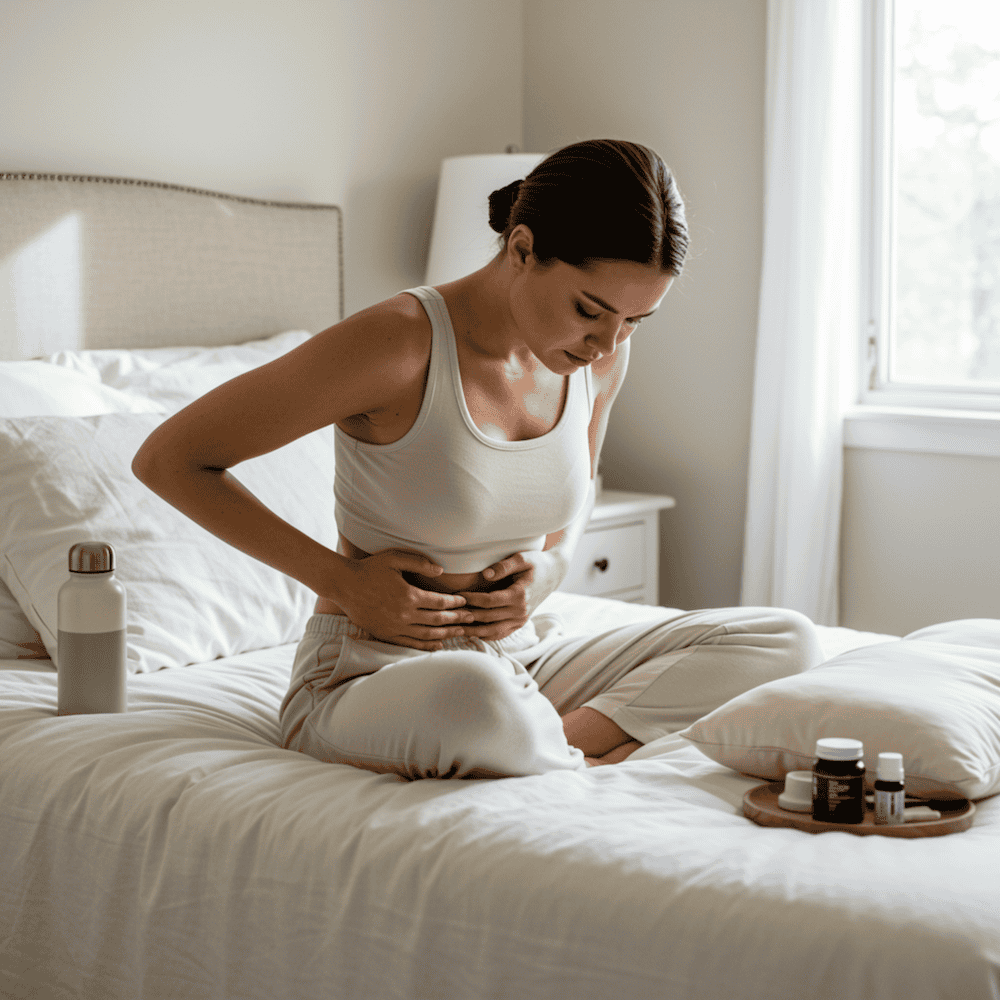

Ice cream, chocolate, cheese… all delicious treats that many of us love! You may have heard that going dairy-free could help alleviate your Polycystic Ovary Syndrome (PCOS) symptoms, but the idea of drastically changing your diet and eliminating foods that bring you enjoyment almost doesn’t sound worth the sacrifice.
So instead of telling you everything possibly damaging about dairy consumption when you have PCOS, I’m going to give you solutions, tips and ideas for creating incremental positive change in your life, alleviating the symptoms of PCOS, and enjoying your favorite foods at the same time.
Could going dairy-free help heal PCOS symptoms?
There is no cure for PCOS, and the word “heal” can be misleading. However, going dairy-free can reduce and even reverse your symptoms via decreased inflammation, weight loss, improved insulin sensitivity, and reduced testosterone! And PCOS-friendly meals can be just as delicious and nutritious, I promise!
Please note that this blog post is not a substitute for official medical advice. If you are concerned about your symptoms, suspect you have an underlying health condition, or wish to make dietary/lifestyle changes, please consult your doctor first.
Dairy: Can I never have it again?
Cheese, ice cream, chocolate… can I never have them again?!
Not true, Cyster!
If you’ve seen any of our content before, you’ll know that I’m a big advocate for trying dairy and gluten-free anti-inflammatory diets for at least 30 days and reintroducing it back to see if you have a sensitivity to them.
“But why dairy?”
Dairy is just one of those food groups that can have an impact on our insulin levels and inflammation, two root causes of PCOS that we want to keep in control.
Does dairy affect gut health?
Milk is known to support the rapid growth of baby mammals, providing essential nutrients and hormones to help them thrive. While it’s incredibly nourishing in that context, some of these growth-stimulating properties may not be ideal for women with PCOS, who often already struggle with hormone imbalances and metabolic challenges.
Hormones in dairy foods, like insulin and A1-casein, trigger metabolic reactions that make us “grow” and gain weight. A1-casein, an inflammatory protein in dairy, converts to casomorphin, which acts on your brain’s opiate receptors, making you feel literally addicted to cheese! It can even cause symptoms like brain fog and fatigue.
So if you’re trying to cut down your dairy intake and you’re finding it to be a bit difficult to kick that craving, just know that it’s not your fault. The cheese is playing tricks on you!
Does all dairy cause inflammation?
In short, yes! As mentioned earlier, dairy contains a protein called A1-casein. This protein is not only known to cause inflammation but is also hard to digest and excrete. Studies show that A1-casein has also been shown to be an inflammatory trigger for endometriosis too!
Inflammation, one of the 4 types of PCOS, impairs insulin sensitivity. Not only can the A1-casein in dairy affect our level of inflammation, but it also leads to insulin resistance. As a result, the insulin hormone isn’t able to function properly.
It plays a huge role in PCOS weight loss and signaling ovulation. When we have too much insulin in our bloodstream, it can trigger high testosterone in our ovaries, which might lead us to miss periods and affect our ability to ovulate.
Easy ways to try going dairy-free
I can’t say I haven’t touched a single piece of dairy for 10 years (I’ll have cheese about once a month or so because it’s all about balance)… but I am predominantly dairy-free (and so are many of the women in The Cysterhood!)
After 30 days of cutting out dairy, myself and our Cysters have noticed…
A huge improvement in acne (especially cystic acne!)
A decrease in bloating and belly inflammation
Less fatigue, brain fog, and cravings
Losing weight!
Not only can we lose weight by cutting out dairy and keeping insulin levels low, but we can also reduce our cravings. High insulin levels throughout the day, which dairy can trigger, can lead to intense cravings!
Insulin is a hormone that’s produced by the pancreas, a gland in the abdomen responsible for digestion and blood sugar regulation. Believe it or not, dairy affects our insulin levels as much as bread. Even just a small cup of yogurt can spike your insulin levels as high as a piece of bread (but don’t worry, there are alternatives we can substitute these for!)
It may be tempting to swap dairy products for alternatives like skim milk, but this still has a high insulin index. We know too well that high insulin is both a symptom and a driver of PCOS. High insulin foods can exacerbate insulin resistance – the inability to respond quickly to the hormone, causing glucose to build up in the blood and change the way the body deals with sugar. This is why PCOS Cysters have an increased risk of developing more serious inflammatory conditions like type 2 diabetes and obesity.
What’s more, cheese and chocolate can be high in saturated fats, which can exacerbate weight gain issues, high blood pressure, and high cholesterol levels in PCOS Cysters.
“So, does the type of dairy matter?”
You may be asking if it matters if you’re eating full-fat dairy products, low-fat dairy products, fat-free dairy products, or high-fat dairy products, and the truth is, it really doesn’t matter. In fact, low-fat dairy products have more lactose and sugar than high-fat dairy products! Plus, the lack of fat it makes it take longer to digest. That’s why a lot of people with lactose intolerance can still handle things like butter and heavy cream.
This is why it’s better to seek out dairy alternatives instead while doing your dairy-free diet! And, as you start reintroducing dairy products to see if you have a tolerance issue, don’t go to fat-free options thinking they’ll be easier to handle. High-fat and full-fat dairy products may actually be a better option.
“But how am I supposed to find my sources of calcium now?”
GF/DF Orange Creamsicle from the recipes in The Cysterhood
Contrary to popular belief, plenty of foods are rich in calcium, and many don’t contain dairy. Here are a few calcium-rich foods to integrate into your diet if you’re cutting out dairy:
In just 30 days it provides you with an easy-to-follow, step-by-step plan with cooking videos, shopping lists, and an e-cookbook for PCOS Weight Loss! Plus, you have unlimited access which means you can repeat the plan as many times as you’d like.
If you’re struggling to come up with gluten and dairy-free meals, we’ll show you our fave weeknight meal prep for meals that take less than 30 minutes!
If you’re a beginner when it comes to cooking and you don’t know where to start, we’ll show you how to select PCOS-friendly ingredients to stock up your pantry
Going dairy-free can be a smart choice for Cysters looking to ease PCOS symptoms!
Diets can feel restrictive, but they shouldn’t be! Eating a balanced diet should be a sustainable long-term lifestyle change that supports your health goals. If you’re someone with PCOS your goals probably involve weight loss and symptom management, and a gluten- and dairy-free anti-inflammatory diet can be to getting where you want to go. For tons of delicious PCOS-friendly recipes and meal plans, download The Cysterhood app. It’s the best resource out there for making intentional lifestyle changes to heal PCOS and reverse symptoms. Let’s do this!
Living with Polycystic ovary syndrome (PCOS) can feel like a constant battle of symptoms and confusion. From irregular periods, infertility, hirsutism, acne, weight gain, fatigue, mood swings, pelvic pain, and plenty more—being a Cyster is no small feat. And with no official “cure” for PCOS, so many of us are left to manage symptoms with medications that often come with their own side effects… or worse, no relief at all.
But here’s the good news: reversing PCOS symptoms naturally is possible—and it starts with getting to the root causes of our symptoms, not just covering them up. That’s where a holistic approach comes in. By targeting hormonal imbalances, insulin resistance, and chronic inflammation through small, intentional lifestyle shifts, you can find real, lasting relief.
I know this journey can feel overwhelming at first (especially if your to-do list starts looking more like a scroll), but don’t worry—you’re not alone. Healing starts with just one step at a time. In this post, I’ll walk you through how to support your body, mind, and soul with holistic strategies that actually work for women with PCOS. Let’s get into it, Cyster!
Holistic Treatment For PCOS: Heal Your Mind, Body, and Soul
In this post, I’ll offer an overview of some lifestyle changes you might like to try to help your mind, body, and soul support your PCOS journey. If you want to get a deeper understanding of any of these topics, you can find in-depth breakdowns of most of these tips on the PCOS Weight Loss blog and on A Cyster and Her Mister Podcast!
What Are Holistic Treatments?
Holistic treatments are approaches to health and wellness that take the “whole person” into account. Rather than just masking surface-level symptoms, holistic treatments identify and target underlying issues that are causing those side effects. Basically, holistic healing methods address everything to restore full balance to your life . . . without unnecessary drugs or surgeries. Instead, lifestyle changes are the most important tools in a holistic treatment toolbox!
Why is this a good approach for women with PCOS? Well, if you are a Cyster like me, you know that the condition doesn’t just impact your weight and fertility. It affects EVERYTHING. Chronic symptoms can weigh you down, not only physically, but mentally, emotionally, and spiritually, too. Because of this, it’s so important to consider all of you when treating PCOS. Think sustainable results vs. short-term/temporary results.
Additionally, the core issues of PCOS can be complex. It’s not just one thing triggering all of your problems, but instead, it’s the vicious cycle between hormonal imbalances, chronic inflammation, and insulin resistance. When you take a targeted approach that addresses all these problems holistically, reversing your PCOS symptoms becomes not just a dream, but a reality you’re empowered to achieve with consistency and patience.
Here are my recommended lifestyle changes for holistic PCOS treatment:
What Are The Most Recommended PCOS Holistic Treatments?
Treat the Body
Establish a good healthcare team.
Here’s the thing: not all doctors are well-versed in PCOS and natural treatment methods. A lot of them will recommend hormonal birth control and “eating less, working out more”, but won’t have much guidance beyond that. It’s important to get a team of doctors around you that understand natural treatments for PCOS.
Don’t give up on finding good OBGYN, endocrinologist, dietitian, etc. that align with your goals and your approach to healing. It takes a little time, but having a solid healthcare team around you can make a big difference!
Try a gluten- and dairy-free anti-inflammatory diet.
Try going gluten- and dairy-free for 30 days and see how your body responds—seriously, it can be a game-changer. While no single diet works for everyone, many women with PCOS notice major improvements in symptoms like bloating, acne, fatigue, and weight gain after removing inflammatory foods from their routine.
I typically recommend a high-protein, low-sugar, anti-inflammatory approach that’s gluten- and dairy-free—at least to start. Why? Because gluten and dairy can trigger inflammation, disrupt gut health, and contribute to hormone imbalances—especially for women with insulin resistance (which, let’s be real, is most of us Cysters).
This isn’t about cutting foods forever. It’s about giving your body a chance to reset. Try it for 30 days, track how you feel, and go from there. We also have recipes and meal plans in The Cysterhood app to help you get started and stay on top of it!
Skip the alcohol.
While not all alcohol is loaded with carbs, it can still mess with blood sugar levels and insulin sensitivity—two major factors in managing PCOS. Plus, alcohol puts extra stress on your liver, which is already working hard to process hormones and keep things in balance.
Since one of our main goals with PCOS is restoring hormonal balance and improving metabolic health, skipping alcohol (or keeping it super occasional) can be a powerful way to support your progress. And hey—there are so many fun mocktail recipes out there now (I also put them in The Cysterhood app), you won’t even feel like you’re missing out.
Cut caffeine.
Let’s talk about caffeine and PCOS—especially if you’re running on iced coffee throughout the day. One of the main hormonal imbalances we deal with as Cysters is elevated cortisol, also known as the stress hormone. High cortisol doesn’t just affect your mood—it can worsen insulin resistance, increase inflammation, throw off your cycle, and even contribute to stubborn weight gain.
Caffeine is a stimulant that naturally raises cortisol levels—even more so if your stress hormones are already out of whack (which they often are with PCOS). While it might give you a quick energy boost, it’s often followed by a crash, leaving you more fatigued and wired-but-tired.
That’s why I recommend reducing or eliminating caffeine—especially coffee—as part of your PCOS healing journey. Going caffeine-free might sound intimidating, but so many Cysters feel more energized and less anxious when they make the switch. Try replacing it with herbal tea like spearmint tea (we’ll talk about that next!)
Drink Testosterone Relief Tea.
With PCOS, it’s super common to have imbalances in sex hormones like estrogen, progesterone, and androgens (aka male hormones like testosterone). And when testosterone levels are higher than they should be, they can show up as some of the most frustrating symptoms—like acne, hair loss, irregular periods, and weight gain.
But here’s the good news: certain herbs have been shown to naturally support hormone balance, especially when it comes to androgens. That’s exactly why I created Testosterone Relief Tea—a refreshing, soothing blend of science-backed ingredients like spearmint, nettle, cinnamon, chamomile, and more designed specifically for women with PCOS.
Sipping on this tea once or twice a day can be a simple but powerful step in your daily routine to help support healthy testosterone levels and improve symptoms over time. Plus it tastes amazing!
Use slow-weighted, meditative workouts.
The right exercises can not only help you build muscle and lose weight, but several studieshelp increase insulin sensitivity, lower inflammation, and balance several hormones! The best workouts for our PCOS bodies? Slow-weighted exercises are some of the most effective in the management of PCOS. Here’s more on how to workout for PCOS.
Improve sleep hygiene.
Sleep actually plays a big role in our body’s ability to regulate hormones and insulin levels. Because of this, prioritizing getting the best 7-10 hours of sleep possible can be game changing for PCOS healing. However, I understand that as women with PCOS, falling asleep and actually staying asleep can be two big struggles. I find that creating a nighttime, wind-down routine really helps!
Stay hydrated.
Hydration might seem basic—but it’s actually one of the most powerful ways to support your body. Every system in your body relies on water to function properly, including hormone balance, digestion, and metabolism. So if you’re looking for an easy first step in your PCOS journey, start by drinking more water—it’s a small habit with a big impact!
Remove endocrine disruptors.
Chemicals we encounter in everyday products can have a big impact on our hormone balance. This is why it’s so important to take inventory of your household products and remove common endocrine disruptors. Things like cosmetics, soaps, candles, and plastics can be FULL of hormone-disrupting chemicals, so remove potentially harmful products to help hormone balance long-term. Here’s more on how to remove PCOS endocrine disruptors.
Track your cycle.
We know tracking your cycle with PCOS can feel like a guessing game—but don’t let that stop you! Even if your periods are irregular, learning about the phases of your cycle and tracking your symptoms as best as you can is one of the most powerful ways to tune into your body. It helps you notice patterns, track improvements, and feel more in control of your PCOS journey.
Need help getting started? We’ve got a step-by-step guide on how to track your cycle even with irregular periods—so you don’t have to do it alone.
Try acupuncture.
Acupuncture has been shown to help regulate hormones, improve insulin sensitivity, reduce stress, and more. There are so many acupuncture benefits for PCOS! Every couple months I’ll set up an appointment for myself, too.
Take strategic supplements.
Nutrition is one of the most powerful tools we have for supporting PCOS symptom relief. But even with a balanced, intentional diet, it can be tough to meet all your daily nutrient needs—especially when PCOS increases your risk of certain deficiencies.
That’s where high-quality, NSF-certified supplements can really make a difference. They help fill in those nutritional gaps that might be holding you back from progress—and many Cysters find they experience noticeable symptom relief with consistent use (and without harsh side effects).
Below are some of the thoughtfully selected supplements we offer through Ovafit, designed to support hormone balance, insulin sensitivity, and overall metabolic health. Here are some supplements you should consider:
You can find most of these supplements specially formulated for PCOS from Ovafit, my line of NSF-certified vitamins and minerals made just for Cysters!
Treat the Mind
Reduce stress.
High cortisol (your body’s main stress hormone) is one of the biggest drivers of PCOS symptoms—and it’s often overlooked. When we stay in “fight or flight” mode too long, our hormones can fall further out of balance, inflammation flares up, insulin resistance worsens, and everything from cravings to fatigue gets harder to manage.
But here’s the empowering part: You can take small, intentional steps to calm your nervous system and lower cortisol throughout the day.
This doesn’t have to mean booking a spa day (although, yes please!). Stress relief can look like deep belly breathing, saying “no” to things that drain you, stepping outside for sunshine and fresh air, or journaling a few lines of gratitude. Even switching your workout from high-intensity to a slow weighted session can help lower stress hormones and support healing.
Stress management is one of the most underrated tools in your PCOS toolkit—and your future self will thank you for making it a priority.
Practice self-care.
Speaking of stress reduction, self-care is a big part of that! Taking better care of your mind can have a whole-body healing effect that’s crucial to holistic healing. If you’re not sure what self-care steps to take, here are my ideas and recommendations.
Try meditation and breathwork.
Meditation and breathwork can be powerful (and free!) tools for managing PCOS. Just a few minutes a day can ease stress, improve sleep, regulate moods, boost mental clarity, and even help you feel more connected to your body.
That last part is so important. When you’re on a healing journey with PCOS, it’s easy to miss subtle changes—like better digestion, more stable energy, or fewer cravings. But mindfulness helps you tune in and celebrate those wins! It doesn’t have to be fancy to be effective. Just start where you are, even if that’s one mindful breath at a time.
Journal daily.
Journaling isn’t just for venting (though that helps too!)—it can actually be a powerful tool for your PCOS journey. Writing things down can help you track what’s working—like new supplements, changes in your meals, or habits you’re trying—so you can better understand what’s supporting your body and what’s not. This makes it easier to build a sustainable plan that actually works for your unique PCOS type and symptoms.
Plus, it’s a great way to celebrate wins (even small ones!) and process frustrations with more self-compassion. Healing can be emotional, and journaling gives you space to reflect, reset, and stay connected to your goals—especially on hard days.
You don’t need to write a novel! Just a few notes a day can be enough to help you stay motivated and in tune with your body.
Be mindful of your goals.
I see so many Cysters whose goal is to see a certain number on the scale—but there is so much more to PCOS healing than weight loss! Consider setting goals that take the whole body into account. Some of our symptoms tend to reverse first before we see movement on the scale, however these are still signs that you are on the right track of targetting your root causes.
Meet with a mindset coach.
PCOS can really drag you down, killing your mood and motivation. If you feel like you can’t make progress because you can’t stay focused on your goals, consider finding a mindset coach to support you through the process!
Treat the Spirit
Get to the core of your “why.”
Understanding your why is essential to holistic treatment of PCOS. When you know why you want something, staying committed to the process is a whole lot easier. So, ask yourself, why do you want to get better? Keep that why close to your heart all the time.
Create daily routines to feel grounded.
When you have PCOS, you can feel totally out of control. Your body is constantly dysregulated, causing stress on the mind and spirit too, right? This is why I recommend establishing daily routines to help you feel grounded and in command of your body. I have a strict morning routine and evening routine that remind me I am empowered to heal on my own. You have this power too, so use your own routines to remind yourself you can do this!
Get out in nature.
Nature is healing. Of course, it’s been proven that getting outside can help with hormone balance and other aspects of physical health, but we all know how the sun can also help restore our mind and spirit! An easy eay to implement this is by taking 10 minute walks outside after your meals. It’s great for insulin sensitivity and our minds– a double win!
Say or write positive affirmations.
Keep yourself grounded and grateful with positive affirmations. They can be really helpful in reminding you of everything that’s going well in your treatment process.
Consider therapy.
PCOS can take a serious toll on your mental health. Not only are hormonal imbalances directly dragging down your mood, but the physical, mental, and emotional toll of all the symptoms can be devastating to your spirit. There’s no shame in seeing a therapist! They’ll be able to support your mental well-being while you work on the physical.
Find a strong support group.
It’s so important to remember you’re not alone as you’re not alone as you embark on holistic healing. Luckily, there are hundreds of women like you ready to root for you, educate you, and encourage you right now on The Cysterhood app. It’s a digital space for women with PCOS to find support, while also getting essential resources like PCOS-friendly workouts, meal plans, and more! Plus you get to chat with me and other Cysters as we go through our PCOS journeys! Join us and we can help you every step of the way!
One way to reverse PCOS is with a holistic approach that targets the mind, body, and soul.
You’re more than your physical well-being. True wellness takes everything into account, including the mind and spirit.
We already know how mental and emotional states of stress or despair can actually have an impact on the physical body, which is why it just makes sense that PCOS treatment of any kind should involve a whole-body approach. With these holistic lifestyle changes, you can heal and finally live symptom-free with PCOS. Be sure to check out the rest of our blogs for more guidance on your PCOS journey!
You’re not alone. Research shows that when someone publicly shares their goals, they have around a 65% chance of success. However, having a specific accountability partner boosts that chance to 95%!
A great place to share your goals is with us! Follow us on the ‘gram and tag us in a story declaring your new goal or you can hop in The Cysterhood and share with women just like you.
You feel like you want your body and metabolism to just work, right? But trying to lose weight with PCOS can be incredibly frustrating with conventional tactics. Trust me, I’ve dedicated over 10 years to my own research and become a Registered Dietitian to find the method that has now worked for thousands of women, including myself.
With PCOS Weight Loss, not only is there the pressure of wanting to look and feel good but there are the long-term health implications of PCOS to think about. Of course, we all want to be able to eat without gaining weight immediately, bloating or making our PCOS-related symptoms worse.
Add to that the fact that most doctors just tell us to ‘lose weight’… it’s no wonder we are left feeling demotivated, confused, and fatigued.
5 Ways to Shift Your Mindset to Healthy Eating
Losing weight and keeping it off starts with your mindset.
There are plenty of tools and mindset tweaks we can make to ensure we’re able to lose weight and keep it off. Here are a few…
Stop thinking of a new healthy lifestyle as a ‘diet’
Diets make us feel like we’re doing one thing and one thing only… restricting calories! That’s the last thing we need to do with PCOS. We need to be nourishing our hormones with foods that promote balance, stable blood sugar, and anti-inflammatory components.
If we’re cutting calories, it’s so easy to fall ‘off the wagon’ or feel like we’ve failed. The strict parameters and heavy focus on the scale are not a long-term mindset for PCOS Weight Loss. What we’re looking for is a lifestyle change. That’s when the focus shifts towards how we feel. You ask yourself, can I do this forever? Do I feel good?
For example, let’s say you tried going gluten and dairy free. If you find that this has led to weight loss and a decrease in acne, bloating, fatigue and low mood…it’s a lot easier to stick to long-term! The focus shifts from what you’re missing out on, to what you’re doing to maintain balance and feel good.
Think long term
Diets are often used as a ‘hit it and quit it’ fix before a vacation or special event. But for those with PCOS, that type of fluctuation is not good for our body. PCOS is a lifelong condition, so we must find something that works for us long-term.
For example, we teach (inside ourapp, The Cysterhood) how going gluten and dairy-free could improve PCOS symptoms… but we don’t expect you to do it overnight! Instead, we set small, manageable goals and support you month-to-month to move closer towards them. Whether that’s trying a new recipe or switching to a new plant-based milk, we’re here to help you see if this lifestyle is right for you and show you how you can stick with it for a lifetime.
Diets are plagued by cravings because you could be quite suddenly depriving yourself of something you love, or are used to having, and that can often lead to binge eating. If this is something you struggle with, consider working with a dietitian one-on-one before diving into the gluten and dairy free lifestyle.
Cravings are more prevalent for PCOS women because of insulin resistance. It takes a bit of time, but your lifestyle changes can kick cravings to the curb for good and ensure your body and mind are supported to deal with them before they strike!
For example, you may have heard a high-carb diet isn’t recommended for PCOS. But cutting out all carbs overnight? That can lead to some monster cravings! In The Cysterhood, we recommend easing into discovering your unique carb tolerance. And if you need support in the process, which most of us do, try a supplement like Ovasitol to ease those cravings whilst supporting your reproductive health.
Measure success beyond the scale.
When you start eating healthy, it’s really easy to only be paying attention to the numbers on the scale. Weight loss may be your primary goal, but I’d challenge you to think outside that objective. Instead, consider what PCOS symptoms you want to reverse: energy levels, mood, cycle regularity, skin health, fertility—this list goes on! Things I looked at instead of the scale were inches around my body, how my clothes were fitting, and the changes in my energy throughout the day.
Jot all those things down and map improvements in all those symptoms. Can you also keep track of your weight? Sure, but seeing the big picture of your progress will remind you that healthy eating isn’t just about going down a pant size. It’s about healing!
Get accountability and support
A lifestyle change is a much bigger transformation than a simple ‘diet’ can offer. It requires support and accountability to stick to it, overcome self-limiting beliefs, and see results. When it comes to PCOS, you’ll want to be surrounded by women who understand our unique struggle.
That’s why we’ve created The Cysterhood, the largest community of PCOS women learning to reverse their symptoms and lose weight.
Not only do you get access to tons of gluten and dairy free recipes, but you’ll also be welcomed in our private group with thousands of incredible women who are going through the same changes you are (plus you get to chat with me there)!
If you’re ready to feel good for good, then let us welcome you in!
Polycystic ovary syndrome (PCOS) is one of the most common hormonal conditions affecting women today, yet so many of us are left with more questions than answers when we’re first diagnosed. Doctors often recommend birth control, weight loss, or metformin—but those don’t always get to the root cause of our symptoms. That’s why so many Cysters turn to natural strategies to manage (and even reverse) their symptoms, like balancing blood sugar, managing stress, and using herbs to support their hormones.
One popular herb in the PCOS world? Ashwagandha. It’s best known for reducing stress and balancing cortisol, which can be super helpful for women with PCOS-related fatigue, anxiety, and insulin resistance.
But here’s the thing: ashwagandha isn’t the best herb for every Cyster. While it has some potential benefits, it can also increase testosterone levels, which could make symptoms like acne, hair thinning, and hirsutism (unwanted hair growth) worse instead of better.
So, should you add ashwagandha to your PCOS healing routine? Let’s break down the pros and cons so you can decide if it’s the right fit for you!
Ashwagandha and PCOS: Is It Helpful or Harmful?
What Is Ashwagandha?
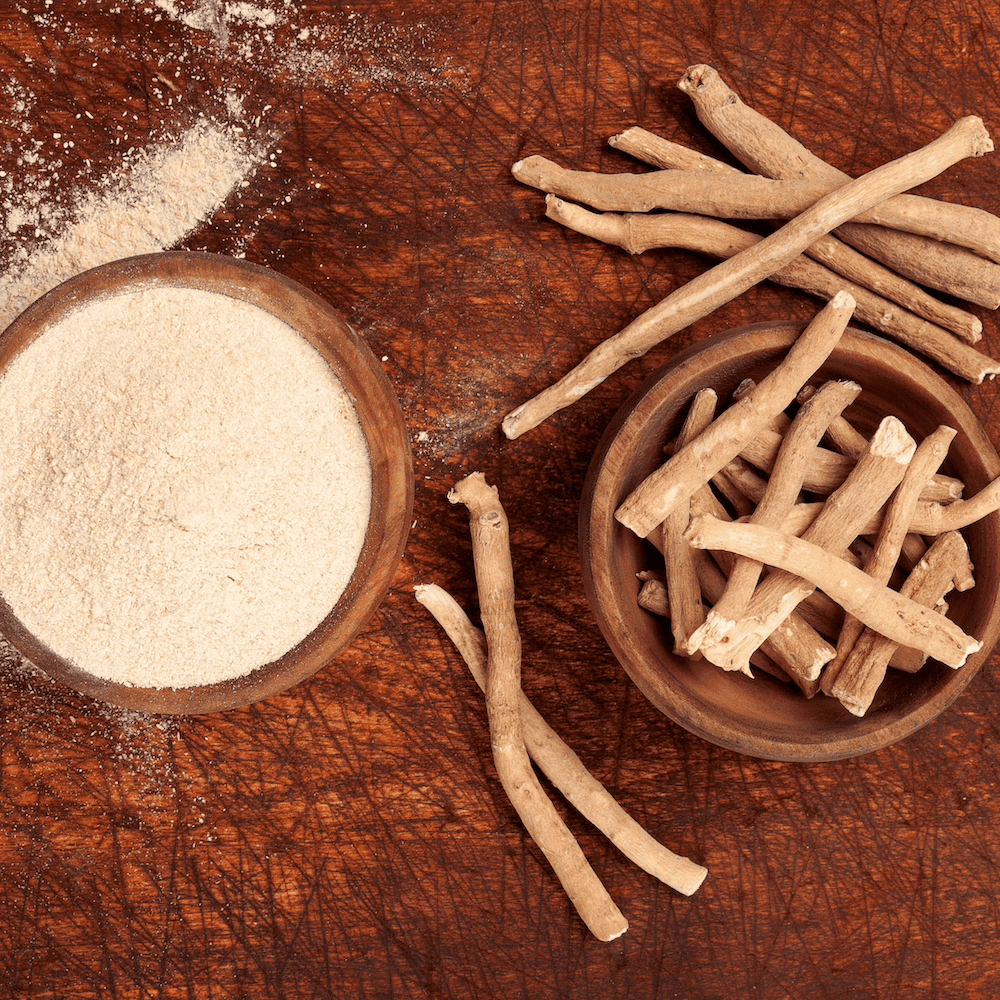
Ashwagandha (Withania somnifera) is an adaptogenic herb also known as Indian ginseng or winter cherry. It’s often used in Ayurvedic medicine, which is an Indian medical strategy that focuses on health and well-being. Ashwagandha is widely used because it includes SO many bioactive compounds that make it beneficial for a variety of ailments!
Here are some:
Withanolides – Anti-inflammatory and anti-stress
Alkaloids – Anti-inflammatory and pain-relief
Saponins – Antioxidant and immune system support
Flavonoids – Antioxidant
Choline – Brain and nervous system support
Tannins – Anti-inflammatory and antimicrobial
Iron – Energy and metabolic health
Is Ashwagandha Good For PCOS?
It depends. While ashwagandha can be helpful for some Cysters, it’s not the best fit for everyone.
Ashwagandha is best known for its ability to reduce stress and lower cortisol levels, which can be super beneficial if you struggle with adrenal fatigue, insulin resistance, or chronic inflammation—all of which are common in PCOS. Some research also suggests it may support thyroid function, which could be helpful for Cysters with thyroid-driven PCOS.
However, there’s a big catch—ashwagandha may also increase testosterone levels in some women, which can make symptoms like acne, hair loss, and hirsutism (unwanted hair growth) worse instead of better. Since many women with PCOS already have elevated androgens, this is something to keep in mind before adding ashwagandha to your routine.
So, is ashwagandha good for PCOS? It depends on your unique hormone profile! If stress is your biggest trigger, it might be a helpful tool. But if you’re already dealing with high testosterone, you may want to try other PCOS-friendly herbs instead.
What Dose of Ashwagandha for PCOS?
Most research suggests you try 300-600 mg per day of ashwagandha root extract, split into two doses. Of course, talk to your doctor about it before you start taking it! And, if you both decide ashwagandha is right for you, make sure the supplement you purchase is PCOS-friendly and NSF-certified.
What Are The Benefits Of Ashwagandha For PCOS?
Pro: Helps Reduce Stress and Anxiety
Stress is more than just a feeling—chronic stress levels are a huge driver of PCOS symptoms. When you’re constantly dealing with high cortisol levels, it can lead to blood sugar spikes, insulin resistance, poor sleep, digestive issues, and even worsened hormonal imbalances. That’s why managing stress isn’t just about feeling better—it’s essential for healing PCOS at the root.
This is where ashwagandha shines! It’s an adaptogen, meaning it helps the body adapt to stress by balancing the HPA (hypothalamic-pituitary-adrenal) axis, which controls your stress response. Studies show that ashwagandha can lower cortisol levels, support serotonin and GABA activity (your brain’s “calm and happy” chemicals), and promote relaxation—all of which reduces anxiety, improves mood, and betters sleep long term.
If you struggle with adrenal-driven PCOS, chronic stress, or burnout, ashwagandha might be a helpful addition to your routine. Just keep in mind that lowering stress is only one piece of the puzzle—supporting blood sugar regulation, eating nourishing meals, and getting gentle movement in all work together to bring your hormones back into balance!
Con: Increases Testosterone Levels
One of the biggest hormone imbalances in PCOS is elevated androgens (male hormones like testosterone), which can lead to frustrating symptoms like irregular periods, acne, hair loss, and hirsutism (unwanted hair growth on the face and body). While some herbs are great for naturally lowering androgens, ashwagandha might actually do the opposite.
Researchers have performed most studies on ashwagandha’s effects on men, where data showed the herb significantly increased testosterone levels. While there’s little research confirming this effect in women, it’s something to keep in mind—especially if you have PCOS, since our hormone levels tend to be extra sensitive.
If you already struggle with high androgens, adding ashwagandha to your routine could potentially make symptoms like acne, hair loss, and irregular cycles worse. That being said, hormone balance is complex, and every body reacts differently! If you’re considering ashwagandha, it’s a good idea to track your symptoms and listen to your body to see how it affects you. And if lowering testosterone is your goal, herbs like spearmint may be more beneficial options.
Pro: Regulates Thyroid Hormones
Hypothyroidism and thyroid disorders is really common with PCOS. In fact, about 25-40% of women with PCOS have some kind of thyroid dysfunction. Basically, it’s when your thyroid gland doesn’t produce enough T3 and T4 hormones to support metabolism, energy, and other essential body functions. It’s another contributor to PCOS fatigue, weight gain, hair loss, mood issues, and more.
The withanolides in ashwagandha have been shown to stimulate the production of T3 and T4! And the anti-inflammatory and antioxidant properties of ashwagandha can protect the thyroid cells from autoimmune and oxidative stress damage, supporting overall thyroid health! If you have hypothyroidism, Hashimoto’s, or other thyroid-related health conditions, be sure to talk to your doctor first if you’re interested in ashwagandha, as it may interfere with your medications.
Con: May Interfere with Medications
If you take medication for PCOS-related issues like insulin resistance, thyroid dysfunction, or high blood pressure, you’ll want to be extra cautious with ashwagandha. This herb can interact with several common medications, potentially altering their effects or making them too strong.
Insulin Resistance & Diabetes Medications: Ashwagandha may lower blood sugar levels, which could enhance the effects of medications like metformin or other diabetes drugs. While this might sound beneficial, it can actually lead to blood sugar dropping too low (hypoglycemia), causing dizziness, fatigue, and shakiness.
Thyroid Medications: As mentioned earlier, some research suggests ashwagandha can stimulate thyroid hormone production, which could interfere with medications for hypothyroidism (like levothyroxine). Monitor your side effects closely and ensure you communicate any changes with your doctor.
Blood Pressure Medications: Some research suggests that ashwagandha can lower blood pressure. So taking it alongside blood pressure-lowering medications could cause levels to drop too low, leading to dizziness, fainting, or weakness.
Because PCOS is a condition that already affects multiple systems in the body, adding a new supplement like ashwagandha should always be done with caution. If you’re currently on medication, it’s best to consult your doctor before adding ashwagandha to your routine to ensure it won’t interfere with your treatment plan.
Pro: Improves Sleep
Getting enough sleep isn’t just about feeling rested—it’s essential for hormone balance, metabolism, and overall health. But if you have PCOS, you’ve probably noticed that quality sleep can feel impossible. Women with PCOS are more likely to struggle with insomnia, restless sleep, and even sleep apnea due to hormone imbalances, high cortisol levels, and blood sugar fluctuations. And when sleep is off? Everything gets worse. But good sleep can make all the difference: It can help improve insulin sensitivity, reduce inflammation, and balance hormones for whole-body relief.
Building a solid nighttime routine is key—things like setting a consistent bedtime, getting natural sunlight during the day, and avoiding blue light before bed all help. But if you need extra support, ashwagandha may help! This adaptogenic herb not only lowers stress, can also promote relaxation for more restful sleep. Although ashwagandha is not part of my own sleep routine, I wanted to share this information in case it is helpful for your routine.
Can Ashwagandha Cause Heavy Periods?
Ashwagandha doesn’t normally cause heavy periods. In fact, its effects on cortisol and overall hormone balance can often be supportive. However, if you haven’t been ovulating regularly, the first few periods after starting ashwagandha may feel heavier than usual. This can happen as your body begins to regulate and sheds a buildup of uterine lining from previous cycles.
Trust the process, but definitely contact your doctor if you’re:
Ashwagandha can help with acne by reducing inflammation and supporting hormone balance. Why does thai work? Because ashwagandha supplementation can directly reduce cortisol levels. Cortisol is your stress hormone, and when it’s elevated, it can trigger a chain reaction in the body, increasing insulin resistance, inflammation, and androgen levels.
Those last two are big ones. High androgens boost oil production throughout the body, leading to hormonal acne. Then inflammation steps in, triggering irritation and redness. By helping regulate cortisol levels, ashwagandha can interrupt that cycle and support calmer, clearer skin.
Can Ashwagandha Cause Hair Loss?
Ashwagandha doesn’t typically cause hair loss. In fact, its ability to lower cortisol and reduce inflammation can actually support healthier hair growth. However, in some cases, ashwagandha may increase androgen levels, which can contribute to hair thinning or shedding, especially if you’re already dealing with hormonal imbalances like PCOS.
If your hair loss is primarily stress-related, ashwagandha may be incredibly helpful. But if it’s driven by high androgens, it could potentially make things worse. Pay attention to how your body responds. If you notice increased shedding after starting it, it may not be the best fit for you.
How To Take Ashwagandha For PCOS
Although I don’t take ashwagandha myself, if you’re considering adding ashwagandha to your routine, I can’t stress enough how important it is to find a high-quality, third-party tested supplement to ensure purity and potency. Most studies on ashwagandha use doses between 300-600 mg per day, but the right amount can vary based on individual needs.
Because ashwagandha can interact with medications and affect hormone levels, it’s best to check with your doctor before adding it to your routine—especially if you’re managing PCOS-related conditions like insulin resistance, thyroid imbalances, or high cortisol.
Ashwagandha is not for everyone, so be your own best health advocate!
Remember that there is no magic pill or herb to get rid of our PCOS symptoms. But also remember that everyone’s PCOS journey is different (it isn’t one-size-fits-all!) However, by trusting the process, listening to your body, and doing the research, it is possible to find the lifestyle that works uniquely for your PCOS body in order to manage (and even reverse) your symptoms. When combined with the right nutrition, slow weighted workouts, high-quality supplements, and stress management…herbs can also be helpful for your PCOS journey! We’re here to help you every step of the way.
You can find more resources and support on The Cysterhood app. Download it today to get everything you need to start thriving with PCOS!
Polycystic ovary syndrome (PCOS) is a disorder that affects a woman’s hormone balance. It’s a chronic condition that mostly impacts those of reproductive age and it’s mostly known for its negative impact on fertility and menstrual cycles, however, PCOS affects lots of other things too. Cysters often live daily with other PCOS symptoms like weight gain, digestive problems, acne, excess body hair, sleeping issues, lowered immunity, and more.
Despite the fact PCOS’s grip on a Cyster’s health, there isn’t a cure yet for polycystic ovarian syndrome. However, there are medications and natural treatments that can help you reduce symptoms and actually reverse your PCOS. Research-backed supplements can have a big influence on your polycystic ovarian syndrome healing goals, and one of those often considered for PCOS is berberine!
Today, I’m dedicating my post to berberine and how it could have a role in your healing journey!
Berberine for PCOS
There are three main supplements and medications that are used to help women with PCOS. Inositol (natural supplement), berberine (natural supplement), and metformin (medication) are all effective forms of symptom management for Cysters everywhere! I have other posts detailing my opinions on inositol (my favorite form of treatment for PCOS) and metformin (not my favorite), but I haven’t discussed berberine much outside of this podcast episode. Here’s what berberine can do for your PCOS:
What Does Berberine Do for PCOS?
Berberine is a natural supplement that can have profound positive impacts on a Cyster’s health. Because it’s natural, it doesn’t have harsh side effects, yet it has several big benefits for PCOS bodies. You’ll likely see significant improvements in insulin sensitivity, gut health, weight loss, hormone balance, and long-term risk factors. These are the details:
Benefits of Berberine for PCOS
Improves insulin sensitivity.
Berberine has been shown in many studies and clinical trials to be a potent insulin sensitizer. Since up to 70% of women with PCOS struggle with insulin resistance, this is an important area for improvement. Insulin resistance’s effect on blood sugar and hormones can lead to weight gain, cravings, headaches, chronic infections, hormone imbalances, dark patches of skin, and more. However, berberine promotes insulin receptor activity, which has a big insulin sensitizing effect! It also supports weight management in women with PCOS by promoting AMP-activated protein kinase (AMPK), a key enzyme that increases insulin sensitivity and metabolic function.
Balances cholesterol.
Berberine can also balance a Cyster’s lipid profile by reducing triglycerides and LDL (bad cholesterol) levels and by increasing HDL (good cholesterol) levels. It impacts all types of cholesterol in the right ways! Berberine does this activating that AMPK enzyme, preventing lipid synthesis in the liver, increasing LDL receptor expression, and regulation gut health.
Lowers blood pressure.
Though more studies need to be conducted, early research suggests that berberine can help lower blood pressure. It does this by aiding in relaxing your vascular muscles for better flow and reduced pressure. This is important for women with PCOS who often have higher blood pressure due to metabolic dysfunction. This puts Cysters at a greater risk of cardiovasuclar issues, including hypertension.
Reduces the risk of heart disease.
Spreaking of cardiovascular disease, berberine can help with that too. This is because of berberine’s effect on insulin sensitivity, lipid profiles, and blood pressure. Many of the benefits of berberine are similar to that of metformin. However, berberine doesn’t have the side effects of the synthetic drug and studies find that berberine actually does a much better job reducing your risk of cardiovascular disease!
Betters gut health.
As I mentioned earlier, gut health can be a PCOS challenge. And, gut health doesn’t only affect your digestion, but it impacts your whole body and mind. Research has even shown that poor gut health can lead to brain fog, anxiety, depression, and other cognitive problems. Luckily, berberine has been shown to improve gut health by increasing good bacteria and strengthening your gut barrier.
Berberine can also be cancer fighting. It does this first by improving your insulin sensitivity, since sugar can actually fuel cancer cells and promote the growth of tumors. So, berberine can help prevent cancer cells from growing and invading healthy cells while also boosting breast adipose tissue to reduce the risk of breast cancer.
Decreases inflammation.
Chronic low grade inflammation can have significant effects on the body, from muscle pain and fatigue to depression and insomnia. Berberine can help reduce inflammation by blocking certain proteins and inhibiting others. Berberine also has antioxidant benefits, meaning it can reduce oxidative stress that can worsen inflammation.
Reduces androgen levels.
I like to think of berberine as a sponge that soaks up all your excess testosterone. This is really how it works! Berberine increases a sex hormone-binding globulin and cleans up free androgens in the body. Since many Cysters have high androgen levels, a reduced total testosterone level is a huge plus for berberine! (Here are more ways to lower testosterone.)
Improves weight loss.
Leptin resistance is a common reason for PCOS weight gain. Leptin is the thing that tells us we’re full and satiated. However, when leptin doesn’t alert our brain that our stomachs are full, we keep eating and having intense cravings. Berberine can improve leptin sensitivity, which has been shown to help women reduce body fat and reach their weight loss goals!
Regulates menstrual cycles and ovulation.
Menstrual irregularity is common symptom of PCOS! Not only does it impact fertility, but the lack of a routine period can worsen PMS symptoms, increase the risk of ovarian cysts, and contribute to other hormonal imbalances. Berberine helps with regularity by primarily dealing with the root issues like insulin resistance and elevated androgens. However, it can also directly help by balancing LH (luteinizing hormone) and FSH (follicle-stimulating hormone) levels, as well as promoting the transition from estrogen dominance to progesterone production, ensuring the correct phase of the menstrual cycle occurs at the right time.
This is my personal favorite supplement brand with great ingredients and an NSF-certification. It’s also allergen-free and will fit right in your PCOS diet.
The Designs for Health berberine supplement also has alpha lipoic acid, which has additional insulin sensitivity benefits. Like the others, it’s hypoallergenic and made with top quality ingredients.
This berberine supplement also has Oregon grape root and goldenseal root. The focus of this supplement is intensional support. These additional ingredients can help further with digestive and skin health.
Ovafit’s Berberine Advanced is the best berberine supplement for PCOS! These 550 mg capsules are NSF-certified, vegan, non-GMO, and free of gluten, dairy, soy, artificial colors, and artificial preservatives. The supplement is also formulated using Berberine Phytosome™, a patented form of berberine that’s 10x more bioavailable. Your body absorbs it better, so you get better results, faster!
Should I Take Berberine for PCOS?
Yes! Research has investigated the effectiveness of metformin, berberine, and inositol and found both natural supplements—berberine and inositol—to be MORE effective than side-effect heavy prescription metformin. Wow! I normally recommend inositol (Ovasitol) for Cysters, because it’s been shown to be the most beneficial for PCOS; however, some people experience negative inositol side effects. So, if you’re one of those Cysters who’s tummy doesn’t take well to inositol or you want even more insulin sensitizing and hormone balancing power, berberine is seriously the next best thing! See this post to know the best time to take berberine for PCOS.
The effects of berberine are undeniably beneficial for women with PCOS!
Berberine can be a great tool for natural PCOS healing. Again, I recommend trying Ovasitol first, and seeing your reaction and improvements there. As always, talk to your doctor before taking any supplements and remember not to take berberine and inositol together.
Polycystic ovary syndrome (PCOS) is a hormonal condition that affects millions of women. Usually those with PCOS start showing early signs shortly after puberty, and the symptoms reach their peak during reproductive years. These chronic symptoms include infertility, fatigue, weight gain, headaches, excessive hair growth on the face/body, head hair loss, sleep problems, mood swings, and more!
Where do these symptoms come from? The root issues of PCOS are inflammation, insulin resistance, and, of course, hormone dysregulation! Some of the hormones that are out of whack are sex hormones like estrogen, testosterone, and progesterone. If you’re a Cyster and you’re hopeful for symptom relief and PCOS healing, you’ve probably wondered if menopause will bring an end to your chronic symptoms. It’s a great question!
So, today, I am dedicating this post to discussing how PCOS impacts menopause. We’ll get into all the details, so you know what to expect as you reach your 50s!
Does PCOS Cause Early Menopause?
No. PCOS doesn’t cause early menopause. In fact, Cysters often experience delayed menopause! However, some symptoms of menopause are similar to PCOS, so it can be easy to mistake the two. Some overlapping symptoms of PCOS and menopause are:
Irregular or Absent Periods: Menopause is usually marked when you have a full year of no periods. So, when a woman experiences amenorrhea with PCOS, it can be mistaken for menopause.
Hot Flashes: Hormonal imbalances in both PCOS and menopause can affect the hypothalamus, which is the part of the brain that regulates body temperature. This can make the body feel hot.
Mood Swings: Hormonal imbalances, insulin resistance, sleeping issues, and more can cause mood swings in PCOS. Mood issues are common with menopausal hormone changes, too!
Weight Gain: Women with PCOS struggle to lose weight due to insulin resistance. With menopause, it’s because of hormone shifts! A big drop in estrogen can lead to an increase in androgen levels and insulin resistance. This results in the accumulation of abdominal fat similar to PCOS belly.
Sleep Disturbances: That drop in estrogen (as well as a dip in progesterone) can impact sleep in menopause. Similarly, the hormone imbalances affect sleep with PCOS.
Acne and Skin Problems: Low female hormone levels is to blame for this one, too! Drops in estrogen with menopause can lead to excess oil and reduced collagen production. PCOS causes acne due to elevated androgens levels, while other skin problems with PCOS (like skin darkening and skin tags) result from insulin resistance.
How Does PCOS Affect Menopause
The hormonal imbalances of polycystic ovarian syndrome (PCOS) can affect menopause in quite a few ways. It’s a good idea for Cysters to be aware of how they may experience menopause differently before this season of life begins. Here’s what you can expect:
Cysters experience menopause later than average.
Most Cysters reach menopause later than other women. Menopause sets in for most women at around 50, but Cysters may not experience menopause for a few years after that! This is because women with PCOS have a larger ovarian reserve, which means more follicles (eggs) in the ovaries, which lengthens our reproductive lifespan. (More on this below!)
Hormones decline more gradually in perimenopause.
Women with PCOS often experience a more gradual decline in hormones during the perimenopause phase. The unpredictable hormone fluctuations caused by irregular menstrual cycles, prominent insulin resistance, and elevated levels of male hormones all contribute to a slower decline in the hormones that trigger menopause.
This means people with PCOS will have a longer perimenopause phase, which is the transitional period that leads into menopause. It usually starts in a woman’s 30s or 40s as hormones start to change. Symptoms usually include hot flashes, night sweats, mood swings, sleep disturbances, and vaginal dryness. It can be hard to spot since many of these symptoms overlap with PCOS symptoms.
Increases the risk of osteoporosis, type 2 diabetes, and cardiovascular disease.
As women transition into menopause, the risk of osteoporosis, type 2 diabetes, and cardiovascular disease naturally increases due to shifts in hormone levels. Estrogen plays a key role in bone health, so as it declines, bone density decreases—raising the risk of osteoporosis. At the same time, insulin resistance tends to worsen with age, making blood sugar management more challenging and increasing the risk of type 2 diabetes and heart disease.
For women with PCOS, these concerns are even greater. Many Cysters already struggle with high blood sugar and estrogen imbalances long before menopause, meaning these risks start earlier and can become more severe if left unaddressed. The good news? There are steps you can take now to support your long-term health, balance your hormones, and reduce your risk of complications down the road!
The symptoms of menopause can be challenging.
Because hormone levels in women with PCOS are already imbalanced, fluctuations during perimenopause and menopause just fuel the fire. This can increase your risk factors for long-term complications and make the symptoms of PCOS and menopause more complicated. You’re probably familiar with the symptoms of PCOS, but here are some common menopausal symptoms:
Vaginal Dryness
Decreased Libido
Hot Flashes
Night Sweats
Irregular Periods
Mood Changes
Sleep Disturbances
Increased Urinary Frequency
Memory Problems
Thinning Hair
Acne and Skin Texture Changes
The good news? Addressing your hormonal imbalances and the root causes of PCOS now can help ease both PCOS and menopause symptoms down the road. Making intentional lifestyle shifts—like following an anti-inflammatory gluten- and dairy-free diet, prioritizing slow-weighted workouts, improving sleep hygiene, and taking high-quality supplements for PCOS—can set you up for success. Taking these steps before menopause can help you feel your best, lower your risk of complications, and create a lifestyle where you can truly thrive with PCOS!
Your body needs all the support it can get when going through this big transition. Taking supplements is one of the best ways you can ensure all your systems have the fuel they need to function optimally. For the best results, choose a supplement brand like Ovafit that’s clean, third-party tested, highly bioavailable, and made specifically for women with PCOS.
Here’s what I recommend:
Inositol:This supports insulin sensitivity, helps maintain steadier energy, improves mood, and reduces cravings. These are all key benefits as estrogen declines and insulin resistance becomes harder to manage during menopause.
Omega-3:This reduces inflammation, supports heart health, and may ease menopausal symptoms such as mood swings and joint stiffness.
Multivitamin:This provides foundational nutrients that are often depleted during perimenopause and menopause. A good formula should include B vitamins to support energy and mood, vitamin D and K2 to maintain bone strength, vitamin E for antioxidant protection and hot-flash support, and minerals like zinc and selenium to help balance thyroid function and overall hormone health. For more, read my guide to PCOS multivitamins.
Berberine:This is a powerful insulin-sensitizing supplement that helps counter the natural rise in insulin resistance that occurs with age, supporting healthier blood sugar and metabolism.
Curcumin:This offers potent anti-inflammatory benefits that help reduce joint pain, calm systemic inflammation, and support metabolic health during hormonal transitions.
Probiotics: These help maintain a balanced gut microbiome, support digestion and immunity, and promote healthier blood sugar regulation as hormone shifts impact digestive and metabolic function. Here are the best probiotics for PCOS.
When Does Menopause Start With PCOS?
Perimenopause, the transition into menopause, starts in a woman’s late 30s or 40s. A Cyster will probably experience perimenopause later on that spectrum! Menopause itself will start at the earliest around 50, but many women with PCOS go through menopause a year or more after that.
As I mentioned earlier, women with PCOS actually have a higher number of follicles (aka eggs) in their ovarian reserve, which can extend reproductive years. This might seem surprising since PCOS is often linked to fertility struggles, but having more eggs doesn’t necessarily mean they’re maturing properly. High androgen levels (male sex hormones) can prevent eggs from fully developing, leaving many small, immature follicles. So, while Cysters may have a larger ovarian reserve, overall egg quality tends to be lower. Because of this, PCOS can sometimes delay menopause, as the body continues producing hormones for a few extra years beyond the typical timeline.
Does PCOS Go Away With Menopause?
Unfortunately, no—PCOS isn’t just a reproductive condition; it’s a metabolic one, too. So, menopause does not cure PCOS. While some symptoms, like high testosterone, may ease up after menopause (which can mean less acne, hair loss, or excess facial and body hair), other issues like insulin resistance and inflammation don’t just disappear on their own. In fact, they can get worse if left unmanaged, leading to symptoms like high body mass index, fatigue, poor sleep, mood swings, and immune issues.
But here’s the good news: even though PCOS doesn’t go away, you can take charge of your symptoms at any stage of life! By targeting the root causes—insulin resistance, inflammation, and hormonal imbalances—you can feel your best before, during, and after menopause. Inside The Cysterhood app, we guide you through lifestyle changes designed to support your body for the long haul!
PCOS does not cause early menopause. In fact, menopause starts late for many Cysters!
If you have PCOS, approaching menopause can feel overwhelming—but it doesn’t have to be! The best thing you can do is start supporting your body now so you can step into this next chapter feeling strong, confident, and in control of your health. We’re here to help every step of the way! Stay tuned to the PCOS Weight Loss blog and A Cyster and Her Mister podcast for all the resources, expert insights, and encouragement you need. Because yes, Cyster—you can thrive with PCOS, even after menopause!
Polycystic ovary syndrome (PCOS) is a common condition that affects a woman’s reproductive hormones. Of course, because of its impact on the reproductive system, women with polycystic ovary syndrome (PCOS) often experience symptoms like infertility, ovarian cysts, pelvic pain, bloating, heavy periods, and irregular menstrual cycles.
These reproductive symptoms can be challenging for any Cyster, but especially those trying to conceive. (Here’s more on how PCOS affects pregnancy.) Imbalances of estrogen, testosterone, progesterone, and other hormones can reduce egg quality, stop ovulation, hinder implantation, disrupt sperm transport, increase miscarriage risk, and make it difficult to know when you’re pregnant at all.
Not only does the irregularity of your periods make it difficult to know when to take a pregnancy test, but many first trimester pregnancy symptoms overlap with daily PCOS symptoms. And, with all the reproductive hormone imbalances, you may be wondering if pregnancy tests are reliable at all!
So, today I’m going to discuss pregnancy tests! I’ll talk about whether or not pregnancy tests are dependable for us Cysters, when you should take one, how you should take one, and what type works best for PCOS.
PCOS And False Positive Pregnancy Tests: Causes, Myths, and Solutions
Many women with PCOS experience crazy period irregularity! This is because of imbalances of hormones like testosterone. When you have elevated androgens (male sex hormones), your ovaries don’t get the proper signaling to produce and release eggs.
Ovulation usually triggers the production of progesterone to thicken the uterine lining, which will eventually be shed during your period. But, with no ovulation, no progesterone is produced, so no period happens at all! As long as hormones remain dysregulated, periods can be super irregular or absent altogether.
We all know people usually take pregnancy tests a few days after their missed period. It’s often the first sign for women that they may be pregnant! However, a missing period isn’t abnormal to most Cysters, making it difficult to determine a good time to take a pregnancy test. And, after all, without the proper hormone production, should a woman with PCOS even trust a pregnancy test?
Let’s get into it:
How Do Pregnancy Tests Work?
Home pregnancy tests detect pregnancy by measuring a hormone called human chorionic gonadotropin (hCG). It only enters the bloodstream and your urine when your body begins developing a placenta. The pregnancy test uses antibodies that are specifically designed to bind with hCG. That way, when you pee on a test strip (or dip it into urine) it picks up on even small amounts of hCG.
A pregnancy blood test that you’d receive at the doctor also measures hCG, but it measures exact amounts of hCG. They’re also significantly more sensitive. They can confirm pregnancy at as little as 6 days after ovulation, whereas an at-home pregnancy test won’t detect hCG until closer to 12 days after ovulation.
Can PCOS Cause A False Positive Pregnancy Test?
Yes! There are rare circumstances where PCOS can cause a false positive pregnancy test. Many women with PCOS have elevated levels of luteinizing hormone (LH), which is a hormone involved with ovulation. LH is structurally similar to hCG, so low-quality tests can, in rare circumstances, struggle to distinguish between the two, offering a false positive pregnancy test.
There’s one other way PCOS can cause a false positive pregnancy test. Certain types of ovarian cysts can produce small amounts of hCG. Corpus luteum cysts, theca-lutein cysts, and luteinized unruptured follicles (LUFs) can all produce hCG in rare cases.
Is it Common with PCOS to Get a False Negative Pregnancy Test?
You may be thinking: what about false negatives? These are much more common in women in general! When women test too early (which is easy to do if you’re not sure when you last ovulated), the hCG amounts may be too low to be detected on an at-home pregnancy test. Old tests may also lose their effectiveness over time and fail to detect lower levels of hCG.
Other Reasons for False Positive Pregnancy Tests
Chemical Pregnancy
A chemical pregnancy is a very early miscarriage that occurs 6-12 days after ovulation (or before 5 weeks pregnant). Shortly after implantation, the pregnancy fails to progress due to hormone imbalances, chromosomal abnormalities, uterine issues, poor immune health, low egg quality, stress, or other factors.
Sometimes when you test, you get a positive pregnancy test from the small amount of hCG that has been released, despite the fact the pregnancy has already ended. Usually, a day or two after the false positive, you’ll get negative tests due to the hCG rapidly dropping.
Evaporation Lines
All pregnancy tests have a set time when you should read the results—most recommend somewhere between 3 and 10 minutes. If you attempt to read the test after that set reading time, it may show a false positive. This is because the urine has dried up on the test, leaving a faint, colorless streak that can be mistaken for that “second line.”
Blue dye tests tend to be more prone to evaporation lines, so use pink dye tests and toss them after they’ve read negative by the recommended reading time.
Fertility Treatments or Medications
Some Cysters undergo fertility treatments to get pregnant with PCOS. When you participate in IUI or IVF, you’ll probably be given “trigger shots” to induce ovulation. The trigger shots contain hCG, and enough of it that it can show up on a pregnancy test even before fertilization or implantation occurs.
Old, damaged, or faulty tests may not function like they’re supposed to. They’re way more likely to deliver a false negative result, but in some cases, they can cause a false positive—especially when you consider how evaporation lines could be mistaken for a positive pregnancy test!
Recent Pregnancy or Miscarriage
If you’ve recently experienced a pregnancy loss or were pregnant, your hCG levels may still be elevated. This can result in a positive pregnancy test even after the pregnancy has ended. It typically takes a few weeks for hCG to leave your system completely, but the timeline is different for everyone. If you’re navigating this, please know you’re not alone—give yourself grace, and reach out for support if you need it.
Are False Positive Pregnancy Tests Common?
No. Getting a positive result on a pregnancy test and not being pregnant is incredibly rare. These tests are designed to detect human chorionic gonadotropin (hCG). This hormone is only produced after a fertilized egg implants in the uterus.
The only time a pregnancy test would come back positive when you’re not pregnant is if you recently had a miscarriage (even if you don’t know you had one, like in the event of a chemical pregnancy). Or, if you read a pregnancy test after the recommended time window laid out in the instruction manual, it may appear positive. This happens because the urine has dried and an evaporation line has formed.
Can a UTI Cause a False Positive Pregnancy Test?
No. There’s no reason a urinary tract infection (UTI) would cause a false positive pregnancy test.
What Medications Can Cause a False Positive Pregnancy Test?
The only medications that would potentially cause a false positive pregnancy test are certain fertility medications. Before IVF or IUI, women often receive an hCG trigger shot, which can make a pregnancy test appear positive. Because of this, fertility doctors will tell you the exact date you should test for pregnancy after your injection to ensure you’re getting an accurate result.
When To Take A Pregnancy Test With PCOS
The general rule is to take a pregnancy test a few days after your missed period to get accurate results but with irregular periods, you may have no idea when you’ve ovulated or “missed” your period! This is especially true if you don’t track your menstrual cycles by taking ovulation tests. (Here’s more on how to track ovulation with PCOS!)
If you don’t know where you are in your cycle, pay attention to your body and identify irregular symptoms. Some PCOS symptoms and first trimester pregnancy symptoms overlap, but here are distinct pregnancy symptoms you can watch out for:
Most pregnancy tests on the market are going to give you accurate, reliable results despite PCOS! However, I recommend you get something that’s sensitive to lower levels of hCG and uses pink dyes or a digital readout to avoid evaporation lines. Here are some good options:
Digital Option:Clearblue Digital (clear readout and detects hCG at around 25 mIU/mL)
Frequent Testing: Easy@Home Pregnancy Test Strips (pink dye, detects hCG around 25 mIU/mL, and bulk quantity for trying to conceive)
How To Take a Pregnancy Test With PCOS
Step 1: Determine if it’s time to test.
Consider your symptoms, when you had sex, and where you may be in your cycle. With that information, determine the best time to test, which is going to be 12-14 days post-ovulation.
Step 2: Choose the right type of pregnancy test.
Choose a pregnancy test that uses pink dye or a digital readout. And, for the most accurate results, get an early response test.
Step 3: Take the test first thing in the morning.
Your first pee of the morning will have the highest concentration of hCG, so it’s the best time to get a reliable result!
Step 4: Wait 3-10 minutes to read the results.
Follow the directions on the box for reading times! Usually they’re between 3-10 minutes. Wait for the full duration to pass before interpreting the results.
Step 5: Read the results and make a plan for next steps.
Time to read the results! If the result is negative, discard the test before a potential evaporation line appears. You can make plans to test again in a few days or see your doctor for whatever unusual symptoms you’re experiencing.
If the result is positive, congratulations! It’s probably not a false positive—remember, they’re rare! However, you can continue to test over the next few days. If the lines continue to get darker, your hCG levels are rising, showing you’re definitely pregnant!
Step 6: If positive, follow-up with your doctor right away.
Once you get a positive test, follow-up with your doctor right away, even if you have fears it may be a false positive. Either way, something is going on that’s producing hCG, and that needs medical attention. As I said, false positives are rare, so chances are you’re pregnant!
Prenatal care is always important, but it’s especially important with PCOS, when certain hormonal imbalances could increase the risk of miscarriage. See your doctor as soon as possible to make plans for the healthiest pregnancy possible.
If there are any doubts you’re pregnant, your doctor will order a blood test to measure the exact levels of hCG. They may even run multiple tests over a few weeks to ensure your hCG levels are increasing as expected.
False positive pregnancy test results are rare, but are possible with PCOS!
When you have PCOS, knowing what’s happening in your body can be really difficult. There’s so much chaos, it can be easy to miss changes that are signalling you’re pregnant. That’s why it’s so important to start naturally healing your PCOS and reversing your symptoms.
Your body doesn’t have to be in a state of chaos you can bring back harmony using a gluten- and dairy-free anti-inflammatory diet, slow-weighted exercises, better sleep hygiene, the right supplements, and other intentional lifestyle changes. For preconception supplements specific for women with PCOS, be sure to check out Purely Prenatal. You can find out more on the PCOS Weight Loss blog and on The Cysterhood app. It’s time to take back control of your fertility and overall health!
Polycystic Ovary Syndrome (PCOS) is a common endocrine disorder that affects how the ovaries work. Symptoms include acne, irregular periods, mood swings, fatigue, inflammation, lack of ovulation, male pattern baldness, and weight gain.
I got diagnosed with PCOS (Polycystic Ovary Syndrome or Polycystic Ovarian Syndrome) pretty quickly, which is actually very uncommon among people with PCOS. It was right after I had a ruptured ovarian cyst, which was so painful that I ended up in the hospital! After my hospital visit, I went to the gynecologist who formally diagnosed me. Women with PCOS are often diagnosed based on whether they have ovarian cysts, however, this isn’t the only diagnostic criterion.
You need 2 out of the 3 symptoms of PCOS to be diagnosed: 1. Ovarian cysts, 2. Irregular periods, 3. Hyperandrogenism. (You can also find out through a comprehensive blood test like this one.)
I had all these symptoms, although I don’t remember being asked during my appointment. The next thing my doctor did was offer me birth control, and when I went home, I felt I had no choice but to take it. I didn’t know what it was, what was happening, or that there might be any other option. She never explained any details.
I went home, hopped on google, and found some pretty overwhelming information! So with that, I figured I should probably take that birth control she gave me. In hindsight, I feel that I should have been monitored more closely. I didn’t even know the side effects of birth control like the potential mood swings, weight gain, etc. Everyone else was on it, so I thought it would be fine. Luckily nothing serious happened, but I still had questions…what was actually going on?
By the time I went to college, I knew I wanted to study health…but how could I do that if I didn’t understand my own health? Am I healthy? Why am I on birth control? That’s when I decided to get off of it and soon enough, all of my PCOS symptoms started to spiral out of control: mood swings, weight gain, cravings, an irregular menstrual cycle, cystic acne, excess hair growth…
I decided to visit some more ObGyns and to my disappointment, they still didn’t explain in detail what was going on hormonally.
A Naturopathic Doctor For PCOS Makes All the Difference
Perhaps I wanted to know more about the “science,” while it seemed we only had time in these appointments for a band-aid “solution.” Too often, women with PCOS are encouraged to lose weight without any further nutritional guidance. Nevertheless, I kept investigating my health. (This is something I often say on Instagram, “Keep investigating your health” – it’s even a gif on Instagram Story when you type in the word “cysterhood”!)
It wasn’t until I started seeing naturopathic doctors that I finally started learning what was happening. First things first, they said to reduce inflammation, as this can exacerbate insulin resistance (which can lead to weight gain, cravings, fatigue, more hormonal imbalances, and even type 2 diabetes.) I started by cutting out gluten and dairy from my diet. In the past, I had cut out calories and carbs.
That was a miserable experience, it worsened my mood, made my cravings worse, and delayed my period even more! But cutting out gluten and dairy actually helped me feel better…my skin cleared, I was less bloated, less fatigued, and my water retention reduced significantly. I didn’t feel puffy and uncomfortable in my own skin, it was amazing progress! Don’t get me wrong, it wasn’t easy at first, but when I saw the benefits…I was all in!
Of course, my PCOS journey doesn’t end there. There are multiple components to PCOS weight loss. Although my diet was less inflammatory, I was still working out like crazy. I used to go kickboxing almost every day, sometimes twice a day! My stress hormones were running wild and it was affecting my blood sugar and carb cravings. (Here’s more on PCOS and high cortisol/stress hormone levels.)
One of my naturopathic doctors even told me I needed to “just relax!” and stop working out so much. Stop studying for hours instead of sleeping. Stop stressing and meditate more. It was the first time someone seriously sat me down and said something like that, and I listened. I swapped out kickboxing for yoga, set boundaries on when to study and when to relax, and started prioritizing my mental health. The next thing I knew, my grades were going up, my brain was less foggy, and I just felt happier.
“MY JOURNEY DOESN’T END THERE. IT WAS STILL THE BEGINNING!”
I Needed the Right Exercise and a Gluten- And Dairy-Free Diet
Once I finished college at Chapman University, I went to grad school to study nutrition. I was working as a nutritionist at a meal prep delivery company, where I would create menus and nutrition labels. It was truly the perfect job for me at the time, not only was I happy in my position but I was also getting free food! It was perfectly portioned out, which really helped me learn what a proper portion size looked like. You would be surprised what 3oz of steak looks like when it’s weighed and portioned out! It’s great to track your meals temporarily like this just to learn what portions look like.
So at this point, I’m doing yoga, eating proper portions of gluten and dairy-free foods…when suddenly I swiped right on Tinder and met Sirak, my husband, and personal trainer. Fast forward to one of our dates when we went to the gym and he taught me how to do slow workouts with weights while taking 60-second rests between each set. I was like…What?! I felt that burn and I saw definition in my body for the first time without feeling fatigued afterward and getting beat up by intense workouts.
I eventually had to move away for a few months to do my hospital rotations to get my Registered Dietitian license.
At this point, I got the workouts down, the gluten and dairy-free portion sizes, and the yoga. I was feeling good and was managing my symptoms. Later I realized that while I was working at the hospital, I was actually doing intermittent fasting too and I was walking 10,000 steps a day.
Thanks to a combination of diet and exercise, I was really slimming down! I ate 3 meals a day, with one small snack, which helped with keeping my insulin levels low. I was also doing a 12-hour intermittent fast. I walked 10,000 steps a day by going from room to room at the hospital. The combination of walking, going gluten and dairy-free, and weighted workouts…was really working out for me!
PCOS Symptoms Are a Thing of the Past
It took me so much trial and error and so many years to really narrow down what’s working for me and what’s not working for me. It also took time to adapt to these lifestyle changes. I encourage you to keep an open mind as you try new lifestyle changes and investigate your health. Listen to your body and ask yourself, “what’s working for you?”
This is my story, and I’m happy to share it with you because these suggestions can be life-changing. The method that we share is based on years of my experience while studying to become a Registered Dietitian. We have taken my knowledge of metabolism and the naturopathic approach to reverse my PCOS and created The Cysterhood where everyone can access it. We’ve seen some incredible transformations. Don’t give up on reversing your PCOS!
Heal your PCOS with the help of Sirak and me!
If you’re not sure where to start on your journey, first, download The Cysterhood app. That’s where the best PCOS-healing recipes, workouts, resources, and support are held! Beyond that, check out these posts and podcast episodes to start making your plans to reverse this difficult hormonal disorder. You can live symptom-free with PCOS!
Polycystic ovary syndrome (PCOS) is a condition that throws off hormonal balance—especially key reproductive hormones like estrogen, testosterone, and progesterone. And guess what? There’s another major life event that impacts these same hormones in a big way: pregnancy!
Because both pregnancy and PCOS can throw hormones out of balance, they share a lot of the same symptoms—making it tricky to tell the difference! This can lead some Cysters to miss the early signs of pregnancy, which may delay prenatal care, increase the risk of complications, or postpone important lifestyle changes to support a healthy pregnancy.
So, today I want to walk you through the distinct and overlapping symptoms of PCOS and pregnancy. Hopefully, this will help you better understand what’s happening in your body. That way, you’ll know when it’s time to do some PCOS symptom management and when it’s time to take a pregnancy test.
PCOS And First Trimester Pregnancy Symptoms
When most women miss a period or experience some unusual pelvic pain, pregnancy is one of the first things they consider to be the cause! However, if you’ve been diagnosed with PCOS, irregular menstrual cycles and random cramping can just be a normal Tuesday. Because of this, it’s challenging for Cysters to recognize pregnancy in the first trimester!
Here’s more on why:
Can PCOS Mimic Pregnancy Symptoms?
Yes! Many of the common symptoms of PCOS mimic first-trimester pregnancy symptoms. PCOS hormonal imbalances of estrogen, testosterone, progesterone, luteinizing hormone (LH), follicle-stimulating hormone (FSH), and insulin lead to symptoms like missed or irregular periods, fatigue, mood swings, bloating, constipation, headaches, pelvic pain, cramping, lower back pain, and weight gain. Of course, all these are also first-trimester pregnancy symptoms!
Because these symptoms are common for women with PCOS, they often don’t find out they’re pregnant until several weeks later than the average woman. Though it can be difficult, it’s a good idea to track your cycle, journal your symptoms, and be mindful of any symptom changes (even if they’re subtle). I also recommend keeping some pregnancy tests on hand to take a few days after your missed periods! That way, you can have extra confidence whether you’re dealing with PCOS or pregnancy.
Of course, if you ever experience changes in your symptoms, but your pregnancy test is negative, you can get a blood test for insight into what might be happening in your body! Here’s more on how PCOS affects pregnancy even beyond the first trimester.
What Are The Early Pregnancy Symptoms That Don’t Overlap with PCOS?
If you can’t rely on the standard tell-tale signs of pregnancy like missed periods, fatigue, mood swings, and weight gain, then how do you know when it’s time to take a pregnancy test? Luckily, not every symptom of pregnancy crossover to PCOS. So, below I’m going to break down other potential first-trimester symptoms to look out for!
Nausea and Vomiting
Here’s a common pregnancy symptom: morning sickness! This comes from the rapid increase of human chorionic gonadotropin (hCG), a hormone produced by the placenta that only happens during pregnancy. Other things that may contribute to nausea and vomiting are increased sensitivity to smells, changes in estrogen and progesterone, and blood sugar fluctuations.
Breast Tenderness
Pregnant women often experience breast tenderness as changes in estrogen, prolactin, and progesterone levels prompt the growth of milk ducts and glands! Plus, the increased blood flow to the breasts and fluid retention that comes with pregnancy can cause swollen and tender breasts.
Frequent Urination
Even though the fetus is very small in the first trimester, your uterus starts expanding right away. That means there’s less room for your bladder, and you’ll be making more trips to the bathroom! That spike in hCG will also increase blood flow to the pelvic area, stimulating the kidneys to produce more urine. Fluid retention plays a role, too!
New Food Cravings and Aversions
Intense cravings are super common with PCOS, especially for carbs and sweets, thanks to insulin resistance. But pregnancy cravings? They’re a whole different experience! While PCOS cravings are often tied to blood sugar imbalances, pregnancy cravings (and aversions) are triggered by hormonal shifts, increased nutritional needs, and heightened senses.
This means you might suddenly crave foods you never liked before, weird food combinations (pickles & ice cream, anyone?), or even non-food items like chalk or ice (a condition called pica, often linked to nutrient deficiencies). If you notice new and intense cravings that feel totally out of the ordinary, it could be a sign of pregnancy rather than just PCOS!
Dizziness or Lightheadedness
Increased blood volume, low blood sugar levels, chances in circulation, iron deficiencies, hormonal fluctuations, and even morning sickness during the first trimester of pregnancy can lead to feelings of dizziness or lightheadedness.
Spotting
A lot of changes are happening to the uterus during pregnancy, so even though you’re not experiencing periods, spotting isn’t uncommon. This can happen when the egg attaches to the uterine lining or due to increased sensitivity of your cervix.
Heightened Sense of Smell and Smell Aversions
No one knows exactly why pregnancy heightens your sense of smell, but many experts believe it’s an evolutionary defense mechanism—helping pregnant women instinctively avoid harmful foods and substances. Others suggest it’s linked to rising hCG levels in early pregnancy. Whatever the cause, heightened smell sensitivity is a super common first-trimester symptom and can even contribute to food aversions and nausea!
Increased Basal Body Temperature
Tracking changes in basal body temperature (BBT) is one of the most reliable ways to monitor your menstrual cycle with PCOS. Normally, BBT rises by about 0.5°F to 1.0°F (0.3°C to 0.6°C) after ovulation due to progesterone. If you notice a consistent rise in temperature lasting more than 18 days, it could be an early sign of pregnancy!
Changes in Cervical Mucus
The hormonal fluctuations that come with pregnancy can change cervical mucus. The mucus usually increases, becomes thick and stretchy, and has a milky white color. Seeing this change in cervical mucus could mean you’re pregnant.
Leg Cramps
Increased blood volume can slow circulation and increase swelling in the legs, causing cramps. Pregnant women often experience these at night! Additionally, pregnant women require more fluids and daily nutrients. If a woman with PCOS doesn’t realize she’s pregnant and fails to meet these needs, leg cramps could be even more likely.
Vivid Dreams
Here’s a strange one, but it’s super common with pregnancy! Changes in progesterone and estrogen can alter brain activity and influence the way dreams are processed and remembered, which could contribute to vivid, crazy dreams. Pregnant women also experience more Rapid Eye Movement (REM) sleep than non-pregnant women, and this is where dreams happen. This can contribute to those wild dreams, too!
Know your pregnancy as soon as possible by differentiating between PCOS and pregnancy symptoms!
When you have PCOS, your body can feel totally out of control. Knowing what’s going on inside your own skin can feel impossible, but it’s so important for your personal well-being to be aware of changes happening in your body. There are a lot of overlapping symptoms of PCOS and pregnancy, but understanding the distinct side effects of pregnancy can help you identify the early signs, so you know when it’s time to test!
Interested in how you can increase your chances of getting pregnant with PCOS and have a healthy PCOS pregnancy? Check out these other blog posts and podcast episodes:
Your reproductive health matters—whether you’re trying to get pregnant or not. It’s not just about fertility. Hormonal imbalances can impact mood, energy levels, sex drive, and menstrual cycles. Poor reproductive health can also increase the risk of conditions like uterine fibroids, ovarian cysts, or ovarian cancer.
For women with polycystic ovarian syndrome (PCOS), supporting reproductive health is key to managing symptoms and balancing hormones. In fact, many PCOS symptoms—irregular cycles, acne, hair loss, mood swings—can be traced back to poor ovarian function.
Your ovaries do so much more than regulate fertility. They play a role in: – Estrogen & progesterone production (which affects everything from mood to metabolism) – Regulating your period & ovulation – Bone, heart, skin, and hair health
The bottom line? Taking care of your ovarian health = supporting your overall well-being and making your PCOS symptoms easier to manage. Let’s talk about how to do that!
How To Keep Ovaries Healthy with PCOS
In this post, I’ll give you insight into ovary health and PCOS! I’ll discuss what healthy ovaries look like, how you can assess ovary health, and how you can improve your ovary health if needed!
Here’s what you need to know:
What Do Healthy Ovaries Look Like?
Ovaries are located on each side of the uterus, and healthy ones are smooth, oval-shaped glands about the size of a walnut. Unfortunately, you can’t tell from the outside what’s happening on the inside, so you’ll have to use other means to determine how healthy your ovaries are!
How Do You Know If Your Ovaries Are Healthy?
There are a few ways to assess the health of your ovaries! Some require medical intervention, while other examinations you can do yourself.
Ultrasound
To get a clear visual of the ovaries and assess their health, a pelvic ultrasound is typically required. This imaging scan helps identify ovarian cysts, tumors, enlarged ovaries, or issues with the fallopian tubes that may impact reproductive health.
There are two types of ultrasounds used for evaluating ovarian health:
Abdominal ultrasound: A non-invasive procedure where a transducer is moved over the lower abdomen. This method is less detailed but may be used as an initial assessment.
Transvaginal ultrasound: A more detailed scan where a small probe is inserted into the vagina to get a closer look at the ovaries. While not necessarily painful, it can be uncomfortable depending on sensitivity levels.
Ultrasounds can be performed by an OBGYN, reproductive endocrinologist, or radiologist and are an essential tool in diagnosing PCOS and assessing ovarian function. If you’re unsure what to expect, discussing any concerns with your doctor beforehand can help ease any anxiety about the procedure.
Blood Test
Remember, ovaries are important for hormone balance! So, if you find that certain hormones are imbalanced, that may mean your ovaries need some care. A blood test can measure your estrogen, progesterone, and anti-mullerian hormone (AMH) levels, which are all regulated by the ovaries. So, an imbalance of any or all of those hormones could be a result of poor ovary health. You can discuss labs with your doctor or order a test yourself.
Menstrual Cycle Regularity
Another way you can determine the health of your ovaries is by evaluating your menstrual cycle! If your periods are irregular and involve heavy bleeding and severe menstrual cramps or pelvic pain, that could be a sign of a problem with your ovaries. If everything is normal with your menstrual cycles, then that’s a good indication your ovaries are healthy, too!
Fertility
One way to assess reproductive health is by looking at fertility. If you’ve been able to conceive successfully, it’s a sign that your ovaries are functioning well. However, if you’ve experienced difficulty getting pregnant, it may indicate that your ovarian health and hormone balance need additional support.
How To Keep Your Ovaries Healthy with PCOS
If your ovaries aren’t in optimal health, don’t worry. There are lots of ways to improve your ovarian health naturally without taking drastic measures. You probably don’t need to remove your ovaries or get on hormonal birth control with the right lifestyle changes.
Here’s what you can do:
Maintain a balanced diet.
A balanced diet can make a huge difference in ovarian health! The right pairing of foods can improve insulin sensitivity, regulate hormone balance, and reduce inflammation all essential to healthy ovaries!
I recommend a gluten- and dairy-free anti-inflammatory diet that prioritizes protein-rich and nutrient-dense foods– try it for 30 days to see if it makes a difference with your PCOS symptoms! Of course, like any diet, there are foods to avoid (or have in moderation) with PCOS. However, this diet is more about adjusting recipes that you love to work for your body. So often you’ll find us replacing ingredients that trigger symptoms with substitutes that are PCOS-friendly. Download The Cysterhood app for plenty of healthy meal plans that can help relieve PCOS symptoms and boost ovary health!
Engage in regular exercise.
Exercise plays a crucial role in supporting ovarian health, and the right types of movement can make all the difference for Cysters. Regular physical activity helps improve insulin sensitivity, which is key for balancing hormones like estrogen, progesterone, and testosterone—all of which directly affect ovary function. Additionally, movement helps reduce chronic inflammation, which is often elevated in women with PCOS and can contribute to ovarian dysfunction.
But here’s the thing—not all workouts are created equal when it comes to PCOS. Intense cardio or HIIT sessions can actually spike cortisol (stress hormones), which may lead to worsened hormone imbalances and cycle irregularities. That’s why the best exercises for PCOS and reproductive health are low-impact, restorative workouts like slow-weighted exercises, walking, yoga, and pilates. These types of movement not only support hormone balance but also reduce stress, regulate ovulation, and improve overall metabolic health.
All my PCOS-friendly workout plans inside The Cysterhood app are designed around slow-weighted exercises to support hormone health while making weight loss and symptom management easier. So if you’re not sure where to start, that’s a great place to begin!
Practice good stress management.
Stress manifests in the body as the hormone cortisol. When cortisol levels are high (which is common with PCOS), they can disrupt the balance of reproductive hormones, increase inflammation, raise insulin resistance, and more! So, learning to manage stress is huge for your overall health, including your ovarian function. Some stress management techniques you can try are acupuncture, meditation, journaling, spending time in nature, and practicing self-care.
Stay hydrated.
Hydration is the foundation of all health—including reproductive health. Proper hydration ensures that all of your body’s physiological processes function smoothly, including hormone regulation, circulation, getting rid of toxins, and energy production—all of which directly impact ovary function.
Drinking enough water can also reduce inflammation, which is a key driver of hormonal imbalances in PCOS. When the body is dehydrated, it can lead to higher cortisol levels, thicker blood, and sluggish lymphatic drainage, all of which may contribute to poor ovarian health.
So how much water should you be drinking? A good rule of thumb is to aim for at least half your body weight in ounces of water per day. For example, if you weigh 160 lbs, aim for about 80 oz of water daily.
Get 7-9 hours of good quality sleep.
Like I mentioned, hydration could be considered the foundation of health, but so could good sleep! While we sleep, our body goes through lots of important processes to maintain our overall health. With good quality sleep, you’ll likely see improved hormone balance, insulin sensitivity, cortisol levels, and inflammation. If sleep is a struggle for you, here’s how to sleep better with PCOS.
Take strategic supplements for ovary health.
Even with all the right healthy lifestyle changes, our body needs the support of the right vitamins and nutrients. You can find PCOS-friendly, NSF-certified supplements at Ovafit that are perfect for helping naturally heal your body! Here are the supplements that can help with ovarian function:
CoQ10: This is an antioxidant that helps improve mitochondrial function and energy production in ovarian cells. This is essential for follicular development and hormone production.
Inositol: These compounds help improve insulin sensitivity, hormonal balance, and ovulatory function.
Omega-3 Fatty Acids: Found in fish oil supplements, omega-3s have anti-inflammatory properties and can help balance hormones.
Vitamin D3: This vitamin is crucial for overall reproductive health and can help improve insulin sensitivity and hormonal balance.
Magnesium: This mineral helps reduce inflammation, improve insulin sensitivity, and support overall hormonal health.
Chromium: This trace mineral helps improve insulin sensitivity and regulate blood sugar levels, which is important for ovarian function.
Zinc: Zinc supports immune function, reduces inflammation, and helps balance hormones important for reproductive health.
Regular gynecological visits are an essential part of taking care of your reproductive health. These checkups give you the opportunity to discuss any concerns with your doctor, monitor your ovarian function, and stay on top of routine screenings.
Be sure to ask your OBGYN how often you should come in for checkups and what types of tests or evaluations are best for your health goals. Whether you’re focused on regulating your cycle, optimizing fertility, or simply maintaining overall wellness, clear communication about your reproductive health goals can help you get the care and support you need.”
Keep your ovaries healthy naturally using diet, exercise, and other intentional lifestyle changes!
Your ovarian health is an essential part of your feminine health. Whether you’re trying to get pregnant, improve your mood, or reverse your PCOS, it’s important to assess your ovarian function and address any concerns as soon as you can.
Although these are options available to you, you don’t need to get on birth control pills or do anything invasive to develop a healthier reproductive system if that isn’t what you’re looking for. You can naturally improve your ovary health using diet, exercise, and other natural methods! For more on how to do this, head to the PCOS Weight Loss blog and tune in to A Cyster and Her Mister podcast!