
🧬 What’s Your PCOS Type? Take the Quiz →

6 Protein Powders for PCOS

If you’re a woman with polycystic ovary syndrome (PCOS), it is so important to have protein in all your meals! I always say that having adequate protein is the “secret” for Cysters to thrive with PCOS. Of course, you probably know that protein is good for muscle growth and repair, but it’s also great for relieving insulin resistance and the symptoms that come with it! 

Up to 80% of women with PCOS have insulin resistance. This is a condition where your body doesn’t correctly respond to glucose. Instead of the sugar you consume converting to energy, it’s stored as fat and raises your blood sugar levels. That error in sugar processing can cause symptoms like intense cravings, weight gain, darkened skin patches, fatigue, and more! So, by managing insulin resistance, you can help reverse a lot of symptoms for your body. 

Protein helps you do just that! Complete protein minimizes glucose impact and digests slowly. Why does this matter? It actually allows you to feel full for longer periods and improve how your body absorbs nutrients. This is why, I always recommend a variety of protein sources in meals and snacks for women with PCOS! However, sometimes it’s hard to get enough protein from food alone to manage our symptoms. That’s where gluten- and dairy-free protein powders can come in handy. 

Protein Powders for PCOS

6 Protein Powders for PCOS

There are lots of different types of protein powders out there. It’s hard to know which one to use! You want something high-quality and also PCOS-friendly… that means, no dairy, no gluten, low sugar, no additives . . . and third-party tested if possible! 

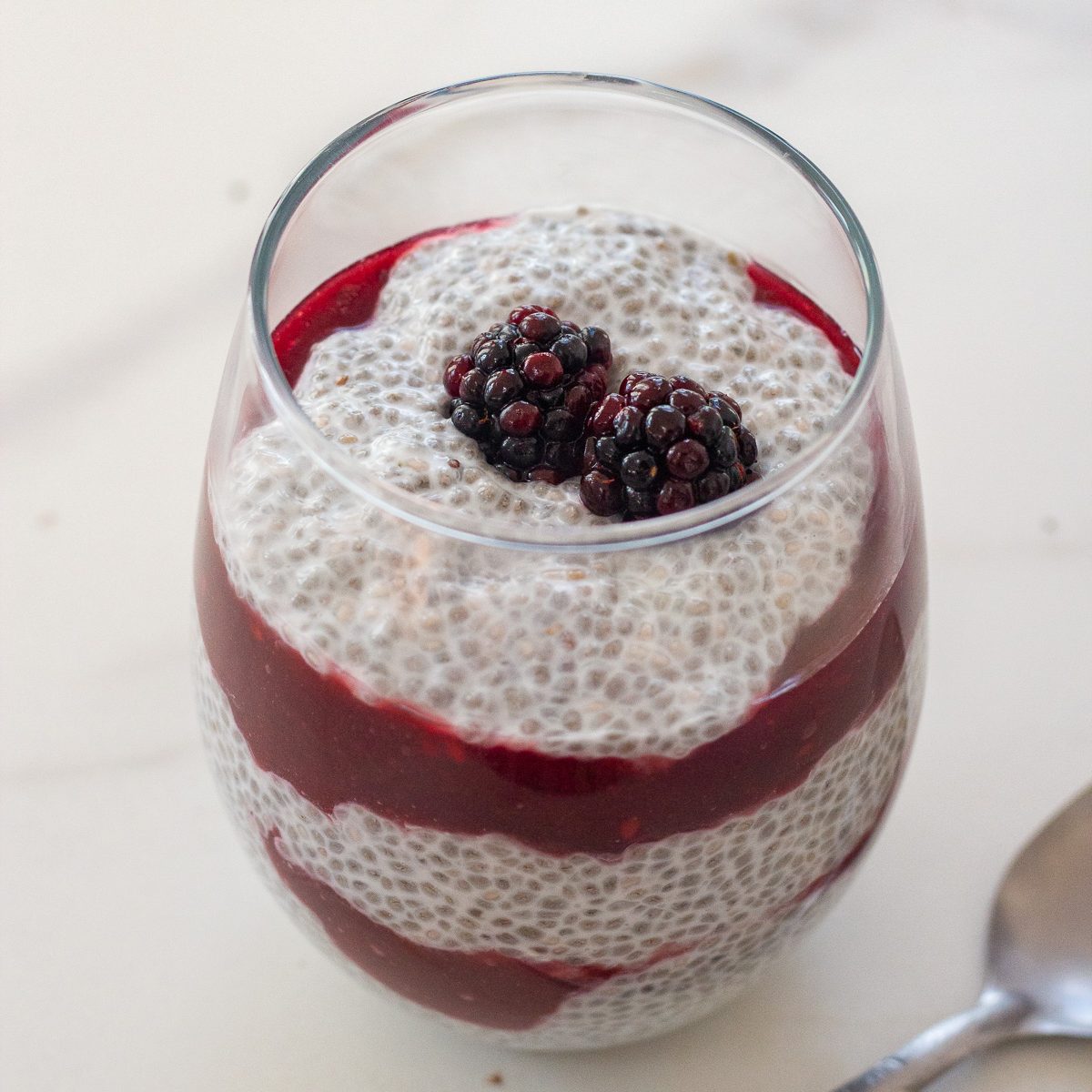
Once you choose a protein powder, you can incorporate it into your diet in lots of ways! Smoothies, desserts, chia pudding, overnight oats, waffles, and more are all PERFECT vessels for getting extra protein. (You can find lots of recipes that include protein powder on The Cysterhood app.) 

is protein powder good for pcos

Is Protein Powder Good for PCOS?

If you’re a woman with PCOS, you likely know how difficult weight loss and symptom management can be. With fluctuating hormones affecting everything from your metabolism to your reproductive health, relief can feel like an uphill battle. But protein can help. Because of this, most PCOS-diet plans tell you to eat more protein. Some find it hard to hit their intake goals, but protein powder can be a big help.

Eating more protein can help manage blood sugar, reduce cravings, promote muscle growth, and aid calorie burning. All these benefits can lead to weight loss and natural PCOS symptoms relief! To reach optimal protein levels in your diet, I recommend including multiple sources of protein, one of them being protein powders!

Remember that protein powder is a supplement and not a replacement for other protein sources. You should still aim to eat lean, whole-food protein each meal. But, adding protein powder to breakfasts and snacks will make it easier to hit your daily protein goal. I typically aim for 30g of protein for each meal, especially breakfast. And if I eat carbs for a snack, I pair it with protein to increase feelings of fullness and prevent overeating.

With consistent protein intake, many Cysters report fewer cravings, better energy, and improved appetite control. Adding protein powder to meals or snacks can be an easy way to support those changes. Especially on busy days when hitting your protein goals feels harder! Over time, increasing your daily protein can have a meaningful impact in how you feel.

best protein powder for pcos

6 Best Protein Powders for PCOS

Ovafit Crave Control Protein Powder (The Best Protein Powder for PCOS)

If you’re looking for the best protein powder for PCOS, Crave Control Protein Powder checks every box. It’s great for hormone health, blood sugar balance, and cravings. As a Registered Dietitian who specializes in PCOS, I created Crave Control to go beyond basic protein. One serving delivers 20 grams of pea, pumpkin seed, and chia protein to support fullness, blood sugar balance, and steady energy. All without dairy, gluten, soy, or artificial ingredients!

What truly sets Crave Control apart is that it doesn’t stop at protein. The formula includes clinically studied ingredients like DygloFit® extract and chromium picolinate. These support GLP-1 pathways, appetite regulation, and insulin sensitivity. Most protein powders focus only on muscle recovery or calories. That’s not really what Cysters need. Instead, Crave Control targets the root causes of PCOS-related cravings and metabolic issues.

Crave Control avoids the overly sweet taste that can fuel sugar cravings. Instead, it has a twinge of natural sweetness from fermented Reb M (plant-based stevia). Then, it’s lightly flavored with real vanilla and cinnamon. Its flavor and formulation blends easily into smoothies, oats, or coffee and works especially well in a high-protein breakfast!

Bottom line: While many protein powders can help you hit your protein goals, Crave Control Protein Powder is the best option for PCOS. It’s one of the only powders designed with hormone balance, blood sugar, and cravings in mind—not just macros.

Garden of Life Organic Vegan Sport Protein Powder with Probiotics 

The Garden of Life Organic Vegan Sport Protein Powder is jam-packed with great ingredients to help PCOS bodies. One scoop of this vegan protein powder provides 30 grams of protein, jump-starting your daily intake. (As a bonus, I recommend 30 grams of protein for breakfast, so this is perfect for your morning smoothie!)

It’s also NSF-certified and equipped with a 2 billion CFU probiotic blend and antioxidant ingredients. That means this protein powder is also great for your gut! Poor gut health is often a part of life for Cysters too, so it’s always great to have the support of probiotics

Orgain Sport Organic Vegan Protein Powder with Prebiotics 

Just one serving of Orgain Sport Organic Vegan Protein Powder contains 30 grams of protein and a whopping four grams of fiber. (Another great breakfast choice!) And, if you’ve listened to my podcast or read any of my other blogs, you know just how important fiber is for Cysters like us! 

Promoting nine essential amino acids, this powder gets its protein source from organic peas, chia seeds, and brown rice…plus it’s gluten- and dairy-free!

Available in vanilla and chocolate, this protein powder easily blends into your desserts, snacks, and smoothies. Brownie batter overnight oats, anyone? (PS. This recipe is in the Cysterhood app if you’re craving it right now!)

A note on added sweeteners and flavors: I prefer buying lightly sweetened or unsweetened protein powder. Artificial sweeteners tend to be hundreds of times sweeter than sugar, which can trick your body into thinking you are eating something sweet and cause a higher insulin response. I’ve seen patients who are addicted to sweeteners because PCOS causes such intense sugar cravings. They thought that eating sweeteners would be helpful in kicking the cravings, but it only made it worse. That’s why I don’t feel it’s the best alternative, rather we should heal our insulin resistance. One way to do that is to eat more protein 🙂

brownie batter overnight oats in mason jar

Nuzest Clean Lean Protein Powder for Digestive Health

Nuzest Clean Lean Protein Powder is another gluten- and dairy-free protein powder. It’d go great in my strawberry colada smoothie on The Cysterhood app! This protein powder, packed with amino acids, L-glutamine for gut health, and plant-based protein sources, could be great for your morning routine.

In just a single scoop, you’ll get 18 to 25 grams of protein and just 2 grams of carbs. Its focus is on digestive health and metabolic benefits. 

To learn more about the gut-hormone connection and how it relates to PCOS and weight loss, check out my podcast with Dr. Robin Rose

strawberry colada smoothie

Sunwarrior Vegan Protein Powder 

When you add a scoop of Sunwarrior Vegan Protein Powder to your recipe, you’ll add a whopping 30 grams of protein just like that. This protein powder is ideal for Cysters who love a good workout and want to recover fast with BCAAs and minerals. 

It isn’t all just protein and muscle mass in this powder, though. You’ll also find gut-healthy probiotics and enzyme blends to promote a healthy gut microbiome and good digestion, all essential for us Cysters. 

Choose from cake batter, chocolate, chocolate peanut butter, or vanilla to enhance your meals and snacks. Yum!

365 Whole Foods Market Organic Pea Protein Powder 

For Cysters on a budget who still prioritize protein intake and managing their symptoms, this one is for you. 365 Whole Foods Market Organic Pea Protein Powder works well for women with PCOS. With 15 grams of protein in one serving, you can boost your protein intake without breaking the grocery budget.

This unflavored protein powder mixes well with juice, smoothies, or chia seed pudding without changing the flavor. It’s one protein powder that can work in any dish, from waffles and muffins to shakes and desserts.  

How Is Protein Powder Made​: Ovafit’s Crave Control Protein Powder

1) Professionals select the ingredients and formulation.

As a Registered Dietitian who specializes in PCOS, I formulated Crave Control Protein Powder with trusted industry professionals. I wanted to ensure that the blend included only ingredients that are pure, organic, and highly strategic. (As well as gluten-, soy-, and dairy-free.)

Here’s what we developed:

  • Protein base: pea protein, pumpkin seed protein, chia protein
  • Actives: DygloFit® extract and chromium picolinate
  • Flavor/support ingredients: vanilla extract powder, cinnamon, pink salt, and fermented Reb M

2) We sourced and verified the raw ingredients.

Next, our team sourced each ingredient from trusted suppliers that met strict safety and quality standards. We required every supplier to maintain systems that prevented high-risk contaminants or adulterants.

During the qualification process, our quality team reviewed every ingredient a supplier provided. They carefully assessed certificates of analysis and confirmed their accuracy through independent testing. We approved a supplier only after completing this full verification process.

3) Trusted manufacturers produce the protein.

Before the ingredients ever reach the blending facility, each plant protein goes through its own production process. This manufacturing system extracts and concentrates the protein for use. For my Crave Control Protein Powder, this includes:

  • Pea protein: Manufacturers mill yellow peas, separate the protein from the starch and fiber, then gently dry the protein into a fine powder. This process creates a highly digestible, neutral-tasting protein that supports blood sugar balance and keeps you feeling full.
  • Pumpkin seed protein: Producers cold-press pumpkin seeds to remove most of the fat, then mill the remaining seed material into a protein-rich powder that provides minerals and a robust amino acid profile.
  • Chia protein: Manufacturers press and mill chia seeds to concentrate their protein content while preserving naturally occurring fiber and micronutrients.

By sourcing proteins that undergo minimal processing, we preserve the nutrient’s integrity. The final result is a blended plant-based protein that digests well, supports fullness, and aligns with the needs of women with PCOS.

4) Manufacturers prepare ingredients for consistent blending.

Before blending begins, manufacturers examine each ingredient to ensure they’re consistent across the whole batch. Then, a team sifts powders to remove clumps, standardize particle size, and carefully manage humidity to prevent moisture from affecting texture or flow. To meet our guidelines, manufacturers calibrate equipment, monitor environmental conditions, and document each preparation step for accuracy and traceability.

5) Manufacturers blend the formula.

Now that all the ingredients are ready, manufacturers premix the smaller, more concentrated ingredients like chromium picolinate and DygloFit® in a little protein powder. This step ensures even distribution and prevents uneven dosing from scoop to scoop. Next, they use an industrial blender to combine everything else. 

Under our strict processing standards, they blend the formula at a validated speed and duration to create a uniform texture, flavor, and nutrient profile. Each completed batch comes with detailed records that show it meets consistency and quality standards before moving forward.

6) Facilities monitor and check the blend’s quality and safety. 

Throughout production, quality teams monitor the blend to ensure consistency and safety. They collect samples from multiple points in the batch to evaluate appearance, aroma, texture, and flowability. The facility will also ensure there’s no cross-contact with products that include allergens we don’t want in the blend like dairy or gluten. 

7) Teams package the pouches and code everything. 

After blending and safety checks, teams fill the finished powder into our Ovafit packaging. Then, they assign each unit a lot number and production date. This allows each product to be traced back to its ingredient sources.

8) Independent labs verify the final product. 

To make sure our Cysters can completely trust Ovafit’s Crave Control Protein Powder, manufacturers send samples from each batch to our labs for testing. There, we evaluate potency, purity, heavy metals, and contaminants. We’ll also confirm that the final product matches these claims on our label:

  • Formulated specifically for women with PCOS.
  • Supports GLP-1 pathways involved in appetite regulation.
  • Helps reduce cravings and blood sugar balance.
  • Contains clinically studied ingredients.
  • Made with a plant-based protein blend.
  • Vegan, dairy-free, gluten-free, and soy-free.
  • Made without artificial flavors, colors, or added sugars.
  • Independently tested for purity and potency.

How Long Are Protein Powders Good For?

Protein powders are usually good for 12-24 months if stored properly. However, check the product label for exact shelf life estimations. The package should also note best storage conditions to increase the longevity of your protein powder. 

Do Protein Powders Contain Gluten​?

Most protein powders, including Crave Control Protein Powder, are naturally gluten-free. I’ve formulated my plant-based protein powder with organic pea, chia, and pumpkin protein. This makes it free from wheat, barley, rye, and other gluten-containing grains. 

Do Protein Powders Contain Dairy?

Many protein powders do contain dairy—which is a problem for Cysters. A lot of women cut dairy to reduce inflammation, balance hormones, and regulate blood sugars. As a PCOS dietitian, I always recommend Cysters try cutting dairy, because it can help bring SO much symptom relief! 

For this reason, I’ve not included any dairy in Crave Control Protein Powder. Instead of popular whey and casein powders, the proteins in Crave Control are all plant-based and naturally gluten-, soy- and dairy-free. This is one of the reasons it’s the best PCOS-friendly protein powder on the market. 

Do Protein Powders Have Sugar​?

Yes, protein powders usually contain at least a little sugar or artificial sweeteners. It’s often added to improve the taste and texture of protein powders. Crave Control Protein Powder uses 1 gram of plant-based stevia, cinnamon, fermented Reb M, and real vanilla extract (no artificial flavors) to keep your protein-packed smoothies, oats, beverages, and desserts delicious.

Protein powder is a great way to support your PCOS healing goals!

Adding a scoop of protein powder to your balanced PCOS-friendly recipes can be one helpful way to manage your PCOS symptoms naturally. And, if you still aren’t sure which to pick, here’s my guide to choosing the right protein powder. It’s important you find the best one for you, your body, your taste, and your budget!  For more options, read my guide for the best protein for women with PCOS.

You can find more ways to fix the root issues triggering your PCOS side effects on the blog, so you can finally live symptom-free with PCOS! Also join The Cysterhood and listen to our podcast. With the right resources, strategy, and support, you can get back to feeling like yourself! 

9 Teas For PCOS

Herbal teas are getting more and more popular among the health community, and for good reason! Various herbs have medicinal properties that can help naturally ease symptoms of polycystic ovary syndrome (PCOS) and other disorders. One of the best ways to receive the benefits from medicinal herbs is through tea! 

You can find a full list of the best herbs for PCOS here, but which ones work well for teas? Today, I’m sharing a round-up of herbal teas that are great for hormones and reducing the effects of PCOS. Here are my top 6 teas to fight PCOS symptoms:

Best Teas For PCOS

9 Teas For PCOS

Spearmint Tea

Spearmint tea is one of those PCOS healing tools I can’t live without! In fact, spearmint tea has been shown to have anti-androgen effects. This means it helps reduce testosterone and restores overall hormone balance. Women with PCOS who struggle with elevated testosterone levels experience acne, excess hair growth, mood swings, irregular menstrual cycles, and infertility. Consider drinking 3 cups of spearmint tea per day to lower your levels of free testosterone

Decaf Green Tea

Green tea also has a number of health benefits for women with PCOS. It is naturally caffeinated, though, and caffeine isn’t ideal for most women with PCOS because of how it can elevate our cortisol/stress hormones. So, if you decide to drink green tea, opt for decaffeinated versions. 

According to research, green tea can help with bettering sleep, reducing stress and anxiety, relieving fatigue, and clearing acne. A lot of these positive effects come from green tea’s ability to potentially reduce insulin levels. Green tea has even been shown to help with weight loss in some cases. This long list of benefits makes green tea one of the best teas you could add to your diet if you have PCOS!

If you’re not a tea drinker, a good substitute for a cup of green tea is a green tea extract supplement! Just ensure the green tea extract you purchase is decaffeinated like this one from Pure Encapsulations

Chamomile Tea

You probably know chamomile tea to be beneficial for sleep. That’s true! However, chamomile is also potentially beneficial for reducing insulin levels, lowering insulin resistance, alleviating stress, and improving gut health. Like green tea, you can drink it or take the extract as a supplement. You can even eat it in a salad – we grow chamomile in our garden and make it a part of our regular diet. 

Ginger Tea

Ginger tea is naturally anti-inflammatory and it is also known to help with several menstrual struggles. You may find relief from bloating, cramping, and headaches after drinking ginger tea, studies find. Ginger tea is one of my favorite herbal teas for PCOS symptoms like menstrual pain and discomfort, and is also available in supplement form.

Dandelion Root Tea

Our livers are an important part of our body’s ability to regulate hormones. Dandelion root tea helps your liver better detoxify your body, which can help with fertility and hormonal acne. Because it’s a natural diuretic, dandelion root tea has also been shown to assist with bloating and other digestive troubles. 

Though it’s great for PCOS, I don’t recommend drinking dandelion root tea every day. Simply do a 3-10 day detox when you experience a flare up in symptoms. Still, I recommend consulting your doctor before beginning your detox. 

Raspberry Leaf Tea

Though there’s not a lot of evidence currently to back it up, a lot of women talk about how beneficial raspberry leaf tea was for their symptoms! It’s been said to improve inflammation, digestion, painful periods, and fertility! It’s rich in nutrients like vitamin C, A, and E!

Lemon Balm Tea 

Lemon Balm Tea is another great herbal tea for women with PCOS. It can help relieve anxiety, insomnia, menstrual cramps, and heavy bleeding. If you struggle with PCOS related sleep problems, anxiety, or menstrual issues, lemon balm tea in your daily routine may be beneficial!   

Licorice Root Tea

This tea can not only help with high androgen levels like spearmint tea, but it can also help overall with adrenal health for better hormone balance. There’s also evidence it may be an appetite suppressant of help you control cravings! It’s probably not the best tasting tea on the list, but it can pack a lot of benefits!

Testosterone Relief Tea

Like I mentioned, high testosterone is common in Cysters and it’s actually the reason for many of our chronic symptoms. So, anything you can do to help reduce your androgen levels is a good idea! When I realized how helpful tea could be for PCOS, I developed my own PCOS testosterone relief tea blend that’s a delicious mixture of a lot of these beneficial teas and more. It’s USDA organic, caffeine-free, and has no preservatives, refined sugar, or additives. Plus, the tea bags are plastic-free, so no threats of endocrine-disrupting microplastics.

This blend of spearmint tea, lemon balm tea, orange peel tea, chamomile tea, rosehip tea, peppermint tea, cinnamon tea, nettle tea, lavender tea, and calendula tea can help you reduce the symptoms of androgen hormonal imbalances like hair loss, facial hair, anxiety, fatigue, acne, menstrual irregularity, and poor metabolic health. It’s totally PCOS-friendly and can help support your goals of living symptom-free with PCOS! Grab your 30-day supply and try it out!

Best Teas For PCOS

6 Ways To Make Tea

If you want the herbal benefits of tea, but you’re still getting used to the taste, try dressing it up. There are a number of ways to make tea more of a treat, but still keep it healthy! Soon enough, you’ll acquire the taste of tea and can enjoy it in any way: 

Traditional Hot Tea

Traditional hot tea makes you feel warm and cozy—it’s like an act of self-care! Just make sure you pay attention to brewing/steeping instructions on the bag or box for the best flavor. You also don’t want to drop a tea bag in and forget it, your tea will get too strong or even turn bitter. For best flavor, also consider getting a temperature controlled electric kettle for optimal brewing of each type of tea

Iced Tea

If you don’t love hot tea, make it iced! First brew your tea hot for a little longer than instructed to make the tea stronger. Then, pour the hot tea into a tall pitcher of ice (that’s why you need the extra strength, because you’ll be adding extra water as it melts.) Then, drink your iced tea! 

Tip: You could add a little honey, lemon, or even some chopped fruit to make it more flavorful. 

Tea Lattes

If you’re a coffee drinker, tea lattes might be the gateway beverage you need to transition 100% to tea! It’s definitely stronger than drinking iced or traditional tea, but many like the flavor. First, brew your tea, then heat almond milk in a saucepan to 150 ℉, and then use a whisk or hand frother to foam the almond milk. Finally, pour the almond milk over the tea and enjoy!

Popsicles

How about a tea popsicle? Simply fill a popsicle mold with cooled tea and add a few fruit slices to the liquid. Freeze overnight and you have a delicious and beneficial summery snack. Depending on the type of tea, you could even share them with your friends or family. 

Experiment with Strength

Some people like strong coffee and some like weak coffee. The same goes for tea. If you don’t like the tea when you brew it as instructed, try experimenting with different strengths. Brew it for less time for a weaker taste, or leave it in a bit longer for a stronger flavor. Find what’s right for you. 

Add Ovasitol!

If you’re selecting tea to help support your hormones, why not throw in some Ovasitol in there while we’re at it? Ovasitol helps improve insulin sensitivity, egg quality and ovulation. It doesn’t have any flavor, so it won’t change the taste of your tea, but it certainly will give it a boost and curb your cravings too! Check out the Ovasitol Mocktail recipes we recently added in The Cysterhood App for more fun ways to drink tea & Ovasitol.

ways to make tea

Herbal teas may provide a natural way to relieve some PCOS symptoms. 

Your diet and lifestyle  has a powerful effect on your body. You can reverse your polycystic ovarian syndrome naturally by making the right food, exercise, and self-care choices. Try replacing your sugary drinks and caffeine-rich coffee with one of these herbal teas, like Testosterone Relief Tea. For more recipes with tea, check out our “Ovasitol Mocktail” recipes in our app, The Cysterhood! Let’s do this herbal tea journey together!

10 Skincare Tips for PCOS

Whenever we open Instagram or a magazine, we’re bombarded with airbrushed images of perfection. Photographs of dewy, hydrated, clear skin taunt us through the pixels  – the elusive dream of a ‘perfect’ complexion. 

This unattainable ideal can be particularly disheartening for women with Polycystic Ovary Syndrome. Polycystic Ovary Syndrome (PCOS) is a hormonal disorder that causes hormonal imbalance that affects the body in a number of ways. High levels of androgens (otherwise known as ‘male’ hormones) lead to a host of symptoms, including insulin resistance and weight gain. Excess androgens also cause increased sebum production, leading to acne and oily skin. 

This is what my skin looked like before I took control and managed my PCOS (keep reading!)

How to Get Rid of Hormonal PCOS Acne

It’s hard enough to deal with the internal symptoms for people with PCOS. But when the symptoms are external and our skin has flared up with painful, cystic breakouts, it can knock our confidence. 

When treating PCOS acne, masking the symptoms with traditional acne treatment options may not be the answer. Acne is an outward manifestation of inflammation in the body combined with elevated levels of androgens, such as high testosterone levels. To treat and reverse acne caused by PCOS, we need to understand the root issue that sparks a flare-up.

It’s not about understanding your ‘skin type’, washing your face more, or buying expensive creams to reverse your symptoms. It’s about supporting your hormonal imbalances and making healthy, sustainable lifestyle changes. After all, healthy skin starts from within. 

Check out my top PCOS-friendly skincare tips to calm your breakouts.

10 skincare tips for PCOS

Implement a simple skincare routine 

Skincare Tips for PCOS

You can’t scrub the acne away with a harsh exfoliator and rigorous washing. Although it’s tempting to ‘unclog your pores’ by washing your face several times a day, this does more harm than good. Marketing messaging has duped us into believing that we need to follow an elaborate skincare routine to restore our skin’s radiance. But the more we wash, scrub, and slather on the chemicals, the more we strip away our natural oils and protective barriers. 

“But Tallene, my skin is so oily!” 

I hear you, Cyster! 

You can reduce excess oil. But rather than stripping the skin and irritating it further, ensure that you’re hydrating it properly.

  • Consider using a hyaluronic acid serum. This can help increase skin moisture without negatively impacting oil balance. 
  • Consider using a salicylic acid exfoliator to combat excess oil production and shed dead skin cells. Remember not to over-exfoliate – start using it once or twice a week so your skin gets used to it. 
  • Use a lightweight moisturizer instead of a thick or scented formula. It doesn’t need to be expensive to be effective. 
  • Use SPF every day. The skincare holy grail! Protect your skin from harmful UVA and UVB rays that can cause sunburn and skin damage. This should be the last step in your skincare routine. Make sure you choose a formula for acne-prone skin. 

To recap: in the morning, use hyaluronic acid first, followed by a moisturizer, and then SPF. Repeat the same steps in the evening without the SPF. Consider using a salicylic acid exfoliator once or twice a week at first, before moisturizing. Here’s more on PCOS skincare and the best products for PCOS skin! Consult a dermatologist before you use a new product for the first time. 

Cleanse your skin gently every day

When it comes to cleansing, pampering your skin is the name of the game, especially for those of us with PCOS. Choose a mild cleanser that effectively removes grime, oil, and makeup, without being too harsh on your delicate skin. We want to keep that gorgeous glow intact! Gentle cleansing not only keeps your skin fresh and clean but also plays a role in maintaining the hormonal balance of your menstrual cycle. So, make it a daily ritual to give your skin some love and a gentle cleanse, and watch it flourish alongside your menstrual cycle.

Master your diet 

Diet Skincare Tips for PCOS

Your diet is essential to controlling your PCOS symptoms and hormonal acne. Incorporate plenty of anti-inflammatory foods into your diet to lower inflammation and aid hormonal balance, such as fruit and vegetables, beans, nuts, and oily fish. 

On a personal note, cutting out gluten and dairy was a game-changer for my cystic acne. After all my acne cleared, I thought that I could tolerate a little bit of cheese every day, so I reintroduced it to my diet. It turns out, that this was enough to trigger my acne to come back with a vengeance! 

The moral of the story: find out what works for you. It’s easier to stick to it when you are aware of your body and how it feels with and without these foods. If your dietary requirements allow, try going gluten and dairy-free for 30 days and see how you feel! 

For more PCOS-friendly diet tips, check out our programs here.

Use a non-comedogenic moisturizer

Moisturizers are like little hugs for your skin, and for those of us battling the dry skin that often accompanies PCOS, they are an absolute must! But wait, there’s more. To truly take care of your skin, opt for non-comedogenic moisturizers. Now, I know that word sounds a bit fancy, but all it means is that these moisturizers won’t clog up your precious pores. They deliver hydration to your skin while respecting its need to breathe. And guess what? This harmony-loving approach also helps regulate your menstrual cycle. So, slather on a non-comedogenic moisturizer and let your skin and cycle dance together in perfect rhythm.

Get enough sleep 

They call it ‘beauty sleep’ for a reason! During good sleep, your body prevents and repairs skin cell damage, improving its appearance and strength. Restful sleep is essential for anyone’s well-being, but it’s particularly vital for PCOS Cysters. Healthy sleep patterns can help support immune health, mental health, hormone levels, and healthy blood sugar levels. 

Poor sleep in PCOS Cysters has been linked to increased insulin resistance, higher cortisol (stress levels), and unhealthy eating habits. All these factors have a knock-on effect on our body, including our skin. Make sure you get restorative sleep (around 8 hours a night) to give your body the rest it needs and your acne a chance to heal. 

Protect your skin from the sun

Sunscreen isn’t just for beach days or exotic vacations. It’s a year-round essential for all of us, especially those rocking PCOS. Sun protection not only prevents those pesky sunburns but also shields your skin from those harmful UV rays that can lead to premature aging. And you know what else? By protecting your skin, you’re also safeguarding the balance of your menstrual cycle. It’s a win-win! So, don’t forget to apply that sunscreen with a minimum SPF of 30, rain or shine. Your skin and cycle will thank you for it.

Combat stress 

Stress can be quite a troublemaker when it comes to PCOS. It’s like a sneaky saboteur that causes cortisol levels to skyrocket, wreaking havoc on your skin, gut, insulin levels, and even sleep quality. It’s not a fun time for anyone involved, that’s for sure!

Now, all of these sneaky stress-related factors can trigger a ‘danger’ response in your body, which leads to inflammation. And let me tell you, inflammation can be a real party pooper for your skin. Cue the clogged pores, excess hair growth, and the unwelcome guest called Acanthosis Nigricans.

But fear not, my friend! We’ve got some tricks up our sleeves to help you tackle these issues head-on.

First things first, let’s focus on reducing stress. Take a moment to breathe, meditate, and find your inner zen. Slow and weighted workouts, like yoga or taking a walk, can also do wonders for chilling out those cortisol levels. And hey, don’t underestimate the power of a good nap! It’s like hitting the reset button for both your body and mind.

Now, let’s talk about that stubborn body hair. Say hello to your new friend, benzoyl peroxide! This magical ingredient can help unclog those pores and keep pesky breakouts at bay. Just a little dab here and there can make a world of difference.

So, my dear, remember to take care of yourself, find ways to de-stress and conquer those PCOS challenges like the warrior that you are. And with a little help from benzoyl peroxide, your skin will be glowing with health in no time.

Avoid picking at or popping pimples

We get it, those pesky pimples can be tempting to tackle. But trust us, resist the urge to play dermatologist! Picking at pimples can lead to scarring, inflammation, and a whole lot of unnecessary drama for your skin. Plus, it can disrupt the harmony of your menstrual cycle. So, let your skin heal naturally, and keep the breakout-busting fingers away from your face. You and your skin (and menstrual cycle) will thank us.

Supplements

Omega 3 

metabolism plus

Omega-3 fatty acids and fish oils are oil-based supplements. You might think that oil is the worst thing when you’re already suffering from acne, but Omega-3 contributes to healthy, glowing skin by reducing inflammation and regulating acne-causing hormones. 

Our very own Omega-3 OvaFit supplement has been specially formulated for PCOS Cysters. This purified fish oil supplement is rich in EPA and DHA (the most important, usable type of omega-3s) and highly concentrated for maximum nutritional benefits. 

Sourced from 100% sustainable, wild-caught Alaskan Pollock from the Gulf of Alaska and the Bering Sea, it meets the Marine Stewardship Council (MSC) standard for sustainability.

Find out more and order it here.

Multivitamins

metabolism plus multivitamin

PCOS can rob the body of nutrients. PCOS Cysters often have sporadic nutrient gaps due to medications that deplete vitamins and minerals. One of the side effects of metformin, for example, is reduced vitamin B12 levels. 

Support your body by taking a daily multivitamin, so you can plug small but critical nutritional gaps in your diet and enhance your skin’s health. 

Our very own OvaFit MetaMutli multivitamin has been specifically formulated for women with PCOS. 

Check out the lowdown: 

  • This multivitamin is designed to fill nutrient gaps that exacerbate PCOS problems like cystic acne, fatigue, and weight gain.
  • It provides a full range of over 20 key nutrient essentials that promote your body’s ability to efficiently convert carbohydrates into energy and manage your metabolism. 
  • It’s specifically made for PCOS women to support immune health, skin health, metabolism, bone health, and more.
  • The majority of minerals in this formula come in a ‘chelated’ form for better absorption and bioavailability. This is super important as not all multivitamins are chelated, rendering them almost ineffective. 
  • It’s independently tested and certified by NSF International to guarantee that the quantities of vitamins and minerals contained in each dose are consistent with the label.

Find out more and order it here

Establish a consistent skincare routine

Consistency is the secret sauce for nurturing your skin and maintaining a regulated menstrual cycle. Find a skincare routine that suits your needs and stick with it. Avoid the shiny allure of constantly jumping from product to product. Give your skin time to adjust and reap the benefits of a consistent routine. By establishing this self-care ritual, you empower your skin and menstrual cycle to thrive harmoniously.

Although you can’t cure PCOS, you can reverse PCOS and live an almost symptom-free life. Once you understand the root cause of your hormonal acne, you’ll realize that the most effective skincare goes far beyond expensive creams and lotions! 

For more tips on PCOS diet dos and don’ts, check out our podcast, A Cyster, and Mister, and our handy blog posts over on PCOS Weight Loss

5 Unusual Symptoms of PCOS

Polycystic ovarian syndrome (PCOS) is a common hormonal condition that impacts 1 in 10 women—it’s more common than we realize! What most people know about PCOS is that it can cause irregular and heavy periods, ovarian cysts, infertility, and weight gain. However, those aren’t the only symptoms of PCOS (and not every person experiences all the symptoms). If you think you might have PCOS, it’s super important to know if your chronic issues may be due to this condition. 

So, today, I’m going to tell you some unusual symptoms of PCOS. These are the symptoms you probably didn’t realize had any connection with PCOS. I should note that you can’t diagnose PCOS with symptoms alone. You typically need at least 2 out of 3 of these common symptoms for your doctor to diagnose you: 1) irregular menstrual cycles, 2) ovarian cysts and/or 3) hyperandrogenism. Beyond that, you may also need some lab work to determine if the problems are PCOS are other health conditions. However, that doesn’t mean you can’t research and start making a plan to reverse your symptoms today! 

As a PCOS registered dietitian and a fellow Cyster, I am a big advocate for women listening to their bodies and investigating their health. Here are some unusual symptoms of polycystic ovary syndrome (PCOS):

Unusual Symptoms of PCOS

5 Unusual Symptoms of PCOS

Excess Hair Growth in Unwanted Places

Many women with PCOS experience dark, coarse hair growing on their upper lip, chin, chest, abdomen, and other unusual places. Of course, as women we all see this from time-to-time, but with PCOS it’s excessive! Like some of us are shaving our face every day, which can be unusual. (But no shame in it, either!) 

This happens to Cysters because of high levels of androgen hormones (male hormones) in our bodies. It’s one of the many common hormone imbalances people with PCOS face! While causing excess hair growth in areas you DON’T want thick hair, it can also cause hair loss where you DO want thick hair. Male pattern baldness is very common with PCOS! Luckily, there are lots of ways to naturally lower testosterone and balance hormone levels with PCOS using things like a balanced diet, zinc supplementation, Ovasitol, and Testosterone Relief Tea

Excess Hair Growth in Unwanted Places

Sleep Disturbances

Did you know that women with PCOS are 50% more likely to be diagnosed with a sleep disorder? It’s true! Restless leg syndrome, excessive daytime sleepiness, insomnia, and obstructive sleep apnea are all common in women with PCOS. 

Hormonal imbalances and insulin resistance are two of the root causes of PCOS, and also two big influences on our sleep disturbances. The imbalances of sex hormones impact the body’s natural sleep-wake cycle. Even your melatonin production gets thrown way off! Plus, body pain, anxiety, and depression can contribute too. But this quality of sleep is something we can manage and get control over, so don’t stress about this being a forever thing! Here are some tips on how to get better sleep with PCOS.

Unusual Symptoms of PCOS

Darkened Skin Patches and Skin Tags

High blood pressure and insulin resistance can trigger a condition known as “acanthosis nigricans.” Insulin resistance is where high insulin levels in your blood stimulate the growth of skin cells and melanin, which creates thick, dark skin patches and skin tags mostly in your body folds and creases. Since up to 80% of women with PCOS have insulin resistance and darkened skin patches, so skin tags are not at all uncommon! 

So, if you have velvety dark patches of skin and/or skin tags, those could be signs of PCOS. You can tackle this issue by increasing your insulin sensitivity to balance blood sugar levels through proper nutrition, exercise, stress management, and other PCOS skin care techniques! (This will also help decrease your risk of type 2 diabetes, which is a common long-term complication of PCOS.)

Gut Health Issues 

Inflammation from hormonal imbalances and insulin resistance is another common struggle for Cysters! Chronic low-grade inflammation can cause headaches, joint pain, weight gain, fatigue, food sensitivities, bloating, constipation, and diarrhea. Yeah, not the most fun list to read. But stay with me, I can help! 

If you struggle with gut issues, it could be related to PCOS. This issue can be reversed by replacing our inflammatory foods with PCOS-friendly alternatives and taking supplements like vitamin A and probiotics. Here’s more on the gut health and PCOS connection

Brain Fog

Our body’s glucose metabolism is essential for our cognitive health. However, we already know that many Cysters struggle to lose weight and maintain insulin sensitivity! On top of that, increased stress levels, mood problems, and fatigue from hormonal imbalances can further contribute to poor brain health . . . AKA brain fog. 

If you struggle with focus, mood swings, and low energy, and can’t pinpoint the cause….it might be connected to PCOS. Stress management through exercise, eating well, self-care, and other lifestyle changes is essential to boosting your cognitive health and could be your biggest tool to reversing your symptoms and getting control back of your health! 

Pelvic and Abdominal Pain

Pelvic pain and abdominal pain are common but often overlooked symptoms of PCOS. There are several possible causes behind this discomfort, and identifying the root issue may take time. Ovarian cysts, hormonal imbalances (like elevated androgens), chronic inflammation, severe menstrual cramps, and digestive issues can all contribute to ongoing pain in women with PCOS.

managing pcos starts with recognizing its signs

PCOS could be to the cause for many of your chronic health problems! 

Knowing the symptoms of PCOS can help you determine if there’s a possibility you have this condition. Or, if you already know you have PCOS, knowing the resulting symptoms is fundamental to making a plan to reverse your PCOS and live symptom-free. 

I invite you to download The Cysterhood app! It’s a whole community of Cysters like you who are taking one step at a time toward their symptom-free life. Beyond a supportive community, there are PCOS-friendly recipes, workout plans, and helpful resources. It’s an important component of your healing process. You don’t have to feel alone in this process, and we’ll work along your PCOS, together!

How to Remove PCOS Endocrine Disruptors for Estrogen Dominance!

PCOS is an endocrine disorder which can be amplified by endocrine disruptors in our own environment! On this episode, we explain the PCOS endocrine system, common endocrine disruptors to look out for, and estrogen dominance!

Many women with PCOS have estrogen dominance due to the chemicals in our environment that act upon estrogen receptors. We discuss how women with PCOS struggle with reducing these toxins and the impact when they bioaccumulate!

You’ll learn the 3 common endocrine disruptors, how you can be exposed, and what you can do to cut out endocrine disruptors starting today!

How To Remove PCOS Endocrine Disruptors

What Are Endocrine Disruptors?

The endocrine system is the communication network between your organs, telling each part of your body when and what hormones to produce! Obviously, this is a VERY important system in the body for normal function. However, when you encounter endocrine disruptors, it prevents the normal functioning of the endocrine system by mimicking a hormone like estrogen, which can throw off your hormonal balance and create the illusion of estrogen dominance.

Estrogen Dominance And PCOS

Here’s a big myth. Most people with PCOS don’t produce too much estrogen. The excess estrogen that’s popping up on your blood tests is likely the toxins and chemicals mimicking estrogen, not actual estrogen. Since a Cyster’s body already struggles with getting rid of excess hormones, breaking down these disruptors can be really difficult! This is why it’s best to remove these endocrine disruptors from our daily life as much as possible!

You may be experiencing “estrogen dominance” as a result of endocrine disruptors if you have irregular and heavy periods, excess hair growth, acne, bloating, low libido, weight gain, fatigue, mood swings, or breast tenderness.

What Are The Endocrine Disruptors?

There are quite a few endocrine disruptors out there that you’ll find in common product you use every single day! I’ll give you a list of ingredients to look out for, but understand Sirak and I are not advocating for you to throw everything out and buy all new stuff. That can be super overwhelming! When you run out of something, just ask yourself if there’s a better product you could buy, and try it out! It can be a step-by-step process where you make small improvements each day (like, I just realized I was using a plastic loofah in the shower. Yuck! That’s gone now.) Just do it at your own pace, and try to opt for products without these ingredients:

  • Bisphenol A (BPA) – found in plastic bottles, food can linings, and thermal paper receipts.
  • Phthalates – found in personal care products, such as fragrances, lotions, and nail polish.
  • Parabens – found in cosmetics, skincare products, and some foods as preservatives.
  • Perfluoroalkyl substances (PFAS) – found in non-stick cookware, waterproof fabrics, and food packaging.
  • Organophosphate pesticides – commonly used in agriculture and found in some fruits and vegetables.
  • Polychlorinated biphenyls (PCBs) – industrial chemicals that were banned but still present in the environment.
  • Dioxins – byproducts of industrial processes, found in some foods, particularly fatty animal products.
  • Atrazine – a herbicide used in agriculture, commonly found in water sources.
  • Triclosan – an antimicrobial agent found in personal care products, such as soaps and toothpaste.
  • Flame retardants – found in furniture, electronics, and building materials.

Plastics

This is a big one! Plastics + heat + reuse is a bad combo! Try to replace plastic containers with food-grade silicone, glass, or stainless steel instead. Bring a reusable plastic-free cup (We like Takeya!) when you go get coffee or tea. It’s also a good idea to avoid tea bags with plastic in them and opt for food products that aren’t wrapped or stored in plastic.

Soaps and Cosmetics

Many endocrine disruptors come from shampoos, conditioners, body wash, sunscreen, and cosmetics. Find non-toxic alternatives that fit your budget. (For cosmetics, I love Beautycounter!)

Pesticides

Pesticides can linger on our fruits, vegetables, meats, and dairy products. Opt for organic options when you can.

Cleaning Products

Cleaning products of all kinds can include endocrine disruptors. Not only is this bad for you when you’re cleaning, but after too when your skin touches the surfaces you’ve cleaned. Luckily, there are lots of non-toxic brands out there that can get the job done!

Fragrances and Candles

Fragrances are one of the worst culprits for endocrine disruptors, because you’re actually breathing them in! Go for fragrance-free products when you can, or find ones scented using essential oils or other natural means. If you love candles, try MOME candles!

Getting Your Hair or Nails Done

I haven’t given this one up yet, but getting your hair dyed and nails done is also a source of endocrine disruption. I’m not interested in giving up getting my nails done yet, but will make lots of other changes to reduce my exposure to endocrine disruptors. I bring this up, because I want you Cysters to know this is all about getting better, not being the best. You don’t need to go all in!

Receipts

Paper receipts are one of the worst sources of endocrine disruptors next to fragrances. When you can, say “no thanks” to paper receipts!

Start supporting your body by eliminating one endocrine disruptor at a time.

Want more on common endocrine disruptors? Listen to teh episode! In it, we asked YOU what endocrine disruptors you have swapped, tune in to hear all the responses from fellow Cysters!

Join us in The Cysterhood, a community of women learning how to manage PCOS & lose weight, Gluten and Dairy Free! (bit.ly/The-Cysterhood-Membership)

While Tallene is a Registered Dietitian and Sirak a Personal Trainer, this podcast provides general information about PCOS. It is not meant to serve as fitness, nutrition or medical advice related to your individual needs. If you have questions, please talk to a medical professional. For our full privacy policy, please click on the following link: (bit.ly/PCOSPrivacyPolicy)

The Essential Guide to Managing PCOS Naturally

Polycystic ovary syndrome (PCOS) is a hormonal condition that impacts 1 in 10 women of reproductive age. It’s more common than you think! It affects up to 20% of the female population, though the exact numbers are hard to find since upwards of 70% of cases go undiagnosed! Beyond the fact that PCOS is difficult to diagnose, there are also a lot of unpleasant symptoms that can impact our daily routines. 

But, don’t let that discourage you. In fact, you don’t need to rely on medications to manage your PCOS if you choose not to! You can use natural methods to reverse all your symptoms, including weight gain, excess facial hair growth, hair loss, acne, fatigue, mood swings, irregular periods, infertility, sleeping problems, and headaches. Natural healing gets to the root of your symptoms, to not just mask them, but actually fix them!

Getting to the root of things like inflammation, insulin resistance, and hormone imbalance, can not only reverse symptoms, but it can also reduce your risk of plenty of long-term complications of PCOS like type 2 diabetes, heart disease, and endometrial cancer. So, it’s so important to make the lifestyle changes you need in order to live your best life with PCOS! 

So. let’s get into my guide on how to naturally get control of your body to live symptom-free with PCOS! 

The Essential Guide to Managing PCOS Naturally

The Essential Guide to Managing PCOS Naturally 

When you want to find a sustainable way to manage PCOS symptoms, you have to consider your metabolic syndrome’s three primary factors impacting your health. These are inflammation, insulin resistance, and hormonal imbalance. These three things are responsible for most of your symptoms, and they all feed into each other in a vicious cycle. Sometimes, by treating just one symptom at a time you’re able to influence the improvement of another!

First, let’s break this down in more detail: 

  • Inflammation: Inflammation happens when our immune system is activating to eliminate a threat like bacteria, viruses, or other toxic substances that can affect our hormones. However, chronic inflammation is when your immune system remains active and actually starts attacking healthy cells. This is called “auto-immunity” and it hinders insulin signaling, leading to insulin resistance. 
  • Insulin Resistance: Insulin resistance is when your body doesn’t respond properly to glucose. Instead of converting it to energy, it stores it as fat and raises your blood sugar levels. This stimulates your ovaries to produce more androgens (male sex hormones) and prompt your body to release cortisol, the stress hormone. 
  • Hormonal Imbalance: High cortisol and testosterone levels can lead to other hormonal imbalances as well. The body senses these imbalances, and can go into survival mode, triggering inflammation and insulin resistance. 

See how this chain just leaves you in an endless loop of problems? When treating PCOS, it is possible to make lifestyle changes to address each of these issues. 

In our post, “Can PCOS Be Cured?“, learn how lifestyle changes and treatment can help reduce symptoms and restore hormonal balance.

A list of ways to manage PCOS symptoms naturally

How To Manage PCOS Symptoms Naturally 

Try going gluten and dairy free for 30 days to see how you feel. 

Maintaining a PCOS-friendly diet can do wonders for your symptoms! Eating balanced and intentional meals improves insulin sensitivity and inflammation. But with that being said, many foods can actually trigger high insulin levels and chronic inflammation, such as gluten and dairy. So choosing to find substitutes for these foods that trigger us is not just about weight loss, it’s for our overall health!

I recommend women with PCOS to try a gluten and dairy-free anti-inflammatory diet for 30 days to see how you feel. When you find a way to replace ingredients with gluten and dairy free versions, it doesn’t become a restrictive diet, instead it becomes a lifestyle. (PS. We still fit pizza and dessert in this diet, Cysters.) It’s all about avoiding foods with trans fats, saturated fats, processed foods, gluten, dairy, and sugar while prioritizing foods that are high in protein, high fiber, and full of essential vitamins and nutrients. 

If you’re not sure where to start, download The Cysterhood app and start exploring all the delicious recipes! Chances are, many of the foods you love can be made with just a few minor adjustments. Check it out and start hitting your goals!   

Healthy, delicious, and easy-to-cook meals recipes for your daily diet routine

Cut back on alcohol.

We all know that alcohol isn’t great for our liver. But, did you know that our liver is essential for maintaining our body’s hormone balance? So, people with PCOS should avoid limiting the liver’s functioning with alcohol, if at all possible. Plus, alcohol can contain lots of sugar, so it won’t help your insulin resistance or inflammation either. Here’s more on alcohol with PCOS

Avoid caffeine.

I know what you’re thinking: “But I need it!” Just remember what the goal here is to target the root causes of our symptoms (such as low energy), instead of masking them (like relying on caffeinated drinks). Caffeine works by prompting the body to produce more adrenaline and cortisol (yes, stress hormones.) Your body does this to a certain point, but after you’ve produced so much stress hormone, your body can experience adrenal fatigue. That’s right, caffeine can not only make you feel wired and anxious, but it can actually make you feel more tired! It’s an addicting cycle.

So, when managing PCOS symptoms, you should avoid caffeine and things that increase stress (because that can contribute to inflammation, insulin resistance, and hormonal imbalance.) If you can, try a new morning pick-me-up that doesn’t involve a high amount of caffeine (such as going on a morning walk for sunlight or having a high protein breakfast)—you’ll probably feel MORE focused and awake! 

Drink tea instead!

My recommended replacement for coffee and other caffeinated beverages? Decaf tea! It can provide the same satisfying experience without the negative side effects. Additionally, certain types of tea (like the Testosterone Relief Tea from Ovafit) can actually help with hormonal imbalance and other PCOS symptoms like facial hair, acne and hair loss. So, pour yourself a cup and ditch the coffee, soda, and energy drinks! 

Drink tea and kombucha

Opt for slow-weighted workouts.

Exercise is for more than just getting to your ideal body weight. The right workouts can relieve stress, increase your energy levels, improve mental health, better your sleep, better hormone balance, and reduce inflammation. Needless to say, it’s one of the best things you can do for PCOS healing! 

Just make sure you choose the right exercises for PCOS. I recommend slow-weighted workouts that exercise your whole body in a way that doesn’t pump up that adrenaline and cortisol. Take it from me– I used to do kickboxing, and I actually gained weight instead of losing body fat because of the stress hormones! You can find all my slow-weighted workout routines on The Cysterhood app!

slow-weighted workouts

Get better sleep. 

Sleep is essential for energy, of course, but it’s also been shown to help improve all three big PCOS symptom triggers. During certain stages of sleep, your body undergoes important hormone balancing processes that it can’t carry out if you don’t get a good night’s rest. When your body can’t undergo its usual processes, it can also worsen inflammation and insulin resistance. 

It’s better said than done, so here are some ways to try and get better sleep. Start by setting a sleep schedule that allows you to get at least 7 hours of sleep. Ensure it’s good quality sleep by getting out in nature during the day, creating a wind down routine, turning off screens long before bed, and consider taking CBD. Here’s more on how to sleep better with PCOS

Take high-quality, PCOS-friendly supplements. 

Even with a well thought-out balanced diet, it’s hard to get all the recommended daily vitamins and minerals. That’s where supplements come in! The right ones can really help improve your symptoms because your body finally has the fuel it needs to carry out processes optimally. I recommend fish oil, curcumin, CoQ10, multivitamins, and Inositol

You can find all of these in my personal supplement line: Ovafit! All of the supplements were meticulously formulated to be the highest quality possible and specifically made to be PCOS-friendly! They’re also third-party tested, so you know you’re getting the best of the best. 

PCOS-friendly supplements

Try probiotics. 

Probiotics are another good supplement to add to the list! Insulin resistance, inflammation, and hormonal imbalance can lead to poor gut health. This means headaches, joint pain, weight gain, fatigue, food sensitivities, digestive issues, and more! However, probiotics are a great way to help balance your gut microbiome and improve your digestive health, which can positively impact inflammation and other root issues of PCOS! Here’s more on gut health and PCOS and here are my recommended probiotics for PCOS.  

Reduce stress and practice self-care. 

As we’ve discussed, high cortisol (AKA stress hormones) can cause worsen inflammation, hormonal imbalances, and insulin resistance. Everyone’s mental health is important, but it’s especially detrimental if you’re a woman with PCOS! Manage your stress by practicing self-care, meditating, knowing which hobbies help you wind down, and doing the things you love! Of course, as mentioned before, also do what you can to get good sleep and reduce caffeine intake. 

Stay hydrated. 

This wouldn’t be a healthy living post without reminding you to drink your water! Staying hydrated can help support hormone regulation and insulin sensitivity by supporting your metabolism in digestion/absorption and supporting your liver in detoxification! Plus, staying hydrated is great for your skin!

Avoid endocrine-disrupting chemicals in products

Many women with PCOS have estrogen dominance, and this is made worse by chemicals in our environment that mess with our estrogen receptors. These include household products, plastics, and personal care products. We have to watch what we put on our skin, hair, and household surfaces for our PCOS! You can learn more about this in the episode of A Cyster and Her Mister called How to Remove PCOS Endocrine Disruptors

Consider acupuncture. 

I know acupuncture can sound scary, but research shows it can have a noticeable effect on your PCOS symptoms. In fact, it can help with hormonal balance, stress reduction, and reduced inflammation. It’s also often used for pain if you’re a Cyster who struggles with joint issues or pelvic pain. Here more about it from an expert acupuncturist Megan Joice here

Track your cycle and log your symptoms.

Tracking your cycle may seem like a lost cause if you’re struggling with period irregularity. However, your menstrual cycle is a great indication of your overall health! So, as your period becomes more regular, it can be a sign that your lifestyle changes are having a real impact. On that note, don’t just track improvements in your period, but keep tabs on other symptoms, too. When you can measure progress, it’s super motivating to keep on going!

Stay educated and maintain communication with your doctor. 

It’s always a good idea to continually explore your PCOS journey and to listen to your body to see what is working best for you. Keep researching your PCOS and remember that if you’re unsure about making a new change, you can always talk to a trusted healthcare provider before taking the next steps.

managing pcos naturally
You can manage PCOS naturally with these lifestyle changes! 

All the symptoms that come with PCOS can be really overwhelming. But, there are plenty of ways to mend these problems through a lifestyle that works with your PCOS instead of against it. These natural healing methods can help you find relief without side effects, so you can finally reach your health goals and feel amazing!

For additional information, check these PMOS treatments that can help you experience real relief.

Should I try Intermittent Fasting for PCOS Weight Loss?

PCOS Intermittent Fasting for Weight Loss

Have you wondered whether intermittent fasting can work with PCOS and losing weight?

In this episode of A Cyster & Her Mister, we talk about intermittent fasting and if it can be helpful for women with PCOS to lose weight, relieve symptoms, and reduce their risk of long-term complications like cardiovascular disease and diabetes. 

As a hormonal disorder, polycystic ovary syndrome (PCOS) is associated with a host of symptoms caused by high levels of androgens (otherwise known as male hormones). One of the most common symptoms is infrequent menstrual cycles, which can impact fertility. Other symptoms include excess facial hair growth, acne, and weight gain! 

Another common symptom is insulin resistance, which is when the cells in the muscles, fat and liver don’t respond as they should to insulin—the hormone that regulates blood glucose levels. 

As insulin resistance develops, the body overcompensates by producing more insulin. High insulin levels can cause excessive hunger, even after eating a meal. Excess insulin caused by insulin resistance leads to weight gain, particularly around the midsection. This can lead to long-term risk factors, such as insulin-resistant diabetes and higher blood pressure. 

Not all PCOS Cysters are overweight or obese, but sustainable weight loss can help those who are. However, “eat less and exercise” isn’t helpful advice for women trying to lose weight with PCOS. Over-exercising and restrictive eating can destabilize blood sugar levels, which is a big no-no when trying to manage insulin resistance and lose weight.

So, what options are there for Cysters trying to lose weight or follow a PCOS-friendly diet

What You Need to Know About Intermittent Fasting and PCOS

Intermittent fasting, or time-restricted eating, can be done in multiple ranges of hours. We go over the different ranges of time for fasting and how that can impact your PCOS and weight loss! But, I recommend a 12-hour eating window for best results. Any more than that, and you may send you into “survival mode,” where your body packs on pounds out of fear of starvation. (I know, dramatic, right?) 

A 12-hour fast can be helpful for women with PCOS, because it encourages healthy circadian rhythms. One of the main symptoms of PCOS is fatigue, and part of this comes from unusual circadian rhythms! Sleeping enough, avoiding coffee, and eating at the right times can also help! If you avoid eating right before bed, your body can digest and recover from eating while you sleep, so you can wake up refreshed! This is better than eating before bed, when your body is still working through it the next morning, making you feel TIRED. 

So, intermittent fasting can help you maintain your circadian rhythms to actually improve metabolic health and hormone balance. This can have an insulin sensitizing effect to help you with maintaining a healthy weight and improving your PCOS symptoms! Just ensure you are still following a PCOS diet, because the types of foods you consume in that eating window can make or break your fast. 

Benefits of Intermittent Fasting for PCOS 

Research shows that Cysters can actually benefit from intermittent fasting in a lot of ways. Here’s what the studies say, fasting can . . . 

  • Make for easier weight loss
  • Increase menstrual regularity 
  • Lower androgen levels 
  • Improve insulin sensitivity 
  • Relieve inflammation 

PCOS Intermittent Fasting Tips

  • Don’t fast for longer than 14 hours 
  • Maintain a PCOS-friendly diet 
  • Promote proper circadian rhythms by avoiding caffeine, getting enough sleep, and spending time in nature 
  • Listen to your body, it’ll tell you if it’s working for you
  • Don’t attempt if you’re pregnant or have other medical conditions 
  • If you get hungry outside of your window, pick something high in healthy fats and/or protein. (Sirak and I love nuts or Beanfields chips!) 
Intermittent fasting can be an effective way to lose weight for women with PCOS!

The important thing to remember is that everyone’s body is different—even those of us with PCOS all experience different problems and symptoms. That means not every solution will work for every person. In this podcast episode, you’ll hear from our community on IG about whether fasting did or didn’t work for them. 

Intermittent fasting has worked for many women with PCOS, so it may be worth a shot for you as well! You won’t know until you try. Download The Cysterhood app, join our community, and get access to tons of PCOS recipes and content to help support you on your healing journey. No matter what works for you, we’re here to help you find solutions, lose weight, and live symptom-free with PCOS!

Is CoQ10 good for PCOS?

CoQ10 (also known as coenzyme Q10) is a vitamin-like compound that your body produces naturally. The cells use CoQ10 for growth and maintenance. As a powerful antioxidant, CoQ10 protects the cells in the body by neutralizing free radicals, which reduces oxidative stress in the body.  Oxidative stress can cause inflammation and other side effects. There are strong links between oxidative stress and Polycystic Ovary Syndrome (PCOS). 

The effects of coenzyme Q10 on the body are significant; it’s known to lower blood pressure levels, enhance immune system functions, and play a critical role in the functioning of the reproductive system. Great for PCOS! Emerging research indicates that CoQ10 may be highly beneficial for people with PCOS, as it could help to improve ovulation, increase fertility, and lower insulin levels. 

Please note this blog post is not a substitute for official medical advice and is for informational purposes only. If you are concerned about your PCOS symptoms, suspect you have an underlying health condition, or wish to start a new diet/lifestyle/supplement plan, please consult your doctor first. Neither the author(s) nor the publishers of this content take responsibility for any potential health consequences or side effects experienced by any person following this educational content. 

Is CoQ10 good for PCOS?

There’s growing evidence to indicate that CoQ10 could be highly beneficial for PCOS Cysters. 

Studies found CoQ10 may: 

  • Improve metabolism and hormonal balance in women with PCOS 
  • Improve insulin resistance 
  • Lower inflammatory biomarkers like C-reactive protein 
  • Reduce oxidative stress
  • Improve egg quality 
  • Improve glucose metabolism 
  • Improve low-density lipoprotein (LDL) cholesterol levels 

Let’s take a look at some of these benefits in more detail. 

CoQ10 benefits for PCOS 

CoQ10 may improve ovulation and fertility 

Additional studies suggest that CoQ10 could improve the fertilization rate and the number of high-quality embryos in women with PCOS. As a potent antioxidant, CoQ10 is associated with improving ovulation as it neutralizes the free radicals that damage egg quality. 

A randomized controlled trial studied the effect of combined coenzyme Q10 and clomiphene citrate (a medication used to treat infertility in women who don’t ovulate) for ovulation induction in clomiphene-citrate-resistant women with PCOS. A total of 101 infertile women with PCOS were randomly assigned to take a combined CoQ10 and clomiphene citrate dose or clomiphene citrate alone. 

Those who supplemented the medication dose with CoQ10 experienced an improvement in follicle count and endometrial thickness.  Ovulation significantly improved in the CoQ10 group, positively affecting 65.9% of the participants, compared with just 15.5% in the control group. The pregnancy rate was also much higher in the CoQ10 group (37.3%) compared to the control group (6%). 

More studies need to be conducted to collate more conclusive evidence, but a promising link between CoQ10 and fertility has been established. 

CoQ10 may improve insulin and cholesterol levels

PCOS Cysters are often insulin resistant, which is when cells in your muscles, fat, and liver don’t respond well to insulin and can’t easily take up glucose from your blood for energy. The pancreas produces even more insulin to lower blood sugar levels. Over time, this can lead to long-term health implications.

There’s evidence to suggest that CoQ10 supplements may help to lower cholesterol and insulin levels. A randomized double-blinded placebo controlled trial studied the efficacy of coenzyme Q10 supplementation on glucose metabolism and lipid profiles in women with PCOS, as well as the biomarkers of inflammation and saw huge gains! In this study, subjects were given either a 100mg CoQ10 supplement or a placebo to take daily for 12 weeks. 

After 12 weeks, those that took the CoQ10 supplement saw reductions in glucose, insulin, and TC/LDL cholesterol levels. Although more research is required to corroborate these findings, it’s clear that CoQ10 has blood-sugar-balancing properties, which is ideal if you have PCOS and are looking to lose weight. 

CoQ10 may boost energy 

A common symptom of PCOS is fatigue or sluggishness. This is typically due to insulin resistance, as the cells in the body struggle to take in enough glucose for energy. CoQ10 plays a key role in generating energy and preventing cellular degradation. CoQ10 supplementation may help to create a steady stream of energy and give you a stamina boost, as it directly influences energy synthesis in the mitochondria (the powerhouse of the cell). 

How do I take CoQ10? 

A typical supplement dose of CoQ10 is around 100mg per day. However, every individual is different, so make sure you check this with your doctor first. 

Our very own Ovafit Coenzyme Q10 (CoQ10) formula is highly bioavailable because it has patented VESIsorb® technology that improves absorption by 300-600% compared to standard CoQ10 supplements.

  • Our formula for this powerful antioxidant is designed for maximum absorption to help you fight inflammation and improve insulin resistance – two core factors for metabolic health and PCOS weight loss.
  • It is independently tested and certified by NSF International to guarantee that the amounts of vitamins and minerals contained in each dose are consistent with the label.
  • Our CoQ10 is combined with vitamin E. Some studies postulate that co-supplementation of CoQ10 and Vitamin E may have a strong, synergistic effect on metabolic profile and may work better than a single supplement. 

Coenzyme Q10 (CoQ10) can play a key role in both metabolic and reproductive health, along with nutrition, exercise, and healthy lifestyle factors.

You can order your Metabolism Plus supplement bundle here

For more tips on PCOS diet dos and don’ts, check out our podcast, A Cyster and Mister, and our handy blog posts on PCOS and Chill

Should You Take Wegovy for PCOS?

Polycystic ovary syndrome (PCOS) is the most common hormonal disorder in women of reproductive age. There are a lot of difficult symptoms that come with PCOS like irregular periods, acne, hair loss, ovarian cysts, infertility, mood swings, fatigue, and weight gain! That last one is what I want to talk about today. 

If you’ve ever tried to lose weight with PCOS . . . you know it’s tough. There are several factors working against Cysters that can make weight management SUPER hard. Though there are ways to naturally lose weight with PCOS, many women find themselves looking into popular weight loss drugs such as Ozempic and Wegovy. 

I’m sure you have a lot of questions about whether these can help with PCOS or at least help you lose weight. I have another post on Ozempic, so in this article I’m going to help answer some of those questions about Wegovy! Here’s what you need to consider when looking into Wegovy for PCOS:

Should You Take Wegovy for PCOS

Should You Take Wegovy for PCOS?

Wegovy has become a really popular prescription for chronic weight management. But . . . is it right for PCOS? It’s important to understand exactly how Wegovy works before considering talking to your doctor about getting on this weight loss drug. 

What is Wegovy?

Wegovy is an injectable prescription drug that’s approved by the Food and Drug Administration (FDA) to treat weight management problems. It’s the brand name for a drug called semaglutide. It works by mimicking a hormone called glucagon peptide-1 (GLP-1) in your body. This hormone helps with reducing blood sugar levels, regulating appetite, and slowing digestion. That last one is especially important because if your food moves more slowly through your body, you’ll feel full faster and longer, which has an additional benefit of reducing appetite.

All these functions of Wegovy make it an effective weight loss medication, which is its primary use! (Unlike Ozempic, it’s not used to treat type 2 diabetes. It’s actually FDA-approved for weight loss. ) It also reduces the risk of heart disease.

Of course, with any prescription, there are potential side effects. These include nausea, vomiting, diarrhea, constipation, stomach pain, headaches, fatigue, dizziness, bloating, gas, heartburn, and more. Discuss the potential downsides and benefits of Wegovy for PCOS further with a doctor if you’re interested in taking it. They can go through your medical history and current habits to determine if Wegovy is the right choice.

is wegovy good for pcos

Is Wegovy Good for PCOS?

One of the main issues that comes with PCOS is insulin resistance. Up to 80% of women with PCOS experience it! To put it simply, insulin resistance is when your body becomes less responsive to glucose. Instead of converting the sugar to energy, you absorb it into your bloodstream, and your body stores the glucose as fat. As your metablism increases the production of insulin, it can make it harder to lose body weight, but it can worsen hormonal imbalances and inflammation that contribute to lots of symptoms of PCOS! 

Will Wegovy address insulin resistance? Technically, yes. Wegovy’s method of action can drive down insulin levels, prevent overeating, and encourage healthy digestion to help increase insulin sensitivity, lose weight, ease fatigue, and relieve other PCOS symptoms, too. 

However, like any prescription, weight loss medications like Wegovy aren’t a treatment for PCOS. Wegovy will help improve insulin sensitivity while you’re on it, but when you get off Wegovy, your insulin resistance will return unless you’ve made the necessary lifestyle changes to naturally heal your body and reverse your symptoms. And, yes, naturally healing your PCOS symptoms IS POSSIBLE! 

My advice is that if you choose to get on a prescription, make sure to have an exit plan. This includes how to manage your symptoms if they reappear. Long-term use of these drugs can cause lots of negative side effects and other downsides. You don’t have to be on Wegovy for a lifetime, especially if alternative solutions are available. PS. Download The Cysterhood app to help you lose weight with PCOS. Get access to exercises, meal plans and recipes designed for PCOS weight loss.

Does Wegovy Make You Tired?

Yes! A common side effect of Wegovy is fatigue. And, for people with PCOS, this is a big deal. Chances are, you probably already struggle with chronic fatigue or daytime tiredness. It’s a common PCOS symptom due to high insulin levels and hormonal imbalances. 

But, how does Wegovy cause fatigue if it reduces insulin resistance? That’s a great question. It’s actually because Wegovy can be so effective at reducing appetite that you don’t bring in enough calories. To lose weight, you need a calorie deficit—but you don’t want to go too low calorie. When you don’t eat enough, your body doesn’t have the fuel or nutrients to stay energized, alert. 

This is actually why I caution Cysters on doing so-called “low calorie” diets. Eating too few calories can lower insulin resistance—but if you don’t eat enough, it can signal your body that you’re in an emergency. This can raise cortisol levels (the stress hormone), which has a domino effect of worsening hormone balance, triggering inflammation, and . . . increasing insulin resistance. 

So, if Wegovy’s appetite suppression effect causes you to eat too little, it could make you tired and make the medication less effective at dropping weight. Plus, with unaddressed hormonal imbalances and inflammation, Wegovy could make all PCOS symptoms worse (if you eat too little.) 

Pros of Wegovy for PCOS
  • Promotes weight loss
  • Improves insulin resistance
  • Lowers blood sugar and androgens
  • Supports menstrual regularity
  • May enhance fertility
  • Improves heart health markers
Cons of Wegovy for PCOS
  • Causes nausea, fatigue, or constipation
  • Risk of gallstones with rapid weight loss
  • Expensive and often not covered for PCOS
  • Requires weekly injections
  • Can lead to undereating or deficiencies
  • Weight regain if stopped
  • Limited long-term PCOS data
how to take wegovy for pcos

How To Take Wegovy for PCOS

Step 1: Remove a Wegovy pen from the refrigerator 30 minutes before injection.

First, you’ll need to remove your pen from the refrigerator 30 minutes before injection. Wegovy needs to be taken consistently, so take out your Wegovy pen at the same time each day and inject it at a set time daily.  

Step 2: Wash your hands. 

Before handling your pen, wash your hands thoroughly. 

Step 3: Clean the injection area. 

Don’t only clean your hands, but clean your skin where you’re going to inject your dose. You can inject it on the upper front of the thigh, on the lower stomach, or on the upper arm. Clean the area with an alcohol wipe or soap and water. 

Step 4: Inject your dose. 

Next, press the Wegovy pen firmly against your injection site to deploy the needle. (They’re already dosed appropriately, so there’s no need to measure anything.) You’ll hear a click when you’ve pressed hard enough. The yellow bar in the window will lower as you inject. When the yellow bar has stopped moving, remove the needle. 

Step 5: Throw away the pen. 

Finally, dispose of the pen in a sharps container. Remember, this is a needle, so it shouldn’t be thrown out in a regular trash can!

Talk to your doctor before considering Wegovy for PCOS. 

Managing your weight with PCOS can seem impossible, but it’s far from impossible! You don’t need weight loss drugs or any prescriptions to get to your ideal weight. With the right strategies, you can actually solve the root cause of not only your weight gain issues but the root cause of many of your PCOS symptoms!

You can find out more on how to lose weight with PCOS on the blog, on the podcast, and on The Cysterhood app. Whatever you need, I’m here for you!

Does PCOS Affect Egg Quality

Does PCOS Affect Egg Quality?

Polycystic Ovary Syndrome (PCOS) is the most prevalent endocrine condition in women of reproductive age. It can impact your body in SO many ways, causing symptoms like excess hair growth on the face, acne, chronic fatigue, body pain, and plenty of fertility issues. That last one is what I’m going to talk about today!

Women with PCOS have a hormonal imbalance that interferes with the growth and release of eggs from the ovaries (ovulation), resulting in an irregular menstrual cycle. If you don’t ovulate, you can’t get pregnant, which makes the diagnosis of PCOS one of the most common, yet treatable, causes of infertility. 

Many PCOS Cysters worry about how much the condition affects their egg quality and ability to conceive naturally. In this post, we’re going to alleviate some of these concerns by discussing whether PCOS affects egg quality and what you can do about it. 

Please note that this blog post is not a substitute for official medical advice and is for informational purposes only. If you are concerned about your fertility, suspect you have an underlying health condition or wish to make dietary/lifestyle changes, please consult your doctor first. Neither the author(s) nor the publishers of this content take responsibility for any potential health consequences or side effects experienced by any person following this educational content.

Does PCOS Affect Egg Quality

Polycystic Ovary Syndrome impacts fertility as most women with the condition have irregular periods due to high hormone levels of androgens and insulin. PCOS has been found to impact embryo quality, prevent ovulation, contribute to insulin resistance, and increase the likelihood of developing certain disorders like type 2 diabetes. 

The extent to which PCOS affects egg quality is debatable and somewhat of a controversial issue within the fertility field. Medical studies have reported opposing outcomes. Some suggest that the condition doesn’t affect egg quality and patients with PCOS can develop high-quality embryos, just like women without PCOS. 

Other studies have concluded differently. They claim that those diagnosed with PCOS have poorer egg quality. And this means that their eggs have a lower pregnancy potential than eggs from non-PCOS patients of the same age. 

If you’ve had a PCOS diagnosis, people may have told you that you can’t get pregnant or will encounter serious struggles. Please don’t let these misconceptions discourage you! 

While it’s true that PCOS can present difficulties when trying to get pregnant, most women with PCOS can conceive. It may take a little longer or require a few lifestyle changes. But there’s a higher likelihood of having a successful, healthy pregnancy if you focus on increasing fertility. 

How to improve egg quality with PCOS? 

Before we go into how to improve egg quality, let’s take a look at some of the factors that affect egg quality. 

In addition to age, egg quality is affected by the following: 

  • Obesity
  • Endometriosis
  • Smoking 
  • Drug use 
  • Stress
  • Ovarian cysts 

It’s important to note that age is the biggest factor when it comes to diminishing egg quality. Around 80 – 90% of a ~20-year-old woman’s eggs are good quality. 

As we age, our eggs age. By the time a woman is ~45 years old, the percentage of her quality eggs dropped to around 20%. The number of eggs available will also have significantly reduced. Fertility decreases as the number of eggs and the rate of healthy eggs decreases. This is why egg freezing is encouraged at a younger age (late twenties or early thirties), as the eggs are estimated to be of better quality and in a higher quantity. 

For women in their mid-forties onwards, it’s highly unlikely that egg quality can be improved through lifestyle changes. But women in their 20s to early 40s can improve their fertility by losing weight if they have a BMI over 30, eating a nutrient-rich diet, and quitting smoking and drug use. 

Maintaining a healthy weight 

How to improve egg quality with pcos

There are numerous ways to increase egg reserve and quality. At the top of the list is balanced, regular nutrition. Anti-inflammatory foods that are paired in a way to help regulate blood sugar are key for a healthy diet that supports fertility. There’s evidence to suggest that antioxidant foods like dark leafy greens (e.g. spinach and cabbage) improve egg quality. 

Weight gain is a common issue for women with polycystic ovaries. There are two main reasons for this: insulin resistance and inflammation. Low-grade chronic inflammation drives insulin resistance further, worsening fasting blood sugar levels. Both inflammation and insulin resistance lead to weight gain, specifically in the midsection. 

Both research and evidence show that PCOS Cysters who are overweight and obese can experience significant improvements in symptoms when they lose a small amount of weight. Healthy and incremental weight loss can also improve pregnancy rates for women with PCOS. 

For more dietary advice on how to lose weight when you have PCOS, check out our handy blog post here: “How to Successfully Lose Weight with PCOS”. 

Exercise Regularly 

Let’s talk about exercise and fertility in women with PCOS. Exercise is a powerful tool – not just for getting in shape or boosting your mood – but also for regulating your menstrual cycle and improving your fertility. Along with a nutritious diet, a combination of doing slow, weighted workouts is shown to improve insulin sensitivity and reduce the stress hormone cortisol, which is known to affect egg quality. Lifting weights helps you build muscle, which can keep your metabolism moving even after your workout.

When you exercise regularly, you help your body balance its hormone levels, including the follicle-stimulating hormone (FSH) that’s essential for ovulation. By doing so, you increase your chances of developing healthy follicles that can lead to pregnancy. Plus, exercise can also help manage other PCOS symptoms, like insulin resistance and obesity, which can interfere with ovulation. So, lace up those sneakers and get moving – your body (and future bundle of joy!) will thank you. You can find PCOS-friendly workouts on The Cysterhood app!

Reduce Stress

Chronic stress triggers a hormonal response that can cause symptoms of PCOS, including trouble conceiving. And while stress is unavoidable, we can control our reaction to it. Addressing any fertility issues holistically can improve our reproductive and overall health.

Stress also triggers a blood sugar rollercoaster, which can lead to spikes in high blood pressure, high testosterone, and trouble conceiving. Exercise is a failsafe stress-busting technique, as well as breathing exercises, meditation, and yoga. Try to incorporate these into your daily routine – 20 minutes a day will suffice! 

Addressing insulin resistance is also a key aspect of improving fertility with PCOS. An inositol supplement, like Ovasitol can improve egg quality and ovulation. It’s part of the B vitamin family and has been found in the follicular fluid of higher-quality eggs. Ah, follicles! Those little sacs of potential hold the key to our reproductive dreams. They’re called follicles, and they’re like tiny VIP lounges where our eggs hang out, waiting for that special someone.

Inositol is thought to increase insulin sensitivity of the ovary, which helps to bolster egg quality. It’s recommended that women should take it three months before they try to conceive, to let the eggs develop. 

Seek Professional Help 

How pcos affects fertility

If you have PCOS and you’re concerned about your fertility, please see a doctor. I always recommend naturopathic doctors who specialize in functional medicine. With support from diet, lifestyle, and supplementation, many women with PCOS can get pregnant. If lifestyle changes aren’t helping matters, the majority of women can be successfully treated with a short course of tablets taken at the beginning of each menstrual cycle.

If these are not successful, a host of other treatment options are available. Consult your doctor for the best course of action. 

What’s the lowdown? 
  • A combination of egg quality and egg quantity is important when it comes to fertility. This is known as “ovarian reserve”. 
  • Other than quitting smoking, you can’t do anything about the number of eggs you have left. 
  • However, if you’re under 40, you CAN improve your egg quality to improve your chances of conceiving. Exercise, a nutritious diet, sustainable weight management, and stress-relieving habits are all important factors in improving egg quality. 

For more tips on PCOS diet dos and don’ts, check out our podcast, A Cyster, and Mister, and our handy blog posts over on PCOS Weight Loss.